

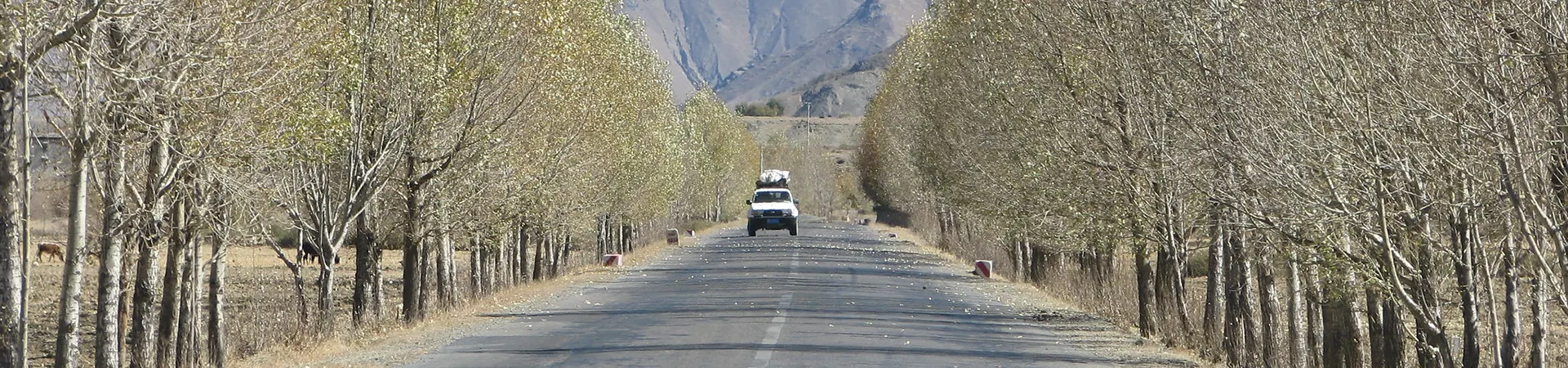

Tibetan highlands and culture make the drive from Lhasa to Shigatse truly special. You will cross high mountain passes, see deep blue lakes and wide valleys, and visit ancient monasteries. This road trip suits culture lovers, first-time visitors to Tibet, and photographers. Keep in mind the long drives and high altitude. You must travel with an authorized guide and arrange permits in advance.
Quick Facts:
- Distance & Time: Scenic route ~360 km (6–8 hours driving), direct route ~270 km (4–5 hours).
- Best Seasons: Late spring to early autumn (May–June, Sep–Oct) for mild weather and clear skies.
- Highest Point: Karo La Pass (~5,050 m) on the scenic route.
- Tour Style: Private vehicle or small-group tour (for photo stops and flexibility).
Route Overview: Tibet Road Trip from Lhasa to Shigatse
Two main routes connect Lhasa and Shigatse. Each offers different highlights:
- Route A – Scenic via Yamdrok Lake and Gyantse: This is the classic route for travelers. It climbs toward Yamdrok Lake, then Karo La (Karola) pass, and goes through Gyantse town. You see turquoise lakes, a glacier pass, and historic sites. The drive takes about a full day with stops. It is best for first-time visitors and photo enthusiasts.
- Route B – Direct via Friendship Highway: A faster highway route heads mostly along the Yarlung Tsangpo (Brahmaputra) valley. It cuts off the lake and Gyantse detour. This path saves time and is safer in bad weather, but has fewer sights. It suits travelers on a tight schedule or anyone needing a quick transfer.
| Route | Drive Time | Top Stops | Best For | Road Risks |
|---|---|---|---|---|
| Scenic via Yamdrok | About 6 to 7 hours | Yamdrok Lake, Karo La, Gyantse | First-time visitors and photographers | High winds at Karo La |
| Direct Friendship Highway | About 4 to 5 hours | Yarlung River valley views | Short itineraries and faster travel | Fewer attractions and possible rain |
Distance, Drive Time, and Daily Pace
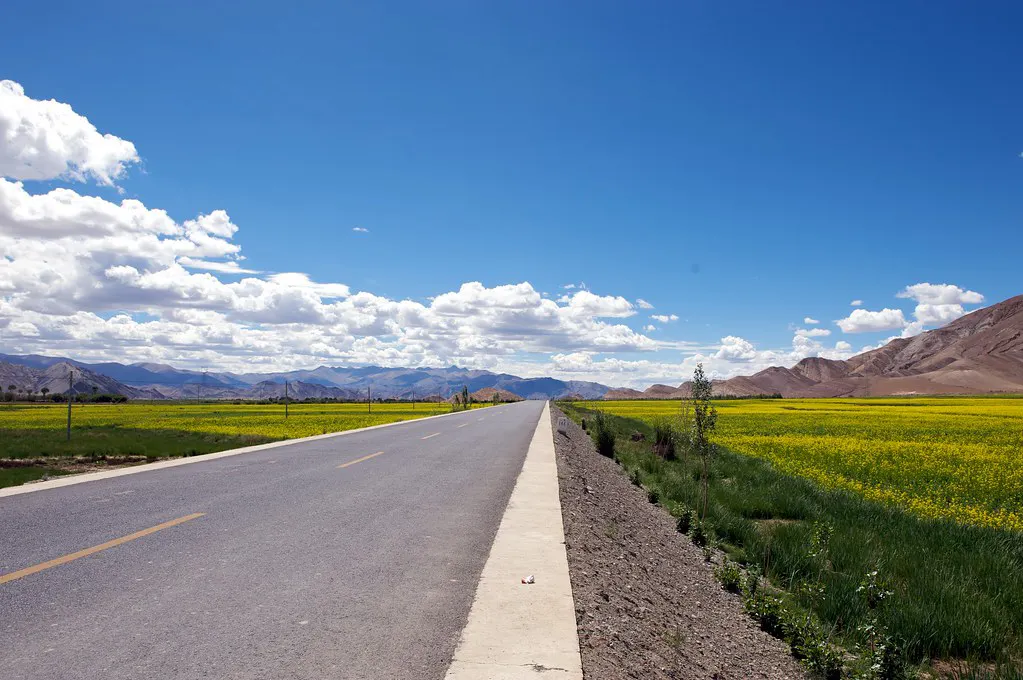
Total driving distance ranges from about 270 to 360 km, depending on the route. Without long stops, the scenic route usually needs a full day (6–8 hours), while the direct route takes roughly 4–5 hours. Plan each day carefully. Avoid packing too many stops into one day – high altitude and winding roads mean slower progress.
- Early Start: Aim to leave Lhasa by sunrise (around 7 AM). The air is cooler, and traffic is lighter.
- Stops & Breaks: Limit main photo stops to 2–3 per day. Overdoing it can leave little time for the next leg.
- Arrival Timing: Reach Shigatse by late afternoon (around 4–5 PM). This gives time to settle in and avoid driving at dusk.
Sample 1-Day Schedule:
- 07:00 Depart Lhasa after breakfast.
- 10:00 Arrive at Yamdrok Lake viewpoint (30–45 min stop for photos).
- 11:30 Leave for Karo La Pass (stop ~20 min to view glacier).
- 13:00 Arrive in Gyantse for lunch (1–1.5 hours, visit Kumbum Stupa).
- 15:00 Continue from Gyantse to Shigatse.
- 16:30 Reach Shigatse in late afternoon.
Best Stops on the Tibet Road Trip from Lhasa to Shigatse
The Lhasa–Shigatse drive offers many natural and cultural highlights. Key stops include:
- Yamdrok Lake: A breathtaking turquoise lake at ~4,400 m elevation. You see sky-blue water against snow-capped peaks. Spend 30–45 min at the lakeside viewing point. Morning light is often best for photos. Altitude here is about 4,400 m – take it slow and wrap up warmly if it’s windy.
- Karo La Pass & Glacier: At ~5,050 m, this high pass has stunning views of the Karola Glacier. Stop briefly (15–30 min) for dramatic glacier and mountain shots. It is cold and windy – wear layers. The sun hits the ice best late morning.
- Manla Reservoir: A scenic reservoir near the pass (about 4,750 m). A quick 10–15 min stop lets you see the green valley and mountains reflected in the water. Nice for a short leg stretch.
- Palcho (Gyantse) Monastery & Kumbum Stupa: Located in Gyantse Town (altitude ~3,900 m), this 14th-century monastery complex includes the multi-storied Kumbum Stupa. It is a top cultural site. Plan 1–2 hours to explore. The climb around the stupa is moderate (stairs inside). Photos are great anytime, but visit earlier in the day to avoid crowds.
- Gyantse Dzong (Fortress): Overlooking Gyantse, the old fortress offers views of the valley. A steep walk up (about 1 hour round-trip) leads to great panorama shots. Good in late afternoon light as the setting sun casts long shadows.
- Gyantse Old Town: Meander through the narrow streets of old Gyantse. The town market and shops sell local crafts. Spend ~30 min here for a cultural flavor. It involves walking on level ground.
| Stop | Time Needed | Photo Value (1–10) | Comfort Level |
|---|---|---|---|
| Yamdrok Lake (viewpoint) | 30 to 60 minutes | 9 / 10 | Easy – short walk |
| Karo La Pass / Glacier | 15 to 30 minutes | 8 / 10 | Easy – roadside stop |
| Manla Reservoir | 12 to 18 minutes | 7 / 10 | Easy – roadside stop |
| Palcho Monastery & Kumbum | 1.5 to 2 hours | 8 / 10 | Moderate – stairs |
| Gyantse Dzong (fortress) | 30 to 60 minutes | 7 / 10 | Moderate – steep walk |
| Gyantse Old Town / Bazaar | 30 minutes | 6 / 10 | Easy – flat streets |
What to Do in Shigatse (First-Timer Guide)
Once in Shigatse, a mix of culture and local life awaits:
- Tashilhunpo Monastery: The largest monastery in Shigatse, home to the Panchen Lama lineage. It has huge gilded statues and prayer halls. Allow 1–2 hours for a visit. It involves walking on level ground with some stairs inside. Mornings or late afternoons are quieter.
- Shalu Monastery: About 20 km southeast of Shigatse, known for its ancient murals and Chinese-style roofs. A worthwhile short trip if time allows. (Note: 4 km off the main road.)
- Local Market (Lhari Bazaar): Visit the lively morning bazaar in the old town area. Vendors sell yak wool, herbs, and crafts. It’s a great spot for street photography and trying local snacks. A 30–60 min stroll is ideal. It’s easy walking through stalls.
- Tibetan Foods: Try regional dishes like thukpa (noodle soup), momos (dumplings), tsampa (barley flour staple), and yak butter tea. Many small eateries serve simple Tibetan and Chinese food. Also, sample sweet milk tea and local yogurts.
- Day Trips from Shigatse: Shigatse is a gateway to Everest Base Camp (to the south) and Mount Kailash (to the west). A typical overland route to Everest goes via Shigatse to Tingri (another 5 hours). Sakya Monastery (80 km north) and sacred Samye Monastery (200 km east) are also accessible with extra time and permits.
Best Time for the Tibet Road Trip from Lhasa to Shigatse
Seasonal weather greatly affects the trip experience:
- Spring (Mar–May): Warming days and dry weather, but strong winds are common in March–April. High passes may still hold patches of snow. Clear mornings make for crisp photos. Layer up – nights remain cold.
- Summer (Jun–Aug): Warm daytime temperatures, sometimes brief afternoon rain (June onward). The landscape turns greener. Trails can be muddy after rain. It’s the monsoon season; showers usually fall in the late afternoon or at night. Afternoon visibility can drop.
- Autumn (Sep–Nov): Cool, dry, and stable weather with brilliant blue skies. Peak season. September and October offer the clearest views of mountains and lakes. Days are sunny; nights drop sharply in temperature. Best time for comfortable touring and photos.
- Winter (Dec–Feb): Very cold, but very low rainfall. With luck, roads stay clear of snow. Fewer tourists and lower prices. Be prepared for freezing nights (below –10°C) and limited heating. Driving can be chilly.
Best Months: April–June and September–October typically offer the clearest skies and milder conditions. Travel in shoulder seasons (April or October) to avoid the biggest crowds while still enjoying good weather.
Road Conditions, Safety, and Comfort Tips
Road quality and safety are key:
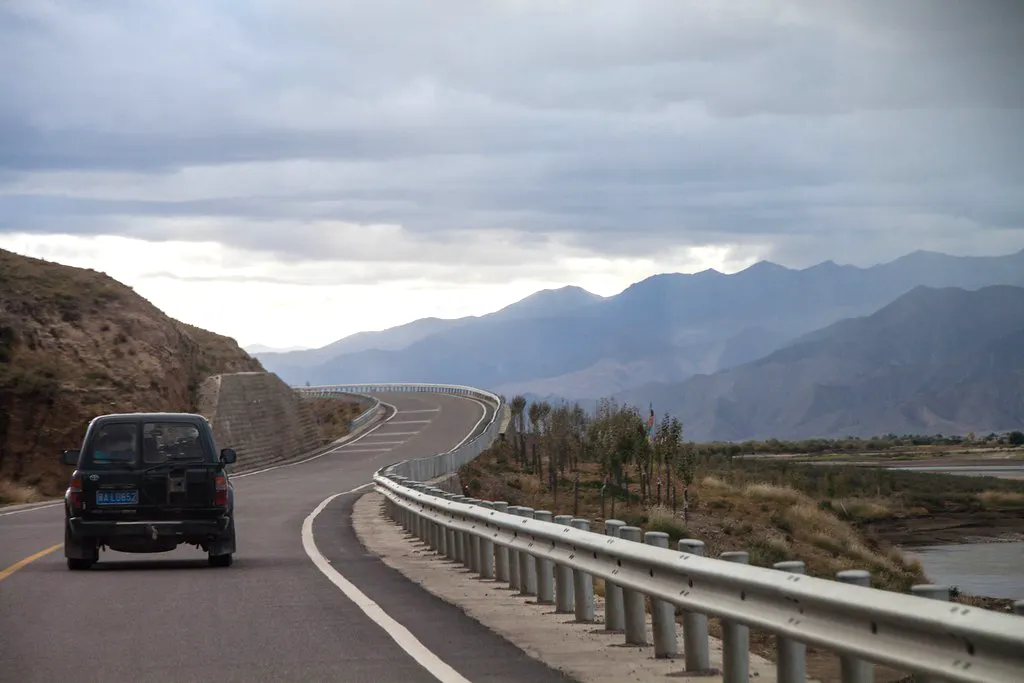
- Road Surface: Major highways between Lhasa and Shigatse are mostly well-paved cement roads. The Friendship Highway (direct route) is smooth and wide. The scenic Yamdrok route is also paved but winds through mountains. Some sections near Karo La can be narrow and rough.
- Mountain Roads: Expect curves and steep climbs on the scenic path. Always wear a seat belt. Carry water and drive slowly near cliff edges. In group vehicles, the driver is experienced, but road conditions (rocks, sudden winter patches of ice) demand caution.
- Wind & Dust: High passes are often windy. Winds can whip dust and chill the air. Keep your windows closed when it’s dusty, and wear a scarf or a mask if you have allergies. In spring, be prepared for strong crosswinds on Karo La.
- Toilets & Breaks: Facilities are basic along the route. Most toilets outside cities are squat-style (pit latrines). Public rest stops are located at major scenic points (Yamdrok, Karo, Gyantse) and at highway checkpoints. Pack toilet paper and hand sanitizer. Carry snacks and water for stretches without services.
- Motion Sickness: Mountain curves and high altitude can cause nausea. Ginger candy, motion-sickness tablets, or wristbands can help. Keep air circulating by rolling down a window periodically. Look at the distant horizon to minimize queasiness.
- Driving Safety: Foreign tourists cannot self-drive unless fully licensed in China; tours always include a professional driver. Follow local driving rules: speed limits (often 60–80 km/h), no passing on curves, and no night driving if possible. Always wear seat belts.
Altitude and Acclimatization Tips
The Tibetan Plateau altitude is a major factor:
- High Starting Point: Lhasa itself sits at ~3,650 m. Karo La is above 5,000 m. Some travelers feel the effects of altitude even in Lhasa. Plan 1–2 days in Lhasa to acclimate before long drives. Light activities (temple visits, gentle walks) are best on Days 1–2.
- Slow Pace: Walk slowly and take rest breaks. Even small tasks (climbing stairs) feel harder. Allow extra time for each segment. If you feel dizzy or have a headache, stop and rest. Avoid hiking or strenuous exercise for the first two days.
- Stay Hydrated: Drink plenty of water (avoid alcohol). Carry a water bottle and sip regularly. Limiting salt and protein can help your body adjust. Hot ginger tea or sweet milk tea can also aid acclimatization.
- Dress Warmly: Temperatures drop with altitude. Bring warm layers and a windproof jacket, even if days feel mild. The sun is strong; use sunglasses and sunscreen. A warm hat and gloves can make a big difference on windy peaks like Karo La.
- Emergency Plan: If serious altitude sickness occurs (severe headache, vomiting, weakness), descend immediately to a lower elevation. Tour guides carry basic oxygen and medicine, but the best remedy is to go down or return to Lhasa.
Permits and Travel Rules
Traveling in Tibet requires official permission and compliance:
- Tibet Travel Permit: All international visitors need a Tibet Travel Permit (sometimes called Tibet Entry Permit). You cannot obtain it on arrival. A registered tour agency in China or Nepal must apply on your behalf. Expect about 10–20 days processing time.
- Additional Permits: For side trips (e.g., Everest Base Camp or Mount Kailash), a second permit (“Alien’s Permit”) is required. This can be arranged in Shigatse or Lhasa, once in Tibet. Plan time for this if you include Everest.
- Authorized Tour Only: Independent travel is not allowed. Foreigners must join an organized tour, have a local guide, and use a designated vehicle. You must register your exact itinerary in advance.
- Documents Checklist: Make sure you have: a passport with a Chinese tourist visa, a Tibet Travel Permit, a travel agency confirmation of hotels and itinerary, and, if applicable, a letter of invitation. Keep copies of all permits and IDs.
- Vehicle & Driver: You must use an approved rental vehicle (including a hired car with driver). Local drivers handle all driving. You cannot drive yourself unless you obtain a Chinese license. Always carry your permit and passport during drives – checkpoints are common.
Suggested Itineraries (Most Useful Section)
Below are sample road trip plans. Adjust based on your pace and interests:
Option 1: 2-Day Drive from Lhasa to Shigatse (Balanced Pace)
- Day 1: Leave Lhasa after breakfast. Stop at Yamdrok Lake around midday and continue to Karo La Glacier. Reach Gyantse in the afternoon. Visit Palcho Monastery, the Kumbum Stupa, and Gyantse Dzong. Stay overnight in Gyantse.
- Day 2: Enjoy a relaxed morning in Gyantse, with an optional early visit for better light and fewer crowds. Then drive to Shigatse by highway, which takes about 2 hours. Visit Tashilhunpo Monastery or explore the local market in the afternoon. End the day in Shigatse.
Drive: Moderate | Walk: Medium | Top Stops: Yamdrok Lake, Karo La Glacier, Palcho Monastery, Kumbum Stupa, Gyantse Dzong | Best For: First-time visitors and travelers who want a more comfortable pace
Option 2: 1-Day Drive from Lhasa to Shigatse (Fast Version)
- Day 1: Start early from Lhasa, usually around 6:00 to 7:00 AM. Stop briefly at Yamdrok Lake for photos, then continue west on the highway toward Shigatse. Depending on timing, you may pass through Gyantse without a full sightseeing stop. Arrive in Shigatse by late afternoon.
Drive: Heavy | Walk: Light | Top Stops: Yamdrok Lake, roadside plateau views | Best For: Travelers with limited time or those who need to reach Shigatse quickly
Option 3: 3-Day Slow Drive from Lhasa to Shigatse (Photo and Culture Focus)
- Day 1: Leave Lhasa in the morning and drive to Yamdrok Lake. Spend time at the main viewpoints and enjoy the open lake scenery. Stay overnight in the Yamdrok area or continue to a nearby town, depending on available accommodation.
- Day 2: Visit Yamdrok Lake early for soft morning light and quieter viewpoints. Then continue over Karo La and drive to Gyantse. Arrive around midday or early afternoon. Explore Palcho Monastery, the Kumbum Stupa, and the old town. Stay overnight in Gyantse.
- Day 3: Enjoy a relaxed morning in Gyantse with time for photos or a second short visit to the monastery area. Then drive to Shigatse and arrive in the afternoon. Visit Tashilhunpo Monastery or explore the local market.
Drive: Light to moderate | Walk: Medium | Top Stops: Yamdrok Lake, Karo La Glacier, Palcho Monastery, Kumbum Stupa, Gyantse old town | Best For: Photographers, culture-focused travelers, and those who want a slower pace
| Option | Days | Drive Time | Walk Level | Top Stops | Best For |
|---|---|---|---|---|---|
| 2-Day Road Trip (Balanced) | 2 days | Moderate | Medium | Yamdrok Lake, Karo La, Gyantse sites | First-time visitors and travelers who want a moderate pace |
| 1-Day Road Trip (Fast) | 1 day | High – full day | Low | Yamdrok Lake, Yarlung River | Travelers short on time and experienced visitors |
| 3-Day Slow Trip (Photo & Culture) | 3 days | Light | Medium | Sunrise at Yamdrok, Karo La, Gyantse | Photographers and travelers who prefer a relaxed pace |
Packing List for the Road Trip
Pack for altitude, sun, and variable weather:
- Warm Layers: Fleece or wool sweater, thermal tops, and a down or thick jacket. Evening temperatures drop sharply, even in summer.
- Windproof Jacket: A shell or windbreaker to protect against mountain winds, especially on passes.
- Sun Protection: Sunglasses (high UV protection), a wide-brimmed hat or cap, and high-SPF sunscreen (face and lips). The sun is intense above 4,000 m.
- Hydration Essentials: Reusable water bottle (drink plenty of water) and high-energy snacks (nuts, chocolate bars) for the road.
- Moisturizer & Lip Balm: Dry air and sun cause chapped skin. Carry a heavy-duty moisturizer and SPF lip balm.
- Toiletries: Hand sanitizer and wet wipes (for pit toilets). Toilet paper (not always available on route).
- Electronics: Camera with extra batteries and memory cards (cold drains battery), power bank, and chargers. Consider a camera rain cover.
- Medicine: Motion sickness pills, Diamox (altitude sickness medication), pain reliever, and any personal prescriptions.
Costs and Budget Planning
Budget factors on this road trip include transport, accommodation, and season:
- Transport: A private vehicle with a driver is standard. Expect roughly ¥800–1,000 per day (~120–150 USD) in peak season (including driver, fuel, tolls). Group tours or sharing a van cut this per-person cost. The direct route is shorter (cheaper on fuel), but most tours are priced by day, not distance.
- Hotels: Shigatse and Gyantse have a range from budget guesthouses (~¥100/15 USD) to mid-range hotels (¥300/45 USD) per night. Peak season (July–Aug) rates are higher.
- Meals: Simple Tibetan/Chinese meals cost around ¥20–50 (3–7 USD). Bringing snacks reduces roadside food needs.
Tips: To save money, travel in shoulder seasons (April, October). Join small group tours rather than private ones for lower per-person rates. Keep the route straightforward – avoiding distant detours (like flying to remote areas) cuts costs.
Food, Rest Stops, and Practical Travel Notes
- Meal Stops: Restaurants in towns (Lhasa, Gyantse, Shigatse) offer dining options, as do noodle shops. En route, there are basic roadside cafes at major stops (like Yamdrok and Karo) serving noodles and instant noodles. Carry snacks (nuts, bars) for long stretches.
- Restroom Access: Toilets are scarce between towns. Use bathrooms at gas stations, cafes, or viewpoint stops whenever you can. Always carry toilet paper. Expect mostly squat toilets outside cities; some petrol stations have better facilities.
- Cash Needs: Carry Chinese yuan (RMB) in cash. ATM access is limited outside Lhasa and Shigatse. Small towns may have ATMs, but they often run out of cash. Credit cards are rarely accepted outside major hotels and shops.
- Mobile & Internet: Mobile signal is patchy. China Unicom or China Telecom SIMs (with roaming) work best. Expect no service at high passes. Wi-Fi is available only in larger hotels in cities. Download offline maps in advance.
- Electricity: Chinese outlets (Type A/C/I, 220V). Bring a universal adapter. Power outages can happen; charge devices each night when in cities.
Common Mistakes to Avoid
- Starting Too Fast: Don’t start the road trip immediately on arrival day in Lhasa. Spend 1–2 days acclimating and enjoying Lhasa first.
- Overpacking Stops: Packing 6–8 stops in one day can lead to exhaustion. Aim for 2–4 key stops per day and extra rest if needed.
- Poor Clothing Prep: Failing to pack warm layers for high-altitude passes leads to discomfort. Always have windproof and warm gear even in summer.
- Skipping Buffer Days: Weather or permit delays are common. Leave at least one extra day in your Tibet schedule for unexpected delays (roadblocks, bad weather).
- Ignoring Safety: Not wearing seat belts or rushing while driving can be dangerous. Always follow the driver’s safety advice.
- Leaving Permits Late: Request the Tibet Travel Permit well in advance (at least 2–3 weeks before travel). Last-minute planning often leads to visa issues.
FAQs
Q: How long is the Tibet Road Trip from Lhasa to Shigatse?
A: The distance from Lhasa to Shigatse is roughly 270–360 km, depending on the route. The scenic route (via Yamdrok Lake and Gyantse) is about 360 km and takes about 6–8 hours to drive. The direct highway route (Friendship Highway) is about 270–300 km and takes 3–5 hours, not including stops.
Q: What is the best route for the Tibet Road Trip from Lhasa to Shigatse?
A: The “best” route depends on your priorities. The scenic route via Yamdrok Lake is highly recommended for first-timers and photographers. It offers views of lakes and mountains, plus cultural stops in Gyantse. The direct Friendship Highway route is much faster and smoother, making it ideal for trips short on time or during bad weather, but it bypasses the famous sights.
Q: What are the best stops between Lhasa and Shigatse?
A: Key highlights include Yamdrok Lake (a crystal-clear turquoise lake), Karo La Pass and Glacier (high mountain pass views), and Gyantse’s Palcho Monastery (Kumbum Stupa) and Dzong (fortress). These stops offer stunning scenery and cultural heritage. The old town market of Gyantse and the Yarlung Tsangpo valley (along the highway) are also worth a look.
Q: What is the best time of year for the Lhasa to Shigatse road trip?
A: The best months are May–June and September–October. In these shoulder-season months, the weather is generally clear with mild daytime temperatures. Avoid heavy monsoon rains (July–August) and extremely cold winter conditions. Spring days are sunny but can be windy; autumn days are crisp and dry.
Q: Do I need permits for the Tibet Road Trip from Lhasa to Shigatse?
A: Yes. All foreign tourists require a valid Tibet Travel Permit to enter and travel inside Tibet. You must also travel with an official guide and approved vehicle. If you plan to go beyond Shigatse (e.g., Everest), additional permits (Alien’s Permit) are needed. Apply through a licensed Tibet tour agency well in advance.
Q: Is the drive safe for first-time visitors?
A: Overall, the road is well-maintained and safe, especially with an experienced driver. However, consider the altitude and weather. Avoid night driving. Wear seat belts, drive at safe speeds, and take breaks. First-time visitors should allow extra time and rest properly. The main risk is altitude sickness, so acclimate before the trip.
Q: Can I do this road trip in one day?
A: It is possible, but it would be very long. A one-day trip means about 8–10 hours total, including minimal stops. You would depart Lhasa very early, make quick photo stops (such as Yamdrok Lake for 15–30 minutes), and reach Shigatse by late afternoon. It’s best only if you have urgent time constraints. Otherwise, a 2-day itinerary is more comfortable and allows for sightseeing.