

Included Meals
- Breakfast: 12
- Lunch: 1
- Dinner: 1

Unbeatable Holiday Offers – Save Up to 20% on Your Next Adventure!
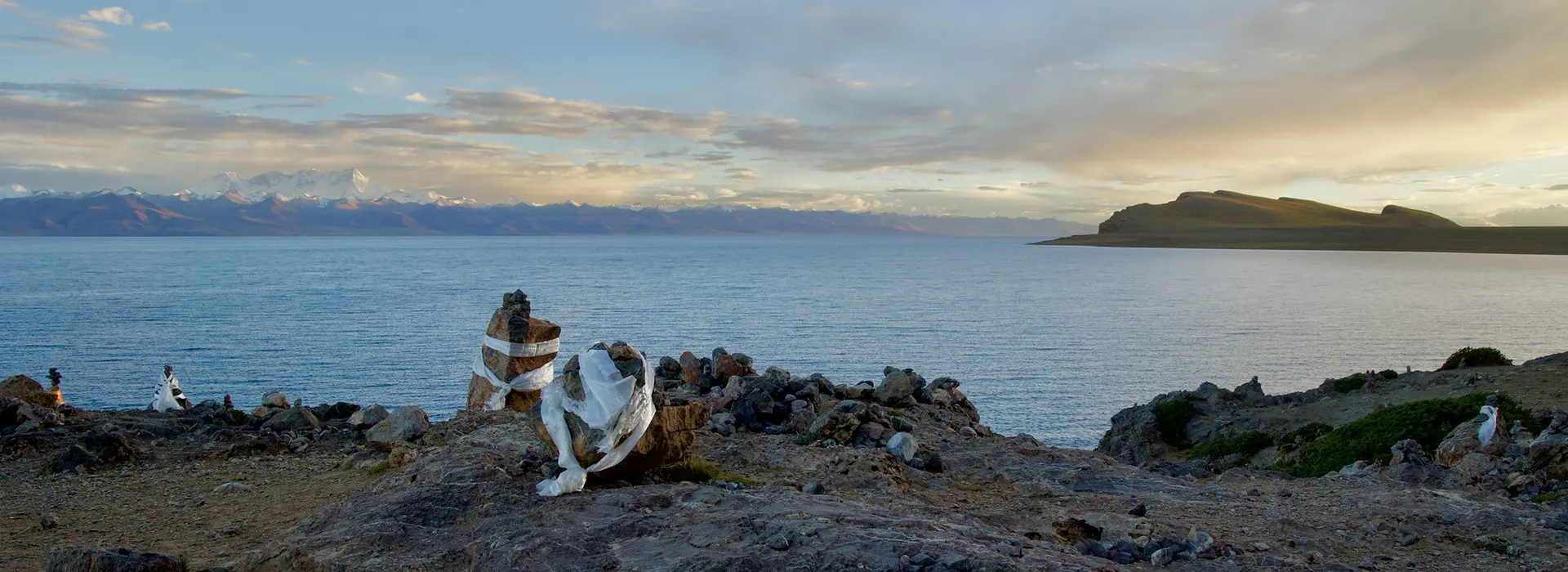
The Kailash Tour from Lhasa covers 15 days of overland travel across the Tibetan plateau. It starts in Lhasa and moves west through sacred monasteries, mountain passes, and remote high-altitude plains. The route connects Lhasa’s culture, the Everest Base Camp viewpoint at Rongbuk, the holy waters of Lake Manasarovar, and the snow-capped peak of Mount Kailash.
A classic 3-day Kailash kora forms the spiritual heart of the trip. Physically fit travelers who want both the meaning of pilgrimage and raw Himalayan adventure find this route deeply rewarding. The trip builds altitude slowly, so the body adapts before reaching the highest points in western Tibet. This Lhasa to Mount Kailash tour combines culture, pilgrimage, and high-altitude scenery in one overland route.
This Mount Kailash overland tour via Lhasa gives travelers an organized, safe, and culturally rich way to reach one of Asia’s most sacred peaks. Below are the key reasons this tour stands out.
Mount Kailash sits at the far western end of Tibet, far from roads and cities. Its remote location makes reaching it a commitment. Four religions treat this mountain as a sacred center.
Mount Kailash for Hindus
Hindu belief holds that Mount Kailash is the home of Lord Shiva. Pilgrims walk the kora to honor Shiva and seek blessings for their family and future lives. Completing the kora once wipes away the sins of a lifetime, according to this tradition. Completing it 108 times is said to bring liberation.
Mount Kailash for Buddhists
Buddhist texts describe Mount Kailash as Kangri Rinpoche, meaning ‘precious snow mountain.’ It represents the spiritual axis of the world. Buddhist pilgrims walk the kora clockwise in the Tibetan tradition, pausing at prostration spots and prayer stones along the trail.
Mount Kailash for Jains and Bon Followers
Jains identify the mountain as Ashtapada, the site where their founder, Rishabhadeva, attained liberation. Bon followers, practitioners of Tibet’s pre-Buddhist religion, walk the kora counter-clockwise and see the mountain as the seat of spiritual power in the sky world.
Lake Manasarovar
Lake Manasarovar sits at 4,590 m near the base of Mount Kailash. Hindu scripture describes it as the lake created in Lord Brahma’s mind. Bathing in its waters or carrying water home brings spiritual merit. The lake reflects the sky and surrounding peaks with a clarity that leaves most visitors silent.
Saga Dawa: The Best Time for Pilgrimage
Saga Dawa falls in May or June, depending on the lunar calendar. It marks the Buddha’s birth, enlightenment, and passing. Tibetan Buddhists consider every action performed during this month to carry extra merit. The kora trail is filled with pilgrims from across Tibet, India, Nepal, and beyond. Traveling during Saga Dawa adds a living, vibrant energy to the entire journey.
This trip suits:
This trip may not suit:
Physical fitness matters more than age on this trip. The source page confirms that well-prepared older adults handle the kora well, while younger travelers without altitude fitness can struggle more.
This Kailash tour with Everest Base Camp from Lhasa brings Tibet’s top cultural, spiritual, and Himalayan highlights into one route. Key highlights include:

Included Meals

Transport
Private tourist vehicle (5 to 29 seats by group size)

Accommodation
3-star hotels in cities; guesthouses in remote areas

Trip Grade
The day-by-day plan below shows how this Kailash Mansarovar tour from Lhasa builds altitude and reaches the holy mountain in a steady way. Every day includes accommodation, key highlights, and a travel tip.
Highlights
The guide meets all travelers at the airport or station. The transfer to the hotel takes about 1 hour. After check-in, rest is the priority. The body needs time to adjust to 3,658 m.
In the evening, the guide holds a trip briefing over dinner. Topics include the permit situation, daily schedule, altitude advice, packing review, and road conditions ahead.
Travel Tip: Drink plenty of water on arrival day. Avoid alcohol for the first 24 hours in Lhasa. Take it easy with walking and stairs.
Accommodation:
3-star hotel in Lhasa

Maximum Altitude 3,658m/12,001ft
Difficulty
Highlights
Drepung Monastery sits on the slopes of Gephel Utse Hill west of Lhasa. At its peak, it housed over 10,000 monks. Today, a smaller resident community maintains the prayer halls and assembly rooms. The white-walled complex looks enormous against the bare mountain backdrop.
Sera Monastery is best known for its courtyard of monk debates. Every afternoon, monks practice dialectics by clapping hands and challenging each other on Buddhist philosophy. The energy in the courtyard is lively and unlike anything else in Tibet.
The first three days prepare travelers for the Mount Kailash tour via Lhasa with sightseeing and acclimatization in the Tibetan capital. Both monasteries sit at city altitude, so walking feels manageable without overexertion.
Travel Tip: Carry a light jacket even in summer. Both monastery courtyards sit in shade for parts of the day, and the air stays cool.
Accommodation:
3-star hotel in Lhasa
Meals Breakfast
Maximum Altitude 3,658m/12,001ft
Difficulty
Highlights
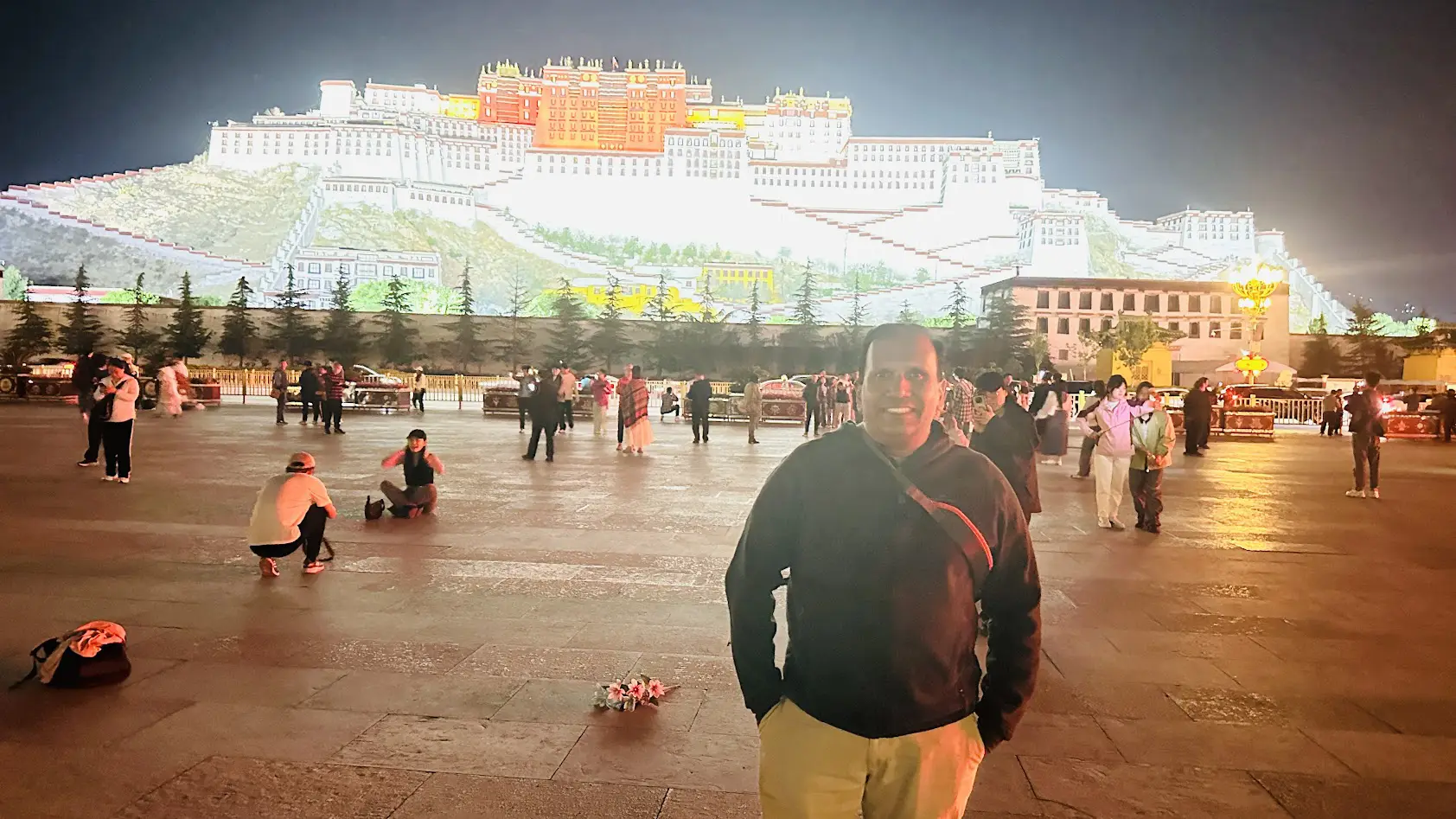
Potala Palace rises 117 m above Red Hill in central Lhasa. The white and red structure holds thousands of rooms, chapels, and stupas. The roof offers the clearest panorama of the Lhasa valley. Entry requires prior booking through the guide.
Jokhang Temple houses the Jowo Rinpoche statue, considered the most precious object in all of Tibetan Buddhism. Pilgrims queue outside from early morning, many of them prostrating the full length of their bodies on the pavement. The smell of butter lamps and incense fills the inner halls.
Barkhor Street circles Jokhang Temple, forming a living kora. Locals spin prayer wheels, chant mantras, and stop at small shrines along the path. Market stalls sell thangkas, prayer flags, beads, yak wool products, and local snacks.
Travel Tip: Bring a small daypack with your camera, water, and sun protection. The Potala visit involves many stairs. Take them slowly.
Accommodation:
3-star hotel in Lhasa
Meals Breakfast
Difficulty
Highlights
The drive over Kamba La Pass gives the first stunning view of Yamdrok Lake far below. The color of the water changes from deep blue to turquoise depending on the angle of light. Nomad settlements and yak herds dot the lakeside road.
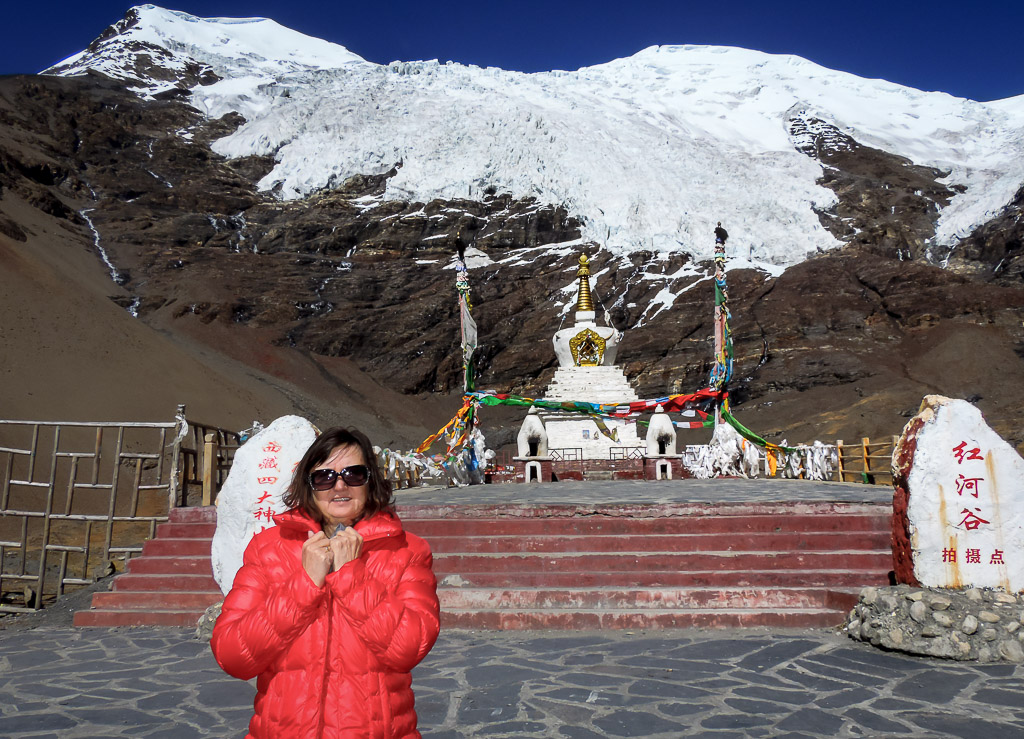
Karola Glacier extends down from the mountain directly above the road. A short walk reaches the base of the ice. The glacier has retreated in recent decades, but it remains an impressive sight from the roadside.
Gyantse is home to one of Tibet’s best-preserved town squares, the Kumbum stupa, a multi-chapelled pagoda with 108 doors. The town feels less touristed than Lhasa and gives a glimpse of traditional Tibetan life.
Tashilhunpo Monastery in Shigatse houses the golden statue of Maitreya, the Future Buddha, over 26 m tall. The monastery complex remains active and richly decorated.
Travel Tip: This is a long drive day. Wear comfortable layers and keep snacks and water in the vehicle. Take short stretch stops at every viewpoint.

Time & Distance Approx. 6 to 7 hours
Accommodation:
3-star hotel in Shigatse
Meals Breakfast
Difficulty
Highlights
This Kailash tour with Everest Base Camp from Lhasa gives travelers one of the most dramatic days of the entire route. The road crosses the high Gyatso La Pass before descending into the Rongbuk valley, where Everest dominates the skyline.
Rongbuk Monastery at 5,000 m offers a small museum about Everest expeditions and the monastic history. Monks and nuns maintain the monastery and provide basic tea-house services to visitors.
The Base Camp viewpoint at 5,200 m gives a clear sightline of the North Col and the upper ridges. On clear mornings, the summit pyramid is fully visible. This is one of the few places on earth where a person can drive to Everest’s doorstep.
Travel Tip: Sleeping at EBC is at a very high altitude. Headaches are common. Bring your own water, warm sleeping layers, and any prescribed altitude medication. The guesthouse provides basic bedding.
Time & Distance Approx. 6 to 7 hours
Accommodation:
Guesthouse at Rongbuk (basic facilities)
Meals Breakfast
Difficulty
Highlights
The drive out of the Rongbuk valley passes through wide plateau landscapes with scattered nomad tents and grazing yaks. The sky here stretches without interruption.
Pelku Tso appears without warning after a long flat stretch of road. The lake reflects the peaks of the Himalayan range to the south, including the lesser-visited Shishapangma. Few other vehicles stop here, making it one of the quietest and most photogenic spots on the route.
Saga sits at the edge of the Brahmaputra. It serves as the last town with reliable services before the route pushes deeper into western Tibet toward Darchen.
Travel Tip: Fuel up vehicles and carry extra water from Saga. Town services become more basic past this point.
Time & Distance Approx. 5 to 6 hours
Accommodation:
Standard hotel in Saga
Meals Breakfast
Difficulty
Highlights
The drive from Saga to Darchen covers some of the most open and empty terrain in all of Tibet. The road passes rivers, nomad camps, and high grasslands. Wildlife sightings of Tibetan wild donkeys, antelope, and foxes are common.
The first view of Mount Kailash appears about 30 km before Darchen. The four-sided pyramid peak, capped with ice and snow, rises above a line of lower ridges. It looks perfectly symmetrical from the south.
Darchen is a small service town at the base of Mount Kailash. Hotels and guesthouses line the main street. Pilgrims from India, Nepal, and across Tibet gather here before starting or finishing the kora. Arrange porter and yak services in Darchen the evening before the kora starts.
Travel Tip: Rest well in Darchen. The kora starts the next morning and covers long distances over high terrain. Eat a solid meal and go to bed early.
Time & Distance Approx. 6 to 7 hours
Accommodation:
Guesthouse in Darchen
Meals Breakfast
Difficulty
Highlights
The kora begins at the Tarboche flagpole, where thousands of prayer flags fly above a large pole raised every Saga Dawa. The trail heads north through the valley of the Lha Chu River. The western face of Mount Kailash becomes visible after about 2 km.
The path passes many stones, carved prayer rocks, and small shrines. Many pilgrims carry prayer beads and walk in silence. Others chant mantras in rhythm with their steps.
Dirapuk Guesthouse sits directly opposite the north face of Mount Kailash. This is one of the most dramatic views on the entire trip. The north face rises steeply above the guesthouse with a central snow gully running top to bottom.
Travel Tip: Drink plenty of water on the trek. The altitude at Dirapuk is higher than at most of the sleeping points so far. Sleep problems on the first night of the kora are normal.
Time & Distance Approx. 13 km
Accommodation:
Basic guesthouse at Dirapuk
Meals Breakfast, Lunch, Dinner
Difficulty
Highlights
Day 2 of the kora is the hardest and the most rewarding. The trail climbs steeply from Dirapuk through several false ridges before reaching Dolma La Pass at 5,630 m. The final ascent takes most trekkers 3 to 4 hours, depending on pace.
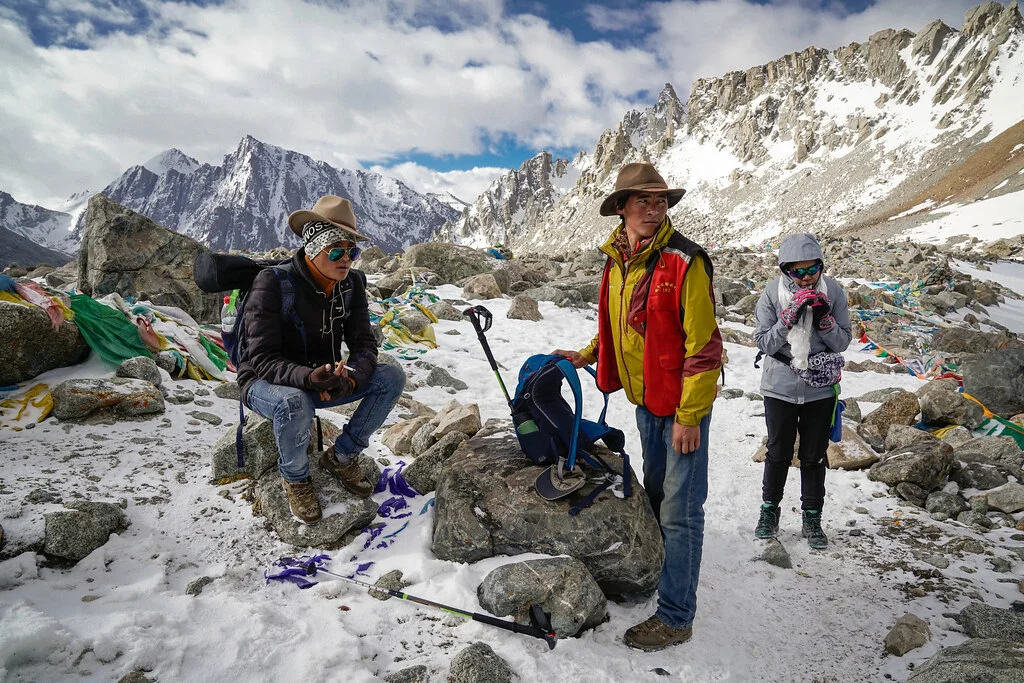
At the pass, prayer flags cover every surface. Buddhist tradition holds that crossing the pass represents death and symbolic rebirth. Many pilgrims stop here to pray, pour butter into flame offerings, and collect small stones as blessings.
The descent to Zutulpuk covers about 14 km and drops over 800 m. The eastern valley gradually opens, offering views of the southern face of Kailash. Zutulpuk Monastery marks the overnight stop.
Travel Tip: Start early on Day 2, ideally by 6:00 AM. The long distance and altitude make pacing important. Porter or yak support makes this day significantly more comfortable.
Time & Distance Approx. 24 km
Accommodation:
Basic guesthouse at Zutulpuk
Difficulty
Highlights
The final kora section returns to Darchen through the valley of the Barkha Plain. The mountain stays visible on the left side for much of the walk. Completing the circuit brings a sense of quiet achievement.
After a short rest and meal in Darchen, the vehicle drives southwest to Lake Manasarovar. The lake opens up suddenly after a ridge, the turquoise water framed by mountain snowfields on all sides.
Lake Manasarovar sits at 4,590 m above sea level and covers 412 square kilometers. The shores hold several small monasteries and hermitages. Pilgrims wade into the water for ritual bathing. Many fill bottles with water to carry home.
Travel Tip: The lake gets very cold at night, even in summer. Bring a warm sleeping bag and windproof layers for the evening.
Time & Distance Approx. 15 km (Zutulpuk to Darchen)
Accommodation:
Guesthouse at Lake Manasarovar
Meals Breakfast
Difficulty
Highlights
The return drive follows the same road as the outbound journey but feels different in the post-kora mood. Many travelers feel a quiet, peaceful energy after completing the circuit.
Saga provides better food options than Darchen. A local restaurant breaks the long drive. The guide arranges a recommended stop.
Travel Tip: Use this day to rest, write notes, sort photographs, and prepare for the final days of travel back to Lhasa.
Time & Distance Approx. 6 to 7 hours
Accommodation:
Standard hotel in Saga
Meals Breakfast
Difficulty
Highlights
The drive to Gyirong drops in altitude significantly. The landscape shifts from dry plateau to lush valley with trees, rivers, and farmland. After days on the high plateau, Gyirong feels surprisingly green and warm.
Gyirong sits close to the Nepal border and handles overland Nepal-Tibet crossings. The town offers good food and a lower-altitude rest night before the drive back up to Tingri.
Travel Tip: Enjoy the lower altitude. The descent may cause some travelers to feel a surge of energy after days above 4,500 m.
Time & Distance Approx. 5 to 6 hours
Accommodation:
Standard hotel in Gyirong
Difficulty
Highlights
The drive from Gyirong back to the plateau reascends through dramatic switchbacks. The road passes through deep gorges and then opens onto the flat Tingri plain. Tingri has wide views of the Himalayan crest from its flat position on the plateau. On clear evenings, several 8,000 m peaks are visible to the south.
Travel Tip: Rehydrate after the day’s altitude change. Tingri sits high again, so drink water and avoid heavy meals in the evening.
Time & Distance Approx. 4 to 5 hours
Accommodation:
Standard guesthouse in Tingri
Meals Breakfast
Difficulty
Highlights
The long drive back to Lhasa follows the Friendship Highway east. The route passes Gyatso La Pass and rolls through familiar plateau scenery before descending into the Lhasa valley.
Travel Tip: Use this evening for last shopping in Barkhor or the Tromsikhang Market near Jokhang Temple if you want to pick up gifts or keepsakes.
Time & Distance Approx. 6 to 7 hours
Accommodation:
3-star hotel in Lhasa
Meals Breakfast
Difficulty
Breakfast at the hotel. The guide arranges the airport or railway station transfer based on each traveler’s departure time. Check-out time is typically 12:00 noon. Early or late departures require advance coordination with the hotel.
Travel Tip: Book the flight or train to Lhasa at least 30 days in advance. Tickets out of Lhasa sell fast during peak months.
Meals Breakfast
Maximum Altitude 3,658m/12,001ft
Difficulty
Transportation Airport or station transfer included
Accommodation on this Kailash Mansarovar tour from Lhasa varies depending on the location. Set realistic expectations for remote areas and focus on comfort in the city portions.
Lhasa and Shigatse
Hotels in Lhasa and Shigatse offer private rooms with en-suite bathrooms, heating, and consistent hot water. These nights provide recovery rest before and after the plateau drive. Internet access, room service, and on-site restaurants are available. The guide recommends 3-star properties with good reviews from previous groups.
Saga, Gyirong, and Tingri
Standard local hotels in these towns provide private or shared rooms with basic en-suite or shared bathroom facilities. Hot water is available in most rooms, but not all. Rooms are clean and functional. The heating varies by season, so warm layers for bed are practical even in summer.
Darchen, Dirapuk, and Zutulpuk
Darchen offers the best available guesthouse accommodation near Mount Kailash, featuring simple rooms with basic furnishings, shared or private bathrooms, and limited heating. Travelers can request upgraded rooms in Darchen, subject to availability. Dirapuk and Zutulpuk guesthouses sit on the kora trail and offer shared dormitory-style rooms or basic private rooms. Bathroom facilities are shared and very basic. Hot water for washing is limited or unavailable. Bring a sleeping bag liner or a light sleeping bag for kora nights. Expectations must stay realistic for these remote stops.
The Mount Kailash kora from Lhasa forms the spiritual and physical peak of this entire tour. The kora is a 3-day circumambulation route around the base of Mount Kailash. The total distance covered was approximately 52 km across mountain valleys and one high pass.
Day-by-Day Kora Breakdown
Porter, Yak, and No-Trek Options
Porter service is available for hire in Darchen. A porter carries the main bag while the trekker walks with a daypack. The cost is approximately 330 RMB per day per porter, subject to actual availability and conditions. Yak hire is also available for bag transport.
Travelers who do not want to trek can stay in Darchen instead of completing the kora. The vehicle and driver remain available. These travelers can visit the Tarboche flagpole area and the viewpoints near Darchen before meeting the group after the kora.
The Lake Manasarovar tour from Lhasa adds one of Asia’s most sacred bodies of water to the itinerary. Manasarovar sits at 4,590 m in Burang County, western Tibet, about 30 km from Mount Kailash.
The lake holds deep spiritual importance for Hindus and Buddhists alike. Hindu pilgrims bathe in the lake early in the morning when the water is still, and the surrounding peaks reflect on its surface. The water carries a clear blue-green color with remarkable transparency.
Several small monasteries line the shores of Manasarovar, including Chiu Monastery perched on a rocky outcrop above the lake’s northwestern edge. The monastery offers one of the best viewpoints over the lake and toward Mount Kailash in the distance.
The itinerary includes a night at a guesthouse near the lakeshore, allowing time for sunrise and sunset watching, a short walk along the shore, and the opportunity to sit with the space and silence of the place.
Understanding the altitude profile helps travelers prepare physically and mentally. The table below lists the key altitudes along the route.
| Location | Altitude |
| Lhasa | 3,658 m |
| Yamdrok Lake | 4,441 m |
| Shigatse | 3,850 m |
| Gyatso La Pass | 5,220 m |
| Everest Base Camp | 5,200 m |
| Saga | 4,487 m |
| Darchen | 4,576 m |
| Dirapuk | 5,210 m |
| Dromala Pass | 5,630 m |
| Zutulpuk | 4,790 m |
| Lake Manasarovar | 4,590 m |
Difficulty Assessment
The Mount Kailash kora from Lhasa’s altitude profile is the biggest physical challenge on this trip. The altitude at Dromala Pass exceeds 5,600 m. No prior mountaineering experience is needed, but regular walking fitness and the ability to handle altitude are essential.
The meal structure below reflects what the package includes. Read this section carefully to plan your own food needs.
Tibet requires multiple permits in addition to a standard Chinese visa. The guide handles all permit applications on your behalf, but you must provide documents and book in advance.
Required Documents and Permits
Booking Timeline
Book at least 30 days before the departure date. Permit processing takes 7 to 14 working days, and high season fills up fast. Indian passport holders follow a different application process and must contact the tour operator directly for guidance on permits, as India-specific regulations apply.
The vehicle is a core part of the experience on this overland trip. Understanding road conditions helps set expectations.
The best time for the Kailash Tour from Lhasa runs from April to late October. Outside this window, snow and road closures make the western Tibet overland route impractical or impossible.
| April – May | Warming temperatures, fresh spring light, Saga Dawa in May or June – excellent for pilgrimage |
| June – July | Peak summer, some monsoon cloud on south faces, warm days, most accessible roads |
| August | Midseason, occasional rain on the plateau, but generally stable |
| September – October | Best clear views, cool crisp air, golden plateau colors – most popular for mountain photography |
| November – March | Not suitable – roads closed, extreme cold, permits unavailable for western Tibet overland |
Saga Dawa Departures
Saga Dawa is the most spiritually significant time for the Kailash kora. The full moon of the fourth Tibetan lunar month marks the main day. Thousands of pilgrims from Tibet, India, Nepal, and beyond gather at Kailash. The kora trail fills with chanting, prayer flags, and communal energy. Departures timed to coincide with Saga Dawa require early booking. Dates shift each year with the lunar calendar. Ask the guide for the confirmed Saga Dawa date when planning the trip.
Pack smart and light. The kora requires a daypack for trekking days. Porters or yaks carry the main bag on the kora.
Documents
Clothing Layers
Trekking Footwear
Sun Protection
Personal Medicine
Trekking Equipment
Snacks and Nutrition
Electronics
The kora trail allows travelers to choose their own level of physical effort. The options below help match the trail to each traveler’s fitness and preferences.
Porter and yak costs are excluded from the package cost. Arrange and pay these in Darchen directly.
Fixed group departures run throughout the operating season from April to late October. Departure dates are announced at the start of each season. Private departures are available on flexible dates, subject to availability.
Contact the team to confirm current departure dates, request a custom private itinerary, or download the PDF trip brochure. A detailed route map and altitude chart are available on request to help visualize the full 15-day route.