
Kathmandu – Pokhara- Kathmandu- Shigatse – Lhasa – Kathmandu – Paro – Thimphu – Paro

Unbeatable Holiday Offers – Save Up to 20% on Your Next Adventure!

Kathmandu – Pokhara- Kathmandu- Shigatse – Lhasa – Kathmandu – Paro – Thimphu – Paro
The Nepal, Tibet, and Bhutan Tour offers a meaningful travel experience across the spiritual and cultural heart of the Himalayas. The tour combines sacred heritage, dramatic landscapes, and living traditions in one carefully planned journey. Travelers explore three unique destinations in one trip, gaining more than standard sightseeing through deep cultural exposure and natural beauty.
The Nepal, Tibet, and Bhutan Tour begins in Nepal, a land known for the living goddess Kumari and the birthplace of Lord Buddha. Kathmandu Valley introduces ancient palaces, golden pagodas, and peaceful Buddhist stupas that reflect centuries of spiritual history. These cultural landmarks create a strong foundation for the rest of the tour.
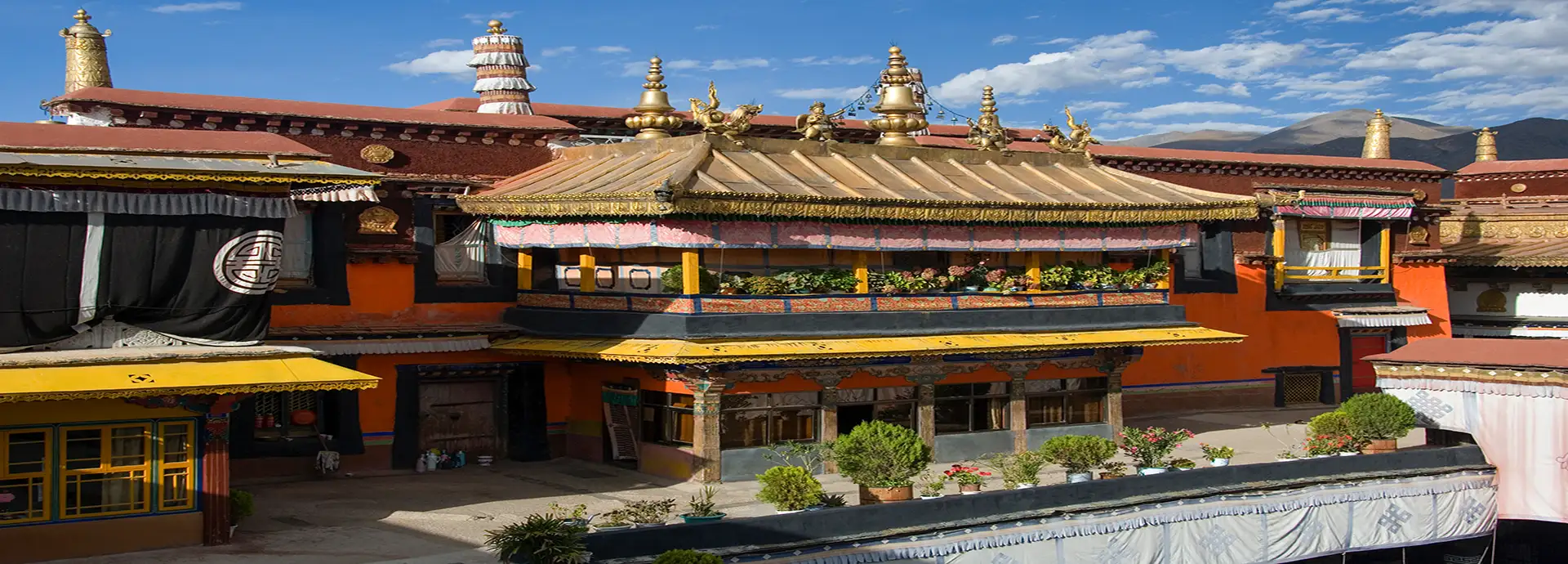
From Nepal, the Nepal Tibet Bhutan Tour continues across the Himalayas to Tibet, often called the roof of the world. Tibet offers vast high-altitude landscapes, historic cities, and close views of Mount Everest and nearby peaks. In Lhasa, travelers visit the Potala Palace, once the winter residence of the Dalai Lama, and experience spiritual moments at Jokhang Temple alongside local pilgrims.
The final destination of the Nepal Tibet Bhutan Tour is Bhutan, known as the Land of the Thunder Dragon. Bhutan preserves its traditions through unique architecture, colorful wall paintings, and strong cultural values. Travelers explore historic Dzongs and hike to the famous Tiger’s Nest Monastery, set high on a cliff. The Nepal Tibet Bhutan Tour creates lasting memories through sacred sites, mountain scenery, and cultural depth across three remarkable Himalayan regions.

Included Meals

Trip staff

Transport

Accommodation

Trip Grade
Group Size
Our representative will meet you at the airport, and after a welcome greeting, they will drive you to your hotel. You’ll likely stay in the Thamel district, experiencing its bustling streets, markets, and cafes.
The company representative will provide a short briefing about the Nepal Tibet Bhutan Tour. Spend the evening relaxing and acclimatizing to Kathmandu’s altitude of ~1,400m so you feel refreshed and ready for future adventures.
Accommodation:
Hotel Thamel Paro or similar
Difficulty
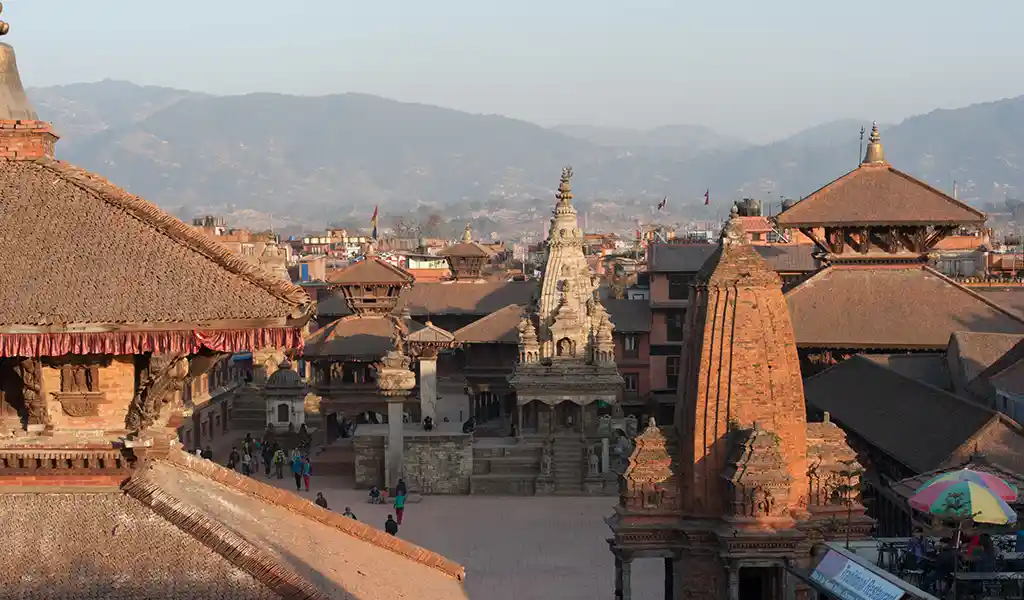
The day begins with a full day of exploring Kathmandu Valley. Your first stop is a UNESCO World Heritage Site, the Kathmandu Durbar Square. This palace complex has many palaces and centuries-old temples. You can see the Kumari Ghar, the residence of the living goddess, and other palaces here.
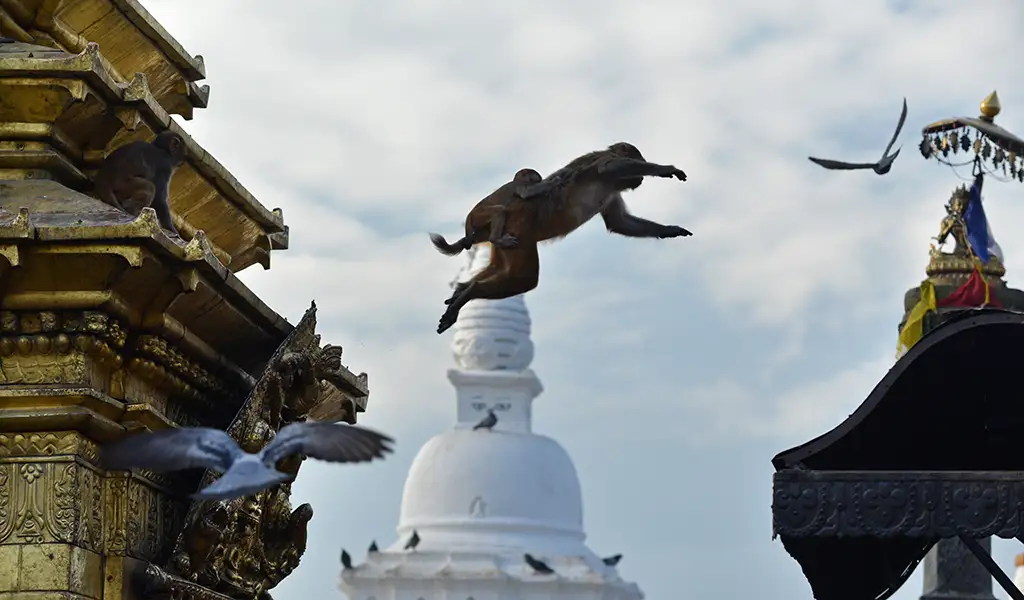
Then, you’ll drive to Swayambhunath Stupa, the Monkey Temple. This stupa sits on a hilltop offering panoramic views of the city and shows a unique blend of Buddhist and Hindu symbolism.
Visit the Bouddhanath Stupa in the afternoon. This stump is the largest in the world. You can join the local pilgrims as they circumambulate the white dome while spinning prayer wheels. The cultural tour concludes with a visit to Pashupatinath Temple. Sitting on the banks of the Bagmati River, this sacred Hindu complex is famous for its golden-roofed pagodas and open-air cremation process.
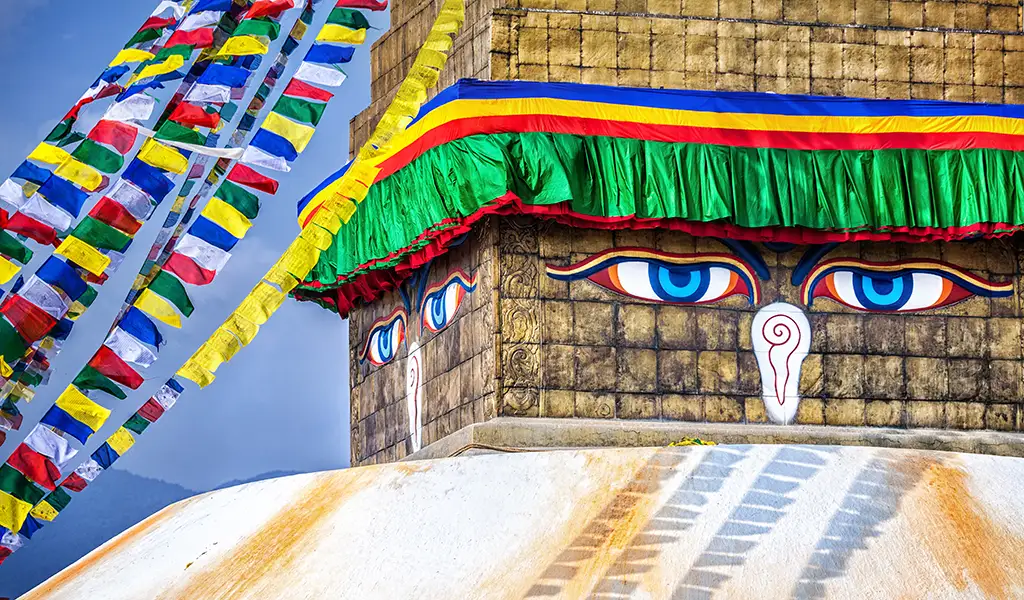
You’ll return to your hotel in Thamel after the whole day of sightseeing. The evening is free for you. You can relax or explore the markets and cafes.
Accommodation:
Hotel Thamel Park or similar
Meals Breakfast
Difficulty
Transportation Private Car
You’ll leave Kathmandu in the morning for a scenic drive to Pokhara. The drive is about 6 to 7 hours and covers about 200km. You will travel in a comfortable tourist bus through Nepal’s beautiful countryside and pass terraced rice fields and green hills. The bus follows the Trishuli River Valley and approaches the lush Pokhara region.
You’ll arrive in Pokhara by late afternoon. Pokhara is a lakeside city with the great Annapurna Mountain range rising in the background. Check into your hotel near the lake and spend the evening relaxing. You can walk along the lakeside, explore the cades, or rest.

Time & Distance 7 Hours & 200 KM
Accommodation:
Kuti Resort or similar
Meals Breakfast
Difficulty
Transportation Tourist Bus
The day begins before dawn with a drive to Sarangkot Hill. This popular viewpoint offers the beautiful sunrise over the Annapurna and Dhaulagiri ranges. You will watch as the first light of the day paints the snow-capped mountains in golden and pink hues.
Return to Pokhara for a relaxing boat ride on Phewa Lake. You can visit the Tal Barahi temple in the middle of the lake. This small lake on a small island is the shrine for Goddess Durga. Then the trip takes you to the dramatic Devi’s Falls. The waterfall flows into an underground gorge and roars with thunder. Across the road from this waterfall is the Gupteshwor Mahadev Cave, a sacred limestone cavern with the shrine of Lord Shiva in the middle. You can hear as the Devi’s Falls flows underground through the rock formations.
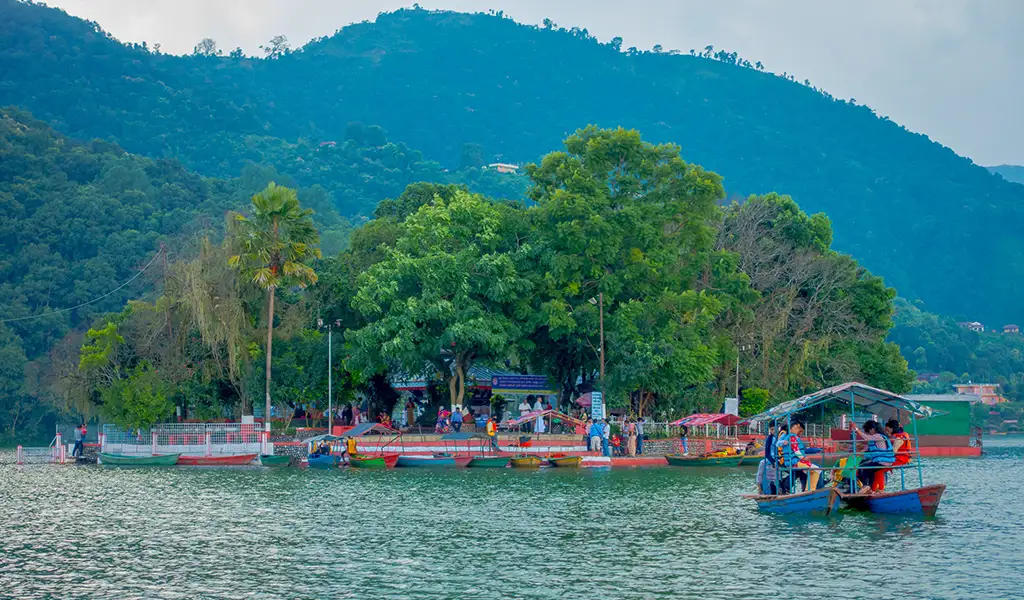
You’ll visit the Tibetan refugee camp on the outskirts of Pokhara. You can communicate with the community and browse through the markets of handicraft Tibetan carpets, jewelry, and souvenirs. You’ll drive to the World Peace Pagoda in the evening. This white stupa sits on a ridge above the city and offers panoramic views of Pokhara valley and the surrounding mountains. Return to your hotel after soaking in the views and rest for the night.
Accommodation:
Kuti Resort or similar
Meals Breakfast
Difficulty
Transportation Private Car
Have breakfast and leave Pokhara for a drive back to Kathmandu. You’ll drive by a tourist bus for approximately 6 to 7 hours through Nepal’s mid-hills and pass small villages. The drive follows rivers and offers views of terraced mountainsides.
You’ll arrive in Kathmandu by late afternoon. Check into your hotel and spend the night as you please. You can explore the city, visit a cafe, shop for souvenirs, or relax.
Accommodation:
Hotel Thamel Park
Meals Breakfast
Difficulty
Transportation Tourist Bus
Your Tibet part of the Nepal Tibet Bhutan Tour starts with an early morning departure. Drive north towards the Nepal-Tibet border at Kerung (Gerung) in the morning. The drive covers bout 155km and takes about 7 to 8 hours. You will go across the Langtang region through rugged terrain, dramatic mountain passes, deep gorges, and beautiful waterfalls.
Finish Nepal’s exit formalities at the border and enter Tibet. Clear your Tibetan immigration and meet your local guide, who will accompany you on the Tibet tour.
Check into a simple guesthouse in the border town of Kerung at 2,800m. Since the altitude is high, you can spend the evening acclimating.
Time & Distance 9 Hours & 175 KM
Accommodation:
Normal Hotel
Meals Breakfast

Maximum Altitude 2,600m/8,530ft (Kerung)
Difficulty
Transportation Share Van
The drive continues from Kerung across the central Tibetan Plateau. The road climbs steadily through dramatic landscapes of rugged mountains, endless plains, and streams. If the day is clear, you can catch a glimpse of the north face of Mount Everest (Chomolungma) in the distance. You’ll arrive in Tingri in the afternoon, after 5 to 6 hours on the road. Tingri is a small town at an altitude of 4,300m. Check into your guesthouse and spend the day resting and acclimatizing to the altitude. You can use the time to adjust to the thin air and prepare for the trip ahead.
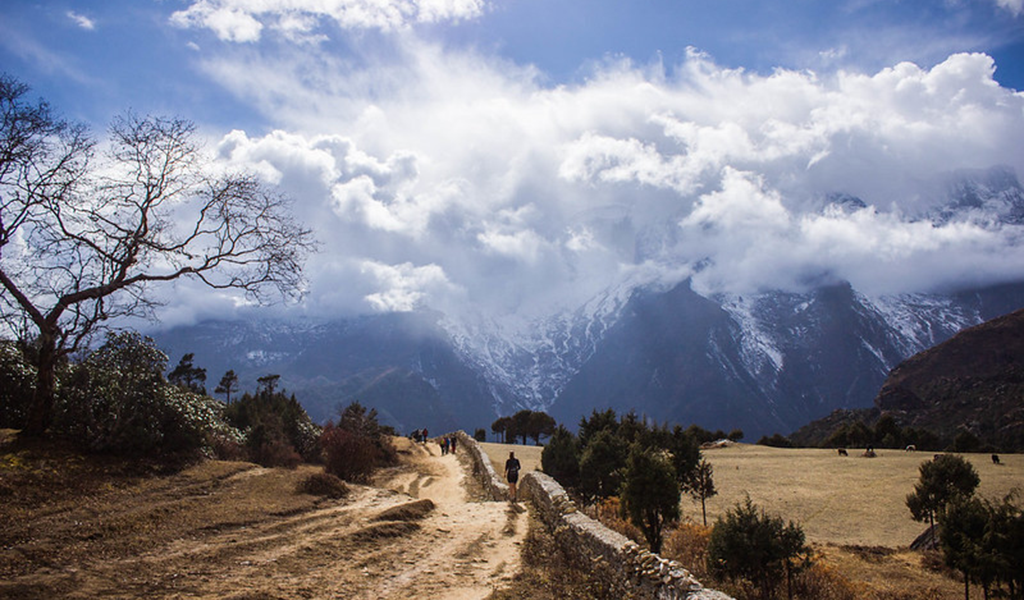
Time & Distance 6 Hours
Accommodation:
Teahosue
Meals Breakfast
Maximum Altitude 4,300m/14,108ft (Tingri)
Difficulty
Transportation Share Van
After breakfast, leave Tingri and set out on a 5 to 6-hour drive to Shigatse, Tibet’s second largest city. You’ll cross the vast Tibetan plateau and see yaks grazing, small villages, and occasional nomadic camps.
You’ll arrive in Shigatse in the afternoon. This city sits at around 3,850m with many religious centers. Visit Tashilhunpo Monastery, where the Panchen Lama traditionally resides. You can explore the monastery’s cobbled lanes and giant golden Buddha statues, and observe monks performing their daily rituals.
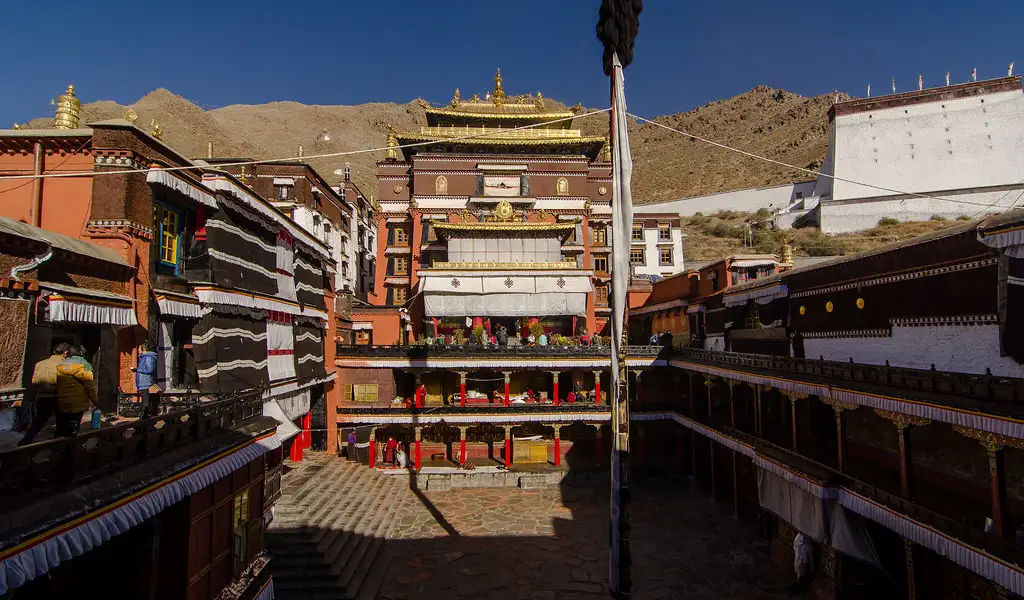
Check into your hotel after visiting the monastery and spend the evening resting or exploring the local market.
Time & Distance 6 Hours
Accommodation:
Normal Hotel
Meals Breakfast
Maximum Altitude 3,850m/12,631ft (Shigatse)
Difficulty
Transportation Van
Continue through the drive with a full-day road trip to Lhasa, the capital of Tibet. The drive is about 6 to 7 hours and is one of the most scenic overland trips of the tour. You’ll stop at Yamdrok Lake on the way. Yamdrok Lake is a turquoise freshwater lake sacred to the Tibetan culture. Continue through the Karo-La Pass to see the towering glacier near the roadside and enjoy close-up views of the mountains.
You’ll arrive in Lhasa at 3,650m by late afternoon. Since the altitude is high, you should move slowly and stay hydrated. Check into your hotel and take time to acclimate.
Time & Distance 7 Hours
Accommodation:
Normal Hotel
Meals Breakfast
Maximum Altitude 3,650m/11,975ft (Lhasa)
Difficulty
Transportation Share Van
Today’s tour begins with a visit to Drepung Monastery, once the largest in the world and home to thousands of monks and a major Buddhist learning center. You can walk through its courtyards and prayer halls and see the ancient murals and sacred artifacts.
You’ll visit the Sera Monastery in the afternoon. Sera is another key monastic institution in Lhasa and is famous for lively monk debate sessions. You can observe monks debating in the courtyard, offering a fascinating glimpse into Tibetan Buddhist education. Return to your hotel in Lhasa after the tour and relax in the evening.
Accommodation:
Hotel Yak or similar
Meals Breakfast
Difficulty
Transportation Van
You’ll explore the iconic spiritual and cultural sites of Lhasa today., The tour begins at Potala Palace, a white and red palace that used to serve as the winter residence of the Dalai Lama. Climb the steps to the palace and explore its chapels and rooms decorated with elaborate murals. Explore the statues of past Dalai Lamas and many Buddhist relics. You can enjoy a sweeping view of Lhasa from the upper levels of the palace.
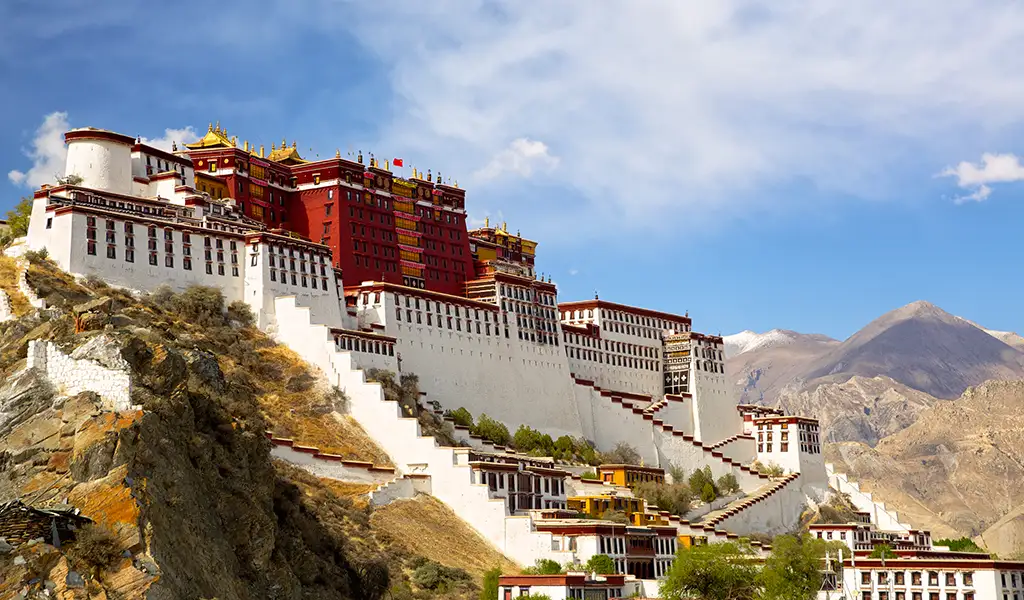
Next, visit Jokhang Temple in the heart of Lhasa’s old town. This temple is the most sacred temple in Tibet, where you can join pilgrims as they walk around the temple offering prayers. You can observe devotees lighting butter lamps and kneeling before the golden statue of Jowo Rinpoche inside the temple.
After visiting the temple, you can explore Barkhor Street, which circles the temple. Walk along the streets with locks and pilgrims while browsing the stalls selling prayer flags, handicrafts, and souvenirs. Return to your hotel in the evening to rest and relax.
Meals Breakfast
Difficulty
Have breakfast and leave Lhasa to begin your trip back to the Nepal border. The drive to Shegar (New Tingri) takes about 7 to 8 hours while crossing the high-altitude Tibetan Plateau. You’ll go through vast plains and mountain roads with a stark, dramatic landscape view.
You’ll arrive in Shegar in the late afternoon. This town sits at around 4,050m and offers calm and isolated surroundings. Check into a local guesthouse and rest in the evening.
Time & Distance 8 Hours
Accommodation:
Normal Hotel
Meals Breakfast
Maximum Altitude 4,050m/13,287ft (Shegar)
Difficulty
Transportation Van
Have your breakfast in the morning and begin the day’s drive. Today, you will return to Kathmandu. Once you arrive in Kerung, complete your Chinese exit formalities and bid farewell to your Tibetan guide. After passing through Nepali immigration, you will begin your drive back to Kathmandu.
Continue the drive through the hills and arrive in Kathmandu by evening. Check into your hotel and spend the day as you like. You can rest or enjoy a Nepali meal and rest early.
Time & Distance 11 Hours & 250 KM
Accommodation:
Hotel Thamel Park
Meals Breakfast
Difficulty
The Bhutan part of the Nepal Tibet Bhutan Tour starts from this day. Board a flight from Kathmandu to Paro, Bhutan, today. You can see the panoramic views of the Himalayas on a clear day. After landing in Paro Valley, you can meet your Bhutanese guide and begin your Bhutan tour.
Your guide will take you on a drive to Thimphu. About 50 km east of Paro, Thimphu is about 1,5 hours away. The drive offers fresh mountain air, and you can notice the shift in architecture and landscape.
Check into your hotel and enjoy the rest of the day. You can rest or explore the main street of the city. Since it is the capital, Thimphu offers a mix of tradition and modernity and is an urban center.
Accommodation:
Hotel Pedling or similar
Meals Breakfast, Lunch, Dinner
Difficulty
Transportation Private Car
You will begin your Bhutan tour today. The tour starts at the National Memorial Chorten, a white stupa built in honor of Bhutan’s third king. You can join the locals circumambulating the chorten, spinning prayer wheels, and offering prayers.
After the National Memorial Chorten, you will visit Buddha Dordenma, a 52m tall bronze Buddha statue on a hilltop overlooking the Thimphu valley. From this statue site, you can see panoramic views of Thimphu and the surrounding mountains. Then, you’ll visit the Folk Heritage Museum to see the restored traditional farmhouse showcasing rural Bhutanese life. You can learn how families lived in the past while walking through the old-style rooms filled with typical household objects.
Drive back to Paro in the afternoon and check into your hotel. You can rest in Paro and prepare for tomorrow’s hike.
Accommodation:
Mahdala Resort or similar Hotel
Meals Breakfast, Lunch, Dinner
Difficulty
Transportation Private Car
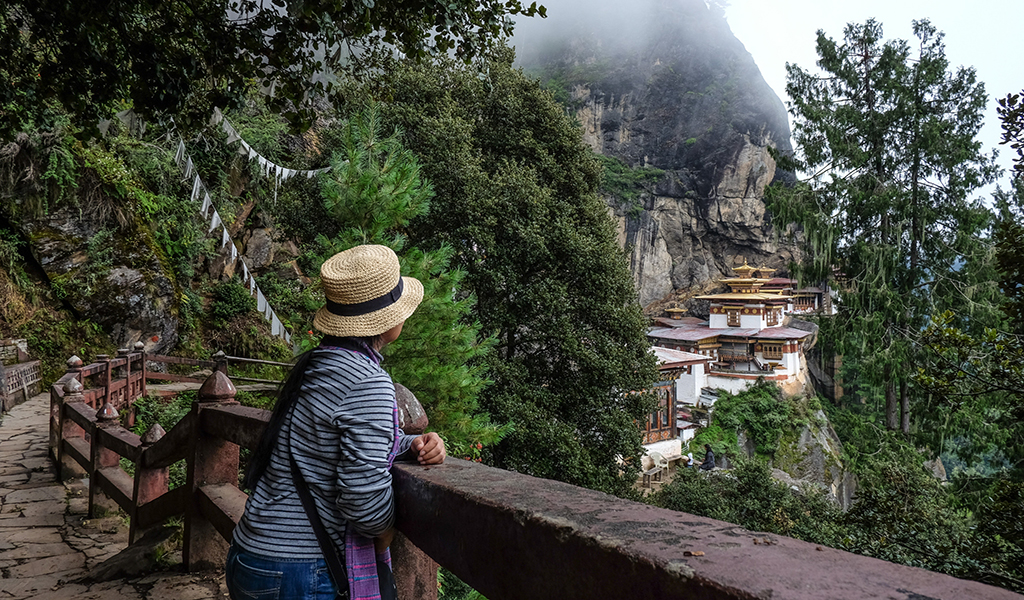
Wake up early for one of the trip’s highlights with a hike to Tiger’s Nest Monastery (Paro Taktsang). After a short drive, you will reach the trailhead of the hike. You’ll hike through pine forests with moss and prayer flags and stop midway at a viewpoint and teahouse. This point offers the first close-up view of the Tiger’s Nest.
Climb the stone steps and cross a bridge over the waterfall while continuing upward. The monastery is at around 3,120m. You can explore its sacred halls and learn the story of Guru Rinpoche. According to legends, Guru Rinpoche flew to this cliff on the back of a tigress in the 8th century. You can light a butter lamp for good luck here.
After spending some time in the monastery, begin your hike back to the valley. The whole hike takes about 4 to 5 hours. You will visit Paro Rinpung Dzong in the afternoon. Paro Rinpung Dzong is a fortress-monastery with whitewashed walls, carved woodwork, and many courtyards.
Spend the evening browsing through the markets of handicrafts, textiles, and souvenirs in Paro’s main streets. You can enjoy a Bhutanese dinner and rest for the day.
Accommodation:
Mandala Resort or similar
Meals Breakfast, Lunch, Dinner
Difficulty
Transportation Private Car and Hike
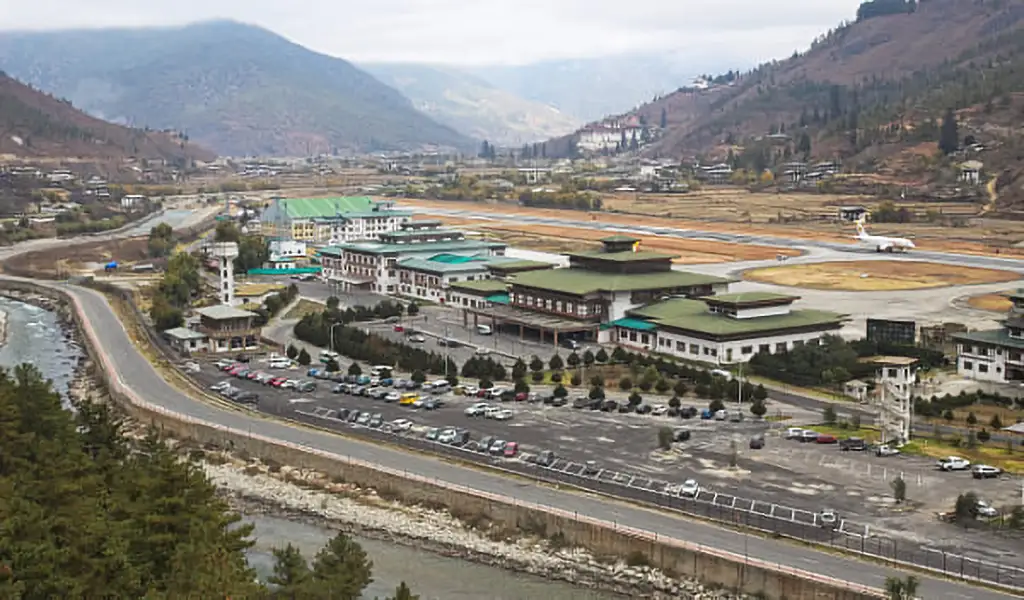
Have breakfast in your hotel while enjoying your final morning in Bhutan. You can reflect on the whole tour from ancient temples of Nepal, spiritual Tibet, and serene Bhutan. Your guide will drive you to Paro International Airport at your scheduled departure time. Your Nepal Tibet Bhutan Tour comes to an end today. We hope you’re leaving with memories of beautiful landscapes and lasting cultural insights.
Meals Breakfast
Difficulty
The Nepal Tibet Bhutan Tour is enriching and fun, but comes with challenges. You’ll spend several days above 3,500m, exposed to high altitude risks. Following acclimatization advice is essential these days. You need moderate fitness for walking, light hiking, and steep trails like Tiger’s Nest. Keep a positive attitude when handling long road days and delays due to weather or local conditions.
The three countries have cultures and religions unique to each region. You will experience different practices, so respect local customs. The tour includes a guide for most parts of the tour, especially in Tibet, so you must be comfortable sharing space and time with others in your group.
You’ll visit three countries and deal with multiple visas and border crossings. While we handle the paperwork for you, it can still be stressful. If you don’t mind these and love cultural immersion, natural beauty, and adventure, this trip is definitely for you.
You’ll stay in hotels or guesthouses providing comfort and a welcoming atmosphere throughout the Nepal Tibet Bhutan Tour. Accommodations are twin-sharing by default, but we can arrange single rooms as an additional supplement.
We arrange 3-star hotels in Kathmandu and Pokhara with clean, modern rooms and private bathrooms. You’ll stay in Hotel Thamel Park in Kathmandu and Kuti Resort in Pokhara, both known for their good amenities.
Tibet accommodations are more basic due to the remote location and limited infrastructure. Although limited, we arrange the best accommodations in each town. You’ll stay in comfortable 2-star hotels like Yak Hotel or Kyichu Hotel in Lhasa. You’ll stay in small guesthouses in towns like Kerung, Tingri, and Shigatse. These guesthouses are clean and safe, although some may have limited facilities or shared bathrooms. While the standards may be basic, we prioritize cleanliness and hospitality for a pleasant stay.
Bhutan offers 3-star hotels or resorts meeting the country’s tourism standards. You might stay in Hotel Pedling in Thimphu and Mandala Resort in Paro. These hotels offer comfortable rooms and private bathrooms with a touch of local Bhutanese style and hospitality.
We can upgrade your accommodation if you want. Upgrades are subject to availability and extra costs depending on the upgrade.
You can add a few add-ons to your Nepal Tibet Bhutan Tour to make your tour even more fruitful. You can discuss these add-ons while booking, so we can arrange them for you. These add-ons are optional and not part of the package, thus costing more.
Everest Base Camp Helicopter Tour: You can take a helicopter day trip from Kathmandu to Mount Everest. The helicopter takes off early morning through the great Himalayas and lands at the Everest Base Camp or Kala Patthar.
Extra Nights: If you want more time to explore, relax, or acclimate, we can arrange additional nights in the destination of your choice.
Accommodation Upgrades: Upgrades are available in key stops like Kathmandu, Lhasa, and Thimphu. You can choose higher-end hotels or deluxe rooms for added comfort.
Other Activities: We can arrange activities like paragliding in Pokhara, white-water rafting, bungee jumping, or attending a traditional cultural dance performance that suits your interests.
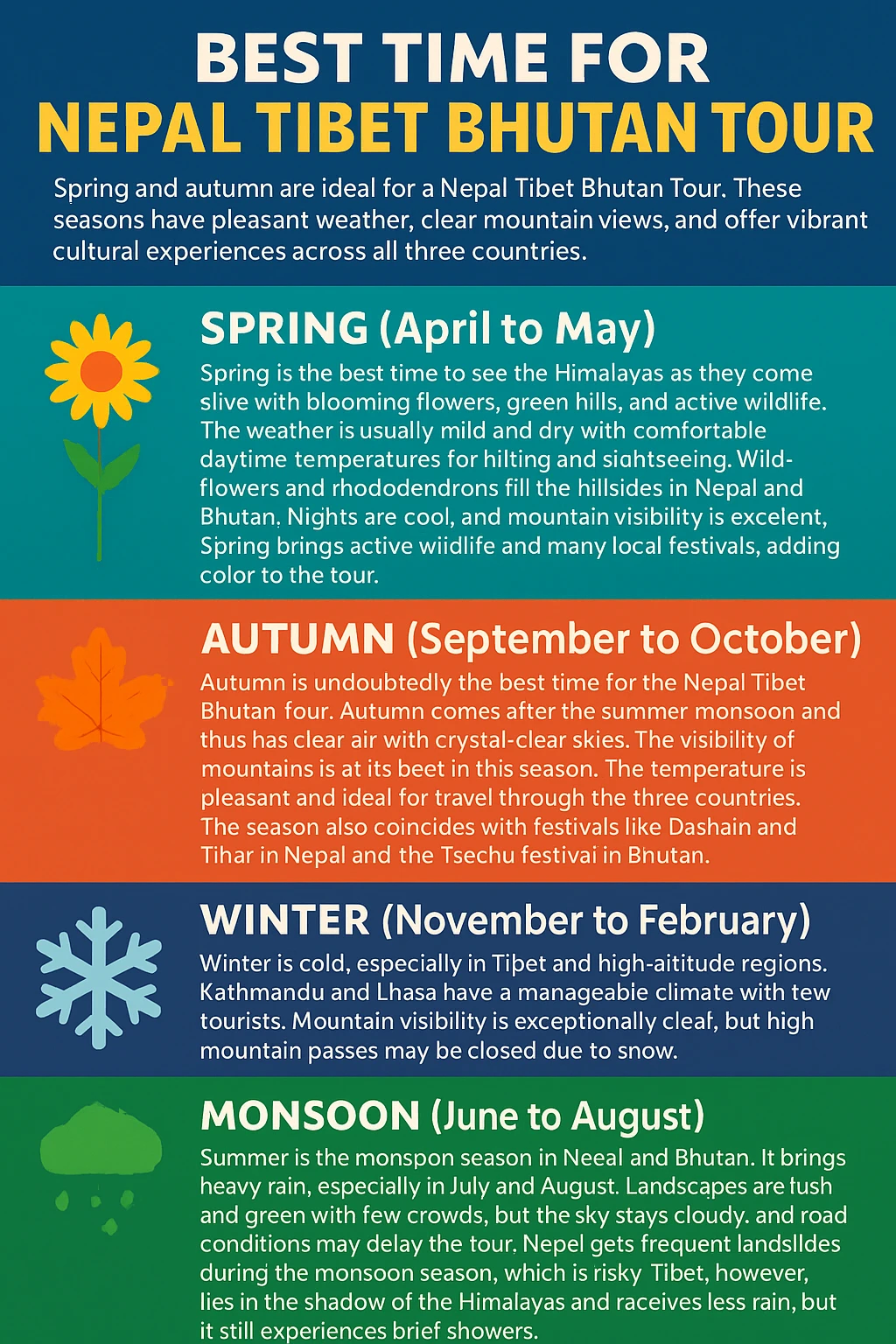
Spring and autumn are ideal for a Nepal Tibet Bhutan Tour. These seasons have pleasant weather, clear mountain views, and offer vibrant cultural experiences across all three countries.
Spring (April to May): Spring is the best time to see the Himalayas as they come alive with blooming flowers, green hills, and active wildlife. The weather is usually mild and dry with comfortable daytime temperatures for hiking and sightseeing. Wildflowers and rhododendrons fill the hillsides in Nepal and Bhutan. Nights are cool, and mountain visibility is excellent. Spring brings active wildlife and many local festivals, adding color to the tour.
Autumn (September to October): Autumn is undoubtedly the best time for the Nepal Tibet Bhutan Tour. Autumn comes after the summer monsoon and thus has clear air with crystal-clear skies. The viability of mountains is at its best in this season. The temperature is pleasant and ideal for travel through the three countries. The season also coincides with festivals like Dashain and Tihar in Nepal and the Tsechu festival in Bhutan.
Winter (November to February): Winter is cold, especially in Tibet and high-altitude regions. Kathmandu and Lhasa have a manageable climate with few tourists. Mountain visibility is exceptionally clear, but high mountain passes may be closed due to snow.
Monsoon (June to August): Summer is the monsoon season in Nepal and Bhutan. It brings heavy rain, especially in July and August. Landscapes are lush and green with few crowds, but the sky stays cloudy, and road conditions may delay the tour. Nepal gets frequent landslides during the monsoon season, which is risky. Tibet, however, lies in the shadow of the Himalayas and receives less rain, but it still experiences brief showers. Summer travel requires flexibility and preparation for heat and humidity at lower elevations.
Altitude Precautions: You’ll reach high elevations in Tibet and on the Tiger’s Nest hike. These high altitudes can cause Acute Mountain Sickness (AMS). We build acclimatization time and gradual ascents in the itinerary to prevent AMS. Moving at a relaxed pace and staying hydrated are essential to staying safe. You should avoid alcohol and excessive caffeine at high altitude, as it causes dehydration and worsens AMS. Common mild symptoms of AMS are headache, dizziness, trouble sleeping, or loss of appetite. In case of any symptoms, you should inform your guide immediately. If symptoms are severe, you should descend immediately to a lower altitude. Consult your doctor about medicines like Diamox to help with acclimatization before the trip.
Hydration and Nutrition and its Hygiene: Staying hydrated is essential in the high altitudes of Tibet and Bhutan. Drink safe water daily and maintain a balanced diet to keep your energy up. Your guides will advise you on nutritious meals if you want recommendations. Don’t skip meals even if you don’t feel like eating. You should stick to freshly cooked meals and reputable restaurants to prevent stomach issues. Ensure your meat is well-cooked in Nepal and Bhutan, and avoid meat in Tibet. Avoid tap or unboiled water and use bottled or treated water for drinking or brushing your teeth. You should also avoid ice unless you are confident in its safety.
Vaccinations and Medicines: Visit a travel clinic for recommended vaccinations for Nepal, Tibet (China), and Bhutan. Hepatitis A, Typhoid, and Tetanus are common vaccines. Be updated on routine vaccines and pack a personal first-aid kit with prescribed medications. You should also take essential medicines like motion sickness pills, anti-diarrheal tablets, pain relievers, and band aids. While pharmacies are available, bringing your medication with you is better.
General Personal Safety: While crime rates are not high in either of the countries, it’s better to stay cautious. Keep your essential documents and cash secure using only a belt or hotel safe. Stay alert if you travel to crowded spaces like markets or festivals, and don’t walk alone at night. If you must travel at night, take a taxi from your hotel or guide.
Local Customs: You need to respect the palace you are traveling to. Dress modestly in religious sites like temples and monasteries, or rural villages. Please get permission before photographing people, and don’t take pictures inside the religious sites, as most places forbid it. You should also not click pictures of military personnel or on the Nepal-Tibet border. You can learn a few local greeting phrases to show respect and positively interact with the locals.
Stay with your Guide: It is mandatory for all foreign travelers to have a licensed guide accompanying them and to follow a pre-approved itinerary in Tibet. Stay with your group and guide for safety and to avoid complications with local authorities. Guides help with navigation and language barriers, and ensure a smooth travel experience.
Emergency Contacts and Support: We provide a list of emergency contact numbers, including our local offices and a 24/7 hotline. You should keep these handy in your phone. In the case of an urgent situation, your guide will assist you in contacting the local authorities or medical services. It’s wise to share your itinerary and our contact information with someone back home for safety.
Travel Insurance: Every traveler must have travel insurance for this tour. Your policy should cover high-altitude travel, emergency medical treatment, and evacuation, including helicopter rescue in case of severe altitude sickness.
Greetings: Press palms of both hands together at the chest and say “Namaste” with a slight bow to greet in Nepal. For Tibet, you can use “Tashi Delek: with a smile and “Kuzuzangpo La” in Bhutan. You can learn additional small phrases to show respect and appreciation for the local culture.
Dress Modestly: You should wear modest clothes when visiting religious sites. When entering monasteries, temples, or dzongs, your clothing should cover your shoulders and knees. It applies to all genders. You might also have to remove your shoes when entering these sites. Wear comfortable slip-ons to make it easier when visiting multiple sites in a day.
Photography: Get permissions from people, especially monks, nuns, or villagers, before clicking their pictures. Some temples and monasteries prohibit photography indoors, so ask or look for signs when clicking pictures. If you get invited to join a blessing or asked inside a sacred space, photos are fine with permission. Don’t disturb ongoing prayers or ceremonies for your pictures.
Hand and Feet Gestures: Use your right or both hands when offering or receiving something. According to local practices, the left hand is considered less clean for such exchanges. Avoid pointing directly at people or sacred objects, instead gesture with an open hand. If you are sitting on the ground, your feet must not point at shrines or people, as it is disrespectful.
General Conduct: Being calm and respectful on the tour is essential, as spirituality is a core part of life in the Himalayas. Avoid public display of affection as it can make the onlookers uncomfortable. If someone offers you tea or food, accept it even if you cannot finish it. You can show appreciation with small gestures like a thank you.
Minimize Waste: Reduce your trash as much as possible. You should avoid buying bottled water frequently; instead, use a reusable water bottle and refill it with treated or boiled water. You should also avoid single-use plastics like straws and plastic bags whenever possible. You should take back anything you bring on the tour or dispose of it properly in the designated town bins. You should even pack biodegradable food scraps with you, as the decomposition process is slow at high altitudes and can harm the ecosystem.
Support the Local Economy: You can support the local economy by staying in locally owned hotels, loges, and guesthouses. It helps tourism income stay within the region. You can eat at local restaurants. Try regional dishes for authentic food and to support farmers and chefs. When buying souvenirs, consider purchasing handicrafts directly from artisans or cooperatives. You can buy souvenirs from Tibetan carpet weaving centers or Bhutanese craft shops, which ensure fair support for local craftspeople. We hire local guides to spread tourism benefits more evenly.
Respect Wildlife and Nature: The Himalayas have a unique and fragile ecosystem. You can observe wildlife like monkeys, blue sheep, and birds without disturbing their natural behavior and habitat. Stray in marked trails when hiking to avoid damaging vegetation or causing erosion. Don’t pick plants or flower; avoid supporting activities that exploit animals, like rides or shows. Nepal and Bhutan enforce strong conservation laws, and you should respect them to support the preservation efforts.
Conserve Resources: Mountain regions have a scarcity of resources like water and electricity. You should take short showers and turn off lights, heaters, and electronics when not in use to conserve these energies. Bhutan charges a Sustainable Development Fee for tourists, which funds environmental and community projects.
Nepal: People in Nepal celebrate Dashain in September or October, the country’s longest and most important Hindu festival. People celebrate Dashain for 15 days with families coming together to celebrate the victory of good over evil with rituals, feasts, kite flying, and blessings. Businesses close as people return to their hometowns.
Shortly after Dashain, Nepal celebrates a 5-day-long festival of Tihar in October or November. This festival honors crows, dogs, and cows on different days, finally celebrating the bond between brothers and sisters on the final day. People deep-clean their entire house and decorate it with flowers, oil maps, candles, and colorful rangoli patterns to welcome the goddess Laxmi.
February or March sees the festival of colors, Holi, in Nepal. People gather in the streets and smear colors on each other. Another sacred celebration is Buddha Jayanti, which celebrates the birth date of lord Buddha. Devotees visit Buddhist sites like Lumbini, light butter lamps, and hang prayer flags to celebrate.
Tibet: Tibet’s festivals blend Buddhist devotion and cultural celebration. People celebrate the Tibetan New Year, Lhosar, in February or March. Lhosar lasts about two weeks and brings families together. People clean, decorate their homes, prepare special dishes, and visit monasteries to pray for a prosperous year. Many people come together on the street to dance to the traditional music.
Saga Dawa, which falls in May or June, is the most sacred month in Tibetan Buddhism, celebrating the Lord Buddha’s birth, enlightenment, and parinirvana. Crowds gather at Jokhang Temple or make pilgrimages around Mount Kailash on full moon days. The Tibetan calendar celebrates Shoton, or the Yogurt Festival, in August.
The festival begins with monks unveiling a giant thangka at Drepung Monastery. Then come Tibetan opera performances, picnics, and festivities in Lhasa’s parks, which create a lively atmosphere.
Bhutan: Bhutan’s festivals, known as Tsechu, are some of the most spiritually significant events in the Himalayas. People celebrate Thimphu Tsechu in September or October, which lasts three days and features sacred cham dances performed by monks in elaborate masks at Tashichho Dzong. Locals gather together dressed in their finest traditional attire to receive blessings. People celebrate Paro Tsechu in March or April, with large crowds gathering in the courtyard of Paro Dzong. Monks unveil a massive thangka scroll known as Thongdrol before dawn on the final day., Locals believe that viewing this process brings spiritual liberation. Jambay Lhakhang Drup in Bumthang in October or November at the ancient Jambay Lhakhang temple is another important festival in Bhutan. It is famous for its fire dance and the rare midnight naked dance, performed to bless women with fertility, and colorful performances by locals and villagers.
Visa and Travel Documents: Your passport must have at least 6 months of validity with enough blank pages left from your travel date. You can visa on arrival for Nepal. Tibet requires special permits, which we arrange in advance as part of the packages. We organize your Bhutan visa, which gets issued upon arrival with a clearance letter. Carry printouts of visa approvals with at least four passport-sized pictures for permits.
Travel Insurance: Buy a travel insurance policy that covers medical emergencies, trip cancellation, and high-altitude trekking or evacuation. It is mandatory for this tour. Bring a copy of your insurance details or save a digital copy for easy access.
Health Preparation: Visit your doctor about 4 weeks before departure to review recommended vaccinations and discuss any altitude medication you may need. If you have pre-existing health conditions, get a clearance form from your physician for high-altitude travel. Go on a dental check-up to avoid any unexpected issues during the tour.
Money: Budget your tour before the trip. It’s best to carry some USD bills to exchange in each country or to pay for visas. There are many ATMs in Kathmandu and Thimphu, and a few in Lhasa and Paro. You need Nepali Rupees (NPR) in Nepal, Chinese Yuan (CNY) in Tibet, and Bhutanese Ngultrum (BTN) in Bhutan. Bhutan also accepts Indian rupees. While the package covers most expenses, you need cash for meals and shopping.
Packing Gear: Key items to pack are layered clothes, comfortable shoes, a warm jacket, a daypack, a sun hat, sunglasses, and a universal adapter for charging devices.
Orientation on Arrival: Our representative will meet you for a brief orientation on the tour upon your arrival in Kathmandu. You can ask questions, and we’ll verify you have all the necessary documents and permits. The guides in each country will provide daily briefings, including cultural etiquette tips and packing reminders throughout the tour.
Clothing: Bring clothing layers to be prepared for all types of weather. Bring moisture-wicking base layers of long and short sleeves, a warm fleece or down jacket, and a waterproof/windproof outer shell. Trekking or travel pants are ideal. Bring a set of casual pants or jeans for evenings in towns. Tibet and Bhutan have chilly nights, so pack thermal underwear, a warm sweater, and a beanie or a wool hat. Wear modest attire when visiting religious sites. Pack clothes that cover shoulders and knees. Pack plenty of socks, undergarments, lightweight gloves, and a scarf.
Footwear: Bring comfortable, broken-in hiking boots or sturdy shoes for activities like the Tiger’s Nest hike. Ensure your footwear has a good grip and support. Bring casual shoes or sandals for evenings in hotels or city strolls.
Travel Documents and Money: Ensure your passport has a few blank pages and at least 6 months of validity from the travel date. Carry photocopies or digital scans of all your documents and have a printout of your visa approval for Bhutan and Tibet. Keep the original permits safe for checkpoints along the way, and bring extra passport-sized photos for permits. Have a physical and digital copy of your insurance and emergency contact numbers. Carry some US dollars for visa and currency exchange.
Health and Toiletries: Bring enough personal prescribed medicine to last throughout the tour. You should also pack a first aid kit with basics like pain relievers, antihistamines, motion sickness tablets, anti-diarrheal medicine, antiseptic cream, and bandages. Since the sun is harsh, bring sun protection like high SPF sunscreen, lip balm, and UV-protection sunglasses. Carry travel-size personal toiletries like toothbrush, toothpaste, shampoo, soap, deodorant, and any other items you may need.
Gear and Electronics: You need a 20-30L daypack with chest and waist straps to carry daily essentials during hikes and excursions. Bring a reusable water bottle, camera, extra batteries or chargers, and binoculars. You also need your phone, charging cables, and a portable power bank. Bring a headlamp or a small headlamp in case of power outages. You need a universal travel adapter as Tibet uses Type A/C/I sockets while Nepal and Bhutan use Type C/D/M. Earplugs and an eye mask help you sleep better.
Pack as light as possible with all essentials. Tibet has limited laundry services, so plan accordingly. Pack smartly for a comfortable adventure throughout the Nepal Tibet Bhutan Tour.
Nepal: While you will stay connected for most of the tour, availability and speed vary by location. We visit two major cities, Kathmandu and Pokhara, for our Nepal tour section. Local SIM cards like Ncell and NTC provide 3G/4G coverage along main highways, but not in remote and high-altitude areas.
Tibet: Tibet has limited and monitored internet access. Most hotels offer WiFi, but since China doesn’t allow many websites and apps like Google, WhatsApp, Facebook, YouTube, etc., you cannot use them. Independent foreign SIMs don’t work in Tibet, and mobile coverage is mostly in towns. You will stay disconnected for most of Tibet, so consider downloading offline maps, saving documents locally, and informing people back home that you may be unreachable.
Bhutan: Bhutan has moderate-speed WiFi in urban areas like Thimphu and Paro, but limited connectivity is available in rural areas. You can buy Local SIMs like Tashi Cell or Bhutan Telecom for 4G coverage along main roads. Remember, mountainous terrain has some areas without service.
Nepal, Bhutan, and Tibet each offer unique handicrafts and local products. For Nepal, Thamel, and Ason are ideal places to shop for pashmina scarves, singing bowls., Thangka painting, prayer flags, wood carvings, and Lokta paper notebooks. You can bargain for better deals, compare prices, and interact with shopkeepers.
Lhasa’s Barkhor Street and Shigatse’s markets offer hand-knotted carpets, turquoise, coral jewelry, carved yak-bone ornaments, prayer beads, and wall hangings. These are ideal Tibetan souvenirs.
Bhutan has a regulated handicraft market, ensuring fair compensation for artisans. Popular Bhutanese souvenirs include handwoven textiles, festival masks, carved wooden decorations, Buddhist paintings, handmade paper, and local tea or yak cheese. Government-certified emporiums guarantee quality, and local markets offer a wide variety.
While we plan each detail carefully, preparing for the unexpected is always better. Travel insurance is a must-have and should cover medical emergencies, high-altitude trekking, and evacuation. Your policy must include coverages for medical treatment abroad, trip cancellation or interruption, lost baggage, and optional adventure activities like rafting or paragliding. Try to buy a policy that includes COVID-19 coverage. Share a copy of the insurance to your trusted person back home and carry one yourself.
Your guides have training in basic first-aid and altitude sickness responses. If you don’t feel good, talk to them immediately. Kathmandu, Lhasa, and Thimphu have modern hospitals, but remote areas may require transport to the nearest clinic. Budget emergency funds, keep a credit card or extra cash available for unforeseen expenses. Our team will assist you in case of flight delays due to mountain weather or other disruptions. Follow your guide’s instructions for safety and altitude precautions.
How to Book and Payment Schedule: Click the “Book Now” button for the Nepal Tibet Bhutan tour in our website to begin you booking process. Pick your preferred start date and number of travelers, then fill in the form with full names. Nationality and date of birth as per the passport. Make sure your email is correct for confirmation. After you pay your 20% deposit, you’ll receive a follow-up email immediately with your receipt. We will get back to you in a couple of business days through email or WhatsApp (+977-9851052413) for more information.
We require a non-refundable 20% deposit to confirm your booking. We use this deposit to secure your permits, accommodation, and flights in advance. You can pay the remaining due 30 days before the tour starts. We will provide all final tour documents and receipts after full payment.
Cancellation Policy: We provide full refunds minus the 20% deposit and any bank fees if you refund more than 30 days before the departure. Cancellation between 15 and 30 days before departure means a 50% tour cost gets refunded. Canceling within 14 days of the trek or no show means no refund. You need to write us an email to cancel your trip. We don’t refund the deposit in any case, so buy travel insurance covering trip cancellation to protect your investment.
Terms and Conditions: Review our full Terms and Conditions on our website before booking. Our key conditions include obtaining visas and travel insurance, following laws, and guides.
Group Size & Travel Style: The tour is private in Bhutan and Nepal. You will join a group of 8 to 12 travelers to tour Tibet as per the region’s law. Solo travelers will get private guides in Nepal and Bhutan and join a group in Tibet.
Age Requirements: We recommend ages 12 and up for the tour. However, there’s no maximum age if fit for high-altitude travel. Many families with teens find the tour educational. While we accept small children, traveling with very young children may be challenging, so you can discuss options with us.
The Nepal Tibet Bhutan Tour covers major expenses like accommodations, breakfast in the hotel, internal transport, guided sightseeing, entrance fees, and necessary permits and visas for Tibet and Bhutan. We offer complimentary airport transfers and support from staff. You are responsible for your international flights, Nepal visa fees, meals beyond breakfast unless stated in the itinerary, personal expenses, travel insurance, and tips. We provide a detailed breakdown while booking.
Yes, you need visas for all three countries. Nepal visas are available on arrival. Tibet requires a Travel permit and a group Chinese visa. Bhutan visas get issued only through tour operators, so we manage your application and a prior clearance letter. You’ll get the actual visa stamped on arrival in Paro. You need to manage your Nepal visa, and we will arrange for your Tibet and Bhutan visa to be included in the package.
No official vaccines exist, and any country requires experts in exceptional cases. You should stay updated on routine vaccines like tetanus, hepatitis A, typhoid, etc. Bring any prescribed medicines you need and consult your doctor for altitude sickness medicine like Diamox.
You’ll have Nepali, Tibetan, and Bhutanese cuisines while touring. The package includes breakfast with other meals up to your choice. You can have lunches and dinners in local restaurants. We accommodate vegetarian and other dietary requirements with prior notice.
Yes, you can customize the trip. You can add extra days, upgrade hotels, or include optional activities. Tibet offers limited flexibility due to government regulations, but we can make minor adjustments.
You will have a different guide in each country. Each of these guides has a license and prior experience. Our team coordinates handovers for smooth travel.
Nepal and Bhutan use private, well-maintained vehicles, including cars, vans, or minibuses with air-conditioning. We use a 4×4 or a minibus in Tibet. The flight from Kathmandu to Paro is on a modern aircraft.
Tipping is optional, but a great way to show your appreciation. You can tip about $5-10 daily for your main guide and half of that for your driver. Smaller tips for hotel staff and porters are also common. You can ask your guide for advice if necessary.
Yes, you get laundry services in hotels in cities like Kathmandu, Pokhara, Lhasa, Thimphu, and Paro. Pack enough clothing or hand-wash essentials for the overland travel, as laundry is unavailable.
We accommodate any dietary restrictions if you inform us in advance. Guides will help communicate your needs to the hotels. Vegetarian options are widely available, and gluten-free options are manageable. Be cautious if you have severe allergies and eat personal snacks.
Guides have first-aid kits and can assist with pharmacies if you get sick. They monitor you for altitude sickness with rest and evacuation if necessary. We handle serious illnesses through hospitals or emergency transport.
You don’t need any heavy camping gear. We provide bedding, and you can bring sleeping bag liners for extra warmth. You can get trekking poles for the Tiger’s Nest hike, and other technical gear is not necessary.
Yes, the three countries are generally safe to travel to. While serious crimes are rare, petty thefts can occur in busy areas. Politically, Bhutan is stable, Nepal is calm, and Tibet has tightly regulated and guided travel options. You should follow local laws and guide instructions for safe travel.
Nepali, Tibetan, and Dzongkha are the national languages. Most tourist areas use English widely. Guides in all three countries speak fluent English and can translate for you. You can learn a few local greetings for a fun cultural touch.
Book in advance, especially if you want to travel during the peak seasons of spring and autumn and Bhutan’s peak tourism periods. Tibetan permits require lead time. While we accept last-minute bookings, the earlier planning ensures smoother arrangements for visas, flights, and hotels.