
Included Meals
- Breakfast: 12
- Lunch: 10
- Dinner: 9

Unbeatable Holiday Offers – Save Up to 20% on Your Next Adventure!
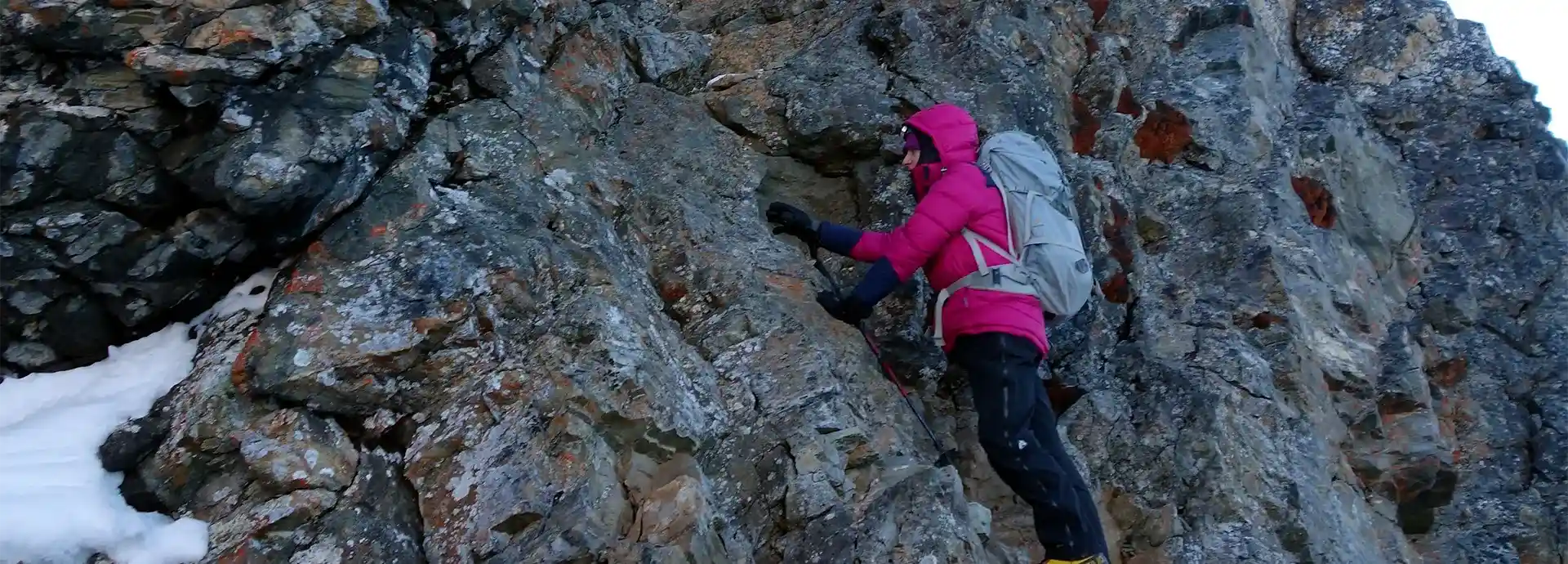
Yala Peak Climbing takes you to one of Nepal’s most rewarding beginner summits in the Langtang region. Over 14 days, you trek through the Langtang Valley, rest and acclimatize at Kyanjin Gompa, and push to a tented base camp before your summit attempt at 5,732 m / 18,799 ft. A professional climbing guide leads the team throughout. From the top, you see Langtang Lirung, Dorje Lakpa, Ganesh Himal, and Shishapangma spread across the horizon.
Key highlights at a glance:
Quick Facts
| Item | Details |
|---|---|
| Package Name | Yala Peak Climbing – 14 Days |
| Duration | 14 Days |
| Destination | Langtang Region, Nepal |
| Maximum Altitude | 5,732 m / 18,799 ft |
| Starting Point | Kathmandu |
| Trek Starting Point | Syabrubesi |
| Ending Point | Kathmandu |
| Trip Type | Trekking and Climbing |
| Climbing Grade | Easy to Moderate |
| Technical Grade | Non-technical to Basic Alpine |
| Best Season | March–May and September–November |
| Accommodation | Hotel, Teahouse, and Tent |
| Meals | Breakfast, Lunch, and Dinner during the trek |
| Group Size | 1–12 people |
| Guide | Licensed trekking guide + climbing guide |
| Porter | Included |
| Permit | Langtang National Park Permit + required local permits |
| Ideal For | Fit beginners and first-time Himalayan climbers |
Yala Peak sits in Nepal’s Langtang region, roughly 130 km north of Kathmandu. The 14-day package combines trekking, Tamang culture, and basic alpine skills into a single mountain experience. You start with a drive from Kathmandu to Syabrubesi, the main roadhead for the Langtang Valley route.
The trail passes Lama Hotel, Langtang Village, and Kyanjin Gompa. Kyanjin Gompa serves as the primary acclimatization base before the climb. An acclimatization hike to Kyanjin Ri or Tserko Ri prepares your body for higher altitude and helps the guide assess your pace, breathing, and recovery.
From Kyanjin Gompa, the route heads toward Yala Base Camp (also called Yala Kharka) at around 4,800 m. The terrain becomes rougher and more alpine as you gain altitude. Summit day starts before dawn, usually between 2:00 AM and 4:00 AM. The route may cross rock, scree, snow, and ice. Depending on conditions, the guide may use crampons, rope, a harness, a helmet, and an ice axe.
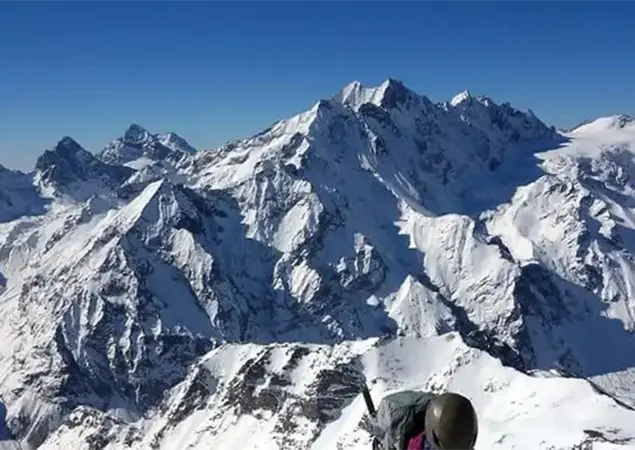
From the Yala Peak summit at 5,732 m, you see Langtang Lirung, Dorje Lakpa, Gangchempo, Ganesh Himal, Naya Kanga, and Shishapangma. The climb does not require advanced technical skills, but it reaches a high altitude and demands good pacing, steady hydration, and careful acclimatization. The guide makes all final decisions on the route and summit timing.
Browse every route in our regional trekking guide or see all peak climbing expeditions we run. Travellers who like this trip also compare Langtang Ganja La Pass Trek, Langtang Gosaikunda Helambu Trek, Pisang Peak Climbing.
Before you book, read our Nepal trekking cost guide, check the trekking gear list, and review travel insurance requirements. Still deciding? Plan your trip with a local expert.
For official information, see the Nepal Tourism Board, the Trekking Agencies’ Association of Nepal and the Department of Immigration for visa rules.

Included Meals

Trip staff

Transport

Accommodation

Trip Grade
Group Size
Kathmandu → Syabrubesi → Lama Hotel → Langtang Village → Kyanjin Gompa → Yala Peak Base Camp → Yala Peak Summit → Kyanjin Gompa → Lama Hotel → Syabrubesi → Kathmandu
The route follows the Langtang Valley from the roadhead at Syabrubesi. It passes river valleys, bamboo and rhododendron forests, Tamang villages, Buddhist landmarks, yak pastures, and open alpine terrain before reaching Yala Peak Base Camp.
Your Peregrine representative meets you at Tribhuvan International Airport and takes you to the hotel. Rest and acclimatize on your first night.
Drink plenty of water after your flight. Keep your travel insurance documents, passport, and visa paperwork accessible. The trip briefing begins on Day 2.
Accommodation:
Hotel

Maximum Altitude 1,400m/4,593ft (Kathmandu )
Difficulty
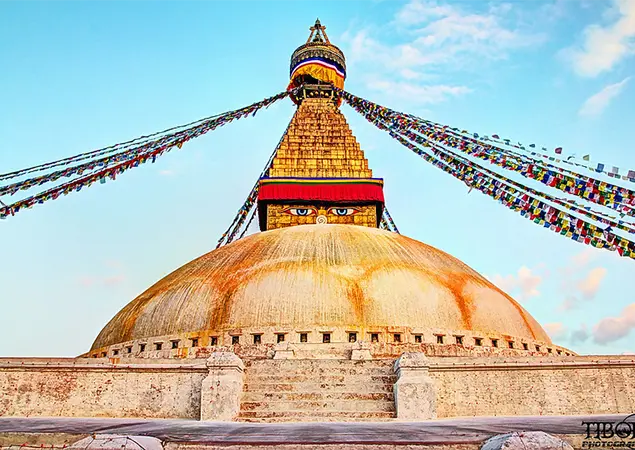
The guide meets you at the hotel for a full gear check and safety briefing. The team confirms permit paperwork and arranges any missing equipment. You can rent or purchase gear in Thamel if needed.
The guide checks your boots, warm layers, gloves, headlamp, harness, crampon fit, sleeping bag, and personal medicines. Resolving gear gaps in Kathmandu saves stress on the mountain.
 Accommodation:
Hotel
Meals Breakfast
Maximum Altitude 1,400m/4,593ft (Kathmandu )
Difficulty
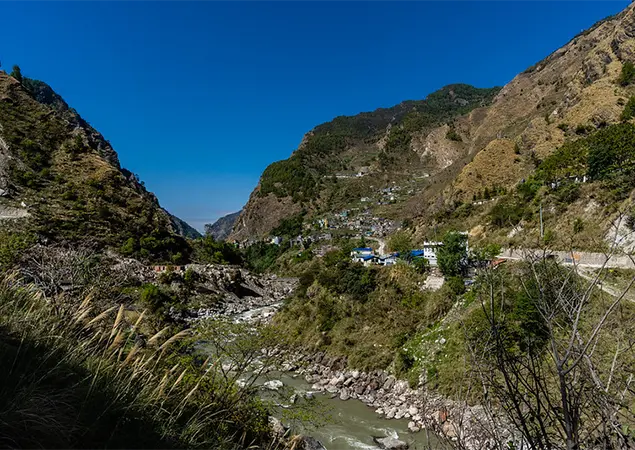
A private vehicle takes you northwest from Kathmandu, following the Trishuli River valley through terraced farms, small bazaar towns, and forested hills. The road reaches Syabrubesi after roughly 122 km.
Keep a light jacket in your day bag for the drive. Carry snacks, water, and motion sickness tablets if needed. The road includes winding mountain sections.

Time & Distance 8Hour, 122KM
Accommodation:
Teahouse
Meals Breakfast, Lunch, Dinner
Maximum Altitude 1,550m/5,085ft (Syabrubesi )
Difficulty
Transportation Bus/Jeep
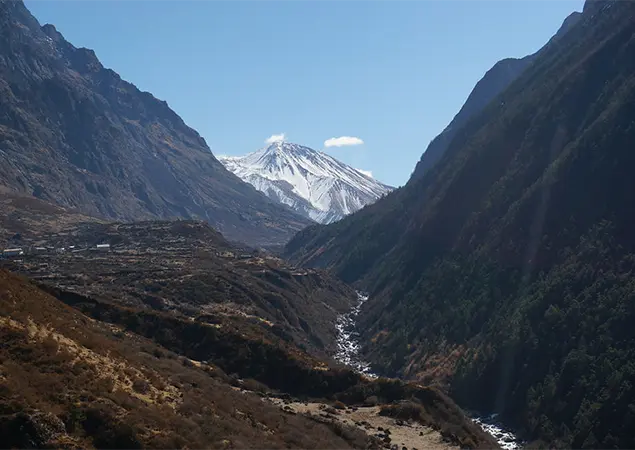
The trail climbs through forest and opens into wide mountain views as you approach Langtang Village. You pass Ghoda Tabela, a former military post-turned-teahouse area, before reaching the rebuilt Langtang settlement.
Langtang Village suffered serious damage in the 2015 earthquake. The community was rebuilt with support from various organizations. The village offers a rich cultural experience at a high altitude, with clear views of Langtang Lirung.
Time & Distance 6Hour, 14KM
Accommodation:
Teahouse/Homestay
Meals Breakfast, Lunch, Dinner
Maximum Altitude 3,430m/11,253ft (Langtang Village)
Difficulty
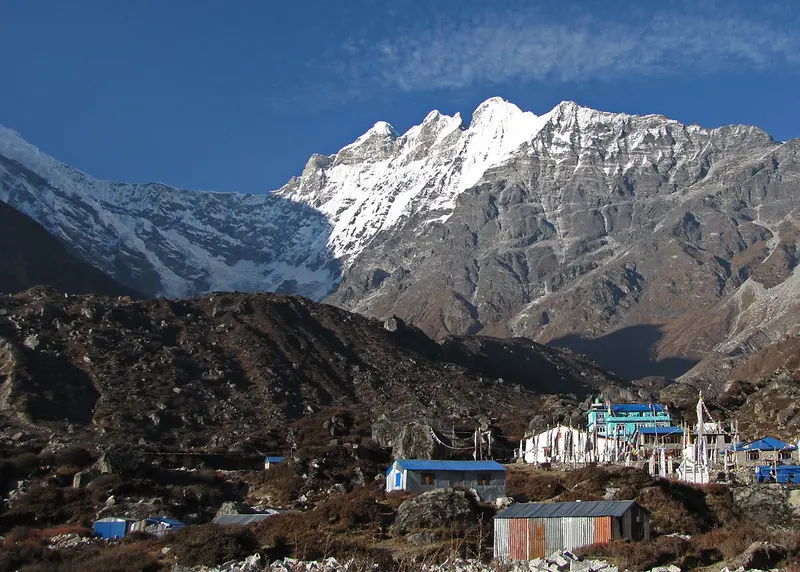
A shorter walking day brings you to Kyanjin Gompa. The route passes many walls, chortens, prayer flags, and grazing yaks on open alpine grassland.
Arrive early for lunch and a short afternoon walk. Visit Kyanjin Monastery and the small local yak cheese factory. Drink warm fluids and rest in the afternoon — acclimatization begins now.
Time & Distance 4Hour, 7KM
Accommodation:
Meals Breakfast, Lunch, Dinner
Maximum Altitude 3,870m/12,697ft (Kyanjin Gompa)
Difficulty
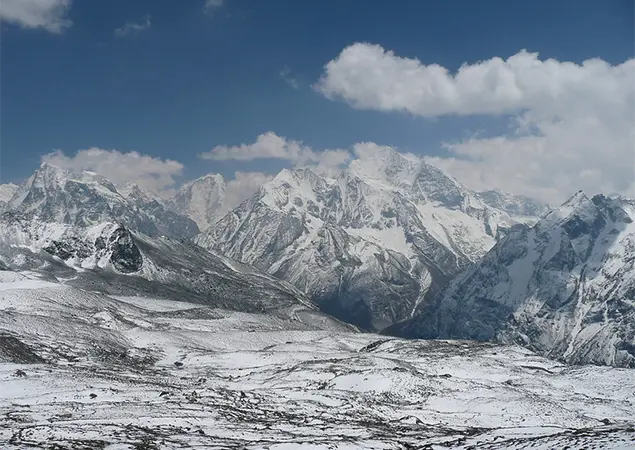
You hike either Kyanjin Ri (4,773 m) or Tserko Ri (4,984 m) for acclimatization. Kyanjin Ri suits moderate-fitness travelers. Tserko Ri is higher and better suited to strong trekkers with more high-altitude exposure.
This day prepares your body for summit altitude. The guide watches each climber’s pace, breathing, hydration, and recovery. Do not skip the acclimatization hike unless the guide advises rest.
Start early, carry warm layers, and return to the teahouse for a full meal and early sleep.
Time & Distance 7Hour, 10KM
Accommodation:
Homestay/Teahouse
Meals Breakfast, Lunch, Dinner
Maximum Altitude 4,984m/16,352ft (Kyanjin Ri/Tserko Ri)
Difficulty
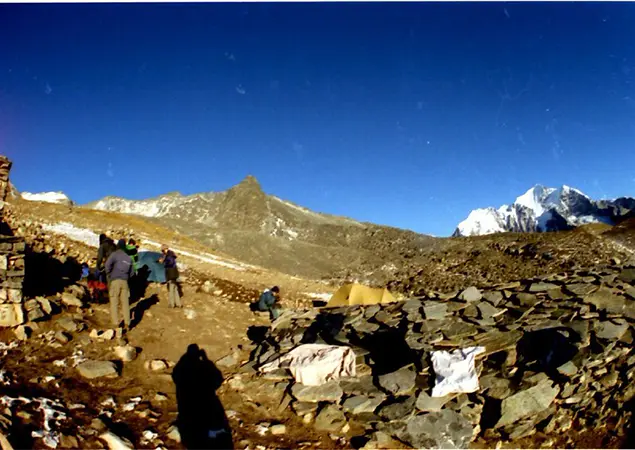
The trail leaves the main teahouse route and enters rougher alpine terrain. The path crosses moraine, grassy slopes, and rocky ground before reaching the base camp area near Yala Kharka.
The team sets up tents at base camp. After a hot meal, the guide leads a basic climbing session covering crampon use, rope technique, and the summit-day plan. Organize summit gear before sleeping. Charge devices in Kyanjin Gompa — no power exists at base camp.
Time & Distance 6Hour, 10 KM
Accommodation:
Tented Camp
Meals Breakfast, Lunch, Dinner
Maximum Altitude 4,800m/15,748ft (Yala Peak Base Camp)
Difficulty
Summit day starts between 2:00 AM and 4:00 AM. The guide sets a steady pace over rocky and snowy terrain. Depending on snow conditions, the team uses crampons, a harness, a rope, a helmet, and an ice axe. The final section may cover snow slopes and a short summit ridge.
From the Yala Peak summit at 5,732 m, you see Langtang Lirung, Dorje Lakpa, Gangchempo, Naya Kanga, Ganesh Himal, and Shishapangma. The summit stays optional — the guide makes the final decision based on weather, snow, timing, and each climber’s condition.
After the summit, the team descends to base camp or Kyanjin Gompa, depending on the guide’s plan.
Time & Distance 10Hour, 10KM
Accommodation:
Tented Camp
Meals Breakfast, Lunch, Dinner
Maximum Altitude 5,732m/18,806ft (Yala Peak)
Difficulty
The reserve day builds flexibility into the itinerary. Bad weather, snow conditions, or fatigue may delay the summit attempt. Use this day for a second summit push, extra rest, or a relaxed descent.
The reserve day does not guarantee a summit, but it improves your chances. Most shorter packages skip this day. Including it reflects a safety-first approach to mountain travel.
Accommodation:
Tented camp
Meals Breakfast, Lunch, Dinner
Difficulty
The trail descends through Kyanjin Gompa, Langtang Village, and forest sections toward Lama Hotel. The descent feels easier for breathing but harder on the knees.
Use trekking poles. Walk carefully on downhill stone sections. Keep drinking water even after summit success — dehydration continues at lower altitude.
Time & Distance 7Hour, 22KM
Accommodation:
Teahouse
Meals Breakfast, Lunch, Dinner
Maximum Altitude 2,470m/8,104ft (Lama Hotel)
Difficulty
The final walking day follows the river valley back to Syabrubesi. Lower altitude, warm air, and forest cover make the return feel easy.
Thank your porter and local team before the end of the day. Tips go to porters and teahouse staff separately from the guide tip.
Time & Distance 6Hour, 11KM
Accommodation:
Teahouse
Meals Breakfast, Lunch, Dinner
Maximum Altitude 1,550m/5,085ft (Syabrubesi )
Difficulty
A private vehicle takes you back to Kathmandu along the same mountain road. Expect rough sections and winding road. Keep one set of clean clothes in an accessible bag for hotel check-in.
The evening is free for a farewell dinner, shopping in Thamel, or rest before departure.
Time & Distance 8Hour, 122KM
Accommodation:
Hotel
Meals Breakfast, Lunch
Maximum Altitude 1,400m/4,593ft (Kathmandu )
Difficulty
Transportation Bus/Jeep
Breakfast at the hotel and airport transfer at your scheduled time. The trip ends here.
Optional extensions include Kathmandu sightseeing, Chitwan National Park, Pokhara, Nagarkot, Bhutan, or Tibet. Contact the team to add days before or after the package.
Meals Breakfast
Difficulty
Yala Peak Climbing suits travelers who want their first Himalayan summit without choosing a highly technical route. The 14-day format gives you more acclimatization time and a safer summit plan than shorter 9–11-day packages.
We design Yala Peak Climbing with safety, comfort, and summit confidence in mind. A reserve summit day sits in the itinerary for weather backup, extra rest, or a second attempt. Experienced climbing guides lead the summit section. Daily oximeter checks track each climber’s health throughout the trek.
Peregrine Treks & Tours operates directly from Kathmandu. You pay no overseas markup. The team handles all logistics — permits, transport, teahouses, tented camp, gear checks, and airport transfers.
Standard package: 3-star hotel in a central Kathmandu location. Premium upgrade: 4-star or 5-star hotel available.
Local teahouses in Syabrubesi, Lama Hotel, Langtang Village, and Kyanjin Gompa. Rooms include twin beds, mattresses, blankets, and a shared dining area. A common bathroom with basic facilities sits nearby.
Mountain tents set up by the team. The guide and cook staff use separate sleeping and cooking tents. The camp provides warmth, hot meals, and a safe base before summit day.
Trip Information
Yala Peak Climbing suits fit beginners, but it still demands respect. The climb reaches high altitude and includes long walking days, cold weather, rocky terrain, and possible snow or ice. Yala Peak is one of Nepal’s easier peaks to climb, but it is not an easy holiday trek.
1. Trekking Difficulty
Moderate. You walk 5–7 hours on most trekking days across mixed terrain — suspension bridges, forest trails, open valley slopes, and moraine.
2. Climbing Difficulty
Easy to moderate. The route does not require advanced technical climbing. Conditions may require crampons, rope, and ice axe on the summit section.
3. Altitude Difficulty
High. The summit rises above 5,700 m. Altitude sickness remains the main risk. Acclimatization days and daily health checks address this directly.
4. Fitness Requirement
Good fitness helps significantly. You need to walk 6–8 hours on consecutive days and recover well overnight. Start training 8–12 weeks before departure.
5. Mental Requirement
Summit day starts before dawn, moves slowly in cold air, and can feel exhausting. Clear goal-setting and trust in your guide help manage the mental side of summit day.
Start a structured training program 8–12 weeks before the trip. Your goal is to walk 6–8 hours on hilly terrain and recover well the following day.
Weekly Training Plan
Spring Season: March–May
Spring brings warmer daytime temperatures, rhododendron blooms in the lower valley, and stable climbing conditions above Kyanjin Gompa. April and May offer the most reliable summit windows.
Autumn Season: September–November
Autumn delivers clear skies, dry trails, strong mountain photography conditions, and stable visibility. October and November rank among the best months on the Yala Peak route.
Winter: December–February
Cold temperatures and deep snow affect the upper route. Experienced trekkers can complete the lower-valley sections in winter, but summit conditions can become serious.
Monsoon: June–August
Heavy rain, slippery trails, low cloud, and road disruptions make the monsoon season unsuitable for most travelers on this route.
All meals — breakfast, lunch, and dinner — are included during the trek. Vegetarian options are available at every teahouse. Vegan and gluten-free meals are available on request at most stops.
Eat full meals even when altitude reduces appetite. Good nutrition supports acclimatization and summit performance.
Group Equipment (Included in Package)
Personal Climbing Gear (Your Responsibility)
Rental gear is available in Kathmandu’s Thamel district. The guide helps you identify and fit rental items on Day 2.
Safety drives every decision on this trip. The 14-day itinerary includes an acclimatization day, a reserve summit day, and a gradual altitude-gain schedule to reduce the risk of altitude sickness.
Safety Measures in Place
The climbing guide makes all final decisions on route, timing, and summit conditions. The guide may turn the group around due to weather, snow, timing, or a climber’s health. This protects the whole team.
Altitude sickness (Acute Mountain Sickness or AMS) occurs when the body does not acclimate fast enough. The main risk zone on this route sits above 3,500 m.
Common Symptoms
How to Reduce Risk
Travel insurance must cover helicopter evacuation above 5,500 m. Check your policy before departure. Rescue costs in Nepal range from USD 3,000 to 8,000 without coverage.
The package includes all standard required permits. The team handles permit applications before departure from Kathmandu.
Note: Some sources indicate Yala Peak no longer requires a separate climbing permit, while others still list a permit fee. Our team confirms the latest permit requirement before your specific trip date.
The Langtang Valley is home to Tamang communities with deep Tibetan Buddhist roots. Mani walls, chortens, prayer flags, and ancient monasteries mark the trail from Syabrubesi to Kyanjin Gompa.
Kyanjin Gompa holds one of the oldest monasteries in the region. Local families herd yaks on the high pastures and sell fresh cheese from the community dairy. The rebuilt Langtang Village stands as a sign of resilience after the 2015 earthquake.
The cultural experience on this trip runs alongside the physical climb. Local teahouses provide meals, warmth, and conversation. Tamang guides know the region by name, family, and history.
Langtang National Park protects over 1,700 km² of Himalayan ecosystem. The lower trail passes through rhododendron, pine, and bamboo forest. Higher sections open into alpine meadows, glaciers, and moraine terrain.
Wildlife sightings are possible but not guaranteed. Keep noise low and distance respectful on all sections of the trail.
| Topic | Yala Peak | Island Peak |
|---|---|---|
| Region | Langtang | Everest |
| Altitude | 5,732 m | 6,189 m |
| Difficulty | Easier | Harder |
| Technical Level | Basic alpine | More technical |
| Best For | Beginners | Climbers with more experience |
| Crowds | Lower | Higher |
| Access | Road to Syabrubesi | Flight to Lukla |
| Topic | Yala Peak | Mera Peak |
|---|---|---|
| Altitude | 5,732 m | 6,476 m |
| Physical Demand | Moderate | High |
| Technical Demand | Basic alpine | Basic glacier travel |
| Best For | First Himalayan climb | First 6,000 m+ climb |
| Trip Length | Shorter (14 days) | Longer (18–20 days) |
| Topic | Yala Peak | Naya Kanga |
|---|---|---|
| Difficulty | Easier | Harder |
| Technical Demand | Lower | Higher |
| Route | Langtang Valley | Langtang / Ganja La area |
| Best For | Beginners | Stronger climbers |
Booking takes less than 10 minutes. Follow these steps:
To ask a question before booking, contact us directly:
Email: sales@peregrinetreks.com
WhatsApp: +977 9851052413
Peregrine Treks & Tours applies a fair and transparent cancellation policy.
Treks & Tours offers private departures on custom dates throughout spring and autumn. The team handles gear support, permits, acclimatization planning, and guide assignment from Kathmandu with no overseas markup.
Contact us to build your Yala Peak Climbing package around your schedule. Optional extensions to Pokhara, Chitwan, Bhutan, or Tibet can be added to any departure date.
Book now: sales@peregrinetreks.com | WhatsApp: +977 9851052413
A: Yala Peak Climbing is a beginner-friendly Himalayan summit trip in Nepal’s Langtang region. The 14-day package combines a Langtang Valley trek with a guided climb to the summit of Yala Peak at 5,732 m / 18,799 ft.
A: Yala Peak sits in the Langtang region of north-central Nepal, roughly 130 km from Kathmandu. The trek starts at Syabrubesi and follows the Langtang Valley to Kyanjin Gompa before reaching the peak.
A: Yala Peak reaches 5,732 m / 18,799 ft at its summit. Some maps and operators list the height closer to 5,500 m due to different survey data. The 5,732 m figure is the most widely referenced altitude.
A: Survey data for Himalayan peaks can vary across organizations and maps. Altitude readings also depend on the exact point measured as the summit. We use 5,732 m as the standard reference for this package.
A: Yes. Yala Peak is suitable for beginners with no previous climbing experience. The climb does not require advanced technical skills. Good fitness, acclimatization, and a professional guide make the summit achievable.
A: No previous climbing experience is required. The guide covers basic crampon use, rope handling, and ice axe technique during base camp preparation on Day 8
A: Yala Peak rates as easy to moderate for climbing difficulty. Trekking days are moderate — you walk 5–7 hours. Altitude difficulty is high — the summit sits above 5,700 m. The overall experience demands good fitness and proper acclimatization.
A: Fourteen days gives the best balance of acclimatization, safety, and summit success. Shorter packages of 9–11 days reduce acclimatization time and increase the risk of
A: Fourteen days. The 14-day format includes a full acclimatization day at Kyanjin Gompa, a reserve summit day, and a safe descent schedule. It gives stronger summit success rates than shorter versions.
A: Spring (March–May) and autumn (September–November) are the best seasons. April, May, October, and November offer the most stable summit windows with clear skies and manageable temperatures.
A: The Yala Peak summit gives views of Langtang Lirung, Dorje Lakpa, Gangchempo, Ganesh Himal, Naya Kanga, and Shishapangma across the Tibet border.
A: Standard trekking and national park permits apply. Some sources indicate Yala Peak no longer requires a separate climbing permit. Our team confirms the current permit requirement before your trip date.
A: Yes. Guides are legally required for trekking in Langtang National Park and are essential for the climbing section. The guide makes summit decisions, manages safety, and handles emergency situations.
A: Personal gear includes a climbing helmet, harness, crampons, ice axe, carabiners, mountaineering boots, down jacket, headlamp, and a -15°C sleeping bag. Group equipment — rope, tents, first aid — comes with the package
A: Yes. Full rental gear is available in Thamel, Kathmandu. The guide fits and checks all rental equipment on Day 2 before the trek begins.
A: Night temperatures at Kyanjin Gompa (3,870 m) drop below 0°C in spring and autumn. At base camp (4,800 m), temperatures fall to -10°C to -15°C at night. Summit temperatures vary by season and wind.
A: Crampon-compatible trekking or mountaineering boots work for Yala Peak. B1 or B2 boots with a semi-rigid sole accept standard C1 or C2 crampons. Rental options in Kathmandu cover a wide range of sizes.
A: Yes. Travel insurance with helicopter rescue coverage above 5,500 m is mandatory for this trip. Check your policy before departure — standard travel insurance often does not cover high-altitude rescue.
A: Yes. Helicopter rescue from Langtang Valley or base camp costs USD 3,000–8,000 per evacuation. Insurance must explicitly cover altitudes above 5,500 m and include emergency medical evacuation.
A: The reserve summit day on Day 10 covers weather delays. If conditions remain unsafe, the guide adjusts the descent plan. Safety takes priority over the summit in all guide decisions.
A: The summit stays optional throughout. If health, altitude, or conditions prevent the summit, the team descends safely. The Langtang Valley trek and Kyanjin Gompa experience remain a full and rewarding trip regardless of the summit.
A: Yes. Day 10 is the reserve summit day. It provides flexibility for weather backup, extra rest, or a second summit attempt. Most shorter packages on the market do not include this day.
A: All meals — breakfast, lunch, and dinner — are included during the trek. Teahouse menus offer dal bhat, noodles, fried rice, soup, pasta, eggs, and pancakes. Vegetarian and vegan options are available.
A: Kathmandu: 3-star hotel (standard). Trekking route: local teahouses with twin beds, blankets, and a shared dining area. Base camp: mountain tents with sleeping bags and a cook tent.
A: Wi-Fi is available in some teahouses along the route for a small additional fee. There is no Wi-Fi at Yala Base Camp. Charge devices and download offline maps in Kyanjin Gompa before the base camp day.
A: Most teahouses charge a small fee (NPR 100–300) for charging. Solar charging is available in some locations. No charging facilities exist at base camp — carry a power bank.
A: Carry NPR 15,000–25,000 for personal expenses: hot showers, battery charging, Wi-Fi, bottled drinks, and tips. ATMs are available in Kathmandu. There are no ATMs on the trekking route.
A: Solo trekking without a guide is not permitted in Langtang National Park under Nepal trekking regulations. The package includes a full guide and support team — solo travelers can join a private departure on any date.
A: Yes. Yala Peak Climbing reaches 5,732 m compared to Everest Base Camp at 5,364 m, and adds a physical climbing component. The trek section of Yala Peak is shorter, but the overall physical and altitude challenge is higher
A: Yes, for most first-time climbers. Yala Peak is lower and costs less, and the Langtang route sees fewer crowds than the Everest region. Island Peak, at 6,189 m, involves more technical climbing. Yala Peak is a good preparation for Island Peak.