Tent Peak Climbing
- 18 Day
- |
- Challenging Hike

Unbeatable Holiday Offers – Save Up to 20% on Your Next Adventure!
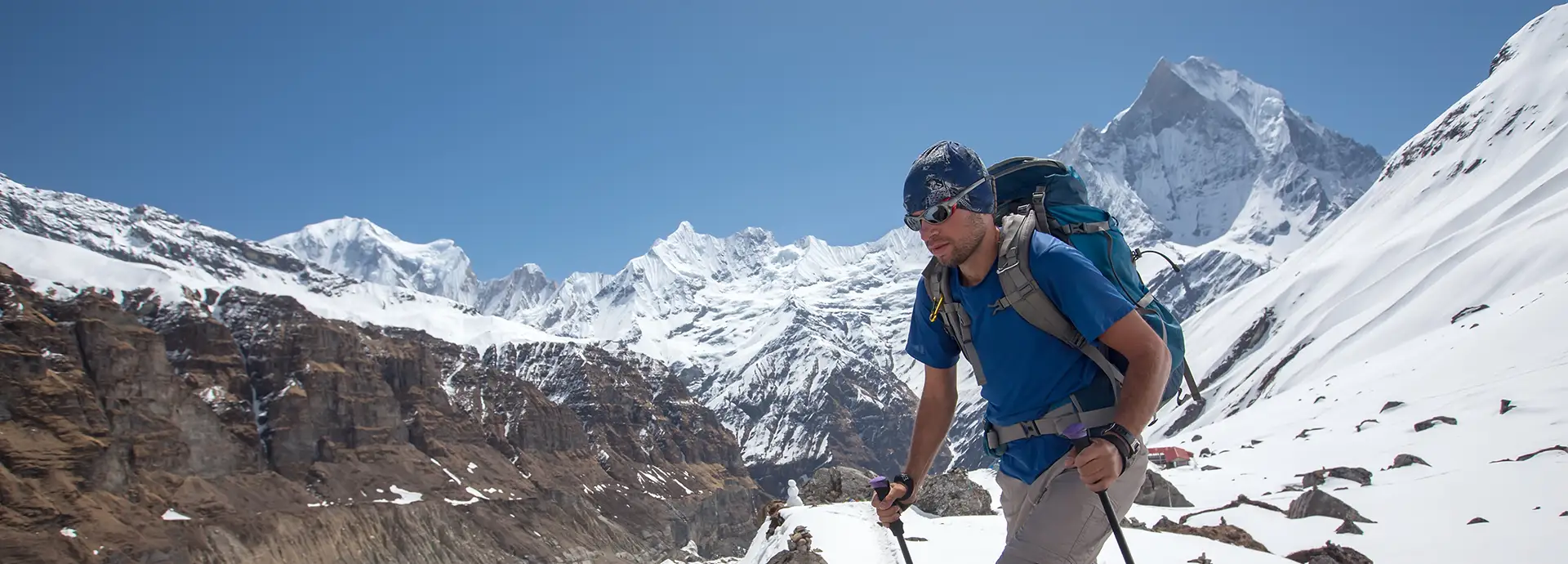
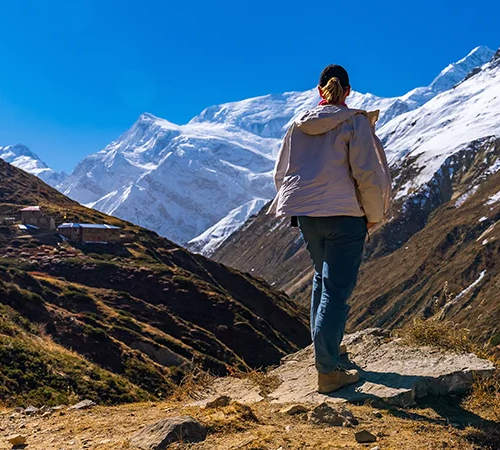
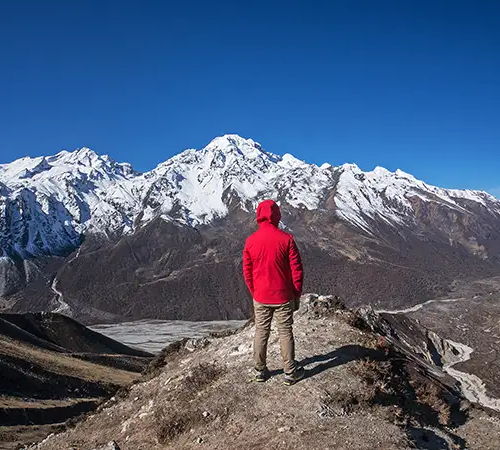
The Annapurna Region is one of the most iconic trekking routes in Nepal. Trekkers from all around the world trek in the region because of its breathtaking landscapes. Located in the heart of the Annapurna Conservation Area, the trek covers different types of terrain. You’ll trek through sub-tropical forests to alpine meadows under the Annapurna Massif. Annapurna I (8,091m), the world’s 10th highest peak, dominates the skyline. Annapurna means “full of food” in Sanskrit, reflecting the region’s fertile valleys.
Most of the Annapurna Region Trek starts in Pokhara. Pokhara is a beautiful lakeside city surrounded by mountains. The city sets the tone for the trek with its rivers, mountains, and natural beauty. The trail climbs through oaks, bamboo groves, and rhododendron forests bursting with red, pink, and white rhododendrons in the spring. From hilltops to suspension bridges, prayer flags decorate everything. You’ll cross bridges over rivers and trek through terraced rice paddies and welcoming villages.
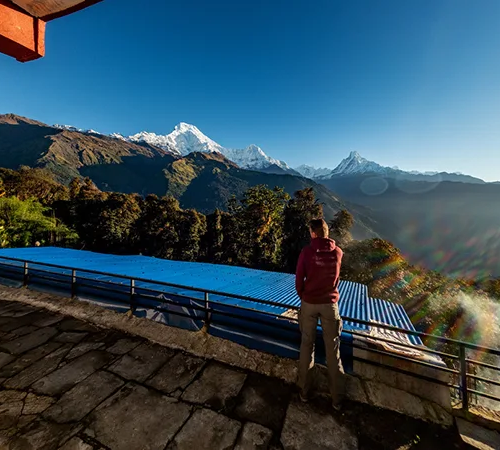
One of the trek’s greatest strengths is its accessibility. Well-established routes with teahouses make the region suitable for many trekkers. Anyone from experienced mountaineers to beginners can enjoy trekking in the Annapurna region. You can see peaks like Annapurna South (7,219), Machhapuchhre (Fishtail peak, 6,993m), Dhaulagiri (8,167m), and Nilgiri. The peaks are stunning at both sunrise and sunset.
The Annapurna region is a crossroad for trade and pilgrimage. Tibetan traders used the trails to carry salt and wool, not the trails trekkers use. The area gained worldwide recognition in 1950 when French climber Maurice Herzog first ascended Annapurna I. Annapurna I was the first 8,000-meter peak to be climbed. Today, trekking supports sustainable tourism through the Annapurna Conservation Area Project (ACAP). The ACAP protects biodiversity and benefits the local communities. You may spot wildlife such as the Himalayan tahr, blue sheep, and snow leopard, as well as colorful birds like the Danphe, Nepal’s national bird.
As of 2023, Annapurna treks have evolved with improved infrastructure and eco-tourism initiatives. Recent regulations focus on safety and sustainability to preserve the region. Annapurna has something for everyone with quiet trails, beautiful landscapes, and stunning mountains.
Spring (March to May): Spring offers one of the best times to trek in the Annapurna region. Daytime temperatures range from 15-20 °C at lower altitudes and 5-10°C at higher altitudes. The trail is alive with blooming rhododendrons, orchids, and wildflowers, along with active wildlife. Snow melts and opens fresh paths. This season has clear skies, vibrant forests, moderate crowds, and cultural festivals like Holi. Early March may still have snow above 4,000m, and late May brings occasional showers.
Autumn (September to November): Autumn is undoubtedly the most popular season, and it’s for a reason. Since the monsoon ends, the sky stays clear, the humidity is low, and the mountain views are excellent. Daytime temperatures range from 10 to 15 °C and drop near freezing at night in higher altitudes. The dry trails offer beautiful views of Annapurna, Dhaulagiri, and the surrounding peaks.
Monsoon (June to August): Monsoons bring heavy rain, making the trail muddy and slippery and increasing the risk of landslides. Clouds often hide mountain views, and damp forests are infested with leeches. The northern areas in the rain-shade, like Upper Mustang and Manang, stay relatively dry. Monsoons have fewer accidents, lush greenery, and lower costs; however, they bring slippery roads, flight delays, and limited visibility.
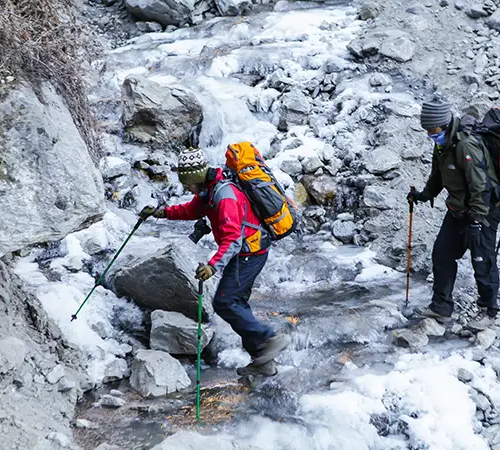
Winter (December to February): Winter is cold and dry, with daytime highs around 5-10°C and nighttime temperatures dropping to -15°C or below. Heavy snow blocks the pass like Thorong La, and long treks are almost impossible without specialized gear. Winter brings extreme cold, avalanche risks, and some blocked routes. Conversely, the trails are quiet, the air is crisp, and visibility is excellent.
Choosing the right season for trekking is important, as Himalayan weather can change quickly, affecting trail conditions, visibility, and comfort. The Annapurna region experiences four main seasons, each with unique pros and cons. Spring and autumn are the most reliable seasons for most trekkers. Both seasons have stable weather, excellent visibility, and accessibility. You must always check real-time forecasts with apps or local operators, as weather patterns are unpredictable.
Permits: You must know which permits you need for a smooth, legal trek in the Annapurna region. The main requirement for the Annapurna region trek is the Annapurna Conservation Area Permit (ACAP). It is mandatory for all trekkers entering the protected area. As of 2025, the permit costs NPR 3,000 for foreigners and NPR 1,000 for SAARC nationals and is free for Nepalese. Funds from the ACAP directly support biodiversity conservation, community projects, schools, bridges, and reforestation efforts.
Guides: As of 2023, you no longer need the TTrekkers’ Information Management System. Instead, you must hire a licensed guide to trek. Implemented in April 2025, all trekkers must hire a licensed guide registered with the Trekking Agencies Association of Nepal (TAAN). While optional, we do recommend hiring porters. This regulation change enhances safety, reduces rescue incidents, and supports local employment.
How to get the permit: You can visit the Nepal Tourism Board office in Kathmandu or Pokhara with a valid passport, Nepal Visa, and two passport-sized photos. Processing the permit takes about 30 minutes. You must pay the fees in Nepalese Rupees. If you’re trekking through a tour company, they’ll handle this process for free, including arranging a guide. You must always carry the original permit while on trial, and a missing license may result in fines exceeding USD 100.
Nepal Tourist Visa: You can get it on arrival at Tribhuwan International Airport or at land borders. It costs USD 30 for a 15-day stay and increases with the number of your stays. If you want to extend your tourist visa by 15 days, it costs USD 45 plus USD 3 per additional day.
You must bring cash while trekking, as ATMs may not be accessible. These new rules reflect Nepal’s commitment to responsible tourism, ensuring your trek supports conservation, local communities, and safety.
Pokhara serves as the main gateway to the Annapurna region. You can reach Pokhara with a short 25-minute domestic flight. The flight may cost you USD 50-100. If you want a more economical option, you can take a 6–7-hour bus ride on a comfortable tourist coach, costing you USD 10-20. While road improvements in 2025 reduce travel times, landslides can still cause delays. It’s better to add some buffer days.
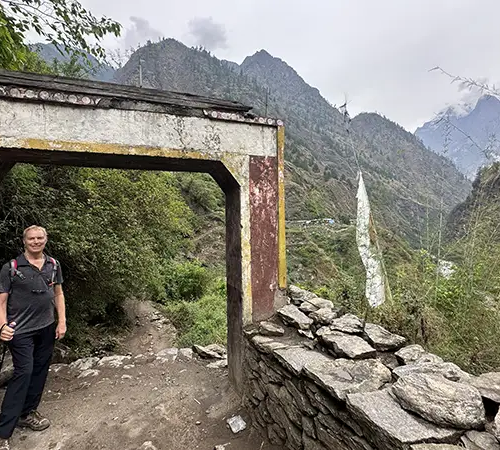
For the ABC trek, you can drive 3 hours from Pokhara to Nayapul, then begin trekking up to the Modi Khola Valley. The trail passes through bamboo forests and traditional Gurung villages. Navigating the path with well-marked paths, stone steps, and a bridge is straightforward.
The Annapurna Circuit Trek typically starts with an 8–10-hour bus or jeep ride to Besisahar or Jagat. A shorter option is to fly for 20 minutes from Pokhara to Jomsom, costing USD 80-120. Then, you can trek along the Kali Gandaki Gorge, which is also the deepest gorge in the world. Enjoy apple orchards and the local Thakali culture along the way.
The Poon Hill Trek starts with a 2- to 3-hour drive to Tikhedhunga or Ulleri, then ascends through rhododendron forests to the viewpoint.
Most tours either loop back to Pokhara or end at Jomsom for a flight out. With flexibility, you can take private jeeps for USD 50-100 to reach the trail. Hiring a porter, packing about 10-15kg, and booking flights early during peak seasons. Many agencies offer inclusive packages that include transportation, guides, and meals, ranging from USD 800-1,500 per person, depending on the trek duration.
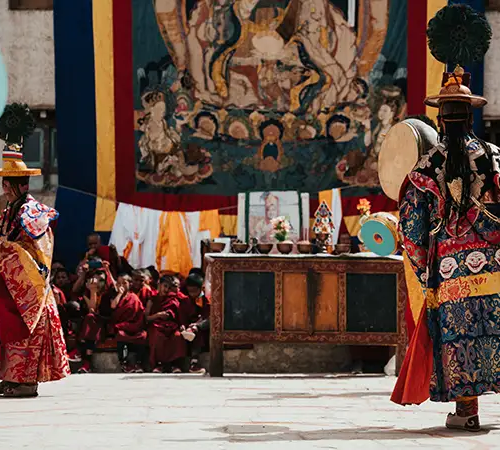
The Annapurna region is home to various ethnic groups, including Gurung, Magar, Thakali, and Tamang. You’ll see traditional slate-roof houses in the Gurung village of Ghandruk. Chhomrong has many homestays where locals share stories of their ancestral warrior heritage. Many Gurkhas are from the Gurung ethnic group. Many people wear traditional attire, such as chubas and topis. Many families invite visitors for butter rea or rakshi.
The landscape of the region changes with increasing altitude. At lower altitudes, subtropical lands feature terraced rice fields, millet, and maize. As you ascend, you can see rhododendron and oak forests with many monkeys and birds. At higher altitudes, there are alpine meadows, moraines, and glaciers. Jhinu Danda even has natural hot springs that provide relief for tired muscles.
The Annapurna region offers excellent views. Sunrise from Poon Hill gives you a 360° view of the mountains. The plastic ban and other environmental initiatives help keep these areas beautiful.
Throughout the trek, you’ll stay in teahouses with twin beds, quilts, and shared bathrooms. Nights are freezing, as most teahouses lack heating, so bring a sleeping bag liner to stay warm. Meals are usually dal baht with unlimited refills, momo, or pasta. Vegetarian options are more common than meat items, costing roughly USD. You’ll likely spend the evening around the stove and chat with fellow trekkers or rest early to energize for the next day. Facilities are basic. Trekkers need to use the shared bathrooms with squat toilets and carry their own toilet paper. You can wash up with hot water for a small extra charge. WiFi is inconsistent and only works at larger stops like Ghorepani.
You must pack for a variety of weather. Pack base layers, fleece, a down jacket rated to -10°C, waterproof jackets and pants, gloves, and a warm hat. For your feet, pack a pair of sturdy boots with ankle support plus a light camp shoe for evenings. You need a sleeping bag rated to -10°C and a sleeping pad. Other essentials include trekking poles, a headlamp, a 3-liter water container with a purification system, sunscreen, and a basic first aid kit. Keep your essential documents in a waterproof bag. Carry copies of your documents and enough cash in Nepali Rupees.
Altitude sickness (AMS) is the primary concern at higher elevations. Early symptoms include headache, nausea, dizziness, and unusual fatigue. If your symptoms worsen, descend immediately. You must drink at least 4 liters of fluids daily and pace your ascent to acclimate properly. Since the sun is harsh, you must wear SPF 50+ sunscreen and hats to protect your skin. You should treat blisters immediately and use trekking poles to prevent slips. Ensure your insurance covers trekking up to 5,500m and helicopter evacuation.
Local buses and jeeps are generally reliable for reaching the trailheads. Larger towns may have ATMs, but bringing cash in Nepalese rupees is better. Budget around USD 25-30 daily for food and minor expenses. You can buy a Ncell or NTC SIM for decent mobile coverage along popular routes. You must respect the local customs by greeting people with Namaste and avoiding pointing. All trekkers must hire a licensed guide. These guides can cost about USD 25-30 per day.
Duration: 12-14 days
Difficulty: Moderate
This trek covers about 80-100km and gradually climbs to 4,310 m at Annapurna Base Camp, surrounded by towering peaks. The first two days will take us from Nayapul to Chhomrong, where we will cross stone steps and rivers. Over the next few days, the trail will take you through bamboo forests to Deurali and Machhapuchhre Base Camp. On the summit day, you can see the close-up views of Annapurna I. While descending, you can stop by Jhinu Danda to relax in the natural hot spring. The altitude gain is steady, but you need good leg strength for the stairs.
Duration: 15-18 days
Difficulty: Strenuous
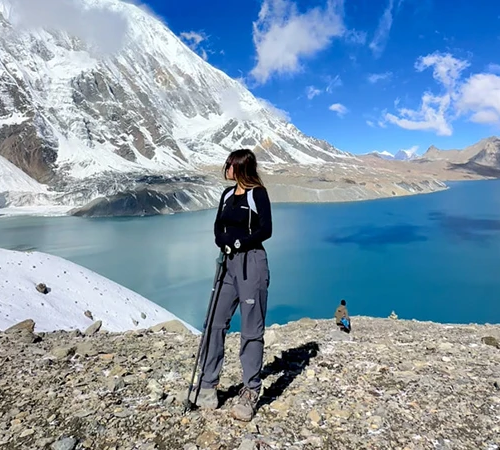
This trek is a longer loop covering 160-230km and crosses Thorong La Pass (5,416m). This trek will take you through desert-like landscapes in Mustang to the lush Marsyangdi Valley. One of the key highlights of the trek is the monasteries of Manang, the views from Pisang, and the sacred temple of Muktinath. You must acclimate properly to finish the trek successfully. Many trekkers take side trips to Tilicho Lake for added challenge and scenery.
Duration: 5-7 days
Difficulty: Easy to Moderate
The Poon Hill Trek only covers 40-50 km and reaches 3,210m. It is ideal for beginners or for those short on time. You’ll trek through forested paths till Ghorepani and the famous sunrise viewpoint at Poon Hill. The pace is slow, with countless opportunities to enjoy village life and get cultural experiences.
Duration: 10-12 days
Difficulty: Moderate
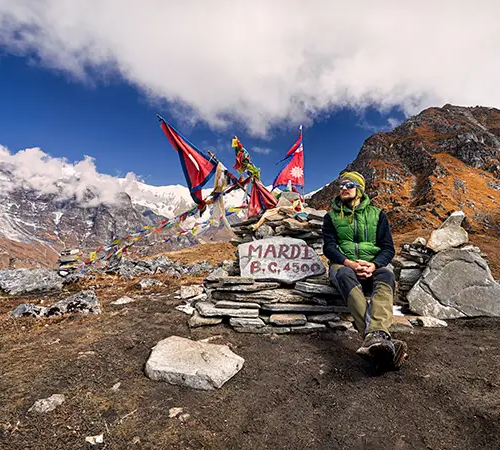
Mardi Himal is a quiet trek covering 60-70km. It leads to the Mardi Himal Base Camp at 4,500m, with the route offering close-up views of the surrounding peaks. Not many trekking groups trek this trail, allowing a more intimate and immersive experience of the raw natural beauty of the Annapurna region.
How difficult is it?
Treks in the Annapurna region range from beginner-friendly to challenging. Poon Hill is easy with daily hikes of 4 to 6 hours and gentle ascents. It is ideal for beginner trekkers. The Annapurna Base Camp trek is moderate, with steep stair climbs, and reaches up to 4,130m. You must be well-fit to handle 500-1000m elevation gain daily. The Annapurna Circuit is strenuous with long trekking days and high passes like Thorong La at 5,416m. You are likely to experience altitude sickness while trekking this route. Do cardio training and hikes before the trek to train the body.
What permits do I need?
You need the Annapurna Conservation Area Permit (ACAP) for foreigners, which costs NPR 3,000. This permit supports conservation projects and local communities. Check the necessary licenses before trekking, just in case. You can get your permit in Kathmandu or Pokhara with your passport, visa, photos, and cash. Carry the original as you need to show it at checkpoints. Failing to show original permits may result in fines over USD 100.
Do I need a guide?
As of 2025, you must hire a licensed guide regardless of your group size. This regulation enhances safety, supports local employment, and helps in emergencies. Guides provide navigation, cultural insights, and first aid support. You can pay your guide about USD 25-40 daily, minus the tip. Follow your guide’s instructions for a safe trek.
What should I pack?
Pack clothes like base layers, a down jacket, and waterproof outerwear. For feet, take sturdy hiking boots and warm socks to prevent blisters. Bring a sleeping bag rated to -10°C, trekking poles, a headlamp, a water purifier, sunscreen, and a basic first-aid kit. Carry important documents in a waterproof pouch, cash in NPR, and keep your pack light.
What’s the best time to go?
Spring and autumn are the best periods to trek in the Annapurna region. These seasons offer clear skies, mild temperatures, blooming rhododendron, and beautiful scenery. Monsoon brings heavy rain, leeches, and muddy trails, while winter closes high passes with heavy snow. You must also check the current weather forecasts to know what climate variability affects conditions.
Why choose the Annapurna Region Trek?
The Annapurna region combines terrain, from lush forests to giant mountains over 8,000m. You’ll stay in comfortable teahouses, experience Gurung culture, spot Himalayan wildlife, and support sustainable tourism through ACAP. You can trek to ABC or around the Circuit for flexibility, adventure, and personal growth at a reasonable price.
Do not hesitage to give us a call. We are an expert team and we are happy to talk to you.
info@peregrinetreks.com