


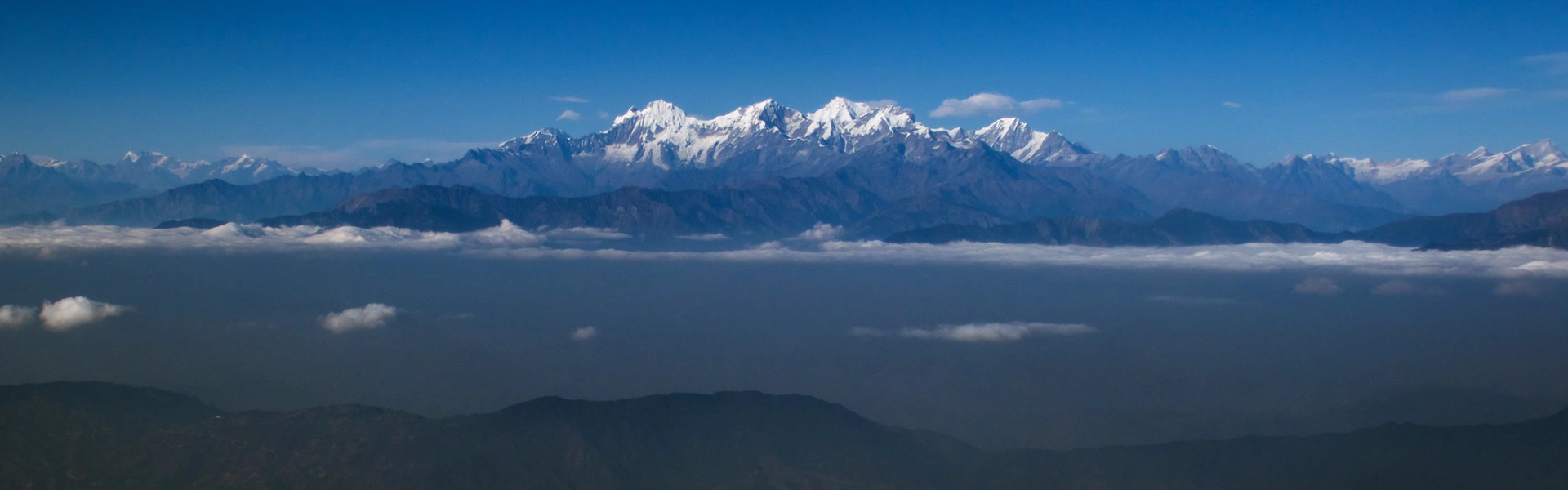

Altitude sickness on the Everest Base Camp Trek ranks as the main health concern for most trekkers. The route reaches Everest Base Camp at about 5,364 meters and often includes Kala Patthar at about 5,545 meters. The trek does not require technical climbing. Thin air affects fit, healthy, and experienced hikers when they ascend too fast. Mild altitude symptoms appear commonly on the EBC route. Early recognition and proper action prevent mild cases from becoming serious.
A safe itinerary, slow ascent, acclimatization days, hydration, and honest symptom reporting make the biggest difference. This guide covers what altitude sickness is, which symptoms to watch for, how to prevent AMS, when to stop ascending, when to descend, where medical help is available on the trail, what insurance should cover, and how a safe itinerary protects your health.
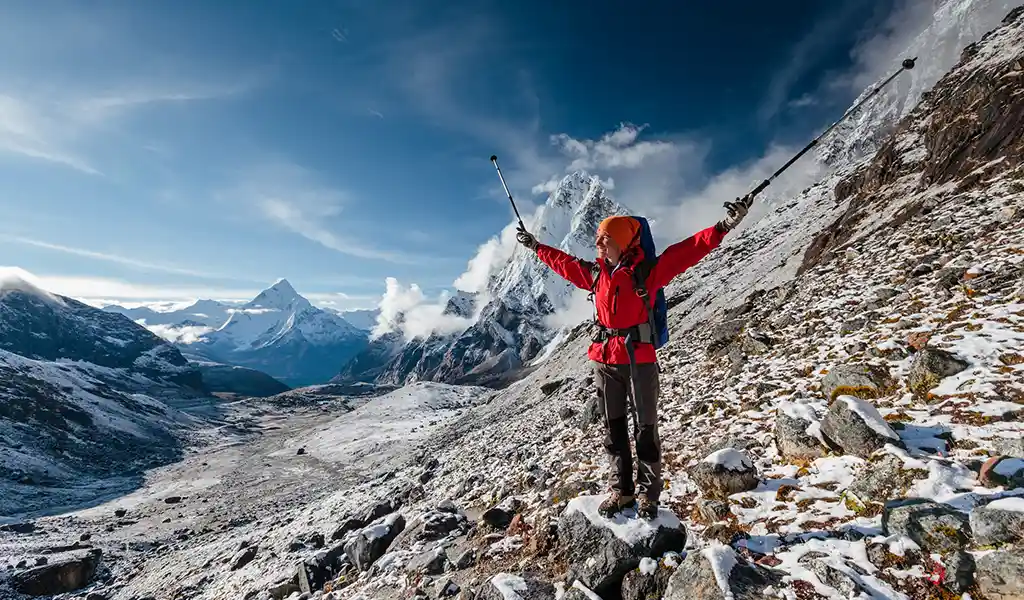
Quick Answer: How Do You Prevent Altitude Sickness on the Everest Base Camp Trek?
Ascend slowly. Keep acclimatization days in Namche Bazaar and Dingboche. Walk at a steady pace. Drink clean water. Eat enough food. Avoid alcohol during the ascent. Descend if symptoms worsen. Do not continue if symptoms worsen.
| Safety Topic | Quick Advice |
|---|---|
| Main risk | Ascending too high, too fast |
| First key stop | Namche Bazaar acclimatization day |
| Critical stop | Dingboche acclimatization day |
| Higher-risk area | Lobuche, Gorak Shep, EBC, Kala Patthar |
| Best prevention | Slow ascent and rest days |
| Main rule | Do not climb higher with worsening symptoms |
| Emergency action | Descend and seek medical help |
| Medical support | Pheriche Aid Post during trekking seasons |
What Is Altitude Sickness?
Altitude sickness happens when the body struggles to adjust to lower oxygen levels at high elevation. The condition starts after rapid ascent to places above 2,500 meters. It affects anyone regardless of age, fitness, or previous experience. The body needs time to adjust to thinner air. Ascending too fast does not give the body enough time. Fitness does not guarantee protection. A marathon runner and a casual walker face the same risk of altitude sickness if both ascend too quickly.
Acute Mountain Sickness (AMS)
AMS represents the most common form of altitude illness on the EBC route. Symptoms include headache, nausea, appetite loss, dizziness, unusual fatigue, and poor sleep. Most trekkers who get AMS recover with rest at the same altitude or descent.
High Altitude Pulmonary Edema (HAPE)
HAPE affects the lungs. Fluid builds up in the lung tissue. Warning signs include breathlessness at rest, persistent cough, chest tightness, severe weakness, and blue lips or fingernails. HAPE requires immediate descent and medical help.
High Altitude Cerebral Edema (HACE)
HACE affects the brain. Swelling inside the skull can cause confusion, poor coordination, difficulty walking in a straight line, extreme drowsiness, and behavioral changes. HACE requires immediate descent and emergency medical support.
Why Altitude Sickness Matters on the Everest Base Camp Trek
The trek starts high at Lukla (2,860 m). Namche Bazaar already sits above 3,400 meters. Dingboche, Lobuche, Gorak Shep, Everest Base Camp, and Kala Patthar all push trekkers into zones where the risk of altitude sickness increases. Trekkers often feel strong in the morning but unwell at night. Sleeping altitude matters more than the highest point reached during the day. A safe itinerary and honest symptom reporting matter more than speed or ambition.
EBC Route Altitude Table
| Location | Approx. Altitude | Risk Note |
|---|---|---|
| Lukla | 2,860 m | The trek starts at an altitude |
| Phakding | 2,610 m | Good first overnight stop |
| Namche Bazaar | 3,440 m | First major acclimatization stop |
| Tengboche | 3,860 m | Altitude becomes more noticeable |
| Dingboche | 4,410 m | Critical acclimatization stop |
| Lobuche | 4,940 m | Higher-risk sleeping altitude |
| Gorak Shep | ~5,164 m | Highest overnight stop |
| Everest Base Camp | ~5,364 m | Main destination |
| Kala Patthar | ~5,545 m | Common highest viewpoint |
Symptoms of Altitude Sickness on the EBC Trek
Early AMS Symptoms
- A headache that does not go away with water and rest
- Nausea or feeling sick
- Loss of appetite
- Dizziness or lightheadedness
- Unusual tiredness beyond normal trail fatigue
- Poor sleep quality
- Shortness of breath with simple activity
- Low energy compared with normal walking fatigue
Red Flag Symptoms: Get Help and Descend
Warning: Descend immediately and seek medical help if you notice any of these symptoms.
- Breathlessness at rest
- Confusion or disorientation
- Trouble walking straight or poor coordination
- Severe weakness, unable to walk
- Symptoms that worsen after rest
- Persistent cough with breathing difficulty
- Blue or gray lips, tongue, or fingernails
- Extreme drowsiness or inability to stay awake
Normal Trail Fatigue vs Possible AMS
| Normal Trek Fatigue | Possible AMS |
|---|---|
| Tired after a long walking day | Tired without normal recovery |
| Mild muscle soreness | Headache with nausea or dizziness |
| Hungry after rest | Loss of appetite |
| Sleeps better after rest | Poor sleep with headache |
| Improves after food and water | Symptoms continue or worsen |
High-Risk Days on the Everest Base Camp Trek
Phakding to Namche Bazaar
The final climb to Namche feels steep. Trekkers sleep above 3,000 meters for the first time. Some people notice poor sleep or a mild headache. The body starts adjusting to altitude.
Namche Acclimatization Day
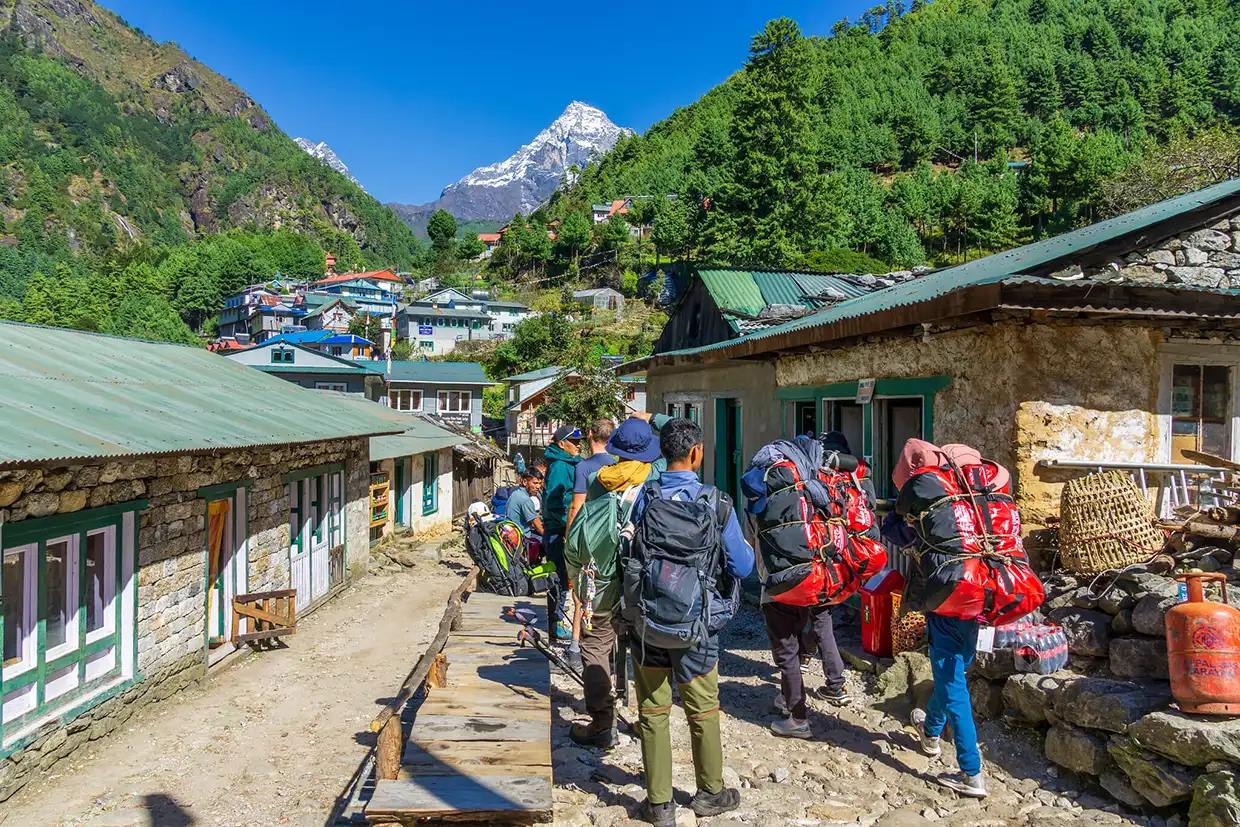
A full rest day helps the body adjust before climbing higher. The hike to Everest View Hotel or Khumjung supports the climb-high, sleep-low principle. Do not skip Namche acclimatization. Many safe itineraries treat Namche rest as non-negotiable.
Tengboche to Dingboche
The sleeping altitude rises above 4,000 meters. Appetite and sleep quality often change. Warm layers become more important. Some trekkers notice their first real altitude symptoms here.
Dingboche Acclimatization Day
Many safe itineraries treat Dingboche acclimatization as non-negotiable. The rest day prepares the body before Lobuche and Gorak Shep. Nangkartshang Hill offers a common acclimatization hike: climb high during the day and return to sleep at the same altitude.
Dingboche to Lobuche
Trekkers sleep at close to 5,000 meters. Cold, fatigue, and low appetite increase. Any symptoms at this stage need close monitoring. The trail passes memorial cairns for fallen climbers, a reminder that altitude demands respect.
Gorak Shep, Everest Base Camp, and Kala Patthar
The highest section of the classic itinerary. Gorak Shep often leads to poor sleep due to the extreme altitude. Kala Patthar demands physical effort in thin, cold air. Descending to Pheriche after Kala Patthar helps the body recover at a lower altitude.
Safe Acclimatization Schedule for the EBC Trek
A safe itinerary keeps the daily altitude gain within 300 to 500 meters above 2,500 meters. Rest days after every 1,000 meters of altitude gain help the body adjust. Acclimatization days mean active rest: take short hikes during the day, return to sleep at the same altitude.
| Day | Route | Sleep Altitude | Safety Purpose |
|---|---|---|---|
| 1 | Arrive Kathmandu | 1,400 m | Arrival and briefing |
| 2 | Fly to Lukla, trek to Phakding | 2,610 m | Start below Namche |
| 3 | Trek to Namche Bazaar | 3,440 m | First major altitude gain |
| 4 | Namche acclimatization | 3,440 m | Climb high, sleep low |
| 5 | Trek to Tengboche | 3,860 m | Gradual ascent |
| 6 | Trek to Dingboche | 4,410 m | Higher-altitude entry |
| 7 | Dingboche acclimatization | 4,410 m | Critical rest day |
| 8 | Trek to Lobuche | 4,940 m | Watch symptoms closely |
| 9 | Gorak Shep and EBC | ~5,164 m | Highest sleep zone |
| 10 | Kala Patthar, descend to Pheriche | 4,371 m | High point then descent |
| 11 | Trek to Namche | 3,440 m | Lower altitude recovery |
| 12 | Trek to Lukla | 2,860 m | Final trek day |
| 13 | Fly to Kathmandu | — | Weather-dependent |
| 14 | Buffer or departure | — | Safer travel plan |
How to Prevent Altitude Sickness on the Everest Base Camp Trek
Follow the 300-500 Meter Rule
Sleeping altitude should not rise more than 300 to 500 meters per day above 2,500 meters. Rushed itineraries that skip rest days break this rule. A safe itinerary spaces altitude gains evenly across the route.
Keep Rest Days
Namche Bazaar and Dingboche acclimatization days reduce risk before Lobuche, Gorak Shep, and Kala Patthar. An extra rest day helps if symptoms appear at any stage. No rushed EBC itinerary deserves the risk.
Use Climb High, Sleep Low
Hike to a higher point during the day, then return to sleep at the same altitude. Namche trekkers hike toward Everest View Hotel and return to Namche. Dingboche trekkers hike toward Nangkartshang and return to Dingboche.
Walk Slowly
Fast walking increases oxygen demand at altitude. A comfortable, steady pace keeps effort manageable. Guides should set a safe group speed. Walking slowly at altitude means walking smart, not walking weakly.
Drink Clean Water
Hydration supports performance and helps the body adjust. Clean water matters more than simply drinking more. Use boiled, filtered, or purified water. Avoid untreated tap water or stream water along the trail.
Eat Enough Food
Appetite often drops above Dingboche. Soups, dal bhat, potatoes, rice, noodles, porridge, and eggs help maintain energy. Do not skip meals. The body needs fuel to adjust and recover at altitude.
Avoid Alcohol During Ascent
Alcohol affects sleep quality, hydration, and judgment at altitude. Save celebration drinks for after the descent. A clear head helps trekkers recognize symptoms early.
Report Symptoms Early
Do not hide symptoms from your guide. Do not fear slowing the group. Early action protects the entire trek. A trekker who reports a headache at Dingboche makes a better decision than one who hides it until Gorak Shep.
Daily Health Checks: A Smart Safety Practice
Responsible trekking teams track trekker health each day. Daily checks help guides catch early altitude problems before they become serious. The practice works as a best-practice safety standard, not a substitute for judgment.
| Check Item | Why It Matters |
|---|---|
| Headache | Common early AMS symptoms |
| Appetite | Often drops with altitude stress |
| Sleep quality | Poor sleep signals altitude stress |
| Nausea | Common AMS symptoms |
| Dizziness | Needs monitoring above 4,000 m |
| Breathing at rest | Important red flag if labored |
| Walking coordination | Helps identify serious concerns |
| SpO2 reading | Useful support data for trends |
| Resting pulse | Helps monitor stress and recovery |
| Guide notes | Tracks changes day by day |
A pulse oximeter helps guides monitor trends. Symptoms matter more than numbers. Low SpO2 readings without symptoms need watching. Worsening symptoms always take priority over any number on a device.
What to Do If You Feel Symptoms
Mild Symptoms
- Tell your guide immediately
- Rest at the same altitude
- Do not climb higher than that day
- Drink clean water
- Eat light food
- Monitor symptoms through the day and night
- Seek medical advice if symptoms continue
Worsening Symptoms
Descend. Do not wait until morning if symptoms get serious. Use oxygen only as support while arranging descent. Seek medical help at Pheriche or arrange evacuation. Descent remains the single most important action.
Emergency Symptoms
Warning: Breathlessness at rest, confusion, poor coordination, extreme weakness, or worsening symptoms despite rest require immediate descent and emergency medical support. Do not delay.
Diamox, Oxygen, and Medicine
Diamox for Everest Base Camp
Diamox (acetazolamide) helps some trekkers acclimatize. Some doctors prescribe it for prevention or for early support of AMS. It does not replace slow ascent. It does not make rushed itineraries safe. It causes side effects in some people. Talk to a doctor before the trek.
Oxygen
Oxygen supports a sick trekker. It buys time while arranging descent. It should not serve as a reason to keep climbing. Descent remains the key action when symptoms worsen. Oxygen does not cure altitude sickness.
Sleeping Pills and Alcohol
Avoid sleeping pills unless a qualified doctor advises otherwise. Avoid alcohol during ascent. Both complicate symptom awareness and breathing at altitude. Clear thinking and honest symptom tracking save lives at altitude.
Pheriche Medical Post and Medical Support
Pheriche sits at about 4,250 meters on the Everest Base Camp route. The Himalayan Rescue Association (HRA) runs an aid post here during trekking seasons. Volunteer doctors focus on the prevention and care of Acute Mountain Sickness. Pheriche serves as a common descent point after Dingboche, Lobuche, Gorak Shep, EBC, or Kala Patthar. Descending from Gorak Shep to Pheriche drops altitude by nearly 800 meters. The lower altitude helps the body recover. The HRA also operates at Everest Base Camp during climbing season, providing medical support for both climbers and trekkers in the area.
Insurance and Emergency Evacuation
Buy travel insurance before the trek. The policy should cover trekking up to 5,500-6,000 meters. Carry printed and offline copies. Share insurance details with your guide and agency before departure.
| Insurance Item | Why It Matters |
|---|---|
| High-altitude trekking cover | EBC goes above 5,000 m |
| Helicopter evacuation | Needed if walking descent becomes unsafe |
| Medical treatment | Covers hospital care in Kathmandu |
| Trip interruption | Helps with delays and route changes |
| Flight delay cover | Useful for Lukla weather issues |
| Emergency contact access | Speeds rescue coordination |
Guide and Porter Support for Altitude Safety
Why a Guide Helps with Altitude Safety
- Sets a safe walking pace for the group
- Checks symptoms each morning and evening
- Manages rest days and adjusts the schedule
- Knows descent points and medical support options
- Coordinates clinic visits or helicopter evacuation
- Helps trekkers avoid risky decisions at altitude
Why a Porter Helps
A porter reduces physical strain by carrying the main duffel bag. Trekkers conserve energy and carry a lighter daypack. Less physical exhaustion means better altitude adjustment. The body handles altitude better when not overloaded.
Why a Registered Agency Matters
A registered agency handles permits, flights, itinerary tracking, and emergency support. The agency coordinates rescue logistics if a trekker needs evacuation. Guide and porter welfare standards improve under regulated agency oversight.
Common Mistakes That Increase AMS Risk
- Choosing a rushed itinerary that skips rest days
- Skipping Namche Bazaar acclimatization day
- Skipping Dingboche acclimatization day
- Walking too fast above Namche
- Hiding symptoms from the guide
- Treating every headache as normal trial fatigue
- Drinking alcohol during ascent days
- Eating too little above 4,000 meters
- Sleeping poorly and ignoring the pattern
- Taking oxygen and continuing higher instead of descending
- Booking no buffer days for flight delays
- Not buying proper high-altitude insurance
- Carrying too much weight in the daypack
Altitude Sickness Myths on the Everest Base Camp Trek
- Myth 1: Fit trekkers do not get altitude sickness. Correction: Fit trekkers get AMS at the same rate as less fit trekkers. Fitness helps walking endurance, but does not control acclimatization.
- Myth 2: Diamox lets you trek faster. Correction: Diamox may help acclimatization, but it does not replace slow ascent or rest days.
- Myth 3: Oxygen solves altitude sickness. Correction: Oxygen supports emergencies. Descent remains the primary action when symptoms worsen.
- Myth 4: A headache at altitude always passes. Correction: A headache with nausea, dizziness, appetite loss, or weakness needs attention and monitoring.
- Myth 5: Reaching EBC matters more than turning back. Correction: Health matters more than any destination. You return another season. You do not return from a serious altitude emergency the same way.
EBC vs Annapurna Circuit: AMS Risk Comparison
Altitude sickness risk exists on both treks. EBC has more sustained high-altitude sleeping points. Trekkers sleep above 4,000 meters for several nights. The risk feels higher near Lobuche and Gorak Shep. The Annapurna Circuit has one major high-pass day at Thorong La Pass (5,416 m). The risk concentrates around Thorong Phedi, High Camp, and the pass crossing. Both treks require careful acclimatization and honest symptom tracking.
Frequently Asked Questions
Q: What are the first signs of altitude sickness on the EBC Trek?
A: Initial symptoms typically include headaches, nausea, loss of appetite, dizziness, and unusual fatigue. You might also experience poor sleep and reduced walking comfort. If you have a headache accompanied by any other symptom, it requires serious attention. Early recognition of these signs is vital for preventing more severe conditions while trekking at high elevations.
Q: How do I prevent altitude sickness on the Everest Base Camp Trek?
A: Follow a slow itinerary that includes essential acclimatization days in Namche and Dingboche. Walk at a steady, slow pace and stay hydrated with clean water. Ensure you eat enough and strictly avoid alcohol during your ascent. Most importantly, report any symptoms to your guide immediately to manage your health effectively throughout the journey.
Q: Can people get altitude sickness?
A: Yes, physical fitness does not guarantee proper acclimatization. Fit individuals experience altitude sickness at the same rate as less fit individuals. While being in good shape improves your walking endurance, your body’s ability to adjust to lower oxygen levels is a separate biological process. Everyone must follow safety protocols regardless of their athletic ability.
Q: Is Diamox mandatory for Everest Base Camp?
A: No, Diamox is not mandatory, though it can assist some trekkers with the acclimatization process. It is important to remember that medication does not replace the necessity of a slow ascent. You should discuss the use of Diamox with a medical professional before starting your trek to understand its effects and ensure it is appropriate for you.
Q: When should I descend?
A: You must descend if your symptoms worsen or fail to improve with rest. Serious warning signs that mandate immediate descent include confusion, poor coordination, severe weakness, or breathlessness while at rest. Never ignore these symptoms, as continuing to ascend can lead to life-threatening complications. Safety always takes priority over reaching a specific destination or viewpoint.
Q: Is oxygen enough for altitude sickness?
A: Oxygen is useful during emergencies, but it is never a substitute for descending to a lower altitude. It should only be used to support an evacuation or a controlled descent, not to facilitate a continued ascent. The only definitive cure for altitude sickness is increasing the oxygen pressure by moving to a significantly lower elevation as quickly as possible.
Q: Which day carries the most AMS risk on the EBC Trek?
A: The risk of Acute Mountain Sickness typically increases after you pass Dingboche. The highest-risk zone on the trail covers Lobuche, Gorak Shep, Everest Base Camp, and Kala Patthar. Trekkers should be particularly vigilant about monitoring their health and communicating with their guides once they enter these high-altitude sections of the Khumbu region.
Q: Should I skip acclimatization days if I feel strong?
A: No, you should never skip planned acclimatization days. Many trekkers feel physically strong during the day, only for symptoms to appear at night or after they gain further altitude. These rest days are a critical mechanical necessity for your body to adjust to the thinning air. Consistency with your schedule is the best way to ensure success.
Q: Does Pheriche have medical support?
A: Yes, Pheriche is home to an HRA aid post that operates during the trekking seasons. This facility is staffed by volunteer doctors and focuses specifically on Acute Mountain Sickness and mountain health support. Having access to this medical expertise provides an important safety net for trekkers navigating the challenging high-altitude terrain of the Everest base camp route.
Q: Do I need insurance for the risk of altitude sickness?
A: Yes, comprehensive insurance is essential. Your policy must specifically cover high-altitude trekking, medical care, helicopter evacuation, and potential trip interruption. It is a good practice to carry printed copies of your insurance documents with you throughout the trek. This ensures that you can quickly access emergency services if you require a medical evacuation.
Q: Can beginners safely do the Everest Base Camp Trek?
A: Yes, fit beginners can successfully complete the trek by following a safe itinerary. Success requires proper training before the trip, including acclimatization days, and walking at a slow, steady pace. Working with a professional guide, support, and having the right insurance also adds necessary layers of safety. With the right preparation, this iconic journey is manageable for most active individuals.
Q: What should I do if I get a headache at altitude?
A: Inform your guide immediately, rest, and hydrate with clean water. Try eating light food and monitoring how you feel. You should not increase your activity further if the headache persists or is accompanied by nausea, dizziness, or a loss of appetite. Listening to your body at this stage prevents minor issues from becoming serious.
Final Safety Advice
Altitude sickness on the Everest Base Camp Trek remains serious, but proper planning reduces the risk. Choose a safe itinerary. Keep Namche and Dingboche acclimatization days. Walk slowly. Drink clean water. Eat enough. Avoid alcohol during ascent. Report symptoms early. If symptoms worsen, descend. The safest trekkers respect altitude and make careful decisions. No destination outweighs your health. Before booking, review the acclimatization schedule, check insurance coverage, discuss altitude medicine with your doctor, and choose a guide who follows daily health checks.