


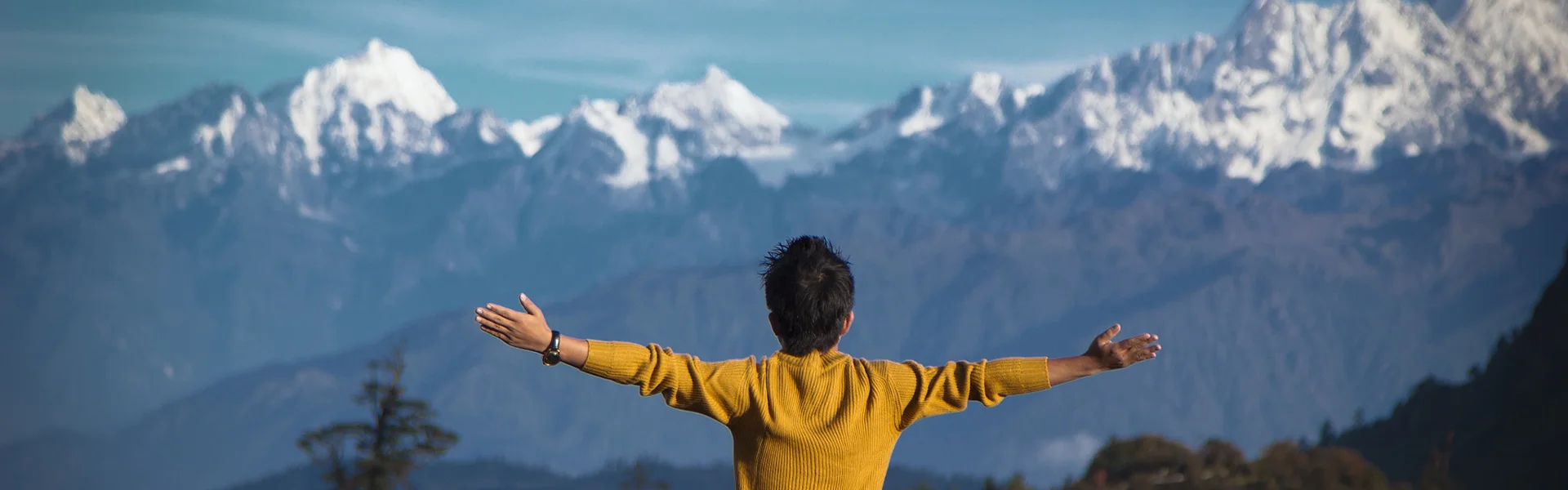

The Annapurna Circuit trek is a photographer’s dream. As a photographer, you have a variety to choose from. The trail offers lush green valleys, waterfalls, suspension bridges, stone-built villages, high mountain deserts, and giant mountains. You have the opportunity to capture endless beautiful images in the circuit. It doesn’t matter if you have a DSLR or just your smartphone; you’ll be clicking pictures all the way. In this blog, we have elaborated on Annapurna Circuit Trek Photos, spots, and techniques.
Best Photo Spots in the Lower Section (Besi Sahar to Manang)
The first half of the trek is a feast for the eye. You’ll see lush greenery, rivers, and peaceful villages around every corner in the first few fast.
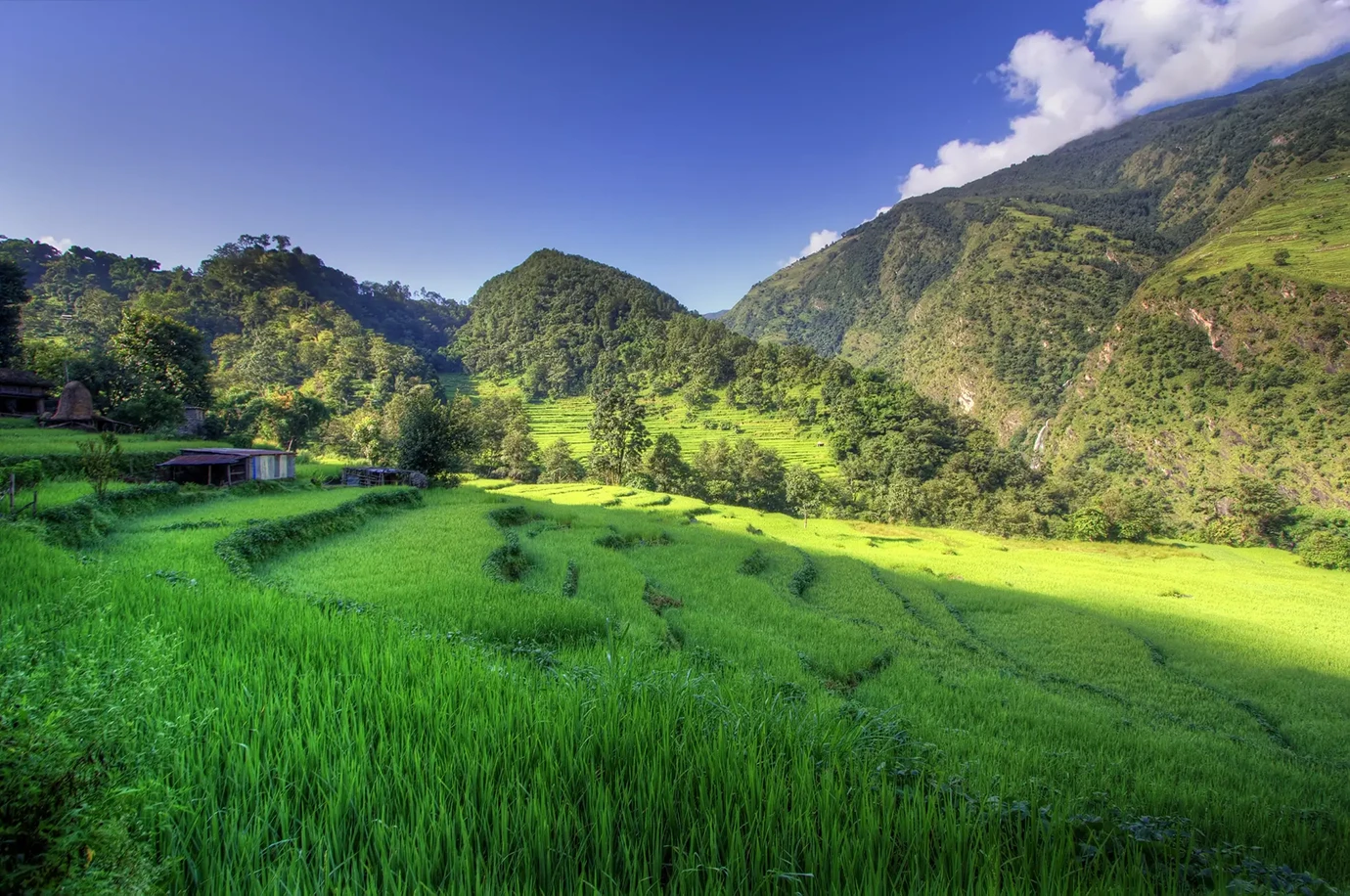
Terraced Rice Fields and Lush Hillsides: Bhulbhule, Syange, and Jagat hills are home to emerald-green rice terraces. Wide-angle shots do justice to this beautiful plane. These fields are gorgeous in the late afternoon, bathed in the glow of the sunset. If you are trekking during the planting or harvest season, you can click on the villages or farmers working in the field to bring a sense of local life into your picture. The colors and patterns are even more visually pleasing.
Waterfalls and Deep Gorges: The Marsyangdi River Valley has many waterfalls. A notable one is near Syange and Chamche. You should use a tripod or stabilize your camera at a slow shutter speed for a silky water effect. The deep gorges and the river valley, with cliffs on both sides, create dramatic compositions. You can try clicking the fall with the suspension bridge for a more adventurous element.
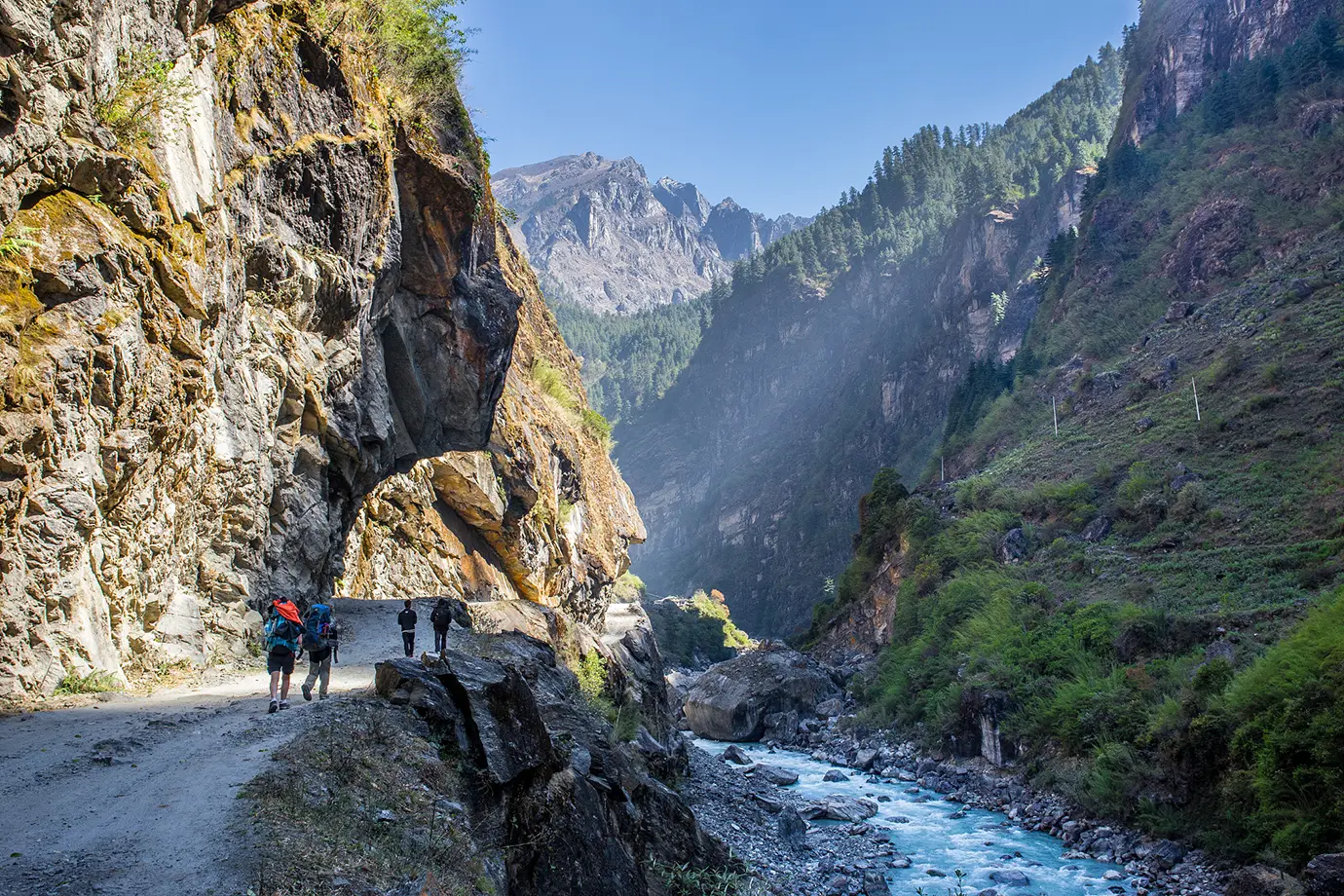
Suspension Bridges and Rivers: Trekking the Annapurna region inevitably means crossing long suspension bridges. You can capture trekkers mid-way on a bridge as the river flows below and the cliffs/dense forests surround them. A picture like this conveys the scale of adventure. You can wait for your companions to reach the centre of the beach to photograph without disturbing anyone. The Marsyangdi River is also wonderful, leading through valleys and distant hills/peaks.
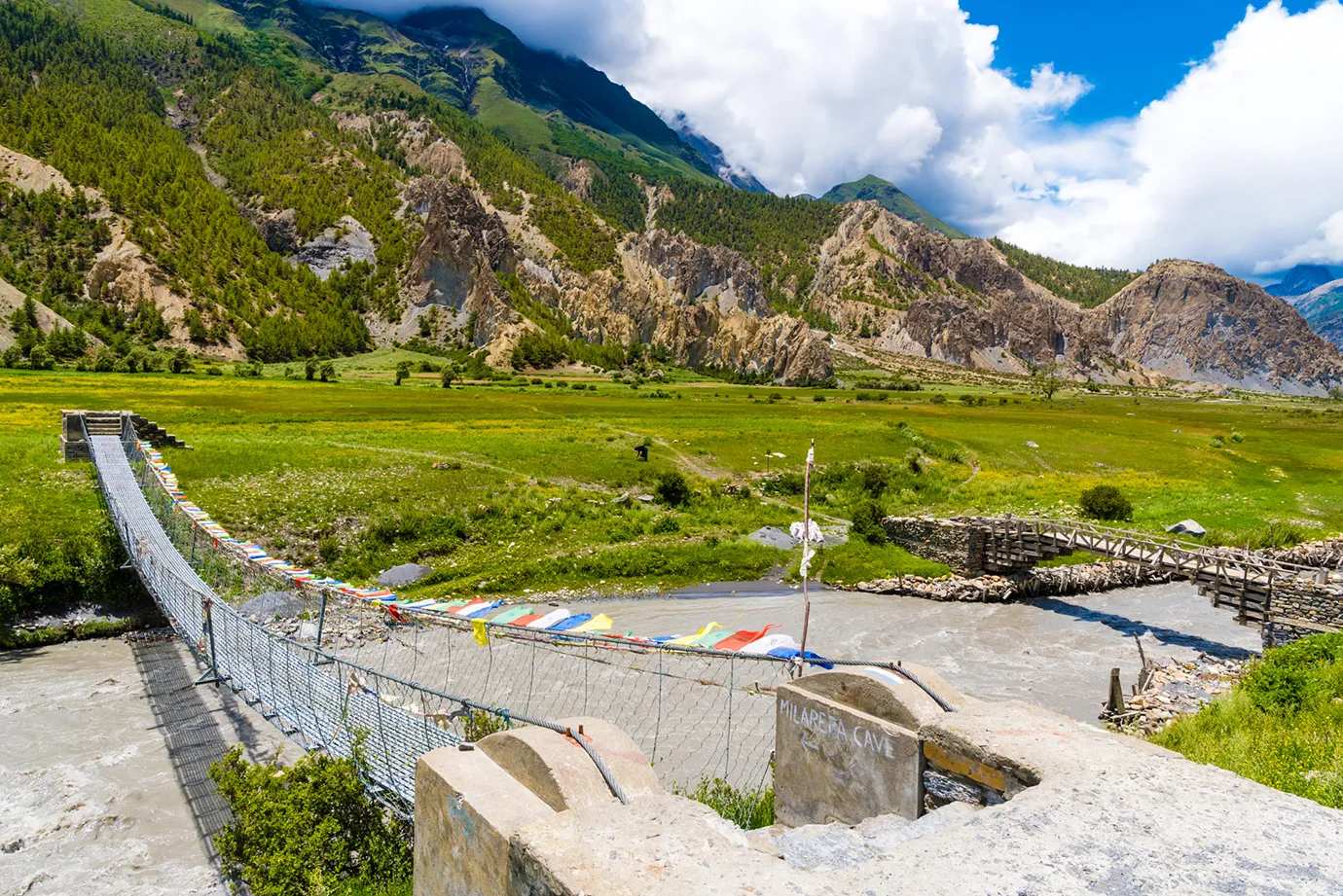
Local Villages and People: The lower Annapurna region is home to Gurung and other ethnic communities. You can click villages like Tal or Timang, which sit by the riverside with Lamjung Himal in the background. Stone houses, mule caravans, and teahouse gardens all create a culturally rich image. You should get permission from people before photographing them. Many people enjoy posing for the camera. Including these human elements in your Annapurna Circuit photo collection adds life and depth.
Annapurna Circuit Trek Photos Spots in the High-Altitude Zone (Manang and Beyond)
As you climb past Pisang and enter Manang, the scenery transforms from trees to rocky terrain. The mountains rise, dominating the skyline, and the temperature drops significantly.
Manang Village and Gangapurna Lake: Manang at 3,540 is a beautiful village framed by giant mountains. The view from a hill above the town, looking down at the cluster of flat-roofed stone houses, with Gangapurna Lake in the foreground and Annapurna III and Gangapurna rising in the background, is a popular subject for photography. Mid-morning is the best time for this shot. You can also click the prayer wheels, transitional attire, and locals as they go by, for candid shots.
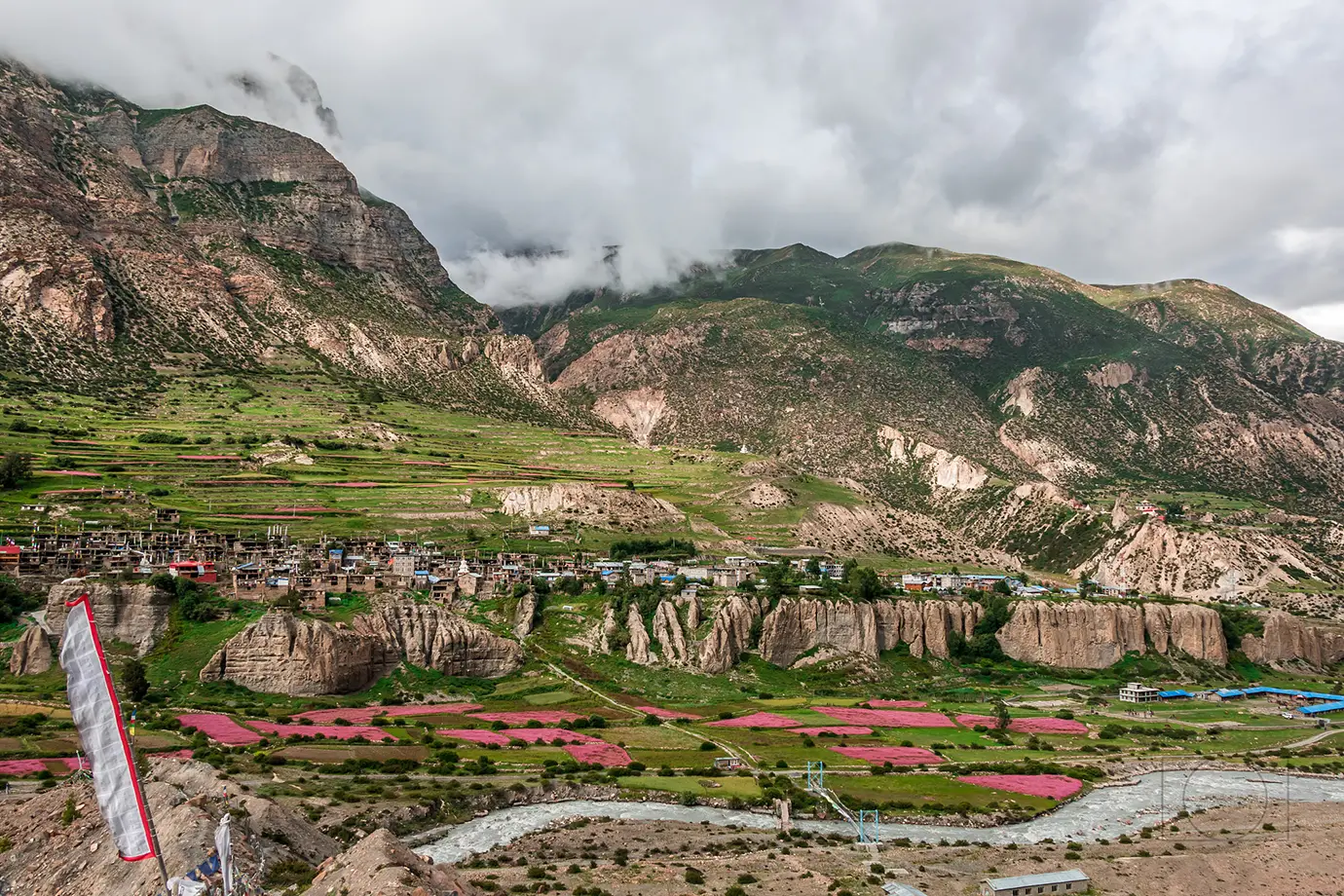
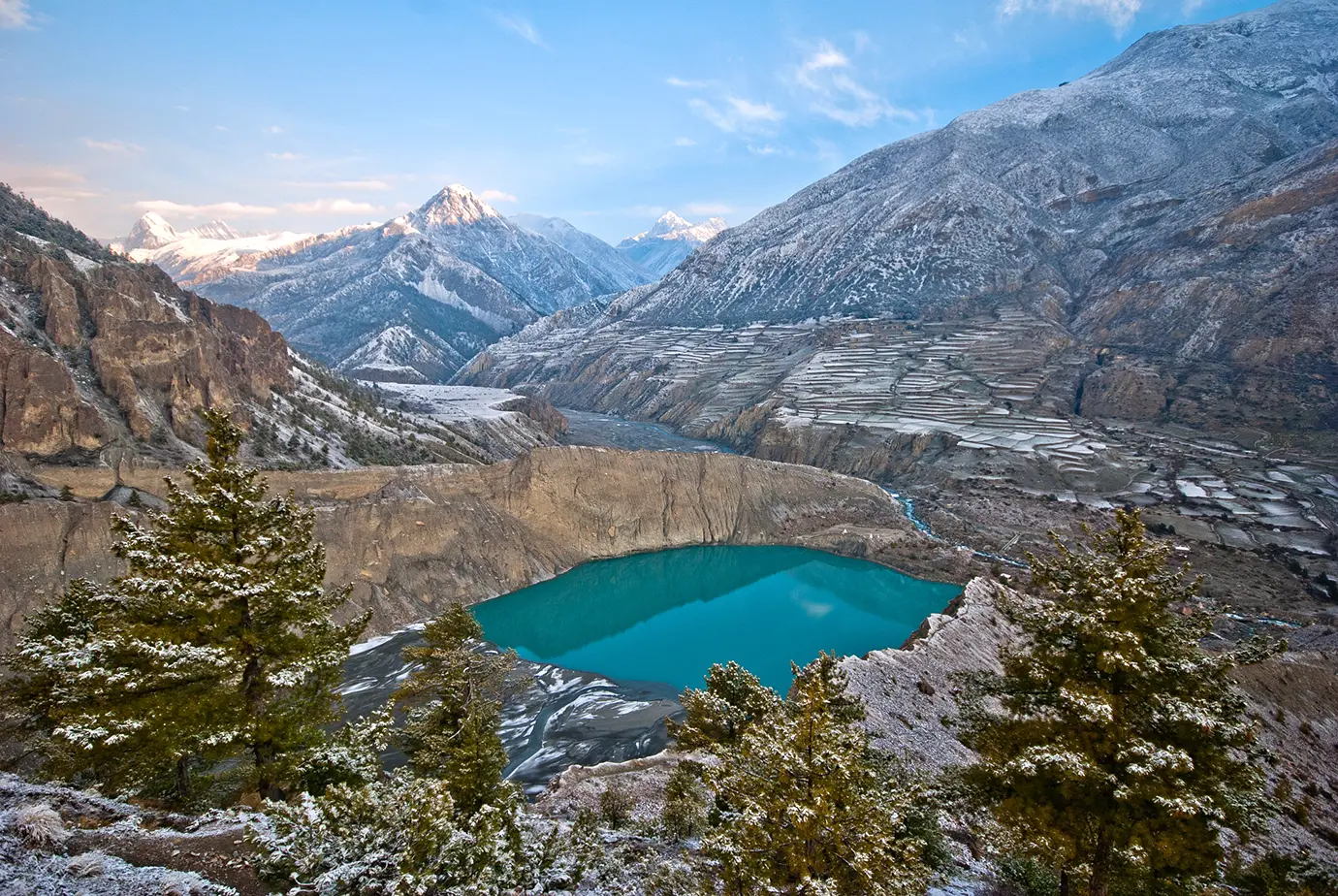
Upper Pisang and Ngawal: You can take the high route between Pisang and Manang for expansive panoramas. The Annapurna range from Upper Pisang and Ngawal is beyond the horizon. Annapurna II, III, IV, and Gangapurna dominate the skyline. Early morning or late afternoon are the best times to capture this scenery, as the sunrise or sunset creates a beautiful glow. Include monasteries or prayer flags in your photos to show the scale and local culture.
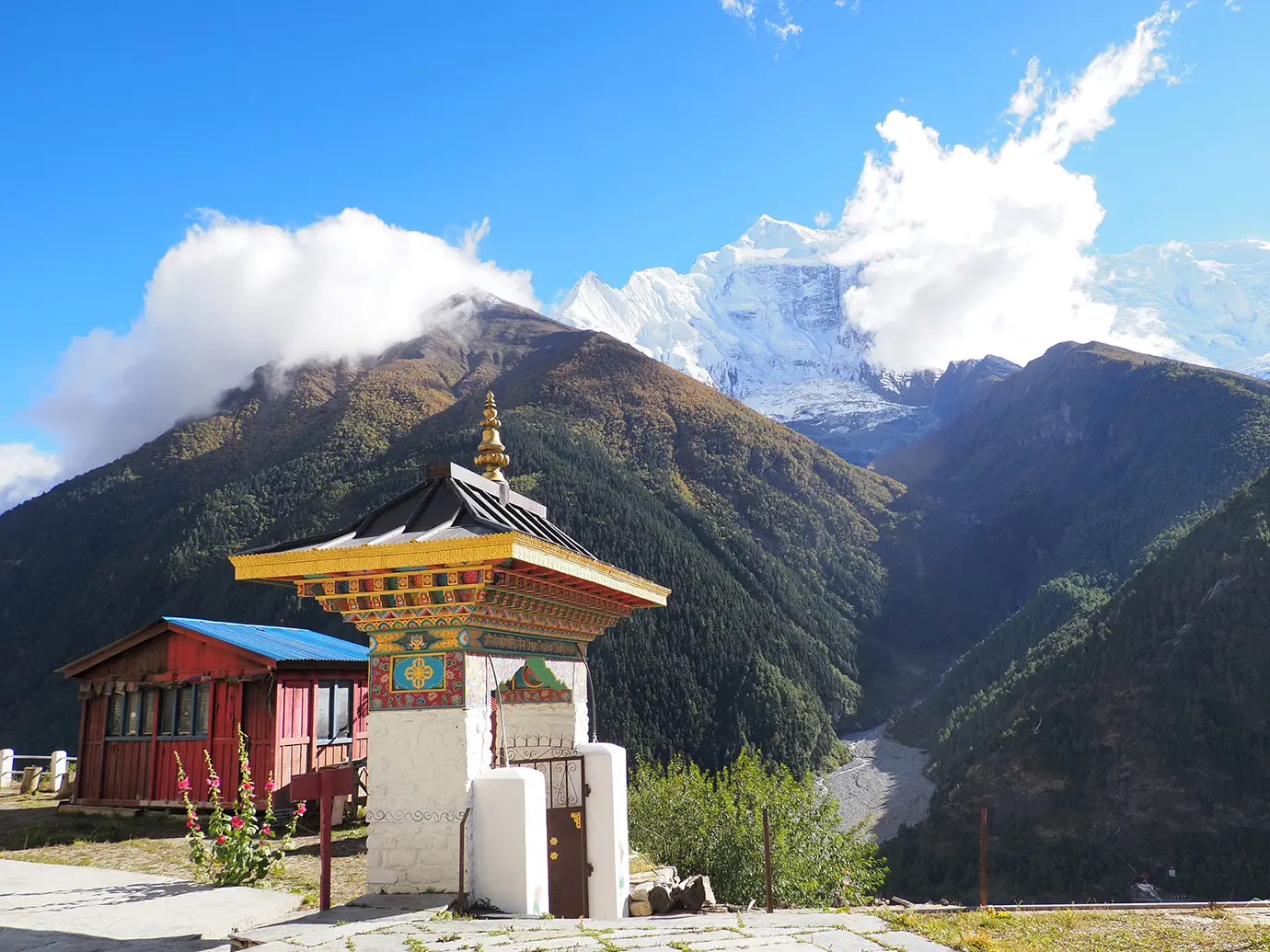
Thorong Phedi and High Camp: The land becomes rougher and rockier near the Thorong La Pass. At Thorong Phedi or High Camp, mountains tower above you, and the slopes are mostly bare. You can click the picture to show how small trekkers look against the giant mountains. If you’re more into wildlife, you can watch for blue sheep or yaks. Evening light glows on the peaks in golden and pink hues. You can even capture the Milky Way stretching across the sky if the night is clear. You’ll need a tripod, a wide lens, and a long exposure.
Tilicho Lake: Hiking to Tilicho Lake at around 5,000m is a challenging but rewarding experience. The lake is a blue-green color, surrounded by rocks and ice. The reflection is calm in the mornings. You can frame the lake with mountains in the background to capture its dramatic setting.
The Grand Finale: Thorong La Pass and the Kali Gandaki Valley
The final section of the Annapurna Circuit offers both a sense of achievement and amazing photography opportunities.
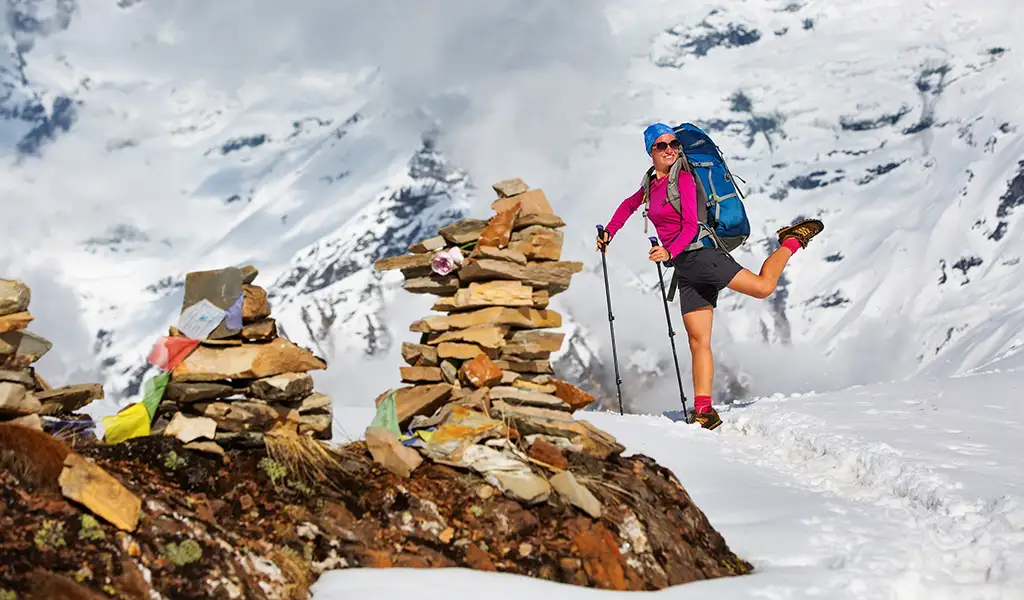
Thorong La Pass (5,416 m) – The Summit: The iconic signboard features the altitude of the Thorong La Pass at its summit. Surrounded by prayer flags, it is a must-capturing moment. You can take a wide shot of trekkers celebrating at the sign. Don’t forget to click a personal photo of yourself and your group. The morning sun illuminated western peaks from Manang’s side, and the prayer flags against the snow will create vibrant pictures.
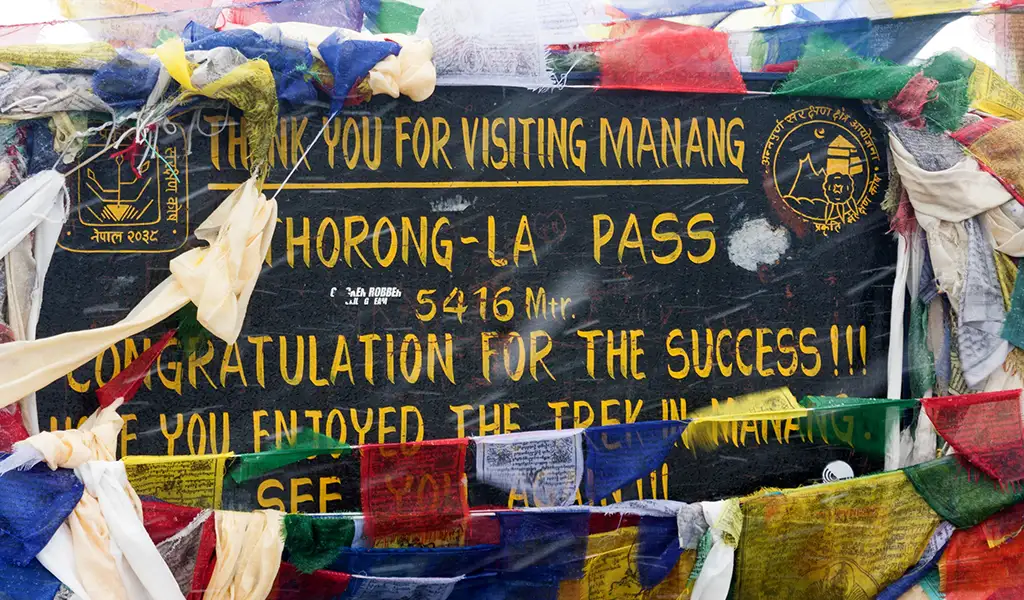
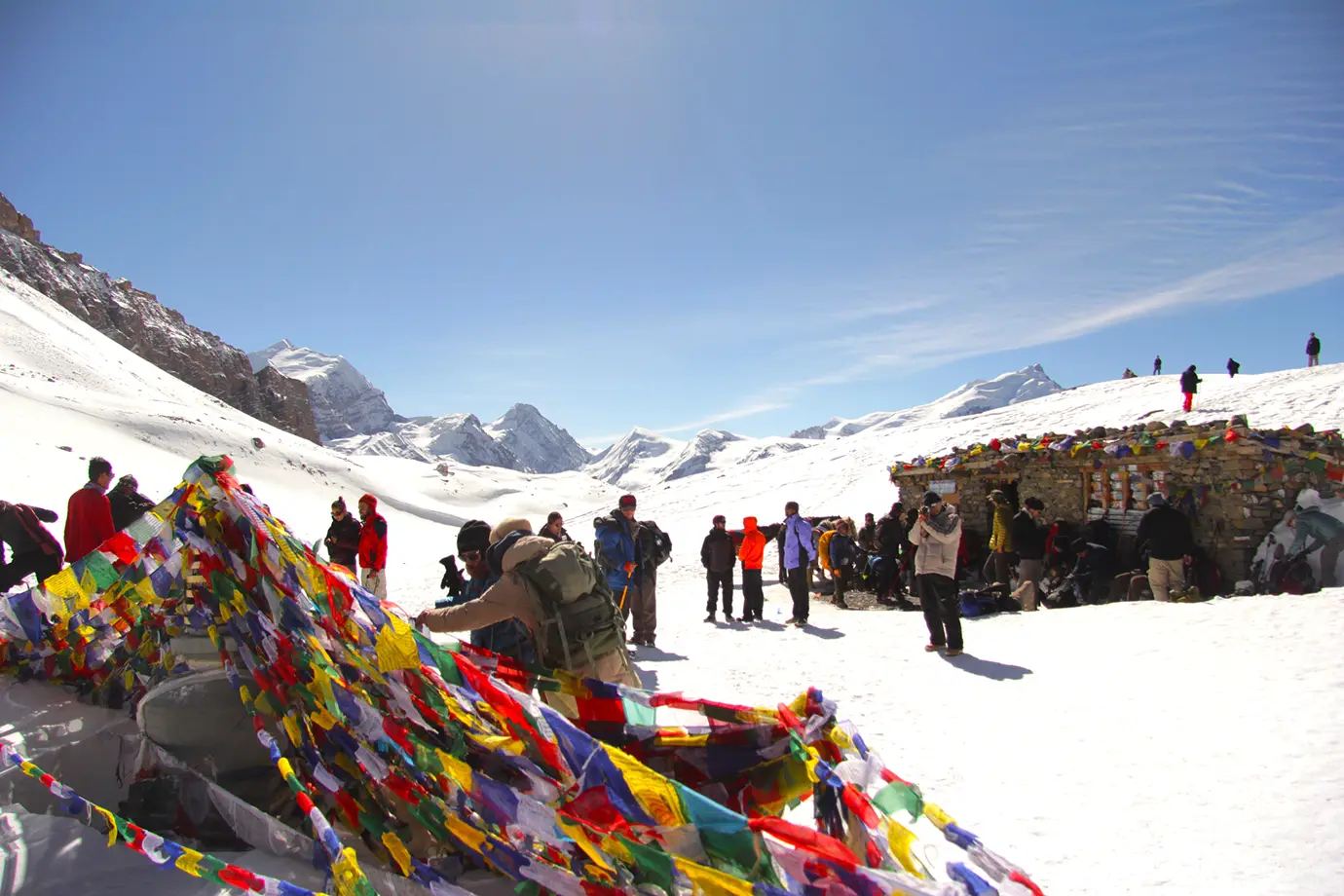
Muktinath Temple (3,800 m): You’ll reach Muktinath after descending from the Thorong La Pass. Muktinath is an ancient temple for Hindus and Buddhists. You can click the picture of this sacred temple’s 108 water spouts, pilgrims, and the surrounding stone shrine. Before clicking their photograph, you must take permission, especially from sadhus or monks. The prayer flags behind the temple on the barren hill make a perfect cultural backdrop.
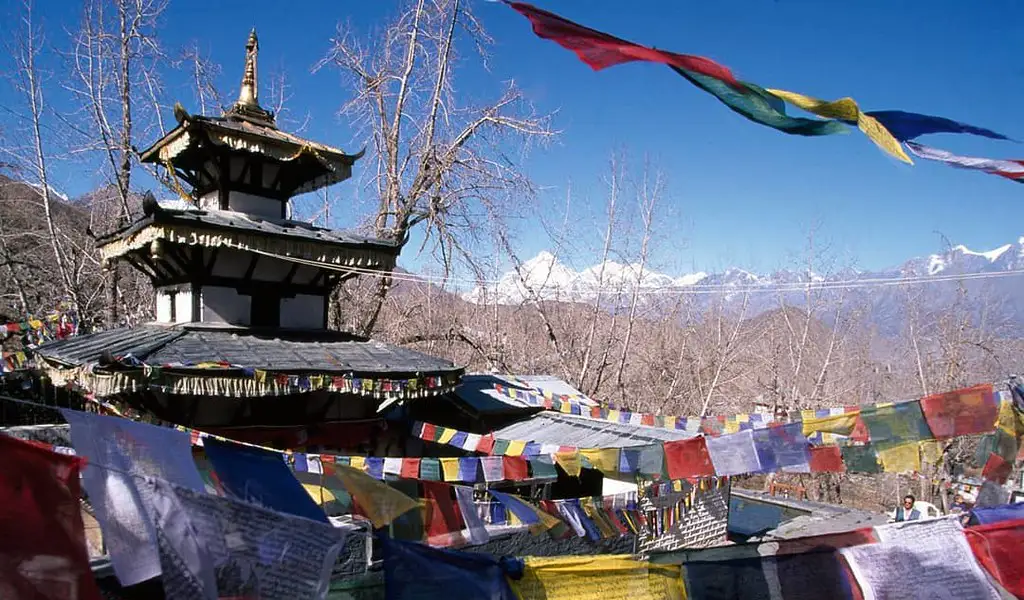
Kali Gandaki Valley and Kagbeni: The Kali Gandaki River divides the Annapurna and Dhaulagiri ranges. As you head down towards Jomsom through the river valley, you’ll see a dramatic landscape with brown cliffs, wide rocky riverbeds, and strong shadows of the hills. You can click the picture in the morning to get the best results. The Kagbeni village is another of the photographer’s favorites. Kagbeni features many mud-brick houses, narrow alleys, and an ancient red monastery. You can do street photography here, but remember to get locals’ permission.
Marpha and Apple Orchards: Further from Kagbeni, the beautiful village of Marpha sits. As Nepal’s apple capital, Marpha has tidy stone streets, whitewashed houses, and beautiful apple orchards. These orchards bloom with pink and white flowers in spring, and locals dry the apples and make apple brandy in autumn. You can photograph these moments with the Nilgiri mountains in the backdrop. Marpha’s monastery on the hill’s north end is another great viewpoint from which you can capture the village and the valley in the distance.
Photography Tips for the Annapurna Circuit
The trail can be dusty, snowy, or wet depending on the weather. Keep your camera safe in a waterproof or dustproof case so these conditions don’t cause harm to it. Use a microfiber piece of cloth to wipe lenses, and carry extra batteries and memory cards. Cold weather drains the battery quickly, so take them in your bag. You can also bring a lightweight power bank to charge at higher elevations.
Mountains look best in soft lighting in the early morning and late evening. Sunrise and sunset create magical scenes and are the best times to take pictures. Midday has harsh sunlight or wind, so save clicking pictures for other times.
Since the Himalayas are massive, adding familiar elements like trekkers, yaks, or lodges gives the picture a sense of scale. You can use rivers, trails, or prayer flags as leading lines to guide the eye. Apply the rule of thirds to click balanced and striking shots.
The people along the trail add lids to your photos. Click candid moments like locals cooking, pilgrims at temples, or fellow trekkers enjoying the view. Don’t forget to get permission to click the picture. The sky is dark away from the villages, which is excellent for stargazing. You can use a tripod and manual camera settings to capture photos of the stars or the Milky Way. Manang or High Camp are perfect spots on a clear, moonless night.
Ask before taking portraits, avoid disturbing any cultural and religious ceremonies, and sometimes put the camera down to fully immerse yourself in the moment.