


This article is a detailed comparison study between different seasons for the Everest Base Camp trek. It includes information about each season, with months and their pros and cons. The package aims to answer your question regarding the trails, views, and safety during each season.
Each season brings a different experience to the Everest Base Camp trek. From changing weather to trail conditions, choosing the right time can shape your journey. You should choose the best time for the Everest Base Camp trek. Knowing the Everest Base Camp weather throughout the year will give you the advantage of picking the best time for the trek. You can enjoy the best possible views and have the best experience.
Best Time for the Everest Base Camp Trek: Exploring the Four Seasons
Spring: March to May
Spring is a pleasant time for the Everest Base Camp trek. The weather is perfect during this time. Days are warm in the lower villages, often at 10°C-18°C. The nights are still cold, sometimes going below 0°C. Rhododendrons bloom, making the path to the Everest Base Camp even more beautiful. The sky is clear, and the weather is stable. The sun can sometimes be intense, so we advise sun protection.
Buddha Jayanti falls in May. The local community celebrates this day as the birth date of Lord Buddha. Trekkers can enjoy the ceremonies, visit the monasteries, and learn about new cultures.
Nepali New Year is celebrated in April/May, making the season festive, resulting in a scarcity of rooms. It is best to book the rooms in advance and have backup plans.
It is important to note that there is a peak month even during Spring. March has fewer travelers, April starts getting busy, and May is intense. Plan the trek according to your preference for a complete experience.
March: March marks the beginning of Spring. As the days get warmer, you can witness snow melting in the lower villages on the trail and blooming buds. The trail is easy to walk on. It is also the quietest month of the season.
- Pros: Improving weather with a mild crowd.
- Cons: The Temperature is still freezing at night, and the snow has not completely melted.
April: It is the best month of the season. Rhododendrons fill the path. Days are sunny with clear skies. The air is warm, and the Everest Base Camp trail is busy with many visitors.
- Pros: Great views of the mountains with communities celebrating their local festivals.
- Cons: Busier paths with dull and muted views during late April.
May: Even in high valleys, the days can be as warm as 15°C-18°C. Nights are mostly at 0°C. There can be sudden showers or cloudy, humid days. Even considering the sudden showers, the sky is mostly clear.
- Pros: Flowey trails with warm days
- Cons: Chances of sudden showers, hectic season with teahouses often packed.
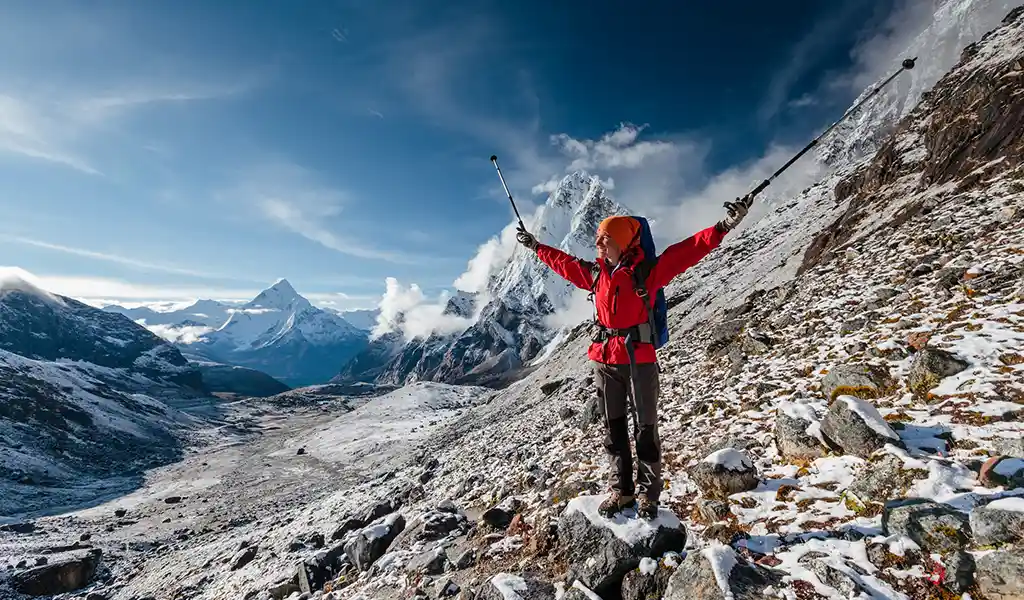
Spring gear tips: Even though the days are warmer, you still need jackets for mornings and nights. The sun can be intense, and light rain is possible, so pack accordingly. Bring hiking poles for extra help.
Autumn: September to November
Autumn is the most favorable time of the year to go on an Everest Base Camp trek. It starts right after the monsoon ends, which means the air is cool and crisp. The skies are bright, making the mountains stand out. Days are warmer in lower altitudes at around 10°–15°C. Nights are cold at 0°C and lower.
September is the transitional month between Monsoon and Autumn. October and November offer dry and stable weather with picturesque views of the Himalayan peaks.
You can witness the village welcoming the festive vibe as Dashain and Tihar approach. Locals celebrate the Tengboche Rimdu Festival, a Buddhist holiday during this time. Autumn is the most culturally rich season, ideal for anyone who wants to learn the community’s traditions.
Autumn is also the busiest season, with busy crowds from late September to mid-November.
September: Early September may face light rains and clouds, but the sky is clear from mid-September. Due to this, trails may be a little wet in the beginning, but dry off later.
- Pros: Lush green landscapes with fewer clouds than in other autumn months.
- Cons: Muddy trails, sudden light showers, and occasional fog are common in the early days of the month.
October: The best month for the Everest Base Camp Trek, with warm days at 10°C-15°C. Nights are below 0°C, but the skies are clear with no clouds.
- Pros: Great views, prime trekking conditions, and refreshing air
- Cons: Since it is the peak season, every place is busy, and booking can be hard.
November: November is right before winter, so nights are cold, below 0°C even in lower altitudes.
- Pros: The mountains are still visible, and the trail is less busy.
- Cons: Snow may cover the higher altitudes by late November. A few teahouses and lodges may be closed for the season.
Autumn gear tips: Days can be warm and nights cold, so pack lighter and warm clothes. Pack an insulated jacket for October/November and a jacket for September.
Winter (December – February)
Winter is one of the least favored Everest Base Camp hike seasons. The conditions are harsh and challenging. A few experienced and prepared trekkers may take the risk and choose this season. Days are dry and sunny, but the nights are cold even in lower altitudes. The higher you go, the shorter and colder the days start getting. Namche Bazaar and similar villages may have 0°C-5°C cold days. Higher altitudes can stay below 0°C all day. Nights will be even colder at -10°C to -20°C. Many storms hit the region during winter, covering the trails in snow. The air is frigid, and strong winds are coming from the north.
Few trekkers prefer this season because of the solitude and peace it offers. There are few to no trekkers. Stargazing is popular during this time due to the cold and clear air—many teahouses and lodges close for the season in higher altitudes. After Dingboche or Lobuche, you can expect to see no lodges open. Trekkers must be prepared for it when choosing winter for the EBC trek.
December: Days are cold and short, and nights are colder. Trails start getting covered in snow.
- Pros: Peaceful trekking experience with pleasant and clear views of sunsets/sunrises over the mountains
- Cons: Limited accommodation options due to lodges closing for the season.
January: Almost no visitors. It is the coldest month with frequent snowstorms causing whiteouts.
- Pros: Trails are covered in snow and are beautiful.
- Cons: Passes like Cho La often close due to heavy snow. Limited daylight and high winds make the demanding trek more physically challenging and risky.
February: Days start getting longer and warmer.
- Pros: Stable trekking conditions and clear skies by late February.
- Cons: Snow still covers the path in higher altitudes, and the nights are freezing.
Winter gear tips: The Everest Base Camp trek is arduous in winter. Only the experienced few should attempt it. Pack a nice four-season sleeping bag. You will also need winter essentials like a down jacket, waterproof boots, gaiters, and proper clothing layering. You may carry a headlamp and a lightweight rain shell for your comfort in the short days. Crampons and microspikes are a must for icy, slippery trails.
Monsoon: June to August
Monsoon is the least visited time of the year. The Everest Base Camp trek conditions are extreme, with many risks and underwhelming views. The Monsoon begins in June. Nepal experiences Monsoon because of the moist air from the Bay of Bengal. Heavy rainfall begins. The trails become extremely wet and muddy by mid-June, starting from Lukla to Namche and Tengboche. Due to heavy rainfall and frequent afternoon thunderstorms, it is almost impossible to get a mountain view. Monsoons affect even higher altitudes, making the air thick with humidity and covered with clouds.
Rain makes the trails and paths extremely muddy and slippery, rivers grow in size, and even walking gets dangerous. Most flights to Lukla get canceled, and visitors are infrequent. Early June may still be sunny, which attracts few trekkers, but late June, July, and August face extreme rainfall. Heavy rain is less frequent in the Khumbu region by late August, but the heavy clouds and humidity are still around.
June: June is the beginning of the Monsoon. Places like Lukla, Phakding, and Namche, where people sit at lower altitudes, get frequent rain.
- Pros: Early June still doesn’t have much rain, making the trails peaceful for the few trekkers who choose this month.
- Cons: Delayed or ultimately canceled flights due to a high chance of rain.
July experiences the heaviest rains, especially in the afternoons.
- Pros: Little to no fellow trekkers, resulting in a peaceful trip.
- Cons: Extremely muddy and flooded trails due to rain. Risks of landslides with almost no visibility of the surroundings.
August: Early days for the end of the Monsoon. A few mild rains and wet trails are common.
- Pros: Late August lets the trekkers get a sneak peek at the mountains. Full waterfalls make the view very scenic.
- Cons: Rain is still frequent, with flooded rivers. Trekking can be challenging with wet trails and flight cancellations or delays.
Monsoon gear tips: Pack quick-drying clothes, raincoats, and a waterproof backpack cover. Mosquitoes are everywhere, so pack a repellent. Carry a hiking pole and prepare for the challenges rain brings during the EBC trek.
Essential Preparations
Trekkers can choose to do the Everest Base Camp trek at any season. You need to be well-prepared to make the most out of it:
- Physical Training: You cannot trek to EBC if your physical stamina is low. You must begin training for the trek months in advance. Practice by hiking in steep mountains, stairs, or hills with a loaded weight. It will build your stamina and strengthen your core. When exercising, prioritize your legs and core strength, cardio, and endurance.
- Gear and Clothing: Only pack the essential layering, like nice hiking boots, sun protection, and waterproof clothing. Don’t forget a first-aid kit and a water purifier. If you are trekking in winter, pack a heavy-duty sleeping bag and chemical hand warmers.
- Acclimatisation: Include rest days in your itinerary. Don’t push your body, and walk at a steady pace. Walk a maximum of 500m per day above 3000m. Fuel your body with carbohydrates and drink plenty of water.
- Altitude Safety: Before starting your EBC trek, learn the symptoms of altitude sickness. You need to identify them in your track for a safe trek. Stop the trek if you feel sick. Consult your doctor for tablets and medicine to carry. Don’t ignore any signs, and be safe.
- Local Regulations: A TIMS card is mandatory for all trekkers in Sagarmatha National Park. Follow the regional rules and respect them; don’t disturb the wildlife.
You must train and pack accordingly to enjoy the EBC trek. Prioritize your health and safety for the best memories.
Frequently Asked Questions
What is the ideal time for the Everest Base Camp trek?
October is considered the best month for the Everest Base Camp trek. The Monsoon is over, clearing the sky and making the temperature favorable. Other months like April and May are also good choices. They offer warm days with clear views and blooming flowers on the trail. Spring and Autumn are peak seasons for the Everest Base Camp trek.
How do Everest trek conditions vary by season?
Different seasons offer different weather conditions. During Spring and Autumn, there are no harsh or extreme conditions. Days are warm, and views are clear. Winter brings lots of snow and is extremely cold. Monsoons come with heavy rain and flooded rivers. Due to these reasons, many trekkers favor Spring or Autumn over winter and Monsoon.
Why is trekking to Everest Base Camp during the Monsoon and winter not good?
Though not prohibited, experts don’t recommend trekking to Everest Base Camp during winter or Monsoon. Much rain in the Monsoon makes the trails extremely muddy and slippery. The rain also blocks the view, resulting in delayed or canceled flights. The weather is harsh, and most lodges in higher altitudes are closed. Not only is it dangerous, but the mountains are also not visible, disappointing many. It is not impossible to trek in these two months. With the correct gear and proper training, solitude-seeking trekkers can enjoy the trek. If not, Spring or Autumn is a better choice.
How cold does it get, and what gear is needed?
Lower altitudes are warmer than higher altitudes. The base camp may experience freezing days during Spring or Autumn with nights below -10°C. It goes below -20°C during the day and even lower at night during mid-winter. Nights above 3000m are freezing regardless of season. Pack a nice sleeping bag rated at least -10°C, insulated jackets, and strong waterproof boots for winter. For Spring or Autumn, pack sun protection and rain gear.
How should I physically prepare for the Everest trek?
You are required to have good stamina to endure the EBC trek challenges. You have to exercise your core to build up your strength. Focus on your cardio and go hiking upstairs or hills with a loaded weight to practice. You must prepare yourself for at least two months.
Why is acclimatisation important on this trek?
The trek is at a high altitude. It starts from 2,800m at Lukla and ends at over 5,300m at the Everest Base Camp. Your body should be able to adjust to the changing altitude. To avoid altitude sickness, you must rest for acclimation in multiple places, like Namche or Dingboche. Don’t push your body too hard. You can learn the symptoms of altitude sickness for safety. These steps ensure a safe trek.
What are the common Everest Base Camp trek conditions I should expect?
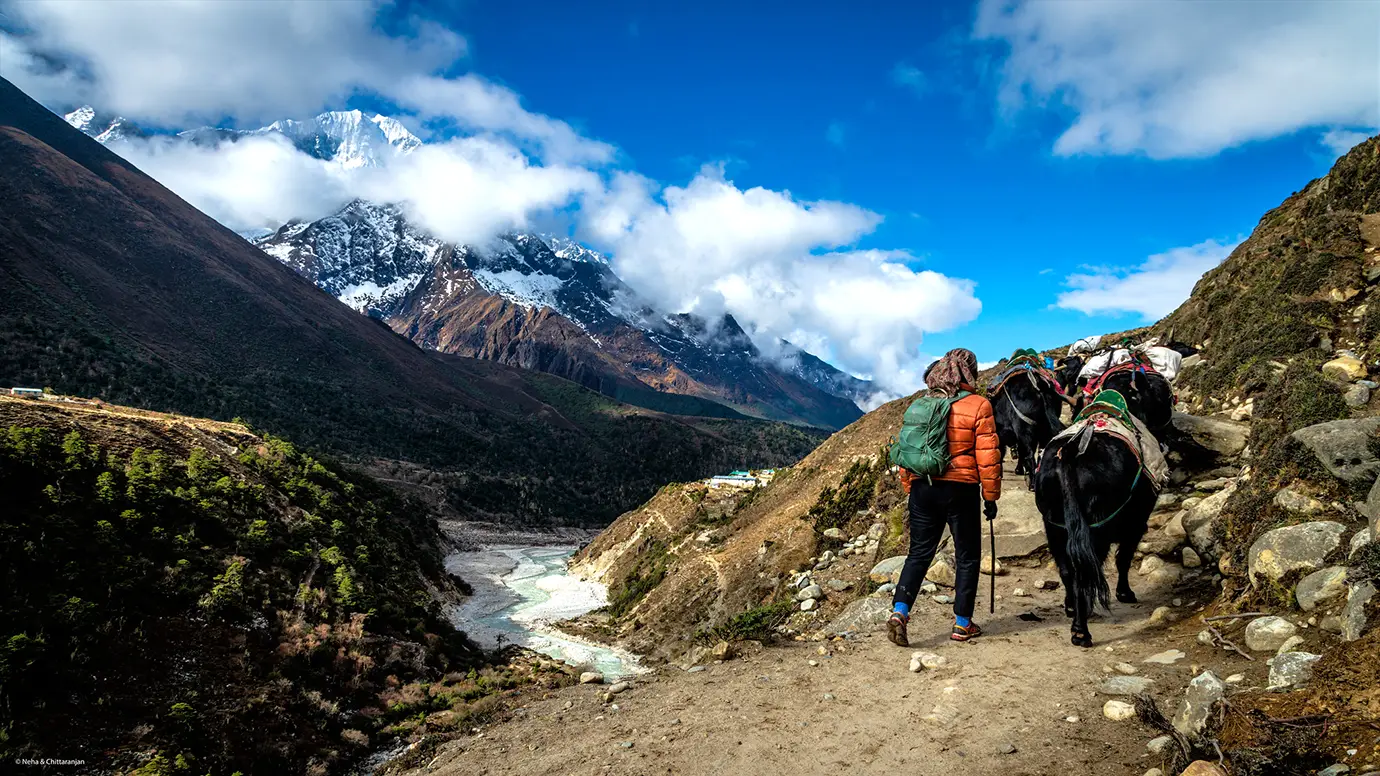
During Spring or Autumn, you can walk a full day with clear views of Everest and Ama Dablam on rocky and dusty paths. In winter, you must walk on snow-covered trails in frigid temperatures. Trails will be wet and muddy, with frequent heavy rain and low clouds during the monsoon season. Regardless of the seasons, you must pass rocky and uneven mountain paths. There are lots of suspension bridges with prayer flags over the mountainous terrain. Feed and hydrate your body to withstand these trail conditions.
Ready to Start Your Trek?
Peregrine Treks and Tours is a Nepal-based travel company with years of experience organising Everest Base Camp treks. When you book with us, we provide experienced local guides, comfortable accommodation, and all your permits. We take care of the planning and safety, so you don’t have to worry. From giving you practical training tips before your trip to ensuring you have hot meals and a place to rest each night, our team supports you. Reach out to us to start planning your Everest Base Camp trek. We’ll help you prepare and make sure everything runs smoothly along the way.