



The Chinese Group Visa issued in Kathmandu is a mandatory travel document for international tourists. Visitors require a Chinese Group Visa issued in Kathmandu to enter the Tibet Autonomous Region directly from Nepal. Travel agencies manage the application process on behalf of their clients. Tourists never submit the paperwork independently. The Chinese Embassy in Nepal issues Chinese Group Visas from Kathmandu. The final document arrives as two printed pages rather than a passport sticker. All members listed on the Chinese Group Visa from Kathmandu travel together across the border.
The Tibet tour from Nepal requires strict compliance with visa rules. Travelers cross the border by air or overland. The Chinese Group Visa issued in Kathmandu limits the stay to a maximum of 30 days. A single entry applies to every tourist—the Chinese Group Visa from Kathmandu functions as the exclusive entry method for non-exempt nationalities. Travel operators process the paperwork seamlessly. Peregrine Treks and Tours ensures a smooth experience for every client. Tourists enjoy the Himalayan views without stressing over embassy queues.
The Kathmandu to Lhasa visa process demands careful timing. The Chinese Group Visa from Kathmandu takes at least 3 working days to process. Buffer days protect the travel schedule. The Chinese Group Visa from Kathmandu makes the entire trip possible. Travelers plan their flights around the processing time. The Chinese group tourist visa to Nepal and Tibet connects the two Himalayan regions. Proper planning ensures a smooth border crossing. The Chinese Group Visa from Kathmandu opens the door to the high plateau.
Quick Answer
The Chinese Group Visa from Kathmandu functions as a required paper document. The Chinese Embassy in Nepal issues the Chinese Group Visa from Kathmandu. Travelers need a Chinese Group Visa issued in Kathmandu to enter Tibet directly from Nepal. The Chinese Group Visa from Kathmandu lists all group members on two sheets of paper.
What Is the Chinese Group Visa from Kathmandu?
The Chinese Group Visa from Kathmandu differs completely from standard tourist visas. Authorities print the Chinese Group Visa from Kathmandu on two identical sheets of A4 paper. One sheet stays with the border guards upon entry. The exit border guards keep the second sheet when the group leaves. The Chinese Group Visa from Kathmandu lists every traveler in the specific tour group. The document shows full names, passport numbers, birth dates, and nationalities.
The Chinese Group Visa from Kathmandu requires a minimum of four tourists to apply. Solo travelers join larger groups to secure the Chinese Group Visa from Kathmandu. The paper document replaces any existing sticker in the traveler’s passport. The Chinese Group Visa from Kathmandu is a single-entry visa. The validity window commonly spans thirty days. The Chinese Embassy dictates the exact entry and exit dates. The Chinese Group Visa from Kathmandu links directly to the approved travel itinerary.
Many people call the Chinese Group Visa from Kathmandu the “Tibet Group Visa.” The Chinese Group Visa from Kathmandu functions as the ultimate gate pass for the region. The Chinese group tourist visa to Nepal and Tibet applies specifically to the Nepal gateway. Tourists arriving from mainland cities use different documents. The Chinese Group Visa from Kathmandu is valid only for the Nepal entry route. The format surprises many first-time visitors. The paper requires careful handling during the trip. Tour guides usually hold the Chinese Group Visa from Kathmandu to prevent loss.
Quick Answer
The Chinese Group Visa from Kathmandu arrives as two sheets of paper. The Chinese Group Visa from Kathmandu is a single-entry visa. The Chinese Group Visa from Kathmandu typically lasts 30 days. The Chinese Group Visa from Kathmandu replaces the traditional passport sticker.
Who Needs It?
Different traveler categories face different rules. International tourists entering Tibet from Nepal rely heavily on the Chinese Group Visa from Kathmandu. Tour operators treat the Chinese Group Visa from Kathmandu as a strict requirement for almost everyone. The border guards demand the Chinese Group Visa from Kathmandu before allowing entry. The Chinese Group Visa from Kathmandu remains non-negotiable for most passports.
Some tourists arrive in Nepal already holding a regular Chinese visa. The Chinese Group Visa from Kathmandu states an important fact. The Chinese Group Visa from Kathmandu cancels the existing Chinese visa. The embassy voids the old sticker to issue the new Chinese Group Visa from Kathmandu. Travelers lose their multiple-entry privileges. The Chinese Group Visa from Kathmandu takes precedence for the Nepal border crossing. Tourists carefully plan their extended travels in China. The canceled visa disrupts plans for later visits.
Visa-free passports follow separate policies. Citizens of countries such as Singapore, Malaysia, and certain European nations enjoy visa-free entry. These travelers skip the Chinese Group Visa from Kathmandu. They enter using their passport and a Tibet Travel Permit. The rules for the Tibet Travel Permit and group visa change frequently. Travelers consult their tour operator for the latest updates. The Chinese Group Visa from Kathmandu is in line with global diplomatic agreements. Some sources claim that a group visa does not require specific visa-free passports. Travelers confirm the rules on a case-by-case basis.
Quick Answer
Tourists entering Tibet from Nepal need a Chinese Group Visa issued in Kathmandu. The Chinese Group Visa from Kathmandu cancels existing regular visas. Visa-free passport holders sometimes skip the Chinese Group Visa from Kathmandu.
Group Visa vs Regular China Visa
The debate over the China visa vs the group visa for Tibet confuses many travelers. The two documents serve entirely different purposes. A regular visa supports independent travel through mainland cities. The Chinese Group Visa from Kathmandu specifically supports guided tours entering from Nepal. The regular visa is affixed to the passport as a sticker. The Chinese Group Visa from Kathmandu is issued as a separate paper document.
The regular visa allows flexible travel dates. The Chinese Group Visa from Kathmandu forces travelers to follow a fixed schedule. The regular visa allows single, double, or multiple entries. The Chinese Group Visa issued in Kathmandu allows only a single entry. The regular visa allows travelers to move independently. The Chinese Group Visa from Kathmandu requires the whole group to stay together.
The application process differs completely. Travelers apply for the regular visa in their home country. Travelers apply for the Chinese Group Visa exclusively in Nepal from Kathmandu. The regular visa demands personal financial documents and flight tickets. The Chinese Group Visa from Kathmandu requires an official invitation letter from a licensed travel agency. The agency handles the entire Chinese Group Visa application from Kathmandu.
Quick Answer
The regular visa allows independent travel and arrives as a sticker. The Chinese Group Visa from Kathmandu is limited to group tours and arrives as a paper document. The Chinese Group Visa from Kathmandu only applies to the Nepal entry route.
| Feature | Regular China Visa | Chinese Group Visa from Kathmandu |
| Issued Where | Home country | Kathmandu, Nepal |
| Format | Passport sticker | Two sheets of A4 paper |
| Entry Type | Single, Double, Multiple | Single entry |
| Flexibility | High (date changes allowed) | Low (fixed to a specific itinerary) |
| Travel Style | Independent travel allowed | Mandatory group travel |
| Use Case | General travel in mainland cities | Direct entry to Tibet from Nepal |
Key Rules Travelers Must Know
- Group movement rule: The group generally enters and exits together. Splitting the group rarely happens without massive penalties. The Chinese Group Visa issued in Kathmandu lists all members on a single page. Border guards check every face against the list. Missing members delay the entire group.
- Itinerary-linked: The Chinese Group Visa from Kathmandu ties directly to the submitted travel plan. Route changes trigger severe delays. Date changes require a complete rework. The Chinese Group Visa from Kathmandu locks the schedule in place.
- Existing China visa risk: Entering on a Chinese Group Visa from Kathmandu invalidates a pre-existing China visa sticker for that entry route. The embassy cancels the old sticker. Travelers apply for a new regular visa later if they plan subsequent trips. The Chinese group visa requirements in Kathmandu strictly enforce the cancellation rule.
- Agency requirement: Travelers never apply for the Chinese Group Visa independently from Kathmandu. Licensed agents handle the paperwork. The Chinese Embassy only accepts applications from registered Nepali partners. The visa rules for the Tibet tour from Nepal make independent applications impossible.
- Physical presence: Applicants stay in Nepal during the processing days. Sending passports by courier from another country breaks the rules. The embassy requires the traveler to possess a valid Nepal entry stamp.
Quick Answer
The Chinese Group Visa from Kathmandu requires group travel. The Chinese Group Visa from Kathmandu cancels existing visas. The Chinese Group Visa from Kathmandu locks travelers to a fixed schedule. Licensed agents in Kathmandu handle Chinese Group Visa applications.
How the Process Works (Step by Step)
The visa process from Kathmandu to Lhasa follows a strict sequence. Travelers follow the steps carefully to avoid delays. The Chinese Group Visa from Kathmandu relies on perfect coordination between the traveler, the Tibet operator, and the Kathmandu agent.
- Choose the Tibet itinerary and entry method. Travelers select a flight route or an overland route. The traveler confirms the exact travel dates. The route dictates the paperwork requirements.
- Book with a licensed operator. The agency arranges the Tibet permits and visa paperwork. The agency secures the local guide and the vehicle. Peregrine Treks and Tours handles all logistics professionally.
- Send documents for the permit and invitation paperwork. Travelers email a clear passport photo and a clear passport scan. The operator sends the details to the Tibet Tourism Bureau. The Bureau issues the official visa invitation letter.
- Arrive in Kathmandu with enough buffer days for submission/collection. The local agent meets the travelers. The local agent collects the original passports. Operators advise three to four working days for the process.
- Submit through the proper channel. The local agent takes the documents to the Chinese Visa Application Center. The agent pays the fees. The officials process the Chinese Group Visa from Kathmandu.
- Receive the paper group visa and follow the approved entry plan. The agent returns the travelers’ original passports. The group proceeds to the airport or the land border.
Quick Answer
Travelers book a tour, send a passport scan, and fly to Nepal. The local agent collects the passport, submits the application, and returns the Chinese Group Visa from Kathmandu after a few days.
Documents Checklist
The China group visa requirements in Kathmandu demand specific paperwork. Missing documents cause instant rejections. The local agent reviews everything before visiting the embassy. The Chinese Group Visa from Kathmandu requires pristine documents.
- Passport: The passport must be valid for at least 6 months. Blank pages matter for the stamps. The embassy holds the passport during the processing period.
- Nepal visa: Non-Nepalese applicants typically remain in Nepal while applying. The passport shows the Nepal arrival stamp. The embassy verifies the applicant’s physical presence.
- Passport photo: The agent requests a specific photo type. The background is pure white. The applicant wears dark clothes to contrast the background. The photo shows no glasses.
- Completed visa form: The submission set requires a signed form. The traveler signs the form in black ink. The form asks for basic personal and occupational details.
- Operator’s invitation/approval documents: The Tibet operator handles the official invitation letter. The Tibet Tourism Bureau issues the letter. The local agent attaches the letter to the application.
Special cases:
Journalists, diplomats, and others in sensitive occupations face additional checks. Standard travel agencies decline these occupations. Special government channels handle sensitive occupations. The Chinese Group Visa from Kathmandu process takes much longer for these professions.
Quick Answer
Travelers must provide an original passport, a valid Nepal visa, a white background photo, a signed form, and an official invitation letter. Journalists require special handling.
Processing Time and Kathmandu Stay Plan
The processing time for China group visas in Kathmandu dictates the entire travel schedule. Travelers allocate adequate buffer days. Rushing the process guarantees failure. The Chinese Group Visa from Kathmandu requires patience.
Travelers keep at least four working days open in Kathmandu. Weekends halt the process. Holidays pause the embassy operations. The best schedule pattern looks like this: arrive, submit, wait, collect, depart. Travelers use the waiting days to explore the Kathmandu valley. The Chinese Group Visa from Kathmandu provides an excellent excuse to sightsee locally.
Kathmandu processing timeline:
- Day 0: Arrive in Kathmandu. The local agent collects the passport in the evening.
- Day 1: submit documents. The local agent submits the application to the visa center in the morning.
- Day 2–3: processing. The embassy reviews the application. Travelers explore local temples.
- Day 4: collect and prepare to depart. The agent collects the Chinese Group Visa from Kathmandu. The agent returns the traveler’s passport.
The timeline varies by season and holidays. Busy summer months cause delays. Public holidays add extra waiting days. Travelers confirm the embassy schedule with their agent before booking international flights. The China group visa processing time in Kathmandu requires flexibility.
Quick Answer
The process takes three to four working days. Weekends and holidays cause delays. Travelers arrive on Day 0, submit on Day 1, wait on Days 2 and 3, and collect on Day 4.
| Application Step | Action Required | Typical Day |
| Arrival | Meet the agent, hand over their passport | Day 0 |
| Submission | The agent delivers documents to the Visa Center | Day 1 |
| Processing | Embassy reviews the application | Day 2 to Day 3 |
| Collection | The agent retrieves the approved visa | Day 4 |
| Departure | Group leaves for Tibet | Day 5 |
Where It’s Issued and Practical Office Rules
The Chinese Embassy in Kathmandu issues the Chinese Group Visa from Kathmandu. A dedicated Chinese Visa Application Service Center handles the daily operations. The center sits in the Rising Mall building in Kamaladi. The center processes all applications for the Chinese Group Visa from Kathmandu.
The basic requirements for submitting a Chinese visa in Nepal are strict. Requirements include valid passports and clear copies of them. Current rules often require in-person fingerprint collection. Applicants aged 14 to 70 visit the center to provide biometric data. Children under 14 skip the fingerprinting. Seniors aged 70 or older skip the biometric step. Travelers should check the latest rules with their agent before arrival.
Holiday closures cause massive disruptions. The visa center closes for Chinese national holidays. The center closes for Nepalese national holidays. The Spring Festival closes the center for a week. National Day in October closes the center for a week. Dashain and Tihar festivals close the center for several days. Travelers review the holiday calendar before planning the trip. The China group visa requirements in Kathmandu depend entirely on the office schedule.
Quick Answer
The Chinese Visa Application Service Center in Kathmandu handles the paperwork. Travelers provide fingerprints. The center closes on weekends and during Chinese and Nepalese holidays.
Costs and What Affects Price
The Chinese Group Visa from Kathmandu carries specific fees. The embassy charges different prices based on nationality. United States citizens pay the highest fees. Canadian citizens pay a slightly lower fee. Citizens of other countries pay a lower standard fee. Nepalese citizens pay the lowest fee. Citizens of Pakistan and the Maldives receive free visas.
Service speed affects the price significantly. Standard service costs a basic rate. Express service adds a high surcharge. The center only offers rush service in exceptional cases. The local agent charges an agency handling fee. The handling fee covers the agent’s time and transport. The agent picks up the documents from the hotel and delivers them back safely.
Group size and itinerary complexity alter the final price. Larger groups share the agency handling fees. Smaller groups pay higher per-person fees. The itinerary’s complexity affects the tour cost, which, in turn, indirectly affects the total budget.
Cost control tips:
- Avoid last-minute route changes that require new invitation letters.
- Submit clean scans to prevent rejection and rework.
- Travel outside peak holiday windows when possible to avoid express fees.
- Book the tour well in advance to secure standard processing rates.
- Use local photo studios in Thamel for cheap, compliant passport photos.
Quick Answer
Nationality determines the base fee. Express processing costs extra. Local agents charge a handling fee. Travelers control costs by avoiding last-minute changes and traveling outside major holidays.
Common Mistakes to Avoid
Travelers ruin trips by ignoring the visa rules for the Tibet tour from Nepal. The Chinese Group Visa from Kathmandu requires exact compliance. The local agents fix minor mistakes, but the embassy rejects major errors.
- Booking non-refundable flights before the operator confirms the permit/visa timeline. Travelers buy expensive tickets to Lhasa too early. The visa takes longer than expected. The traveler misses the flight. Travelers wait for official confirmation before purchasing flights.
- Assuming an existing China visa will work for Nepal-to-Tibet entry. Travelers hold a ten-year multiple-entry visa. They assume they will skip the Chinese Group Visa from Kathmandu. They arrive at the border and face rejection. The Nepal entry route demands the Chinese Group Visa from Kathmandu.
- Too few buffer days in Kathmandu. Travelers arrive in Kathmandu on Monday night and book a flight to Lhasa on Wednesday morning. The Chinese Group Visa from Kathmandu takes four days. The traveler misses the trip completely. Buffer days save the vacation.
- Group members are arriving on different days. Group members fly into Nepal on separate dates. The agent needs all passports at the same time to apply. The early arrivals wait for the late arrivals. The group misses the submission window. This breaks the group visa logic.
Quick Answer
Do not book non-refundable flights too early. Do not trust an existing regular visa for the Nepal route. Add extra buffer days in Kathmandu. Ensure the whole group arrives on the same day. Remove glasses for the passport photo.
Sample “Kathmandu to Tibet” Plans
Travelers choose different routes to explore the region. The Chinese Group Visa from Kathmandu applies to all these templates. The Tibet Travel Permit and group visa cover the entire journey perfectly.
Flight entry: Kathmandu to Lhasa
The flight entry is suitable for first-timers, seniors, and families with children. The flight takes roughly ninety minutes. The plane flies directly over the Himalayan range. Passengers see Mount Everest from the window.
- Ideal buffer days in Kathmandu: Four working days.
- Pacing: Fast and comfortable.
- Highlight: Aerial views of the mountains and a quick arrival in the capital.
- Requirements: Tight document timing ensures the flight departs on schedule.
Overland entry: Kathmandu to the border route to Tibet
The overland route suits adventurous travelers, photographers, and backpackers. The drive takes several days. The road climbs steeply through the mountains. Travelers cross the Gyirong port. The route passes Everest Base Camp and Shigatse before reaching Lhasa.
- Ideal buffer days in Kathmandu: Four working days.
- Pacing: Slow and challenging.
- Highlight: Close-up views of the landscape and deep cultural immersion.
- Requirements: Extra physical preparation for the rapid altitude gain.
Nepal + Tibet combo tour
The combo tour suits travelers wanting a complete Himalayan experience. Travelers spend a week exploring Nepal before heading north. The agent processes the Chinese Group Visa from Kathmandu while the travelers trek in the Annapurna region or visit the jungle in Chitwan.
- Ideal buffer days in Kathmandu: Zero wasted days. The waiting happens during the Nepal tour.
- Pacing: Balanced and highly rewarding.
- Highlight: Contrasting the Hindu culture of Nepal with the Buddhist culture of Tibet.
- Requirements: Careful coordination with the local agent to hand over the passport before leaving the city.
Quick Answer
The flight route suits families and offers quick access. The overland route suits adventurers and offers close-up views of the mountains. The combo tour maximizes vacation time by processing the visa while the traveler explores Nepal.
Understanding the Friendship Highway History
The Chinese Group Visa from Kathmandu enables travel along a historic route. The Friendship Highway connects Kathmandu to Lhasa. The road stretches over eight hundred kilometers across the Himalayan mountains. The highway opened to traffic in 1965. The construction transformed the trans-Himalayan trade entirely.
Merchants traded across these mountains for centuries. Newar merchants from Kathmandu established trading houses in Lhasa early in history. Traders carried textiles, spices, and metalwork across the high passes. The journey took weeks on foot or horseback. Snowstorms and avalanches constantly threatened the caravans. The modern highway removed many of these dangers.
The Sino-Nepal Boundary Agreement of 1960 defined the modern borders. The agreement resolved territorial disputes and paved the way for infrastructure development. The road link enabled trade to expand deep into China’s interior. The highway serves as an economic lifeline for the region. Trucks carry carpets, handicrafts, and electronics back and forth daily.
Tourists benefit immensely from this infrastructure. The Chinese Group Visa from Kathmandu allows tourists to trace the steps of ancient merchants. The paved road makes the journey comfortable. The scenic route passes deep gorges, high mountain passes, and vast plateaus. Travelers appreciate the engineering marvel that connects these two distinct cultures. The Friendship Highway turns a rugged expedition into an accessible scenic drive.
Quick Answer
The Friendship Highway connects Kathmandu to Lhasa. The road opened in 1965. The highway transformed ancient trade routes into a modern paved road. Tourists use the road to cross the Himalayas comfortably.
Exploring Kathmandu During the Wait
The Chinese Group Visa from Kathmandu demands waiting days. Smart travelers use the time to explore the vibrant Kathmandu Valley. The city offers incredible heritage sites. Tourists stay busy while the agent processes the Chinese Group Visa from Kathmandu.
- Travelers explore Swayambhunath first. Locals call it the Monkey Temple. The stupa sits on a high hill overlooking the city. Visitors climb hundreds of stone steps. Monkeys play on the railings. The golden spire shines in the sun. The painted eyes of Buddha look out over the valley. Visitors spin prayer wheels along the base. The site offers a perfect introduction to local religious practices.
- Boudhanath Stupa provides another profound experience. The massive white dome dominates the neighborhood. Monks in maroon robes walk clockwise around the base. The smell of juniper incense fills the air. Butter lamps flicker in small chapels. Visitors find excellent rooftop cafes here. Tourists drink local coffee and watch the pilgrims. The atmosphere feels incredibly peaceful. The visit prepares the mind for the upcoming Tibet tour.
- Pashupatinath Temple shows the Hindu side of Nepal. The temple sits on the banks of the Bagmati River. Holy men cover their faces in ash. Families conduct cremation ceremonies on the riverbank. The site feels raw and powerful. Non-Hindus view the ceremonies from the opposite bank. The experience leaves a lasting impression.
- Durbar Square sits in the center of the old city. The square features ancient palaces and wooden temples. Intricate carvings decorate the windows. The living goddess, the Kumari, resides in one of the palaces. Visitors occasionally see her face at the window. The square retains its historical magic despite past earthquake damage.
- Thamel functions as the tourist hub. Narrow streets twist past hundreds of shops. Travelers buy trekking gear, pashmina shawls, and singing bowls. The neighborhood features endless restaurants and bars. Tourists spend their evenings here. The local agent usually meets the tourists in a Thamel hotel. Thamel offers everything a traveler needs before departing.
Quick Answer
Travelers use the waiting days to visit Swayambhunath, Boudhanath, Pashupatinath, and Durbar Square. Thamel provides shopping and dining options. The waiting period turns into a valuable cultural experience.
Tasting Nepali Food During the Wait
The Kathmandu-to-Lhasa visa process builds an appetite. Nepali food offers fantastic flavors. Travelers use the waiting days to taste traditional dishes. The local cuisine provides high energy for the upcoming altitude.
- Dal Bhat acts as the national dish of Nepal. Locals eat Dal Bhat twice a day. The meal arrives on a large metal tray. A mound of steamed white rice sits in the middle. A bowl of lentil soup rests on the side. Cooks add vegetable curries, spicy pickles, and sauteed greens. Non-vegetarian versions include chicken or mutton. Diners pour the lentil soup over the rice. Locals eat the dish with their right hand. The meal provides sustained energy for long treks. Restaurants offer free refills of rice and soup.
- Momos represent the most popular street food. The small dumplings resemble the food found across the northern border. Cooks fill the dough wrappers with minced buffalo meat, chicken, or vegetables. Cooks steam the dumplings in large metal pots. Some vendors fry the momos for a crispy texture. A spicy tomato-and-sesame dipping sauce accompanies the plate. Every corner in Thamel features a momo stand. Travelers quickly become addicted to the taste.
- Thukpa provides warmth on cool evenings. The dish features a rich noodle soup. Cooks pull thick wheat noodles by hand. The broth contains carrots, cabbage, and meat. The soup originates from the high plateau. The dish shows the cultural blend of the Himalayan region. Thukpa prepares the stomach for the food expected later in the trip.
- Sel Roti offers a sweet treat. The dish resembles a large, thin doughnut. Cooks make the batter from rice flour and sugar. Cooks deep-fry the rings in hot oil. The outside turns crispy while the inside remains soft. Locals eat Sel Roti during major festivals. Street vendors sell them fresh in the morning. Tourists pair the sweet bread with a hot cup of spiced tea.
- Newari food dominates the Kathmandu valley. The indigenous Newar people prepare complex, spicy dishes. Bara features a savory lentil pancake. Yomari features a steamed rice-flour dumpling filled with sweet molasses. Choila features spicy marinated meat. Adventurous eaters try the local rice wine called Chhyang. The local food scene keeps travelers busy while they wait for the Chinese Group Visa from Kathmandu.
Quick Answer
Travelers eat Dal Bhat for sustained energy. Momos offer a delicious dumpling snack. Thukpa provides a warm noodle soup. Newari cuisine offers spicy, unique local flavors.
Packing List for the High Altitude
The visa rules for the Tibet tour from Nepal focus on paperwork, but physical preparation matters just as much. The high altitude presents a real physical challenge. Travelers use the days in Kathmandu to finalize their packing. The overland route climbs very fast. The flight route lands at 3600 meters. Both routes carry risks. The packing list requires careful thought. The plateau features extreme temperature changes. The sun feels burning hot during the day. The air turns cold at night. Layering solves the temperature problem effectively.
- Clothing requires versatility. Travelers pack a waterproof windbreaker. A warm fleece jacket provides insulation. Thermal base layers keep the body warm at night. Trekking pants offer comfort during long drives. Long-sleeved shirts protect the arms from the intense sun. A warm hat and gloves protect the extremities during early morning visits to temples.
- Footwear focuses on comfort. Sturdy walking shoes handle the uneven temple stairs. Heavy hiking boots seem unnecessary unless the traveler plans a multi-day trek around Mount Kailash. Warm wool socks protect the feet from the cold stone floors of the monasteries. Travelers remove their shoes frequently when entering chapels. Slip-on shoes save time.
- Sun protection matters immensely. The thin atmosphere lets UV rays burn the skin quickly. Travelers pack high-SPF sunscreen. A wide-brimmed hat shields the face. Polarized sunglasses protect the eyes from the bright glare of the sun. UV-protective lip balm prevents cracked lips. The dry air causes severe skin irritation without proper care.
- Electronics need special attention. Cold batteries die quickly at high altitudes. Travelers bring a high-capacity power bank. A universal adapter fits the local wall sockets. Travelers keep their phones inside inner pockets to preserve battery life. A good camera captures the stunning scenery along the Friendship Highway.
- Toiletries keep travelers healthy. Travelers pack toilet paper and wet wipes. Many public restrooms along the highway lack basic supplies. Hand sanitizer keeps germs away. Strong moisturizer combats the incredibly dry air. Travelers can easily buy missing items in Thamel. The shops in Kathmandu sell excellent outdoor gear at reasonable prices.
The preparation guarantees a comfortable trip once the Chinese Group Visa from Kathmandu clears.
Quick Answer
Travelers pack layers, sun protection, sturdy shoes, and high-capacity power banks. Thamel shops sell all the necessary gear. Layering solves the extreme temperature changes on the plateau.
Altitude Sickness and Diamox Usage
Altitude sickness affects many visitors. The air contains less oxygen at high elevations. The body struggles to adjust quickly. Symptoms include headaches, nausea, dizziness, and extreme fatigue. Travelers drink massive amounts of water to help the body adjust. Travelers avoid alcohol and heavy exercise during the first few days. Many doctors recommend Diamox to prevent sickness. Acetazolamide serves as the generic name for the drug. Travelers start taking the medication twenty-four to forty-eight hours before ascending. The standard dose usually equals 125mg twice a day. The medicine helps the blood absorb oxygen faster. The body acclimatizes more efficiently to the medication.
Side effects occur frequently. The drug causes tingling fingers and toes. Frequent urination serves as the most common side effect. Travelers drink extra water to stay hydrated while taking the drug. Travelers can easily buy the medication at pharmacies in Kathmandu. A doctor’s consultation ensures safe usage before purchasing.
Descending remains the only true cure for severe altitude sickness. High-altitude cerebral edema is a condition in which fluid builds up in the brain. High-altitude pulmonary edema causes fluid in the lungs. Both conditions threaten life directly. Tour guides constantly monitor the group’s health. The vehicles carry emergency oxygen bottles. The Chinese Group Visa from Kathmandu allows tourists to experience extreme heights, but health always comes first.
Quick Answer
Altitude sickness requires slow acclimatization and plenty of water. Doctors recommend Diamox for prevention. The standard dose equals 125mg twice a day. Severe sickness requires immediate descent.
Telecom Setup: eConnectivity
Staying connected on the plateau requires preparation. The Chinese Group Visa from Kathmandu clears the physical border, but the digital border presents challenges. Western apps face strict blocks in the region. Google Maps, WhatsApp, and social media platforms fail to load without proper tools.
Travelers purchase international eSIMs before arriving. Companies like Holafly and Yesim offer excellent data plans. The eSIM downloads directly to compatible smartphones. Travelers skip the physical SIM card shops entirely. The international eSIM routes traffic through servers outside the country. The routing automatically bypasses local internet blocks. The setup takes just a few minutes. Travelers scan a QR code. The phone installs the profile. Travelers activate the data plan upon landing in Lhasa or crossing the Gyirong border. The 4G and 5G networks cover the region surprisingly well. Even remote areas near Everest Base Camp receive decent cellular signals.
A Virtual Private Network offers an alternative solution. Travelers install the software before leaving home. The software encrypts the internet connection. The encryption enables access to blocked websites via local Wi-Fi. Hotels in Lhasa offer free Wi-Fi, but connection speeds vary. The eSIM remains the most reliable option for connectivity.
Quick Answer
International eSIMs automatically bypass local internet blocks. Travelers install the eSIM before arriving. A Virtual Private Network allows access to blocked apps on local Wi-Fi.
Digital Payments: Alipay and WeChat Pay Setup
Cash holds less value in modern travel. The region operates almost entirely on digital payments. The Chinese Group Visa from Kathmandu gets travelers into the country, but digital apps buy the food and souvenirs. Travelers set up the apps before leaving home.
Alipay serves as the primary payment app. Travelers download the app from the standard app stores. Travelers register using their home country phone number. The app offers an English interface. Travelers navigate to the account settings. Travelers complete the Real-Name Verification process. The app requires a passport scan and a selfie. The verification takes a few hours to process.
Travelers link their foreign credit cards to Alipay. The app accepts Visa and Mastercard. Travelers enter the card number, expiration date, and security code. The app charges no fees for small transactions under 200 RMB. Transactions over 200 RMB incur a small percentage fee. Travelers scan merchant QR codes to pay for everything from water bottles to restaurant meals.
WeChat Pay offers a secondary option. WeChat functions primarily as a messaging app. Everyone uses WeChat for communication. Tour guides coordinate meeting times through WeChat groups. Travelers download the international version of the app. Travelers activate the Wallet feature. The app requires identical passport verification. Travelers link their foreign cards following similar steps.
Setting up the apps requires patience. Banks sometimes block the initial verification charges. Travelers call their bank to authorize the overseas transactions. Having both apps ensures smooth purchases. The digital payment system makes buying souvenirs on Barkhor Street incredibly easy. The Chinese Group Visa from Kathmandu makes the trip possible, but Alipay makes it convenient.
Quick Answer
Alipay and WeChat Pay serve as the primary payment methods. Travelers link their Visa or Mastercard to the apps. The apps require passport verification. The apps scan merchant QR codes for instant payments.
Potala Palace Visiting Rules and Photography
The Chinese Group Visa from Kathmandu opens the door to incredible sights. Lhasa serves as the heart of the region. The Potala Palace dominates the city skyline. The massive structure sits on Red Hill. The white and red walls shine against the blue sky. Visiting the palace requires strict adherence to the rules. Authorities limit the daily visitor numbers. The guide books the tickets days in advance.
The tour inside the Potala Palace limits visitors to exactly one hour. Travelers climb hundreds of steep stone stairs. The altitude makes the climb difficult. Travelers walk slowly and take frequent breaks. Visitors dress modestly. Shorts and sleeveless shirts violate the dress code. Security checks match airport standards. Visitors carry their passports constantly. Photography remains strictly forbidden inside the chapels. The security guards enforce the rule aggressively. Taking photos inside results in camera confiscation and severe fines. Visitors take photos freely in the outdoor courtyards. Excellent photo spots exist outside the palace. Chakpori Hill and the Potala Palace Square offer perfect vantage points.
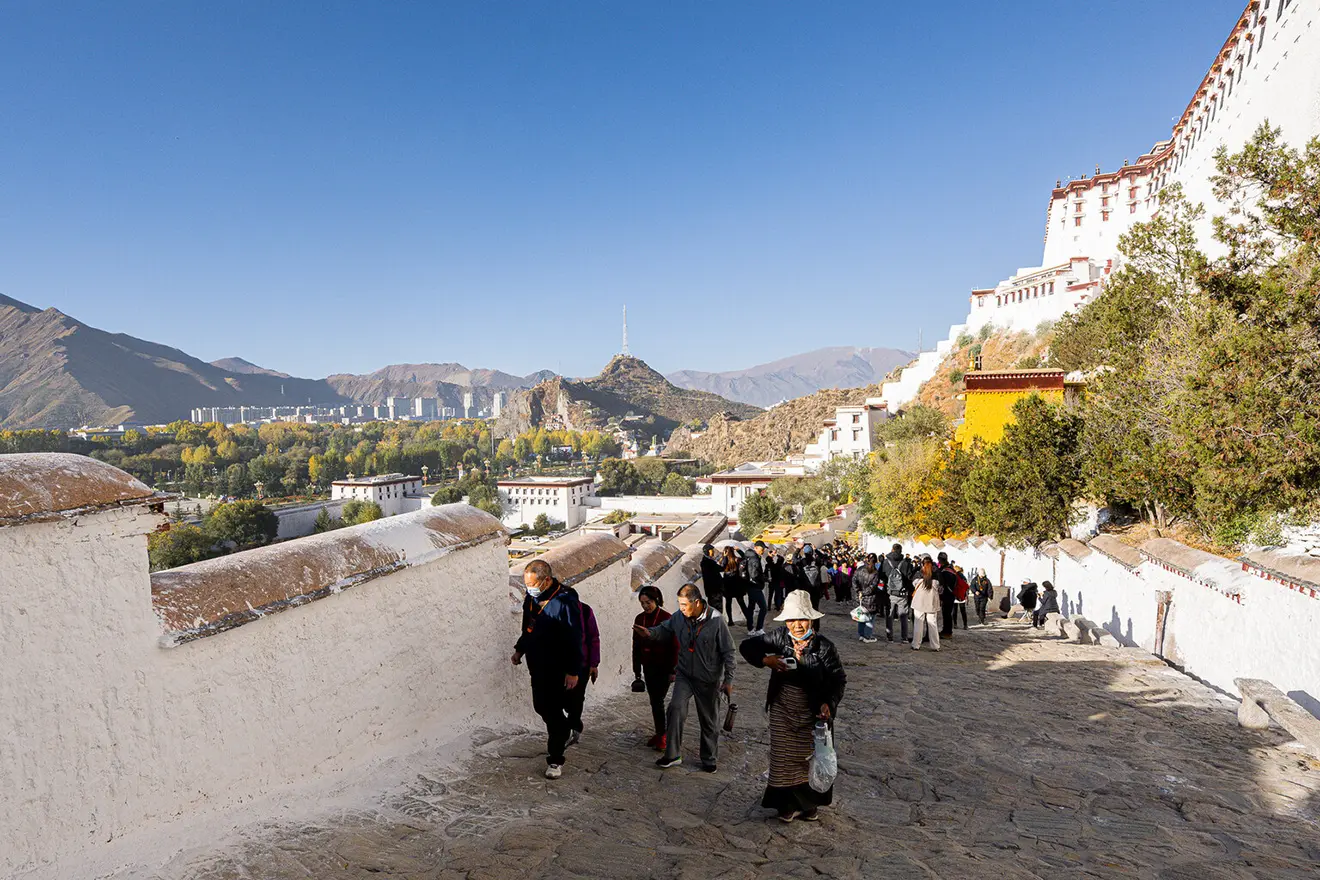
The White Palace served as the administrative center. The Red Palace houses the spiritual artifacts. Visitors see giant stupas covered in solid gold and precious gems. The Fifth Dalai Lama Stupa stands fifteen meters high. The stupa contains massive amounts of gold, pearls, and turquoise. The smell of yak butter fills the corridors. The experience feels ancient and powerful. The entrance fee changes by season. The high season charges 200 RMB per person. The low season drops the price to 100 RMB. The tour guide handles the payment and scheduling. The one-hour limit begins upon entering the White Palace. The strict rules protect the fragile ancient structure.
Quick Answer
The Potala Palace requires climbing steep stairs. Authorities limit visits to one hour. Photography remains strictly forbidden inside the chapels. The high-season entrance fee is 200 RMB.
Jokhang Temple and Sera Monastery Rules
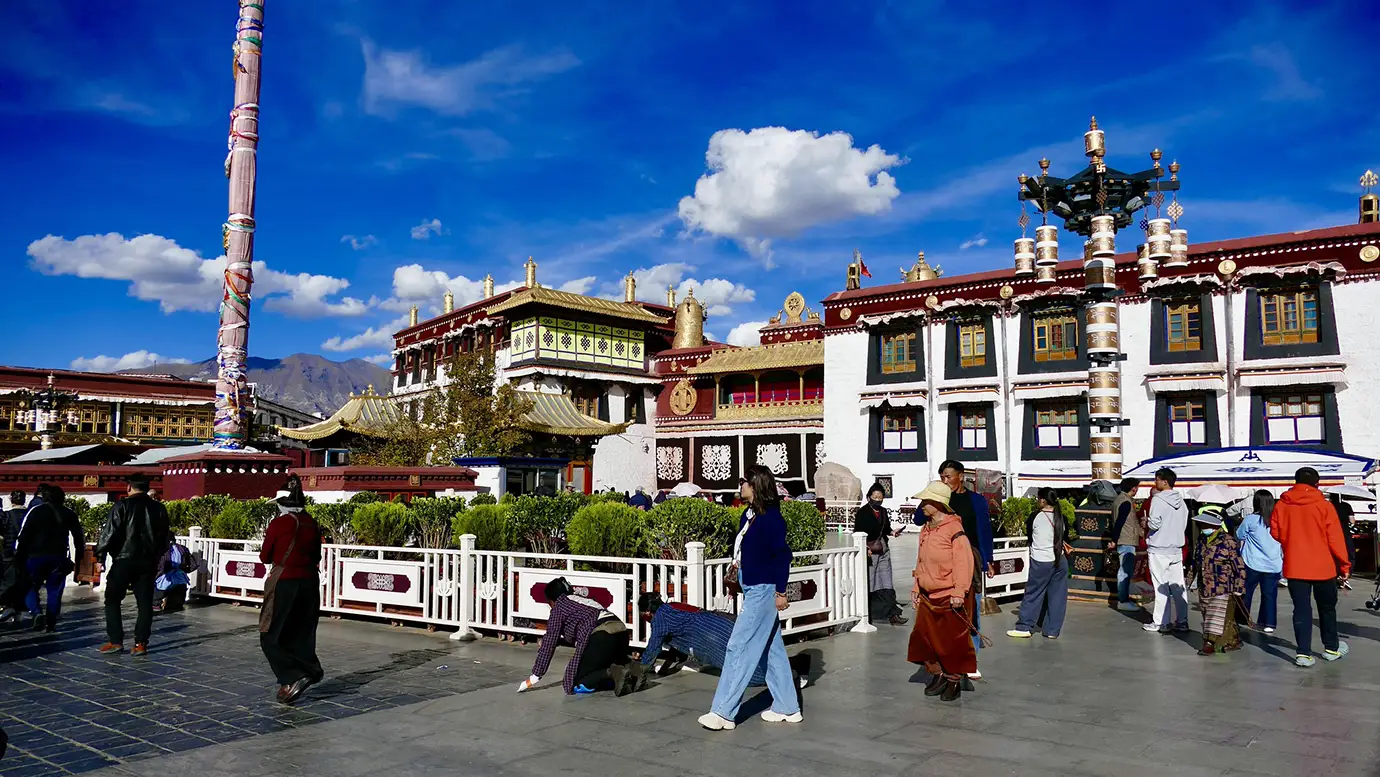
The Jokhang Temple sits in the center of the old city. Pilgrims travel hundreds of miles to reach the temple. Many pilgrims prostrate themselves on the stone floor outside the entrance. The temple houses the Jowo Shakyamuni statue. The statue represents the region’s most sacred relic. Visitors walk clockwise around the chapels. The entrance fee costs 85 RMB.
Barkhor Street surrounds the temple. The street functions as a giant market and a pilgrimage circuit. Tourists buy souvenirs, prayer wheels, and jewelry. The smell of incense fills the street. Visitors follow the flow of pilgrims as they spin handheld prayer wheels. The street offers the best people-watching opportunities in the city.
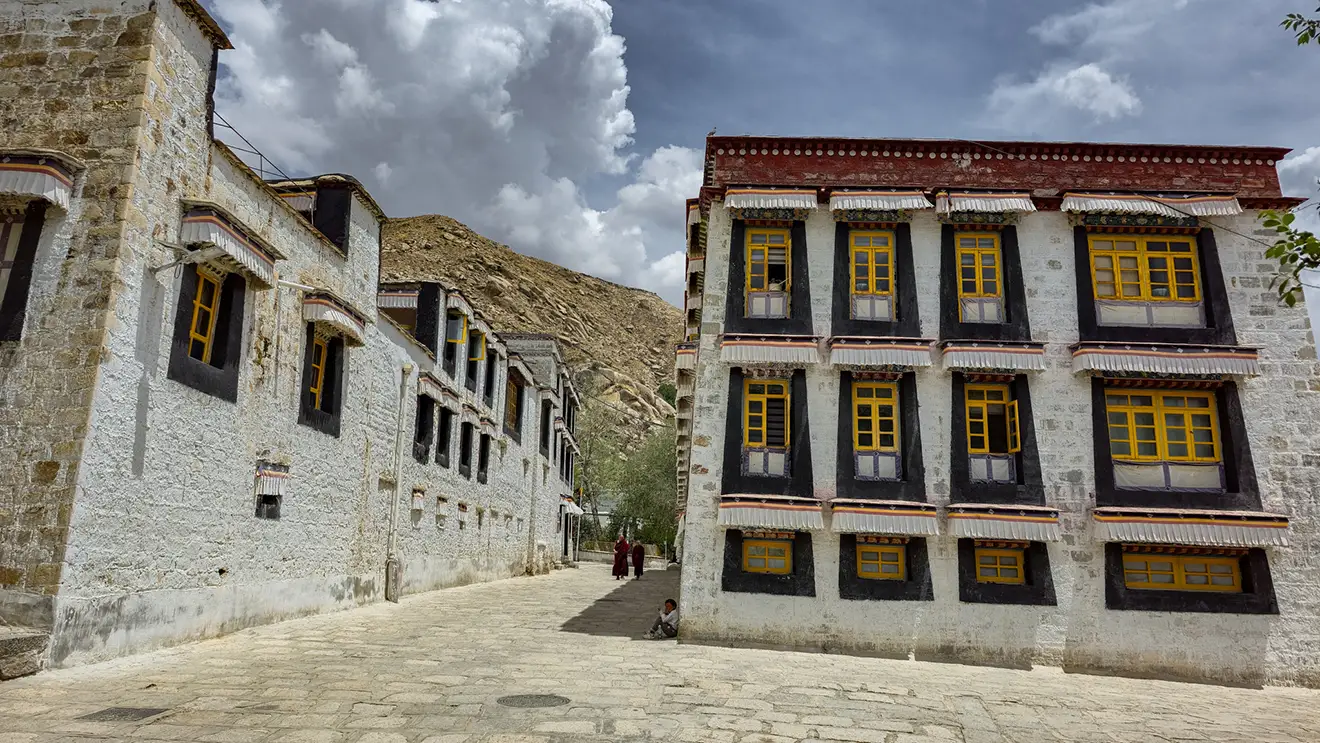
Sera Monastery offers a unique daily event. The monastery sits in the northern suburbs of Lhasa. The entrance fee costs 50 RMB. The monks gather in the courtyard every afternoon. The monks engage in theological debates. One monk stands while another sits. The standing monk asks a question and claps his hands loudly. The sitting monk answers quickly.
The dynamic gestures and loud claps create a thrilling atmosphere. Visitors watch the debates from the edge of the courtyard. Mobile phone photography is allowed here, but visitors pay a small fee. The debates take place from Monday to Saturday, between 3:00 PM and 5:00 PM. Debates stop on Sundays and on special festival days.
Sera Monastery houses beautiful chapels and sand mandalas. Visitors tour the chapels before the debates begin. The chapels start closing around 3:00 PM. The Chinese Group Visa from Kathmandu grants access to these profound cultural experiences. Peregrine Treks and Tours ensures travelers visit the sites at the optimal times.
Quick Answer
The Jokhang Temple represents the spiritual center of Lhasa. Barkhor Street surrounds the temple. Sera Monastery features daily monk debates in the afternoon. The debates use loud claps and dynamic gestures.
Shigatse and Gyantse Sightseeing
The journey continues west along the Friendship Highway. The route passes through Gyantse before reaching Shigatse. Gyantse retains a traditional Tibetan town atmosphere. The Palcho Monastery dominates the town. The entrance fee costs 60 RMB. The monastery features unique architecture blending different Buddhist sects.
The Kumbum Stupa is located within the Palcho Monastery complex. The stupa features multiple tiers and dozens of small chapels. The chapels house thousands of ancient murals and statues. Visitors climb to the upper levels for a view of the town. The monastery charges an extra 10 RMB fee to take photos inside the Kumbum Stupa. The climb requires slow steps due to the 4000-meter altitude.
Shigatse serves as the second-largest city. Tashilhunpo Monastery acts as the city landmark. The monastery functions as the traditional seat of the Panchen Lama. The complex looks like a small walled city. Golden roofs top the main chapels. The monastery houses a massive statue of the Future Buddha. The statue stands twenty-six meters tall.
Monks walk through the cobbled alleys. The site feels less crowded than the temples in Lhasa. Tashilhunpo Monastery allows photography in specific chapels. Each chapel charges an individual photography fee. Visitors pay the monk at the door to take pictures. The fee varies by chapel. The Chinese Group Visa from Kathmandu allows travelers to explore these magnificent religious centers.
Quick Answer
Gyantse features the Palcho Monastery and the multi-tiered Kumbum Stupa. Shigatse features the massive Tashilhunpo Monastery. Both monasteries charge specific photography fees for taking pictures inside the chapels.
Everest Base Camp: North vs South Comparison
The Chinese Group Visa from Kathmandu allows access to the ultimate mountain view. Many travelers choose the Tibet group visa in Kathmandu specifically to see Mount Everest. The northern side of the mountain provides a completely different experience from the southern side in Nepal.
The road to Everest Base Camp climbs high into the mountains. Travelers cross several high-altitude passes. The Gyawu La Pass reaches 5200 meters. The pass offers a sweeping panoramic view of the Himalayan range. Travelers see four peaks towering over 8000 meters. The paved road zigzags down the mountain. The infrastructure surprises many visitors. The smooth asphalt makes the long drive comfortable.
The Everest Base Camp on the northern side sits at 5200 meters. The camp provides an unobstructed view of the North Face. The mountain looks massive and imposing. The peak stands completely clear of surrounding ridges. Photographers prefer the northern side for the perfect summit shot. The sunset paints the peak in bright orange and pink colors. The wind blows fiercely across the barren valley.
Rongbuk Monastery sits near the camp. The monastery holds the title of the world’s highest religious building. Nuns and monks share the small complex. The view of Everest from the monastery gate looks like a postcard. The spiritual atmosphere enhances the natural beauty.
Visiting the northern side requires zero trekking. The vehicle drives directly to the camp area. Eco-buses transfer tourists for the final few kilometers. The easy access allows seniors and families to experience the mountain. The high altitude remains the only major obstacle. Travelers spend the night in basic tent guesthouses. The tents feature yak-dung stoves for warmth. The night sky is filled with thousands of bright stars.
The southern side of Nepal requires a 12-day trek. Hikers walk through forests and Sherpa villages. The trek requires high physical fitness. The view from the southern base camp blocks the actual summit. Hikers climb a nearby hill called Kala Patthar to see the peak. The northern side gives the best view with the least physical effort. The Chinese Group Visa from Kathmandu makes easy vehicle access possible.
Quick Answer
The northern Everest Base Camp offers an unobstructed view of the summit. Vehicles drive directly to the camp. The area sits at 5200 meters. Travelers experience extreme cold and high winds, but skip the grueling multi-day trek required on the Nepal side.
Preparing for the Final Border Crossing
The trip ends with another border crossing or a flight back. The overland route requires crossing the Gyirong port. The descent from the plateau happens incredibly fast. Travelers drop from 4000 meters to 1800 meters in a few hours. The temperature rises quickly. The barren landscape transforms into lush green forests. The oxygen returns to the air.
The border crossing requires patience. The guide collects the passports and the Chinese Group Visa from Kathmandu. The guide presents the documents to the border guards. The guards stamp the passports. The guards keep the second sheet of the Chinese Group Visa from Kathmandu. The group walks across the bridge into Nepal. The trip officially concludes.
The flight departure from Lhasa follows a similar process. The guide escorts the group to the airport—the guide hands over the Chinese Group Visa from Kathmandu to the airport immigration officers. The officers process the departure. Travelers board the plane and fly back over the Himalayas. The adventure leaves lasting memories. Proper preparation ensures every step of the process works flawlessly.
FAQs
Q: What is a Chinese Group Visa from Kathmandu?
A: The document serves as a mandatory entry paper for international tourists traveling directly from Nepal to Tibet. The Chinese Embassy in Kathmandu issues it as two A4 sheets rather than a passport sticker. It lists all group members.
Q: Who needs it for the Tibet travel from Nepal?
A: Almost all international tourists entering the region from Nepal require the paper. The rules governing the China visa vs. the group visa for Tibet require strict compliance. Visa-free passport holders sometimes skip the requirement.
Q: Does it affect my existing China visa?
A: Yes. The embassy cancels any valid Chinese visa sticker in the passport when issuing the group paper. Travelers apply for a new regular visa later if they plan to return to mainland cities independently.
Q: How many days should I stay in Kathmandu for processing?
A: The China group visa processing time in Kathmandu requires at least three to four working days. The visa center closes on weekends and during national holidays. Travelers plan sufficient buffer days in their schedule.
Q: Can solo travelers apply?
A: A solo traveler joins a scheduled group tour. The travel agency bundles the solo traveler with other tourists to meet the minimum number requirement. The agency handles all the paperwork.
Q: Can the group split after entering Tibet?
A: No. The rules require all members listed on the paper to enter and exit the borders together. Splitting the group causes massive logistical problems. Travelers agree on the departure city before applying.
Q: What documents do I need in Kathmandu?
A: Travelers must provide an original passport, a valid Nepal visa, a white background photo, and a signed form. The travel agent provides the official invitation letter from the Tibet Tourism Bureau.