


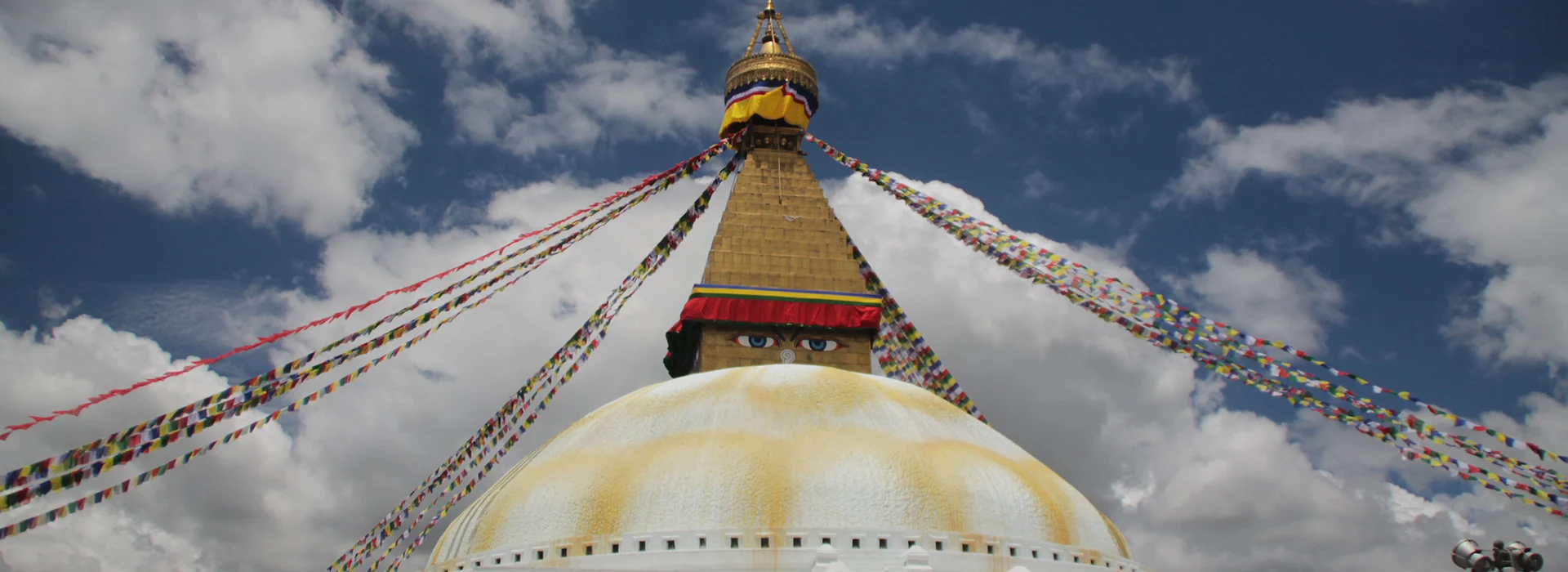

Nepal trips work out best when you start with one clear question: What do you actually want from this trip? Once you know the answer, everything else falls into place — the season, the route, the budget, and the bookings. Nepal is not just one type of destination. You can spend your days exploring ancient temples in Kathmandu Valley, sitting by the lake in Pokhara, watching rhinos in Chitwan, visiting the birthplace of the Buddha in Lumbini, or hiking toward the Himalayas.
Each experience needs a different plan. Keep one key fact in mind as you plan: temperatures drop about 6 degrees Celsius for every 1,000 meters of altitude gain. Nepal’s climate changes fast depending on where you go. A good Nepal trip planning guide always starts here — know your purpose before you search for flights.
How Do You Plan a Trip to Nepal?
Planning feels less overwhelming when you break it into clear steps. Here is a simple framework that works:
- Choose your trip style
- Pick the right season for your route
- Decide how many days you need
- Build a realistic route
- Check visa and permit rules
- Set your budget
- Book transport and hotels
- Prepare for weather, altitude, and local logistics
Work through these steps in order. Each one connects to the next. Skipping steps is where most Nepal trips go wrong before they even start.
Step 1: Decide What Kind of Nepal Trip You Want
The first real decision in any Nepal itinerary planning is your trip style. Nepal is not one single destination. What you want to do shapes every other choice you make.
Culture and Heritage
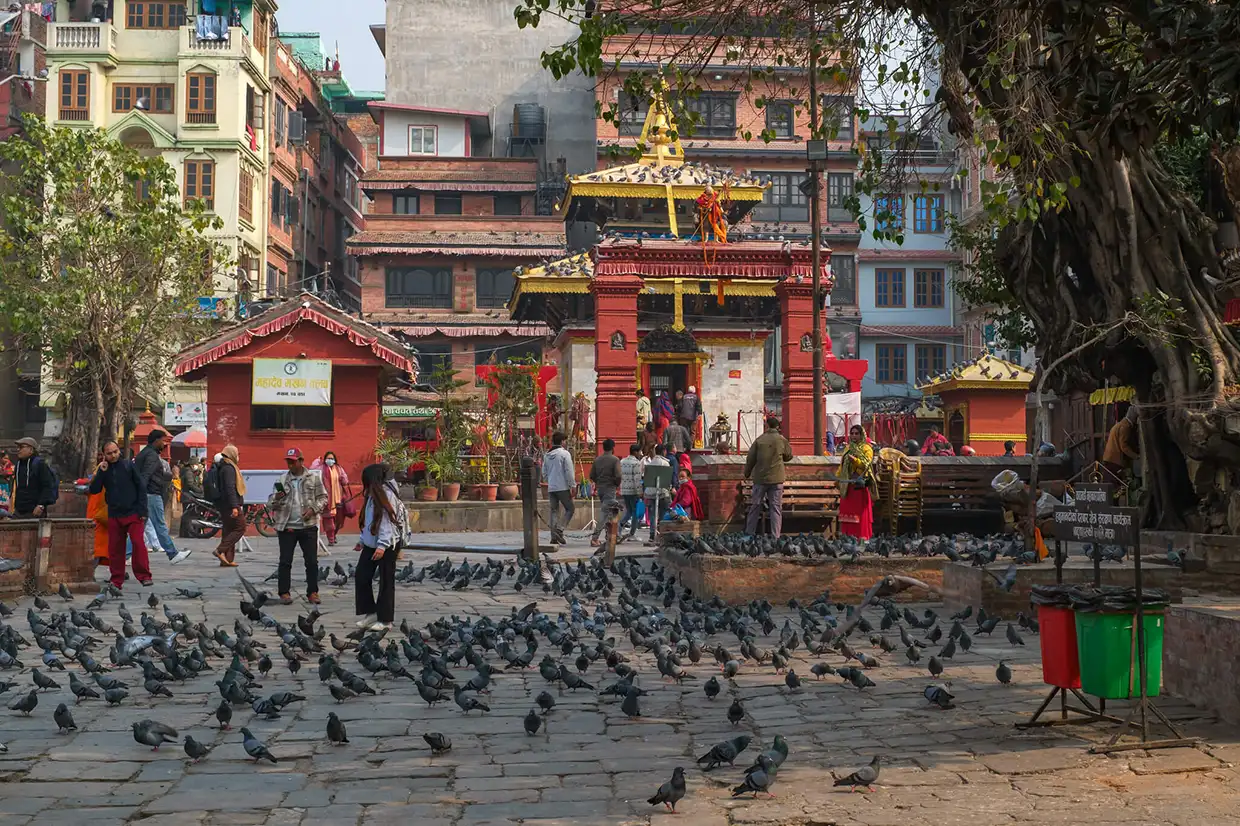
A cultural trip centers on Kathmandu Valley. Plan at least three to four days for Bhaktapur, Patan, Pashupatinath, and Boudhanath. Add Janakpur or Lumbini if you want deeper history and religious sites. These places take time to appreciate properly.
Scenery and Relaxed Travel
Pokhara suits travelers who want calm days, lake views, and easy city life. Phewa Lake and the Annapurna skyline make it one of Nepal’s most popular spots. Two to three days here feels right for most visitors.
Wildlife and Nature
Chitwan National Park offers jungle safaris, rhino and elephant sightings, and excellent birdwatching. Plan at least two nights. A lodge stay near the buffer zone gives you the best early-morning wildlife access.
Spiritual Travel
Lumbini marks the birthplace of the Buddha. Pashupatinath Temple and Boudhanath are located in Kathmandu. Janakpur holds deep Hindu history. Spiritual travelers often combine two or three of these sites on a single trip without feeling rushed.
Trekking and Mountain Travel
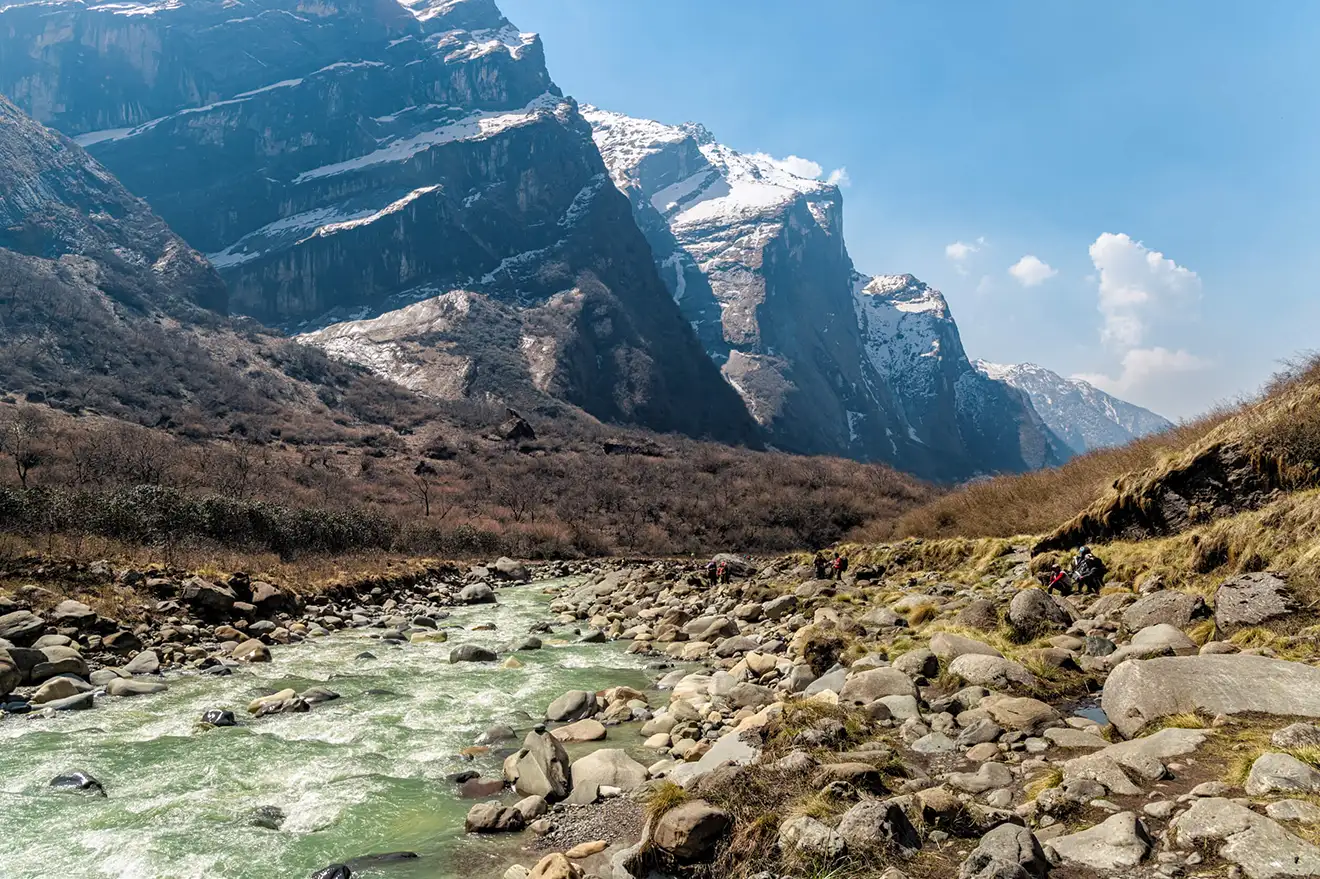
Trekking requires more logistics than city travel. Annapurna, Everest Base Camp, and Langtang are the three most popular zones. Each one needs permits, extra days, proper gear, and some physical preparation. If your trip centers on trekking, plan that part first and build the city days around it.
Step 2: Choose the Best Time to Visit Nepal
The best time to visit Nepal depends on where you go and what you plan to do. Nepal has five seasons, but most travelers plan around four main seasons.
Best Time for First-Time Visitors
October and November offer clear skies and comfortable temperatures across most of Nepal. Spring, from March to May, runs a close second. These two windows suit first-time visitors because the weather remains predictable and most routes remain open without complications.
Best Time for Trekking
Autumn gives the clearest post-monsoon skies, especially from late September through November. Spring brings mountain views and blooming rhododendrons along the trails. Both seasons work well for the main trekking routes in Nepal.
Best Time for Cities and Safaris
Winter, from December to February, is a good time for Kathmandu, Pokhara, and Chitwan. City weather stays mild and dry. Chitwan wildlife safaris often perform well in winter because animals gather near water sources more predictably.
When to Avoid Certain Routes
June through August brings monsoon rains. Road conditions get rough, mountain visibility drops, and high-altitude trekking becomes harder. Some rain-shadow areas, like Upper Mustang, stay dry during the monsoon and suit experienced travelers who want fewer crowds.
Step 3: Decide How Many Days You Need
Your trip length shapes your route. Trying to cover too much in too few days leads to rushed travel and missed experiences. Be honest about how much time you actually have.
5 to 7 Days
Cover Kathmandu plus Pokhara. Add a quick Chitwan stop if you keep a fast pace. This length suits travelers with limited leave who still want a strong first Nepal experience.
8 to 10 Days
Fit Kathmandu, Pokhara, and Chitwan comfortably. Or swap Chitwan for a short trek near Pokhara or a day hike to Nagarkot. Eight to ten days is the most popular Nepal trip length for good reason — it strikes a good balance without feeling rushed.
2 Weeks
Add Lumbini, a short Annapurna trek, or a longer wildlife stay. Two weeks give you room to slow down and enjoy each place without watching the clock. This length suits travelers who want both culture and nature without sacrificing depth.
Longer Trekking Trips
The Everest Base Camp hike takes at least 14 days of solo trekking, and the Annapurna Circuit takes 15 to 20 days. Plan longer trips around the trekking route first, then add city days at the start and end.
Step 4: Build a Route That Matches Your Trip Style
Best First-Time Nepal Route
Kathmandu Valley, Pokhara, and Chitwan form the most reliable first-time circuit. Spend 2 to 3 days in Kathmandu, then fly or drive to Pokhara for 2 to 3 days, and finally head to Chitwan for 2 nights. Fly or drive back to Kathmandu for your departure. This route covers culture, scenery, and wildlife in one smooth loop.
Best Nepal Route Without Trekking
Add Lumbini or Janakpur to the standard circuit. Lumbini sits close to the Indian border and pairs naturally with a Chitwan stay. Janakpur adds cultural depth for travelers interested in Hindu heritage. Both extend the trip by one to two days and add a lot of meaning.
Best Nepal Route With a Short Trek
Fly into Pokhara and start the Poon Hill trek from Nayapul. Three to four days of moderate hiking give you real Himalayan views without a full expedition. Return to Pokhara, then head to Kathmandu for a couple of days of cultural exploration before flying home.
Best Nepal Route for Culture Lovers
Stay in the Kathmandu Valley for 4 to 5 days. Visit Bhaktapur, Patan, Changu Narayan, and Pashupatinath. Add a day trip to Nagarkot for sunrise views of the mountains. Then travel to Janakpur or Lumbini for two days of spiritual and historical depth.
Step 5: Check Visa, Entry, and Permit Requirements
Nepal visa and permits need early attention. Sort these out before you book flights or start making reservations.
Nepal Tourist Visa
Nepal offers a tourist visa on arrival at Tribhuvan International Airport and at major land border crossings. Current fees are USD 30 for 15 days, USD 50 for 30 days, and USD 125 for 90 days. Fill out the pre-arrival form through Nepal’s official immigration portal before you travel. It saves time at the airport and makes the arrival process smoother.
Heritage Entry Fees
Major heritage sites in Kathmandu Valley charge separate entry fees. Pashupatinath, Boudhanath, Swayambhunath, Bhaktapur Durbar Square, and Patan Durbar Square each has its own admission fee. Add these to your sightseeing budget before you arrive.
National Park Entry Fees
Chitwan National Park and Sagarmatha National Park both charge entry fees. Pay at the Tourist Service Center in Kathmandu or at the park entry gate. Keep your receipt — rangers check it at the park entrance.
Trekking Permits and TIMS
Most trekkers need a TIMS (Trekkers’ Information Management System) card. Some protected trekking areas now require a licensed trekking guide and a trekking-agency-issued TIMS card. Apply through a registered trekking agency or directly at the Nepal Tourism Board office in Kathmandu.
Restricted Area Rules
Areas such as Upper Mustang, Manaslu, and Dolpo require special restricted-area permits from the Department of Immigration. You also need a licensed guide in most restricted zones. Apply for restricted area permits at least two to four weeks before your trek start date.
Step 6: Set a Realistic Budget
Nepal budget planning works best when you break costs into clear categories. Prices vary widely depending on how you travel.
Budget Travel in Nepal
Budget travelers spend roughly USD 30-50 per day. Stay in guesthouses, eat local dal bhat, use tourist buses, and handle your own sightseeing. This style works well for city stays and basic trekking routes.
Mid-Range Nepal Trip
Mid-range travelers spend roughly USD 80 to 150 per day. Stay in comfortable hotels, eat at a mix of local and international restaurants, and use private transport for some legs. Guided day tours add cost but save time.
Luxury Nepal Trip
Luxury travel costs USD 200 or more per day. Boutique heritage hotels in Kathmandu, lakeside resorts in Pokhara, and upscale jungle lodges in Chitwan push the number up fast. Private vehicles, guided experiences, and high-end dining further drive the price.
Where Nepal Trip Costs Rise Fast
Trekking adds permit fees, porter fees, guide fees, and gear rental. Domestic flights, especially to Lukla for Everest Base Camp, cost USD 150-200 each way. Safari packages and private transport also quickly increase the budget. Always keep a 15 to 20 percent emergency buffer in your Nepal budget planning.
Step 7: Choose the Right Transport in Nepal
Transport decisions affect your comfort, your schedule, and your daily costs. A smart Nepal transport guide helps you avoid wasted days and avoidable stress.
When to Fly
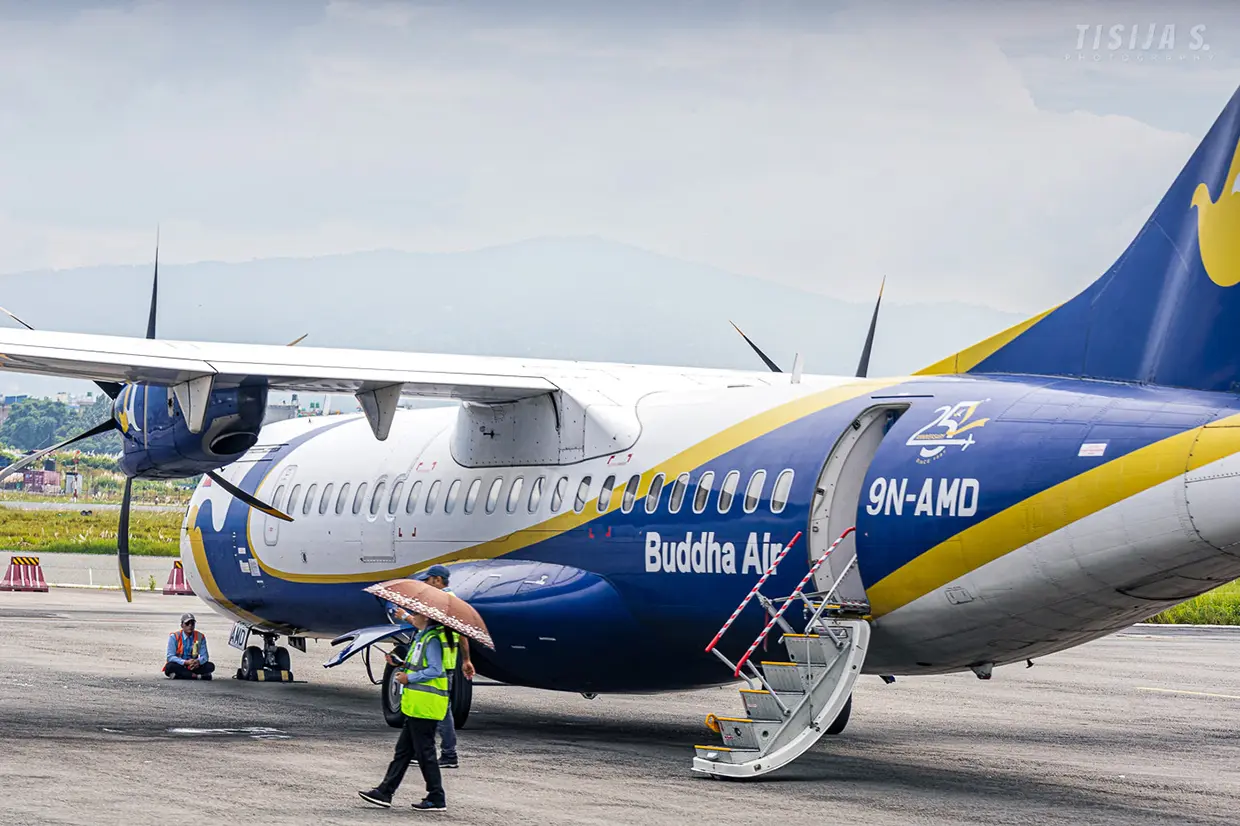
Fly between Kathmandu and Pokhara, or between Kathmandu and Bharatpur for access to Chitwan. Flights take 25 to 40 minutes, compared to 6 to 8 hours by road. Book domestic flights early — seats fill fast during peak seasons, especially October and November.
When to Use Tourist Buses
Tourist buses connect Kathmandu, Pokhara, and Chitwan at a low cost. They take longer than flights but offer highway scenery and a more local feel. Choose tourist buses over local buses for comfort and dedicated luggage space.
When a Private Vehicle Is Worth It
Book a private car or jeep for transfers with heavy luggage, early morning departures, or destinations that buses do not cover well. Private vehicles cost more but save time and reduce hassle. Groups of three or four often find private transport cheaper per person than separate bus tickets, once you factor in the convenience.
How Road Travel Changes Your Itinerary
Nepal’s mountain roads move more slowly than maps suggest. Allow full travel days for long road segments. Never plan tight sightseeing on any day that includes a long road transfer in your Nepal itinerary planning.
Step 8: Book the Right Places to Stay
Where you stay affects how smoothly your route runs. Match your accommodation to your route logic, not just your price range.
Where to Stay in Kathmandu
Stay near Thamel for easy access to restaurants, trekking shops, and tour operators. Stay near Patan or Bhaktapur for a quieter heritage experience. Thamel works especially well for arrival nights and departure nights because of its strong transport links.
Where to Stay in Pokhara
Lakeside is Pokhara’s main tourist strip. Hotels here face Phewa Lake and give easy access to restaurants, boat rentals, and trekking agents. Stay one block back from the main road for quieter rooms at lower prices.
Where to Stay in Chitwan
Stay inside the buffer zone or at a jungle lodge near the park entrance for the best wildlife experience. Budget guesthouses in Sauraha village also give solid park access at lower prices. Book lodges early during October and November when demand peaks.
What to Expect in Trekking Lodges
Trekking lodges, locally called tea houses, sit along all major trekking routes. Rooms are simple but functional. Shared bathrooms are common at higher altitudes. Most tea houses serve hot meals and provide basic blankets. Bring a sleeping bag liner for extra warmth on cold mountain nights.
Step 9: Plan for Altitude, Weather, and Safety
Altitude Planning
Altitude sickness affects some trekkers above 2,500 meters. Ascend slowly and spend extra nights at key elevations before going higher. Drink plenty of water, skip alcohol, and rest if you feel headaches or nausea. Never push higher when your body sends warning signs.
Weather and Seasonal Risks
Mountain weather changes fast. A clear morning can turn stormy by afternoon above 3,000 meters. Check weather forecasts daily during trekking. Keep one buffer day in your plan for weather-related delays, especially on domestic flights or high-altitude segments.
Travel Insurance and Emergency Buffer
Buy travel insurance that covers trekking at altitude, helicopter evacuation, and trip cancellation. Emergency helicopter rescues from high-altitude zones cost USD 3,000 or more without insurance. Set aside a cash buffer of USD 300-500 on top of your planned travel budget.
Safety in Mountain and Wildlife Areas
Always tell your accommodation where you plan to hike each day. Carry your TIMS card and permits at all times on trekking routes. In Chitwan, follow your park guide’s instructions closely. Do not walk alone in jungle zones after dark.
Step 10: Know What to Pack
Packing for City and Scenic Travel
Pack light, breathable clothes for Kathmandu and Pokhara. Bring one warm layer for cool evenings. A rain jacket protects against unexpected showers in the shoulder seasons. Comfortable walking shoes handle cobblestone heritage sites well.
Packing for Chitwan and Lower-Altitude Trips
Wear neutral colors — khaki, brown, or olive — for jungle activities. Bright colors disturb wildlife. Bring insect repellent and long-sleeve shirts. Sunscreen and a wide-brimmed hat help in open grassland areas.
Packing for Trekking in Nepal
Bring moisture-wicking base layers, a warm fleece, a waterproof shell jacket, and trekking trousers. Pack trekking poles, a headlamp, and a reliable water filter. A 40 to 50-liter backpack suits most short to mid-length treks.
Why Layers Matter in Nepal
Temperatures shift a lot between morning, midday, and evening on mountain routes. Layers let you adjust quickly without carrying heavy clothing. Dress in three layers: a base layer for moisture management, a mid layer for warmth, and an outer shell for wind and rain.
Step 11: Build a Final Trip Checklist Before You Book
Use this Nepal travel checklist to confirm you have covered every planning step before making bookings.
- Choose your season and confirm the weather suits your route
- Choose your trip style: culture, wildlife, scenic, spiritual, or trekking
- Decide your trip length: 5 to 7 days, 8 to 10 days, or 2 weeks
- Check your passport validity (minimum 6 months beyond your entry date)
- Confirm visa-on-arrival eligibility for your nationality
- Research which trekking permits or restricted area permits apply to your route
- Set a total budget with a 15 to 20 percent emergency buffer
- Decide between flights, tourist buses, or private transport for each leg
- Book domestic flights early for peak season travel
- Book accommodation in Kathmandu, Pokhara, and Chitwan before departure
- Add one weather buffer day for any mountain or flight-sensitive segment
- Build a packing list based on your specific regions and altitude range
Sample Nepal Trip Plans
7-Day Nepal Trip Plan
Route: Kathmandu (3 days), Pokhara (2 days), Chitwan (2 days)
Best For: First-time visitors with limited time
Pace: Fast but manageable
Fly from Kathmandu to Pokhara, then drive from Pokhara to Chitwan, then drive back to Kathmandu. This loop covers culture, mountain scenery, and wildlife without backtracking or wasted travel days. It suits travelers who want a strong first Nepal experience without too much complexity.
10-Day Nepal Trip Plan
Route: Kathmandu (3 days), Pokhara (3 days), Chitwan (2 days), Kathmandu (2 days)
Best For: Travelers who want depth without trekking
Pace: Comfortable
Extra days in Pokhara allow day hikes or morning boat trips on Phewa Lake. The return to Kathmandu gives time for a day trip to Bhaktapur and last-minute shopping before departure. This is one of the most popular Nepal itinerary planning structures for good reason.
2-Week Nepal Trip Plan
Route: Kathmandu (3 days), Pokhara (3 days), Poon Hill Trek (4 days), Chitwan (2 days), Lumbini (2 days)
Best For: Travelers who want culture, trekking, and wildlife
Pace: Moderate
The Poon Hill trek requires no special restricted-area permits and is well-suited to first-time trekkers. Finishing with Lumbini adds spiritual depth to a trip that already covers Nepal’s best highlights. Two weeks hit a balance that most travelers describe as just right.
Nepal Trip Plan Without Trekking
Route: Kathmandu (3 days), Bhaktapur (1 day), Pokhara (3 days), Chitwan (2 days), Lumbini (2 days)
Best For: Non-trekkers who want heritage and wildlife
Pace: Relaxed
Covers Nepal’s cultural and natural highlights without altitude stress or physical training requirements. A first trip to Nepal without trekking is still deeply rewarding.
Nepal Trip Plan With a Short Trek
Route: Kathmandu (2 days), Pokhara (1 day), Poon Hill Trek (3 to 4 days), Pokhara (1 day), Chitwan (2 days), Kathmandu (1 day)
Best For: Active travelers on their first trekking visit
Pace: Moderate to active
Poon Hill offers real Himalayan views at a modest altitude with no extreme acclimatization needed. Finishing with Chitwan gives tired legs a chance to rest in a wildlife lodge. A smart structure for any Nepal trip for first-time visitors who want both mountains and nature.
Nepal Trip Planning Summary Tables
Nepal Trip Planning Checklist
| Planning Step | Why It Matters | When to Do It |
|---|---|---|
| Choose season | Season affects route availability and comfort | First, before any booking |
| Choose route | Route shapes time, budget, and transport | After choosing the season |
| Check visa | Rules vary by nationality | 4 to 6 weeks before departure |
| Check permits | Some areas need advanced permits | 4 to 6 weeks before departure |
| Set budget | Prevents overspending and surprises | Before booking flights |
| Choose transport | Affects daily pace and cost | After the route is confirmed |
| Book accommodation | Peak season fills fast | 4 to 8 weeks before departure |
| Check flight timing | Domestic flights need early booking | As soon as the route is set |
| Pack by region | Different zones need different gear | 1 to 2 weeks before departure |
| Add weather buffer | Flights and roads are delayed in bad weather | Built into your itinerary |
Best Nepal Routes by Trip Length
| Trip Length | Best Route | Best For | Pace Level |
|---|---|---|---|
| 5 to 7 days | Kathmandu + Pokhara + Chitwan | First-time visitors | Fast |
| 8 to 10 days | Kathmandu + Pokhara + Chitwan + one extra stop | Relaxed exploration | Moderate |
| 2 weeks | Full circuit + short trek or Lumbini | Culture and active travelers | Comfortable |
| 3+ weeks | Trekking-focused + city stays | Trekking enthusiasts | Varied |
Nepal Trip Type Comparison
| Trip Type | Best Destinations | Best Season | Main Challenge |
|---|---|---|---|
| Culture and heritage | Kathmandu Valley, Lumbini, Janakpur | Oct to Nov, Mar to Apr | Crowds at peak season |
| Scenic and relaxed | Pokhara, Nagarkot | Oct to Nov, Dec to Feb | Weather at viewpoints |
| Wildlife and nature | Chitwan, Bardia | Oct to Mar | Heat in the summer months |
| Spiritual travel | Lumbini, Pashupatinath, Boudhanath | Oct to Nov | Festival crowds |
| Short trekking | Poon Hill, Langtang | Mar to May, Oct to Nov | Permit and guide prep |
| Full trekking | Annapurna, Everest, Manaslu | Oct to Nov, Apr to May | Altitude and fitness |
Common Mistakes Travelers Make When Planning Nepal
- Trying to See Too Much: Nepal looks small on a map, but takes much longer to travel than most people expect. Narrow your route down to two or three main zones. Depth always beats breadth on a first trip.
- Underestimating Road Travel Time: Mountain roads move slowly. A 200-kilometer drive often takes five to seven hours. Treat every road-travel day as a full day, and avoid scheduling sightseeing on arrival days.
- Choosing Trekking Routes Without Enough Days: Short treks need at least three to four days. Long treks like the Everest Base Camp route require 14 or more. Cutting days short increases the risk of altitude sickness and reduces the overall experience to a stressful march.
- Skipping Permit Research: Some trekking areas require permits that take time to arrange. Restricted zones need both permits and a registered guide. Research Nepal visa and permits needs as a dedicated step in your planning process.
- Choosing the Wrong Season for the Route: Monsoon rains make some mountain routes difficult and muddy. Winter closes high-pass treks. Always match your season to your specific route — general Nepal weather trends do not tell the full story.
- Treating Kathmandu as only an Arrival City: Kathmandu is home to some of the world’s best heritage sites. Bhaktapur alone deserves a full day. Give Kathmandu at least two full days, even on a short trip.
- Skipping a Weather Buffer Day: Domestic flights in Nepal are canceled or delayed in bad weather. Build one buffer day into any itinerary that includes a domestic flight or a mountain segment. A missed connecting flight wastes far more time than the buffer costs.
FAQs
Q: How do I plan a first-time trip to Nepal?
A: Start by choosing your trip style: culture, wildlife, scenic, or trekking. Pick your season, decide how many days you have, then build a route around two to three core destinations. Check Nepal visa and permit requirements early. Book flights and accommodation once your route is confirmed.
Q: How many days do I need in Nepal?
A: Eight to ten days comfortably cover the classic Kathmandu, Pokhara, and Chitwan route. Add more days for trekking or extra destinations. Five to seven days works for a short first trip focused on just two zones.
Q: What is the best month to visit Nepal?
A: October and November offer the clearest skies and most stable weather for most routes. March to May works well as a second choice. Both windows rank as the best time to visit Nepal for trekking and general sightseeing.
Q: Do I need a visa for Nepal?
A: Most nationalities receive a tourist visa on arrival at Tribhuvan International Airport. Fees are USD 30 for 15 days, USD 50 for 30 days, and USD 125 for 90 days. Fill out the pre-arrival form online to save time at the airport.
Q: Do I need permits to trek in Nepal?
A: Yes. Most trekking routes require a TIMS card. National parks along trekking routes charge separate entry fees. Restricted areas need special permits and a licensed guide. Research permits are needed before you book your trek.
Q: Should I choose Kathmandu, Pokhara, or Chitwan?
A: Visit all three if you have eight or more days. Kathmandu offers heritage and culture. Pokhara offers scenic relaxation. Chitwan offers wildlife. Most Nepal itineraries for first-time visitors include all three in a single circuit.
Q: Is Nepal easy to travel in without trekking?
A: Yes. Kathmandu, Pokhara, Chitwan, and Lumbini all make excellent non-trekking destinations. A Nepal travel guide built around these four zones still covers culture, scenery, wildlife, and spiritual history — no trekking required.
Q: How much money should I budget for Nepal?
A: Budget travelers need USD 30 to 50 per day. Mid-range travelers need USD 80 to 150 per day. Luxury trips cost USD 200 or more per day. Add permit costs, domestic flights, and a 15-20% emergency buffer to your Nepal budget.
Q: When should I book flights and hotels for Nepal?
A: Book international flights two to three months in advance for peak season travel in October, November, March, and April. Book domestic flights and popular hotels four to eight weeks in advance. Trekking permits and restricted area permits need to be booked two to four weeks before the trek starts.
Q: What mistakes should I avoid when planning a trip to Nepal?
A: Avoid overloading your itinerary with too many stops. Do not underestimate road travel times. Check trekking permit needs early. Match your season to your specific route. Add one weather buffer day to any mountain- or flight-sensitive segment in your Nepal travel checklist.