


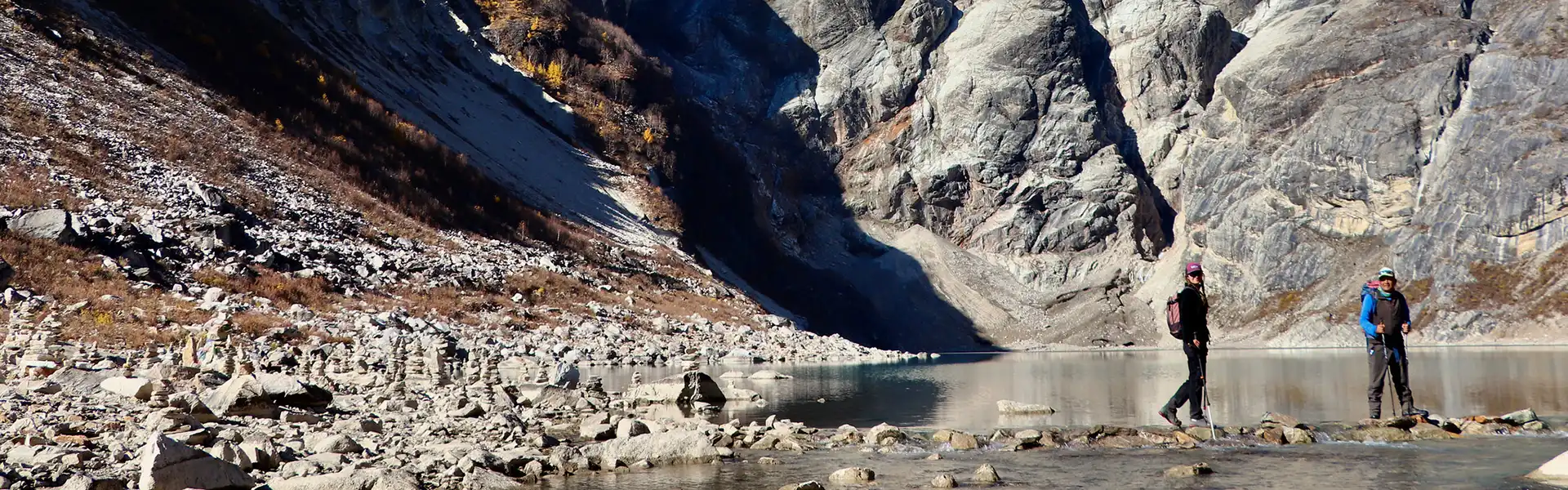

This Manaslu Trek Permit guide breaks down every document you need for the Manaslu Circuit Trek and the Manaslu Tsum Valley Trek. The standard circuit runs on three permits: the Manaslu Restricted Area Permit, the Manaslu Conservation Area Permit, and the Annapurna Conservation Area Permit. On top of those, you need a licensed guide and a registered agency to file the paperwork, plus current TIMS compliance under Nepal’s latest trekking rules. Manaslu requires more planning than Annapurna, Langtang, or Everest because the route lies within a restricted zone.
Quick Answer: What Permits Do You Need for the Manaslu Trek?
For the standard Manaslu Circuit Trek, the Manaslu Trek Permit set includes three documents: the Manaslu Restricted Area Permit, the Manaslu Conservation Area Permit, and the Annapurna Conservation Area Permit. A licensed guide and a registered trekking agency are mandatory. The Nepal Tourism Board lists Manaslu routes under the agency-issued TIMS and licensed-guide rule.
| Permit | Required For | Issued By | Cost |
|---|---|---|---|
| Manaslu RAP | Restricted Manaslu section | Dept of Immigration via the agency | USD 100/wk peak, USD 75/wk off-peak |
| MCAP | Manaslu Conservation Area | NTNC | NPR 3,000 foreigners, NPR 1,000 SAARC |
| ACAP | Annapurna exit section | NTNC | NPR 3,000 foreigners, NPR 1,000 SAARC |
| TIMS / agency record | Listed protected routes | Agency / NTB system | Confirm current fee |
| Tsum Valley RAP | Tsum Valley extension | Dept of Immigration via the agency | USD 40/wk peak, USD 30/wk off-peak |
This Manaslu Trek Permit guide breaks down every document you need for the Manaslu Circuit Trek and the Manaslu Tsum…
 12 Days
 Moderate
Why the Manaslu Trek Permit System Is Different
Manaslu sits in a restricted border region in northern Gorkha. The trail crosses a culturally and ecologically sensitive area close to the Tibetan frontier. The restricted permit lets authorities track foreign trekkers through the zone. The conservation permits fund protects protected-area management. ACAP comes into play because the standard circuit exits through the Annapurna region near Dharapani. Pairing a registered agency with a licensed guide adds a layer of safety at checkpoints and during emergencies, which is exactly why the process runs through an agency rather than a walk-in counter.
Manaslu Restricted Area Permit
What It Covers
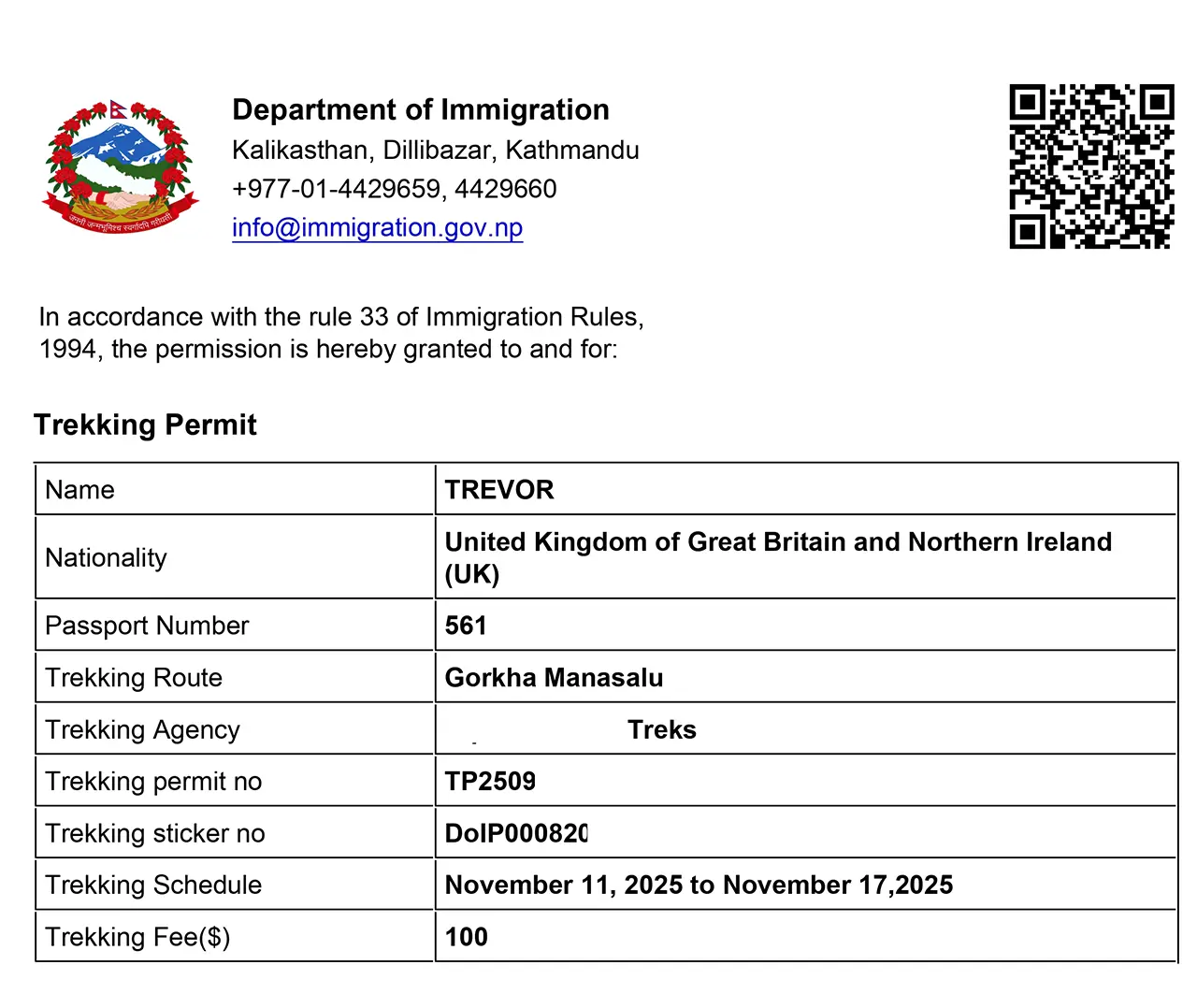
The Manaslu Restricted Area Permit grants foreign trekkers legal entry into the controlled Manaslu section. A registered trekking agency files it on your behalf. You cannot pick it up as an individual at a trailhead checkpoint, which makes this the one part of the permit set that locks you into using an agency.
RAP Cost by Season
| Season / Duration | Official Fee |
|---|---|
| Sep-Nov: first 7 days | USD 100 per person |
| Sep-Nov: each extra day | USD 15 per person per day |
| Dec-Aug: first 7 days | USD 75 per person |
| Dec-Aug: each extra day | USD 10 per person per day |
RAP Cost by Restricted-Area Days
| Restricted Days | Autumn RAP | Off-Peak RAP |
|---|---|---|
| 7 days | USD 100 | USD 75 |
| 9 days | USD 130 | USD 95 |
| 11 days | USD 160 | USD 115 |
| 13 days | USD 190 | USD 135 |
Your RAP fee is based on the number of days you spend in the restricted zone. Rest days and buffer days inside that zone count toward the total. The agency calculates the charge from your restricted-area entry point through to the exit point, so an accurate itinerary keeps this part of your permit cost predictable.
Manaslu Conservation Area Permit (MCAP)
| Traveler Type | MCAP Fee |
|---|---|
| Foreign nationals | NPR 3,000 |
| SAARC nationals | NPR 1,000 |
| Children below 10 | Not required (NTNC note) |
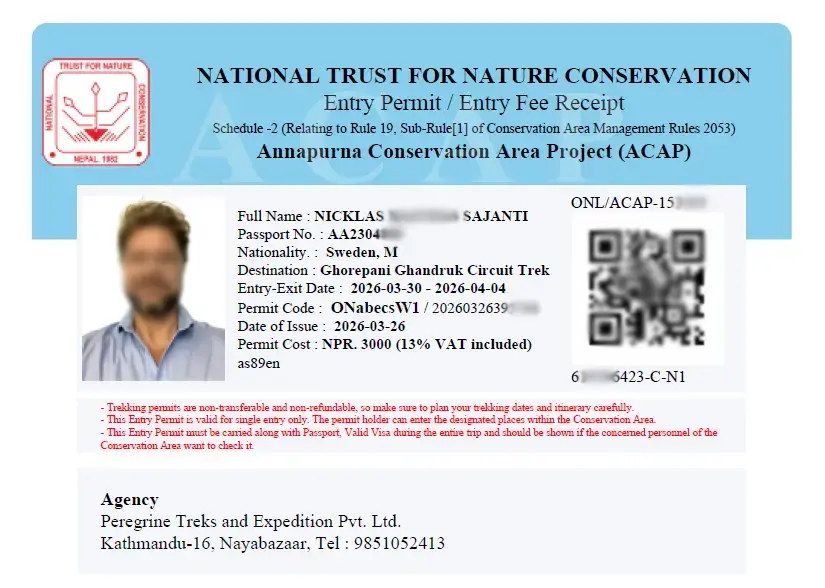
MCAP covers the Manaslu Conservation Area. NTNC requires you to show this permit whenever conservation-area staff asks for it. MCAP is its own document and sits separately from the Restricted Area Permit.
Annapurna Conservation Area Permit (ACAP)
| Traveler Type | ACAP Fee |
|---|---|
| Foreign nationals | NPR 3,000 |
| SAARC nationals | NPR 1,000 |
| Children below 10 | Not required (NTNC note) |
The standard Manaslu Circuit comes out at Dharapani on the Annapurna side. ACAP applies the moment you reach that exit, even if you never set foot on the Annapurna Circuit itself. Like MCAP, ACAP remains distinct from both the RAP and the conservation permit, so plan for all three when tallying your permit budget.
TIMS Card and Licensed Guide Rule
The Nepal Tourism Board lists the Manaslu Circuit Trek, the Manaslu-Tsum Valley Trek, and the Tsum Valley Trek as routes that require a licensed guide and an agency-issued TIMS card under the revised TIMS provision, effective March 31, 2023. Agencies submit trekker, guide, and route details through the TIMS system. How this plays out on the ground shifts a little by season, so check the current TIMS process with your registered agency before you fly. Treat the guide and TIMS steps as non-negotiable parts of the process.
Solo Trekker Update
Nepal’s Department of Immigration reworked the restricted-area rules so individual foreign tourists can now obtain permits that once required a group of two or more. Solo travelers still need a licensed guide and a registered trekking agency. In short, obtaining a Manaslu Trek Permit alone does not unlock guide-free, independent trekking through the zone.
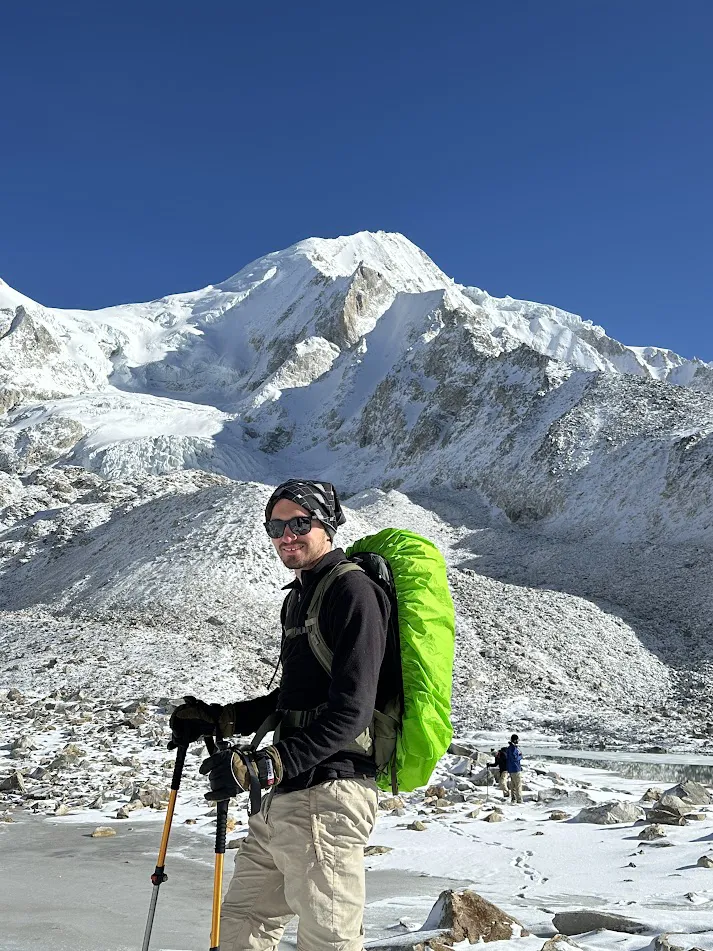
Update Note: Licensed guide support and registered agency processing remain mandatory for every Manaslu restricted-area trekker, including solo travelers. Confirm the latest rule before you book.
Tsum Valley Permit
| Tsum Valley RAP Season | Fee |
|---|---|
| Sep-Nov: first week | USD 40 per person |
| Sep-Nov: extra day | USD 7 per person per day |
| Dec-Aug: first week | USD 30 per person |
| Dec-Aug: extra day | USD 7 per person per day |
Tsum Valley carries its own restricted-area permit. If you tack Tsum Valley onto the Manaslu Circuit, budget for both the Manaslu RAP and the Tsum Valley RAP. MCAP still applies across the conservation area, and ACAP kicks in if you finish through the standard circuit exit. Combining the two routes simply stacks an extra layer onto your permit total.
Total Permit Cost Examples
Standard Manaslu Circuit (No Tsum Valley)
| Restricted Days | Season | RAP | MCAP | ACAP |
|---|---|---|---|---|
| 9 days | Autumn | USD 130 | NPR 3,000 | NPR 3,000 |
| 9 days | Off-peak | USD 95 | NPR 3,000 | NPR 3,000 |
| 11 days | Autumn | USD 160 | NPR 3,000 | NPR 3,000 |
| 11 days | Off-peak | USD 115 | NPR 3,000 | NPR 3,000 |
Add the RAP, MCAP, and ACAP together to estimate the full Manaslu Trek Permit cost for a circuit without the Tsum Valley side trip. A longer time in the restricted zone raises only the RAP portion; the two conservation fees remain flat.
Documents Required
- Valid passport with at least 6 months’ validity
- Passport copy (2-3 copies)
- Valid Nepal tourist visa details
- 2-4 passport-size photos
- Detailed itinerary with entry and exit dates
- Travel insurance certificate (covering high-altitude trekking and evacuation)
- Emergency contact details
- Agency details and guide details
Step-by-Step Permit Process
- Step 1: Choose a registered trekking agency
- Step 2: Finalize the itinerary (permit dates depend on restricted-area days)
- Step 3: Submit a passport copy, photos, visa details, insurance, and an emergency contact
- Step 4: The agency applies for the RAP through the official system
- Step 5: The agency processes MCAP and ACAP (online or at the counter)
- Step 6: Check every permit detail (spelling, passport number, dates, route)
- Step 7: Carry printed copies for the whole trek
- Step 8: Present permits at checkpoints (your guide handles registration)
Follow these eight steps in order, and your permits will come together with no last-minute scramble in Kathmandu.
Processing Timeline
| Stage | Recommended Timing |
|---|---|
| Choose agency | 4-8 weeks before trek |
| Send documents | 3-6 weeks before trek |
| Confirm itinerary | 2-4 weeks before trek |
| Process permits | Before trek departure |
| Final permit check | Before leaving Kathmandu |
Manaslu Trek Permit Checkpoints
| Checkpoint Area | What Officials Check |
|---|---|
| Jagat | RAP, MCAP, guide details, entry record |
| Philim / restricted section | RAP and route compliance |
| Namrung / upper route | RAP and MCAP |
| Samagaon / Samdo | Restricted-area compliance |
| Dharapani | ACAP and exit record |
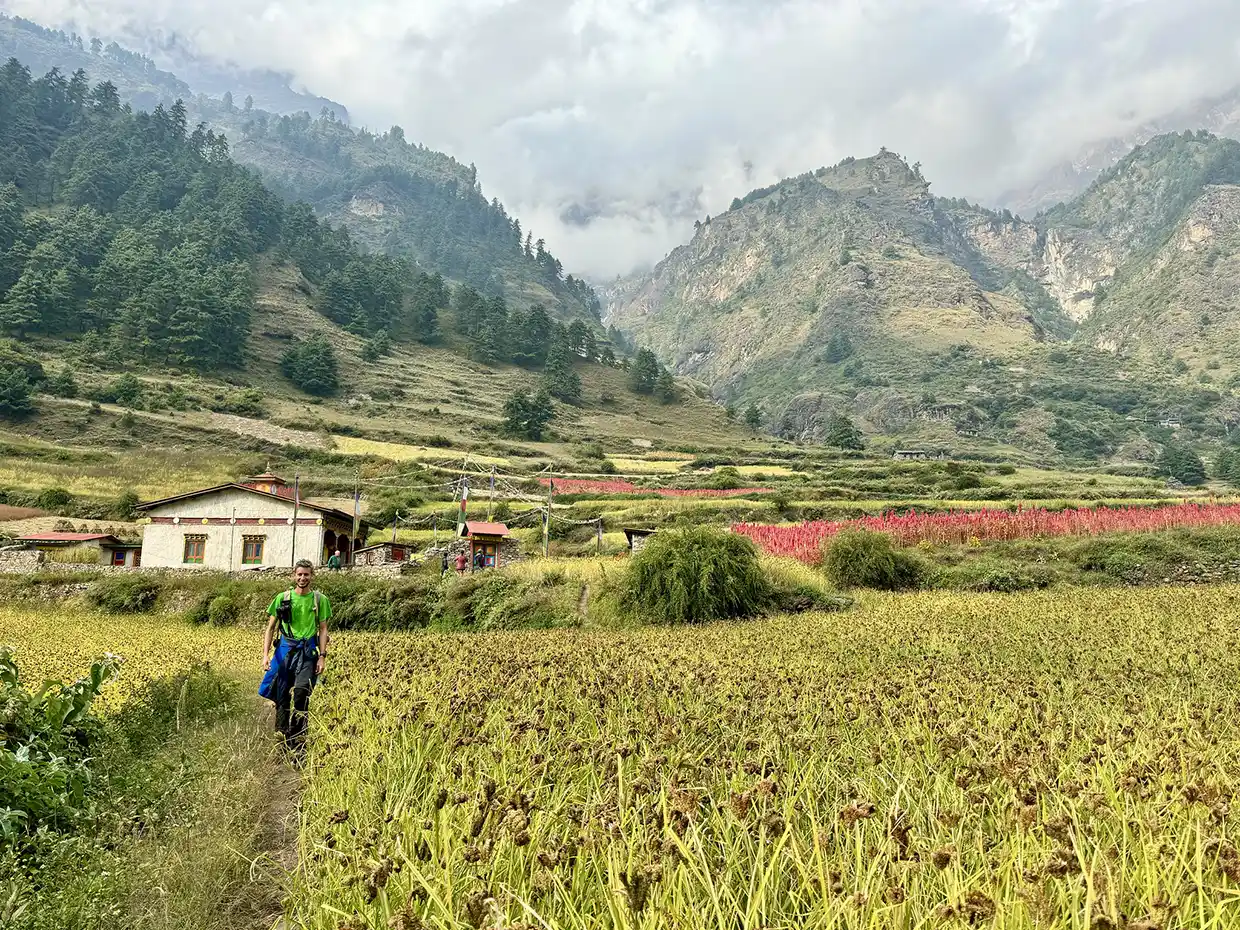
Keep printed permits on you at all times. Remote checkpoints run on physical copies, not phone screens. Your guide manages the registration and verification at each post, which keeps your permit record clean from entry to exit.
What Permits Do NOT Cover
- Licensed guide (paid separately or included in the package)
- Porter (optional support cost)
- Transportation (Kathmandu to trailhead and return)
- Accommodation (teahouses and hotels)
- Meals (trail meals and city meals)
- Travel insurance (purchased separately)
- Rescue cost (covered only by insurance)
- Gear rental (buy or rent separately)
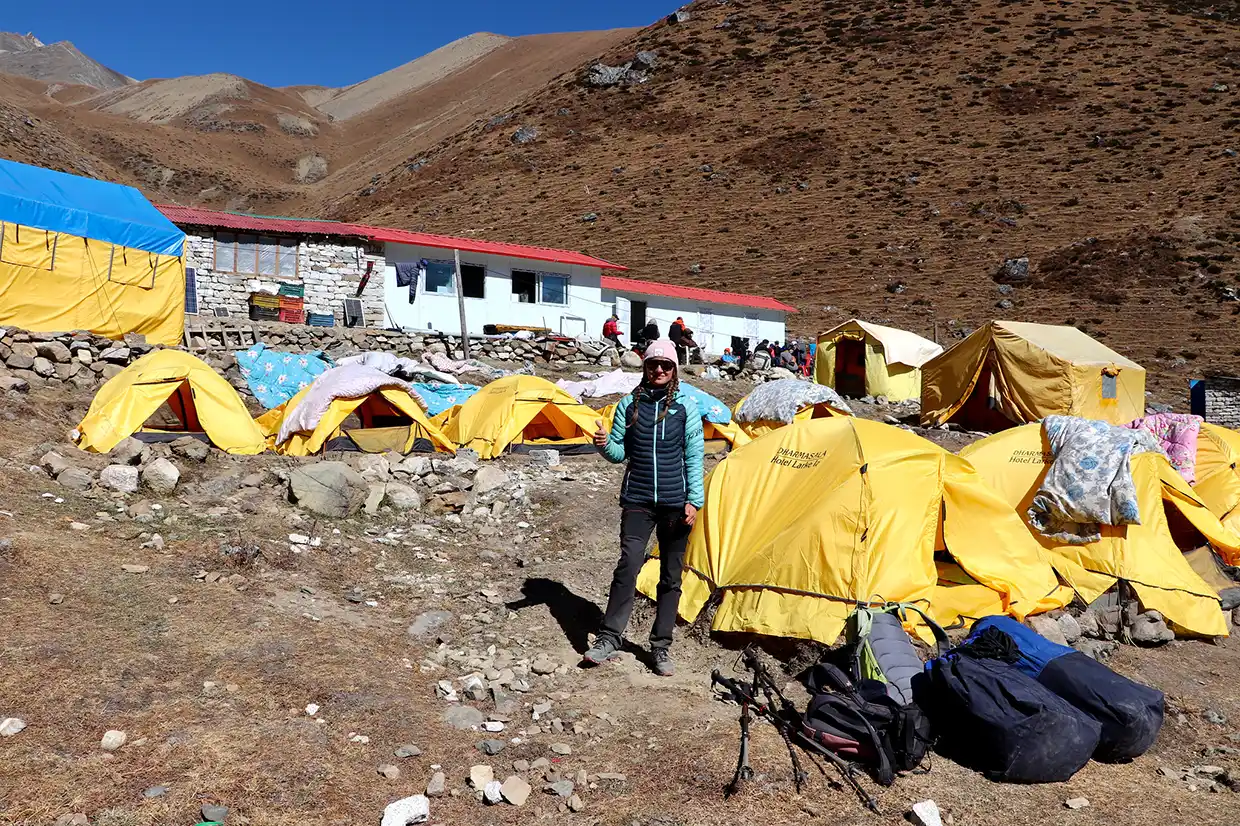
Common Permit Mistakes
- Assuming permits work without a registered agency
- Thinking a solo permit means guide-free trekking
- Forgetting ACAP for the Dharapani exit
- Confusing MCAP with the RAP
- Forgetting the separate Tsum Valley permit
- Calculating the RAP for the wrong number of days
- Not adding buffer days to the restricted-area count
- Sending passport details with spelling errors
- Carrying only digital copies
- Not confirming the current TIMS implementation
- Booking with an unregistered agency
- Not verifying insurance coverage for high-altitude evacuation
- Treating the outdated two-person rule as the current fact
Most failed permit applications trace back to one of these errors, and nearly all of them disappear when an experienced agency handles the file.
Permits by Trek Type
| Trek Type | Required Permits |
|---|---|
| Manaslu Circuit Trek | Manaslu RAP + MCAP + ACAP + agency/guide |
| Manaslu + Tsum Valley | Manaslu RAP + Tsum RAP + MCAP + ACAP |
| Tsum Valley only | Tsum Valley RAP + MCAP |
| Manaslu + Annapurna extension | Manaslu RAP + MCAP + ACAP + extra route needs |
Why Book Through a Local Agency?
The RAP simply cannot be issued without an agency. A good local team counts your restricted-area days correctly, assigns a licensed guide, handles TIMS or trekker registration, catches date and spelling errors before they reach the office, manages the checkpoint paperwork, and stands behind you for emergency logistics. That single relationship turns the whole process from a headache into a checklist someone else owns.
Planning the Manaslu Circuit Trek? Send your passport copy, travel dates, and planned itinerary to a registered trekking agency. They calculate the exact permit cost, confirm the current rules, and have all documents ready before you depart.
FAQs About Manaslu Circuit Trek Timing
Q: When is the best month for the Manaslu Circuit?
A: October is the strongest month by a clear margin. You get clean skies, dry trails, fully staffed teahouses, and the most dependable weather window for crossing Larkya La Pass. Early November and May make excellent backups, and late April can deliver too, as long as the high-pass conditions hold up.
Q: When is April good for the Manaslu Circuit Trek?
A: April works well, especially in the back half of the month. Watch out for early April, when deep leftover winter snow often lingers near Larkya La Pass and slows navigation. High-altitude conditions can change quickly, so confirm pass safety and trail access before you leave the trailhead.
Q: When is May good for the Manaslu Circuit Trek?
A: May is the pick of the spring months. Days run warmer, trailside teahouses stay open, and crowds thin out compared with the autumn rush. A May departure also lands you the lower off-peak restricted-area permit rate, which trims your permit bill.
Q: When is October crowded on the Manaslu Circuit?
A: October is the busiest month of the year here. Even so, the trail feels quieter and less commercial than Everest Base Camp or the Annapurna Circuit. Lock in your guide, permits, and teahouse rooms early to keep an October trip smooth.
Q: When is November good for the Manaslu Circuit Trek?
A: Early November is lovely, with sharp mountain visibility and fewer hikers than in October. The weather turns as the month runs on, though. Late November brings real cold, and the upper sections can get heavy snow, making Larkya La Pass much harder to cross.
Q: When can I trek Manaslu in December?
A: A full December circuit is high-risk and not the right call for most people. Larkya La Pass routinely fills with snow and blocks the route, the highest teahouses cut back service or shut, and the nights turn brutally cold. It demands cold-weather experience and specialized kit.
Q: When can I trek Manaslu during the monsoon?
A: The summer monsoon, June through August, is a poor fit for the full circuit. Expect steady rain, landslide danger, leeches, and muddy trails. Thick cloud cover also hides the peaks, stripping away the views and leaving an unpleasant, riskier walk.
Q: When is Larkya La Pass most reliable?
A: October is the most reliable crossing window. Early November, late April, and May are usually stable enough for a safe pass too. Mountain weather never fully cooperates, so make checking live trail and ice conditions a priority before the climb.
Q: Which season gives the best mountain views?
A: Autumn wins for photography, with October and early November at the top. Crisp post-monsoon air clears out dust and haze, sharpening the big peaks far more than the warmer, hazier spring stretch.
Q: Which season is cheaper for Manaslu permits?
A: The Restricted Area Permit costs noticeably less between December and August than during the September-to-November peak. For budget travelers, spring hits the sweet spot: lower government permit fees and safe, comfortable trekking weather.
Q: When do I need a guide for the Manaslu Circuit Trek?
A: You need a guide for the entire route, because the whole loop runs through a restricted area. To get your permits issued and stay safe, you must hire a licensed guide and travel with a registered agency. That requirement covers navigation and logistics across the wilderness section.
Q: When should I book the Manaslu Circuit Trek?
A: For popular October departures, finalize your booking three to six months out. For spring or November, two to four months ahead usually does the job. The lead time matters because restricted permit processing, guide scheduling, and limited high-altitude rooms all need coordination.
Q: When is spring or autumn better for Manaslu?
A: Choose autumn if you want the clearest views and the steadiest weather for the high pass. Choose spring if you prefer warmer walking temperatures, rhododendron blooms, smaller crowds, and the lower restricted-area permit rate.
Conclusion
October is the best time for the Manaslu Circuit Trek for most travelers, with clear skies, dry trails, full teahouse service, and the most dependable Larkya La Pass window. Early November offers crisp views and colder nights. Late April and May are the best spring alternatives, offering warmer weather, smaller crowds, and lower permit rates. Winter and monsoon rarely suit a full circuit. Choosing the right month protects both your safety margin and your budget, and it shapes the photos and stories you carry home. Sort your Manaslu Trek Permit early, and the rest of the trip falls into place.
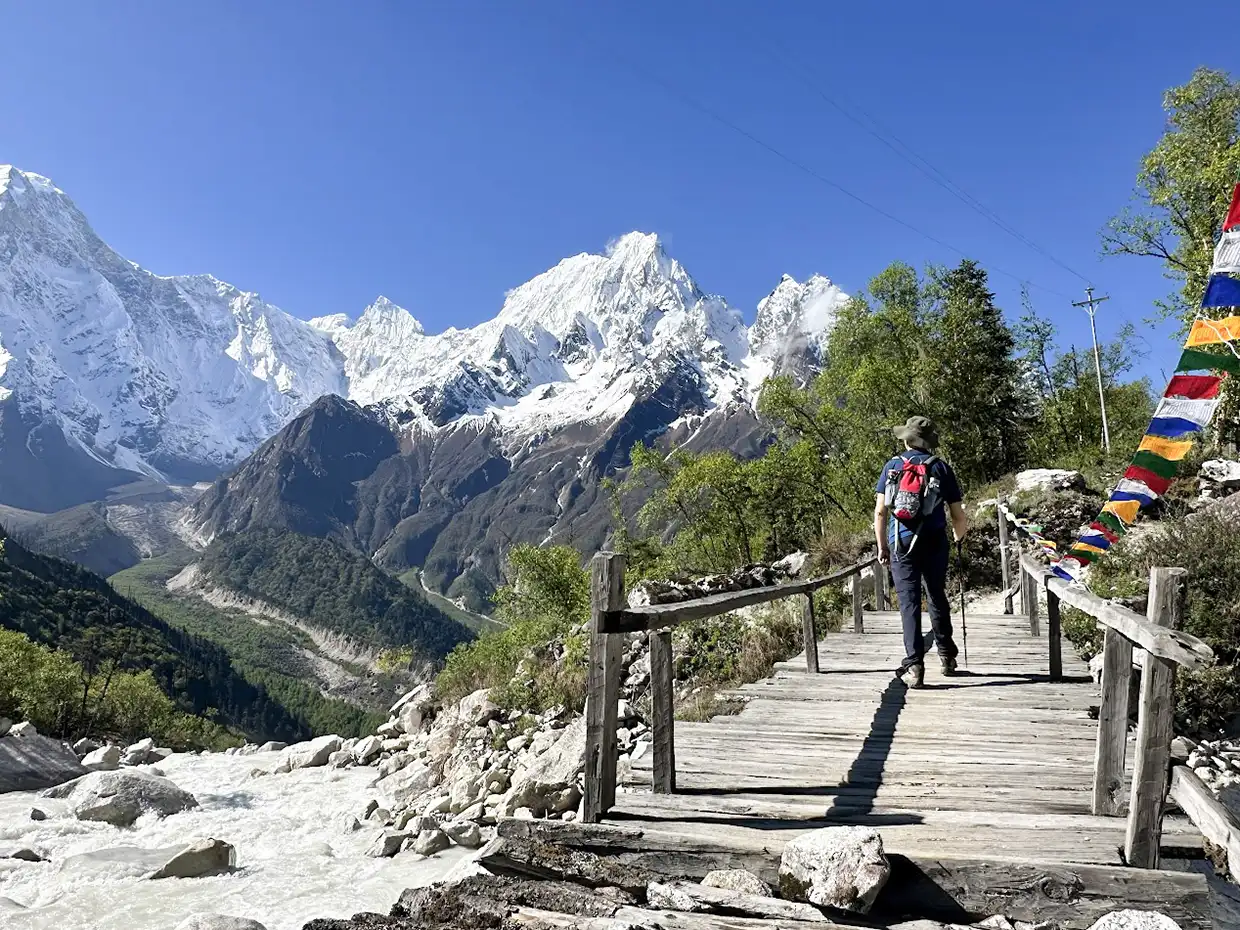
Planning the Manaslu Circuit Trek? Pick your month first. Then confirm Larkya La Pass conditions, arrange permits through a registered trekking agency, book a licensed trekking guide, and add buffer days for weather near Samdo or Dharamsala.