


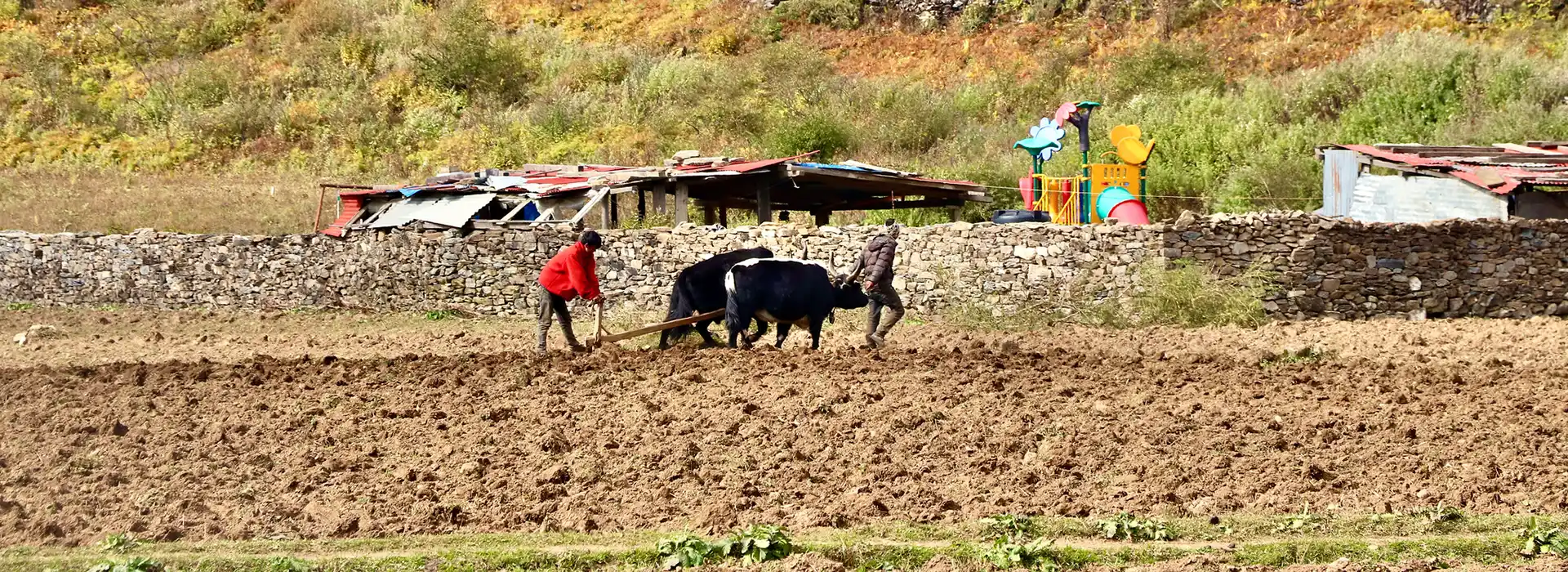

Nepal has two world-class circuit treks: the Manaslu Circuit and the Annapurna Circuit. Both cross high Himalayan passes above 5,000 meters. Both offer mountain views, remote villages, teahouse stays, and deep cultural encounters. Both attract trekkers from around the globe every season. Yet these two treks feel very different on the ground. Manaslu Circuit stays quieter and more remote.
Annapurna Circuit offers stronger services, more lodge choices, and greater route flexibility. The debate between the Manaslu Circuit and the Annapurna Circuit comes down to personal preference, fitness level, budget, comfort expectations, and trekking style. A solo trekker who wants wilderness silence picks differently from a couple who want comfortable teahouses and warm bakeries. A first-timer with moderate fitness picks differently from a seasoned hiker hungry for raw Himalayan terrain.
Read on to compare every major factor: difficulty, permits, cost, scenery, culture, accommodation, crowd level, altitude, road access, and best seasons. By the end, you will know which trek fits your goals.
Quick Answer: Manaslu vs Annapurna Circuit
Manaslu Circuit suits trekkers who want remote trails, fewer crowds, Tibetan Buddhist culture, and a stronger wilderness feel. Annapurna Circuit suits trekkers who want easier logistics, better lodges, more food choices, and greater route flexibility. Choose Manaslu for solitude. Choose Annapurna for comfort and variety.
Manaslu vs Annapurna Circuit at a Glance
Check the quick comparison below before reading the full breakdown.
| Feature | Manaslu Circuit | Annapurna Circuit |
|---|---|---|
| Trek Duration | 14–18 days | 12–16 days |
| Highest Pass | Larkya La Pass | Thorong La Pass |
| Maximum Altitude | ~5,160 m / ~16,929 ft | ~5,416 m / ~17,769 ft |
| Difficulty | Hard | Moderate to Hard |
| Crowd Level | Low | Moderate to High |
| Road Access on Trail | Minimal | Significant in the lower sections |
| Lodge Comfort | Basic | Moderate to Good |
| Permit Complexity | High (restricted area) | Low to Moderate |
| Guide Requirement | Licensed guide and registered agency | Licensed guide (verify current NTB rules) |
| Best Cultural Experience | Tibetan Buddhist villages | Gurung, Manangi, Thakali diversity |
| Best Scenery Strength | Raw mountain and glacial views | Landscape varies from green valleys to dry plateaus |
| Best Season | Autumn (Sept–Nov), Spring (Mar–May) | Autumn (Sept–Nov), Spring (Mar–May) |
| Best For | Experienced trekkers, solitude seekers | First-time Himalayan trekkers, comfort seekers |
| Main Drawback | Basic lodges, fewer exit points | Road sections in lower areas, peak-season crowds |
Note: Altitude figures vary slightly between maps, guidebooks, and operators. Verify final permit rules with the Nepal Tourism Board before departure.
Short Verdict: Which Trek Should You Choose?
Choose Manaslu Circuit If You Want
- A quieter trail with fewer trekkers
- A remote Himalayan setting with a raw wilderness feel
- Stronger Tibetan Buddhist culture and village atmosphere
- Less road disturbance along the route
- A private or small-group trek experience
- A serious circuit trek with real adventure
Manaslu Circuit demands previous trekking experience and tolerance for basic teahouses. Permits require a registered agency and a licensed guide.
Nepal has two world-class circuit treks: the Manaslu Circuit and the Annapurna Circuit. Both cross high Himalayan passes above 5,000…
 12 Days
 Moderate
Choose the Annapurna Circuit If You Want
- A classic Nepal trek with a proven reputation
- Better lodges and wider food menus
- More route flexibility with side trips and alternate trails
- Easier access from Kathmandu or Pokhara
- More itinerary choices for shorter or longer schedules
- A social trekking route with opportunities to meet other hikers
- Side trips to Tilicho Lake or Nar Phu Valley
Annapurna Circuit welcomes fit beginners and experienced trekkers alike. It offers the best first high-pass trek in Nepal for many visitors.
Route Overview: Manaslu Circuit Trek
The Manaslu Circuit Trek circles Mount Manaslu (8,163 m), the eighth-highest peak on Earth. The route follows the Budhi Gandaki Valley through deep gorges, subtropical forests, and Tibetan-influenced villages. It climbs steadily toward Samagaun and Samdo before crossing Larkya La Pass at roughly 5,160 meters. A standard route runs from Machha Khola through Jagat, Deng, Namrung, Lho, and Samagaun. Trekkers spend acclimatization time in Samagaun, then push through Samdo and Dharamsala before the big pass day. After Larkya La, the trail drops into Bimthang and continues to Tilije and Dharapani, where it meets the Annapurna region road.
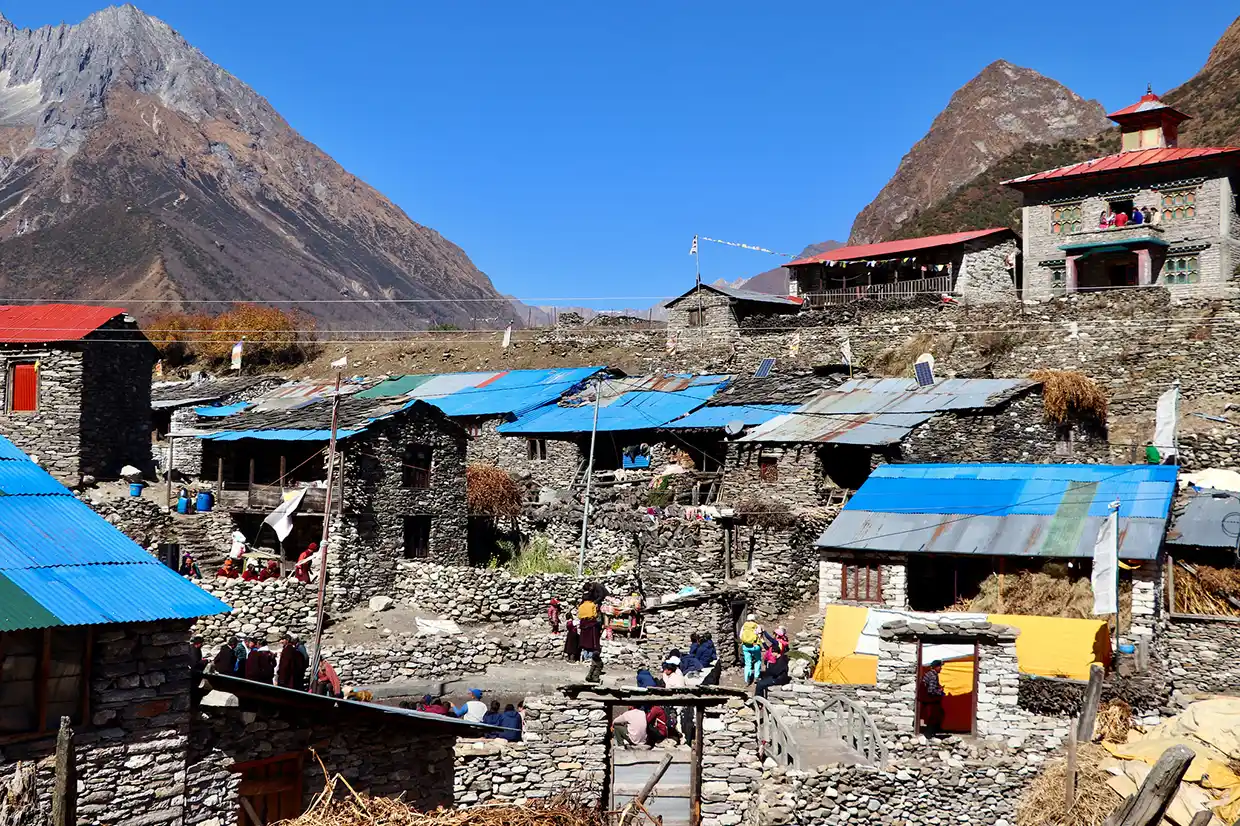
The entire loop takes 14 to 18 days, depending on the pace of acclimatization and weather. Every section rewards with mountain scenery, prayer flags, mani walls, and quiet village life. The trek needs a restricted area permit, a licensed guide, and a registered agency. The Manaslu Circuit is a remote trek around Mount Manaslu in Nepal. It offers Tibetan Buddhist villages, high mountain scenery, fewer crowds, and a serious high-altitude pass crossing Larkya La.
Route Overview: Annapurna Circuit Trek
The Annapurna Circuit Trek loops around the Annapurna massif through the Marsyangdi Valley, crosses Thorong La Pass at roughly 5,416 meters, and descends toward Muktinath and the Kali Gandaki Valley. The classic route starts near Besisahar or Dharapani and ends in Jomsom or Pokhara. Along the way, trekkers pass through Chame, Pisang, Manang, Yak Kharka, and Thorong Phedi before the pass. The descent leads to Muktinath temple, Marpha, and Jomsom.
Each zone has a distinct character: green rice paddies in the east, alpine meadows around Manang, barren high-altitude terrain near the pass, and dry trans-Himalayan landscape in Mustang. The route takes 12 to 16 days. Trekkers enjoy the cultural layers of Hinduism, Buddhism, Gurung, Manangi, and Thakali. Lodges serve a variety of food, including bakeries and coffee stops in towns like Manang and Marpha.
Route flexibility sets the Annapurna Circuit apart — side trips, alternate trails, and jeep transfers let trekkers customize the experience. Annapurna Circuit is a classic Nepal trek with varied scenery, stronger teahouse facilities, and a high crossing over Thorong La Pass. It suits trekkers who want comfort, access, and landscape diversity.
Nepal has two world-class circuit treks: the Manaslu Circuit and the Annapurna Circuit. Both cross high Himalayan passes above 5,000…
11 Days
Moderate
Trail Reality: Road Access vs Wilderness Feel
Road access separates these two treks more than any other factor. Understanding the current trail conditions helps you set realistic expectations.
Annapurna Circuit Road Sections
Road expansion has changed parts of the classic Annapurna Circuit over the past decade. Some lower sections between Besisahar and Dharapani now carry jeep traffic. Dust and vehicle noise affect sections that once felt like pure walking trails. Roads reduce the total walking days and offer shortcut options for trekkers with limited time.
Many operators now recommend starting the trek at Dharapani or Chame rather than Besisahar to avoid the most road-affected sections. Smart route planning avoids the worst sections. A good local guide knows which roads see the most traffic and which alternate paths keep the trek feeling authentic.
New Annapurna Trekking Trails and Side Routes
Local communities and trekking authorities have developed alternative trails to restore the walking experience. The Upper Pisang and Ghyaru route bypasses a road section while offering better views of the Annapurna range. Other side trails connect villages off the main road.
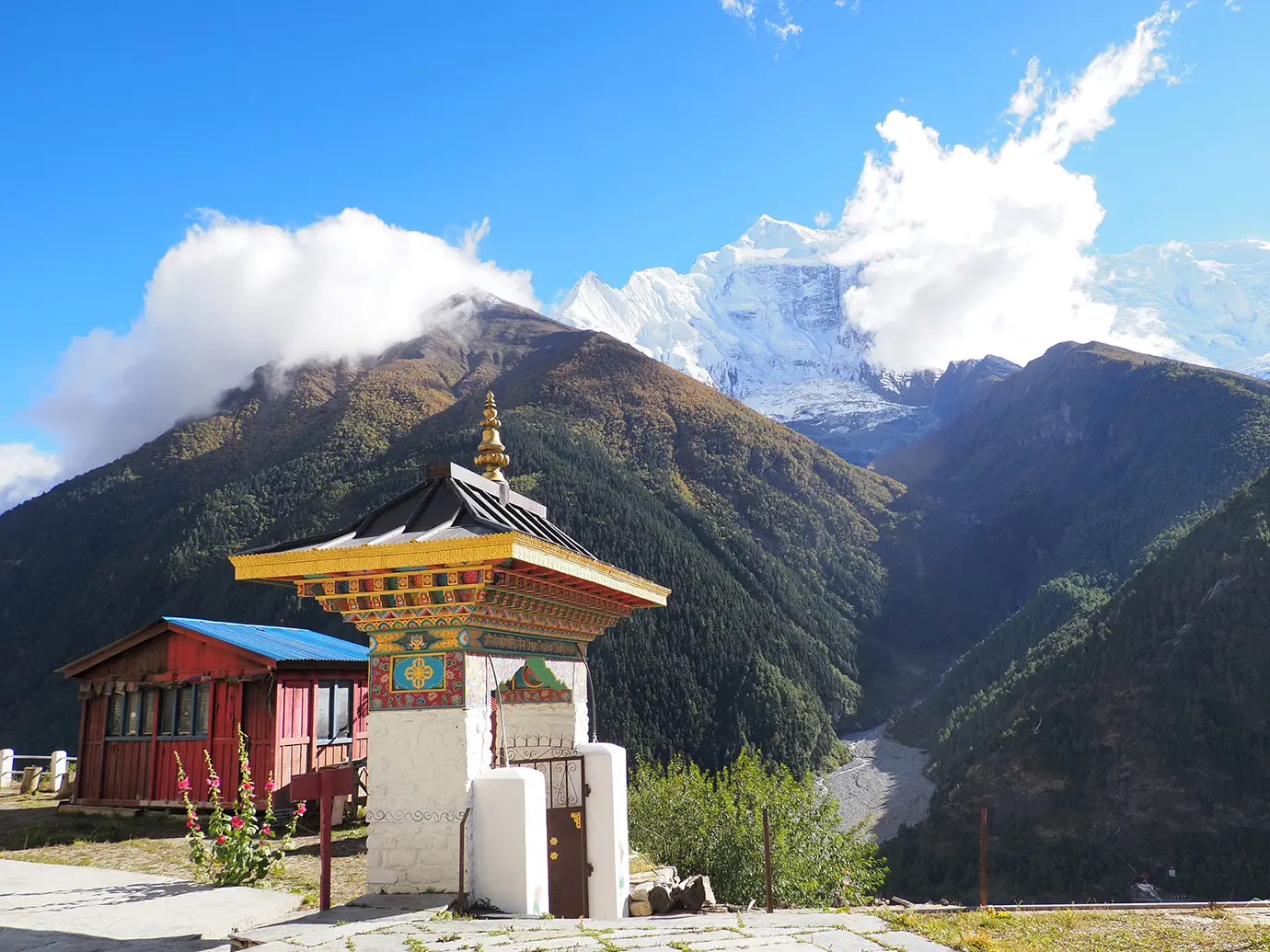
Tilicho Lake adds a stunning high-altitude side trip from Manang. The Nar Phu Valley extension offers a restricted-area experience within the Annapurna region. These additions keep the Annapurna Circuit fresh and rewarding for repeat visitors. Local route conditions shift each season. Road construction continues in some areas. Always check the current trail status with a local guide before finalizing your itinerary.
Manaslu Circuit Trail Feel
Manaslu still feels more remote than Annapurna. Road development reaches some access areas near the start and end of the trek, but the core route maintains a stronger wilderness atmosphere. The route passes through fewer large settlements. Trail services stay simpler. Teahouses have smaller menus and fewer amenities. The Budhi Gandaki gorge sections feel wild and dramatic.
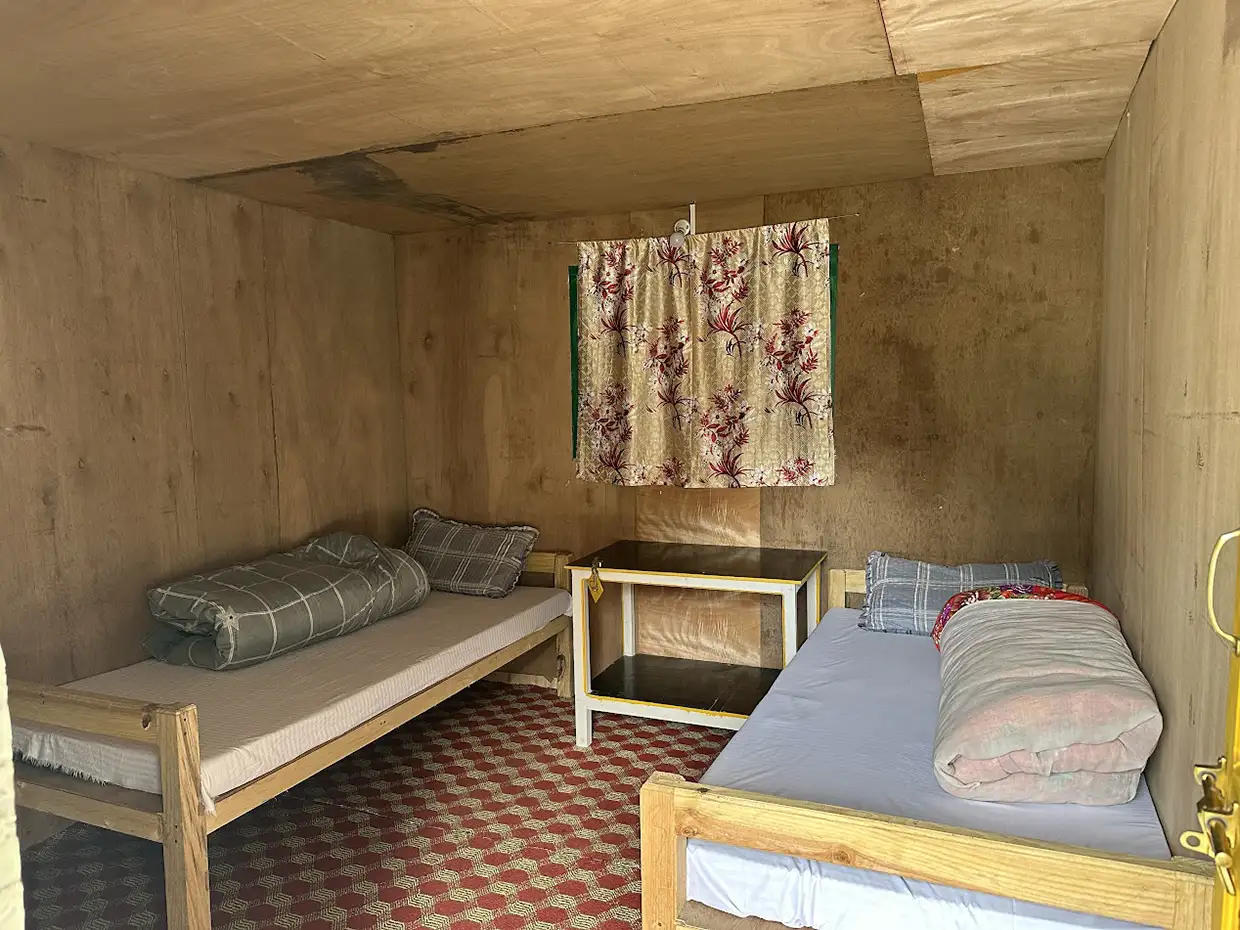
That remoteness adds both value and risk. Emergency evacuation takes longer. Medical help sits farther away. Helicopter rescue costs more time and coordination. Trekkers who choose Manaslu accept these trade-offs for the reward of quieter trails.
Verdict: Annapurna gives better flexibility because roads make access easier. Manaslu gives a stronger remote trail experience because services and vehicle access remain more limited.
Difficulty Comparison: Which Trek Feels Harder?
Manaslu Circuit Difficulty
Manaslu Circuit earns its “hard” rating through a combination of factors beyond just altitude.
- Long walking days of 6 to 8 hours on rough terrain
- Remote trail sections with no road access for days
- Basic teahouses with limited heating and hot water
- Fewer exit points if you need to leave the trail early
- Cold nights near Dharamsala and Larkya La
- River crossings and suspension bridges in the Budhi Gandaki gorge
- The longer approach drives on rough roads before the trek starts
The Larkya La Pass crossing demands an early start, strong fitness, and a clear weather window. The descent from the pass to Bimthang involves steep and rocky terrain.
Annapurna Circuit Difficulty
The Annapurna Circuit is rated “moderate to hard” because it reaches higher altitudes but provides stronger support.
- Thorong La Pass stands higher than Larkya La at roughly 5,416 meters
- The long ascent from Manang through Yak Kharka tests stamina and altitude tolerance
- The pass-crossing day starts before dawn and runs 8 to 10 hours
- Cold wind near Thorong La catches trekkers off guard
- Better teahouse support softens the physical challenge
- More route adjustment options if weather or health forces a change
- Easier road access for emergency exit at multiple points
Verdict: The Manaslu Circuit is usually harder due to its remoteness, basic lodges, and fewer exit points. Annapurna Circuit reaches a higher pass, but stronger infrastructure makes logistics easier for most trekkers.
Larkya La Pass vs Thorong La Pass
Both passes define their respective treks. Compare them side by side.
| Detail | Larkya La Pass | Thorong La Pass |
|---|---|---|
| Trek | Manaslu Circuit | Annapurna Circuit |
| Approx. Altitude | ~5,160 m / ~16,929 ft | ~5,416 m / ~17,769 ft |
| Main Challenge | Remoteness, long, cold day, steep descent | Higher altitude, early start, wind exposure |
| Trail Feel | Wilder, fewer people, more serious | More established, more teahouse support |
| Safety Tip | Trust the guide’s judgment on the weather and pace | Start early, acclimatize well in Manang, and carry warm layers |
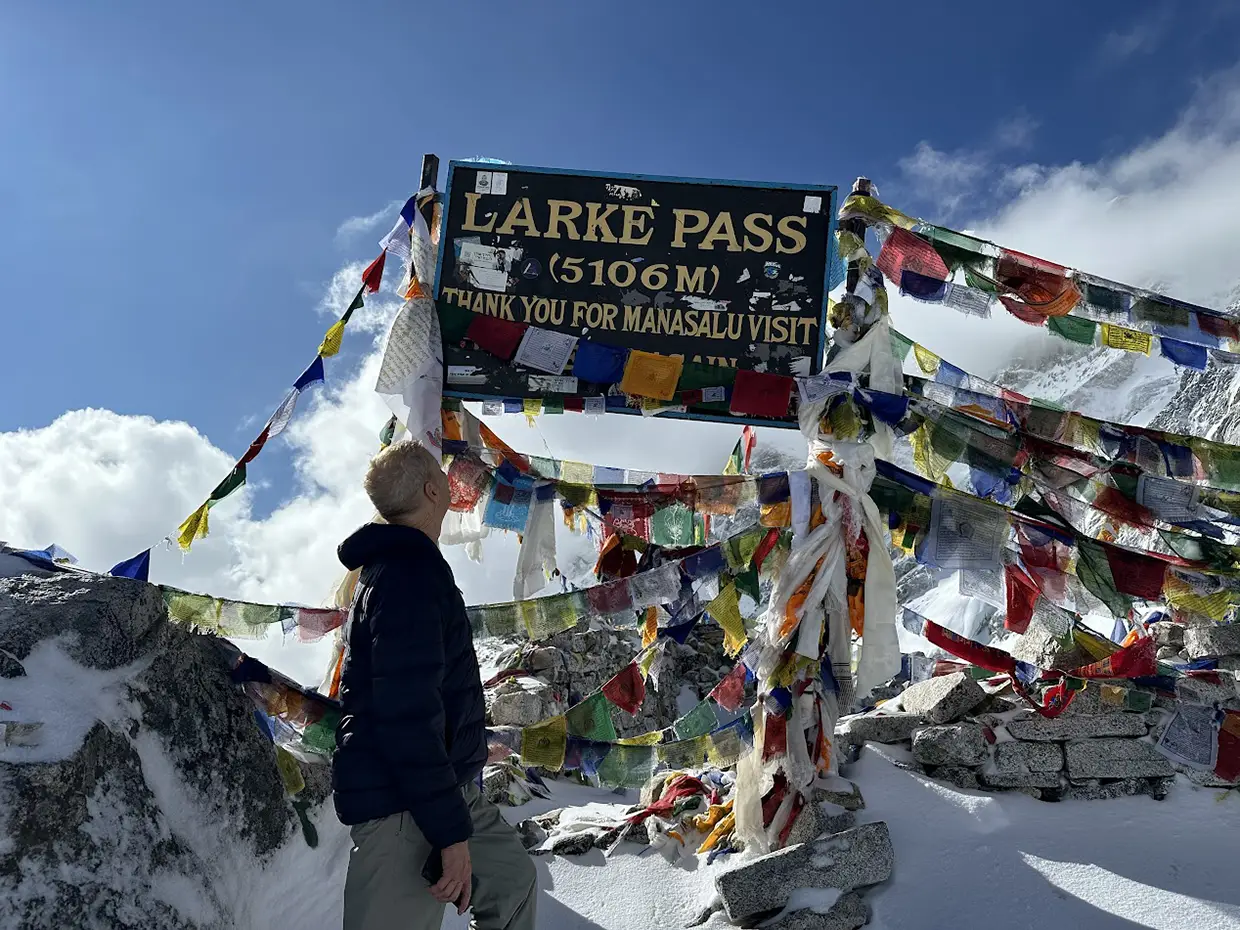
Thorong La sits higher. Larkya La feels more remote and serious. Both require careful pacing, warm gear, and a safe weather window. Neither pass forgives poor preparation.
Altitude and Acclimatization
Altitude sickness threatens trekkers on both circuits. Proper acclimatization separates a safe trek from a dangerous one.
Manaslu Acclimatization
Samagaun (approx. 3,530 m) serves as the key acclimatization stop. Most itineraries include a full rest day here. Trekkers explore the village, visit the monastery, or take a short hike toward the Manaslu base camp viewpoint. Samdo (approx. 3,860 m) gives another high-altitude staging point. Some itineraries add a rest day here as well. Dharamsala (approx. 4,460 m) acts as the final camp before Larkya La. Rushing the route between Samagaun and Larkya La increases the risk of altitude sickness. Add one extra day if your body needs more time.
Annapurna Acclimatization
Manang (approx. 3,540 m) works as the primary acclimatization stop. Spend at least one full rest day here. Take a short hike to the ice lake above Manang, or explore the nearby Braga village. Yak Kharka (approx. 4,018 m) and Thorong Phedi (approx. 4,525 m) help stage the pass crossing. Some trekkers push to High Camp (approx. 4,850 m) the night before crossing. Thorong La demands an early morning start, usually between 3:00 AM and 5:00 AM. Do not rush from the lower valleys to the pass height. Gradual altitude gain protects your health and keeps the experience enjoyable.
Safety Tips for Both Treks
- Walk slowly at altitude, especially above 3,500 meters
- Sleep at a lower elevation when possible
- Add rest days if you feel headaches, nausea, or dizziness
- Avoid alcohol at altitude
- Drink enough safe water throughout each day
- Report symptoms to your guide early
- Follow the guide’s advice on pace and route decisions
- Carry travel insurance that covers high-altitude trekking and helicopter evacuation
Scenery Comparison: Which Trek Offers Better Views?
Manaslu Circuit Scenery
Manaslu Circuit delivers raw, dramatic mountain scenery. Mount Manaslu dominates the skyline around Samagaun—the Budhi Gandaki gorge plunges between sliffs with waterfalls tumbling from the heights. Dense forests of pine and rhododendron fill the lower valleys. Near Larkya La, the terrain turns glacial. Ice fields, moraines, and snow-covered ridges surround the pass.
The descent into Bimthang Valley opens to wide alpine meadows backed by Manaslu and surrounding peaks. Some sections offer views of Ganesh Himal as well. Trekkers who add the Tsum Valley extension see an even more remote and sacred landscape with ancient monasteries and prayer walls.
Annapurna Circuit Scenery
Annapurna Circuit wins on landscape variety. The trek moves through distinct zones: lush green valleys in the east, dry pine forests around Pisang, alpine meadows near Manang, barren rocky terrain at Thorong La, and the arid Mustang landscape beyond Muktinath. Mountain views include Annapurna II, III, and IV, Lamjung Himal, Gangapurna, and Tilicho Peak.
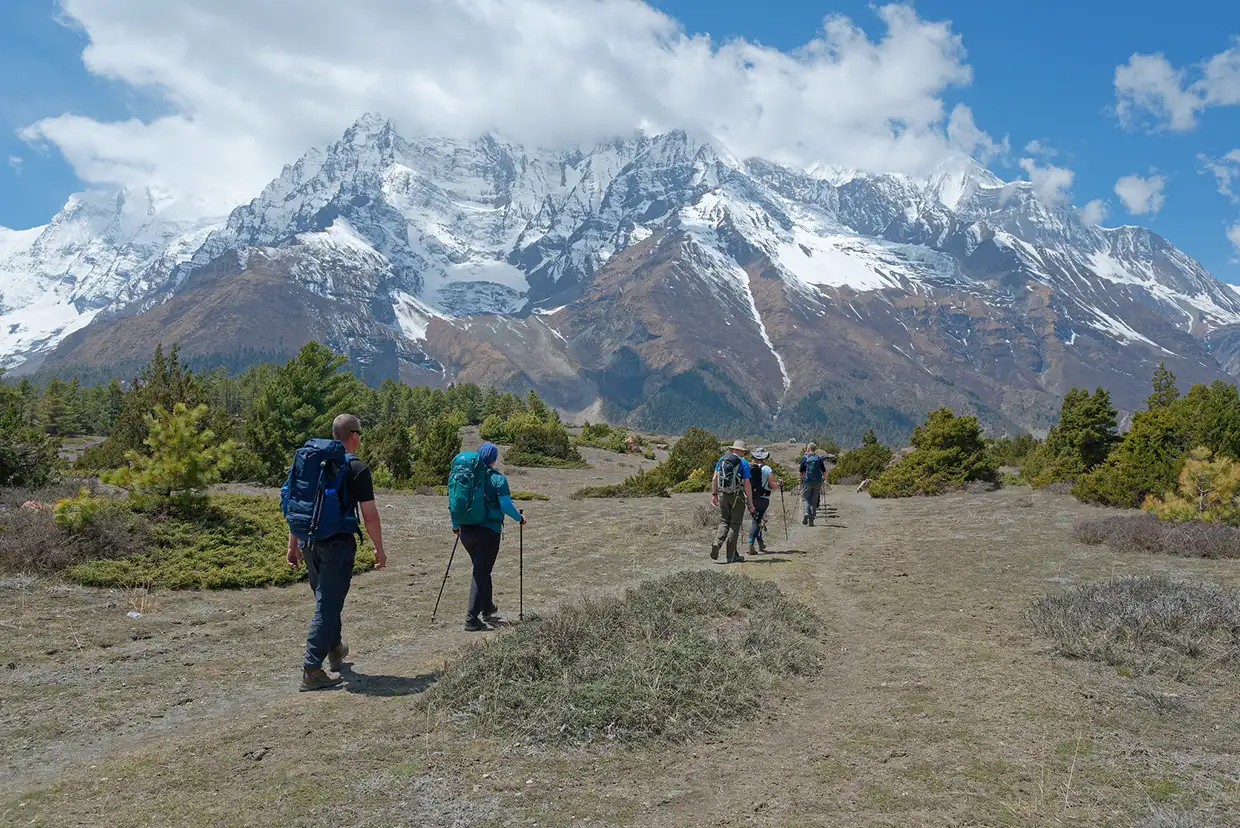
After crossing Thorong La, Dhaulagiri (8,167 m) fills the western horizon. The Kali Gandaki Valley between Annapurna and Dhaulagiri ranks among the deepest gorges in the world. The Tilicho Lake side trip offers views of the high-altitude lake at roughly 4,919 meters. Marpha and Jomsom in the Kali Gandaki offer apple orchards and wind-swept desert landscapes.
Verdict: Choose Manaslu for raw mountain scenery and a remote valley atmosphere. Choose Annapurna for greater landscape variety, from green valleys to dry trans-Himalayan terrain.
Culture Comparison: Manaslu vs Annapurna Circuit
Manaslu Culture
Manaslu Circuit runs through areas with strong Tibetan Buddhist influence. Mani walls, chortens, prayer flags, and monasteries line the trail. Villages like Samagaun, Samdo, and Lho preserve Nubri culture with deep Tibetan roots. The remote village atmosphere feels authentic. Fewer tourists visit these settlements, so daily life continues with less commercial influence. Local families run the teahouses. Monks chant in hillside gompas. The cultural experience feels personal and unhurried.
Annapurna Culture
Annapurna Circuit passes through diverse ethnic communities. Gurung villages in the lower sections welcome trekkers with warm hospitality. Manangi culture reflects a trading heritage connected to Tibet. Thakali communities around Marpha and Jomsom serve excellent local cuisine. Muktinath Temple, sacred to both Hindus and Buddhists, stands as a highlight. Buddhist monasteries in Braga and Manang offer quiet visits. The greater cultural variety makes the Annapurna Circuit richer, though some popular stops feel more commercialized.
Verdict: Manaslu offers a deeper remote Tibetan Buddhist atmosphere. Annapurna offers a wider cultural variety and better food diversity.
Permit and Regulation Comparison
Manaslu Circuit Permits
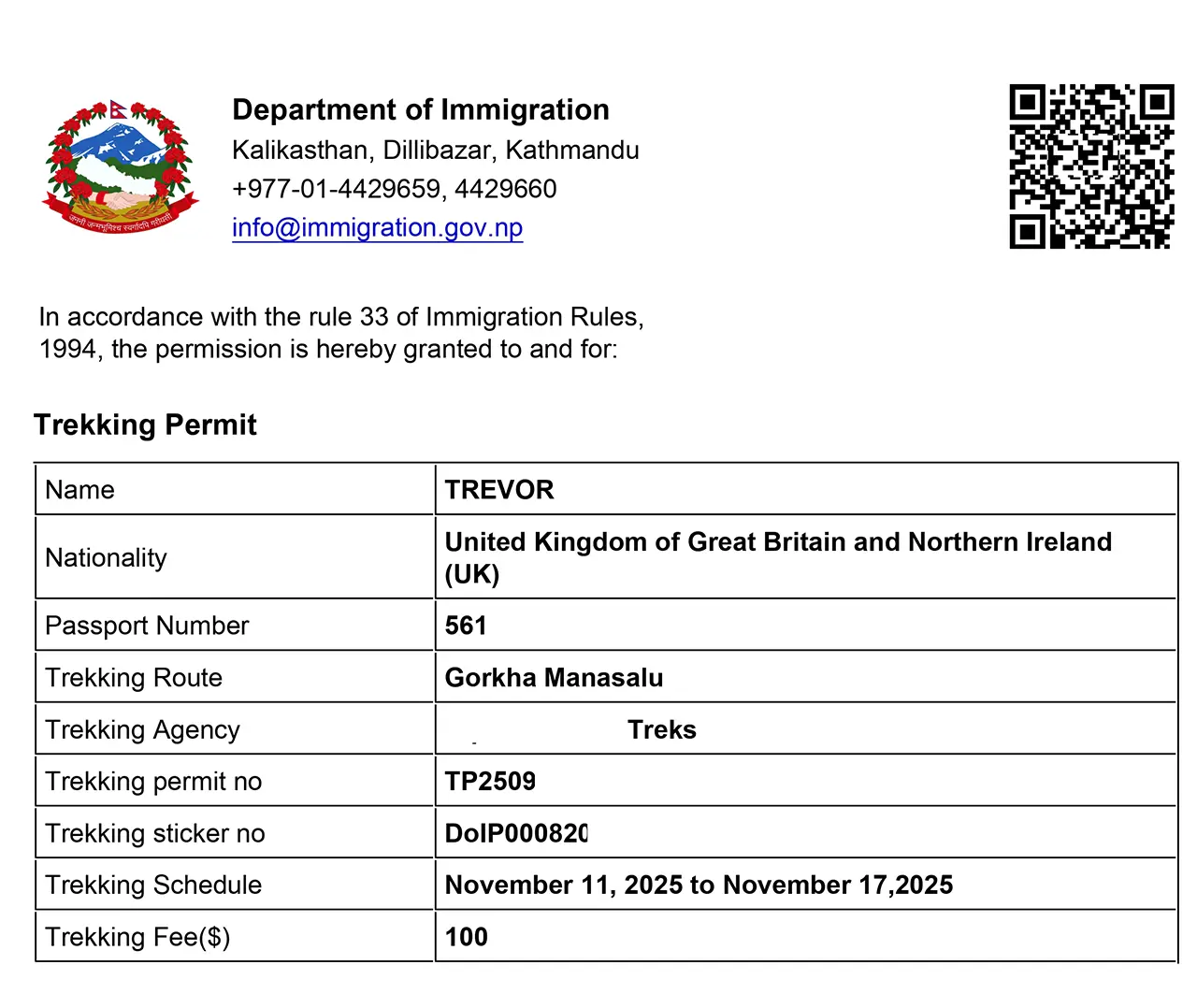
Manaslu Circuit requires a Restricted Area Permit (RAP) from the Department of Immigration. The fee is USD 100 per person per week during peak season (September to November), plus USD 15 per day beyond the first week. Verify the current fee before booking. Trekkers also need the Manaslu Conservation Area Permit (MCAP). Those exiting through Dharapani into the Annapurna region also need an Annapurna Conservation Area Permit (ACAP). A licensed trekking guide and a registered agency handle all Manaslu permits. Solo trekking without agency support does not meet Manaslu regulations. TIMS card requirements apply where current NTB rules specify.
Annapurna Circuit Permits
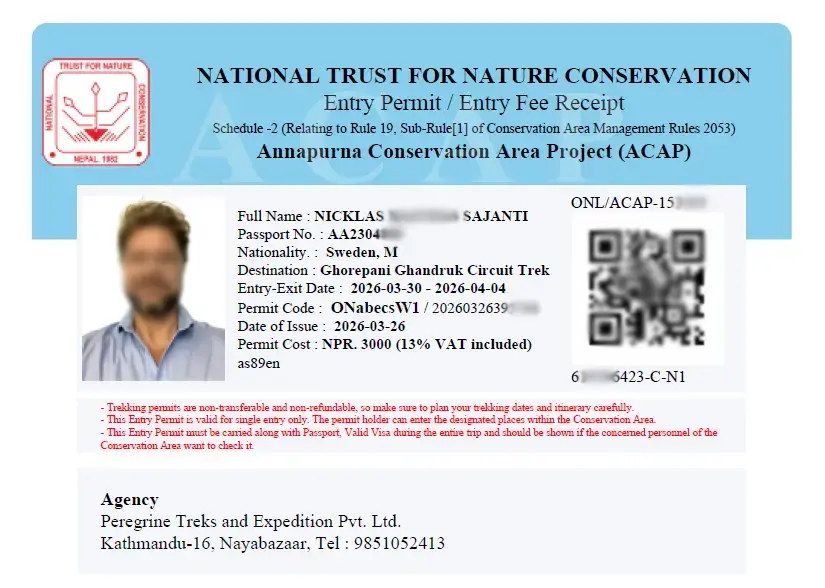
Annapurna Circuit requires an Annapurna Conservation Area Permit (ACAP). NTNC lists the conservation area entry fee at NPR 3,000 for foreign nationals and NPR 1,000 for SAARC nationals. TIMS Card and licensed guide rules apply in accordance with the Nepal Tourism Board’s current policy. The Annapurna Circuit does not require a restricted area permit for the standard route. Special permits apply only for restricted extensions like Nar Phu Valley. The permit process for Annapurna runs simpler and faster than Manaslu. Fees sit lower. Logistics need less agency involvement.
Important Note: Before booking either trek, verify: current guide rules, TIMS requirements, Manaslu group-size rules, restricted area permit fees, ACAP and MCAP fees, and checkpoint procedures. Nepal updates trekking regulations periodically.
| Permit Detail | Manaslu Circuit | Annapurna Circuit |
|---|---|---|
| Restricted Area Permit | Required (USD 100/week peak season) | Not required for standard route |
| Conservation Area Permit | MCAP + ACAP (if exiting Dharapani) | ACAP only |
| Licensed Guide | Required | Required (verify current NTB rules) |
| Registered Agency | Required | Not always required |
| TIMS Card | Where applicable | Where applicable |
| Process Complexity | High | Low to Moderate |
Cost Comparison: Manaslu vs Annapurna Circuit
Manaslu Cost Factors
- Restricted area permit fees (higher than standard permits)
- MCAP and ACAP permit fees
- Licensed guide and porter fees
- Registered agency service charges
- Longer access drives on rough roads
- Fewer budget lodge choices along the route
- More remote logistics and supply costs
- Emergency backup planning and satellite communication
Annapurna Cost Factors
- ACAP permit fee (lower than Manaslu permits)
- TIMS Card, where applicable
- Guide and porter fees
- More lodge choices across all price ranges
- More transport options, including shared jeeps
- Flexible itinerary length saves or adds cost
- Easier access from Pokhara or Besisahar reduces travel expenses
Verdict: Manaslu usually costs more due to restricted-area permits, agency handling, guide support, and remote logistics. Annapurna Circuit usually gives better budget flexibility. Both treks offer good value for the Himalayan experience they deliver.
Accommodation and Food Comparison
Manaslu Accommodation and Food
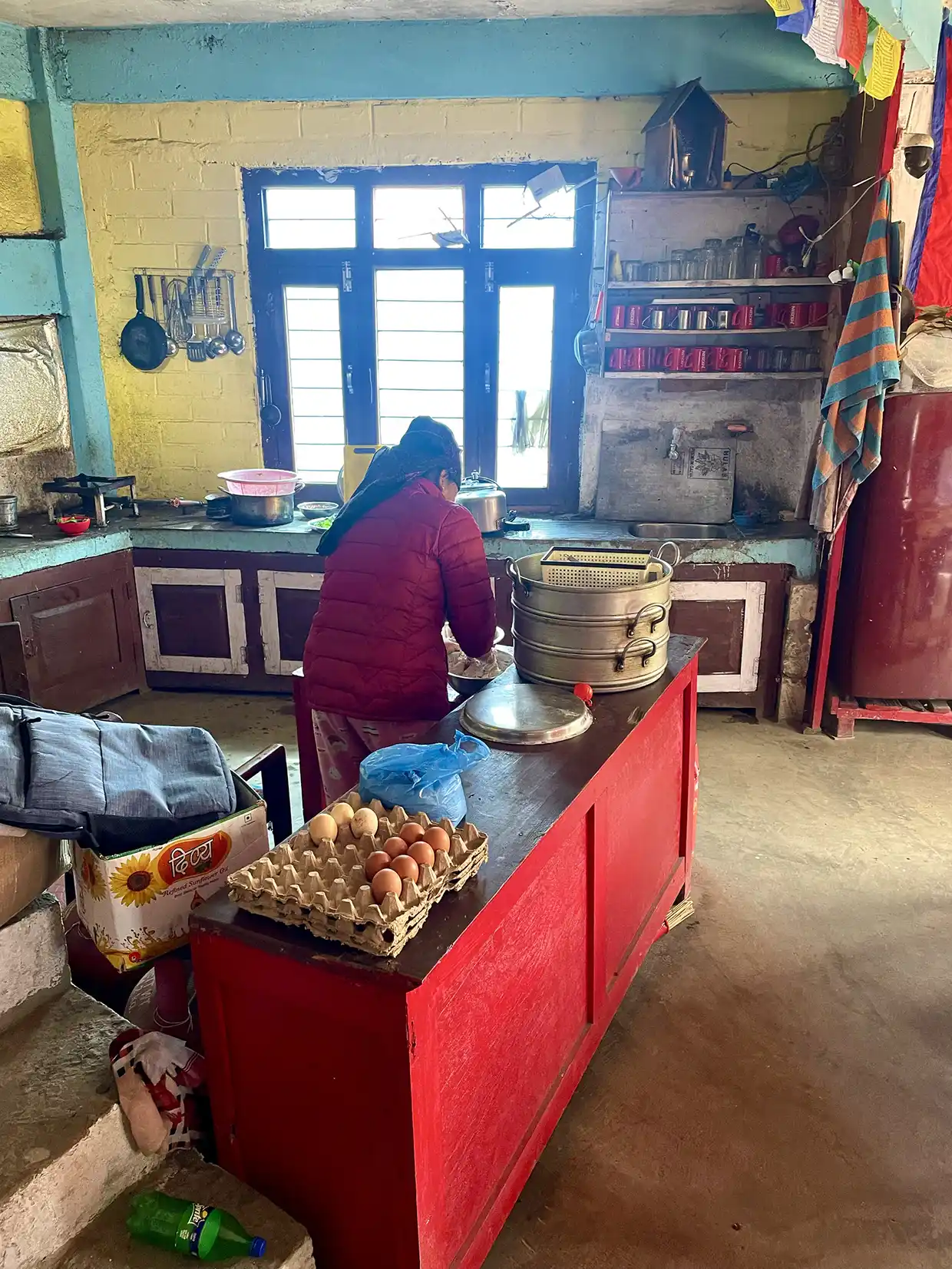
Teahouses along the Manaslu Circuit stay basic. Expect shared bathrooms in many villages. Hot showers vary by location and season. Dining rooms seat a small group around a central stove. Menus offer dal bhat, noodles, potatoes, and limited Western options. Wi-Fi and phone charging are subject to extra fees where available. Some remote sections have no charging options at all. Lodge comfort drops in the higher villages near Samdo and Dharamsala. Carry a good sleeping bag rated to at least minus 10 degrees Celsius.
Annapurna Accommodation and Food
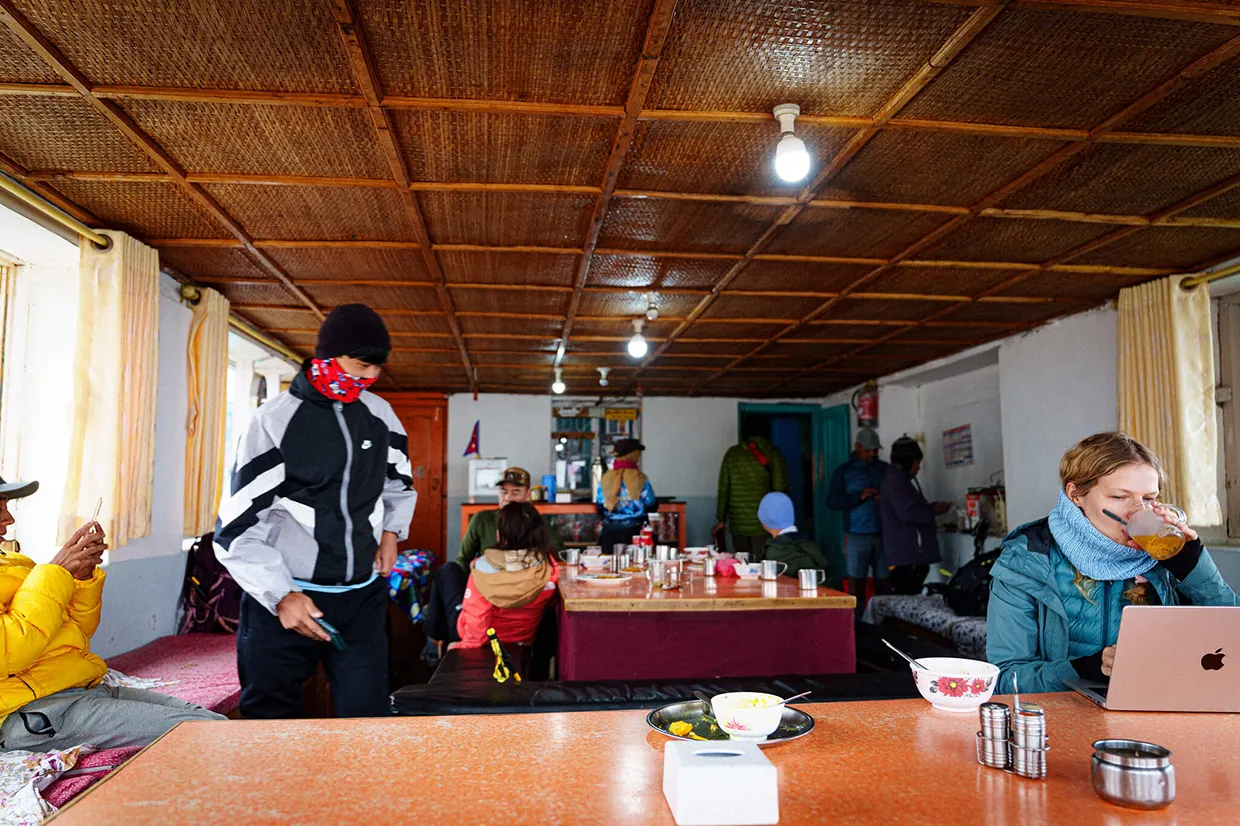
Teahouses on the Annapurna Circuit offer a wider range of rooms and better facilities. Towns like Manang, Muktinath, Jomsom, and Marpha have lodges with attached bathrooms, hot showers, and comfortable dining rooms. The food menu includes dal bhat, momos, pasta, pizza, pancakes, and fresh bakery items. Coffee shops and bakeries in Manang and Marpha have earned loyal followings among trekkers. Wi-Fi and charging stations are becoming more common. Lodge quality stays more consistent along the full route.
Verdict: Annapurna Circuit wins for comfort and variety of food. Manaslu Circuit wins for remote trail atmosphere and genuine teahouse simplicity.
| Factor | Manaslu Circuit | Annapurna Circuit |
|---|---|---|
| Lodge Standard | Basic | Moderate to Good |
| Bathroom | Mostly shared | Mix of shared and attached |
| Hot Showers | Limited, extra fee | More commonly, an extra fee |
| Food Variety | Limited menus | Wide menus, bakeries, cafes |
| Wi-Fi / Charging | Rare, extra fee | More commonly, an extra fee |
| Best Lodges | Samagaun, Lho | Manang, Muktinath, Jomsom, Marpha |
Crowd Level and Solitude
Manaslu Circuit: Quieter Trails
Manaslu Circuit attracts fewer trekkers each season. The restricted area permit, agency requirement, and remote access keep numbers low. You share the trail with a handful of groups most days. Teahouse dining rooms feel intimate. The sense of personal adventure stays strong throughout the route.
Annapurna Circuit: Social Trekking
The Annapurna Circuit attracts more trekkers, especially in October and November. Popular stops like Manang and Muktinath fill up during peak weeks. The social atmosphere appeals to trekkers who enjoy meeting people from different countries. Budget travelers and guided groups mix freely on the trail. Off-peak months (early spring, late autumn) offer a quieter Annapurna experience. Side trails and new routes also help spread traffic away from main road sections.
Verdict: Choose Manaslu if you want fewer people on the trail. Choose Annapurna if you enjoy a social trekking route with more services and fellow hikers.
Best Time for Manaslu and Annapurna Circuit
| Season | Manaslu Circuit | Annapurna Circuit | Best For | Main Caution |
|---|---|---|---|---|
| Spring (Mar–May) | Good weather, warmer days, rhododendrons bloom | Good weather, spring flowers, some haze | Trekkers who enjoy green scenery and warmer days | Haze at lower elevations, occasional afternoon clouds |
| Autumn (Sep–Nov) | Best visibility, stable weather, peak season | Best visibility, clear skies, peak season | Most trekkers; best overall conditions | Higher Manaslu permit cost, crowded Annapurna stops |
| Winter (Dec–Feb) | Very cold at passes, snow risk, few trekkers | Cold at altitude, some lodges close, quiet trails | Experienced trekkers only | Heavy snow blocks passes, short daylight, cold nights |
| Monsoon (Jun–Aug) | Rain, leeches, landslide risk, clouded views | Rain, road delays, leeches, and limited views | Not recommended for standard circuits | Dangerous trail conditions, reduced visibility |
Verdict: Autumn offers the best overall conditions for both treks. Spring ranks as the second-best choice. Winter and monsoon need extra caution and flexibility.
Which Trek Suits Beginners Better?
Annapurna Circuit for Beginners
The Annapurna Circuit is better suited to most fit beginners. Better lodges reduce physical stress after long walking days. More food choices keep energy levels high. Multiple exit points allow itinerary changes if health or weather forces a new plan. The route offers more established services, clearer trail markings, and more trekkers around for social support. A strong guide makes the Thorong La crossing manageable for fit beginners with proper acclimatization.
Manaslu Circuit for Beginners
The Manaslu Circuit is suitable for beginners only under specific conditions. The person needs strong general fitness and regular hiking experience before the trip. They must accept basic lodges, limited food, and remote trail conditions. A strong guide team and an extra acclimatization day reduce risk. Even so, the remoteness, fewer exit points, and limited basic services make Manaslu a more serious commitment for a first major Himalayan trek.
Verdict: Annapurna Circuit offers a safer, more comfortable first major Himalayan circuit experience. Manaslu Circuit suits trekkers who already have multi-day hiking experience.
Which Trek Suits Experienced Trekkers Better?
Choose Manaslu If You Want
- Remote trails away from vehicle traffic
- Fewer crowds and a stronger wilderness feel
- Tibetan Buddhist culture and quiet village life
- Less commercial atmosphere on the trail
- A more serious circuit trek with real adventure stakes
Choose Annapurna If You Want
- Tilicho Lake or Nar Phu Valley add-ons
- More route choices and alternate trails
- Better lodge comfort after hard walking days
- Greater landscape variety from lush valleys to dry plateaus
- More flexible logistics for customized itineraries
Verdict: Experienced trekkers who want solitude prefer Manaslu. Experienced trekkers who want variety in routes and side-trip options prefer the Annapurna region.
Trek Duration and Itinerary Flexibility
Manaslu Circuit Duration
The Manaslu Circuit typically needs 14 to 18 days, including arrival and departure planning. The route demands careful acclimatization without shortcuts. Rushing increases the risk of altitude sickness and reduces enjoyment. Fewer shortcut options exist on Manaslu. You walk the full loop, or you turn back. Itinerary changes depend on the guide’s judgment and weather, not on jeep transfers or alternate routes.
Annapurna Circuit Duration
The Annapurna Circuit ranges from shorter jeep-supported plans (10 to 12 days) to longer classic routes (15 to 18 days) with side trips. Trekkers with limited time skip lower road sections by jeep. Trekkers with extra time add Tilicho Lake, Nar Phu, or both. Multiple exit points allow early departure if needed. Flights from Jomsom to Pokhara save a full day of driving. The route suits travelers with flexible or limited schedules.
Verdict: Annapurna gives more itinerary flexibility. Manaslu needs more fixed planning and longer commitment.
Suggested Itinerary: Manaslu Circuit
Standard 14-Day Manaslu Circuit Outline
- Day 1: Drive from Kathmandu to Machha Khola
- Day 2: Trek to Jagat
- Day 3: Trek to Deng
- Day 4: Trek to Namrung
- Day 5: Trek to Lho
- Day 6: Trek to Samagaun
- Day 7: Acclimatization day in Samagaun
- Day 8: Trek to Samdo
- Day 9: Trek to Dharamsala (Larkya Base Camp)
- Day 10: Cross Larkya La Pass, descend to Bimthang
- Day 11: Trek to Tilije
- Day 12: Trek to Dharapani, drive to Besisahar
- Day 13: Drive to Kathmandu or Pokhara
- Day 14: Buffer day or departure
Add extra acclimatization days at Samagaun or Samdo if your body needs more time to acclimatize. A 16-day version with two rest days works better for many trekkers.
Suggested Itinerary: Annapurna Circuit
Standard 12-Day Annapurna Circuit Outline
- Day 1: Drive from Kathmandu to Besisahar or Dharapani
- Day 2: Trek to Chame
- Day 3: Trek to Pisang (Upper Pisang route recommended)
- Day 4: Trek to Manang
- Day 5: Acclimatization day in Manang
- Day 6: Trek to Yak Kharka
- Day 7: Trek to Thorong Phedi or High Camp
- Day 8: Cross Thorong La Pass, descend to Muktinath
- Day 9: Drive or trek to Jomsom
- Day 10: Fly or drive to Pokhara
- Day 11: Free day in Pokhara
- Day 12: Return to Kathmandu
Add 2 to 4 extra days for Tilicho Lake, Nar Phu Valley, or a slower walking pace through the lower valleys.
Pros and Cons: Manaslu Circuit
Pros
- Quieter trail with fewer trekkers
- Remote Tibetan Buddhist villages with an authentic atmosphere
- Stronger wilderness feel throughout the route
- Dramatic mountain and glacial scenery
- Less commercial atmosphere at teahouses
- Strong sense of adventure and personal achievement
- Optional Tsum Valley extension adds cultural depth
Cons
- More complex and expensive permits
- Higher overall trip cost
- Basic teahouses with limited menus
- Fewer exit points for emergency or plan changes
- Harder logistics and longer access drives
- Less food variety along the trail
- More reliance on guided judgment for safety decisions
- Remote emergency response takes longer
Pros and Cons: Annapurna Circuit
Pros
- Classic Nepal trekking route with a strong reputation
- More comfortable lodges with better food choices
- Easier access from Kathmandu and Pokhara
- More itinerary flexibility with side trips and alternate trails
- Good option for a first high-pass Himalayan trek
- Stronger landscape variety from green valleys to a dry plateau
- More social trekking atmosphere
Cons
- Busier trail during peak season (October to November)
- Road sections reduce trail charm in lower areas
- Less remote feel compared to a decade ago
- Some popular stops feel commercial during peak weeks
- Route planning needs attention to avoid road walking sections
Decision Matrix: Which Trek Fits You Best?
| Traveler Type | Better Trek | Reason |
|---|---|---|
| First-time Nepal trekker | Annapurna Circuit | Better lodges, more services, easier logistics |
| Experienced trekker | Manaslu Circuit | Stronger challenge, remote trails, fewer crowds |
| Solitude seeker | Manaslu Circuit | Quieter trail, fewer trekkers, private atmosphere |
| Budget traveler | Annapurna Circuit | Lower permit costs, more budget lodge options |
| Comfort-focused traveler | Annapurna Circuit | Better rooms, more food variety, warmer services |
| Photographer | Both (depends on the goal) | Manaslu for raw mountain drama; Annapurna for landscape range |
| Culture lover (Tibetan) | Manaslu Circuit | Deeper Tibetan Buddhist atmosphere and village life |
| Culture lover (diverse) | Annapurna Circuit | Gurung, Manangi, Thakali, Hindu, and Buddhist layers |
| Food lover | Annapurna Circuit | Wider menus, bakeries, and coffee stops in key towns |
| Older active trekker | Annapurna Circuit | Better facilities, more exit points, easier access |
| Time-limited traveler | Annapurna Circuit | More shortcut options and flexible itinerary length |
| High-altitude challenge seeker | Annapurna Circuit | Thorong La Pass sits higher at ~5,416 m |
| Remote trail lover | Manaslu Circuit | Wilder trail, fewer settlements, stronger adventure feel |
| Social trekker | Annapurna Circuit | More people on the trail, livelier teahouse atmosphere |
Final Verdict: Manaslu or Annapurna Circuit?
The Manaslu vs Annapurna Circuit decision depends on what kind of Himalayan experience you want.
- Choose Manaslu Circuit if you want a quieter, more remote, and more culturally focused trek. It suits experienced trekkers who are comfortable with basic lodges and stricter logistics. The reward? Fewer people, wilder trails, and a deeper connection to Tibetan Buddhist mountain culture.
- Choose Annapurna Circuit if you want a classic Nepal trek with better lodges, easier access, more food choices, and greater route flexibility. It suits first-time Himalayan trekkers and those who value comfort alongside adventure.
- Most first-time Nepal circuit trekkers find the Annapurna Circuit the better starting point. Most experienced trekkers who want solitude and remoteness lean toward the Manaslu Circuit. Both treks deliver an unforgettable Himalayan experience.
Not sure which trek matches your fitness, budget, and trekking style? Talk to a Nepal trekking specialist. A local operator compares your travel dates, comfort needs, and experience level before recommending the right circuit for you.
FAQs: Manaslu vs Annapurna Circuit
Q: Which trek feels harder, Manaslu Circuit or Annapurna Circuit?
A: Manaslu Circuit usually feels harder because of its remoteness, basic teahouses, rougher terrain, and fewer exit points. While the Annapurna Circuit reaches a higher pass at Thorong La, its stronger lodge support and numerous route options make the overall experience less demanding for most trekkers. Your choice depends entirely on how much comfort you want to sacrifice for a wilder adventure.
Q: Which trek offers a better overall experience?
A: Neither trek holds a clear advantage, as the choice depends on your personal priorities. The Manaslu Circuit is ideal for travelers seeking deep wilderness and solitude away from busy trails. On the other hand, the Annapurna Circuit suits those who prefer superior comfort, immense landscape variety, and much easier daily logistics throughout their multi-day mountain journey.
Q: Which trek has fewer crowds? A: The Manaslu Circuit has significantly fewer trekkers on the trail. This is because the strict restricted-area permit, mandatory agency requirement, and remote access naturally keep visitor numbers low. Conversely, the Annapurna Circuit attracts many more visitors year-round, with its peak congestion during the popular October-November autumn trekking season.
Q: Which trek has better mountain views?
A: Both routes deliver truly stunning Himalayan scenery, but the style of view differs. Manaslu offers raw, dramatic mountain views centered on Mount Manaslu, as well as glacial landscapes near Larkya La. The Annapurna Circuit offers greater landscape variety, showcasing views of the Annapurna range, Dhaulagiri, and the wide Kali Gandaki Valley as you walk through diverse ecological zones.
Q: Which trek costs more?
A: The Manaslu Circuit costs noticeably more due to the government’s restricted area permits, mandatory agency handling, licensed guide fees, and more expensive remote logistics. Meanwhile, the Annapurna Circuit provides much more budget-friendly options for independent and group travelers alike. This is due to its lower permit fees, a wide selection of competing lodges, and more affordable transportation.
Q: Do I need a guide for Manaslu and the Annapurna Circuit?
A: Yes, regulations require a licensed guide for both paths. Manaslu requires a licensed guide and registered agency by law, while Annapurna requires a guide under the current tourism policy. Because Nepal updates its trekking regulations periodically, it is essential to actively verify the latest rules with your tour operator before finalizing any bookings or departure plans.
Q: Which trek has better teahouses?
A: The Annapurna Circuit has better teahouses overall, offering superior comfort and amenities. Established trail towns like Manang, Muktinath, Jomsom, and Marpha offer cozy rooms, varied international menus, and consistently high-quality facilities for hikers. In comparison, the teahouses along the Manaslu Circuit remain basic, offering simpler rooms, limited electricity, and far fewer menu options.
Q: Does the Annapurna Circuit still feel worth trekking after road construction?
A: Yes, the trek remains one of Nepal’s best long-distance mountain journeys. Smart route planning allows you to easily avoid the worst road sections by taking beautiful alternate trails through Upper Pisang and Ghyaru to restore the classic walking experience. Additionally, adding rewarding side trips to Tilicho Lake or the remote Nar Phu Valley introduces spectacular new dimensions to your adventure.
Q: Does the Manaslu Circuit work for beginners?
A: It works only under the right conditions. A fit beginner with some hiking experience, a strong guide team, sufficient acclimatization days, and realistic expectations about basic mountain lodges can safely manage Manaslu. However, due to the remote terrain, most beginners find the Annapurna Circuit to be a much safer, more supported, and more comfortable choice for a first Himalayan excursion.
Q: Does Thorong La feel harder than Larkya La?
A: Difficulty depends on your individual fitness and altitude tolerance. Thorong La stands higher at roughly 5,416 meters, but Larkya La sits lower and feels far more remote, with fewer nearby services or escape routes. Both challenging passes strictly demand proper acclimatization, high-quality warm gear, and a safe weather window to ensure your group crosses over the top safely.
Q: Which trek offers stronger cultural experiences?
A: Both offer incredible depth, but they feature completely different cultural environments. The Manaslu Circuit delivers a highly focused Tibetan Buddhist experience as you walk through traditional Nubri villages filled with ancient monasteries, mani walls, and prayer flags. The Annapurna Circuit offers greater cultural diversity, guiding you through vibrant communities of Gurungs, Manangis, Thakalis, Hindus, and Buddhists.
Q: Which trek has more route flexibility?
A: The Annapurna Circuit offers significantly more route flexibility for travelers. Trekkers can easily customize their journey using alternate trails, diverse side trips, local jeep transfers, and variable itinerary lengths to suit their needs. The Manaslu Circuit follows a much more fixed route, with fewer shortcut options and no road-based alternatives if you need to alter your plans.
Q: What time of year works best for both treks?
A: Autumn, spanning from September to November, offers the absolute best conditions for both circuits. Clear skies, highly stable weather, and comfortable trekking temperatures make this the peak season for mountain travel. Spring, from March to May, ranks as the second-best time, offering warmer daytime walking weather and beautiful blooms across the lower valleys.
Q: How many days does the Manaslu and Annapurna Circuit take?
A: The Manaslu Circuit typically needs fourteen to eighteen days, while the Annapurna Circuit takes twelve to sixteen days, depending on your specific route choices and side trips. Both of these estimated durations include the necessary travel days to and from the trailheads. It is always wise to add buffer days for potential weather delays or extra acclimatization.