


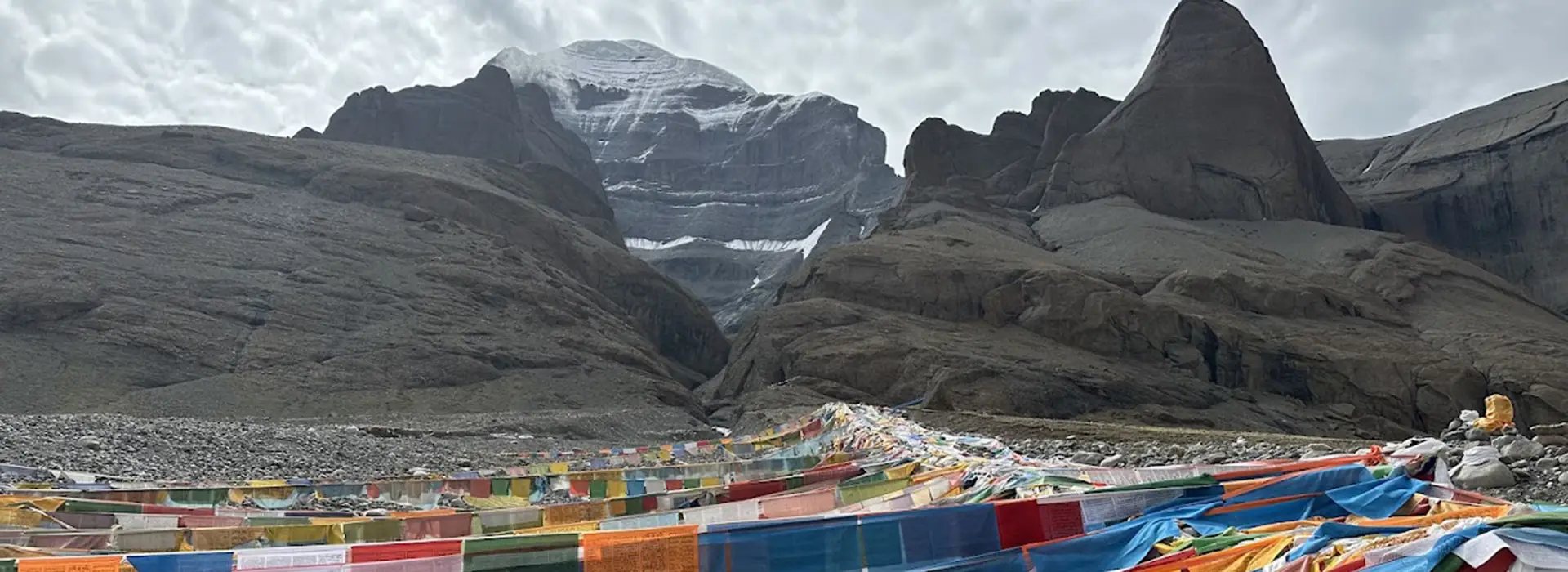

A successful Tibet tour requires more than just high spirits. High altitude conditions in the Ngari region demand the right gear to stay safe. Most pilgrims face extreme winds and sudden temperature drops. Proper preparation starts with a solid Mount Kailash Packing List. Every item in your bag serves a purpose for survival and comfort. This document helps you organize your gear for the three-day walk around the sacred peak.
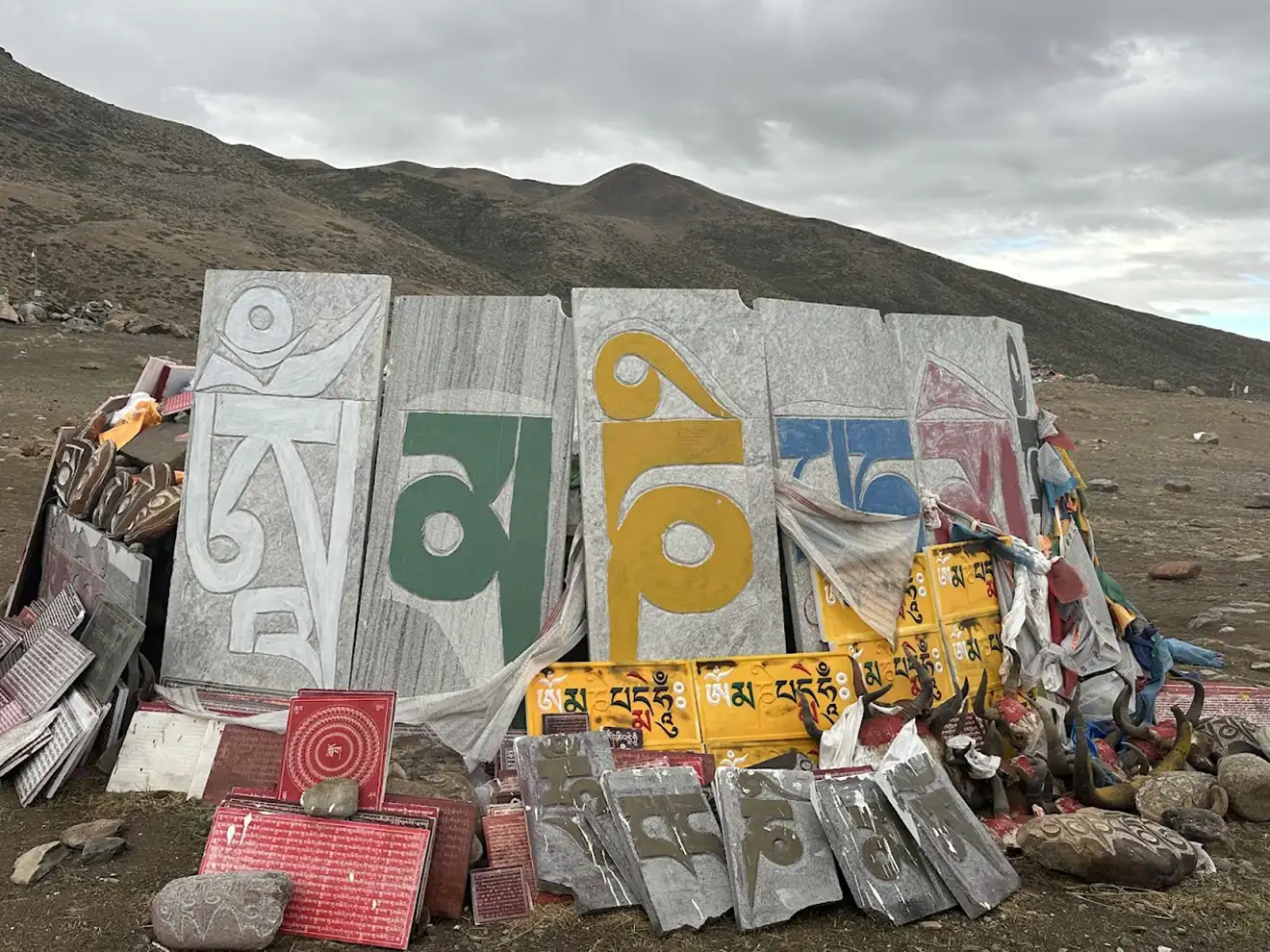
What Makes Kailash Packing List Different
Preparation for Mount Kailash differs from standard trekking. The high altitude stays above 15,000 feet for most of the trip. Cold winds sweep across the high plateau even during the day. Night temperatures often drop below freezing even in the middle of summer. You need a specific Mount Kailash packing checklist to handle these shifts.
The route offers basic lodging with very few amenities. You sleep in stone guesthouses with thin walls and no heating. Hot water is a luxury, and showers do not exist on the trail. Most of your time is spent on long driving days across the Tibetan Plateau. These factors mean you must pack for both long periods of sitting and intense physical effort.
| Fact Category | Environment Reality | Gear Requirement |
|---|---|---|
| Elevation | 4,600m to 5,643m | High-loft insulation and oxygen support |
| Winds | Constant high-speed gusts | Windproof outer shell and neck protection |
| Shops | Very limited after Darchen | Complete self-sufficiency for three days |
| Temperature | Large day-night shifts | Multiple thin layers for easy changes |
Limited shops, once you leave bigger towns, make forgetting items a serious problem. Darchen has some supplies, but once you start the walk, you rely on what you carry. Focus on wind protection and heat retention. Keep your essentials in your daypack every day. A light pack helps you breathe better at high altitudes.
How to Use This Mount Kailash Packing List
Organize your packing into three distinct parts. The first part is your main bag, which stays with the vehicle or a porter. The second part is your daypack for active use. The third part is a small pouch for valuables. Use this method to keep your gear accessible when you need it. The Kailash Mansarovar packing list focuses on layering rather than bulky outfits. Multiple thin layers trap air more effectively than a single thick coat. Thin layers also allow you to adjust your temperature as you move. Test all your gear before you fly to Tibet. Wear your boots on long walks at home to ensure they do not cause blisters.
| Bag Type | Purpose | Items to Include |
|---|---|---|
| Main Bag | Storage for yaks/porters | Extra clothes, sleeping bag, bulk snacks |
| Daypack | Daily active carry | Water, rain gear, camera, fleece |
| Pouch | Security and access | Passport, cash, phone, lip balm |
Check your socks with your boots to find the best fit. Tight shoes restrict blood flow, leading to cold feet. Loose shoes cause friction and skin damage. Your Mount Kailash pilgrimage packing list should only include items you trust.
Luggage Setup and Weight Planning
Choose a main duffel bag or a soft bag for your heavy items. Vehicles and yaks handle soft bags much better than hard suitcases. Soft bags fit into tight spaces in the support trucks. Your daypack needs a capacity of 20 to 30 liters. A pack of this size holds enough water, food, and clothing layers for eight hours of walking. Operators often set a weight limit for porter or yak bags. Most limits stay around 15 kilograms per person. Ask your operator for their specific limit before you pack. Staying within this limit protects the animals and the local porters. A lighter main bag also makes moving in and out of guesthouses easier.
| Equipment | Size/Weight Recommendation | Key Feature |
|---|---|---|
| Main Duffel | 60 – 90 Liters | Water-resistant fabric |
| Daypack | 20 – 30 Liters | Padded hip belt and chest strap |
| Valuables Pouch | Small / Waist or Neck | Hidden from sight |
| Weight Limit | 15 kg (33 lbs) | Strict adherence for porters |
Keep your passport copies and cash in the small pouch. Place your phone and lip balm in reachable pockets. Wipes and tissues stay in the daypack for quick use. Planning your luggage setup early reduces stress during the transition from the vehicle to the trail.
Clothing System
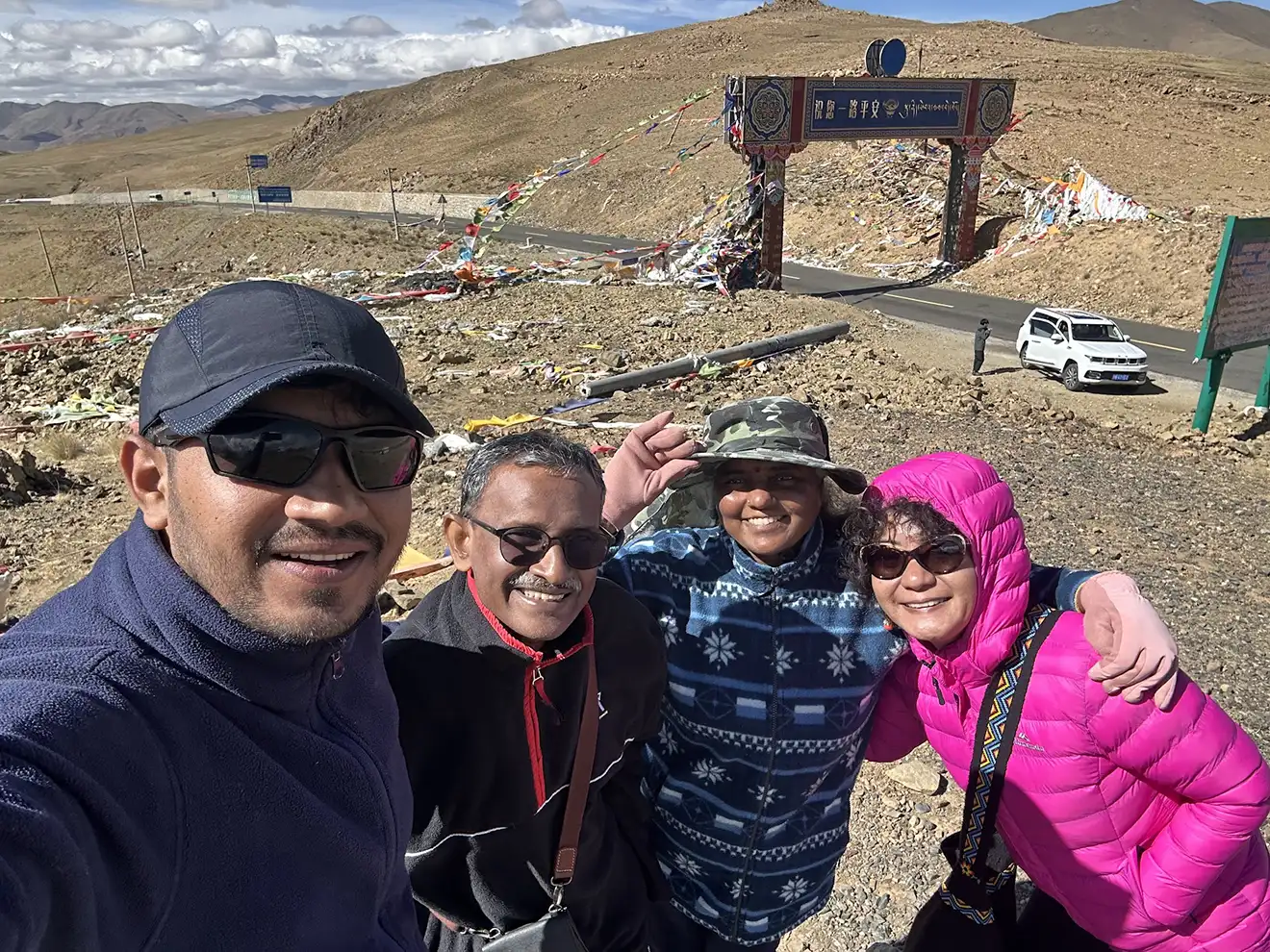
Build your clothing around a three-layer system. This system manages sweat and keeps heat inside. Your base layers sit next to your skin. Choose moisture-wicking tops made of merino wool or synthetic fiber. These materials pull sweat away from your body. Avoid cotton at all costs. Cotton stays wet and cold, which increases the risk of hypothermia at high altitudes. The Kailash Kora packing list requires reliable mid-layers. A fleece jacket or a warm sweater provides the necessary insulation. A lightweight down or insulated jacket offers extra warmth for cold mornings. You can wear these layers alone or together, depending on the wind.
| Clothing Layer | Material Choice | Quantity |
|---|---|---|
| Base Layer Top | Merino wool or Synthetic | 3 |
| Base Layer Bottom | Thermal leggings | 2 |
| Mid Layer | Fleece or wool sweater | 1 |
| Primary Insulation | Down jacket (-10C rating) | 1 |
| Outer Shell | Gore-Tex or Windstopper | 1 |
Outer layers protect you from the harsh Tibetan environment. A windproof jacket is your most important piece of clothing. High winds on the plateau can strip away body heat in minutes. Carry a waterproof shell or rain jacket in case of sudden snow or rain. One pair of waterproof or windproof pants completes the system. Pack three to five pairs of trekking socks. Use a mix of light walking socks and heavy wool socks at night. Bring enough underwear for five days to maintain hygiene. A dedicated warm sleep outfit stays dry in your main bag. Put on this dry outfit as soon as you reach the guesthouse to keep your body temperature stable.
Cold-Weather Essentials for Kailash Kora
The walk toward the pass brings extreme conditions. The Dolma La Pass packing list must include specific cold-weather accessories. A warm beanie covers your ears and prevents heat loss from your head. Use a sun hat or a cap during the middle of the day to block intense UV rays.
| Item | Usage Scenario | Protection Type |
|---|---|---|
| Beanie | Night and high pass | Thermal retention |
| Neck Gaiter | Windy sections | Wind chill protection |
| Liner Gloves | Active walking | Sun and light cold |
| Heavy Gloves | High pass and morning | Extreme cold |
Neck gaiters or scarves protect your throat from the “Khumbu cough” caused by dry, cold air. Warm gloves are vital for early morning starts. Pack one lighter pair for walking and one heavy pair for the pass. Hand warmers provide a helpful boost if your fingers feel numb in the wind. These small items make a big difference at the highest point of the circuit.
Footwear (Do Not Compromise Here)
Your feet carry you through 52 kilometers of rocky terrain. Quality footwear is the most important part of the Mount Kailash trek essentials. Use broken-in trekking boots with a deep tread and good grip. The path around the mountain includes loose gravel and steep descents. Boots with ankle support prevent injuries on uneven ground.
| Footwear Item | Primary Function | Selection Tip |
|---|---|---|
| Trekking Boots | Primary walking | Must be waterproof |
| Sandals | Guesthouse use | Very lightweight |
| Trekking Socks | Cushioning | Avoid cotton |
| Gaiters | Debris protection | Optional but helpful |
Bring camp shoes or sandals for the evenings. Taking off your heavy boots allows your feet to dry and recover. Gaiters are optional but help in dusty or snowy conditions. They keep small rocks out of your boots on the steep slopes. A foot-care micro list keeps you moving without pain. Include blister tape or specialized pads in your daypack. A small nail clipper prevents toe pain during long descents. Carry spare laces in your main bag. If a lace breaks on the trail, you need a quick replacement to keep your boots tight.
Sleeping and Comfort Items
The guesthouses along the route are very cold. They do not provide heating or thick insulation. A warm sleeping bag is a core part of the Mount Kailash winter packing list. Choose a bag with a comfort rating that suits the season. Most pilgrims need a bag rated for at least -10 degrees Celsius (14 degrees Fahrenheit).
| Sleeping Item | Benefit | Material |
|---|---|---|
| Sleeping Bag | Warmth | Down or Synthetic |
| Bag Liner | Hygiene and extra heat | Silk or Fleece |
| Travel Pillow | Neck support | Inflatable |
| Earplugs | Better rest | Foam or Silicone |
A sleeping bag liner improves hygiene and adds a layer of warmth. It also feels more comfortable against your skin than a rental bag. Inflatable travel pillows save space and help you sleep better on uneven beds. Earplugs and an eye mask are helpful in shared dormitory rooms. Resting well allows your body to recover from the altitude stress.
Sun, Dry Air, and Skin Care
The sun at 18,000 feet feels incredibly strong. Thin air does not filter UV rays effectively. You need high-quality sunglasses with UV protection to avoid snow blindness. Apply sunscreen with an SPF of 50 or higher every morning. Reapply throughout the day, especially on your nose and ears.
| Care Product | Target Problem | Frequency |
| SPF 50 Sunscreen | UV Burns | Every 4 hours |
| Lip Balm | Cracking lips | Regularly |
| Moisturizer | Dry skin | Every evening |
| Eye Drops | Dust irritation | As needed |
Dry air causes skin and lips to crack quickly. Bring two tubes of lip balm with sun protection. Use a thick moisturizer on your hands and face every evening. A small sunscreen stick fits in your pocket for quick application on the trail. Taking care of your skin prevents painful burns and cracks that can distract you from the experience.
Water and Trail Snacks
Staying hydrated helps your body adjust to the high altitude. Carry a refillable water bottle or a hydration bladder. You need to drink at least three to four liters of water every day. Do not drink untreated water from streams. Use a water purification method, such as tablets or a filter.
| Item | Recommendation | Daily Amount |
|---|---|---|
| Water Bottle | 1 Liter Insulated | 3 – 4 Liters total |
| Purification | Chlorine or UV filter | Treat all local water |
| Electrolytes | Powder packets | 1 packet per day |
| Energy Snacks | Nuts and protein bars | 500 calories of snacks |
Electrolyte packets replace minerals lost through sweat and heavy breathing. Easy snacks like nuts, protein bars, and dried fruit provide quick energy on the trail. Crackers and chocolate also help maintain blood sugar levels during the climb. Avoid heavy meals during the day to keep your digestion easy.
Toiletries and Hygiene
Guesthouse stops offer very basic facilities. Most toilets are outside pit latrines without running water. Wet wipes are essential for daily cleaning when showers are unavailable. Hand sanitizer helps prevent illness before you eat. Carry your own rolls of toilet paper as guesthouses rarely supply it.
| Hygiene Item | Purpose | Quantity |
|---|---|---|
| Wet Wipes | Full body cleaning | 2 large packs |
| Hand Sanitizer | Killing germs | 1 small bottle |
| Toilet Paper | Personal needs | 2 full rolls |
| Toothbrush | Oral care | 1 set |
| Quick-dry Towel | Small wash-ups | 1 towel |
Pack a toothbrush and a small tube of toothpaste. A quick-dry towel takes up very little space and dries fast in the sun. Small containers of soap and shampoo work well for washing your face or hair if you have access to warm water. Women should pack enough sanitary products for the entire trip. Availability is very limited once you leave Lhasa or Shigatse. Use zip bags to discreetly manage waste. Maintaining hygiene in remote areas takes effort, but it keeps you healthy throughout the tour.
Health and Safety Items
High altitude poses risks that require careful attention. Keep your personal prescriptions in their original packaging. Carry a basic first-aid kit in your daypack. Include bandages, antiseptic wipes, and blister care items. These tools help you manage small injuries before they become problems.
| Safety Item | Use Case | Note |
|---|---|---|
| Bandages | Small cuts | Various sizes |
| Blister Pads | Skin friction | Apply early |
| Motion Sickness | Long drives | If susceptible |
| Rehydration Salts | Dehydration | Mix with water |
Motion sickness support helps during the long drives across the plateau roads. Rehydration salts can help you recover quickly if you feel weak or dizzy. Ask a clinician about your health concerns about high altitude before you travel. Professional medical advice ensures you use medications correctly in a low-oxygen environment.
Documents and Money
Organizing your paperwork builds trust with local authorities and your tour operator. Keep your passport in a secure, waterproof pouch. Your operator provides the necessary visa and permit documents. Carry at least three printed copies of your passport and all permits. These copies are often required at various checkpoints across Tibet.
| Document / Asset | Format | Storage Location |
|---|---|---|
| Passport | Original | Valuables pouch |
| Tibet Permits | Original / Copies | Daypack and main bag |
| Travel Insurance | Printed details | Main bag |
| Cash | Small CNY bills | Split into two places |
Travel insurance details must be accessible in case of emergencies. Carry cash in small bills of Chinese Yuan. Remote areas do not accept credit cards or international currencies. Split your cash between your daypack and your valuables pouch for safety. Having the right documents and money ready makes border crossings and check-ins much smoother.
Electronics and Power
Cold weather drains batteries much faster than usual. Your phone is a vital tool for photos and emergencies. Carry a high-capacity power bank to charge your devices. Electricity in teahouses is often spotty or unavailable. A universal adapter ensures your plugs fit the local outlets in larger towns.
| Electronic Item | Priority | Power Tip |
|---|---|---|
| Phone | High | Keep it in the inner pocket |
| Power Bank | High | 20,000 mAh capacity |
| Headlamp | High | Use for night moves |
| Extra Batteries | Medium | For the camera/lamp |
A headlamp is essential for early morning starts and late-night bathroom trips. Pack extra batteries for your headlamp to avoid being in the dark. If you bring camera gear, keep it to a minimum to save weight. Use waterproof zip bags to protect all electronics from dust, rain, and snow. Keeping your gear dry and warm extends battery life throughout the trek.
Optional Pilgrimage Items
Respect the location’s spiritual nature with minimal ritual items. Prayer beads or small religious tokens fit easily in a pocket. These items help focus your mind during the walk. If you plan to make offerings at monasteries, bring a small budget specifically for this purpose.
| Optional Item | Spiritual Use | Weight |
|---|---|---|
| Prayer Beads | Meditation | Very light |
| Offering Money | Small donations | Negligible |
| Notebook | Daily reflections | Light |
| Small Icon | Personal faith | Light |
A small notebook allows you to record your reflections each evening. Writing down your experiences helps you remember the details of the path. Keep these items light so they do not add unnecessary weight to your daypack. Focusing on the inner experience is as important as the physical walk.
Packing by Season (Short Add-On Guide)
Weather conditions vary by the month of your visit. Peak cold months require a Mount Kailash winter packing list focus. You need a heavier down jacket and warmer gloves for the pass. An extra thermal layer becomes necessary for sleeping. Ensure your sleeping bag has a much lower temperature rating for these months.
| Season | Temperature Range | Gear Focus |
|---|---|---|
| Spring / Autumn | -10C to +10C | Heavy insulation |
| Summer | 0C to +15C | Rain protection |
| Early Winter | -20C to +5C | Extreme cold gear |
Warmer months require a Mount Kailash summer packing list approach. Use a lighter mid-layer to prevent overheating. Better rain protection is vital as summer brings more moisture to the plateau. Quick-dry clothing helps you stay comfortable if you get wet. Always prepare for the worst possible weather regardless of the season.
Common Packing Mistakes
Avoid these frequent errors to ensure a better experience. Packing cotton-only clothes is a dangerous mistake. Cotton traps moisture, leading to chills. Bringing new, untested boots often results in painful blisters. Forgetting windproof layers leaves you vulnerable to the biting cold on the high pass.
- Avoid heavy cotton fabrics.
- Do not wear brand-new boots for the first time.
- Never forget windproof outer shells.
- Do not pack too many bulky outfits.
- Always bring your own toilet paper and wipes.
Packing too many heavy outfits makes your bag difficult to manage. Focus on layers that can be combined for different temperatures. Carrying no wipes or toilet paper causes unnecessary discomfort in basic guesthouses. Review your Mount Kailash Packing List one final time to ensure you have the essentials without the extra weight.
Final Checklist
Use this final checklist to verify your gear before you depart. This list covers the requirements for the Tibet tour and the three-day walk.
Clothing Checklist
- Base layers (3 moisture-wicking tops, 2 thermal bottoms)
- Fleece or warm mid-layer sweater
- Down or insulated jacket (heavyweight)
- Windproof jacket and waterproof shell
- Trekking pants (2 or 3 pairs)
- Underwear (5 pairs)
- Trekking socks (mix of light and warm wool)
- Warm beanie and sun hat
- Neck gaiter or scarf
- Gloves (one light pair, one heavy insulated pair)
- Warm sleep outfit
Footwear Checklist
- Waterproof trekking boots (well broken-in)
- Camp shoes or lightweight sandals
- Blister care kit (tape, pads)
- Spare laces and a small nail clipper
Sleep and Comfort Checklist
- Sleeping bag (rated for at least -10C)
- Sleeping bag liner (silk or fleece)
- Inflatable travel pillow
- Earplugs and an eye mask
Sun and Hygiene Checklist
- UV protection sunglasses
- Sunscreen (SPF 50+) and lip balm with SPF
- Moisturizer and skin cream
- Wet wipes (2 large packs)
- Hand sanitizer and paper soap
- Toilet paper rolls (2)
- Toothbrush and small toothpaste
- Quick-dry microfiber towel
Gear and Electronics Checklist
- 20 – 30 Liter Daypack with rain cover
- Water bottle or hydration bladder (2 liters)
- Water purification tablets or a filter
- High-capacity power bank and charging cords
- Headlamp with extra batteries
- Universal outlet adapter
- Waterproof zip bags for electronics
Documents and Money Checklist
- Passport (valid for at least 6 months)
- Tibet Travel Permit and Visa copies
- 3 printed copies of all IDs and permits
- Travel insurance policy details
- Cash in Chinese Yuan (small bills)
Miscellaneous Checklist
- Trail snacks (nuts, protein bars, chocolate)
- Electrolyte powder packets
- Basic first-aid kit (bandages, antiseptic)
- Prayer beads or small spiritual items
- Notebook and pen
Follow this Mount Kailash Packing List to stay safe and comfortable during your visit to the sacred mountain. Proper gear allows you to focus on the spiritual and natural beauty of Tibet. Prepare well, pack smart, and enjoy the clarity of the high-altitude air.
The Physics of Altitude and Gear Performance
Understanding why certain gear works helps you choose better items. At high altitudes, air pressure drops significantly. This change affects how heat moves away from your body. Thin air provides less insulation than dense air at sea level. Your Kailash Mansarovar packing list must account for this lack of natural thermal protection.
Materials like merino wool work through a process called moisture management. The fibers absorb water vapor before it turns into liquid sweat. This keeps the layer of air next to your skin dry. Dry air is a poor conductor of heat, which means it keeps your warmth inside. Synthetic fibers like polyester also work by pushing liquid moisture to the outer surface, where it evaporates.
| Material | Heat Retention | Breathability | Drying Speed |
|---|---|---|---|
| Merino Wool | Excellent | High | Medium |
| Polyester | Medium | Very High | Fast |
| Down | Extreme | Medium | Slow (Poor if wet) |
| Fleece | High | High | Fast |
Wind chill is the biggest threat on the Dolma La Pass. A 20 mph wind at 0 degrees Celsius makes the temperature feel like -7 degrees. Your windproof shell blocks the moving air from stripping away the warm layer trapped by your fleece. This is why a windproof jacket is the most critical item on your Mount Kailash packing checklist. Without a shell, even the thickest sweater fails to keep you warm in the Tibetan wind.
Detailed Footwear List
The terrain on the Kora varies. You walk on flat dirt paths, cross small streams, and navigate steep rocky sections. The descent from Dolma La involves loose scree that feels like marbles under your feet. This is why the Mount Kailash trek essentials list emphasizes boots with deep lugs.
Vibram or similar high-friction rubber soles provide the grip needed for rock. A stiff midsole prevents your feet from getting tired over the sharp stones. If your soles are too soft, you feel every rock, which leads to foot fatigue. Waterproof membranes like Gore-Tex keep your feet dry during stream crossings. Dry feet are much less likely to develop blisters because moisture softens the skin and increases friction.
| Boot Feature | Purpose | Benefit |
|---|---|---|
| High Ankle | Lateral stability | Prevents sprains on rocks |
| Deep Lugs | Traction | Grip on loose gravel and snow |
| Rubber Rand | Toe protection | Protects from sharp stones |
| Waterproofing | Dryness | Prevents blisters and cold |
Socks play a secondary role in friction management. A thin liner sock reduces the rubbing between your skin and the heavy trekking sock. This two-layer system moves the friction point from your skin to the space between the socks. Always choose wool-blend socks over pure synthetic or cotton. Wool handles moisture better and maintains its cushion even after hours of walking.
Nutrition and Metabolism at High Altitude
Your body burns more energy simply to stay alive at 15,000 feet. The heart beats faster, and the breathing rate increases to capture the limited oxygen. This higher metabolic rate requires more fuel. Your Kailash Kora packing list should include calorie-dense foods that provide immediate energy.
Simple sugars found in chocolate and dried fruits offer quick glucose for the brain and muscles. Complex carbohydrates and fats found in nuts and seeds provide sustained energy for long walks. Many people lose their appetite at high altitudes. Packing snacks that you actually enjoy makes it easier to keep eating even when you do not feel hungry.
| Snack Type | Energy Release | Example |
|---|---|---|
| Simple Carbs | Instant | Gummy bears, Chocolate |
| Complex Carbs | Sustained | Granola bars, Crackers |
| Fats / Proteins | Long-term | Almonds, Walnuts, and Beef Jerky |
| Electrolytes | Recovery | Salty snacks, Powder mixes |
Hydration is the other half of the metabolic puzzle. The air in Tibet is extremely dry. You lose a large amount of water just through breathing. Dehydration makes altitude sickness symptoms worse. Drink water constantly throughout the day. Using a hydration bladder with a tube allows you to sip water without stopping your walk.
Managing the Tibet Tour Environment
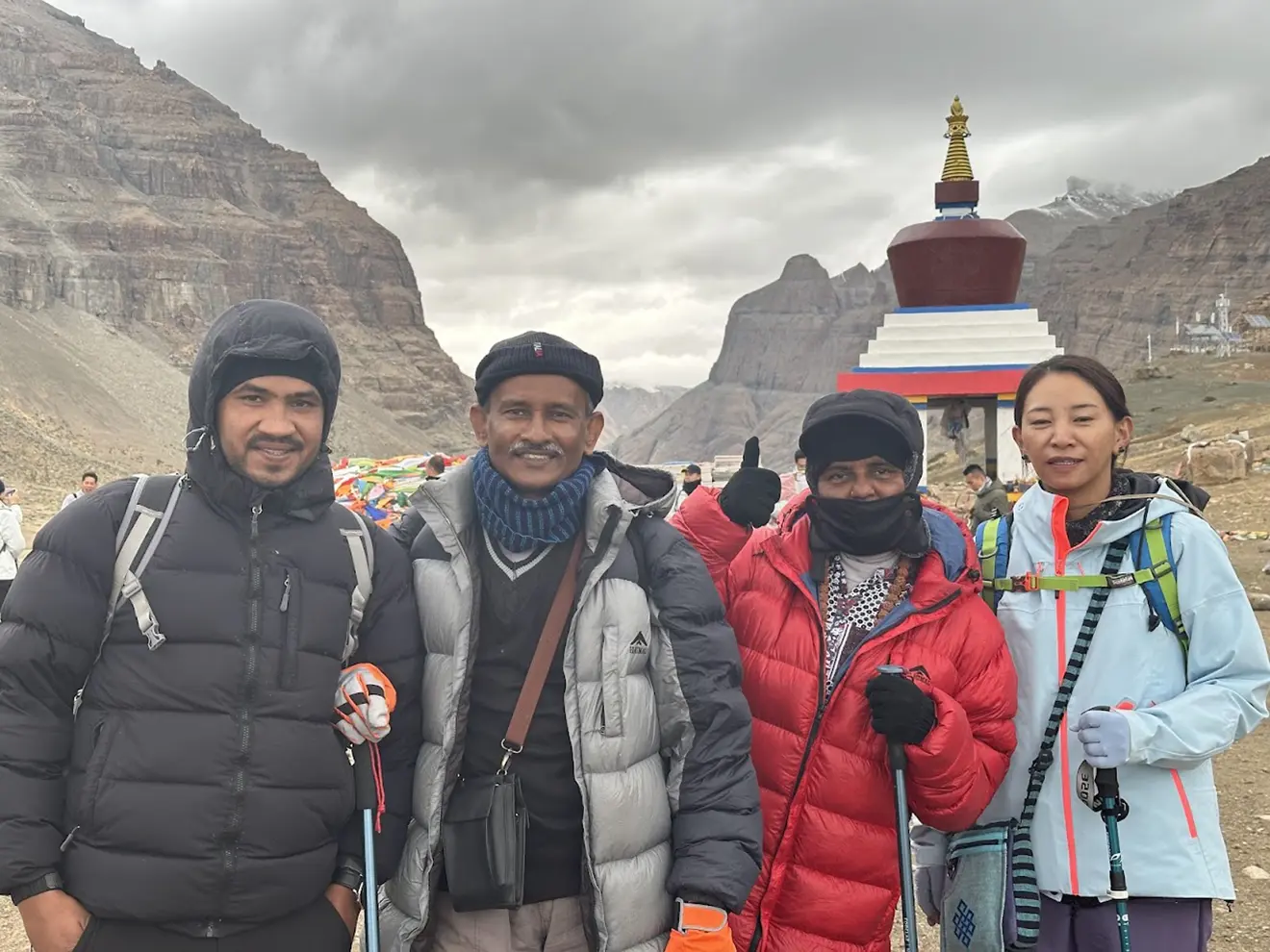
Traveling to Mount Kailash involves long drives before you reach the mountain. You spend many hours in vehicles crossing the high plateau. These driving days are as important as the walking days. Your clothing needs to be comfortable for sitting while remaining warm enough for rest stops.
Keep a “travel layer” easily accessible. A light down vest or a fleece works well for when you step out of the vehicle at high passes. The temperature outside the car can be 15 degrees colder than inside. Frequent temperature changes can stress your immune system. Use your layers to maintain a steady body temperature throughout the transit.
| Location | Activity | Gear Focus |
|---|---|---|
| Kathmandu | Preparation | Final gear checks / Last buys |
| Saga / Kerung | Transit | Comfortable layers / Hydration |
| Darchen | Base Camp | Sorting Kora bags / Rest |
| Dirapuk | High Trek | Maximum insulation / Warm sleep |
Darchen serves as the hub for your Kora. Most operators allow you to leave a bag of “civilization clothes” at the hotel. Only take what you need for the three days of walking. Every extra pound in your bag feels much heavier at the 18,000-foot pass. Strip your gear down to the absolute essentials.
High Altitude Skin and Eye Care
Snow and light-colored rocks reflect sunlight back into the atmosphere. This means you can get sunburned under your chin or inside your nose. High-altitude sun protection requires total coverage. Use a wide-brimmed hat to shade your face and neck. Apply sunscreen to every exposed inch of skin. Snow blindness is a real risk if you cross the pass after a recent snowfall. The intense light can cause temporary blindness and severe eye pain. Your sunglasses should be “Category 4” if possible, which blocks the most light. If you wear prescription glasses, consider getting a pair of wrap-around sunglasses that fit over them.
| UV Protection | Level Required | Note |
|---|---|---|
| Sunscreen | SPF 50+ | Water-resistant is best |
| Sunglasses | Category 3 or 4 | Must have side protection |
| Lip Balm | SPF 30+ | Reapply every hour |
| Buff / Scarf | Full coverage | Blocks dust and sun |
The air in Tibet is so dry that it sucks moisture out of your skin. Moisturize your hands and face every night before bed. Cracks in the skin can become infected easily in remote areas. Keeping your skin healthy is a practical step for staying on the trail.
Accommodation Logistics
Sleeping at Dirapuk and Zutulpuk monasteries is a rugged experience. The rooms are usually small and hold four to six people. Beds are simple wooden frames with thin mattresses. A high-quality sleeping bag provides the warmth that the room lacks. The stone walls of the monasteries hold the cold from the night. Even if the sun is shining outside, the interior remains freezing. Wear your base layers and a warm hat to bed. Using a sleeping bag liner keeps your bag clean and adds about five degrees of warmth. If you feel very cold, fill your water bottle with hot water and place it at the bottom of your sleeping bag.
| Guesthouse Feature | Reality | Gear Solution |
|---|---|---|
| Heating | None | -10 °C Sleeping bag |
| Electricity | Limited / Solar | Power bank and Headlamp |
| Privacy | Shared rooms | Earplugs and an eye mask |
| Water | Outside pump | Wipes and sanitizer |
Expect power to be available only for a few hours in the evening. Charge your phone and power bank as soon as the lights come on. A headlamp allows you to see inside your bag and find the bathroom in the middle of the night. Keep your headlamp around your neck so you do not lose it in the dark.
Water Safety and Hydration
Water at Mount Kailash comes from local streams or melted snow. While it looks clear, it can contain bacteria or parasites from grazing yaks. Do not drink raw water. Boiling is the most effective method of purification, but it takes longer at high altitudes because water boils at a lower temperature (about 80 degrees Celsius). Chemical treatments like chlorine dioxide tablets or UV light pens are fast and reliable. Filter pumps also work well, but can be heavy. Carry at least 2 liters. Drink 1 liter before you start walking, and keep 1 liter in your daypack. Staying ahead of thirst is the best way to avoid altitude-related headaches.
| Water Method | Pro | Con |
|---|---|---|
| Boiling | Safest | Time-consuming / Fuel needed |
| Tablets | Light / Easy | Chemical taste |
| UV Pen | Very fast | Needs batteries |
| Filter | Removes grit | Can freeze / Heavy |
Insulated water bottles prevent your water from freezing during the early morning hours. They also allow you to carry hot tea or soup, which provides warmth and comfort. Sip small amounts frequently rather than drinking a large amount at once. This helps your kidneys process the water more effectively at high altitudes.
Electronics and Cold Management
Batteries rely on chemical reactions that slow down in the cold. A phone that has 50% battery at room temperature might die instantly at -10 degrees. Your Mount Kailash Packing List should include ways to keep your electronics warm. Keep your phone in an internal pocket against your chest. Your body heat keeps the battery active. If you use a camera, take the battery out when you are not shooting. Sleep with your batteries and phone inside your sleeping bag. This prevents them from losing their charge overnight. Power banks also suffer from the cold, so keep them wrapped in a wool sock or deep in your pack.
| Electronic Care | Action | Why? |
|---|---|---|
| Phone Storage | Chest pocket | Body heat preservation |
| Night Storage | Inside the sleeping bag | Prevents discharge |
| Memory Cards | Extra storage | Cold can corrupt files |
| Cables | High quality | Plastic can crack in cold weather |
Solar chargers are popular but can be unreliable due to wind and movement. A high-capacity power bank is a more dependable choice for a three-day trek. Ensure you have all the necessary cables and that they are reinforced. Plastic coatings on cheap cables can become brittle and crack in the extreme cold of the Tibetan plateau.
Mental Preparation and Minimalist Philosophy
Packing light is a mental challenge. Many people want to bring “just in case” items that they never use. On Mount Kailash, every pound counts. Extra weight makes you breathe harder and move more slowly. Moving more slowly means spending more time in the cold and wind. Adopt a minimalist mindset. If an item does not serve a critical survival or hygiene function, leave it behind. You do not need multiple changes of outer clothes. You do not need large books or heavy electronics. Focus on the essentials that keep you warm, dry, and fed. A light pack leads to a clear mind and a more enjoyable pilgrimage.
| Essential Category | Keep | Leave |
|---|---|---|
| Clothing | Functional layers | Fashion items / Jeans |
| Hygiene | Wipes / Sanitizer | Large bottles / Hair dryers |
| Food | High-calorie snacks | Heavy cans / Glass jars |
| Tech | Power bank / Phone | Laptops / Large speakers |
Trust the process and your guides. They know the environment and carry emergency supplies. Your job is to manage your personal comfort and energy. By following the Mount Kailash Packing List, you give yourself the best chance to complete the circuit with health and focus.
Final Thoughts on Tibet Tour Readiness
A trip to Mount Kailash is a significant life event. The physical challenge of the Dolma La Pass stays with you forever. Proper gear ensures that these memories are about the mountain and the experience, not about cold feet or a heavy bag. Prepare your Mount Kailash pilgrimage packing list months in advance. Buy your boots early and walk in them.
Test your layers in cold weather at home. Understand how each piece of gear fits into the system. When you stand at the base of the sacred peak, you will feel ready. The wind will blow, the air will be thin, but your gear will keep you protected. This preparation allows you to breathe in the mountain’s spiritual energy with a calm heart.
Detailed Gear Maintenance and Care
Take care of your gear during the trip to ensure it lasts until the end. Dust is the enemy of zippers and electronics. The Tibetan plateau is a very dusty place. Use a small brush or a damp cloth to clean the zippers on your jacket and pack every evening. A stuck zipper can be a disaster when the wind picks up. Dry your boots whenever you have the chance.
If your boots get damp from sweat or snow, pull out the insoles and let them air out. Do not put them too close to a fire or heater, as extreme heat can damage the leather and the glue. Stuff them with dry newspaper or paper towels if you have them. Dry boots are warm boots.
| Gear Care | Task | Frequency |
|---|---|---|
| Zippers | Clean with a cloth | Daily |
| Boots | Air out / Dry | Every evening |
| Sunglasses | Clean with a microfiber | Every morning |
| Sleeping Bag | Shake out the loft | Every night |
Keep your down jacket in a dry bag when it is in your pack. Down loses all its insulation value if it gets wet. Even a small amount of rain or spilled water can ruin the warmth of a down coat for the rest of the day. Shake your sleeping bag vigorously when you take it out of the stuff sack. This helps the down loft up and trap more air, keeping you warmer on a colder night.
Dealing with Hygiene in Shared Spaces
Guesthouses are crowded and poorly ventilated. This increases the risk of spreading colds or stomach bugs. Use your hand sanitizer religiously. Apply it after touching any common surfaces like door handles or tables. Avoid touching your face or eyes with unwashed hands. Keep your personal items organized in your bag. Use small mesh bags or packing cubes to separate your clean clothes from your dirty ones. This prevents cross-contamination and makes it easier to find things in the dark. A small bottle of biodegradable soap allows you to wash your hands or face without harming the local environment.
| Hygiene Practice | Benefit | Requirement |
|---|---|---|
| Hand Sanitizing | Prevents illness | 60%+ Alcohol gel |
| Packing Cubes | Organization | Lightweight mesh |
| Paper Soap | Portability | Dry hands to use |
| Wet Wipe Bath | Cleanliness | Large, unscented wipes |
Dispose of your waste responsibly. Use the trash bins provided in the guesthouses. If you are on the trail, carry a small trash bag for your wrappers and used tissues. The “Leave No Trace” principle is especially important at sacred sites like Mount Kailash. Keeping the mountain clean shows respect for the local culture and the pilgrims who follow you.
The Science of Cold Weather Sleep
Your body temperature drops naturally when you sleep. At high altitude, this drop can be more significant. To stay warm, eat a high-calorie snack shortly before bed. The process of digestion creates internal heat. Drink a warm beverage, such as herbal tea, but do not drink too much, or you will have to leave your warm sleeping bag for the bathroom.
Wear a clean, dry set of base layers to sleep. Do not sleep in the clothes you wore during the day. Daytime clothes retain moisture from sweat, which can make you feel colder while you sleep. A warm hat is essential for sleeping because your head is the only part of your body outside the sleeping bag.
| Sleep Strategy | Action | Result |
|---|---|---|
| Pre-sleep Snack | Eat a protein bar | Increases metabolism |
| Dry Clothes | Change thermals | Removes moisture |
| Hat for Bed | Wear a beanie | Stops heat loss |
| Hot Water Bottle | Fill the bottle with tea | Heats the footbox |
If you still feel cold, put your down jacket over your sleeping bag. Do not put it inside the bag, as this can compress the down and reduce its insulation. Focus on keeping your feet and core warm. If your feet are warm, the rest of your body will likely stay comfortable throughout the night.
Navigating the Dolma La Pass Descent
The descent from the pass is the most physically taxing part of the trek. You drop about 600 meters in a very short distance. The path is covered in loose rock and gravel. This is where your trekking poles become lifesavers. They act as two extra legs, providing balance and taking the weight off your knees.
Shorten your poles for the descent. Place them firmly before taking a step. Keep your knees slightly bent to absorb the impact. If you feel your feet sliding, lean slightly forward rather than backward. Leaning back increases the chance of your feet slipping out from under you. Take your time and focus on every step.
| Descent Technique | Focus | Tool |
|---|---|---|
| Knee Health | Impact reduction | Trekking poles |
| Balance | Center of gravity | Bent knees |
| Traction | Surface contact | Deep boot lugs |
| Pace | Slow and steady | Patience |
Stop for frequent breaks during the descent. The lower altitude will make you feel more energetic, but your muscles will still be tired from the climb. Drinking water and eating a small snack at the bottom of the steep section helps you finish the day’s walk to Zutulpuk. Proper footwear and careful movement prevent the most common injuries on the Kailash circuit.
Final Review of the Mount Kailash Packing List
Your Mount Kailash Packing List is a living document. Adjust it based on your personal needs and your tour operator’s specific advice. Focus on the quality of your gear rather than the quantity. A few well-chosen items are worth more than a suitcase full of mediocre gear. Pack your bags a week before you leave. This gives you time to realize if you are missing anything important. Check the fit of your layers together. Ensure your daypack fits comfortably over your down jacket and shell. When everything works together as a system, you can handle any weather Tibet throws at you.
| Final Check | Status | Action |
|---|---|---|
| Boots Broken In? | [ ] | Walk 10km today |
| Layers Fit? | [ ] | Try all on at once |
| Power Bank Full? | [ ] | Charge and test |
| Documents Ready? | [ ] | Check expiry dates |
Preparation is the key to a successful pilgrimage. By following this detailed guide, you are taking the first steps toward a safe and meaningful trek around Mount Kailash. The mountain awaits, and now you have the tools to meet its challenges with confidence.
Logistics of the Kora Route
The Kora route covers roughly 52 kilometers. Day one takes you from Darchen to Dirapuk. This section is a gradual ascent through the Lha Chu Valley. The path is relatively easy, but the increasing altitude makes breathing noticeable. Most people take 6 to 7 hours to cover this 20-kilometer stretch. Day two is the hardest. You climb from 5,080 meters at Dirapuk to 5,643 meters at Dolma La Pass. This is a steep, rocky ascent. After the pass, you descend sharply to Zutulpuk at 4,790 meters. This 22-kilometer day can take up to twelve hours. Day three is a gentle 10-kilometer walk back to Darchen, usually taking three to four hours.
| Day | Distance | Difficulty | Highlights |
|---|---|---|---|
| 1 | 20 km | Moderate | Views of the North Face |
| 2 | 22 km | Very High | Dolma La Pass / Gauri Kund |
| 3 | 10 km | Low | River walk / Finish |
Your daypack should be at its lightest on day two. Only carry what you need for survival and energy. If you find the walk too difficult, horses and porters can be hired in Darchen. However, they cannot carry you over the steepest parts of the pass. Relying on your own fitness and the right gear from your Mount Kailash Packing List is the most reliable way to complete the circuit.
Cultural Etiquette and Photography
The Tibet tour is a cultural experience as much as a physical one. Mount Kailash is a living temple. Show respect by walking the circuit in a clockwise direction (unless you are a Bon follower). Do not step over people’s belongings or sit on religious monuments. Ask for permission before taking photos of people or the interiors of monasteries.
Photography at high altitude requires patience. The bright light can trick your camera’s light meter, making photos look too dark. Use an exposure compensation of +0.5 or +1.0 to keep the landscapes looking bright. Avoid using a flash inside monasteries, as it can damage ancient paintings and disturb people in prayer.
| Cultural Rule | Action | Why? |
|---|---|---|
| Direction | Walk clockwise | Respect local tradition |
| Holy Sites | Do not touch | Preserve artifacts |
| People | Ask before the photo | Basic human respect |
| Monasteries | Remove hats | Show of humility |
Respect the prayer flags. These flags represent prayers sent into the wind. Do not walk over them or remove them. If you bring your own flags, ask your guide where to hang them. Showing respect for the local culture enhances your spiritual experience and builds positive relationships with the people of Tibet.
Managing Waste and Environment
Tibet is a fragile ecosystem. The high-altitude environment takes a long time to recover from damage. Do not leave any trash behind. If you see trash on the trail, pick it up and carry it to the next guesthouse. This small act of service is a way to give back to the mountain. Avoid using single-use plastic bottles. The accumulation of plastic in remote areas is a major problem. Use your refillable bottles and purification tablets. If you use wet wipes, ensure they are biodegradable or carry them out with you. Your Mount Kailash pilgrimage packing list should focus on minimizing your environmental footprint.
| Environmental Action | Strategy | Impact |
|---|---|---|
| Plastic | Refillable bottles | Reduces landfill waste |
| Trash | Carry out all waste | Preserves holy sites |
| Water | Use tablets/UV | No plastic bottle buy |
| Path | Stay on trails | Prevents soil erosion |
By traveling responsibly, you help ensure that Mount Kailash remains a pristine and sacred place for future generations. Your preparation and gear choices play a direct role in this conservation effort. Pack smart, pack light, and leave only footprints on the holy path.
Final Equipment Selection Tips
When choosing between two items, pick the lighter, more versatile one. A neck gaiter can be a hat, a scarf, or a face mask. A down jacket provides more warmth per unit of weight than a heavy wool coat. Multi-use gear is the secret to a professional-grade Kailash Mansarovar packing list. Invest in the best gear you can afford for the critical areas: boots, sleeping bag, and wind shell. You can save money on items like base layers or snacks, but do not compromise on the tools that keep you safe. High-quality gear lasts for years and provides peace of mind in extreme conditions.
| Priority | Item | Reason |
|---|---|---|
| 1 | Trekking Boots | Prevents injury / Blisters |
| 2 | Sleeping Bag | Ensures recovery / Warmth |
| 3 | Wind Shell | Stops hypothermia |
| 4 | Power Bank | Maintains communication |
Review your bag one last time. If you haven’t used an item during your training walks, you likely don’t need it in Tibet. Trust your preparation and the gear on your Mount Kailash Packing List. You are now ready for one of the most significant experiences a traveler can have. Stand tall, breathe deep, and take your first step toward the sacred mountain.