


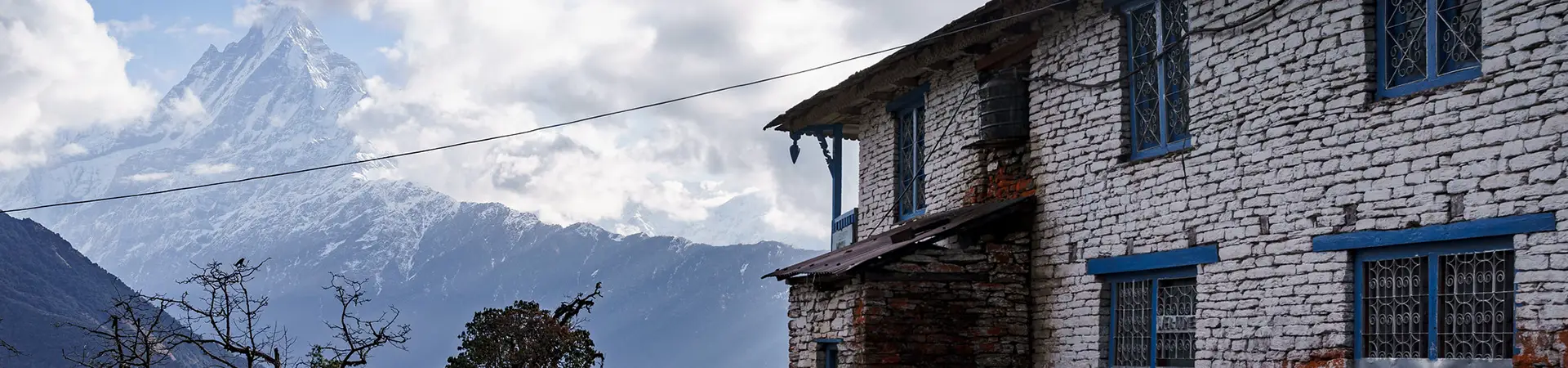

A 2-week Nepal itinerary offers enough time for culture, nature, and mountain experiences. Travelers see ancient heritage, mountain scenery, exotic wildlife, and short walks. First-time visitors enjoy a complete holiday without feeling rushed. Many people ask how to plan a proper trip. A 2-week Nepal trip plan depends entirely on the travel style. Some travelers seek wildlife in hot jungles. Others prefer a walking route through high hills. Spiritual seekers explore ancient temples and quiet monasteries.
Our guide answers common travel questions. Visitors find the best route options detailed below. We outline exact day-by-day plans. We compare road travel to domestic flights. Travelers learn about the best seasons. We share common mistakes to avoid. Readers discover the best Nepal itinerary for 2 weeks right here.
What Is the Best 2-Week Nepal Itinerary?
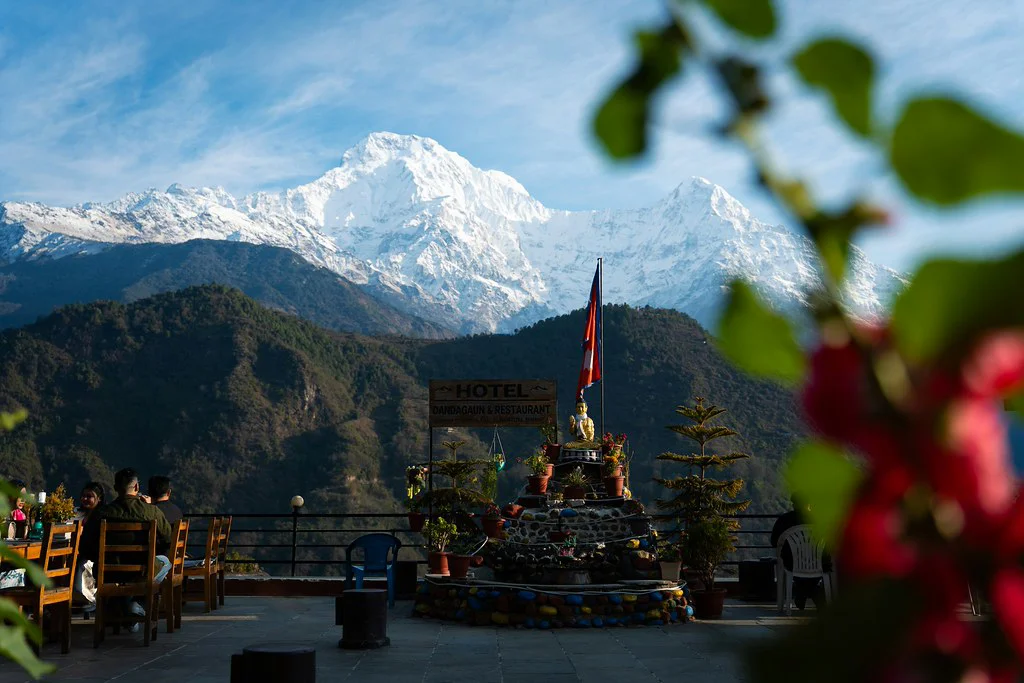
A full trip gives better pacing than shorter stays. Fourteen days give enough time for a rich travel experience. Most first-time travelers do best with an itinerary for Kathmandu, Pokhara, and Chitwan. They add either a short walking route or a visit to Lumbini.
Fourteen days creates a better pace than seven or ten days. Travelers enjoy spring and autumn for mixed travel. Winter also works very well for culture and wildlife. A 2-week Nepal itinerary prevents a rushed holiday. Visitors see multiple regions comfortably. They spend time in ancient brick cities. They watch wild animals in the thick jungle. They view high mountains near calm lakes. A 14-day Nepal travel itinerary offers true variety.
Why 2 Weeks Is One of the Best Trip Lengths for Nepal
Fourteen days works perfectly for international visitors. Travelers need time to recover after long flights. Long drives require proper rest days between major cities. A 14-day Nepal itinerary can accommodate multiple travel themes. Visitors mix heritage sightseeing with high mountain views. They add a wildlife safari easily. They enjoy enough time for a short walking add-on. They extend spiritual routes without feeling stressed.
Photographers need extra days for perfect weather windows. Families require slower mornings and easy transfers. A 2-week Nepal itinerary accommodates these specific needs well. A 2-week Nepal trip plan balances activity and rest. Travelers avoid a rushed holiday schedule. They experience local village life properly. They enjoy a full holiday without stretching into a very long absence from home.
Who is this 2-week Nepal itinerary best for?
First-Time Visitors: This Nepal itinerary covers all major highlights. New arrivals experience the country without the logistical burden. They see the classic Kathmandu, Pokhara, and Chitwan itinerary. The daily pacing feels comfortable and secure.
Couples: Couples enjoy slower scenic travel across the country. They spend romantic days in Pokhara. They stay in quiet hill resorts. A Nepal itinerary for couples offers a better pace. Beautiful mountain views create a perfect romantic backdrop.
Families: A Nepal itinerary for families provides flexible route choices. Families enjoy easy sightseeing in Kathmandu. They relax around the Pokhara lakes. They love the wildlife in Chitwan. The pacing keeps children happy and engaged throughout the trip.
Active Travelers: Choose a Nepal itinerary with a short trek. They walk through high mountain villages. They view high peaks from scenic ridges. A 14-day trip to Nepal offers plenty of outdoor action.
Photographers: Sunrise shots require extra time. A Nepal itinerary for photographers should allow for flexibility based on weather conditions. They capture key natural scenes without rushing. They photograph ancient temples, jungle animals, and snow peaks.
Travelers Who Want Culture and Nature Together: Some travelers seek a balanced holiday. A 14-day Nepal itinerary balances culture and nature. Visitors explore deep valleys and green jungles. They experience the best 2-week Nepal itinerary.
How to Choose the Right 2-Week Nepal Itinerary?
Travelers pick a route based on personal interests. A single Nepal trip plan for 2 weeks rarely fits everyone. Different visitors seek entirely different experiences.
Choose the Classic Route if You Want a First Nepal Trip: First-time visitors usually prefer the classic route. A Nepal itinerary for first-time visitors offers broad interest. The pacing stays very balanced. Travelers see cities, lakes, and jungles.
Choose a Trek-Focused Route if Mountains Matter Most: Active travelers prefer walking routes over city tours. A Nepal itinerary with short treks suits hikers perfectly. Couples and photographers enjoy the pure mountain scenery. They spend less time in crowded cities.
Choose a Culture and Spiritual Route if Trekking Lacks Appeal: Older travelers often skip strenuous walks. A travel journey without trekking suits them better. A Nepal itinerary with Lumbini attracts spiritual travelers. Relaxed travelers prefer comfortable hotels to basic mountain lodges.
Choose a Wildlife-Heavy Route if Safari Matters Most: Families love hot jungle regions. A Nepal itinerary that includes Chitwan offers excellent wildlife viewing. Wildlife lovers focus on national parks. Photographers capture rare rhinos and exotic birds.
Best Route Options for the Trip
Different routes serve different traveler needs. We compare route choices clearly in the table below.
Option 1 – Classic First-Time Nepal Route
The classic route runs from Kathmandu to Pokhara, then to Chitwan, and back to Kathmandu. It includes a short hill stay. The path works as the best Nepal itinerary for 2 weeks. It suits first-time travelers, families, and couples. The classic route offers the best overall balance. Travelers experience culture, scenery, and wildlife. The route logic feels very easy to understand. It lacks Lumbini and deep mountain walking.
Option 2 – Culture, Nature, and Spiritual Nepal Route
The route connects Kathmandu, Pokhara, Chitwan, and Lumbini, and ends in Kathmandu. A Nepal itinerary without trekking suits many visitors. It appeals strongly to culture lovers and mixed-age groups. The route offers a wide range of cultural experiences. It requires lower physical demand. The variety remains very strong. It involves more road travel and less mountain walking.
Option 3 – Active Nepal with a Short Trek
The route links Kathmandu, Pokhara, and an Annapurna walking route. A Nepal itinerary with a short trek attracts active travelers. Hikers and mountain photographers love this exact path. It delivers a stronger mountain experience. Travelers enjoy direct village contact. The walking route offers scenic views. It skips Chitwan and the lowland contrast entirely.
Option 4 – Kathmandu plus Langtang plus Pokhara
The route goes from Kathmandu to Langtang, back to Kathmandu, then to Pokhara. Repeat visitors enjoy this path. Mountain-focused travelers choose this distinct option. Langtang offers near-Kathmandu walking trails. The scenery looks very strong. Local culture remains fully intact. The route feels less broad than the classic route. It includes no jungle safari.
| Route Option | Main Destinations | Best For | Strengths | Weaknesses |
|---|---|---|---|---|
| Classic | Kathmandu, Pokhara, Chitwan | First-timers, Families | Best overall balance | Lacks deep mountain walking |
| Spiritual | Kathmandu, Pokhara, Lumbini | Culture lovers | Wide cultural range | More road travel is required |
| Active | Kathmandu, Pokhara, Annapurna | Hikers, Photographers | Strong mountain experience | Skips jungle wildlife |
| Langtang | Kathmandu, Langtang, Pokhara | Repeat visitors | Near the Kathmandu mountains | Lacks a wide national variety |
Best Nepal Itinerary for 2 Weeks for First-Time Visitors
Our main recommended route connects the top highlights. The classic route works perfectly for new arrivals. The sequence runs: Kathmandu, Pokhara, a short hill stay, Chitwan, Kathmandu. Kathmandu offers ancient heritage, unique temples, and a bustling city life. Pokhara offers views of the mountains and calm lake scenery. A short hill walk gives a real Himalayan feel. Chitwan gives exciting wildlife and a different climate zone.
We suggest a specific hotel split for visitors. Spend three nights in Kathmandu. Spend three nights in Pokhara. Spend three to four nights on a short walk or hill stay. Spend two nights in Chitwan. Spend one night in Kathmandu before departure. The hotel split reduces travel rush. It gives enough city time. It gives more than a one-night mountain feel. It leaves enough space for a proper safari. A Nepal itinerary for first-time visitors requires this balance. A 2-week Nepal itinerary relies on good pacing.
Day-by-Day Itinerary for 2 Weeks: The Classic Route
Our detailed plan ensures a smooth holiday. A Kathmandu, Pokhara, and Chitwan itinerary forms the core structure.
Day 1 – Arrival in Kathmandu
Travelers arrive at the international airport. A driver transfers them directly to the hotel. They complete hotel check-in procedures. The first day requires proper rest. An easy evening walk helps early orientation. Visitors explore nearby streets if time allows. They eat a simple local dinner. A 2-week Nepal trip plan starts gently.
Day 2 – Kathmandu Heritage Highlights
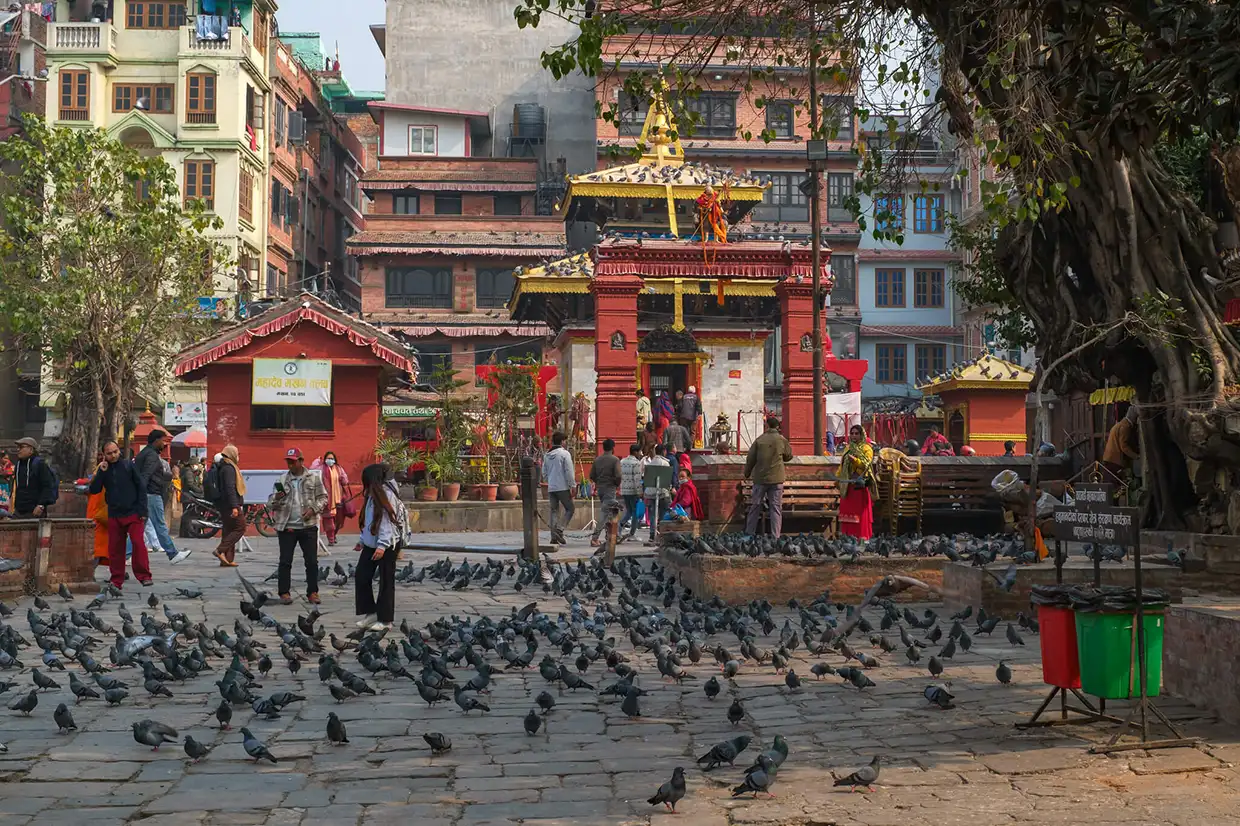
The city tour begins early. Travelers visit the Swayambhunath stupa first. They walk around the white dome. The site offers wide city views. Next, visitors explore Boudhanath. The large stupa dominates the square. Tibetan monks walk around the monument. Later, the tour reaches Pashupatinath. The Hindu temple complex sits beside a holy river. Finally, visitors walk through Kathmandu Durbar Square. Ancient palaces surround the brick courtyards. The day involves moderate walking.
Day 3 – Deeper Kathmandu Valley
The third day deepens the cultural experience. Travelers drive to Bhaktapur. The medieval city restricts vehicle traffic. The streets feel quiet and historic. Visitors admire carved wooden windows. They taste local foods in small cafes. They explore Patan if they skipped Durbar Square earlier. The slower cultural pace feels rewarding. An extra day in Kathmandu Valley makes the trip richer. A 14-day Nepal travel itinerary allows this deeper exploration. Shorter trips often rush through the valley.
Day 4 – Travel to Pokhara
Travelers choose between a road transfer and a flight. A flight takes thirty minutes. A road transfer takes seven to eight hours. Both options lead to Pokhara. Visitors check into a hotel near the lake. The environment feels calm. They enjoy evening relaxation by the water. They watch the sunset over the hills.
Day 5 – Pokhara Highlights
The day starts before dawn. Travelers drive to Sarangkot for sunrise. The sun paints the snow peaks orange. The view covers the entire Annapurna range. Later, visitors enjoy boating on Phewa Lake. They row toward a small island temple. In the afternoon, they walk to the Peace Pagoda. The white stupa offers valley views. Local cafes provide easy rest stops.
Day 6 – Pokhara Adventure or Scenic Free Day
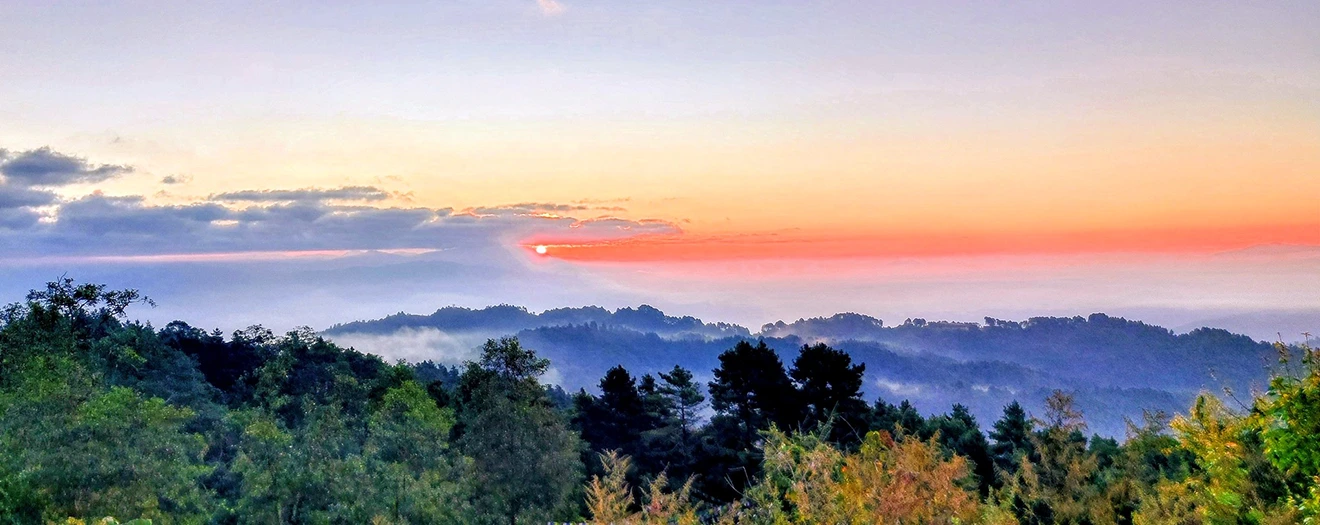
A 14-day trip in Nepal allows a free day here. Travelers choose their own activities. Many visitors try tandem paragliding. They float high above the lake. Others prefer a viewpoint walk. They visit nearby waterfalls or dark caves. Photographers enjoy dedicated photography time. They capture reflections of the mountains in the lake water. Extra Pokhara time remains vital.
Day 7 – Move to Trek Start or Scenic Hill Village
Travelers leave the city behind. They travel to a walking entry point. The drive takes one to two hours. A Nepal itinerary with a short trek begins here. Visitors enjoy a short walk or a scenic stay in the village. They complete route preparation. They pack small bags for the mountain lodge. The air feels cooler.
Day 8 – Short Trek Day 1
The walking trail climbs through green forests. The path consists of stone steps. Travelers view small farming villages. The walking pace stays slow and steady. Mountain scenery appears between the trees. Visitors interact with local families. They reach local accommodation by afternoon. The lodges offer basic rooms and hot meals.
Day 9 – Short Trek Day 2
The second walking day brings better views. Travelers reach a high point or a ridge. The snow peaks look very close. A 2-week Nepal trip plan shines here. Hikers experience direct cultural contact. They pass small schools and farms. The walking rhythm feels natural. Photographers capture amazing landscape images.
Day 10 – Trek Return or Descent Day
The descent day involves walking down the hills. The return walk takes several hours. Travelers meet their vehicle at the road’s end. A road transfer brings them back toward Pokhara. They rest in a comfortable hotel. A hot shower feels wonderful. A 2-week Nepal itinerary provides time for proper recovery.
Day 11 – Travel to Chitwan
The journey continues southward. Travelers take a road transfer to the jungle region. The drive takes about five hours. A Nepal itinerary with Chitwan adds great variety. Visitors complete lodge check-in procedures. The climate feels warm and tropical. They enjoy a free evening. They watch a Tharu cultural program after dinner.
Day 12 – Chitwan Safari Day
A jeep safari highlights the jungle experience. Travelers look for rhinos and deer. A canoe ride down the river offers peaceful animal viewing. Visitors spot crocodiles on the riverbanks. Birdwatching enthusiasts find many rare species. The jungle environment contrasts sharply with the mountains. The day feels busy but rewarding.
Day 13 – Return to Kathmandu
Travelers leave the jungle behind. They return to the capital by road or flight. A flight takes twenty minutes. A road trip takes six hours. The afternoon allows final shopping in Thamel. Visitors buy souvenirs and tea. They rest in their hotel. They enjoy a farewell dinner in a fine restaurant.
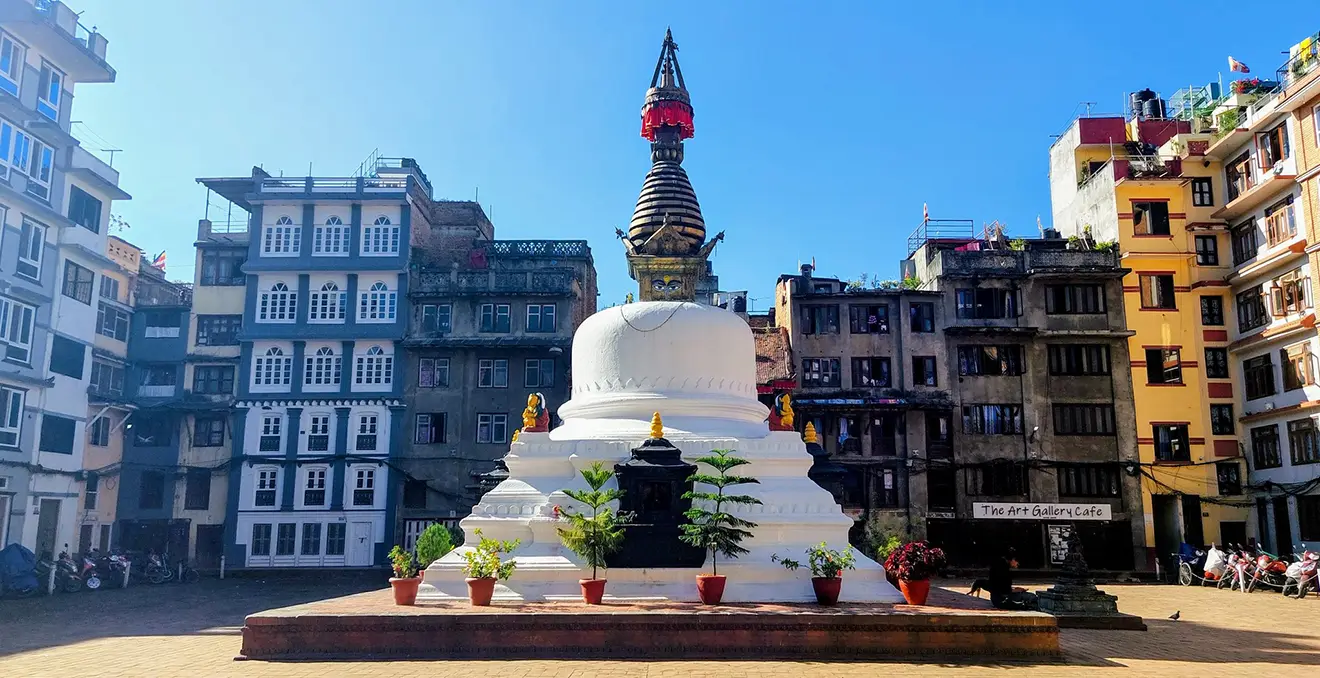
Day 14 – Departure
The 14-day trip in Nepal ends today. A driver provides an airport transfer. Travelers enjoy optional free time depending on their flight schedule. They leave with wonderful memories.
Alternative 2-Week Nepal Itinerary Without Trekking
Many visitors avoid mountain walking. A Nepal itinerary without trekking serves a large audience. The route sequence runs: Kathmandu, Pokhara, Chitwan, Lumbini, and Kathmandu. This route suits older travelers and relaxed vacationers. It works perfectly for non-trekkers. The physical demand stays low. A Nepal itinerary with Lumbini adds deep spiritual value. Travelers skip the mountain trails. They gain more time for ancient sites and wildlife. The route still provides a great variety. It replaces high altitudes with cultural depth.
Detailed Breakdown for the Lumbini Route
We outline the spiritual and cultural path here. The 14-day Nepal travel itinerary offers deep historical insight.
Days 1 to 4: The trip matches the classic route. Travelers explore Kathmandu, Swayambhunath, and Bhaktapur. They add a quiet stay in Nagarkot. They watch the sunrise over the eastern Himalayas.
Days 5 to 7: Visitors travel to Pokhara. They enjoy Phewa Lake and Sarangkot. They skip the mountain walking entirely. They focus on relaxation and local food.
Day 8 to 10: The journey moves to Lumbini. A long road transfer takes seven hours. Travelers visit the Maya Devi Temple. They explore international monasteries scattered across the sacred garden. The birthplace of Buddha provides immense peace.
Days 11 to 14: The route continues to Chitwan National Park. Visitors complete a two-night jungle safari. They return to Kathmandu on the final full day. A Nepal itinerary with Lumbini creates a highly balanced holiday.
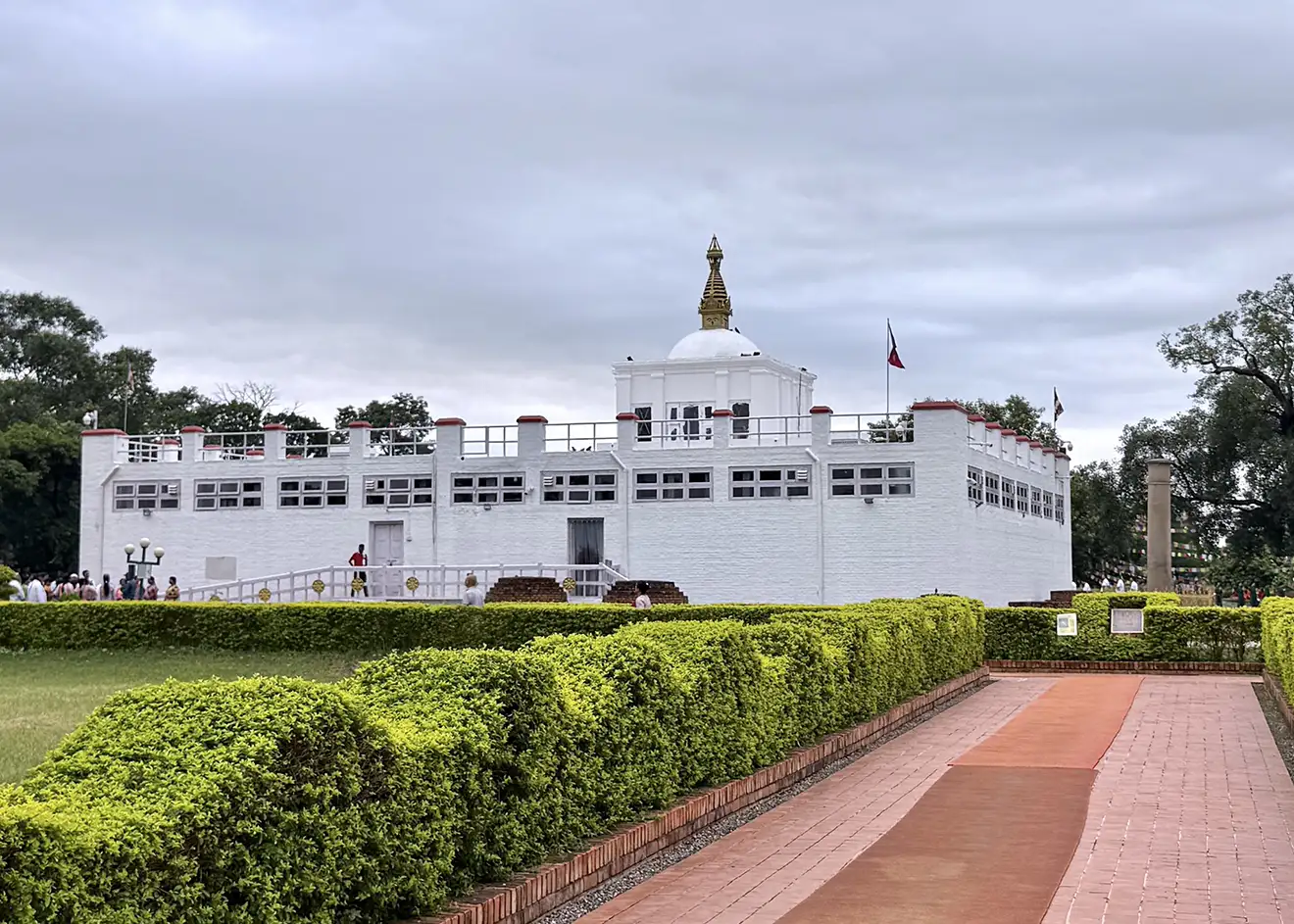
Alternative 2-Week Nepal Itinerary for Active Travelers
Some visitors want more mountain action. The active route runs: Kathmandu, Pokhara, a short Annapurna walk, and Pokhara, ending in Kathmandu. A Nepal itinerary with a short trek fits perfectly. This route suits hikers and energetic travelers. The trip feels more mountain-focused. It skips the jungle completely. The walking days increase. The route works very well in spring and autumn. Photographers and couples love the mountain views. The best 2-week Nepal itinerary adapts easily to changing needs.
Detailed Breakdown for the Langtang Alternative
The Langtang Valley provides a fantastic alternative. The route sits closer to Kathmandu. It offers incredible alpine views.
Days 1-2: Travelers arrive in Kathmandu. They complete heritage sightseeing around the capital. They prepare trekking permits.
Days 3 to 5: A driver takes them to Syabrubesi. The road journey takes seven hours. The walking begins the next morning. Hikers walk through thick pine forests toward Lama Hotel. They reach Langtang Village on the fifth day.
Day 6 to 9: The trail climbs to Kyanjin Gompa. Travelers explore the high alpine valley. They hike up Kyanjin Ri for sunrise. The snow peaks surround the entire valley. They walk back down to Syabrubesi over two days.
Days 10 to 14: A road transfer brings them back to Kathmandu. They take a short flight to Pokhara. They spend three days recovering by the lake. The 2-week Nepal trip plan ends with a flight back to Kathmandu.
Best Time for a Nepal Itinerary for 2 Weeks
Seasonal choices affect the entire holiday experience. Travelers plan according to weather patterns. A 14-day Nepal itinerary requires careful weather planning.
Autumn: The best all-around season. The months of October and November provide clear skies. Mountain visibility remains very strong. The weather works perfectly for mixed routes.
Spring: Spring brings warmer weather. The hills turn pink with rhododendron flowers. March and April provide good conditions for walking and sightseeing. Spring acts as a strong season for Pokhara routes.
Winter: Winter brings cold mountain temperatures. December and January work well for Kathmandu, Pokhara, Chitwan, and Lumbini. A Nepal itinerary without trekking excels in winter. Travelers find fewer crowds. The skies stay clear. High mountain passes block travel, but low elevation routes shine.
Monsoon: The monsoon arrives in summer. Heavy rain makes the countryside very green. Road delays happen frequently. Mountain visibility stays weak.
Culture-heavy itineraries handle the rain better than walking routes. A 2-week Nepal itinerary requires flexible planning during these wet months.
| Season | Months | Best For | Weather Conditions |
|---|---|---|---|
| Autumn | Oct – Nov | All routes, Trekking | Clear skies, excellent visibility |
| Spring | Mar – May | Pokhara, Hill Treks | Warm, blooming rhododendrons |
| Winter | Dec – Feb | Lowland Safari, Culture | Cold mountains, clear lowland skies |
| Monsoon | Jun – Sep | Culture-heavy routes | Rain, green valleys, road delays |
Road Travel vs Flight
Travelers choose between driving and flying between cities. A 14-day Nepal travel itinerary involves significant domestic travel. Both methods have distinct advantages.
Choose Road Travel If
Travelers choose road travel for lower costs. They enjoy overland scenery. They like watching rural life pass by the windows. They tolerate longer transfer days comfortably. A Kathmandu, Pokhara, and Chitwan itinerary relies heavily on tourist buses. VIP sofa buses offer great comfort. The Prithvi Highway provides beautiful river views.
Choose Flights If
Travelers choose flights when comfort matters more. They want extra sightseeing time. They want to reduce travel fatigue. Quick flights save entire days of transit. A flight from Kathmandu to Pokhara takes thirty minutes. The plane offers incredible mountain views. Passengers sit on the right side for the best photographs.
Best Mixed Strategy
A mixed strategy balances time and money. Travelers fly from Kathmandu to Pokhara. They drive from Pokhara to Chitwan. They fly or drive back to Kathmandu. A 2-week Nepal trip plan uses this mix effectively.
What 2 Weeks in Nepal Allow You to Do Better?
Fourteen days serves as a premium trip length. A 2-week Nepal itinerary delivers deeper experiences. Travelers undertake a deeper exploration of the Kathmandu Valley. They gain extra time in Pokhara for relaxation. They complete a proper short walking route. They experience a better Chitwan safari. Photographers secure more photo time. Visitors enjoy slower mornings. They build a stronger local experience. A 14-day Nepal travel itinerary prevents travel burnout.
What This 2-Week Nepal Itinerary Does Not Cover?
Honest planning sets realistic expectations. A fourteen-day trip has limits. A 2-week Nepal itinerary omits several famous regions. The plan skips the Everest Base Camp Trek. It skips the Annapurna Base Camp Hike. It ignores Upper Mustang. It leaves out the very remote western part of Nepal. Travelers lack time for multiple major walking regions. The route focuses on variety rather than extreme distance.
Best 2-Week Nepal Itinerary by Traveler Type
Customization makes the holiday successful. We match routes to visitor profiles. A 14-day Nepal itinerary can be tailored to specific desires.
For First-Time Visitors: A Nepal itinerary for first-time visitors relies on the classic route. They visit Kathmandu, Pokhara, and Chitwan. The pacing keeps them energetic.
For Couples: A Nepal itinerary for couples adds more time in Pokhara. They select scenic stays in luxury lodges. They watch sunrises from comfortable hotel balconies.
For Families: A Nepal itinerary for families uses the classic cities. They add an optional Lumbini visit. The pacing stays very gentle.
For Photographers: A Nepal itinerary for photographers adds more days with mountain views. They chase the best light in rural villages. They photograph Rara Lake or Begnas Lake.
For Non-Trekkers: A Nepal itinerary without trekking focuses on culture, nature, and the Lumbini route. They avoid steep mountain trails completely. They focus on ancient history.
For Active Travelers: Active travelers use Kathmandu and Pokhara, with a short mountain walk. A Nepal itinerary with a short trek satisfies their energy levels. They explore the Annapurna foothills deeply.
Best Short Trek Add-Ons for a 2-Week Nepal Trip
A Kathmandu, Pokhara, and Chitwan itinerary accommodates small walking extensions easily. Several routes work perfectly for brief adventures.
Ghandruk Village Walk: The Ghandruk route takes three days. It suits active families and couples. The walking level feels moderate. It fits best in spring and autumn. The village shows traditional Gurung stone houses.
Dhampus and Australian Camp: The Dhampus route takes two days. It suits beginners perfectly. The path provides easy walking. The Australian Camp route requires three days. It attracts photographers and couples. The walking level remains easy. Visitors see great mountain sunrises.
Astam Eco Village: The Astam Village Walk takes 2 days. Travelers walk slowly through chestnut forests. They stay in sustainable lodges. They eat fresh organic food. A Nepal itinerary for couples values this quiet retreat.
Poon Hill Entry Route: The Poon Hill entry route demands four days. It suits fit travelers. The walking involves many stone steps. It gives incredible mountain panoramas. Hikers wake early for the famous sunrise. Short hill stays near Pokhara offer great alternatives. Short walks near the Kathmandu Valley are suitable for visitors with limited mobility. Each option enhances the best 2-week Nepal itinerary.
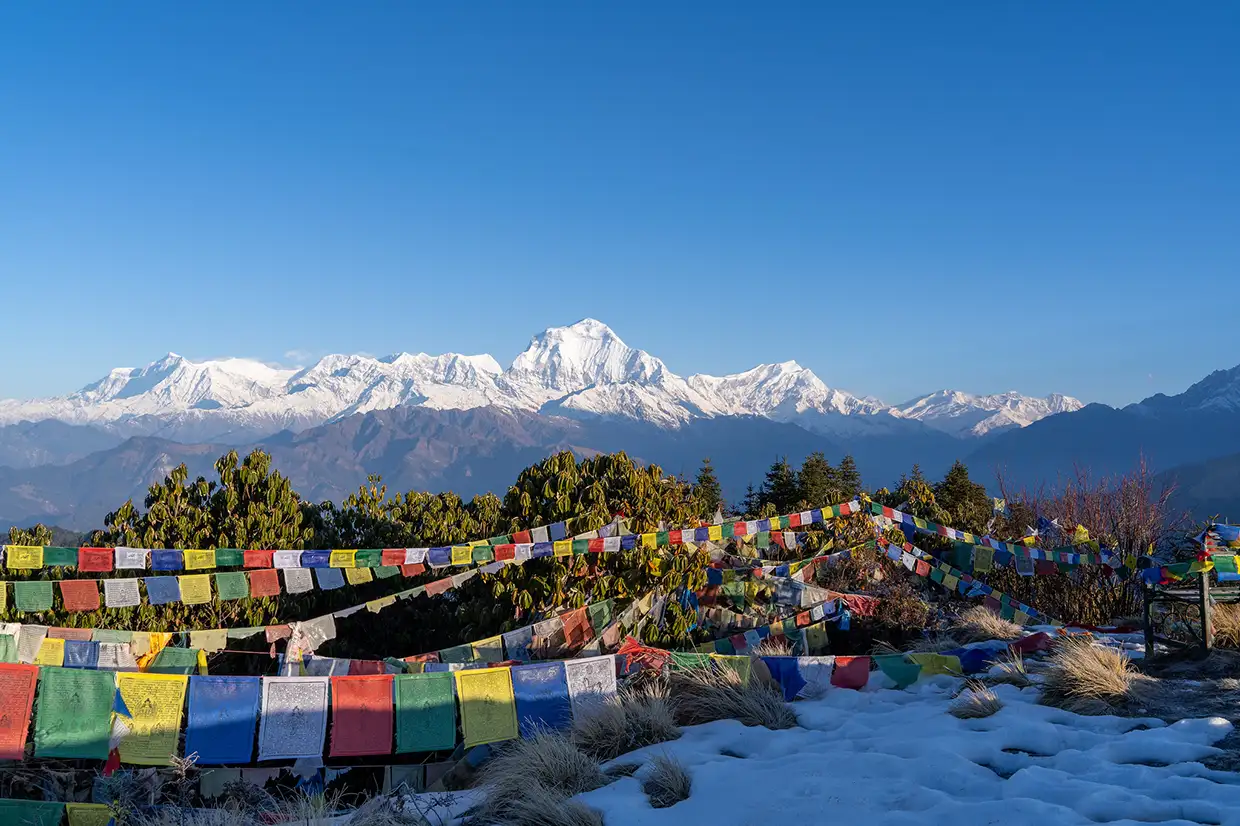
| Trek Name | Duration | Difficulty | Best For | Highlights |
|---|---|---|---|---|
| Ghandruk | 3 Days | Moderate | Families, Culture | Gurung villages, Mountain views |
| Dhampus | 2 Days | Easy | Beginners | Terraced farms, Close peaks |
| Astam Eco Village | 2 Days | Easy | Eco-tourists | Organic food, Sustainable living |
| Poon Hill | 4 Days | Moderate/Hard | Active Hikers | Famous sunrise, Forest trails |
Where to Stay During a 2-Week Nepal Trip
Location choices greatly impact the daily experience. We highlight the best accommodation areas. A 14-day Nepal itinerary requires comfortable rest stops.
Kathmandu: Travelers choose Thamel for convenience. They select Patan for quiet cultural access. They pick Lazimpat for luxury hotels. These areas provide great food and shopping.
Pokhara: The Lakeside area serves as the best hub. Hotels near the water offer peaceful environments. Cafes and shops sit within easy walking distance. Luxury options exist slightly outside the main town.
Trek Section: Mountain walkers stay in simple but scenic lodges. Village-based stays provide a direct cultural connection. These locations offer easy access to mountain viewpoints.
Chitwan: Visitors stay in the safari lodge zone near the park. Sauraha provides a lively atmosphere. Luxury lodges sit closer to the river. A Nepal itinerary with Chitwan requires careful hotel selection.
Lumbini, if added: Spiritual visitors stay near the monastic zone. Hotels near the sacred garden area offer peaceful mornings. A Nepal itinerary with Lumbini benefits from close proximity to the temples.
Common Mistakes to Avoid in a 2-Week Nepal Itinerary
Smart planning prevents holiday stress. Travelers face common pitfalls. A 2-week Nepal trip plan requires careful thought.
- Many visitors try to include too many regions. They force both a big mountain walk and too many lowland stops. They fail to understand local road times. Maps look deceiving.
- Travelers skip a buffer day before their departure flight. They use the same route in every season. They pack the trip too tightly. They forget to leave enough rest after long transfer days.
- Visitors often overpack trekking gear. They carry heavy items that they never use. They ignore altitude sickness signs. Avoiding these errors guarantees a successful 14 days in Nepal.
Travel Tips for a 2-Week Nepal Trip
Practical advice improves the daily experience. A 14-day Nepal travel itinerary runs more smoothly with preparation.
- Pack clothing in layers. Temperatures change constantly between cities and hills.
- Carry local cash for smaller towns. Card machines fail in remote areas.
- Smart Planners leave room for weather delays. They keep safari mornings free for the best animal sightings. They book domestic flights early in peak season.
- Experienced visitors choose their route by pace. They do not judge only by distance. They use one flexible day if possible. The best 2-week Nepal itinerary relies on flexible scheduling.
- Respect cultural norms always. Dress modestly in temples, and use your right hand to give items.
- Purchase reliable travel insurance. A good insurance covers emergency medical flights.
FAQs
Q: Is 2 weeks enough for Nepal?
A: Fourteen days provides an ideal timeframe to explore heritage sites, jungles, and mountains. This duration ensures the pace remains steady and enjoyable while still allowing you to see major highlights without feeling rushed. It is the perfect balance for first-time visitors.
Q: What is the best Nepal itinerary for 2 weeks?
A: A classic route works best. It combines Kathmandu, Pokhara, and Chitwan with a short hill stay. This specific circuit offers the greatest variety of cultural and natural experiences across the country’s most iconic landscapes.
Q: Should I choose Chitwan or Lumbini in 14 days?
A: Choose based on your interests. Nature lovers prefer Chitwan for wildlife and safaris. Culture and history enthusiasts should focus on Lumbini, the birthplace of the Buddha, for its spirituality. Both offer unique and profound insights.
Q: Can I add a short trek to a 2-week Nepal trip?
A: Yes, a 14-day trip easily accommodates short walks. Three or four days of trekking fit perfectly between city stays. This remains a very popular option for most travelers who want a taste of the Himalayas.
Q: What is the best season for a 2-week Nepal itinerary?
A: Autumn and spring offer the best conditions with clear skies and pleasant temperatures. Winter also works well if you plan to stay at lower altitudes during your journey to avoid the deep mountain cold.
Q: Should I use road travel or flights in Nepal?
A: Flights save time and reduce fatigue, while road travel is cheaper and shows rural life. A mixed approach best balances efficiency with authentic local experiences throughout your fourteen-day stay in the country.
Q: Is 2 weeks enough for Nepal without trekking?
A: Fourteen days fill easily with diverse activities. Without trekking, you can explore ancient cities, jungle safaris, and lakeside retreats more deeply while maintaining a much more relaxed daily schedule compared to a mountain hiking trip.
Q: How many nights should I spend in Kathmandu and Pokhara?
A: Spend three nights in Kathmandu and three nights in Pokhara. This specific split creates a balanced itinerary when combined with visits to Chitwan or other regions. It allows enough time for sightseeing and local relaxation.
Q: What should I skip if I want a slower 2-week Nepal trip?
A: To slow down, skip mountain walking, and fly between cities instead of driving. Spending extra days in Pokhara or Chitwan allows for a more restful, immersive vacation rather than rushing between too many destinations.