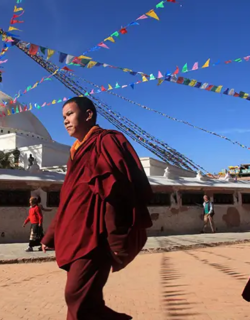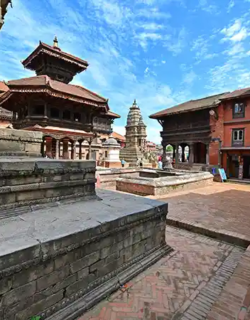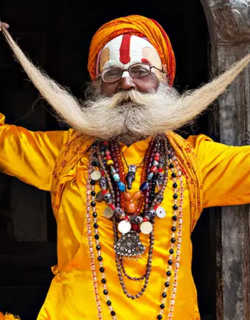
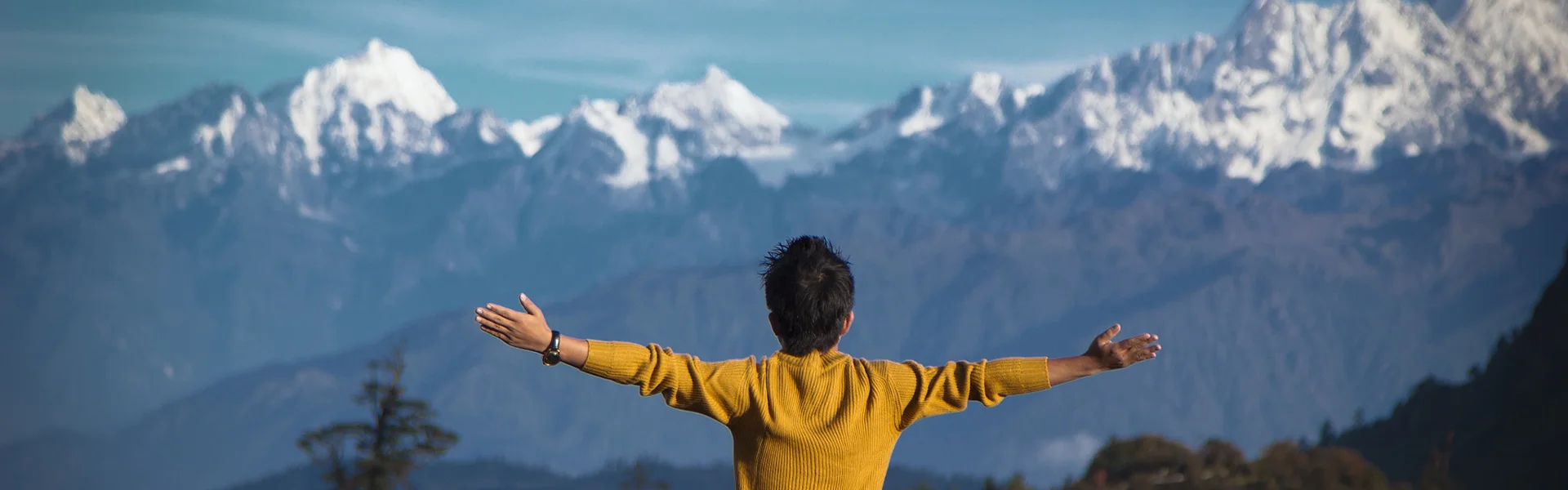

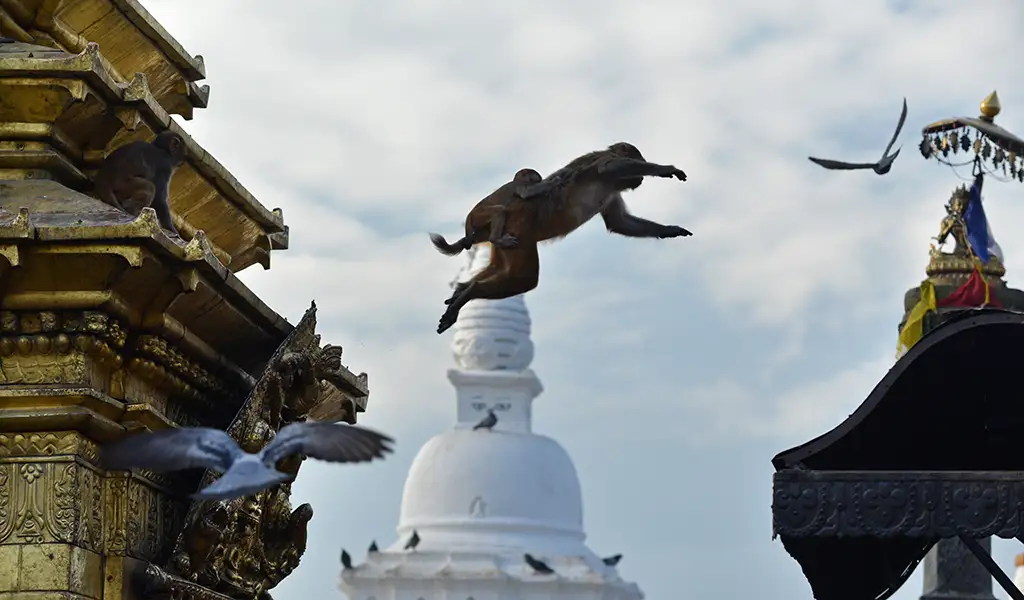
Swayambhunath Stupa sits on a hill in western Kathmandu. It is one of Nepal’s oldest and most sacred Buddhist sites, built in the 5th-6th century CE. Many monkeys live on this religious site, earning it the nickname Monkey Temple. The stupa has a white dome, with the gilded spire peaking above the trees, and the prayer flags flutter in the wind. You can see Kathmandu Valley from the top of the temple. The Buddha’s half-open eyes on each tower side look out for the city. If you visit the place in the morning, you can listen to the morning chants as the butter lamps fill the air with their smell.
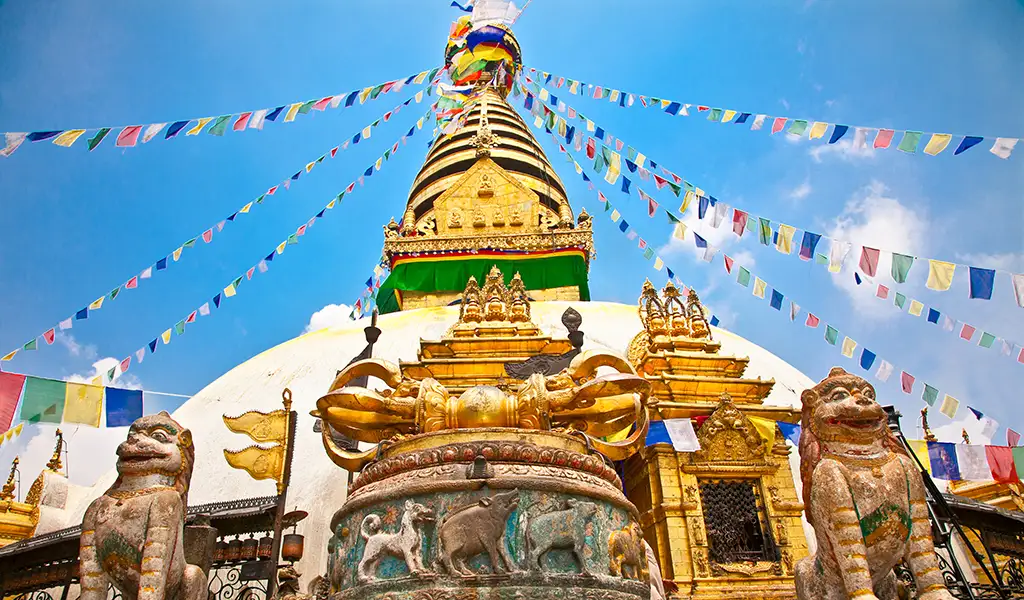
The atmosphere at Swayambhunath is timeless and spiritual. Pilgrims and monks of different faiths gather here daily as Buddhist and Hindu rituals happen side by side. In this peaceful setting, you can spin the prayer wheels and burn a butter lamp to pay your respects.

Kathmandu Pokhara Chitwan Tour
Swayambhunath Stupa sits on a hill in western Kathmandu. It is one of Nepal’s oldest and most sacred Buddhist sites,…
 8 Days
 Easy
Easy
Historical Background
Legends say Swayambhunath self-arose, and a lake filled the Kathmandu valley, and a lotus bloomed in the centre. According to the legend, a glowing stipa emerged from the stupa and rose above the land when the lake dried. This story connects Swayambhunath to Buddha and the ancient nature spirits.
Historically, King Manadeva built the first shrine here in the 5th century CE, and later Nepali dynasties continued to care for it. Licchavi kings and Malla rulers reconstructed and expanded the temple to what it is today. The central dome and the gilded spire date back to medieval times, with artisans painting the Buddha’s eyes and four faces long ago. Each generation continues to honor the shrine with its own art. After the 2015 earthquake destroyed most of the temple, workers continued rebuilding it, returning it to its original form.
Religious Importance
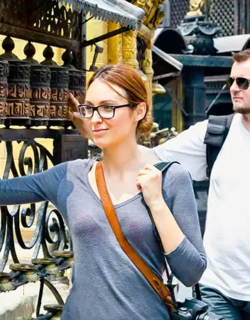
Swayambhunath is one of the most holy sites for Buddhists as the stupa’s dome symbolizes Buddha’s enlightened mind and reflects purity and serenity. Monks and nuns meditate beneath the statue of Buddha Amitabha. Worshippers spin the prayer wheels inscribed with mantras, each turn a silent prayer.
The stupa is also sacred to Hindus as it is associated with the goddess Harati and other deities. Small temples dedicated to Shiva and Ganesh are located inside the stupa complex. Hindus and Buddhists in Nepal pray together in the same courtyard. This shared devotion is common across Nepal, as there are no barriers between faiths.
Pilgrims of both religions circle the stupa clockwise, light butter lamps, and burn incense at dusk daily. A monk may spin a drum or recite Sanskrit prayers as rows of devotees chant mantras together. Every act in this stupa complex seeks peace, wisdom, and spiritual connection.
Cultural Significance
Swayambhunath reflects Nepal’s harmonious society, with many cultures welcomed for over a thousand years. Newari artisans shaped the temple’s art, Tibetan monks built a monastery, and Nepalese pilgrims made it their spiritual home. Today, the stupa remains a national icon with its white dome and Buddha’s eyes appearing in paintings, greeting cards, and as a backdrop for the city festivals.
Every spring, the temples come to life on Buddha Jayanti as devotees offer flowers and light lamps around the stupa. Monks parade with prayer flags, and pilgrims circumambulate the dome. People drape the stupa with bright new cloth during Losar, the Tibetan New Year, and play drums and cymbals through the market below. Everyone celebrates together, blending faith and culture. Monkeys add to the temple’s charm. Many people feed the monkeys rice and a fruit for good luck.
Architectural and Symbolic Features
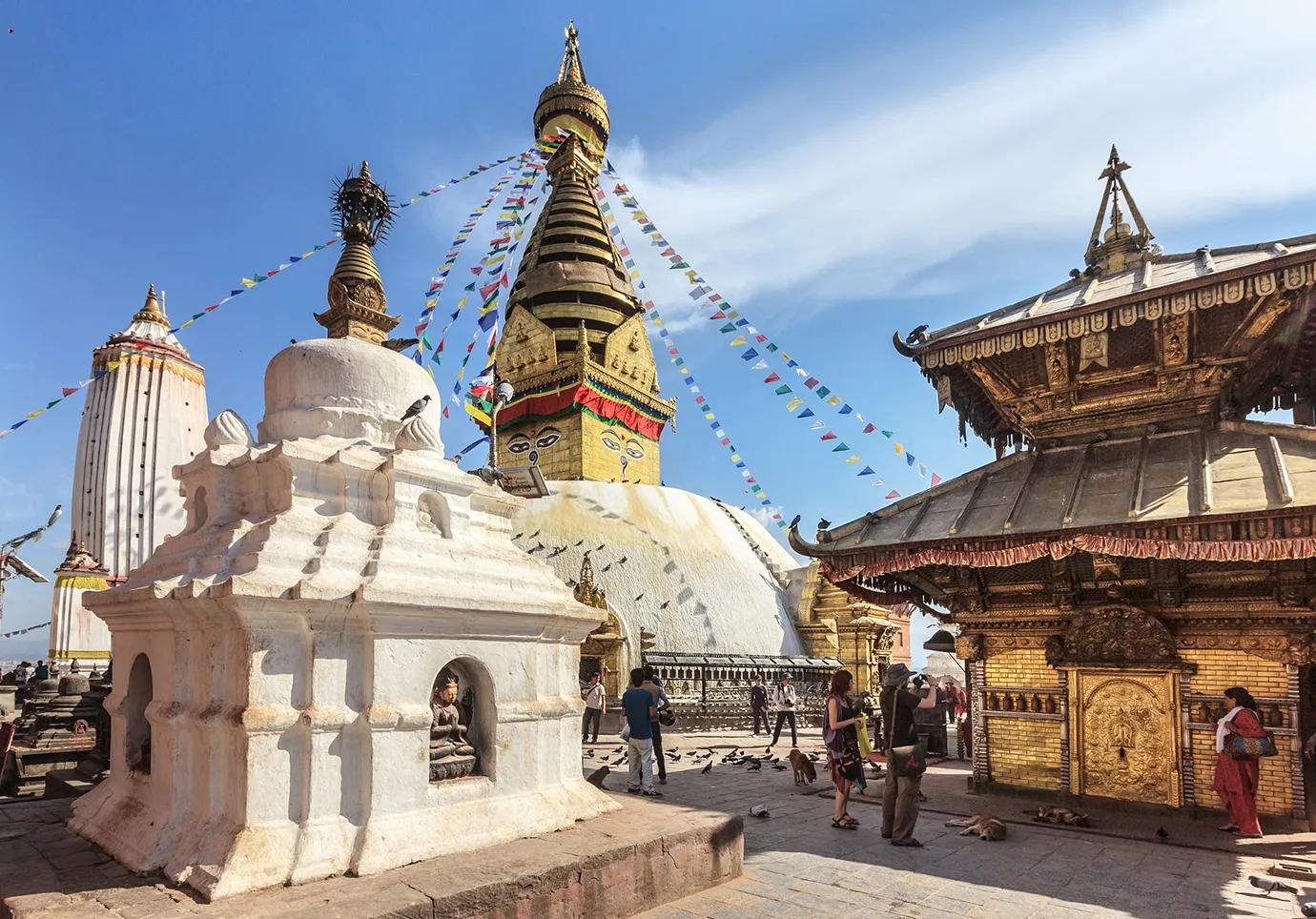
Swayambhunath’s large white dome, with Buddha’s all-seeing eyes on either side, represents the earth. Above the eyes, the stupa has thirteen golden rings symbolizing the stages of wisdom on the path to enlightenment. The umbrella-like spire at the top symbolizes royalty, and the prayer flags, in five colors to represent balance and harmony in nature, flutter in the wind. The complex has many small shrines and temples. You can walk around the base and spin the prayer wheels carved with sacred mantras. Many small statues of Buddha and Bodhisattvas stand under the pagoda roots, and the temple of goddess Harati sits beneath a roof. The complex features Buddhist and Hindu art, reflecting the country’s religious blend.
Swayambhunath Stupa sits on a hill in western Kathmandu. It is one of Nepal’s oldest and most sacred Buddhist sites,…
11 Days
Easy
Swayambhunath, a UNESCO World Heritage Site
The Kathmandu Valley was listed as a UNESCO World Heritage Site in 1979. It included the Swayambhunath stupa complex. This recognition highlights the temple’s cultural and religious significance.
A community effort leads the protection of Swayambhunath. The Nepali government and local groups are raising funds for this site. Many people came together to restore the stupa after the 2015 earthquake. You can see the broken beams fixed by carpenters, rebuilt pinnacles by masons, and repainted Buddha’s eyes by artists. Volunteers cleared debris from the courtyards and helped preserve the ancient appearance. You can still take part in the daily ritual thanks to these efforts.
Visitor Experience
You can climb the stairs or take a short drive to reach the Swayambhunath. Many visitors choose to climb the 365 steps to the stupa, while others ride halfway and then climb the final steps. The entire valley stretches below, offering a great view of the city. You’ll see many monkeys along the way with shops and stalls near the entrance selling souvenirs and prayer flags.
Everyone is welcome in the stupa complex regardless of their faith or background. You’ll hear monks chanting, devotees lighting butter lamps, and pilgrims spinning prayer wheels. Photographers can click the stupa, colorful flags, statues, and playful monkeys. Swayambhunath has a lively atmosphere, especially around midday.
You should dress modestly and leave your shoes at the entrance when visiting this site. However funny it might be, don’t tease monkeys as they are still wild animals. Visit early or late to avoid crowds and respect closed areas. You must never climb on the stupa itself or make disrespectful comments.
Social and Environmental Context
Swayambhunath is not only a social site but also a social hub for the people of Kathmandu. Many Nepali and Tibetan families gather here, and villagers arrive during festivals. City youth come to the complex to pray and tour, and monks from different monasteries gather to eat each day.
Like all temples of Kathmandu, such as Pashupatinath, Boudhanath stupa, etc., Swayambhunath faces modern challenges. Visitors sometimes leave litter, and the road gets crowded with cars and buses. Dust and pollution occasionally settle on the shrines. Local authorities and the community plant trees and limit construction to protect the hill’s natural and sacred beauty. The resident monkeys also need care, and visitors can only feed them appropriate foods. With these combined efforts, Swayambhunath remains alive and maintains a sacred atmosphere in the city.
Challenges and Modern Dynamics
Swayambhunath is a crossing of ancient tradition and modern tourism. Every year, more visitors visit the site, which means the temple’s path wears down. Guards manage the access during busy festivals to avoid accidents on the complex. The government has also built a parking area to ease traffic near the shrine. Even with these approaches, the fear that stalls and shops catering to tourists will disrupt the site’s peaceful atmosphere lingers.
The 2015 earthquake and its aftershocks remain a concern at the site. Even a slight tremor can alarm visitors, so experts regularly inspect the dome to ensure its stability. These efforts keep Swayambhunath a peaceful refuge amid bustling Kathmandu.
Conclusion
Swayambhunath symbolizes Nepal’s spiritual harmony, which brings people of different states together. You can pause here to watch the sunset or see the valley below. You’ll leave the palace with a sense of calm. The stupa invites each visitor to practice quiet devotion and offers a lesson of wisdom, compassion, and unity.