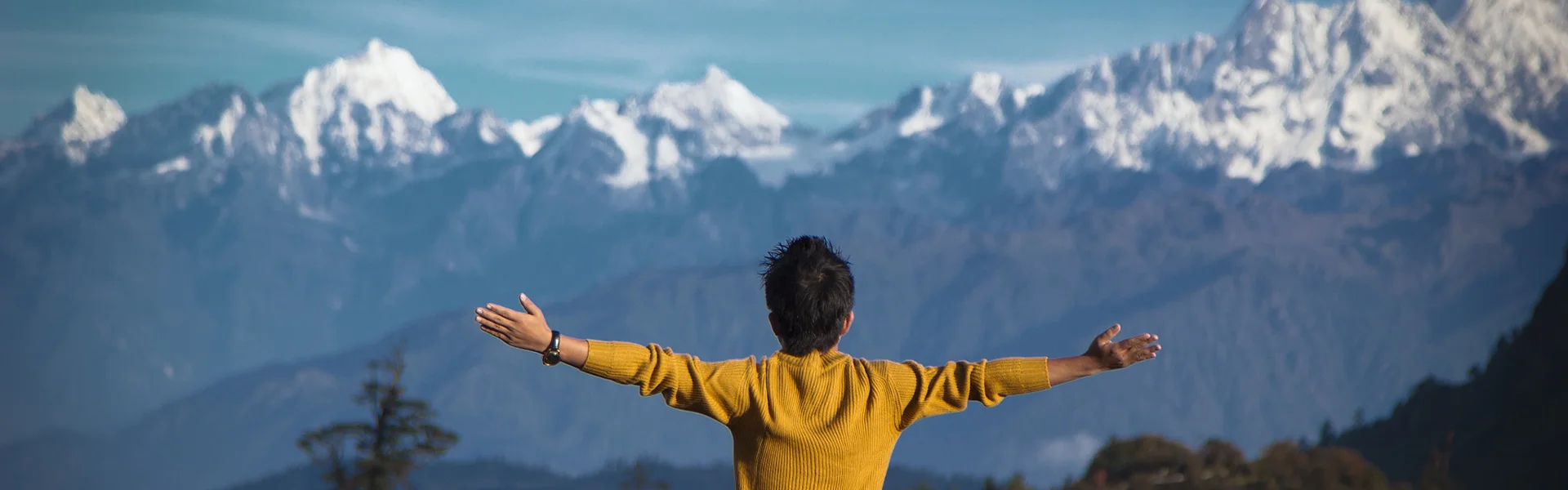

The Pokhara Peace Stupa is otherwise known as the World Peace Pagoda. It stands on Anadu Hill, about 7km south of Pokhara at 1,100m. From its platform, you can see lush forests, terraced gardens, and sweeping views of the Pokhara Valley. You can also see mountains like Annapurna and Machhapuchhre from here. These mountains look even better during the sunrise with soft pink light.
Built by Buddhist monks of the Nipponzan-Myohoji order in 1992, this stupa symbolizes peace. Local volunteers planted the gardens and care for the paths. This stupa reflects both a sacred site and a community effort.
Where Is the Peace Stupa in Pokhara?
Location: The Peace Stupa, or World Peace Pagoda, stands on the Anadu Hill or Paashi Hill in southern Pokhara. It’s 1,100m above sea level and looks over the entire Pokhara city and the Annapurna range. The stupa is lower than Sarangkot at 1,600m, but the views are still beautiful. You can find the place on Google Maps, such as Shanti Stupa Pokhara or World Peace Stupa.
How to reach: Hiking is one of the most popular ways to get to the site. You can walk out, take a short taxi ride to the Tal Barahi boat dock from the lakeside, then begin your climb to the stupa. You’ll follow the stone-paved trail and steadily go uphill for about 1 to 2 hours to reach the pagoda. The moderate ascent gains about 300m through pine forest and farms.
You can shorten your hike by taking a boat across Phewa Lake. Tourist boats and local sampans cost about NPR 200-300 for a 15–20-minute ride. You can boat to the southern tip of the lake, then hike uphill. The hike is only 30-45 minutes long, through lotus fields and pine groves.
For a quicker trip, you can hire a private taxi from Lakeside. A round trip will cost you about NPR 1,500-2,000. The drive goes through quiet villages like Mangal Bazaar and ends at the gravel area. You’ll finally walk a few hundred meters uphill to reach the stupa.
Many day tours in Pokhara include the Peace Stupa as a highlight. You can hire a guide for $20-$30 or join a group tour for transport and context. Guides often combine the visit with stops at a Tibetan settlement of Sarangkot. Entry to the stupa is free. You’ll need to climb the steep steps to reach the stupa, so the place is not wheelchair-friendly. While there is a paved ramp, it’s too steep and risky.
Spiritual Significance of the World Peace Pagoda
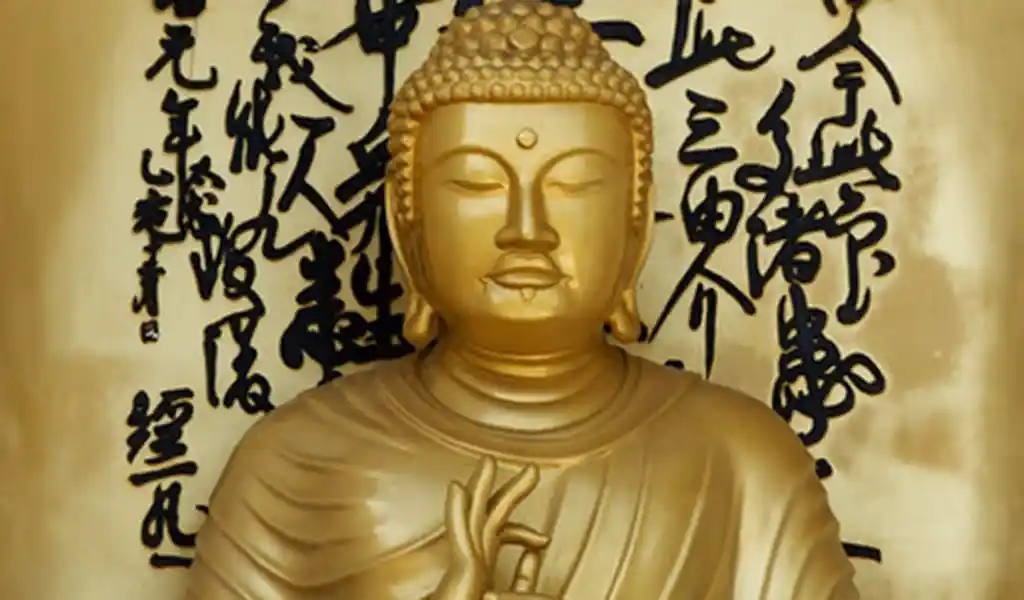
The Peace Stupa is not a shrine or a symbol. The monks built it to honor those who work for harmony, promoting unity among all faiths. The sixteen bells, each with a Sanskrit prayer, ring softly. There are four golden Buddha statues at the heart of the stupa. Each of these statues faces a cardinal direction and represents a stage of Buddha’s Life.
The east statue represents Buddha’s birth. The child Buddha stands beside a flowering tree, recalling his birth in Lumbini. You can place flowers or small offerings here as a gesture of blessing.
The southern statue represents enlightenment. A meditating Buddha sits beneath the Bodhi tree, symbolizing his enlightenment. You can read the nearby plaque that says “Nirvana is within you”.
The west statue represents the first sermon. Buddha raises one hand as he shares his first teachings at Sarnath. This figure highlights the importance of shared wisdom. Monks sometimes light butter lamps at this shrine.
The north statue features a reclining Buddha portraying his peaceful passing. He has a gentle smile, reminding visitors to seek serenity despite hardships. This statue represents his Nirvana.
You’ll see pilgrims walking clockwise while spinning prayer wheels on the base. The stupa’s four faces, bells, and prayer flags create a serene and devoted atmosphere.
What to Expect at Pokhara’s Peace Stupa
Views and Photography: The views from the stupa are breathtaking. You can see Annapurna Sith, Hiunchuli, and Gangapurna to your north and Machhapuchhre to the west. If the day is clear, you may see Dhaulagiri over the horizon. Below, you can see the Pokhara valley to the southwest and the beautiful Phewa Lake. The sunrise is even more attractive as the white dome turns pink at the first light. You can click the sunrise views from here, and the golden Buddha shining against the blue sky at midday. The three-story viewing tower is open most days and offers even more expansive vistas over the valleys.
Atmosphere and Activities: Despite the popularity, the stupa is a calm, meditative place. Monks in maroon robes sometimes sweep the floors as visitors quietly visit the place. You may hear soft chants from the temple and the sound of bells from the valley below. Mornings are exceptionally peaceful, and late afternoons are perfect for sunset views. Many visitors simply sit on the steps and watch as the clouds drift by. You can meditate or enjoy picnics on the classy slopes. You can also buy tea from the small tea shop to pause at this peaceful place.
Surroundings and Offerings: Pine forests line the path leading to the stupa. You can also see lotus flowers in a small pond near the base. Colorful prayer flags hang above parts of the path, and painted murals show scenes from Buddha’s life. You’ll see small glass boxes with sandalwood at the entrance, leaving a fragrance in the air. Local children sometimes sell bracelets or tiny prayer flags for NPR 50-200 near the lower steps.
History and Beliefs: The Peace Stupa is a part of a movement by Japanese monks that started after WWII to spread a global message of harmony. There are similar stupas across Asia. Japanese supporters and Nepalese volunteers finally completed the stupa in 1999. The local community repainted the stupa in 2013 to keep the monument alive. Pilgrims walk clockwise around the stupa while spinning prayer wheels. According to local belief, deities will listen if you offer a coin with your prayer.
Best Time to Visit the Pokhara Peace Stupa
Best Season: The best season to visit the Pagoda is October through March, when the skies are clear and the air is fresh. January and February are cooler with daytime temperatures around 15°C. The weather gets hotter at 25–30°C from March to May, and the haze may block mountain views. Clouds cover the peaks, but the hill still looks lush during the monsoon.
Best time of the day: Sunrise and late afternoon are the most beautiful times. You can visit between 6-7 AM to see the sunrise, but bring a jacket as the weather can be cold at 5–10°C. The light is golden and there are fewer crowds in the afternoon between 3:30 and 5 PM. Midday at 11 AM-2 PM can be sunny and hot, so bring a hat or shade. The stupa closes by 6 PM, so return before then.
Weather Tips: Clear sunny days offer the best views. You can see golden rays shining through the rain after rain. Since the hill is open, bring a windproof jacket. Sunscreen is also essential as the sun is intense at this height.
Practical Tips for Visiting Pokhara’s Peace Stupa
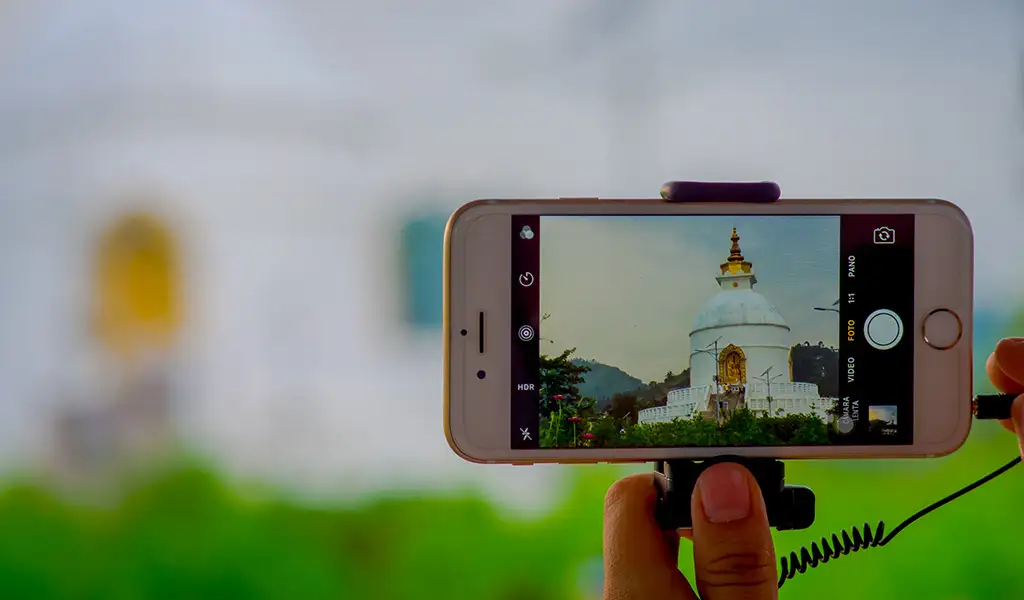
Clothes and what to bring: Wear sturdy walking shoes as you walk through uneven steps and paths. Dress in layers and cover your shoulders and knees to enter the prayer areas. Bring at least 1L of water, light snacks, and a camera phone with a full battery. Sunglasses, sunscreen, and a hat or a scarf for wind protection.
Cost: There’s no entry fee for the Pagoda. If you take a boat across Phewa Lake, you’ll pay about NPR 200-300 one way. A taxi from Lakeside to the Pagoda and back is NPR 1,500-2,000. You can hire a guide for NPR 2,000-3,000 and carry some extra cash for snacks and small donations.
Etiquette: Respect the stupa by walking clockwise around the inner path, and don’t touch or take offerings from the Buddha’s statue. You should dress modestly and give space to monks or devotees. The path is generally safe but slippery when wet, so use handrails on stairs. Don’t feed or tease monkeys; bring a flashlight if you’re lingering after closing.
Amenities: A small tea stall at the base sells tea, coffee, and snacks. You can also find basic squat-style restrooms near the entrance. If you’re hiking for the sunrise, you should use headlamps or phone lights.
There are waste bins, solar lights, and water taps along the way, installed by the local community. If mist or light rain hides the view, wait a few moments as conditions often clear quickly. The peaks glow near the closing time as the sun sets.
Nearby Attractions to Combine with Your Visit
Phewa Lake: This lake is directly below the Peace Stupa. You can take a boat ride to Tal Barahi Temple after descending from the stupa.
Sarangkot: This hill, 15 km north of the pagoda, is popular for its sunrise view over the Himalayas. You can also paraglide over the Valley from here if you feel adventurous. If you stay until the afternoon, consider driving here for sunset views.
Tibetan Refugee Camp: Located roughly 2km from the stupa’s base, Tibetan Refugee Camp is near Devi’s Falls. Stop by for Tibetan tea and momo, and explore the camp to understand local Buddhist culture and Tibetan heritage.
Devi’s Falls and Gupteshwor Cave are near the Tibetan Refugee Camp. You can see the waterfall plunging into an underground tunnel in Devi’s Falls and a hidden waterfall shrine in the Gupteshwor cave.
Old Bazaar: Pokhara’s traditional market area with a Hindu temple is about 7km northeast of the stupa. It offers transitional crafts and old wood carvings.
Chapundi Lake: About 15km northeast, you can take a peaceful boat ride around a small lakeside temple here. It’s less crowded than Phewa Lake and has a similarly peaceful atmosphere.
Community and Environmental Impact
The Peace Stupa brought locals together. Japanese volunteers and local villagers helped build the stupa. Today, monks and youth groups clean and maintain the site on weekends. You should use the litter bins to help keep the area clean. Scouts and schoolchildren plant pine saplings to stop erosion and keep the hill green and stable.
Community pride also shows in many ways. Locals say that the stupa’s calm reminds them to find peace within. Devotees can light candles on festival nights, which volunteers will line up on the steps. Schoolchildren also have “temple service” days to sweep paths and plant flags.
People of Pokhara take preservation seriously. There are signs reminding visitors to leave nothing but footprints, and solar lights reduce pollution on the hillside. Donations and purchases of prayer flags help fund maintenance. The refill station at the base encourages avoiding plastic bottles.
Logistics and Accommodation
Taxis and buses frequently run to Lakeside. You can take a boat or taxi to the stupa from Lakeside’s south end. You can also take a local bus for a more budget-friendly alternative.
Public restrooms are squat style and available near the base restaurant for NPR 10-20. The only food at the stupa comes from a small snack stall. If you want proper meals, stop at Lakeside restaurants offering a variety of meals. You can try local specialties like dal-bhat or Tibetan bakery items. You should carry a bottle, as drinking water from the refill stations is safe.
For accommodation, any Lakeside hotel works. Budget guesthouses cost $10-20, mid-range costs $30-60, and luxury options may cost $100+. Book early to secure a palace if you’re traveling in peak seasons.
If you’re hiking from the lake, take trekking poles. They’ll help you on steep sections. Sun protection is vital as UV rays affect everyone. Many visitors combine Peace Stupa with other sites for a half-day trip. If you’re going for a sunrise hike, pack a small breakfast and bring a flashlight if returning at dusk.
Conclusion
Pokhara’s Peace Stupa is calm and has stunning beauty. Although it’s easy to reach, it feels a world apart from the bustling city. You can stand on the hill and watch the view as the gentle wind brings peace.
Don’t talk loudly in the stupa. This place honors peace, and you should honor the place. Drop a coin in the donation box or buy a prayer flag at the base. These small gestures help keep the site serene for everyone.
Whether you visit alone at sunrise or share tea with a local, the stupa is a memorable sight. It reminds travelers to respect all and shares the power of human kindness.