


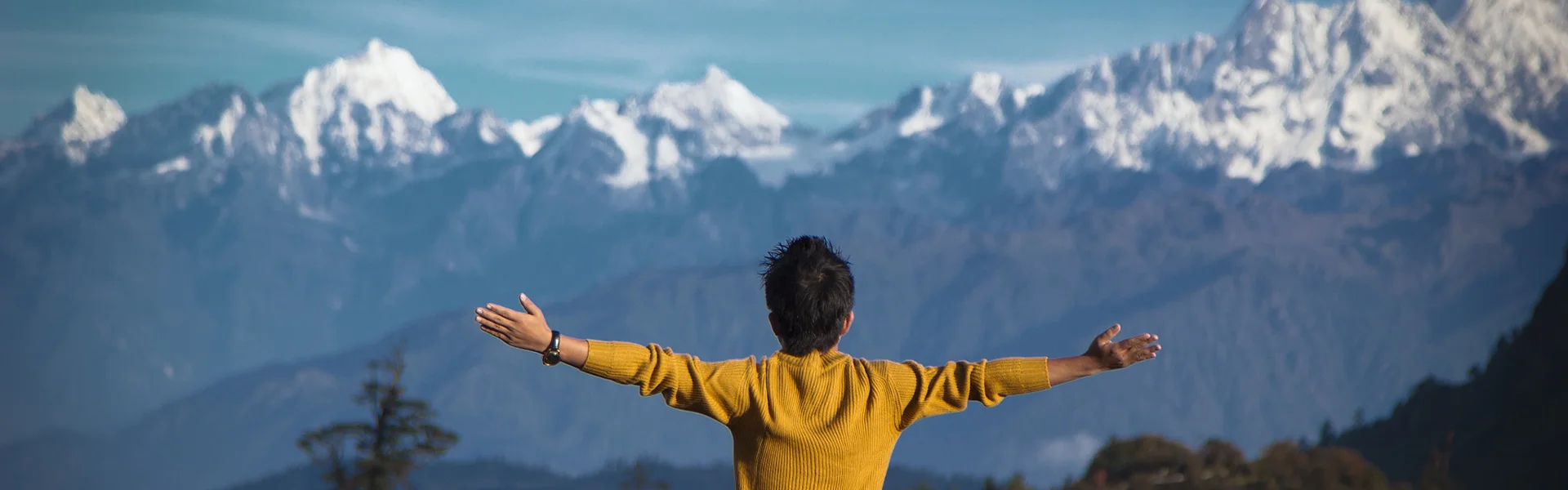

The Tibetan refugee Camp near Pokhara feels like a calm corner of Tibet. Colorful flags hang above the stone paths as you smell butter tea and incense. You can hear monks chanting quietly inside simple monasteries. The lovely markets sell handwoven carpets, prayer wheels, silver jewelry, and other homemade crafts. The community shows Tibetan culture, strength, and hope, even though it’s far from the Himalayas, which they once called home.
Location and Overview
Tashi Palkhel (Hemja) is the largest camp, 5km northwest of Lakeside. It’s home to around 700 Tibetans and stretches along a quiet valley road with green rice fields. Monks gather at Jangchub Choeling Gompa, a peaceful monastery against the green hills. The sunlight makes the gompa turn golden in the afternoon as the sun sets.
Tashi Ling (Chhorepatan) lies near Devi’s Falls and Gupteshwor Cave, about 2 km from Lakeside. This camp has a large carpet showroom and a photo gallery showing families from Tibet and scenes from the 1959 exodus. You can reach the place easily by taxi or on a 30-minute walk from Lakeside.
Paljorling, near Prithvi Chowk and Phewa Lake, is a small settlement within the city. Only a few families live here now, and many shops have closed, but the shrine is still beautiful. You can see the mountains reflected in Phewa Lake below from the side of Paljorling.
Jampaling is a remote settlement located approximately 25 km east of Lakeside, en route to Kathmandu. Only a few people live here since it’s far from the city. It was initially a military fort called a “hidden village.” Residents say they used to access the village via a wooden bridge and a dirt road. Today, an asphalt road brings cars up the valley. You can see the traditional Tibetan village life in Jampaling.
After the Nepalese government and the UN set aside land for Tibetans fleeing Chinese rule in the 1960s, many Tibetans found refuge here. The Nepal Red Cross Society provided a hillside farmland plot. Over time, these lands became communities. You can see brick and stone homes at Tashi Palkhel and Tashi Ling. The air is cold in winter, and yak butter lamps glow in the evening at the gompa. Many tourists visit these two camps today as part of Pokhara’s highlights.
Kathmandu Pokhara Chitwan Tour
The Tibetan refugee Camp near Pokhara feels like a calm corner of Tibet. Colorful flags hang above the stone paths…
 8 Days
 Easy
Easy
History and Cultural Context
In 1959, a significant uprising in Tibet forced around 20,000 Tibetans to flee across the Himalayas. By the early 1960s, Pokhara became home to some of the first settlements. Families lived in tents or bamboo huts while saving money. As time passed, the UNHCR and Nepal collaborated to build brick houses and schools for the community. According to the Central Tibetan Administration, in 2009, Nepal was home to approximately 13,500 Tibetans. Many young adults later moved to India or Western countries for work, leading to fewer residents in the camps.
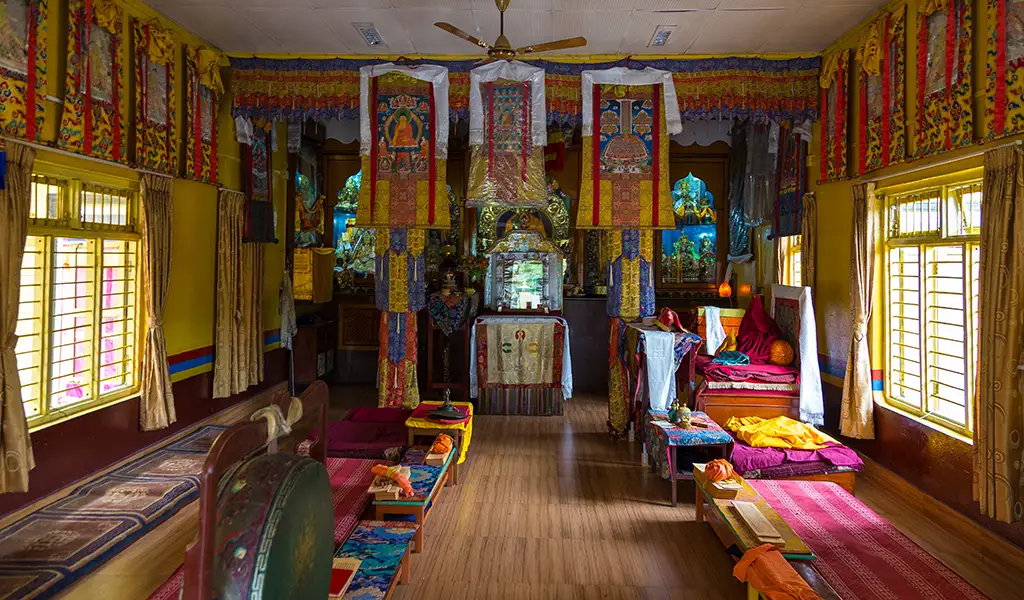
Daily life in the camp revolves around Buddhist faith and tradition. Jangchub Choeling Gompa is situated on a hill with a golden wall overlooking Tashi Palkhel. Its painted walls are visible from the valley below. Around 200 monks live here. They chant in Tibetan at sunrise and sunset, spin brass prayer wheels, and keep the rhythm of daily life: Yuddha and bodhisattva statues resting on low altars and walls covered with dark murals in the gompa. Villagers gather here every morning and evening, adding a steady flow of people to the camp.
Young monks jog in the courtyard while others recite prayers with wooden beads. Children carry books to Tibetan language classes while adults tend small vegetable gardens or herd goats. Shops open later in the day, and people often eat tsampa, dried yak cheese, and sweet tea in the afternoon.
Festivals bring color to the camp. The Tibetan New Year, Losar, falls in February and is the largest festival for Tibetans. People wear their finest traditional attire and gather for dances and prayers. You can smell mutton stew, sweet rice, and incense in the air. Losar lasts three days, and families share treats like ghee popcorn and sweet rice. Other holidays like Saga Dawa celebrate Buddha’s birthday. People do candlelit processions and evening prayer wheel rounds. Many lakeside shops close so Tibetans can celebrate.
Since 1989, Nepal has limited Tibetan rights under pressure from China. Tibetans are not permitted to hold official positions, own land, or obtain Nepalese identification cards. They live with “refugee identity certificates,” and must renew regularly. Young adults travel to Kathmandu or abroad for work and never return. The community continues to thrive despite these challenges.
Although Pokhara is far from Tibet, its culture remains strong. Children learn Tibetan script and songs, elders share folk tales, and the community follows a steady rhythm of life.
Visitor Experience
The Tibetan Refugee Camp near Pokhara is both educational and peaceful. You can follow a path between brick houses as the prayer flags flutter overhead. Each camp has at least one gompa or monastery. The main gompa, painted white with a red and gold roof in Tashi Palkhel, stands on a small hill. Boys aged 8 to 20 study Tibetan, math, and Buddhist philosophy in the gompa. If you would like to enter the gompa
You should remove your shoes and cover your head. You can see lanterns lighting softly over the golden Buddha inside the monastery. There are many low altars adorned with statues of bodhisattvas. Dark murals cover the walls, and monks chant rhythmically. Locals spin the giant brass prayer wheel at the entrance to seek blessings. Try not to speak at all and stand quietly at the back.
You’ll find many tiny shrines in the corners if you explore the camps. Some statues and a small prayer wheel are under tin roofs, and colorful prayer flags decorate the sky. Villagers pause to tie a small cloth or string around the shrine’s post.
There are many small storefronts and open-air stalls in the camp. You can see carpets hand-woven in the sun, while weavers demonstrate their craft in Tashi Ling. Other shops sell prayer wheels carved from wood or metal, silver, and turquoise jewelry featuring Buddhist symbols.
You can find simple eateries with plastic stools throughout the camps. Try butter tea, which is salty, milky, and energizing. Lunch includes momo stuffed with cheese, cabbage, or vegetables. By mid-afternoon, you might have buckwheat crepes or noodle soups like thenthuk or thukpa. Sweet milky tea called su cha or mandaza is also popular. You can also try local drinks like rice beer.
Occasionally, camp schools host visitors for small cultural exchanges. Tourists can watch children practice a Tibetan script, sing songs, and sometimes even help paint banners. The camps are wonderful, but you must take permission before clicking pictures. Some areas have “No photo” signs; it is important to respect them.
These camps sit amidst the lush Pokhara valley. You can see rhododendron trees bloom in spring. To the west, you can see the snowy peaks of Annapurna, Dhaulagiri, and Machhapuchhre on clear winter afternoons.
The Tibetan refugee Camp near Pokhara feels like a calm corner of Tibet. Colorful flags hang above the stone paths…
6 Days
Easy
Activities and Engagement
Guided Cultural Tours: You can hire a local Tibetan guide to understand the camp better. A popular option is a half-day tour, which costs ~$20-$50 per person. It covers 2-3 sites, including Tashi Palkhel’s monastery and Tashi Ling’s carpet center. Guides speak fluent English and share stories about carpet weaving, Tibetan medicine, and astrology. You’ll see how the hand-inked prayer books show how monks copy scriptures. These tours let you handle thangka paintings or butter lamps. It gives you a deeper context for what might otherwise be ordinary sight.
Carpet Weaving Demonstration: You can try tying a simple knot under guidance at Tashi Ling. You’ll respect the craft more after witnessing the months of effort needed to finish one large rug. You can buy a carpet afterwards to support a family’s livelihood directly.
Buddhist Rituals: Visit during prayer time at around 3:30-5 PM to see monks chanting. You can sit quietly in the back or join the prayer. During Losar, you may get invited to the final feast. You can place a few grains or a flower at the altar when monks make an offering during prayer. Lighting a butter lamp is another way to participate.
Shopping and Support: Buying prayer wheels, pashminas, or other practical and cultural items. It also helps support the local families. Shopkeepers often explain the mantras or the symbolism of the turquoise when purchasing. You should inspect for neat edges and dense stitching if purchasing large items like carpets.
Interaction with Residents: Visitors can listen to elders share stories of their flight from Tibet. One retired farmer in Tashi Ling showed a photo of his home and described fleeing with only a single yak. Guests sometimes exchange small gifts, like a camera, for photographing grandchildren.
Cultural Performances: During Losar or other festivals, villagers may invite tourists to watch or join dance performances. Traditional Tibetan dances, drums, and folk singing happened in open courtyards. If approached, follow along respectfully to celebrate.
Practical Tips for Visiting Tibetan Refugee Camp
What to wear and bring: Wear good walking shoes or hiking sandals, as camp paths are uneven. Dress modestly in temples and carry small Nepali rupee bills. Carry sunglasses and sunscreen, and bring a simple snack. An umbrella or light raincoat is also useful.
Cost: Entry to the camps is free. A local taxi for a half-day trip costs about NPR 300-500 one way. You can also hire a guide for the tour for $20-50 per person. The shops sell souvenirs in USD or NPR, ranging from $2-5 for small items to $100+ for carpets. It’s good to tip 5-10% for guides and drivers.
Etiquette: Remove your shoes when entering any gompa and cover your head with a scarf when a priest enters a shrine. You should keep your voice low. If someone offers a white scarf, accept it respectfully. You should avoid political discussions and focus on culture, food, and daily life. Don’t point your feet at any shrines or holy images. You can greet people by simply saying “Tashi Delek”.
Safety: The camps are very safe, with crimes being rare. You should keep your belongings in your front pockets in crowded shops and watch your step.
Be aware of potholes on rural roads while travelling by bus or taxi. Drive carefully; some streets can be closed during the monsoon season, so always confirm your return taxi or bus pickup.
Food and Rest: Small tea shops serve Tibetan tea, noodles, and dumplings for NPR 200-500 per meal in Tashi Ling and Tashi Palkhel. Toilets are basic, squat-style. If you want cleaner facilities, wait until you’re back at Lakeside. There are no ATMs in the camps to carry enough cash for meals and shopping.
Local Customs: Accept warmly if invited into a home or tent. You can sit on floor cushions and take at least a small portion of tea or food if offered. Use your right hand when eating or receiving gifts.
Language: Tibetan is the most common language in the camp, and many locals also speak Nepali. Some young adults understand English. You learn simple Tibetan phrases to show respect.
Donation: There are donation boxes in temples or shops. You can donate a small amount to help support schools or monasteries.
Nearby Attractions in Pokhara
Devi’s Falls and Gupteshwor Cave: Located just 2 km away from Tashi Ling, these attractions are easily combined with your visit. The waterfall falls dramatically into an underground tunnel. A short walk from the falls will bring you to Gupteshwor Cave, housing a Shiva temple. Many travelers step here first, then head to Tashi Ling.
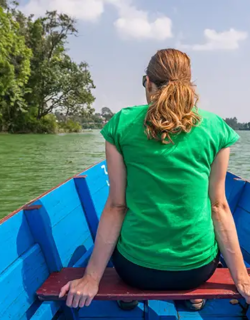
Phewa Lake and Tal Barahi Temple: Phewa Lake is 3 km from Paljorling. You can boat across the lake to reach the island temple of Tal Barahi. The setting is peaceful and reflective.
Sarangkot Sunrise: Sarangkot is 15 km away from the Lakeside. The classic viewpoint offers beautiful views of Himalayan sunrises. Drive or hike in the early morning to watch the peaks glow.
World Peace Pagoda: This large Pokhara Peace Stupa offers stunning views of the surrounding mountains and lake. You can take a boat from Lakeside, then hike up Anadu Hill to reach the pagoda. Then, you can either descend to Tashi Ling or return to Lakeside.
Lakeside Markets: After exploring the camps, relax at Lakeside. Walk through handicraft stalls, enjoy a floating restaurant, or relax.
Community and Resilience
The Tibetan camps of Pokhara are a symbol of endurance. Tenzin, a monk at Tashi Palkhel Gompa, says, “We preserve our culture for our children, even far from Tibet.” The camps also have their own clinics and small medical shops. People share vegetables from gardens, take pool rides to the town, organize sports days, and host cultural shows. These activities help the youth take pride in their Tibetan heritage.
The exiles may never return to Tibet, so they keep their heritage alive for their children. Children learn the Tibetan language, history, and traditional arts alongside the Nepali curriculum. Elders gather children to share Buddhist tales and teach them folk songs and dances. Schools preserve the Tibetan language, culture, and medicine. A volunteer-run clinic provides basic healthcare, and monks continue to lead and guide the community.
Travelers also contribute to this resilience. You can buy a rug or prayer flag directly from the weaver to support their household. Thank your hosts or guide and be respectful.
Logistics and Accessibility
Getting There: Reaching the camps is easy from Lakeside. Take a local microbus towards Hemja for NPR 20-30, or take a taxi for NPR ~300 to reach Tashi Palkhel. The ride is short, taking place on a paved road, and buses run until late afternoon. You can see the marked camp on the hillside.
Tashi Ling is closer. You can walk 30 minutes downhill towards Devi’s Falls or take a taxi for NPR 150. The gate is just before the waterfall, and there are signs to guide you.
Paljorling is near Prithvi Chowk and only five minutes away from Lakeside. It’s a small community corner inside a whole camp. Jampaling is approximately 25 km east of the highway to Kathmandu. You can take a jeep or a taxi for about NPR 600. The drive is approximately 1-1.5 hours long, taking you along a winding mountain road.
Staying in Pokhara: Most visitors stay around Lakeside, the central hub for tourists. You can stay in budget guesthouses for $10-$ 20 or pay $30-$ 60 for mid-range hotels. You can also get luxury accommodations, which can cost you $100+. Day trips are convenient here since the settlements have no hotels or homestays.
Conclusion
Visiting Pokhara’s Tibetan Refugee Camp opens a window into people’s endurance and quiet strength. It’s more than a sightseeing stop. Prayer flags, monks, gompas, and families weaving rugs tell the story of Tibetan heritage. Each corner illustrates how traditions persist despite exile.
Travelers who visit with respect become a part of this effort. Buying a handmade craft, listening to a story, or simply offering thanks helps strengthen both culture and community.