


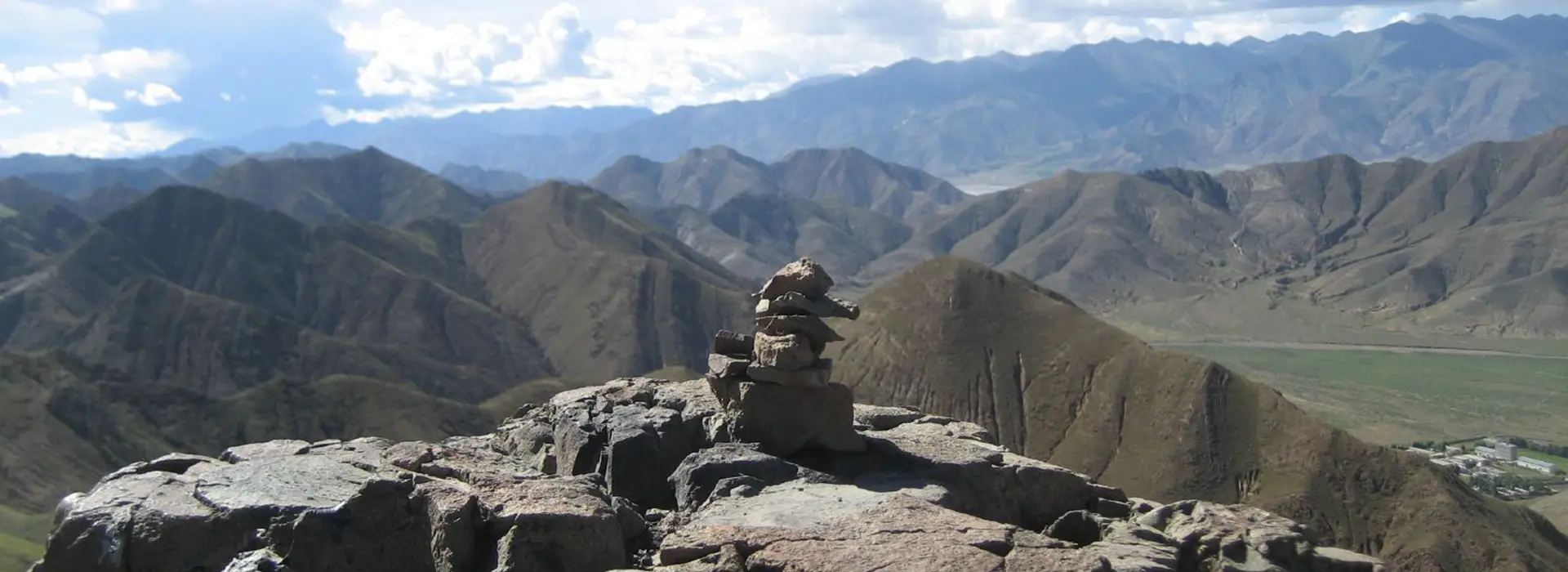

Solo Tibet travel raises a common question among first-time visitors: “Can I travel to Tibet alone?” The simple answer is that completely independent travel is not allowed. Tourism in Tibet requires special permits and a licensed guide. However, solo travelers can visit Tibet by joining a group tour or arranging a private guided trip. In most cases, “solo” means traveling alone while still part of an organized tour. This guide explains how solo travel in Tibet actually works and dispels common myths, so you can plan a smooth, well-organized trip.
Quick Facts:
- Solo travelers can visit Tibet, but you must use tour services.
- Every traveler needs a Tibet Travel Permit tied to an itinerary.
- Group tours often lower costs for solo visitors.
- Private guided tours give maximum flexibility to solo visitors.
Independent Travel vs Solo Tibet Travel
First, clarify terms. Independent travel means planning and moving without guides or agencies. In Tibet, this is not allowed. You cannot backpack across Tibet without official help. Solo travel simply means you are traveling alone. You might travel on a group tour or book a private tour as a single person.
- Solo + Group: You join a set departure as the only solo passenger. You pay a bit more because you don’t have a roommate, but you benefit from group rates. You meet fellow travelers and share the costs of guides and transport.
- Solo + Private: You get a dedicated guide and vehicle. You choose daily pace, stops, and hotels. This costs more than a group tour, but you control your schedule entirely.
- True Independent (not allowed): You can do Tibet planning from your preferred route and transport without a guide. This is not permitted for foreigners, as the Tibet Travel Permit must be arranged by a tour operator.
Most travelers to Tibet who go “solo” use one of the first two styles. Either way, you must follow Tibet’s travel system rules.
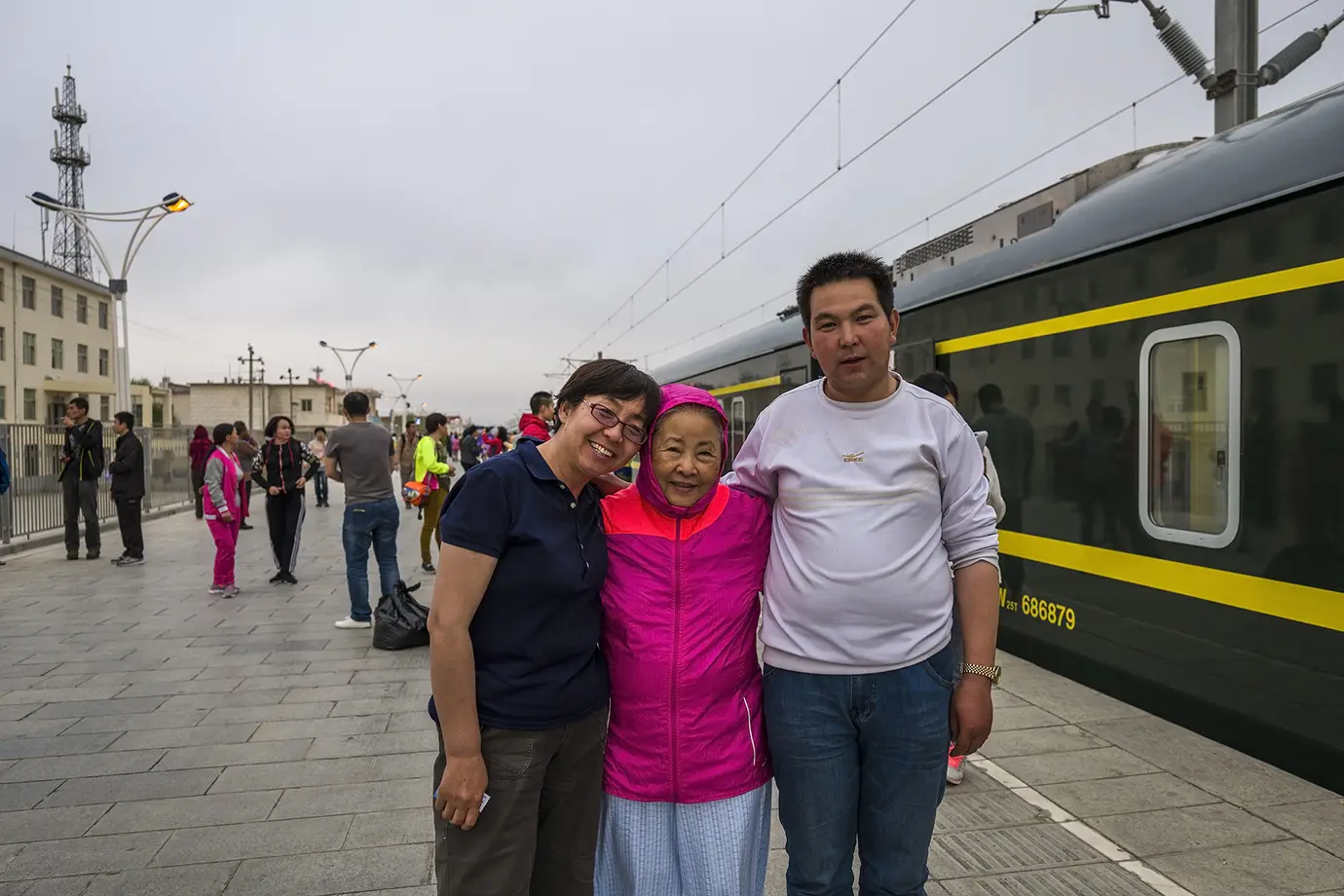
Why Independent Travel Is Limited
Tibet’s travel system uses permits and guides to ensure safety and order. Here are the main reasons solo backpacking isn’t possible:
- Permit System: Every foreigner needs a Tibet Travel Permit, issued only through a registered agency. You cannot get this permit on your own. The permit lists your exact itinerary. You must stick to the schedule you gave in advance.
- Guides Required: A licensed Tibetan guide must accompany foreign visitors throughout the trip. The guide handles many logistics and keeps you safe. Going anywhere without a guide breaks the rules. Even if you wander off in Lhasa for shopping, local police expect you to be with a guide otherwise.
- Checkpoints: Police checkpoints along the roads verify traveler documents. They expect you to be on the permitted route with your guide. If they spot someone traveling alone outside authorized routes, they will stop them.
- Remote and Border Areas: Some regions (near borders or high plateaus) have extra controls. Special permits are required for areas such as the Everest region and the sacred mountains. These areas also close seasonally in winter.
- Safety and Rescue: The high mountains and rough roads make self-guided travel risky. Without a guide, you might get lost or stranded. The permit system helps ensure travelers are accounted for, especially in emergencies.
In short, the rules exist to protect both visitors and Tibetan culture. They keep you from accidentally entering dangerous areas or breaking local customs. Follow the rules, and solo travel becomes an organized but very doable experience.
Solo Travel Alternatives
Since totally free travel is off the table, here are the main ways a solo person can still visit Tibet:
Join a Group Tour (Best Value): The simplest choice for solo travelers is to book a spot on a group tour. Many agencies offer fixed-date departures. You travel with other tourists, sharing guides and vehicles.
- Cost Savings: By splitting guide and car costs, group tours usually cost less per person than private tours.
- Ease: Most planning is done for you. You just show up with your passport and pack.
- Social Aspect: You might meet other travelers, which many solo travelers enjoy.
- Best For: First-time visitors, tight budgets, or anyone who likes company.
Private Solo Tour (Most Flexibility): If you want to set your own pace, book a private tour for one person. You still go through an agency, but you and your guide form a group of one.
- Custom Pace: Stop for photos whenever you like. Start early or late based on how you feel.
- Custom Itinerary: Focus on your interests (cultural sites, hiking, photography) without compromise.
- Privacy: Only your interests matter. It’s like having a concierge for an adventure.
- Best For: Seniors, photographers, or anyone with a specific plan who wants maximum control.
| Travel Style | Cost | Flexibility | Comfort | Best For |
| Group Tour (solo) | Lower | Low–Medium | Medium | Budget travelers, social |
| Private Solo Tour | High | High | High | Peak independence, focus |
| Semi-Independent | Medium | Medium | Medium | Those wanting free time (with a guide still) |
Semi-Independent: Some tours allow free afternoons or side trips. For example, your guide may leave you to explore a market for a few hours before rejoining the group.
This gives a taste of wandering alone while staying within the system.
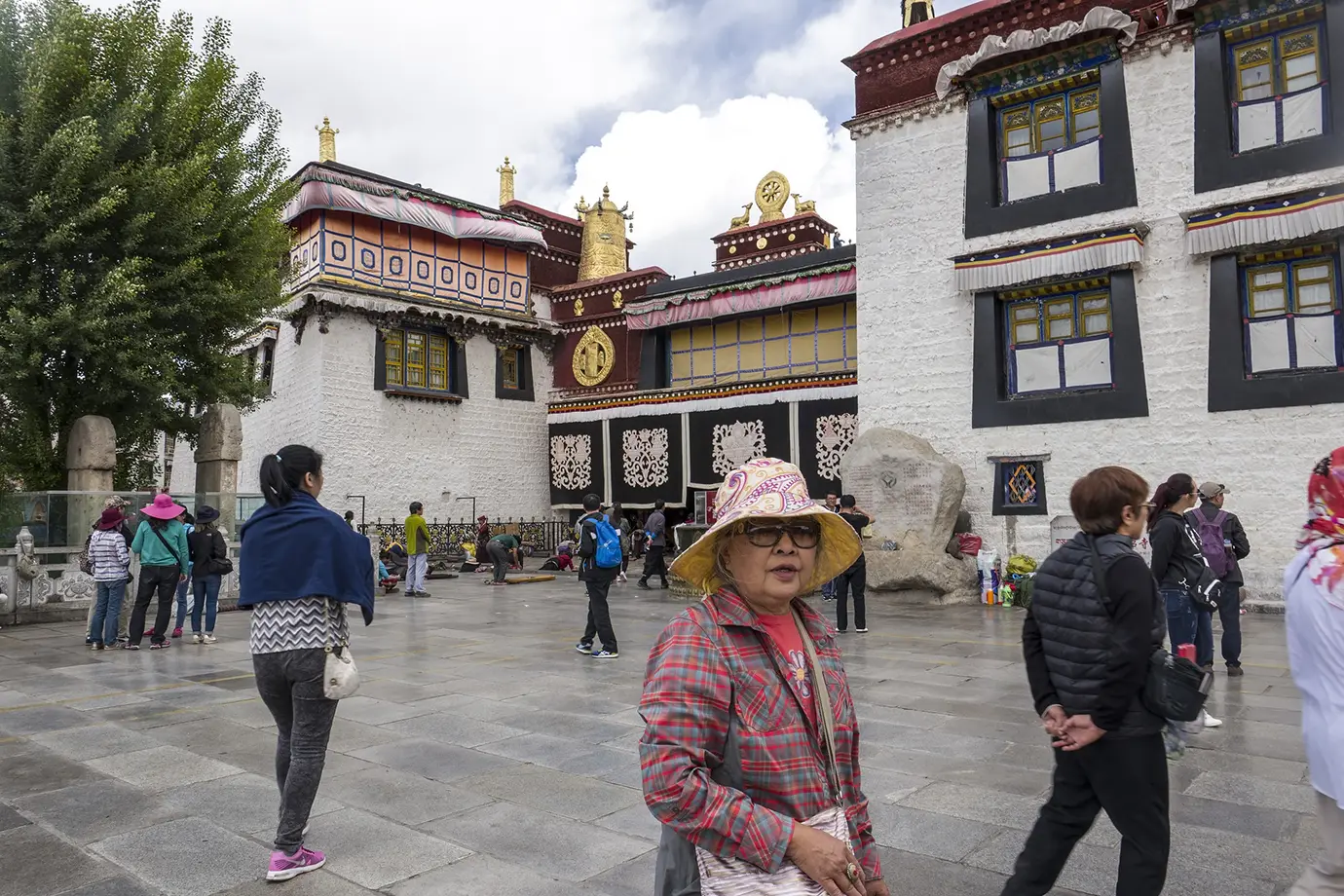
Permits and Documents Checklist
No matter which option you pick, you need the right paperwork:
- Passport and Visa: Ensure your passport is valid and that you have the required Chinese visa. (If entering from Nepal, China visa rules can vary.)
- Tibet Travel Permit: Arranged by your tour agency. Submit passport copies, a photo, and your travel dates. The permit usually arrives in 10–15 days after applying.
- Route Permits: If your plan includes places like Everest or Kailash, you’ll need extra border or alien permits. These add a few days to the processing time.
- Precise Plans: Tours require you to state your planned route and schedule. Make sure your flights and hotels match these. Changes after approval are tough, so double-check everything before you apply.
When to Apply: Aim to start the permit process at least 3 weeks before travel. In peak season (May–Sept) or busy holidays, start 4–5 weeks early. Agents often need time for both Chinese visas (if needed) and Tibetan permits.
Best Solo-Friendly Itineraries
Pick routes that balance sights with manageable drives:
- City and Culture (6–7 days): Base in Lhasa. Day 1: rest and explore Barkhor. Day 2: Jokhang Temple and Potala Palace. Day 3: Drepung and Sera Monasteries. Day 4: Yamdrok Lake day trip. Day 5: Norbulingka Park and local museum. Day 6 departure. Low drive intensity, good acclimatization.
- Heritage Circuit (8–9 days): Add classic towns. Days 1–4 in Lhasa. Day 5: drive to Gyantse via Kamba La, visit Palcho Monastery. Day 6 Shigatse (Tashilhunpo). Day 7 back to Lhasa via Gampala Pass and Yamdrok Lake. Day 8 rest/shops in Lhasa. Day 9: fly out. Medium drives include 4,800m pass. Best in warmer months.
- Extended Loop (11–12 days): Only if you’re comfortable with altitude and time. Days 1–4 Lhasa. Days 5–7 as in Heritage Circuit. Days 8–9: head north to a lake (Namtso) or west to quiet valleys. Days 10–11 return to Lhasa via a different route. High drives, some roads can be rough. Ensure breaks and low-slope days between.
Each plan assumes a slow pace on arrival. You could swap some drives for flights to save time if desired (for example, fly Lhasa–Gonggar and drive back).
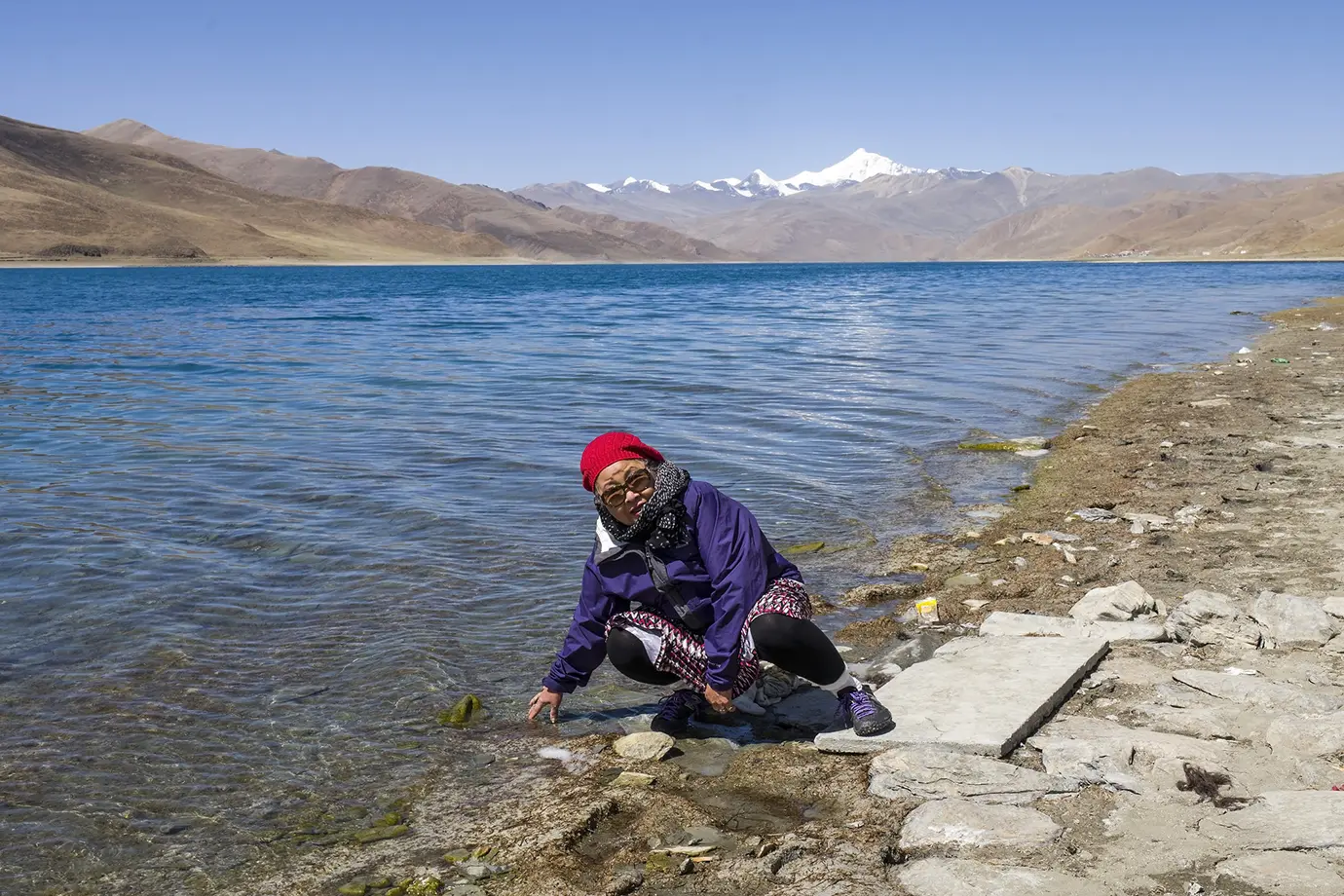
Safety and Practical Tips
Traveling alone requires extra care:
- Acclimatization: Solo travelers should plan at least two nights in Lhasa (3,650 m) before heading higher. Body adjustment is key.
- Long Drives: Bring water, snacks, and motion-sickness pills. Breaks are important: step out for fresh air every few hours.
- Documents: Keep original passport, visa, and permit with you at all times (hotel stores them but carry copies).
- Communication: Local SIM cards work only in cities. Wi-Fi in hotels can be slow or absent. Plan around connectivity gaps.
- Cash: Carry enough Chinese yuan. Smaller towns may not take cards, and ATM access is rare outside Lhasa.
- Guide Support: Your guide will help at checkpoints and interpret. Don’t be shy about asking local questions or about scheduling free time.
- Health: Bring a basic first-aid kit. Hand sanitizer and antiseptic wipes are good for road trips.
- Evening Plans: In small towns, shops close early. Keep extra snacks or a flashlight after dark.
Staying vigilant and comfortable helps prevent the isolation that solo travel can sometimes feel like. Remember, your guide is a resource – lean on their local knowledge.
Budgeting as a Solo Traveler
Traveling solo typically costs more per person than sharing:
- Transport: Hiring a vehicle just for you costs roughly the same as for a small group. This doubles the per-person cost unless you join others.
- Accommodation: Single-occupancy rates can be higher at some guesthouses. Booking double rooms and sharing with friends (if you have them) is cheaper.
- Guide & Permit Fees: These are fixed fees, regardless of group size. Solo travelers shoulder the whole cost, while groups split it.
Saving Tips:
- Group Departures: Joining a group tour is usually the cheapest solo option.
- Off-Peak Travel: Shoulder seasons (April and September) offer lower tour prices.
- Keep It Simple: Visiting Lhasa and nearby attractions costs less than adding far-flung areas.
Anticipate that your trip per day might be 1.5–2 times what it would be per person in a larger group. Plan accordingly or try to link up with other travelers.
Packing List for Solo Travel
Essentials for a solo trip to Tibet:
- Layers of Clothing: Temperatures vary. Pack a warm jacket, fleece, and thermal underwear. Even summer nights get cold.
- Sun Protection: High altitude means strong sun. Bring sunglasses, a sunhat, and high-SPF sunscreen. Lip balm, too.
- Water and Snacks: Solo drivers often stock bottled water. Have your own refillable bottle and some quick snacks (nuts, granola bars) for between meals.
- Health Items: Altitude medicine (if advised by doctor), headache or stomach remedies, band-aids, sanitizer.
- Power Bank: Electricity can be patchy on the go. A power bank charges phones or cameras when outlets are hard to find.
- Documents Folder: Keep passport, visa, permit, and reservations in one secure folder or pouch that stays with you.
- Entertainment: Solo travelers often get downtime. Bring a book or playlist for long waits (train rides, airports, etc.).
Pack light enough to move easily, but bring these comforts to cover the unpredictability of travel in remote areas.
Common Mistakes to Avoid
- Day 1 Overload: Solo or not, jumping from airport to full sightseeing can cause altitude sickness. Plan short activities for your first day.
- Skipping Buffers: Not scheduling an extra rest day can backfire if weather delays arrival. Always assume one day might change.
- Too-Long Drives: Trying to cover too much ground in one day leads to exhaustion. Balance sightseeing with downtime.
- Assuming Independence: Remember, local rules will limit unplanned wandering. Don’t wander away from your group without confirming it’s allowed.
- Documentation Slips: Losing track of your permit or passport is a big problem. Always know where these are or keep digital copies.
- Ignoring Local Customs: Simple etiquette mistakes (like walking counter-clockwise around a temple) can upset locals. Read up on basic Tibetan customs before you go.
Avoid these by sticking to your guide’s plan and allowing plenty of rest.
FAQs
Q: Can I travel to Tibet solo without a guide?
A: No. Independent travel in Tibet is not allowed. Every foreigner must be part of an organized tour with a licensed guide. Solo travelers must either join a group tour or hire a private guide.
Q: Is traveling to Tibet safe for solo travelers?
A: Yes, with the right precautions. Tibet has good infrastructure for tourists along the main routes. Using guides means you have help in case of health issues or delays. The biggest concerns are altitude and long drives, not crime. Guides ensure solo travelers are never truly “alone” in remote areas.
Q: What is the best way to travel to Tibet alone?
A: Join a guided tour. A group tour is cost-effective, while a private tour offers freedom. Either way, you’ll handle the permit rules and transport logistics that solo independent travelers cannot bypass.
Q: Can I wander freely as a solo traveler in Lhasa?
A: Solo travelers do get some free time. For example, your guide might leave you to explore the Barkhor market or Jokhang area on your own. But you can’t leave designated areas in outlying regions without your guide.
Q: Do I need the same permit as group travelers if I go solo?
A: Yes. Your Tibet Travel Permit is issued the same way. Whether in a group or traveling alone (with a guide), you need the permit based on your chosen itinerary. The process is identical.
Q: How long do I need for a solo Tibet trip?
A: Minimum 5–7 days for Lhasa and nearby sites. Add more days if you include places like Yamdrok Lake or sights in central Tibet. If you want to add far regions (Everest or Kailash), plan 10–12 days total. Always allow 1–2 rest days.
Following these guidelines helps solo travelers plan wisely. With the right approach, a solo trip to Tibet can be smooth and memorable. Safe travels!