


A Tibet adventure tour takes you far beyond the usual sights. It means driving on rough roads, camping under high passes, and seeing nomadic life. These trips suit fit travelers, trekkers, and photographers seeking unique landscapes and culture. You must handle high altitude, limited services, and flexible plans. This guide covers difficult routes, logistics, and safety so you can plan a true adventure.
Quick Facts:
- Best Season: Late spring to early autumn (Apr–Jun, Sep–Oct) for stable weather in remote areas.
- Trip Length: 10–18 days is common, including buffer days.
- Travel Style: Private 4WD vehicle with experienced guide (group size 2–6).
- Biggest Challenge: Thin air (high passes), long drives, and very basic facilities.
Adventure Routes at a Glance
Here are examples of off-road routes:
- West Tibet Adventure (Kailash & Changthang): 12–15 days, max ~5,300 m, summer/autumn. 4WD road trip with camping. Highlights: Sacred Mt. Kailash, Lake Manasarovar, Changtang high plateau. Moderate-Challenging.
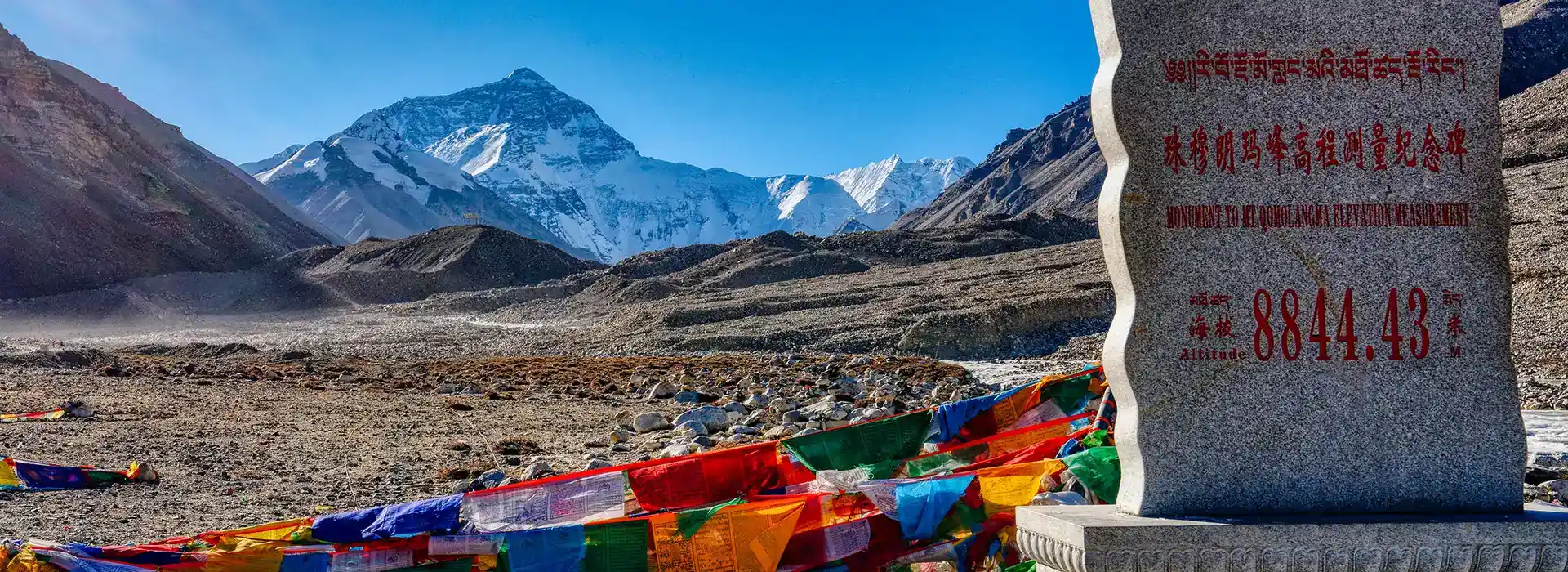
- Everest Circuit by Jeep: 10–12 days, max 5,200 m, summer/autumn. A loop via Gyantse–Shigatse–EBC–Nyang Lake. Gravel roads, basic lodges. Highlights: Everest views, ancient monasteries. Moderate.
- Northeast Tibet Loop (Kham Route): 10–13 days, max ~5,100 m, summer. Tar roads and dirt tracks through the Kham region (Tagong, Litang, Kangding). Highlights: Grasslands, monasteries, Tibetan villages. Moderate.
- North Tibet Trek (Changthang Plateau): 14–18 days, max ~5,500 m, summer. 4WD plus trekking on the Changtang plateau. Camping expedition to remote lakes and nomadic camps. Challenging.
- Eastern Tibet by Road (Nyingchi and Mêdog): 8–12 days, max ~5,100 m, summer. Difficult Himalayan roads (Lower Medog). Highlights: Subtropical forests, canyons. Challenging.
- Northwest Tibet Circuit (Ngari and Pangong): 12–15 days, max ~5,500 m, summer. From Manali (India) or via Kashgar. Very remote: Mt. Kailash, Guge Ruins, Pangong Lake. Extreme.
Each route varies in days and altitude. All require strong fitness, thick warm layers, and a spirit of adventure. We cover them in depth below.
What “Off-the-Beaten-Path” Means
Be prepared for:
- Rugged Logistics: Long days on unpaved roads or highways. Often 6+ hours driving with few stops.
- Sparse Facilities: Few hotels or restaurants. You may rely on basic guesthouses, tents, or homestays. Don’t expect hot showers everywhere.
- Limited Connectivity: Phone signal and internet are rare outside big towns. Carry maps and download info in advance.
- Weather Risks: High passes can get snow even in summer, blocking roads. Always have a rain jacket and warm gear.
- Extra Permits: Remote areas often require special permits (e.g., Kailash tours need an Ali Permit). Changes are hard once permits are issued.
- Challenging Environment: High altitude, strong sun, and cold nights are constants.
Who should avoid this? Travelers needing daily comfort or only short drives, or those unfit. If long hours in a vehicle drain you, or if you cannot handle cold nights in tents, stick to standard tours.
Off-the-Beaten-Path Routes in Tibet
1. West Tibet: Kailash & Changthang Circuit
- Overview: A classic remote loop starting/ending in Lhasa (or Kathmandu). Includes Mt. Kailash Kora, Lake Manasarovar, and the vast Changthang plateau.
- Route: Lhasa – Saga – Darchen (Kailash) – Manasarovar – Paryang – Rumtse – Changtang Wild Lakes Circuit – Lhatse – Lhasa.
- Duration: ~12–15 days.
- Max Altitude: ~5,250 m (Dolma Pass) and ~5,300 m (Pangong Range).
- Accommodation: A mix of simple guesthouses in villages and camps in Changtang. One night camping by Marsimik La or near isolated lakes is common.
- Best Season: June–September (pass open mid-May to early Oct). Peak summer can be rainy, and early fall is clear.
- Permits: Tibet Travel Permit + Alien’s Permit (for Ali region) + Permit for Pangong Tso (if crossing into lake area).
- Difficulty: Challenging. High passes and remote plateaus. Requires 4WD. Good for experienced travelers.
Highlights:
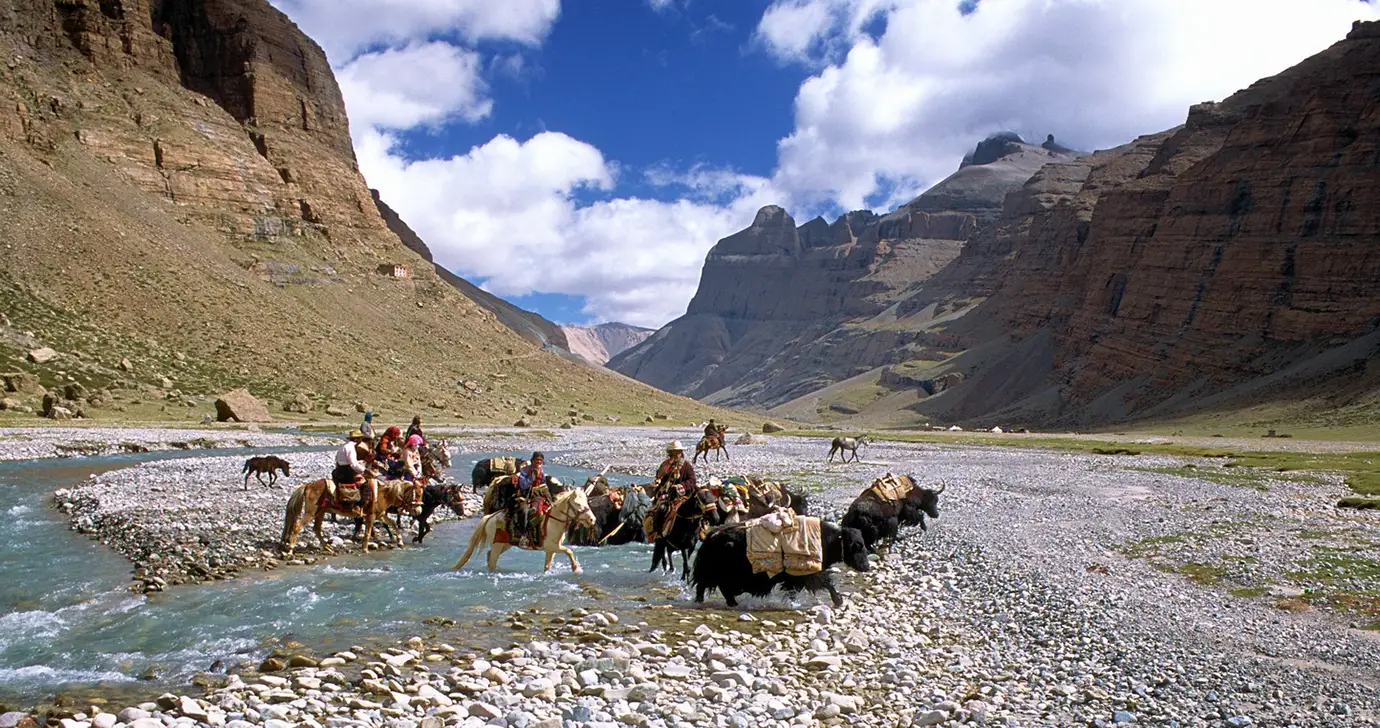
- Kailash Kora: 52-km high-altitude trek or drive around Mt. Kailash.
- Manasarovar Lake: A Sacred lake with stunning sunsets.
- Dolma Pass: Scenic viewpoint (5,200 m).
- Changtang Lakes: Untouched lakes (like Kyagar Tso, Raoche Tso) and nomad encounters.
- Guge Ruins (optional): Ancient city in Ngari, reachable via a detour.
2. Everest Circuit by Jeep
- Overview: A road tour focusing on Everest Base Camp (north side) and surrounding sites.
- Route: Lhasa – Yamdrok Tso – Gyantse – Shigatse – Sakya – Tsola Pass – Everest Base Camp – Shigatse – Lhasa.
- Duration: 10–12 days.
- Max Altitude: 5,220 m (Everest Base Camp road), 5,195 m (Gonggar/Shigatse Pass).
- Accommodation: Hotels in Lhasa, Gyantse, and Shigatse. One night is often spent at Tingri or near EBC in a guesthouse or campground.
- Best Season: April–May, Sep–Oct (clear EBC views; avoid monsoon rain).
- Permits: Tibet Permit + Everest (Alien’s) Permit + sometimes permit to the Sakya region.
- Difficulty: Moderate. Long drives (Lhasa–Shigatse ~7h, Shigatse–EBC ~6h). Altitude is a challenge but manageable with rest.
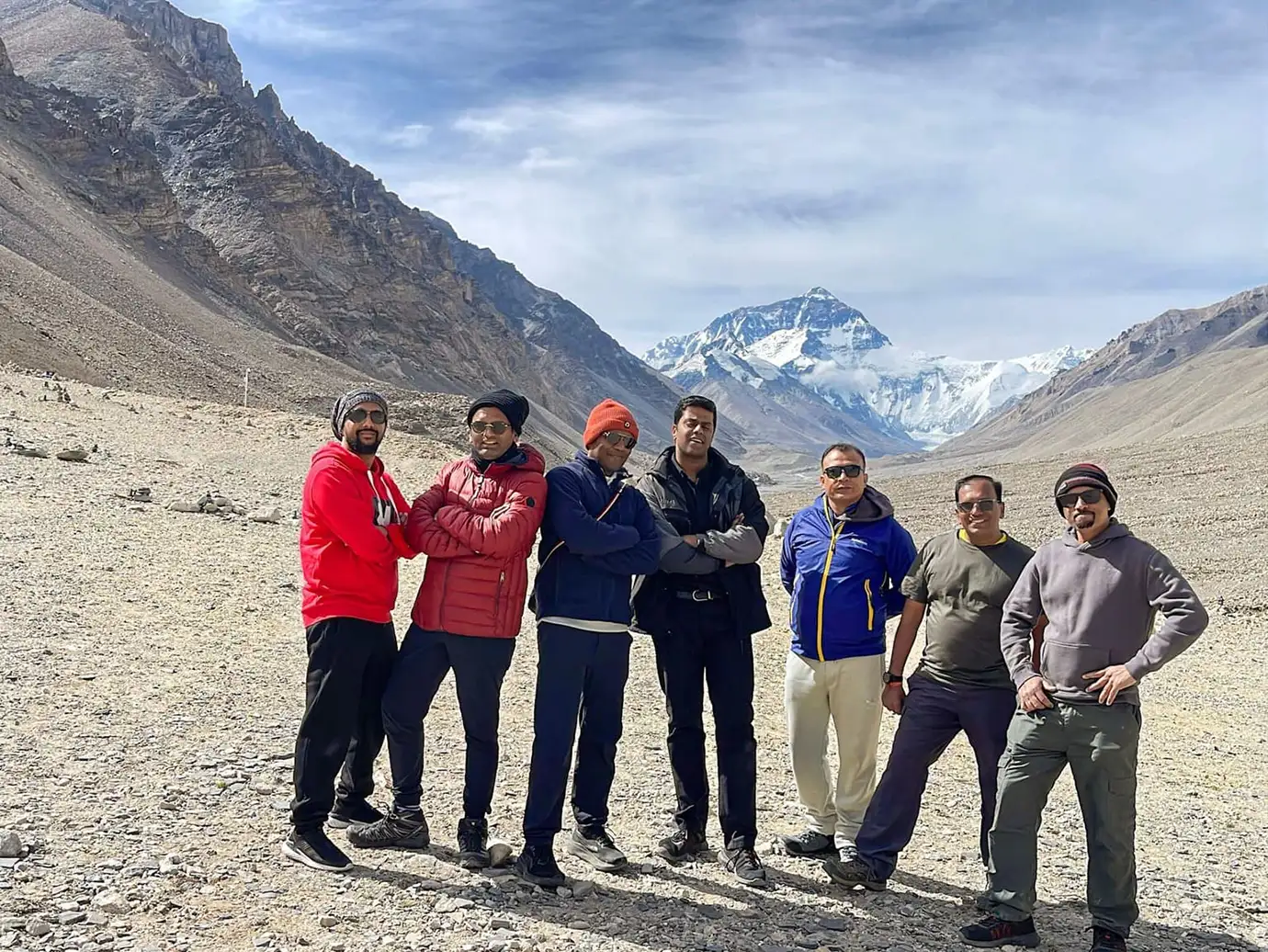
Highlights:
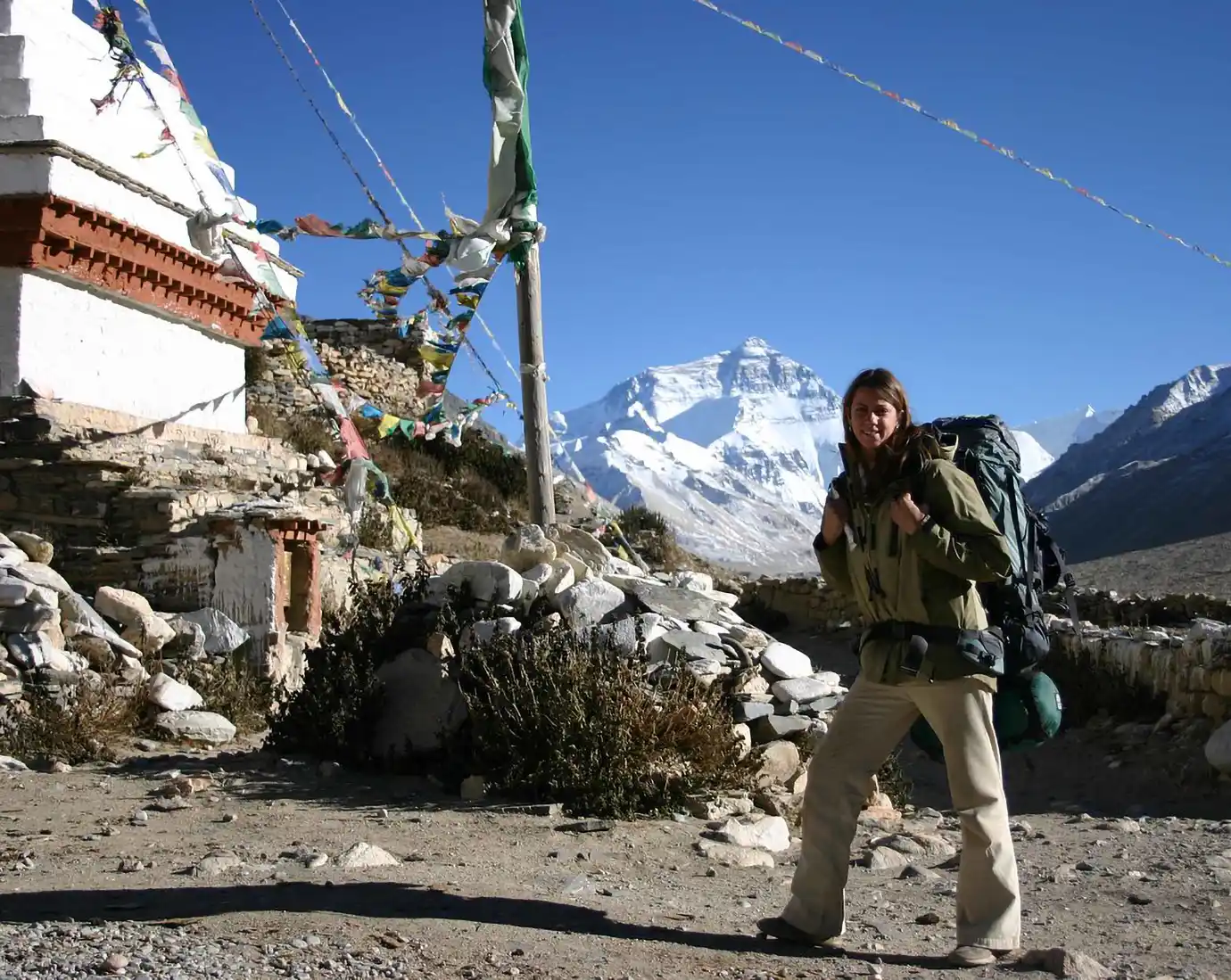
- Everest Base Camp: Panoramic views of Everest and the world’s highest monastery (Rongbuk).
- Breathtaking passes: Karo La (5,045 m), small glaciers, and high roads.
- Cultural Stops: Palcho Monastery (Gyantse), Sakya Monastery en route to Shigatse.
- Yamdrok Lake: On the way from Lhasa to Gyantse, a turquoise jewel.
3. Northeast Tibet Loop (Kham Region)
- Overview: A circuit through eastern Tibet’s Kham area, touching Sichuan. Combines Tibetan culture with mountain scenery.
- Route: Lhasa – Tagong (near Sichuan) – Litang – Chamdo – Basu (Yushu) – Lhasa (back from north). Or Lhasa–Batang–Litang–Tagong–Lhasa.
- Duration: 10–13 days.
- Max Altitude: ~5,100 m (Gonggar Pass), plus high plateaus in the Litang area (~4,600 m).
- Accommodation: Guesthouses in Tibetan towns, simple Tibetan inns. Some hiking/camping options.
- Best Season: Summer (June–Sep) for open passes. Tagong is famous for its grassland in summer. Autumn (Sep) for festivals in Litang.
- Permits: Tibet Permit. These areas are usually on a standard permit, but sometimes require only the Xizang Permit. No extra unless crossing into Sichuan.
- Difficulty: Moderate. No mega high passes, but many driving days. High-altitude meadows and nomad areas.
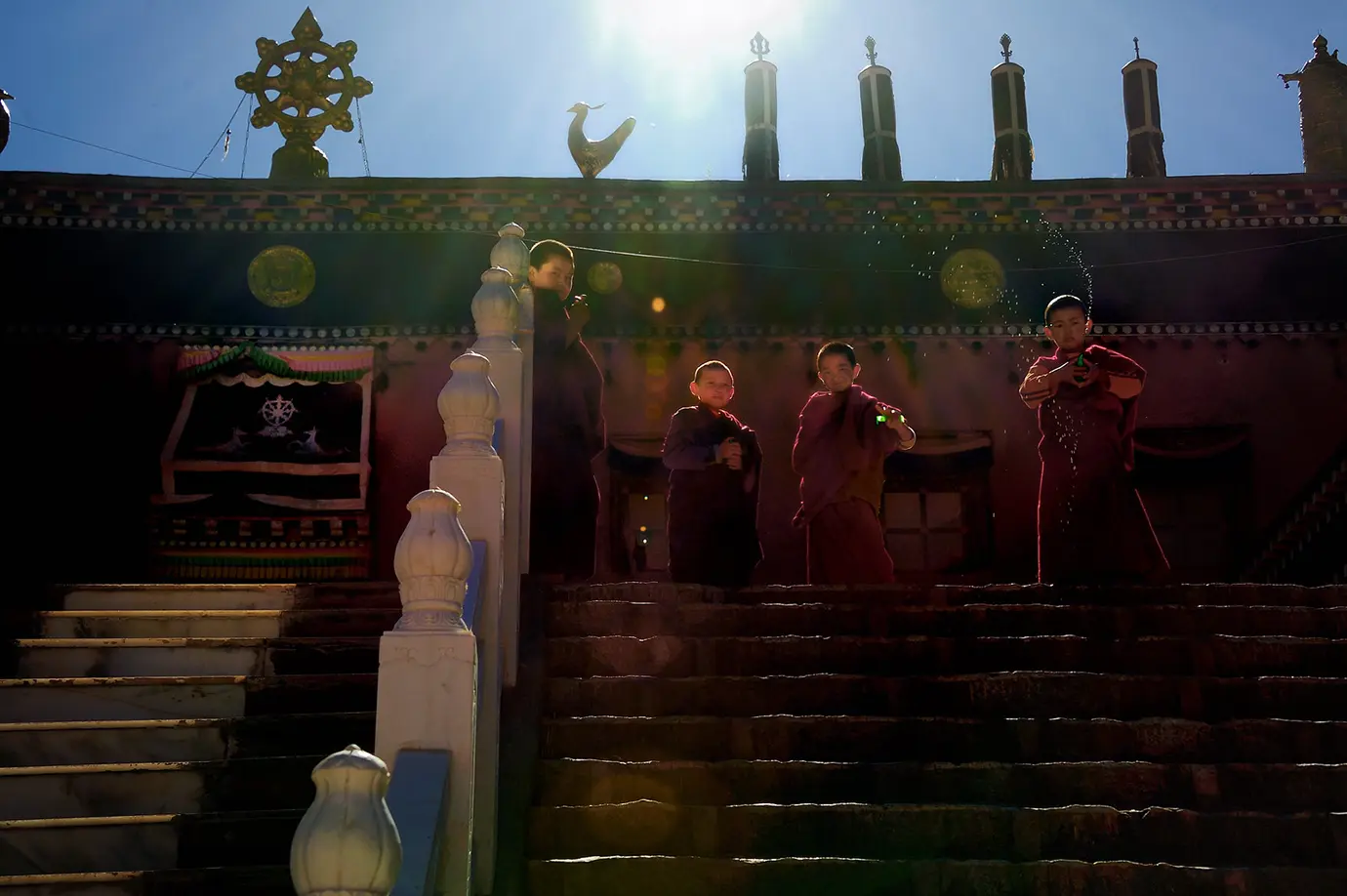
Highlights:
- Litang: High-altitude town (4,014 m) known for Buddhist history and festivals.
- Tagong Grassland: Rolling hills, yaks, summer monastery festival.
- Rikaze Pass: Overlooks Yarlung Valley.
- River Valleys: Brahmaputra and Yellow River sources.
4. North Tibet Plateau (Changthang Lakes & Nomads)
- Overview: An exploratory trip on the uninhabited Changthang Plateau in far northwestern Tibet.
- Route: Lhatse – Shiga Tsanpo Valley – Rutog – Tso Moriri (in India, side trip) – South Kailash route – Namtso – Lhasa. Or Lhatse – Manasarovar – Paryang – Rutog – Tso Kar – Tsomoriri – Sarchu – Lahaul.
- Duration: 14–18 days.
- Max Altitude: 5,500 m (various Changtang passes), 5,600 m (Rutog hills).
- Accommodation: Mostly camping (tents). Occasional basic hostel in villages like Rutog.
- Best Season: July–Aug (Tibetan summer), roads accessible late Jun to Sep.
- Permits: Tibet Permit + Ali Permit (as close to the Nepal border as possible if Mt. Kailash is included). Possibly Kashgar Permit if entering from the west.
- Difficulty: Very challenging. No tourist infrastructure; navigation needed.
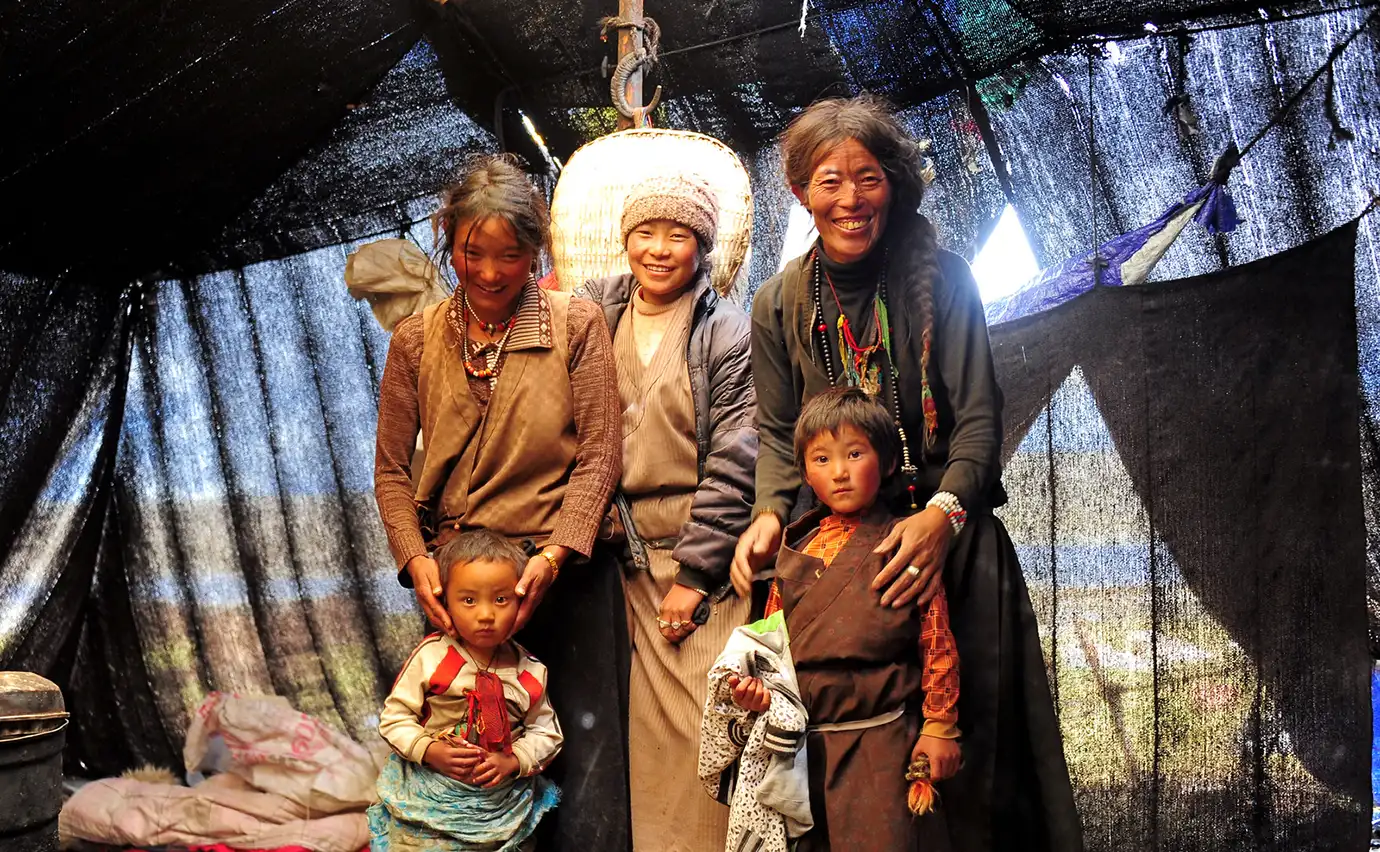
Highlights:
- Remote Lakes: Lake Pangong Tso (Tibet side), Lake Karakul (Roguo).
- Nomads: Yaks and sheep herders on grasslands.
- Strategic Plains: Viewpoint of Indian Everest.
- High Winds: Experience the raw quiet of the highest inhabited plateau.
5. Eastern Tibetan Frontier (Nyingchi & Medog)
- Overview: A jungle and canyon adventure in the far east (bordering India).
- Route: Lhasa – Nyingchi – Medog – back via Dram (Gedang) Pass.
- Duration: 8–12 days.
- Max Altitude: ~5,200 m (Gedang Pass). Nyingchi towns are lower (~2,900 m).
- Accommodation: Town hotels (warm, since the forest is dense). Camping in forests is possible but rare.
- Best Season: Summer (Jun–Sep). Winter roads (Gewu Tunnel) are closed; spring/autumn is good too.
- Permits: Tibet Permit + additional for Medog (ethnic border area).
- Difficulty: Challenging roads (steep cliffs), but lower altitude early on means easier acclimatization.
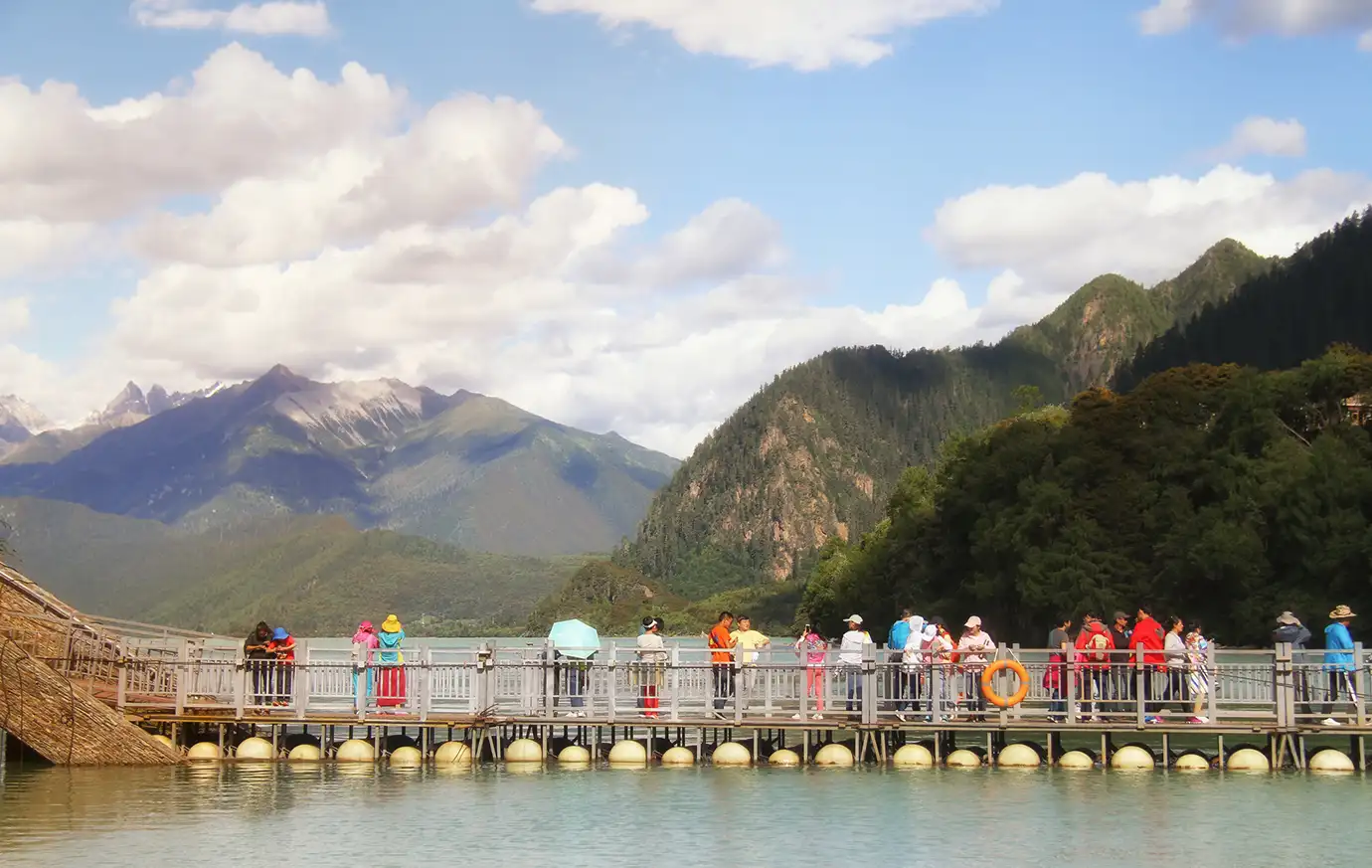
Highlights:
- Bomi County: Vast forests, giant trees.
- Yarlung Tsangpo Gorge: One of the deepest canyons on earth.
- Rukha County: Scenic mountain lakes, monastery.
What to Expect Off the Beaten Path
- Basic Services: Guesthouses often have squat toilets and cold showers. Carry a warm sleeping bag if camping or the guesthouse isn’t heated. Pack toilet paper.
- Food: Simple Tibetan or local Chinese fare. Mountain barley (tsampa), noodles, and yak meat stew. Meals rely on staples; bring snacks like nuts or granola.
- Connectivity: Cell service is rare; plan without maps. Carry a satellite phone if you’re in extremely remote areas, but the guide usually has a radio.
- Weather Flexibility: Mountain weather can force rerouting or delays. Always have a buffer day. Snow or rain at high passes is common even in summer.
- Health: Carry altitude sickness meds. Guides always have oxygen. Be ready for minimal medical access.
If you hate long drives, very basic conditions, or altitude discomfort, standard tours are safer. These adventure trips suit those who crave challenge and scenic isolation.
Adventure Add-Ons
Maximize fun on remote trips:
- Hiking & Day Treks: Add short treks near camp, such as a half-day hike around a lake or into high pastures.
- Camping: Sleep under stars; most tours include at least one camping night. Bring warm sleeping gear.
- Photography Stops: Plan dawn/dusk at lakes or passes. Remote lakes like Namtso and Yamdrok take on their best colors at sunrise.
- Cultural Detours: Visit minority villages or unsanctioned monasteries along the way. The guide can arrange local experiences.
- Altitude Training: Light exercise, such as gentle uphill walks in altitude villages, can help acclimatize and offer great views.
These touches add excitement and depth, making the adventure truly memorable.
Best Time for a Tibet Adventure Tour
Season choice is crucial for remote areas:
| Season | Pros | Cons | Best For |
| Spring (Apr–Jun) | Dry, clear skies; warming temps | Cold nights, windy in March–Apr | High passes open early, flowers, fewer bugs |
| Summer (Jul–Aug) | Warm days; lush valleys in the east | Afternoon rain, landslides possible | Trekking and camping, enjoy lush scenery |
| Autumn (Sep–Oct) | Stable weather; golden landscapes | Cold nights, early snow possible | Peak visibility, festivals (Sep) |
| Winter (Nov–Mar) | No crowds; vibrant sunsets | Very cold, many roads closed | Shorter trips, lower valley tours |
- Spring: Good for most routes, though some high passes clear by late April. Nights are still freezing.
- Summer: Best for lower altitude or eastern routes. Monsoon in the southeast may flood roads. Always ask the guide about current conditions.
- Autumn: Often ideal – clear skies, mild days. Tibet’s national holidays in late Sep mean more travelers, so book early.
- Winter: Limits many routes. Only the lowest plains and Lhasa stay accessible. Snow can isolate high regions. Winter adventure tours are rare and for experts only.
Plan for shoulder seasons to balance the weather and access. Always check road and weather updates for chosen routes.
Altitude and Safety Planning
Remote tours often reach higher elevations:
- Stronger Altitude Effects: These routes cross passes up to 5,500 m. Travel in a taxi/tour van allows rest, but even that can shock the system. Take altitude seriously.
- Acclimatization: Spend 2–3 nights in Lhasa (3,650 m) before heading out. If you start on an adventure day, do not overexert. Have at least one extra rest day during the trip.
- Slow Pace: Plan a few strenuous activities. For example, after camping at 5,000 m, do not climb the next morning; move the vehicle slowly.
- Hydration and Food: Drink hot tea or soup often. Eat carbohydrates (bread, porridge) and avoid heavy meat initially.
- Monitor Health: Anyone feeling nausea, dizziness, or a severe headache should rest and take meds. Do not push forward – descending to a lower altitude is the cure. Guides carry oxygen tanks for emergencies.
- Group Awareness: Look out for each other. High passes have thin air even at idle. Take 10–15-minute breaks every hour of driving to stretch.
Clothing: Pack for extreme swings – days can be mild, nights drop below freezing, and the wind is bitter on exposed plateaus. A down jacket, wool layers, and sturdy boots are a must.
Permits and Rules
Off-the-grid travel means extra paperwork:
- Extended Permit Times: Remote routes often require more lead time. Apply 3–4 weeks in advance if possible.
- Special Permits: Kailash trips need the Ali permit. Routes near the Indian/Nepal borders (like Pangong Lake or Mustang) might need Border Permits. Check with your agency.
- No Last-Minute Changes: Once permits are printed, routes are locked. Even changing the order of places (like swapping Lake visits) can be illegal. Plan firm itineraries.
- Documents Needed: Tibet Travel Permit (essential), additional permits if applicable, passport, Chinese visa (if not visa-free). Carry a copy of each permit.
- Checkpoint Respect: Some routes cross border-security zones (e.g., near India). During these stretches, police stop vehicles and check passports. Stay calm and have all paperwork ready.
- Permit Timeline: Start the process at least 25 days before your trip for these routes. Permit usually arrives in 10–15 days, but extras take longer. Always double-check with your guide.
Transport and Logistics
Expect tough travel days:
- 4WD Vehicles: Use high-clearance jeeps or SUVs. Some roads are gravel or dirt with potholes. 4WD helps on steep inclines and rough tracks (especially in Changtang or Medog).
- Driving Hours: Plan 4–8 hours per day. If altitude and scenery allow, stop to hike a short trail. But most travel means long stints. You may cover only 200–300 km in a day.
- Fuel Stops: Carry extra fuel (jerry cans) for very remote routes (some packages include fuel cost). Stations are scarce outside main towns, e.g., Rutog or Saga.
- Restroom Breaks: Outside villages, you find only squat pits. In emergencies, use bushes. Keep toilet paper and hand gel handy.
- Night Driving: Avoid it. Mountain roads are not well-lit. Plan to reach lodgings by early evening.
- Road Conditions: Check if roads are open before leaving. For example, winter often closes the Gedang Pass (Nyingchi). The guide will have the latest info.
Checklist for Road Days:
- Water & snacks, enough for at least half a day.
- Warm jacket and hat in case of breakdown.
- Sunscreen and sunglasses; even in a car, you get UV.
- First-aid kit (guide will have, but carry personal meds too).
- Camera and binoculars (for nomads or birds on plateaus).
Accommodation and Camping
Prepare for basic lodging:
- Guesthouses: Remote towns have simple guesthouses (often cold. They might offer a blanket rental. Gachas (Tibetan tent lodges) are popular on Changtang treks.
- Hotels: Only in larger towns (Lhasa, Shigatse, Tingri). Even “hotels” are spartan compared to city hotels – think clean bed, no-frills bathroom.
- Camping: For truly remote legs, tours include camping gear. Guides set up dome tents. Bring a sleeping bag rated to -10°C or lower.
- Power & Heat: Expect no electricity in camps. In guesthouses, heating may be powered only at night. A headlamp is useful for camping.
- Cooking: Meals may come from camps or local kitchens (simple soups, noodles, yak stew). If camping, the guide’s helper often cooks over gas or fire. You only need to eat.
- Comfort Tip: Carry earplugs and a sleep mask – remote lodgings may have early light or street noise (yak bells, trucks). And a travel towel can be useful when hot water is limited.
Packing List for Adventure Tour
- Clothing: Layer up. Pack a warm fleece or wool layer, a down jacket, a waterproof shell, thermal underwear, and sturdy pants. Include a hat, gloves, and warm socks.
- Footwear: Waterproof trekking shoes or boots. Bring a lighter pair of shoes for evenings at camp.
- Gear: Headlamp or flashlight with extra batteries. Universal adapter for plug (China uses type A/C/I). A camera with extra batteries. Portable charger/power bank. Travel pillow if you like for vehicles.
- Camping Gear: If not provided, bring your own sleeping bag (down or synthetic is not enough), thermos flask, and personal water purifier or sterilizer.
- Health & Safety: Sunblock, lip balm, moisturiser (air is dry), insect repellent (for summer, near rivers), hand sanitizer, tissues. Basic first-aid (plasters, blister pads, bandages, painkillers). Altitude meds if prescribed.
- Essentials: Sunglasses, binoculars for wildlife, reusable water bottle, snacks (nuts, energy bars). Identification and permit copies in a dry pouch. Cash in local currency (yuan).
Pack light but include warmth. Weight is fixed; once in Tibet, you won’t be able to buy gear. Leave space for souvenirs.
Food and Water in Remote Areas
Eating well is critical:
- Water: Do not drink tap water. Boiled or bottled water only. Guides often carry water jugs. If camping, they bring boiled or pre-bottled water. Bottled water can be bought at villages for a few yuan.
- Meals: Food in remote Tibet is basic: barley porridge, noodles, dumplings, soups with simple veggies. Meat will be yak or mutton. Spices are mild. Breakfast might be tsampa (barley flour) or eggs.
- Vegetarian: Not easy, but possible. Inform the guide. Veggie noodles or fried potatoes will appear, but protein can be scarce. Bring protein bars if needed.
- Snacks: High-energy snacks help on long drives. Dried fruit, trail mix, and chocolate bars keep spirits up. Some tours include a picnic lunch on travel days.
- Alcohol: Avoid alcohol on high trips. It dehydrates. If you do partake, limit yourself to moderate amounts.
- Restaurants: Only in towns. On trips, lunch might be a picnic-style meal (rice, bread, eggs, fruit) on the road. If you have food allergies or dietary needs, bring any necessary supplements (e.g., lactase pills, stomach meds).
Carry hand sanitizer or disinfectant wipes to clean hands before meals when facilities are poor.
Cost Factors for Remote Routes
Key elements of the price:
- Vehicle & Driver: Specialty 4WD vehicles with full fuel and likely a driver’s extra fee. On remote circuits, extra vehicles or backups increase cost.
- Guide & Crew: A good guide is essential. Camps often have a cook and an assistant. Guides and helpers add to the cost but are a safety net.
- Permits: Remote permits (e.g., Kailash, border pass) can cost a bit more (permit and visa handling fees).
- Camping Gear: If camping is included, the tour provides tents, stoves, cookware, and other gear. This gear adds to the tour setup cost.
- Group Size: Small private group (2-4) can be pricey. A group of 5-6 shares costs better. Some companies fill groups for these trips.
- Season: Peak season (mid-summer) may cost more due to higher demand; shoulder seasons sometimes offer small discounts.
Overall, expect adventure tours to cost more per day than standard tours due to the equipment and effort required. But they offer unique value. You can save by joining a small group rather than solo, and by traveling just off-peak.
Money-saving tip: Shared vehicles with another traveler or joining a group departure spreads fuel and guide costs. However, by definition, these trips need a minimum number of participants, so early booking to form a group helps.
Responsible Adventure Travel
Respect Tibet’s fragile environment and culture:
- Leave No Trace: Pack out all trash. Even biodegradable food scraps should be carried out or buried deeply. Avoid single-use plastics.
- Cultural Respect: Always ask before taking photos of people. In nomadic camps, buy local crafts directly if possible. Don’t disrupt local life.
- Sacred Sites: Walk around stupas or mani walls clockwise. Don’t remove prayer flags or touch shrines. Keep a respectful distance from monks and pilgrims.
- Campfires: In very remote areas, only build small fires if guides say it’s safe. Many places in Tibet discourage the use of wood fires. Use a camp stove or group fire pit.
- Wildlife: Disturb animals as little as possible. Don’t feed stray dogs or wildlife.
- Fuel: Fill up only at official stations. Don’t siphon or use substandard fuel, as this risks a breakdown.
Being responsible keeps these places beautiful and ensures future travelers can enjoy them as well. Talk to your guide about local customs and environmental measures.
Sample Remote Itineraries
12-Day Kailash & Changthang Adventure:
- Days 1–2: Acclimate in Lhasa. Visit Norbulingka, Sera Monastery (no altitude spike yet).
- Day 3: Lhasa to Saga (road, ~6h). Sleep at 4,800 m.
- Day 4: Saga to Darchen (Mt. Kailash base) ~5,050 m. Camp or simple guesthouse.
- Day 5: Kailash Kora trek (full day, 5,630 m pass). Camp at Diraphuk.
- Day 6: Continue Kora to Darchen.
- Day 7: Darchen to Paryang, with a visit to Manasarovar. Hot springs soak.
- Day 8: Paryang to Tso Kar (4,530 m) via Dolma La (5,190 m). Camp.
- Day 9: Tso Kar to Rutog (3,800 m) via smaller lakes.
- Day 10: Rutog to Tsomoriri (India) and back to Spanggur (camp).
- Day 11: Spanggur to Lhatse, via Tumla (5,040 m) and Nake La (4,770 m).
- Day 12: Lhatse to Lhasa via Gyantse. End.
Drive Level: Heavy (6–8h most days). Altitude: Up to 5,600 m. Stay: Tents & very basic inns. Difficulty: Challenging, for very fit travelers.
10-Day Everest Base Camp Expedition:
- Days 1–2: Easy Lhasa acclimatization and cultural touring.
- Day 3: Lhasa to Gyantse (Yamdrok Lake, 3,900 m). Stay Gyantse.
- Day 4: Gyantse to Shigatse (3900 m, 2h). Afternoon at Tashilhunpo.
- Day 5: Shigatse to Everest Region (Gyantse–Lhatse–Lingsten La 5,010 m). Stay Tingri (4,350 m).
- Day 6: Tingri to EBC (5,200 m) and back to Shigatse via the newly paved road.
- Day 7: Buffer/Rest day (in case of altitude fatigue). Explore the Shigatse market.
- Day 8: Shigatse to Saga (4,650 m) through windy passes.
- Day 9: Saga to Namtso Lake (4,700 m) and back to Lhasa.
- Day 10: Depart Lhasa.
Drive Level: Moderate-heavy. Altitude: Peaks ~5,200 m. Stay: Hotels in cities, one-night guesthouse. Difficulty: Moderate. Good for those wanting Everest without extreme camping.
Common Mistakes to Avoid
- Skipping Acclimatization: Don’t leave Lhasa for the high passes the day you arrive. Your body needs 2–3 days at 3,650 m first.
- Overpacking: Extra clothes help, but dragging an overweight bag is hard. Pack only essentials for cold, and laundry can be done in towns.
- No Buffer Day: Always have at least one rest day in case of weather delays or altitude issues. Lack of flexibility is a recipe for stress.
- Ignoring Local Advice: If guides say a pass is too dangerous to cross today, trust them. Self-driving off-road is illegal and dangerous.
- Wrong Shoes: Flip-flops or new shoes cause blisters. Bring sturdy, broken-in hiking boots.
- Plastic Waste: Using many plastic bottles and leaving trash. Bring a reusable water bottle and a bag for trash.
FAQs
Q: What is included in a Tibet Adventure Tour?
A: A typical package covers transport, guide, permits, accommodation (camping/guesthouses), and meals as noted. Entry to attractions is usually included. You provide personal gear and any extras, such as snacks or tips.
Q: What are the best off-the-beaten-path routes in Tibet?
A: Popular remote tours include the West Tibet Kailash loop (with Changtang), Everest Base Camp via remote roads, the Northeast Kham circuit (Litang-Tagong), and the northern Changtang plateau trek. Each offers unique scenery – you pick based on your time and fitness.
Q: When is the best time for a Tibet Adventure Tour?
A: Late spring (Apr–Jun) and early autumn (Sept–Oct) are best for remote travel. Passes open by late April. Summer (Jul–Aug) works, but expect some rain. Winter is very harsh and not recommended for these off-grid routes.
Q: Do off-the-beaten-path routes need extra permits?
A: Often yes. For example, Mt. Kailash requires the Ali permit. Routes near borders (Nepal/India) or military areas may need special border permits. Your tour operator will arrange all necessary permits, but you should allow extra time for them.
Q: Is a Tibet Adventure Tour safe for first-time visitors?
A: It can be safe if you are prepared. These tours demand physical fitness and readiness for basic conditions. First-timers should allow ample acclimatization and travel only with experienced guides. Avoid trying these routes without prior high-altitude experience.
Q: Do I need to camp on a Tibet Adventure Tour?
A: Most remote routes include at least some tent camping. Some tours offer “luxury camping” with hot water showers and dining tents. If you dislike camping, ensure your itinerary has guesthouses or be ready to book local homestays.
Q: How many days do I need for a remote Tibet trip?
A: Plan at least 10 days. Shorter trips (7–8 days) only cover one or two areas. True remote circuits (such as the Kailash loop) require 12–15 days. Add rest days if including trekking. Overloading days reduces safety and enjoyment.