


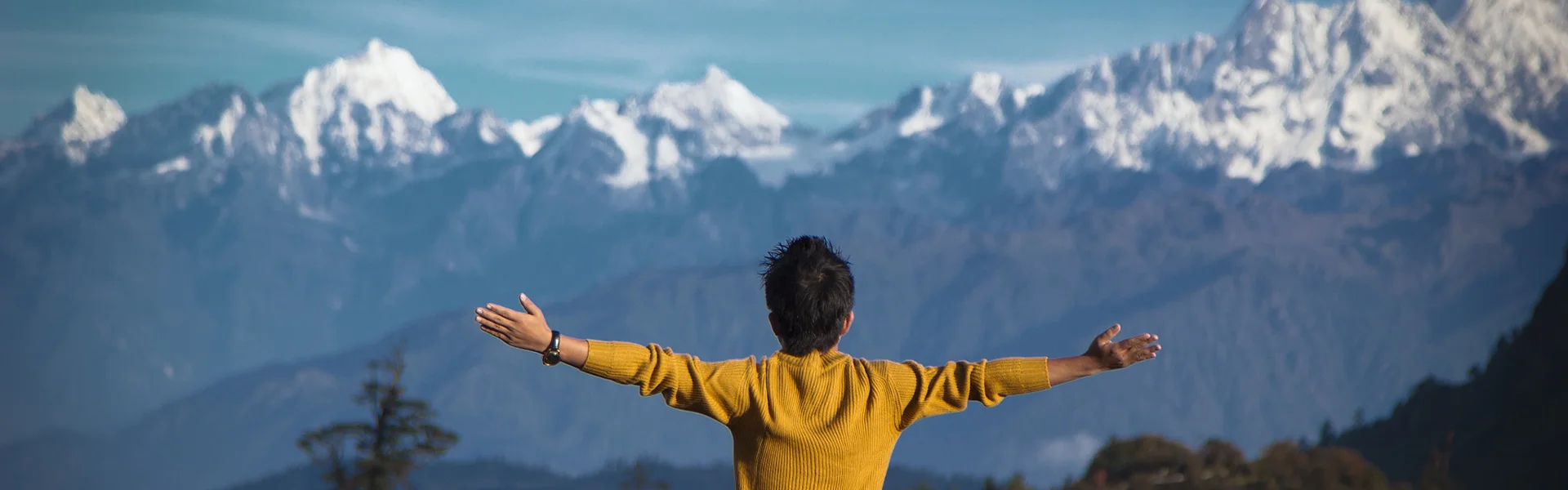

A Tibet Cultural Tour offers an unmatched travel experience across the high-altitude plateau. Travelers experience ancient monasteries, historic old towns, and sacred sites. Daily life in the region centers around deep spiritual traditions. Monks chant texts inside dark halls. Pilgrims walk endless circles around holy buildings. Nomads herd yaks across vast green plains. The air smells of burning juniper incense and yak butter lamps.
The itinerary suits culture lovers, photographers, and first-time visitors. Culture enthusiasts study complex wall paintings and golden statues. Photographers capture stunning contrasts between red monastic walls and bright blue skies. First-time visitors enjoy a well-planned introduction to an unfamiliar world. Peregrine Treks and Tours organizes these premium trips with luxury and professional care. Expert guides handle all logistics. Guests focus entirely on the rich surroundings.
Tibetan Buddhism makes the region completely unique. The religion functions as a living heritage. Faith dictates daily routines for local people. The dramatic plateau setting adds a grand backdrop to every cultural site. Snow-capped mountains surround deep valleys. High-altitude lakes reflect the sky like massive mirrors. Exploring these spaces requires careful pacing. The extreme elevation demands respect. Travelers climb stairs slowly. The body needs time to adjust to thin air.
Quick Facts for Your Tibet Cultural Tour
Tibet tour planning depends on season, route length, altitude, and travel style. This table gives a quick overview of the best seasons, typical trip duration, key travel regions, altitude notes, and tour style options for travelers visiting Tibet.
| Category | Details |
|---|---|
| Best Seasons | Spring (April to May) and autumn (September to October) |
| Typical Duration | Options range from 5 to 12 days based on the route |
| Key Regions | Lhasa, Shigatse, Gyantse, Tsetang |
| Altitude Note | Most sites sit above 3,600 meters, so a slow pace matters |
| Tour Style | Guided group travel or private luxury trips |
Tibet Cultural Tour Highlights at a Glance
A Tibet Cultural Tour packs incredible sights into every single day. The region holds countless treasures across vast distances. The following list highlights the most important experiences travelers encounter.
Top Monasteries:
- Jokhang Temple: The spiritual center of the capital city.
- Sera Monastery: Famous for energetic afternoon monk debates.
- Drepung Monastery: The site of massive, giant Thangka displays.
- Tashilhunpo Monastery: The historical seat of the Panchen Lama.
- Samye Monastery: The first Buddhist monastery in the region.
- Ganden Monastery: A mountain retreat with stunning valley views.
Top Heritage Sites:
- Potala Palace: The massive winter residence of past leaders.
- Norbulingka: The beautiful summer palace with large green gardens.
- Barkhor Street: The lively market and ancient pilgrim circuit.
- Yumbulagang: The first fortress palace built on a rocky hill.
- Gyantse Dzong: An ancient fort overlooking a historic valley.
Best Cultural Experiences:
- Watching lively afternoon philosophy debates among monks.
- Walking sacred pilgrim circuits alongside local devotees.
- Drinking traditional sweet tea in crowded local teahouses.
- Shopping for handmade crafts in open-air markets.
Optional Add-ons:
- Yamdrok Lake: A stunning turquoise water body in the mountains.
- Karola Glacier: A massive ice field sitting near the highway.
- Local Villages: Traditional farming settlements in the Yarlung Valley.
- Day Hikes: Short walking trails near mountain monasteries.
Core Cultural Regions and What to See
Lhasa: Spiritual and Cultural Heart
Lhasa serves as the primary gateway for every Tibet Cultural Tour. The city mixes modern development with ancient tradition. The Potala Palace dominates the city skyline from Red Mountain. Jokhang Temple anchors the old town area. Monasteries sit on the mountain slopes surrounding the valley.
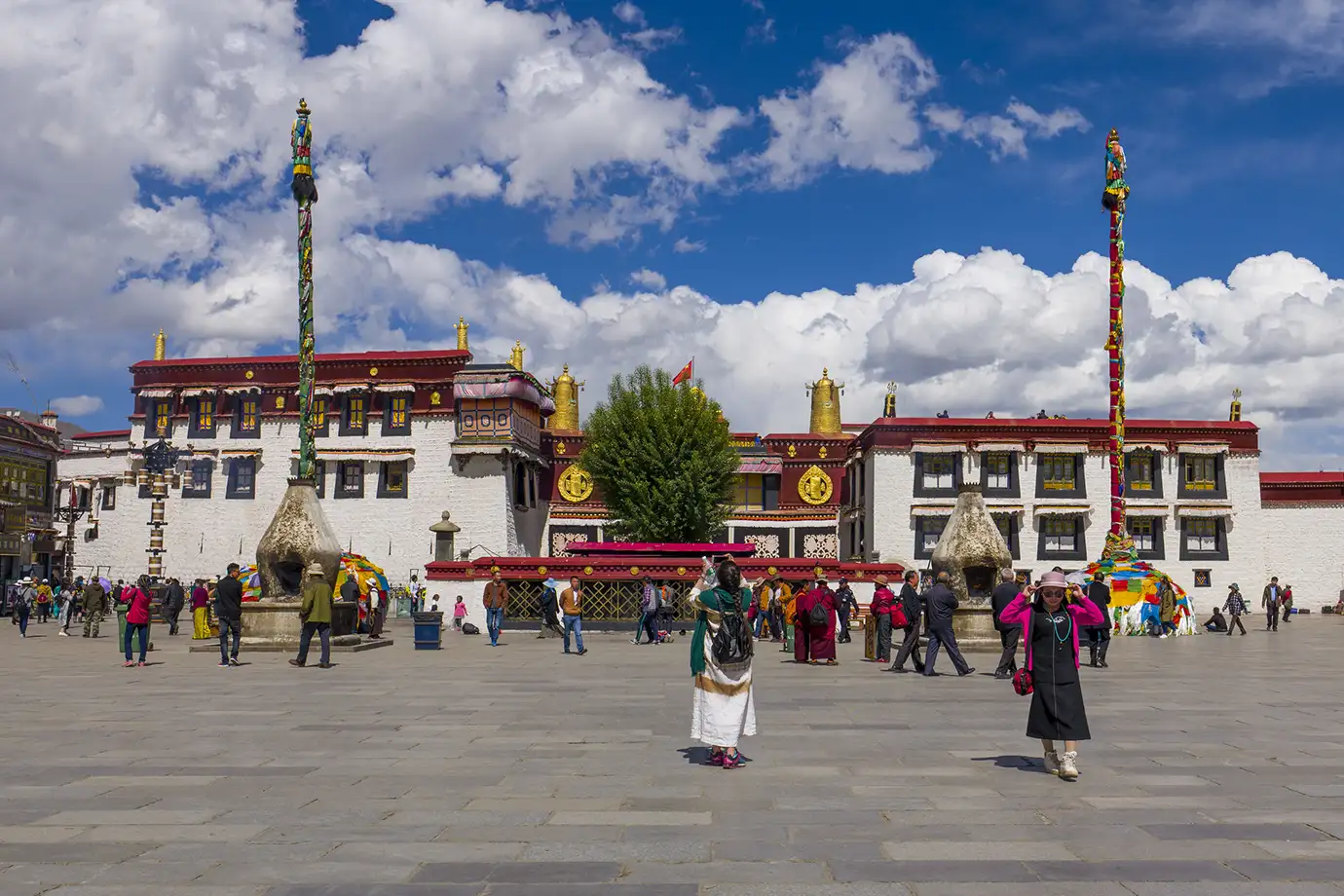
Travelers explore major temples during the first few days. The schedule stays relaxed. The body slowly adjusts to the high elevation. Visitors walk the Barkhor Street pilgrim route. The market streets sell thousands of traditional items. Vendors offer prayer wheels, colorful flags, and handmade jewelry. The Tibet Museum showcases historical artifacts. Exhibits display ancient statues, traditional costumes, and old musical instruments.
Why the place matters: Lhasa functions as the center of the Tibetan Buddhist world and holds the most important religious relics.
Gyantse and Shigatse: Fortress Towns and Monastic Traditions
Gyantse retains a very traditional atmosphere. The town sits in a wide farming valley. Gyantse Dzong stands on a high rock in the center. The ancient fort provides amazing views of the surrounding area. Pelkor Chode Monastery sits at the edge of town. The monastery features the famous Kumbum Stupa. The stupa rises multiple stories high. Visitors climb through small chapels to reach the top. Local streets feature old architecture. Craftsmen weave traditional wool carpets in small workshops.
Shigatse serves as the second-largest city on the plateau. The city holds great political and religious importance. Tashilhunpo Monastery dominates the western edge of town. The complex covers a massive area of seventy thousand square meters. The local market sells farming tools, clothes, and religious goods.
Why the place matters: These towns preserve ancient military history and represent the cultural power of the Tsang region.
Tsetang and Central Tibet: Roots of Tibetan Civilization
Tsetang sits in the fertile Yarlung Valley. The region has the deepest historical roots. Early kings united local tribes here. The first farmers cultivated barley in these fields.
Travelers visit early historical sites on a Tibet Cultural Tour. Yumbulagang stands on a ridge resembling a deer. The structure served as the first royal palace. Tradruk Temple sits on the valley floor. The temple ranks among the earliest Buddhist buildings. Samye Monastery rests across the wide river. The complex introduced monastic rules to the local population.
Why the place matters: The Yarlung Valley gave birth to the local civilization, the first kings, and the first agricultural settlements.
Monasteries to Include and What Visitors Learn
A Tibet Cultural Tour focuses heavily on monastic life. Each monastery offers a different lesson in history and art.
Jokhang Temple
- Location: Central Lhasa, Barkhor Square.
- Why it matters: The temple belongs to the Gelug school. King Songtsen Gampo built it in the seventh century. It holds the most sacred statue in the region.
- What travelers see: Visitors see dark chapels lit by butter lamps. The Jowo Shakyamuni statue sits in the main shrine. The statue depicts Buddha at age twelve. Gold and jewels cover the figure. Murals show historical building scenes.
- Visit length and practical notes: Plan for one to two hours. Stairs reach the golden roof. The roof provides views of the Potala Palace. Visitors follow a strict dress code. Photography rules ban pictures inside the chapels.
Sera Monastery
- Location: Northern Lhasa suburbs.
- Why it matters: The institution serves as a major university for monks. The Gelug school was founded in 1419.
- What travelers see: Travelers see beautiful assembly halls. The main attraction involves the afternoon debates. Monks gather in a shaded courtyard. They discuss Buddhist philosophy using hand claps and loud questions.
- Visit length and practical notes: Plan for two hours. Arrive by mid-afternoon. Watch the debates from the edge of the courtyard. Keep voices low.
Drepung Monastery
- Location: Western Lhasa, on Mount Gephel.
- Why it matters: The complex once housed over ten thousand monks. It served as the political center before the construction of the Potala Palace.
- What travelers see: Visitors see massive white buildings against dark mountain rocks. The main assembly hall holds huge statues. Huge kitchens feature massive cooking pots.
- Visit length and practical notes: Plan for three hours. The site requires uphill walking. Take slow steps to avoid shortness of breath.
Tashilhunpo Monastery
- Location: Shigatse city.
- Why it matters: The first Dalai Lama founded the complex in 1447. The site serves as the traditional seat of the Panchen Lama.
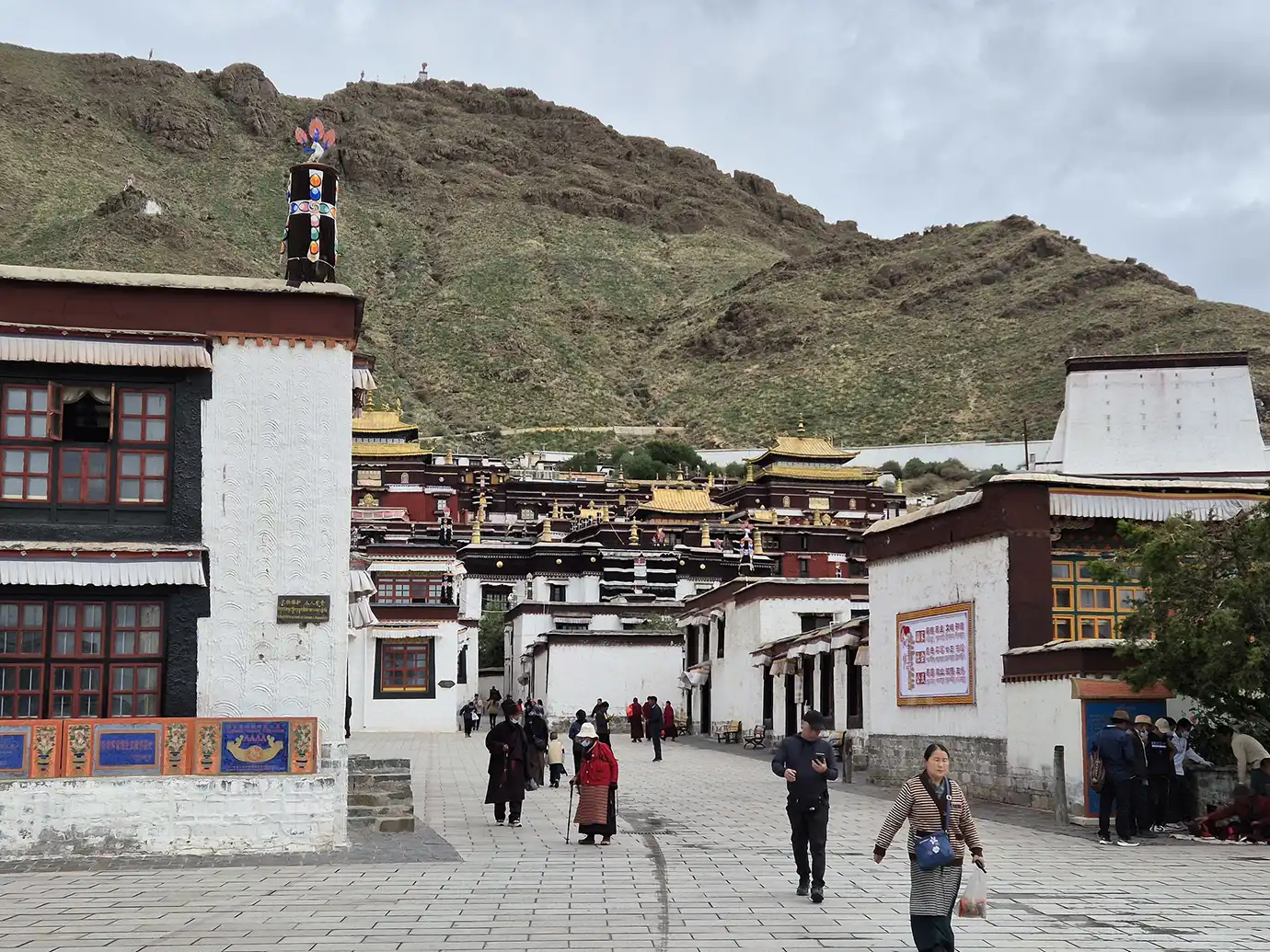
- What travelers see: striking red-and-white buildings. The Maitreya Chapel holds the Jampa Buddha statue. The statue reaches over twenty-six meters high. Artisans used massive amounts of gold and copper to build it. Jeweled stupas hold the remains of past Panchen Lamas.
- Visit length and practical notes: Plan for two hours. The complex covers a large area. Wear comfortable walking shoes.
Samye Monastery
- Location: Dranang County, near Tsetang.
- Why it matters: King Trisong Detsen built it in the eighth century. It functioned as the first true Buddhist monastery in the region.
- What travelers see: a unique architectural layout. The design copies a sacred mandala map. The main temple represents Mount Meru. Four colored stupas represent different continents. The walls feature ancient murals.
- Visit length and practical notes: Plan for two hours. The site sits on flat ground. Exploring the outer temples takes extra time.
Ganden Monastery
- Location: Wangbur Mountain, east of Lhasa.
- Why it matters: Tsongkhapa founded the site in 1409. It acts as the primary monastery of the Gelug school.
- What travelers see: Visitors see buildings clinging to steep mountain slopes. The main hall features Tsongkhapa’s golden throne. A red chapel holds his tomb.
- Visit length and practical notes: Plan for a half-day trip from Lhasa. The altitude reaches 4,300 meters. Walk very slowly to prevent altitude sickness.
Ramoche Temple
- Location: Northern Lhasa.
- Why it matters: The temple acts as the sister site to Jokhang. Princess Wencheng originally built it.
- What travelers see: Han and local architectural styles are mixed together. The main shrine holds the Jowo Mikyo Dorje statue. The statue depicts Buddha at age eight.
- Visit length and practical notes: Plan for one hour. The site receives fewer tourists. The atmosphere feels very quiet.
Monastic Life Today
Monasteries function as active religious schools. Monks follow strict daily schedules. The day begins before sunrise. Monks gather in the main halls for morning chanting. They drink butter tea and eat tsampa during breaks. The afternoon involves intense study and debate. Older teachers instruct young novices.
Visitors observe these activities respectfully on a Tibet Cultural Tour. Stand quietly near the walls. Do not block doorways. Do not interrupt the moving lines of monks. Show reverence for the dedicated lifestyle.
Heritage Sites and Cultural Landmarks
A complete Tibet Cultural Tour includes many non-monastic sites. These landmarks broaden the understanding of local history.
Palaces and Old Government Quarters
The Potala Palace commands attention. The White Palace served as living quarters and offices. The Red Palace contained chapels and religious tombs. Massive stone walls slope inward for earthquake protection. Thousands of rooms form a complex maze. Norbulingka served as the summer residence. The complex features large gardens, calm ponds, and shaded walking paths. Palace rooms display beautiful furniture and personal artifacts.
Old Towns and Traditional Streets
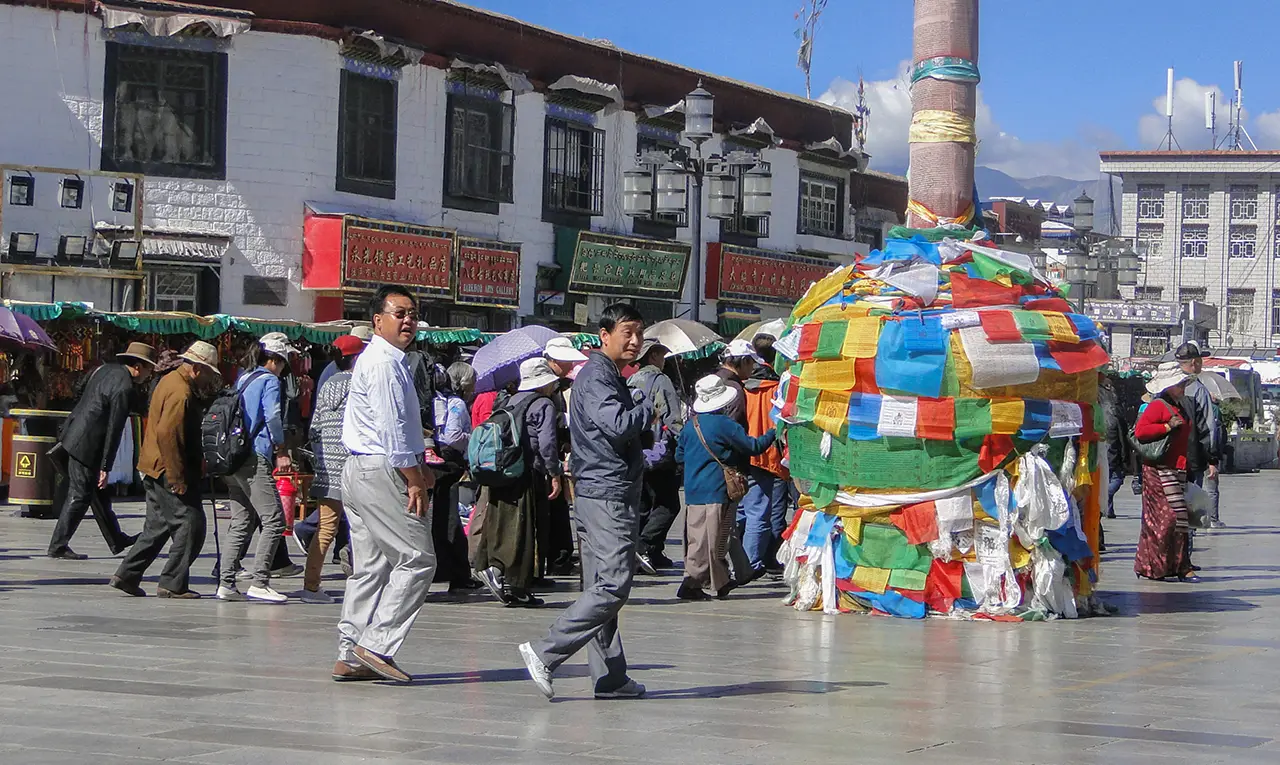
Barkhor Street circles the Jokhang Temple. The street preserves the old city atmosphere. Traditional white houses feature dark wooden window frames. Cloth awnings protect small shops from the sun. The air smells of sweet tea and incense. Side alleys hide small courtyards. Nomads and city residents mix in the crowded lanes.
Forts and Dzongs
Ancient military forts protect strategic valleys. Yumbulagang represents the oldest building style. The tall tower watches over the Yarlung River. Gyantse Dzong sits on a massive rock. British forces attacked the fort in 1904. The ruined walls offer amazing photography opportunities. Exploring these forts requires climbing steep stone steps.
Stupas, Mani Walls, and Prayer Wheels
Religious monuments dot the landscape. Stupas hold sacred relics and texts. White dome shapes appear near villages and mountain passes. Mani walls consist of flat stones. Artists carve sacred mantras into every stone. Some walls stretch for hundreds of meters. Prayer wheels line the outside of temples. Cylinders contain tightly rolled paper prayers. Spinning the wheel releases the prayers into the wind.
Tibetan Buddhism Basics for First-Time Visitors
Understanding a Tibet Cultural Tour requires basic knowledge of local religious practices. The symbols carry deep meaning.
The Kora Practice
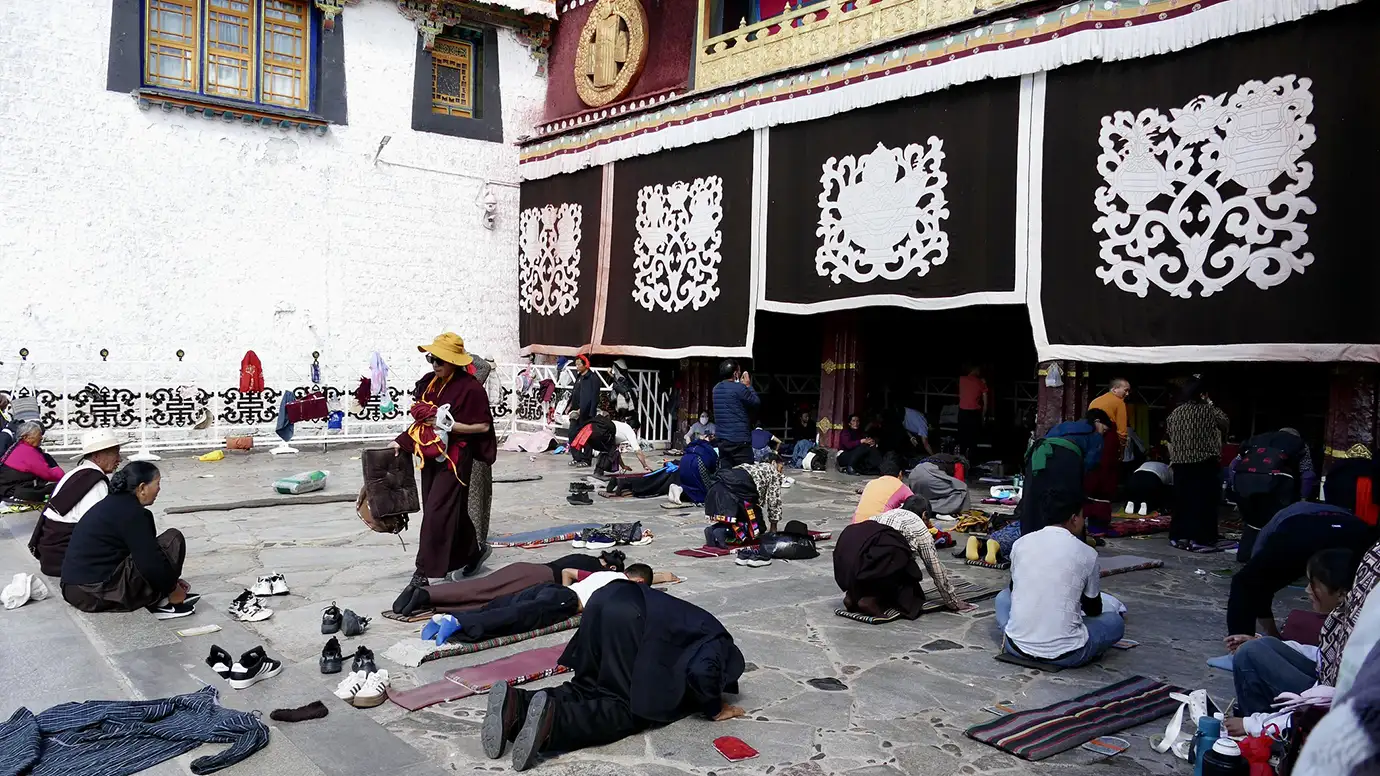
A kora involves walking around a sacred site. Devotees perform the ritual walk to earn spiritual merit. The path circles a temple, a mountain, or an entire city. Walkers always move clockwise. Some pilgrims perform full-body prostrations. They slide their bodies flat onto the ground. They stand up, take three steps, and drop down again. The physical effort shows deep devotion.
Prayer Wheels and Mantras
Metal and wooden cylinders serve as prayer wheels. Devotees spin the wheels clockwise. The movement equals reciting the prayers hidden inside. The most common mantra sounds like “Om Mani Padme Hum”. The six syllables represent compassion. People recite the phrase constantly. The sound creates a low humming noise in crowded temples.
Prayer Flags and Stupas
Colorful cloth squares hang from rooftops and mountain passes. The flags feature five specific colors. Blue represents the sky. White represents the air. Red represents fire. Green represents water. Yellow represents the earth. The wind blows across the printed prayers. The breeze carries blessings across the world. Stupas represent the Buddha’s enlightened mind. The square base represents earth. The round dome represents water. The top spire represents fire.
Why Some Rooms Ban Photos
Religious tradition values the sacred nature of chapels. Flash photography damages ancient wall paintings. Taking pictures distracts monks from meditation. Most inner rooms ban cameras completely. Guards enforce the rules strictly. Visitors leave cameras in their bags. The ban forces travelers to look with their eyes. The memory of the dark, glowing chapels stays in the mind.
Cultural Etiquette and Temple Rules
Good manners ensure a successful Tibet Cultural Tour. Peregrine Treks and Tours expects all guests to respect local customs. Proper behavior wins trust from local people.
Dress Code
Modest clothing shows respect. Visitors cover their shoulders completely. Sleeveless shirts cause offense. Shorts and short skirts break temple rules. Travelers wear long pants or long skirts. Hats come off before entering any religious building.
Behavior in Sacred Spaces
Temples require quiet voices. Visitors speak in whispers. Loud talking disrupts prayers. Always walk clockwise around shrines and stupas. Never walk backward against the flow of pilgrims. Keep your hands away from the statues. Never touch religious objects or murals. Never point the soles of the feet toward an altar. When sitting on the floor, tuck your feet underneath your body.
Photography and People
Always ask permission before taking a photo of a person. Many older people dislike cameras. Smile and point to the camera. Wait for a nod. Monks usually decline photos during prayers. Never use a flash inside a building.
Donations and Offerings
Small donation boxes sit near altars. Pilgrims leave small paper bills. Visitors leave donations if they feel moved. Giving money remains completely voluntary. Place the money respectfully in the box. Do not toss it.
Do / Don’t Summary List
- Do walk clockwise around temples.
- Do remove hats inside chapels.
- Do dress in long pants and shirts with sleeves.
- Do ask permission before taking portraits.
- Don’t touch statues or paintings.
- Don’t point fingers at religious figures.
- Don’t wear shorts or tank tops.
- Don’t photograph inside restricted rooms.
Permits and Travel Rules for a Tibet Cultural Tour
The government regulates all foreign travel in the region. A Tibet Cultural Tour requires specific paperwork. Independent travel remains illegal.
The Need for Permits
Every foreign passport holder needs a Tibet Travel Permit. The regional tourism bureau issues the document. The permit lists the exact travel dates. The paper lists the approved itinerary. Travelers show the document before boarding flights or trains. Checkpoints along the highway constantly check the permit. Hotels require a permit for check-in.
Types of Permits
The standard Tibet Travel Permit covers Lhasa and major highways. Travel outside the capital requires an Alien’s Travel Permit. The local police issued the second document in Shigatse or Tsetang. Travel to sensitive border areas requires a Military Permit. The travel agency handles all applications.
Connecting Services
The permit system forces travelers to book a complete package. The package includes a private vehicle. The package includes a licensed driver. The package includes a registered tour guide. The guide carries the permit document during the trip. The guide presents the paper to police officers at road checkpoints.
Timeline and Action Steps
Travelers book tours far in advance. The permit process takes at least twenty days. Travelers send clear passport scans to the agency. Travelers send copies of their Chinese visa. The agency submits the files to the government. The government prints the permit. The agency mails the paper to the traveler’s hotel in mainland China. Travelers entering from Nepal follow a different process. They apply for a Group Visa at the Chinese Embassy in Kathmandu.
Best Time for a Tibet Cultural Tour
Weather impacts the travel experience greatly. Each season offers different benefits for a Tibet Cultural Tour.
Spring (April to May)
Spring brings comfortable weather. Skies remain clear in the mornings. Ice melts from the high mountain passes. Wildflowers bloom in the lower valleys. The temperature rises above freezing. Travelers enjoy excellent views of mountain peaks. Crowds remain relatively small.
Summer (June to August)
Summer serves as the peak travel season. The weather turns warm. Oxygen levels reach their highest point. The warm air makes breathing easier. Summer brings the monsoon rains. The rain usually falls at night. Valleys turn bright green. Most major festivals happen in the summer. Prices reach their highest levels. Tourist crowds fill the main attractions.
Autumn (September to October)
Autumn offers stable weather conditions. The rain stops completely. The sky turns a deep, clear blue. Autumn foliage changes color. The crisp air provides perfect visibility for mountain viewing. Demand remains strong during autumn. Travelers book hotels and flights early.
Winter (November to March)
Winter brings cold temperatures. Snow blocks remote mountain roads. However, city touring remains possible. Lhasa sees bright sunshine during the day. Sunlight warms the city streets. Tourist crowds disappear completely. Hotels offer deep discounts. Countless rural pilgrims visit the capital during winter. The authentic cultural atmosphere feels strongest in the cold months.
Planning Tips
Travelers check festival dates before booking. Festivals raise hotel prices. Festivals cause massive crowds at monasteries. The shoulder seasons of spring and autumn offer the best overall value. The weather stays pleasant, and crowds remain manageable.
Festivals and Cultural Events
Festivals showcase the region’s living traditions. A Tibet Cultural Tour during a festival provides amazing memories.
Why Festivals Matter
Festivals bring communities together. Nomads travel from distant plains to the cities. Monks perform ancient rituals. Dancers wear elaborate costumes. Musicians play long horns and beat heavy drums. Events celebrate the harvest, the new year, or religious milestones.
Shoton Festival
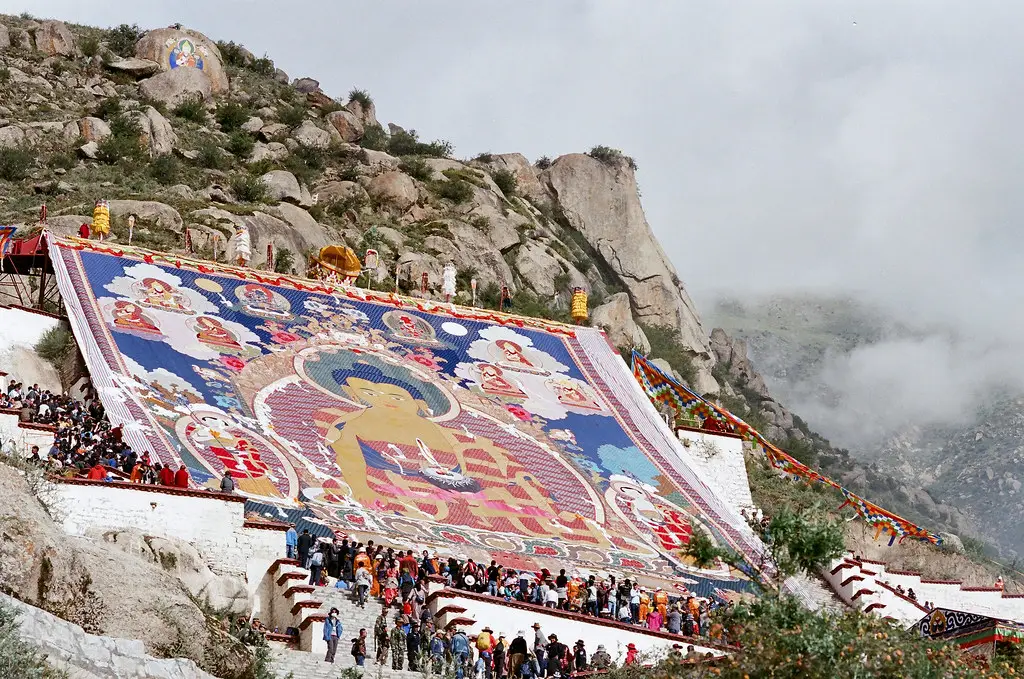
The Yogurt Festival takes place in late summer. Local people offer fresh yogurt to monks as they finish their meditation retreats. Drepung Monastery hosts a massive event. Monks carry a giant Thangka painting up the mountain. They unroll the silk Buddha image at sunrise. Thousands of people throw white scarves toward the painting. Families gather in Norbulingka for picnics. Actors perform traditional Tibetan opera in the gardens.
Losar (Tibetan New Year)
The new year falls in February or March. The date changes based on the lunar calendar. Families clean their houses. They paint auspicious symbols on their doors. People eat special noodle soups. Monasteries hold special prayer ceremonies. Travel during Losar requires careful planning. Some shops close for the holiday.
Festival Planning
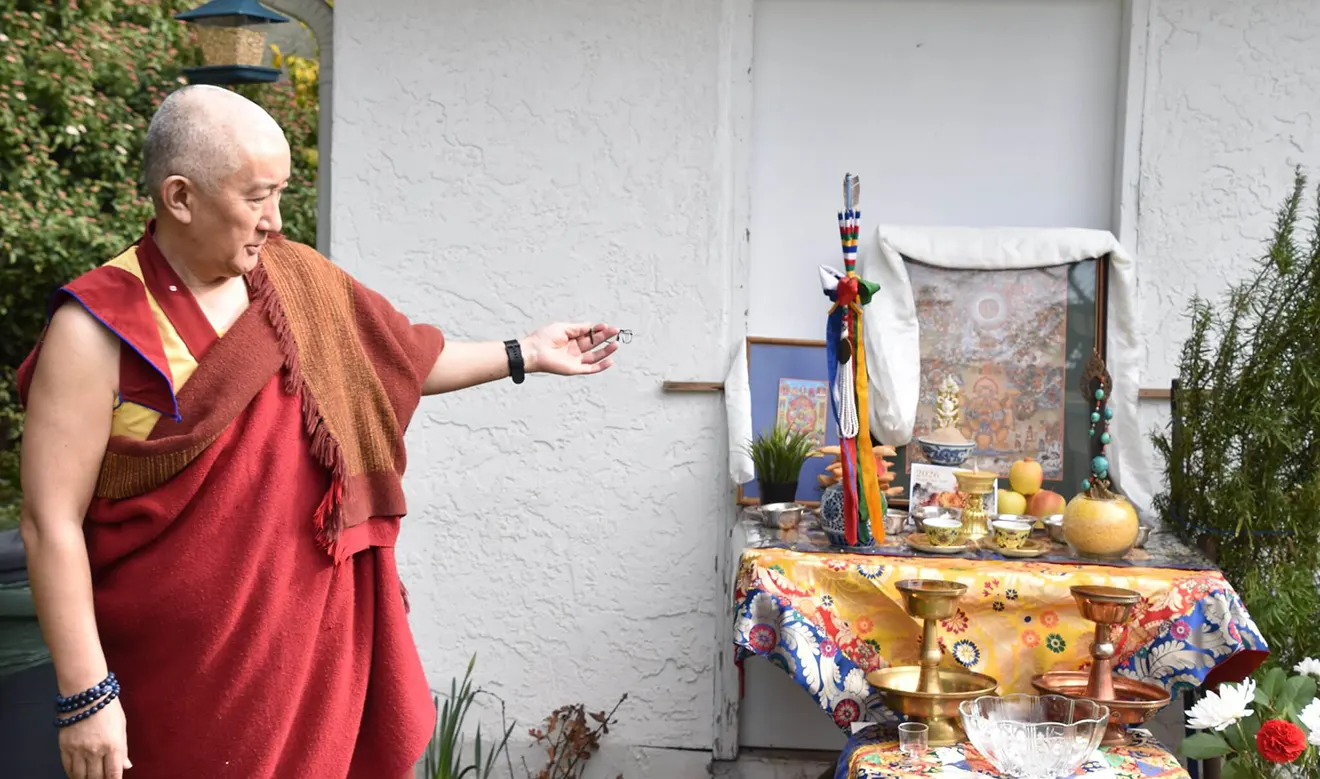
Travelers expect large crowds. Good viewing spots require early arrival. Photographers maintain a respectful distance from dancers and monks. Respect the religious nature of the events. Book luxury tours with Peregrine Treks and Tours months in advance to secure hotel rooms.
Sample Tibet Cultural Tour Itineraries
Peregrine Treks and Tours designs itineraries for different schedules. Each plan maximizes cultural exposure. The pacing allows for proper altitude adjustment.
Option 1: 5–6 Days: Classic Lhasa Culture
The short trip focuses entirely on the capital city. The itinerary suits travelers with limited time.
- Day 1: Arrive at Lhasa Gonggar Airport. Meet the guide. Transfer to the luxury hotel. Rest completely. Drink plenty of water.
- Day 2: Visit the Potala Palace in the morning. Walk slowly up the stairs. Explore the Jokhang Temple in the afternoon. Join pilgrims on the Barkhor Street circuit.
- Day 3: Drive to Drepung Monastery. Explore the massive white buildings. Visit Sera Monastery in the afternoon. Watch the monk debates in the courtyard.
- Day 4: Take a day trip outside the city. Visit Ganden Monastery on the mountain. Walk the high kora route. Enjoy views of the Kyi Chu Valley.
- Day 5: Visit the Tibet Museum. Walk through the Norbulingka summer palace. Shop for souvenirs in the local markets.
- Day 6: Transfer to the airport or train station for departure.
Altitude pacing note: The first two days require minimal physical effort. Drive times stay under two hours.
Option 2: 7–9 Days: Lhasa + Gyantse + Shigatse
The classic route covers the most famous southern towns. The trip adds amazing landscapes to the cultural sites.
- Day 1-3: Follow the classic Lhasa itinerary. Acclimatize to the elevation.
- Day 4: Drive toward Gyantse. Cross the high Gampala Pass. Stop at Yamdrok Lake. Admire the turquoise water. Stop at the Karola Glacier. See the ice close to the highway. Arrive in Gyantse.
- Day 5: Visit Pelkor Chode Monastery. Climb the Kumbum Stupa. Photograph the Gyantse Dzong fort. Drive a short distance to Shigatse.
- Day 6: Explore Tashilhunpo Monastery. View the giant Jampa Buddha. Walk the local market streets.
- Day 7: Drive back to Lhasa along the Yarlung Tsangpo River. The northern route offers different canyon views.
- Day 8: Enjoy a free day in Lhasa. Drink sweet tea in a local teahouse. Buy final gifts.
- Day 9: Depart from Lhasa.
Altitude pacing note: The drive to Gyantse takes about six hours with stops. The altitude at the mountain passes reaches 5,000 meters. Do not run or jump at the passes.
Option 3: 10–12 Days: Central Tibet Heritage Circuit
The comprehensive tour explores the roots of the local civilization. The trip adds the Yarlung Valley to the main route.
- Day 1-3: Acclimatize in Lhasa. Visit the main palaces and temples.
- Day 4: Drive to Tsetang in the Yarlung Valley. Visit the Tradruk Temple.
- Day 5: Drive to Samye Monastery. Explore the mandala layout. Climb the hill to the Yumbulagang Palace.
- Day 6: Drive from Tsetang to Gyantse via Yamdrok Lake.
- Day 7: Explore Gyantse and drive to Shigatse.
- Day 8: Visit Tashilhunpo Monastery.
- Day 9: Drive north toward Namtso Lake. Cross vast grasslands. See nomad tents and yak herds.
- Day 10: Explore the shores of Namtso Lake. The saltwater lake sits at a very high elevation. Drive back to Lhasa.
- Day 11: Rest and relax in Lhasa. Reflect on the rich experiences.
- Day 12: Final departure.
Altitude pacing note: The trip involves multiple long drives. The vehicle serves as a comfortable viewing platform. The guide explains history during the road trips.
Itinerary Comparison Table
Tibet itinerary options vary by travel pace, trip length, and sightseeing focus. This table compares classic, heritage, and longer circuit tours to help travelers choose the right Tibet itinerary based on comfort, interests, and available travel days.
| Itinerary Option | Best For | Key Destinations | Pace |
|---|---|---|---|
| 5–6 Days Classic | Quick visits and elderly travelers | Lhasa, Ganden | Relaxed |
| 7–9 Days Heritage | First-time visitors and photographers | Lhasa, Gyantse, Shigatse | Moderate |
| 10–12 Days Circuit | Deep history lovers and fit travelers | Lhasa, Tsetang, Shigatse, Namtso | Active |
Cultural Tour Practicalities
A successful Tibet Cultural Tour requires knowing what to expect. Daily life on the plateau differs from western countries.
Hotel Types
Lhasa offers luxury international hotels with oxygen delivery systems. Rooms feature comfortable beds and modern heating. Peregrine Treks and Tours books premium rooms for guests. Shigatse offers very good standard hotels. Tsetang and Gyantse feature clean, comfortable local guesthouses. Remote areas offer basic accommodation. The luxury standard focuses on the best available options in each specific town.
Food Options and Dietary Needs
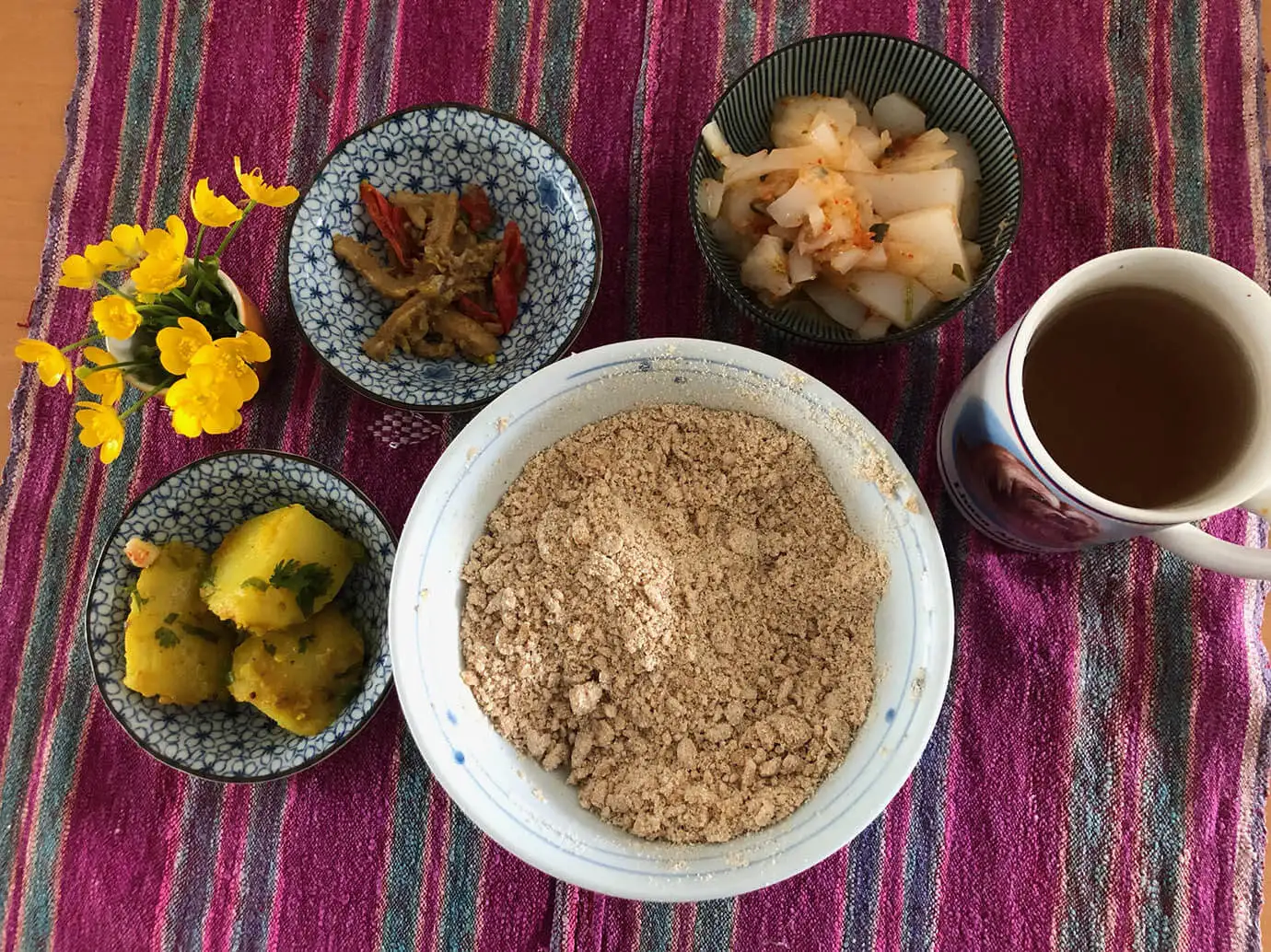
Local food features heavy, warming ingredients. Tibetans eat roasted barley flour called tsampa. They drink yak butter tea for energy. Menus feature yak meat, potatoes, and thick noodles. Restaurants serve steamed dumplings called momos. Lhasa offers excellent international food. Chefs prepare Indian, Nepalese, and Western dishes. Guides help travelers with specific dietary needs. Vegetarians find plenty of vegetable and tofu options.
Sweet Tea Culture
Sweet tea houses serve as local social centers. The tea is made with black tea leaves, milk powder, and sugar. The hot drink provides quick energy. Locals sit on wooden benches. They share news and talk with friends. Visiting a tea house offers a truly authentic experience. Travelers pay a few small coins for a glass. Workers boil the tea in large pots all day.
Transportation Style
Tours use private, comfortable vehicles. Small groups travel in spacious vans. Private couples travel in luxury SUVs. The government strictly controls vehicle safety. Drivers maintain slow, safe speeds on mountain roads. Vehicles carry emergency oxygen supplies.
Guide Value
The local Tibetan guide acts as the key to the culture. The guide translates conversations with monks. The guide explains complex Buddhist philosophy. The guide ensures guests follow all etiquette rules. A good guide turns an old building into a living history lesson. They navigate busy market streets with ease.
Budget Ranges
Prices change based on the season. Summer costs the most. Winter costs the least. Group size affects the price per person. Private luxury tours cost more but offer total flexibility. The budget covers the permit, vehicle, guide, hotels, and entrance fees.
Packing List Essentials
- Clothing: Down jacket, windproof shell, fleece layers, long pants.
- Footwear: Sturdy walking shoes, warm socks.
- Protection: High SPF sunscreen, lip balm, polarized sunglasses, sun hat.
- Health: Altitude sickness medication (Diamox), ibuprofen, band-aids.
- Gear: Daypack, reusable water bottle, camera, extra batteries.
Altitude Sickness Management
Altitude sickness affects many visitors. Symptoms include headache, dizziness, and poor sleep. Prevention requires a slow ascent. Travelers drink three liters of water daily. Travelers avoid alcohol during the first few days. Travelers walk slowly. Hotels provide oxygen if needed. Severe symptoms require immediate descent to a lower hospital.
Photography Tips for Monasteries and Heritage Sites
Photography requires a respectful approach. The culture limits where cameras go.
Restrictions
Signs outside chapels indicate photo rules. Most dark inner rooms ban cameras. Some monasteries allow indoor photos for a high fee. Pay the fee directly to the monk at the door. Do not sneak photos. Sneaking photos shows deep disrespect.
Best Light
Plateau sunlight shines extremely bright. Midday light washes out colors. Morning light offers a soft, golden glow. The morning light highlights the smoke from incense burners. Late afternoon light creates deep shadows on the mountain walls.
Asking Permission
Always interact before lifting the camera. Say “Tashi Delek” (hello). Point to the camera. A smile means yes. A hand wave means no. Respect the no.
Respectful Distance
Do not push close to monks during debates. Use a zoom lens. Do not block pilgrims walking the kora. Stand to the side of the path. Let the religious practice continue uninterrupted.
Responsible and Respectful Travel
Tourism impacts the delicate culture of the plateau. Peregrine Treks and Tours promotes responsible habits. Travelers protect the heritage they come to see.
Follow Rules and Stay on Paths
Never climb on ruined walls. Never step over prayer flags lying on the ground. Walk strictly on the marked tourist paths. The paths protect ancient floors and a fragile environment.
Support Local Crafts Fairly
Buy souvenirs directly from local makers. Barkhor Street offers authentic goods. Purchase thangka paintings from local art schools. Buy wool carpets from local weavers. Bargaining forms part of the culture, but keep it friendly. Pay a fair price to support the artisan’s family.
Reduce Waste
In the high-altitude environment, waste is processed very slowly. Bring a reusable water bottle. Refill the bottle from large hotel jugs. Avoid buying dozens of small plastic bottles. Carry all trash out of remote sites.
Respect Privacy
Monasteries serve as homes for monks. Do not look into private windows. Do not enter closed courtyards. Treat the spaces like a private house. Treat religious rituals with serious respect.
15. FAQs
Q: What does a Tibet Cultural Tour include?
A: The tour includes visits to ancient monasteries, royal palaces, and sacred lakes. Travelers explore deep history with a local guide. The package covers hotels, a private vehicle, permit processing, and daily sightseeing.
Q: How many days do I need for a Tibet Cultural Tour?
A: A basic capital city tour takes five or six days. A complete regional tour requires eight to twelve days. Longer trips allow for better altitude adjustment and deeper exploration.
Q: Do I need permits for a Tibet Cultural Tour?
A: Yes, every foreign traveler needs official paperwork. The government requires a Tibet Travel Permit for entry. The travel agency secures all necessary documents before the trip begins.
Q: What should I wear in monasteries in Tibet?
A: Visitors wear modest clothing covering the shoulders and knees. Travelers wear long pants and long-sleeve shirts. Visitors remove hats and sunglasses before entering any chapel.
Q: Can I take photos inside Tibetan monasteries?
A: Most inner chapels ban photography completely. Some places charge a fee for photos. Visitors take pictures freely in the outdoor courtyards and public squares.
Q: What is the best season for a Tibet Cultural Tour?
A: Spring and autumn offer the best weather and clear mountain views. Summer brings warmer air, but more rain and heavy crowds. Winter offers cold days but empty sites and lower prices.
Q: Is a Tibet Cultural Tour suitable for older travelers?
Q: Yes, older travelers enjoy the trips frequently. The tours use comfortable vehicles and avoid heavy trekking. Older guests consult a doctor about altitude medication before booking the trip.