


Travel to the high Himalayan plateau requires careful planning and deep consideration. Government regulations mandate guided travel for all international visitors. Before booking their trip, tourists choose between two primary travel styles. A private Tibet tour vs. a group tour represents the biggest decision for your upcoming vacation.
Your choice dictates your daily schedule. Your choice affects your physical comfort. Your choice determines your overall budget. We compare these two options extensively to help you decide. Peregrine Treks and Tours provides expert guidance to navigate these complex travel logistics.
Solo travelers need specific advice to avoid massive expenses. Couples look for romantic, unhurried experiences. Families require flexible schedules to accommodate children. Seniors need careful altitude management and slow pacing. Budget travelers want affordable prices without sacrificing quality. Both travel methods provide incredible experiences. The best option aligns perfectly with your personal travel goals.
A private Tibet tour vs a group tour shapes your entire plateau experience. We break down the exact costs, vehicle types, hotel options, and daily pacing. You learn exactly what happens on the road.
Quick Facts:
- Best for flexibility: Private packages
- Best for budget: Shared packages
- Best for seniors and families: Usually private setups
- Best for solo travelers: Often group departures
Quick Answer: Which Tour Should You Choose?
A Tibet Private Tour vs Group Tour forces a clear choice based on your priorities. You match your travel goals with the right package.
Choose a private tour if you want:
- Flexible pacing and extra photography stops.
- More comfort on long drive days across the region.
- Custom hotel levels and unique itinerary designs.
- More privacy for your family or friends.
- Personal attention from your local guide.
Choose a group tour if you want:
- Lower cost through shared transport.
- Social travel experiences with global tourists.
- Set itineraries with simple planning steps.
- Pre-arranged hotel rooms and fixed daily schedules.
- Shared guide services for a structured vacation.
A Tibet Private Tour vs. a Group Tour requires an honest self-assessment. The details below explain exactly how each option functions.
What a Private Tour Means in Tibet
A private package provides exclusive services for your travel party. You hire a dedicated vehicle and a professional driver. You get a personal Tibetan guide who focuses entirely on your needs. The debate between the Tibet Private Tour and the Group Tour often centers on control. Private packages give you power over the daily schedule. You decide when the day begins. You choose the exact sightseeing order within the permit limits.
Travelers select their preferred hotel categories. You book luxury resorts like the St. Regis Lhasa. You upgrade to oxygen-rich rooms at the Pingcuo Kangsang hotel near Everest. You pick specific restaurants for lunch and dinner. Your guide adjusts the walking pace at high-altitude monasteries. Families with children take extra breaks during long highway drives. Photographers wait for the perfect sunset light at Yamdrok Lake. A private setup allows these daily micro-adjustments.
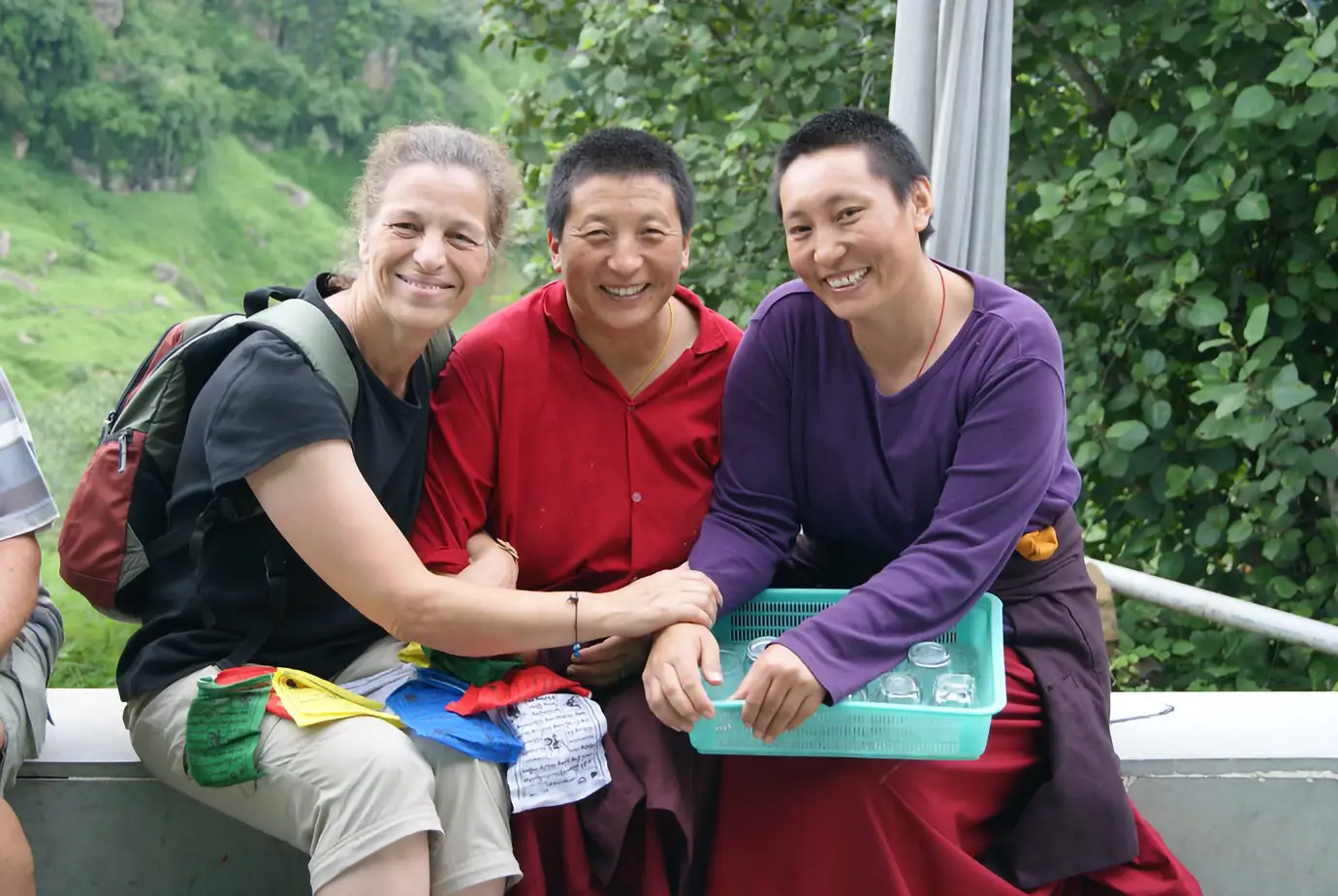
The government still requires a strict permit route. You lack the freedom to change cities spontaneously. Your guide secures the necessary Alien Travel Permit for specific regions in advance. You follow the approved path. You control the timing and the comfort level along that path. You stop for bathroom breaks whenever necessary. You request specific cultural explanations from your guide. You engage deeply with the local environment. A private tour of Tibet vs. a group tour offers profound differences in personal freedom.
What a Group Tour Means in Tibet
A group package combines multiple international tourists into one vehicle. You share a Ford Transit van or a large Yutong bus. You share the expertise of a single English-speaking guide. The price difference between the Tibet Private Tour and the Group Tour is due to these shared expenses. Group options follow fixed departure dates. The travel agency designs a set route. You follow a strict daily schedule.
The agency pre-books specific three-star or four-star hotels. You eat breakfast at the hotel with your fellow passengers. The guide suggests specific lunch spots to accommodate everyone. You lose the ability to easily choose specialized dining venues. The tour runs best when everyone follows the timeline. The guide sets a specific walking pace for the whole group. You stay at tourist sites for a predetermined amount of time. You leave together to reach the next destination before dark.
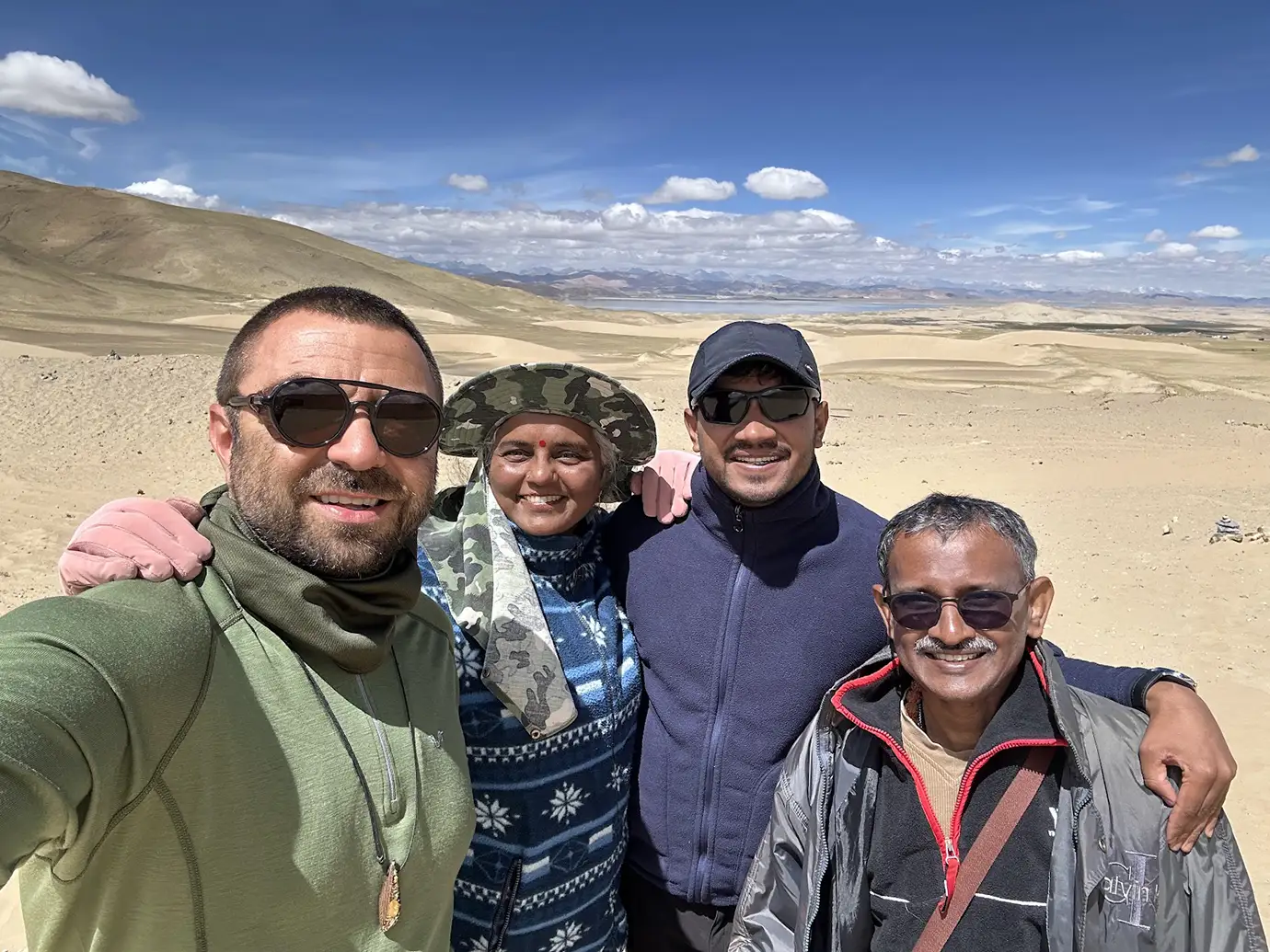
A group setting builds a fun social dynamic. You meet people from around the world. Solo travelers avoid the high costs of individual car rentals. You gain peace of mind because the agency handles all logistics. You sacrifice personal freedom for budget efficiency. You wait for slower members of the party. You adhere to the tour leader’s alarm clock. You accept the shared reality of group travel. A private tour of Tibet vs. a group tour dictates your daily social interactions.
Side-by-Side Comparison Table
Comparing a Tibet Private Tour vs Group Tour requires a clear breakdown. Look at the specific differences below. Use this chart to quickly evaluate your primary needs.
| Tour Feature | Private Tour | Group Tour |
|---|---|---|
| Price Level | High | Low to Medium |
| Flexibility | High | Very Low |
| Comfort | Excellent | Standard |
| Daily Start Times | You decide the time | Guide sets the time |
| Photo Stops | Unlimited (within reason) | Limited to planned stops |
| Altitude Pacing | Slow and adjustable | Fixed group pace |
| Hotel Choice | Budget to 5-star luxury | Pre-selected 3-star |
| Food Flexibility | Choose any restaurant | Group consensus needed |
| Privacy | Just you and your group | Shared with strangers |
| Social Experience | Intimate | Highly social |
| For Families | Highly recommended | Difficult with small kids |
| For Seniors | Highly recommended | Requires good fitness |
| Solo Travelers | Very expensive | Best value option |
| Schedule Risk | Low | Low |
| Availability | Needs early booking | Fixed dates guarantee spots |
A Tibet Private Tour vs Group Tour involves distinct compromises. Your budget and comfort preferences drive the final choice. The table highlights the stark differences in daily operations.
Cost Breakdown: Why Private Costs More and When It Becomes Worth It
Travel costs in the region run higher than in mainland China. Government rules force you to hire a guide and a vehicle. A private tour of Tibet vs. a group tour creates vastly different daily budgets. The agency charges specific fees for the essential services. A private guide costs around $100 per day. A tourist vehicle costs between $140 and $250 per day, depending on the distance. Standard hotel rooms run $35 to $50 per night. Attraction tickets cost $15 to $40 daily.
A group package divides the vehicle and guide fees among ten or twelve people. A classic eight-day group package costs around $900 per person during the low season. You spend roughly $120-$150 per day. A private trip places the entire vehicle and guide burden on your party. A solo traveler pays over $300 per day. A couple pays around $190 per person per day. The price drops significantly as your group size increases. Four friends traveling together split the fixed costs perfectly.
A private setup for four people often matches the per-person price of a group package. A Tibet Private Tour vs Group Tour becomes a simple math equation for small families. Private packages offer immense value for specific travelers. Families need extra space and comfort breaks. Seniors walk more slowly in monasteries. Photographers demand golden-hour stops at Gawu La Pass. The extra money buys physical comfort and mental peace.
Value tip: Gather a party of three to six friends. You split the vehicle cost efficiently. You achieve private luxury at shared package rates.
Flexibility and Customization (What You Can and Cannot Change)
Many tourists misunderstand the rules regarding regional movement. A private tour of Tibet vs. a group tour offers different levels of daily freedom. Neither option allows complete independence. The Tibet Travel Permit lists your exact daily route. The document specifies your entry city and your departure date. You face strict checkpoints on every major highway. Police officers verify your paperwork against your actual location.
You find it impossible to swap cities at the last minute. You lack the authority to skip Shigatse and drive to Nyingchi instead. The police deny access if you lack the proper Alien Travel Permit for restricted zones. Everest Base Camp requires specific advance paperwork. A private package allows micro-adjustments within the legal route. You wake up late if you feel tired. You spend two hours at the Potala Palace instead of one. You stop at a local farmhouse for sweet tea.
A group setup prohibits these small changes. You follow the exact timeline. A Tibet Private Tour and a Group Tour clearly diverge in daily pacing. You trade personal freedom for a lower price tag on the shared option. The agency books group tickets for the Potala Palace at specific hours. You miss the entrance if you run late. You stick to the plan to ensure a smooth operation for everyone.
Comfort and Safety at Altitude
The high elevation presents a major physical challenge. Lhasa sits at 3,650 meters above sea level. Everest Base Camp reaches 5,200 meters. A private tour in Tibet vs. a group tour impacts your body’s acclimatization process. Doctors recommend ascending slowly. You need two or three days of absolute rest upon arrival. Your body works hard to process the thin air. Hydration and light meals prevent serious symptoms.
A private setup supports altitude management perfectly. You tell your guide to slow down. You skip a strenuous monastery climb if you feel dizzy. The driver keeps extra oxygen canisters in the vehicle. You book hotels with dedicated oxygen machines. You adjust the itinerary to match your physical energy. A group package forces you to maintain the planned pace. You walk with the crowd. You spend less time resting.
First-time visitors sometimes struggle to keep up with the fitter group members. The guide watches everyone, but the schedule pushes forward. Seniors and families do much better with private pacing. You manage altitude sickness proactively. You avoid the pressure of keeping up with strangers. Choosing between a private tour and a group tour makes a massive difference for altitude-sensitive travelers. You take Diamox if your doctor prescribes it.
Best for altitude-sensitive travelers: Seniors, families, and first-timers often do better with private pacing.
Transport and Drive-Day Experience
Highway driving defines the regional travel experience. You spend many hours inside a vehicle. A private tour of Tibet vs. a group tour offers contrasting transport environments. The G318 highway features endless mountain passes. The road to Everest includes countless zigzags at Gawu La Pass. Vehicle comfort becomes highly important. Private travelers usually ride in a 7-seater Buick GL8 minivan. This vehicle provides exceptional comfort.
You get plush seats with armrests. You enjoy massive legroom. The driver stops the car whenever you request a bathroom break. Larger private parties utilize 9-seater Hyundai vans. Wealthy adventurers hire Toyota Land Cruisers. SUVs handle the rugged western terrain beautifully. Group travelers ride in 15-seater Ford Transit vans or 29-seater Yutong buses. The agency fills most of the seats. You share the space with strangers.
The legroom feels tighter. You compete for window seats to take photographs. Public rest stops feature basic squat toilets. Cleanliness levels drop significantly outside the main cities. Private drivers know the best local spots for cleaner bathroom breaks. A private tour of Tibet vs. a group tour changes the entire road trip experience. You appreciate the extra space during a seven-hour drive to Shigatse.
Guide Experience and Cultural Depth
Your local guide unlocks the complex regional history. You visit ancient monasteries full of intricate symbols. You see pilgrims spinning prayer wheels. You watch monks debating Buddhist philosophy. A private tour of Tibet vs. a group tour changes how you interact with your guide. A private guide dedicates all their attention to you. You ask endless questions about Thangka paintings. You request an introduction to a local family. You learn how to make yak butter tea.
A group guide divides their focus among a dozen people. The guide uses a microphone to explain the history of the Potala Palace. You struggle to ask specific questions in crowded temple halls. The explanations stay broad and general. The guide manages the schedule rather than focusing purely on education. You receive a solid overview but miss the deep personal connection.
Agencies employ English-speaking guides for most packages. Private tourists can easily request specialized language guides. You hire Spanish-, German-, or French-speaking professionals at a higher daily fee. A private Tibet tour or a group tour dictates the depth of your cultural education. You connect with the local culture better when you control the conversation.
Social Experience vs Privacy
Travel style dictates the social atmosphere. A Tibet Private Tour vs Group Tour attracts different personalities. The shared option creates a vibrant social circle. You meet backpackers from Europe. You talk with vacationers from Asia. You share meals and stories every evening. Solo travelers avoid loneliness. You build lifelong friendships during the long drive to Everest. The group dynamic adds fun to the long bus rides.
The private option guarantees intimacy. You enjoy quiet moments looking at the Himalayan peaks. You focus entirely on your spouse or your children. You avoid annoying habits from strangers. You skip the morning delays caused by slow group members. You dine quietly at restaurants of your choice. You control the music in the vehicle. You define the mood of the day.
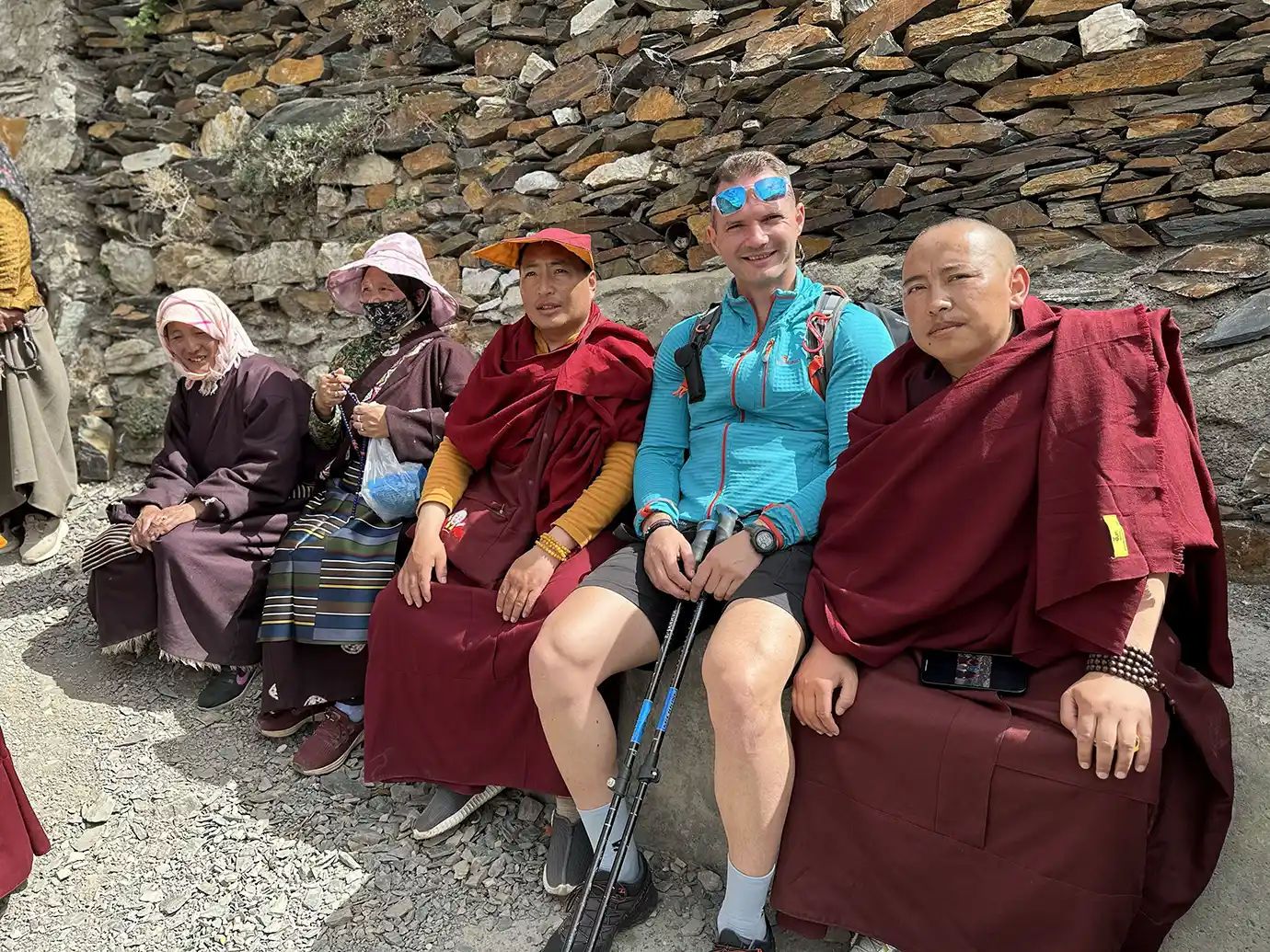
You match the tour style to your personality. Outgoing people love the shared bus. Introverts prefer the quiet minivan. A private tour of Tibet or a group tour shapes the emotional tone of your vacation. You evaluate how much social interaction you truly want. You pay for peace and quiet on a private trip.
Best Choice by Traveler Type (Decision Matrix)
We categorize travelers to simplify the decision. Review the list below to find your perfect match. A Tibet Private Tour and a Group Tour require honest self-assessment.
- Solo traveler on a budget: Choose the group package. You share the high transport costs.
- The couple focused on comfort and photos: Choose the private package. You stop for sunrise pictures at your leisure.
- Family with kids: Choose the private package. You accommodate nap times and snack breaks easily.
- Seniors: Choose the private package. You manage the altitude safely with a relaxed walking pace.
- Friends group (3–6 people): Choose the private package. You split the vehicle cost and pay group-level VIP service prices.
- Tight time window: Choose the private package. You select your exact start date.
- Peak season with limited dates: Choose the group package. The agency guarantees frequent departures every week.
Sample Itineraries: Same Route, Different Experience
The classic 8-day route takes you from Lhasa to Everest Base Camp. A Tibet Private Tour vs. a Group Tour approach this identical route differently. You notice the contrast immediately.
- Days 1-3 focus on Lhasa. The group schedule forces you to visit the Potala Palace at a strictly assigned ticket time. You follow the flag-holding guide through the Jokhang Temple. You eat a standard buffet breakfast at the hotel. You walk the Barkhor Street with the crowd. The private schedule allows a late start. You linger at the Sera Monastery to photograph the debates among the monks. You dine at the highly-rated Tibetan Family Kitchen. You spend extra time shopping for souvenirs.
- Day 4 involves driving to Shigatse via Yamdrok Lake. The shared bus stops at the Kamba La pass for exactly twenty minutes. You take quick photos and get back on the bus. You eat at a basic tourist restaurant along the highway. The private minivan stops at multiple viewpoints. You take a full hour to admire the Karola Glacier. You visit a local farmhouse for lunch. You control the vehicle’s air conditioning.
- Days 5 and 6 take you to Everest Base Camp. The group timeline dictates a standard arrival time. You sleep in the shared tent hotels. You wake up when the guide knocks on the tent. You eat simple noodles for dinner. The private setup allows you to time your arrival for the golden hour. You book an upgraded oxygen room at the Pingcuo Kangsang hotel in Tashi Dzom. You photograph the sunrise exactly how you want. You return to Shigatse at your own pace.
- Days 7 and 8 involve returning to Lhasa and departing.
The group bus makes a direct drive back to the capital. You say goodbye to your new friends. The agency drops everyone off at the airport. The private vehicle stops at small villages along the Yarlung Tsangpo River. You enjoy a quiet farewell dinner with your guide. The driver takes you directly to your departure gate. A Tibet Private Tour vs Group Tour turns the same map into a completely different adventure. You pay for the right to dictate the details.
Common Mistakes to Avoid
Many visitors ruin their vacation through poor planning. A tour to Tibet requires careful preparation. Avoid these frequent errors to ensure a smooth trip.
- Choosing a group tour when you need slow altitude pacing. Fit travelers handle the fast group pace easily. Older travelers struggle to keep up and risk altitude sickness. You ruin your trip if you push your body too hard.
- Choosing private without confirming permit limits. You will be disappointed if you expect total freedom. You cannot change your sleeping city on a whim. The police constantly check your pre-approved itinerary. You follow the approved path always.
- Overpacking the itinerary with long drives. The mountain roads require slow speeds. The G318 highway features strict speed limits. A 300-kilometer drive takes seven hours. You exhaust yourself if you plan too much driving in one day.
- Ignoring hotel heating and comfort needs. Winter temperatures drop below freezing. Base camp tents feel extremely cold. Always confirm the heating situation with your agency. You upgrade to oxygen-rich rooms if you fear the altitude.
- Booking flights before tour confirmation. The government sometimes delays the paperwork. You wait for the agency to confirm the permit before buying expensive airline tickets. You avoid costly cancellation fees this way.
Detailed Hotel Considerations for Both Tour Types
Accommodation plays a massive role in your comfort. A private tour of Tibet vs. a group tour dictates where you sleep. You need to understand the hotel landscape across the region. Lhasa offers the best infrastructure. Shigatse provides decent options. Remote areas like Everest offer very basic lodging.
Group packages rely on three-star standard hotels. The agency negotiates bulk rates with specific properties. You stay in clean, basic rooms. The hotels provide standard heating and hot water. You eat breakfast in large dining halls. The agency chooses the hotel based on availability and price. You accept the assigned room without complaint.
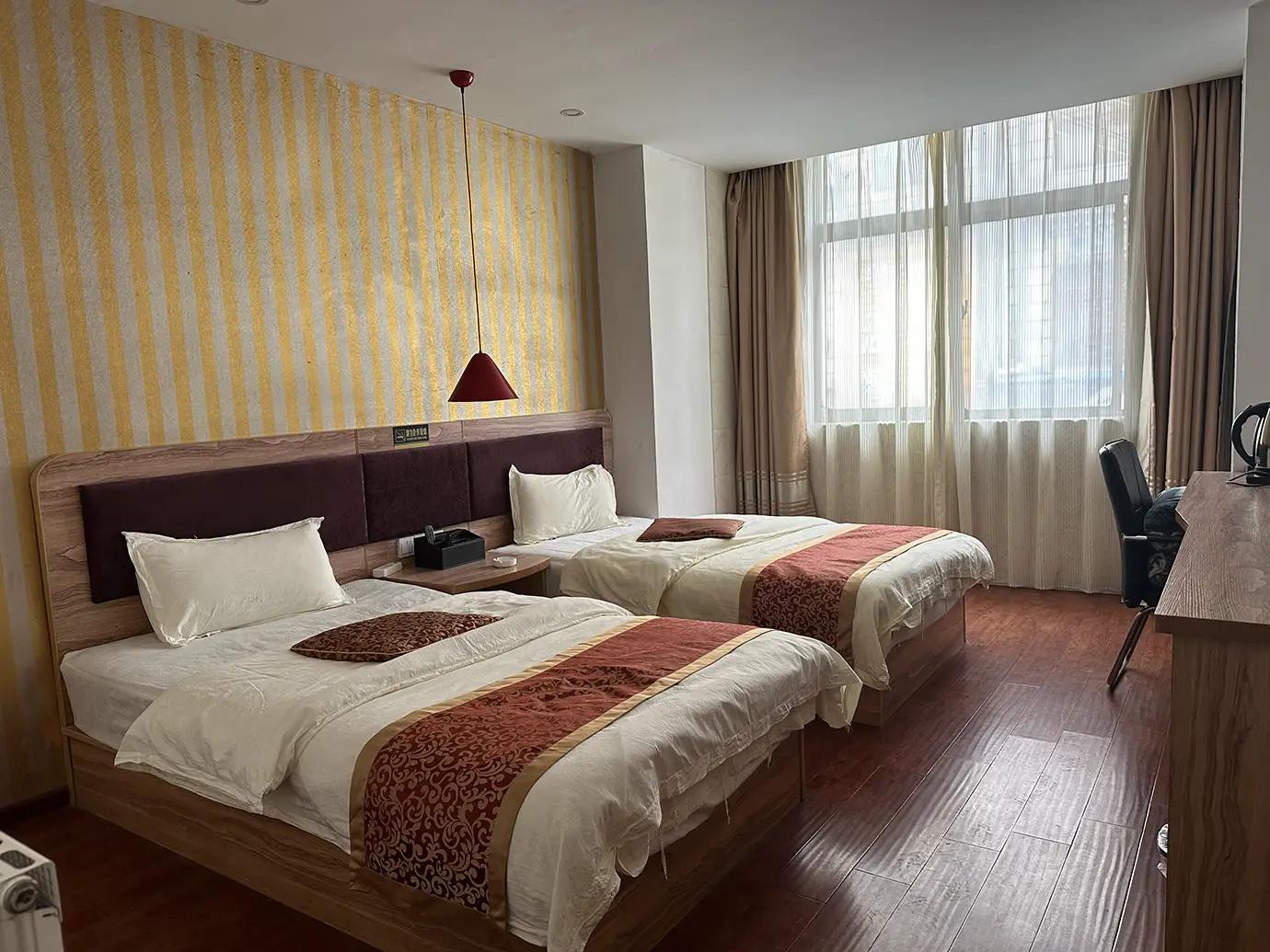
Private packages open up the entire hotel market. You select the exact property you want. Lhasa features international brands like the St. Regis and the Shangri-La. These luxury resorts offer centralized oxygen systems. You sleep better with supplemental oxygen in the room. You enjoy high-end dining and spa services. You pay a premium for these facilities.
Shigatse serves as the main stopover before Everest. Group travelers use standard tourist hotels, such as the Gesar Hotel. Private travelers upgrade to the Hilton Shigatse. The Hilton offers superior comfort and oxygen facilities. You rest well before the tough drive to the base camp. You appreciate the soft beds and modern bathrooms.
Everest Base Camp presents the biggest challenge.
Group tours usually use the tent hotels at the camp. The government upgraded these tents in 2025. They now feature basic oxygen equipment and better insulation. You still face freezing temperatures and public toilets. Private travelers often retreat to Tashi Dzom village. You book the
Pingcuo Kangsang hotel is there. This property offers floor heating and private bathrooms. You trade the immediate mountain view for genuine comfort.
A Tibet Private Tour vs Group Tour forces you to prioritize. You save money with standard rooms. You spend money on oxygen and warmth.
The Realities of Regional Transportation
The vehicles dictate your daily happiness on the road. A Tibet Private Tour vs Group Tour relies on completely different fleets. The government strictly regulates all tourist transport. Every vehicle carries a specific license plate. The agencies maintain high safety standards.
Group transport utilizes larger vehicles. The 15-seater Ford Transit van serves small groups. The 29-seater Yutong bus serves larger parties. You store your luggage in the back. You select a seat and usually keep it for the whole trip. The suspension feels stiff on bumpy roads. The windows sometimes limit your view of the peaks. You depend on the driver to maintain a smooth ride.
Private transport utilizes premium vehicles. The 7-seater Buick GL8 dominates the private market. This minivan offers exceptional ride quality. You sit in plush seats. You stretch your legs out fully. The suspension easily absorbs rough roads. You ask the driver to adjust the temperature. You ask the driver to play specific music.
Adventure travelers hire Toyota Land Cruisers for private trips. The Land Cruiser handles dirt roads and snow perfectly. You sit high above the road. You get incredible views from the large windows. The cost of these SUVs is very high. A Tibet Private Tour vs Group Tour highlights the difference between basic transit and true comfort.
Navigating the Permit Process
Bureaucracy defines travel in this region. A Tibet Private Tour and a Group Tour require the exact same paperwork. You never apply for the documents yourself. The travel agency handles the entire process.
You secure a standard Chinese Visa first. You send a scanned copy of your passport and visa to the agency. The agency submits your itinerary to the Tibet Tourism Bureau. The Bureau issues the Tibet Travel Permit. You need this paper to board your flight or train to Lhasa. The agency mails the physical permit to your hotel in mainland China.
Entering from Nepal requires a different process. You skip the standard Chinese Visa. You apply for a Chinese Group Visa in Kathmandu. The agency coordinates this specific visa for you. A Tibet tour follows the same rules as a Nepal tour. The recent 2026 updates allow some nationalities to use individual visas from Nepal. You verify your specific nationality rules with your agent.
Travel beyond Lhasa requires the Alien Travel Permit. The guide applies to this document upon arrival in the region. The police check this permit on the road to Everest. The government lifted this requirement for Shigatse and Lhoka in 2025. You still need it for remote areas like Mount Kailash. The paperwork happens behind the scenes. You simply follow the guide.
Managing Acute Mountain Sickness (AMS)
The elevation commands respect from every visitor. Choosing the best Tibet tour style influences how you handle the thin air and the risk of altitude sickness in Tibet. You need to take altitude seriously to enjoy a safe, comfortable trip.
Lhasa sits at 3,650 meters. You feel the lack of oxygen immediately upon arrival. You experience shortness of breath when walking up stairs. You suffer mild headaches on the first night. You feel unusually tired. These symptoms represent normal acclimatization.
You combat AMS through strict discipline. You rest completely on your first day. You drink massive amounts of water. You avoid alcohol entirely. You skip the shower on the first night to prevent catching a cold. You eat simple carbohydrate-rich meals. You take Diamox if your doctor prescribes it.
A private schedule aids this process immensely. You sleep late. You walk slowly through the monasteries. You return to the hotel if you feel ill. A group schedule pushes you forward. You wake up early. You keep pace with the crowd. You ignore your fatigue to avoid delaying the bus. The comparison between the private and group tours reveals very different levels of stress during the first three days.
Food and Dining Experiences
The local cuisine reflects the harsh environment. You eat a lot of meat and barley. The comparison between the tours determines where and how you eat. Tsampa serves as the primary staple food. Locals roast barley flour and mix it with yak butter tea. You roll it into small balls with your fingers. Yak meat appears on almost every menu. You eat yak momos and yak noodle soup. You drink sweet tea in local teahouses. The food provides intense energy for the cold climate.
Group packages include hotel breakfasts. The guide arranges group lunches at tourist-friendly restaurants. You eat a mix of standard Chinese dishes and basic Tibetan fare. You miss out on exploring small, hidden eateries. You stick to places that accommodate fifteen people quickly.
Private packages let you explore the culinary scene at your own pace. You ask your guide for authentic recommendations. You visit the Tibetan Family Kitchen in Lhasa. You try regional specialties in Shigatse. You stop at roadside tents for fresh yogurt. You control your diet completely. The type of tour you choose fundamentally changes your culinary adventure.
Photography Opportunities
The region offers world-class landscape photography. You see massive glaciers, turquoise lakes, and towering peaks. Your choice of tour impacts your ability to capture the perfect shot.
Group travel restricts your photography time. The bus stops at major viewpoints, such as Kamba La Pass. You get twenty minutes to photograph Yamdrok Lake. You fight the crowds for the best angle. The bus leaves exactly on time. You miss the sunrise at Everest if the group wakes up late. You shoot photos mostly during the harsh midday sun.
Private travel caters to serious photographers. You instruct the driver to stop whenever you spot a great scene. You wait at Gawu La pass for the clouds to clear. You time your arrival at Everest for the golden hour. You wake up before dawn to shoot the Potala Palace without tourists. You use a tripod without bumping into strangers. A private tour of Tibet vs. a group tour determines the quality of your photo album.
Cultural Etiquette and Respect
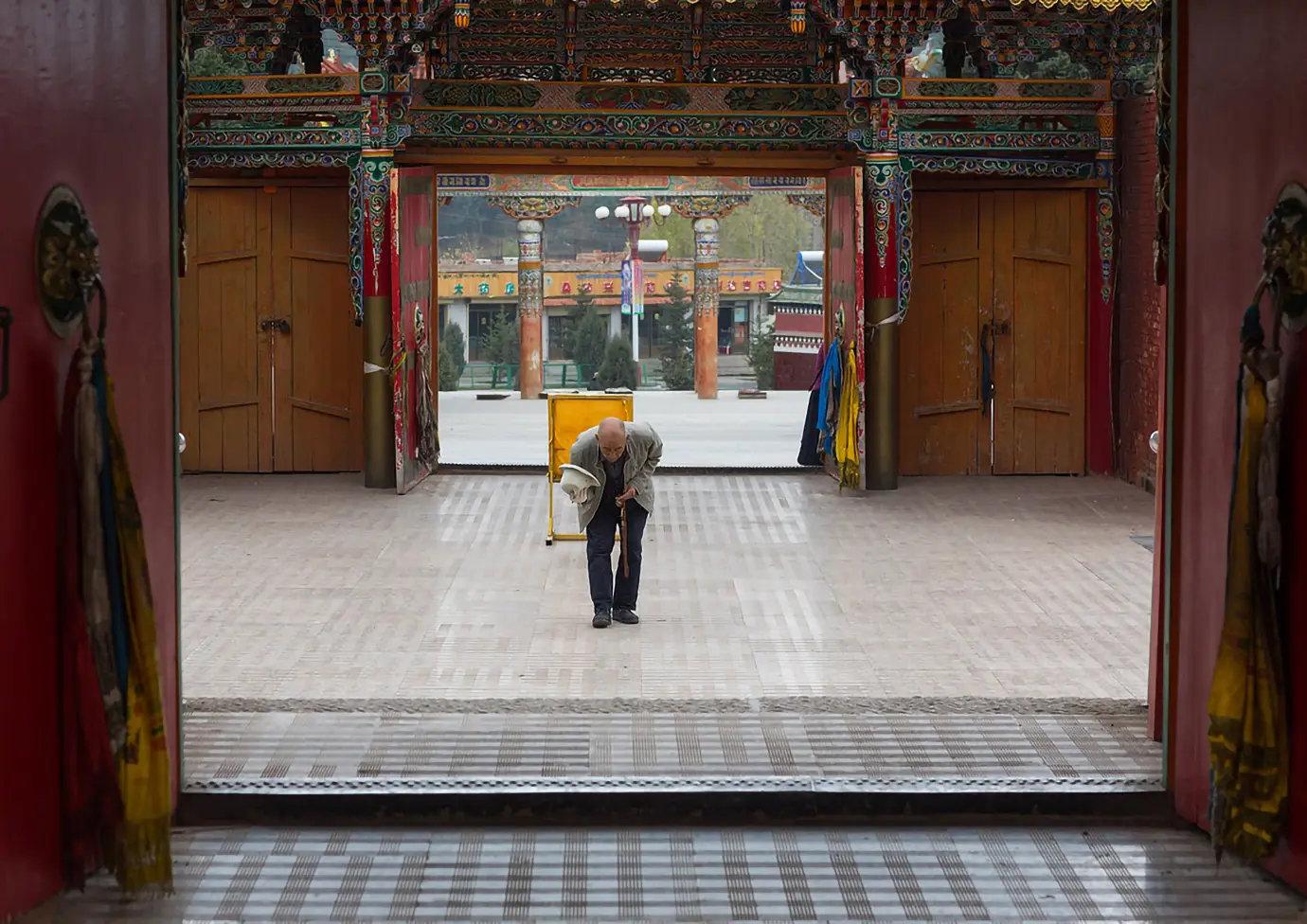
When you visit a deeply religious society, you must respect local customs at all times. Your guide helps you understand these rules, whether you choose a private tour or a group tour. Always walk clockwise around religious sites. Spin prayer wheels in the same direction. Remove your hat inside monastery chapels. Ask permission before photographing monks, pilgrims, or rituals. Do not point with one finger at statues or sacred objects. Use an open hand instead.
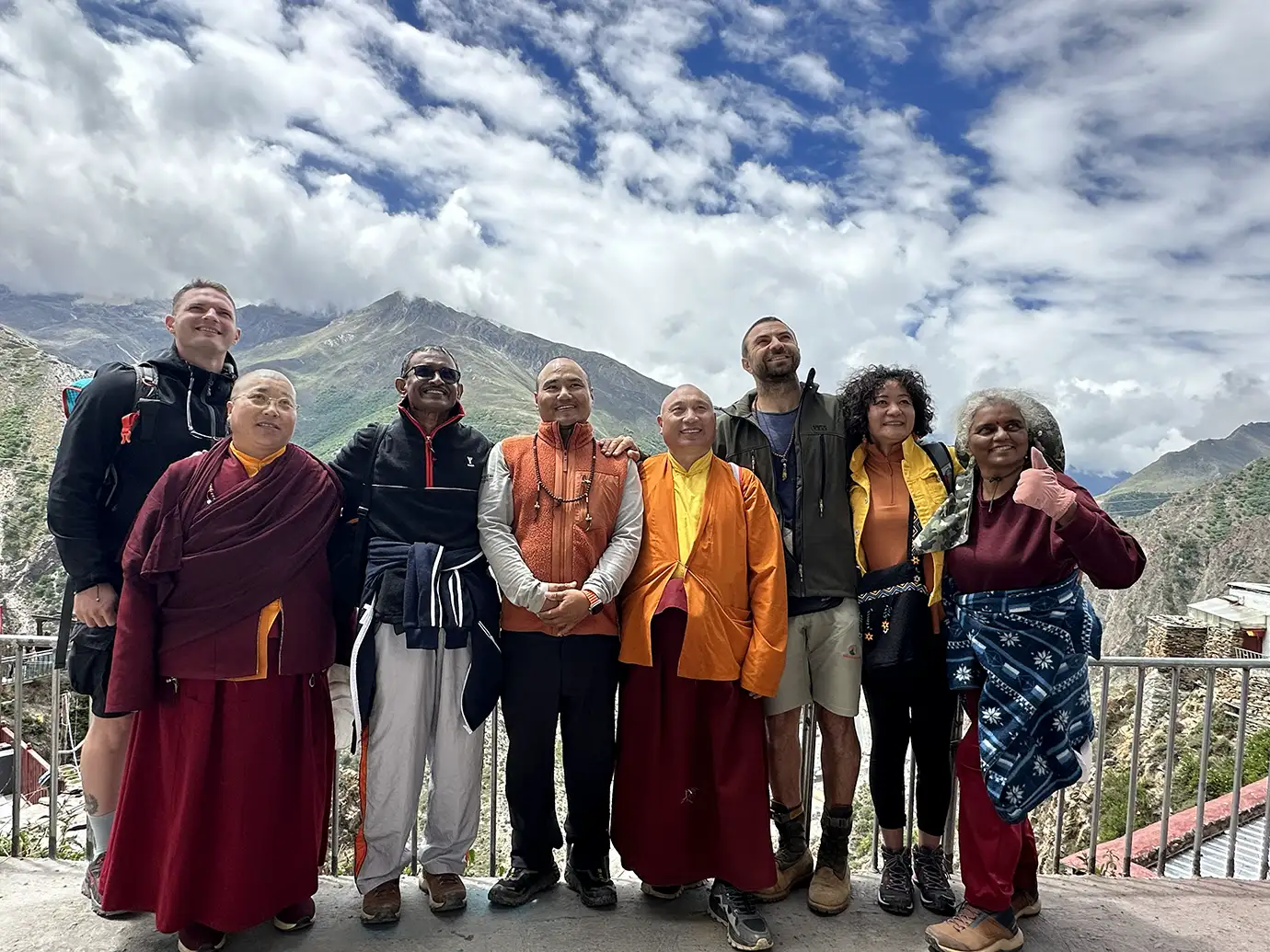
A private guide closely monitors your behavior. The guide explains the deep meaning behind the Thangka paintings. The guide answers your specific questions about the rituals. You interact with locals respectfully under the guide’s supervision.
A group guide struggles to monitor fifteen people simultaneously. Someone in the group inevitably breaks a cultural rule. The guide spends more time managing the crowd than explaining the culture in depth. A private tour of Tibet vs. a group tour affects the quality of your cultural education.
Packing Strategies
The extreme climate demands careful packing. You experience four seasons in a single day. The two types of tour requires similar clothing but different luggage strategies.
You pack in layers always. You wear a t-shirt in the warm midday sun. You add a fleece sweater as the sun drops. You wear a heavy down jacket at night. You bring sturdy walking shoes for the uneven monastery stairs. You pack sunglasses and strong sunscreen to combat the intense UV rays.
Group travel limits your luggage space. You share the rear compartment of a Ford Transit van with twelve other people. You bring soft duffel bags to maximize space. You avoid massive hard-shell suitcases. You pack light to make the daily hotel transfers easier.
Private travel offers more luggage forgiveness. You fill the back of a Buick GL8 with your large suitcases. You bring heavy camera gear without worry. You leave extra bags in the car while you hike. A private tour in Tibet vs. a group tour dictates how much you carry.
Bathroom Realities on the Road
You face challenging sanitary conditions outside the main cities. You need to prepare mentally for the public restrooms. A private Tibet tour vs. a group tour exposes you to the same basic infrastructure.
Lhasa offers modern Western toilets in good hotels. The situation changes once you hit the G318 highway. You encounter basic squat toilets at most rest stops. The facilities lack running water and toilet paper. You bring your own wet wipes and hand sanitizer wherever you go. The toilets at Everest Base Camp challenge even experienced travelers.
Private drivers often know the secret spots. The driver pulls over behind a clean hill for an open-air break. The driver finds the cleanest gas station toilets. Group buses stop at the large, crowded tourist rest stops. You wait in line for dirty facilities. A private tour of Tibet vs. a group tour makes a slight difference in this difficult aspect of travel.
Final Thoughts on Making Your Decision
You now have all the facts needed to make your choice. A private tour and a group tour of Tibet offer two different ways to explore the roof of the world. Start by reviewing your budget. Then consider your physical health and your preferred travel style.
Choose a group tour if you want to save money and meet other travelers. You follow a fixed schedule and share transport with the group. In return, you enjoy a simple trip where experts handle the planning.
Choose a private tour if comfort and flexibility matter more. You travel with a dedicated vehicle and a personal guide. You manage the pace more easily and stop for photos whenever you wish. You shape the trip around your needs.
Both options lead to the same breathtaking mountains and ancient culture. The difference lies in how you experience them. Choose the style that suits you, contact a trusted agency, arrange your permits, and prepare for an unforgettable trip.
FAQs
Travelers ask many questions about the region. A Tibet Private Tour vs. a Group Tour raises specific concerns. We address the most common questions below.
Q: Is a private tour of Tibet better for first-time visitors than a group tour?
A: First-time visitors do well with either option. Budget-conscious people choose shared packages. Comfort-seeking travelers choose exclusive packages. Both options handle the complex permit logistics completely.
Q: Which is cheaper: a private tour of Tibet or a group tour?
A: The shared option costs significantly less for solo travelers and couples. The exclusive option becomes cost-effective only when four or more people split the vehicle fee.
Q: Can I customize a Tibet private tour?
A: You customize the daily start times, the hotel choices, and the specific restaurants. You remain unable to change the overarching route or the approved overnight cities due to permit laws.
Q: Do group tours in Tibet include permits?
A: The travel agency handles all necessary paperwork for every package type. The tour cost covers the entire permit application process.
Q: Are Tibet group tours good for seniors?
A: Agencies recommend exclusive packages for seniors. The set pace of a shared bus causes fatigue. Private vehicles allow for careful altitude management.
Q: Is a private tour safer for altitude?
A: The exclusive option provides better safety margins. You instruct the driver to descend if you feel sick. You dictate the exact walking pace at high-elevation monasteries.
Q: How many people make a private tour a good value?
A: A party of four to six people shares the fixed transport costs efficiently. The per-person price drops to match the standard shared package rates.