


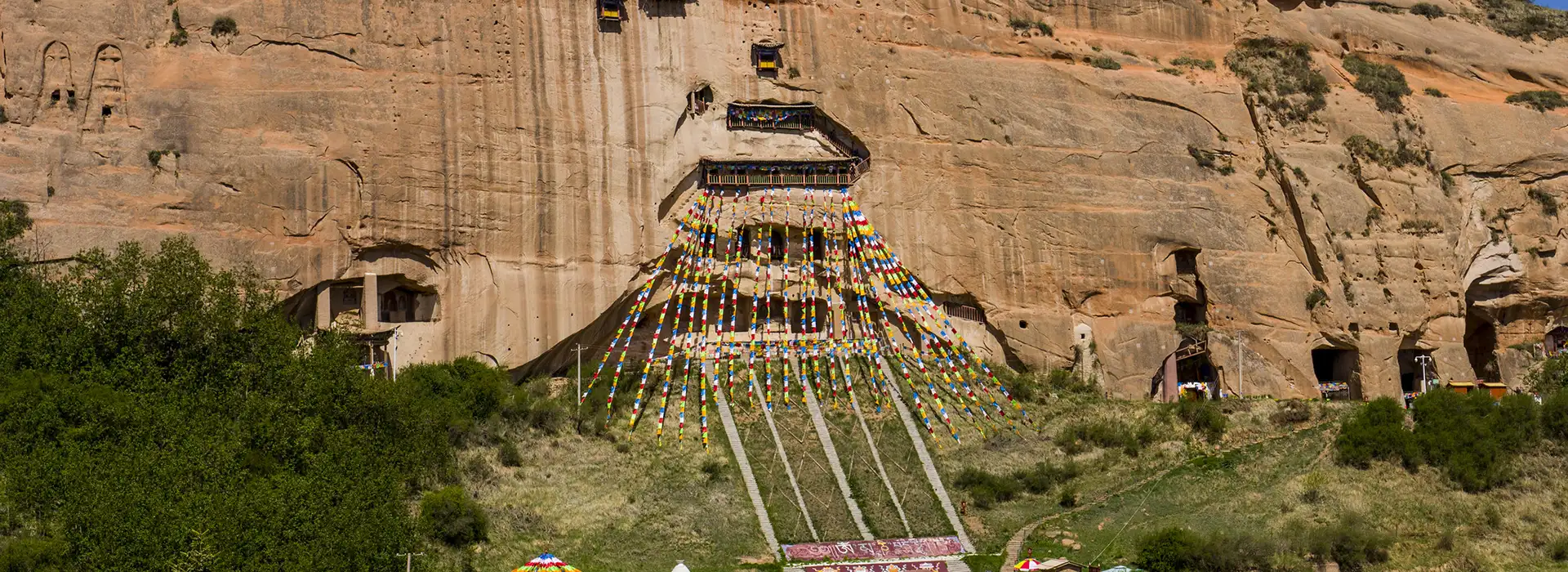

A Tibet Spiritual Tour offers deep cultural and personal experiences. Travelers visit ancient monasteries, join morning chants, and walk prayer routes (kora). You will find quiet meditation spots by stupas and in temple courtyards. This tour suits culture seekers, spiritual travelers, and first-timers wanting meaningful experiences. Note that high altitude requires a slow pace. Plan extra rest to fully enjoy your spiritual journey.
Quick Facts:
- Best Seasons: April–June, September–October (mild weather).
- Trip Length: 7–12 days (enough time to acclimatize and reflect).
- Spiritual Base: Stay in Lhasa or Shigatse, plus a few nights in mountain valleys.
- Main Challenge: Altitude (long prayer days) and long drives to remote sites.
Tibet Spiritual Tour at a Glance
A Tibet spiritual tour focuses on temples, rituals, and peaceful time:
- Core Experiences: Visit major monasteries (Potala Palace, Jokhang), spin prayer wheels, walk kora routes, witness monks chanting.
- Optional Activities: Attend a short meditation session (if offered), light a butter lamp in prayer, or climb a sacred hill for sunrise prayers.
- Trip Styles: Private tour for quiet time, small group for safety, or a temple retreat if available.
Travelers learn about Buddhism while soaking in calm environments. You will leave with memories of sunrise prayers and serene mountain views.
What Makes Tibet a Spiritual Destination
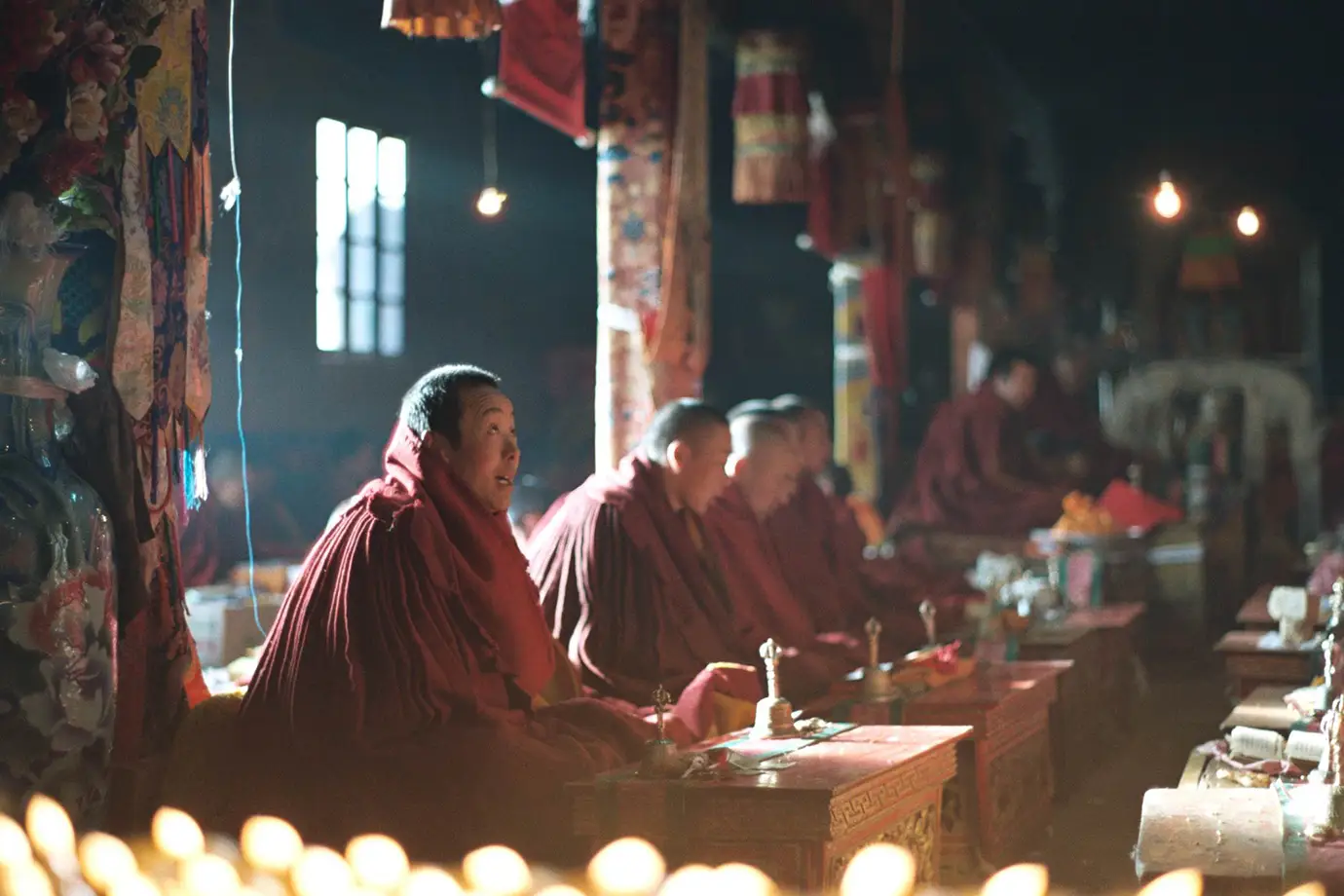
Tibetans blend daily life with Buddhist practice. Monasteries are living temples with monks chanting prayers at dawn. Tibetan Buddhism’s influence is everywhere: prayer flags line mountain passes, and mani walls (stones carved with mantras) dot the countryside.
- Pilgrimage Culture: Many Tibetans travel on kora (pilgrimage) even on regular days. They walk clockwise around holy sites, spinning prayer wheels and reciting mantras.
- Sacred Symbols: Stupas and prayer wheels hold deep meaning. People chant “Om Mani Padme Hum” at each wheel. These practices create an uplifting, contemplative atmosphere.
Guiding Terms:
- Monastery: A religious college or temple (e.g., Jokhang in Lhasa).
- Kora: A sacred clockwise route around a temple or hill.
- Mantra: A sacred chant or prayer (heard constantly in temples).
- Stupa: A dome-shaped shrine often containing relics.
- Butter lamp: A candle offering symbolizing wisdom.
Every Tibetan pilgrimage site has its own story. Visiting these places offers insight into centuries of faith.
Best Monasteries and Sacred Sites
Here are key spiritual places to include:
- Potala Palace (Lhasa, 3,650 m): The historic seat of the Dalai Lama. Its chapels and murals inspire awe. Calm Level: Busy, but early morning entry is peaceful. Time Needed: 2–3 hours (stairs inside). Best For: Spiritual history, photography (exterior).
- Jokhang Temple (Lhasa, 3,560 m): The holiest temple in Tibet. Locals turn around this temple (circumambulation) while chanting. Calm Level: Very busy during the day; serene pre-dawn. Time Needed: 1–2 hours (no stairs). Best For: Observing devout worship in a candle-lit prayer hall.
- Sera Monastery (Lhasa, 3,610 m): Known for lively monk debates in the afternoon. The monastery’s courtyards offer quiet spots. Calm Level: Moderate. Time Needed: 1–2 hours (flat ground). Best For: Monastic life, gentle evening chanting.
- Tashilhunpo Monastery (Shigatse, 3,800 m): Seat of the Panchen Lama. Contains huge Buddha statues. Calm Level: Moderate to busy. Time Needed: 1–2 hours (some steps). Best For: Grand prayer halls, classic Tibetan architecture.
- Norbulingka (Lhasa, 3,620 m): The Dalai Lama’s summer palace with flower gardens. Less an active temple, more peaceful retreat. Calm Level: Quiet. Time Needed: 1–1.5 hours (easy walking). Best For: Quiet garden meditation, learning history.
- Samye Monastery (Burmese style, 2,900 m): First Tibetan Buddhist monastery. Surrounded by a kora mountain. Calm Level: Moderate. Time Needed: 2–3 hours (includes a short hike up Drakar). Best For: Ancient history, gentle hikes, and bird sanctuaries.
| Site | Region | Calm Level | Time Needed | Best For |
|---|---|---|---|---|
| Potala Palace | Lhasa | Busy (quieter early morning) | 2–3 hours | History, photography |
| Jokhang Temple | Lhasa | Busy (calm at dawn) | 1–2 hours | Pilgrimage, cultural insight |
| Sera Monastery | Lhasa | Moderate | 1–2 hours | Monks’ debate, learning |
| Tashilhunpo Monastery | Shigatse | Moderate | 1–2 hours | Architecture, Tibetan art |
| Norbulingka | Lhasa | Quiet | 1–1.5 hours | Gardens, relaxation |
| Samye Monastery | Lhoka | Moderate | 2–3 hours | Ancient monastery, short hikes |
Photography Etiquette: Do not photograph monks during prayer without permission. Flash is forbidden inside temples. Always ask in advance and turn off flash.
Meditation and Mindfulness Experiences
In Tibet, meditation is often informal:
- Temple Courtyard Meditation: Many large monasteries have small shrines or open areas where you can sit quietly. Early morning is ideal, when monks chant or ring bells. Bring a simple mat or sit on the steps.
- Guided Sessions: Some hotels or tour operators offer short mindfulness sessions taught by Tibetan practitioners. These might be 30–60 minutes of breathing exercises or mantra recitation. They provide structure for those unfamiliar with meditation.
- Retreat Centers: A few monasteries have retreat centers (like Samye Retreat Center) where you can stay for a few days for silent reflection and teachings. These require advance booking and following strict schedules (meditate at dawn, dawn Puja, no speaking, vegetarian meals). Check availability with your tour operator.
- Meditation Props: If you have a mala (prayer beads), you can use it quietly in temples. Writing a gratitude journal in peaceful moments is also common.
- Mindful Practice: Simply spinning prayer wheels or watching the prayer flags flutter can be meditative. Focus on the sound of chanting or the feel of sunlight during your walks.
Approach all these experiences humbly. Follow the monastery’s rules: turn off your phone, remove shoes before prayer halls, and follow the lead of monks or guides. Even taking three deep breaths at sunset by a stupa can help center the mind.
Suggested Spiritual Routes
Choose a route based on your time and style:
Option A: Lhasa Spiritual Base (7–8 Days) – Best for first-timers.
- Focus: Lhasa city and nearby temples.
- Sample Itinerary: Arrive in Lhasa, rest. Visit Jokhang and Barkhor, then Potala Palace. Second day at Drepung and Sera Monasteries. Third day, Norbulingka and a small hermitage. Yesterday, an optional visit to Yamdrok Lake for nature meditation.
- Drive: Minimal; mainly city travel on foot.
- Calm Level: Moderate – many pilgrims, but at least morning solitude at temples.
- Best For: Cultural immersion with a gentle pace.
Option B: Lhasa + Quieter Valleys (10–12 Days) – Adds peaceful mountain retreats.
- Focus: Lhasa plus one or two outlying valleys (e.g., Namtso or Samye area).
- Sample: After Lhasa highlights, drive to Namtso Lake (4,700 m) for sunset/kora walk. Stay one night by the lake under the stars. Then onward to Samye Monastery for a multi-day stay. Return via Lhasa.
- Drive: Moderate – Lhasa to Namtso (4h) and to Samye (3h from Lhasa).
- Calm Level: High – lakeside sunrise/sunset, smaller monasteries.
- Best For: Those wanting mountain serenity and a taste of pilgrimage routes.
Option C: Multi-Site Pilgrimage (12–14 Days) – Includes several holy sites across regions.
- Focus: Longer drives for deeper travel (e.g., the Lhasa–Shigatse–Gyantse circuit or the Lhasa–EBC circuit, including spiritual sites).
- Sample: Lhasa to Gyantse to see Palcho Monastery. Then, Shigatse for Tashilhunpo. Next, add Sakya Monastery and a pass trek if time allows. Possibly a quick visit to Everest Base Camp (for inspiration). Return to Lhasa via Yamdrok.
- Drive: High – many days on the road (up to 6–8h).
- Calm Level: Medium – includes bigger towns but also high passes and rural monasteries.
- Best For: Adventurous spiritual seekers, ready for long drives and more terrain.
| Route Option | Days | Drive Level | Calm Level | Best For |
|---|---|---|---|---|
| Lhasa Spiritual Base | 7–8 days | Low | Moderate | First-time Tibet visitors, easy pace |
| Lhasa + Valleys | 10–12 days | Moderate | High | Quiet retreats, nature lovers |
| Multi-Site Pilgrimage | 12–14 days | High | Medium | Experienced travelers, deep cultural exploration |
Plan for a couple of rest days on each tour to adjust to the altitude and avoid rushing. Each route can be done privately or in a small group. Many travelers mix options A and B for balance.
Best Time for a Tibet Spiritual Tour
Season affects comfort and crowd levels:
- Spring (Apr–June): Clear skies, mild days. High passes open by late April. You see green meadows and blooming poppies. Monasteries have lively prayer festivals (e.g., Saga Dawa). Nights remain cold, so pack layers.
- Summer (Jul–Aug): Warmer days (Lhasa ~20°C), but possible rain in the afternoons or eastern Tibet. Paths to high lakes may be muddy. The crowd size grows, especially among Chinese tourists. Good for rich colors.
- Autumn (Sept–Oct): Cool and dry, ideal visibility. Golden landscapes with harvest festivals. Peak tourist time, but monasteries feel more serene in the early morning. Night skies are very clear – stargazing is magical.
- Winter (Nov–Mar): Bitterly cold, but very few visitors. Monasteries still operate; winter prayers continue. Good for solitude, but many rural roads or high passes may close. If traveling this season, focus on lower-altitude areas and dress in layers.
Best Months for Spiritual Goals:
- To avoid crowds and still have good weather, try April, May, September, or October.
- If you want color and warmth, Late August and September.
- If you prefer quiet and don’t mind cold, December–February (just be ready for cold, short days).
Always start temple visits early in the day. Even in peak season, the dawn prayer time is much more peaceful than midday.
Spiritual Etiquette and Temple Rules
Respectful behavior enhances your trip and shows gratitude:
- Dress Modestly: Wear pants or long skirts that cover knees. Cover shoulders (no tank tops). Remove hats indoors.
- Silence: Speak quietly in temples and sacred areas. Avoid shouting. Turn off phone ringtones.
- Clockwise Movement: Always walk around stupas, shrines, and mani walls in a clockwise direction. It follows the Tibetan custom of keeping sacred objects on the right.
- Gifts: If you bring incense or candles, ask if you may light them. Butter lamps can be lit at designated spots. Donating is allowed but not mandatory.
- Footwear: Remove shoes and hats in prayer halls and before entering inner shrine rooms. Do not step on thresholds (help step over if needed).
- Touching: Do not touch monks, statues, or artworks. Keep your hands at heart level or out.
- Photography: Ask permission first. Outside, taking pictures of devotees is sensitive; always be discreet. Inside temples and shrines, photography is usually forbidden.
Do’s and Don’ts List:
- Do cover up in monasteries and act quietly.
- Do spin prayer wheels gently, one hand only.
- Do join circumambulations slowly, and step aside if someone is chanting.
- Don’t walk on prayer mats or scripture-covered doorsteps.
- Don’t point feet at people or sacred objects.
- Don’t walk between monks having prayers or between a devotee and the altar.
By following these simple rules, you show humility and ensure a respectful experience.
Altitude and Pacing for Spiritual Focus
Travel fatigue can break a meditation spell, so plan gentle days:
- First 48 Hours in Lhasa: Spend two nights in Lhasa at least. Visit a single major monastery on the first day and take it easy. For example, enjoy Norbulingka Gardens or a slow wander around Barkhor.
- Daily Routine: Aim for an early morning visit (when monks pray at dawn), then have a long rest or lunch break. Use afternoons for indoor culture (a museum or a tea house) or for short walks. Keep evenings free for journaling or reading about Tibetan culture.
- Hydration and Diet: Drink lots of water even if not thirsty (headaches may feel like hunger). Eat more carbs (warm soup, noodles, tsampa) to gain quick energy. Avoid alcohol on tour days.
- Rest: A short nap after lunch helps. Get to bed early (around 9–10 pm). Altitude often causes insomnia, so give yourself time to fall asleep.
- Challenge Signs: Headache, dizziness, or shortness of breath means slow down. Tell your guide immediately if you feel unwell.
- Light Exercise: Gentle stretching or walking in meditation gardens can calm nerves and help oxygenate the body without stress.
A balanced schedule might look like: early temple visit (sunrise prayer), late breakfast, short rest, midday monastery visit, afternoon rest or gentle stroll, early dinner, meditation or quiet reading.
Permits and Travel Rules
Even spiritual tours need paperwork:
- Tibet Travel Permit: Required for all foreigners. Submit passport copies and tour details to your agent well in advance. No Tibet permit, no entry to Lhasa.
- Special Permits: If you plan to go near Everest, Kailash, or the Nepal border, separate permits (e.g., Alien’s Permit, border permit) are necessary. Ask your agent about any extra passes needed.
- No Independent Travel: You must travel with a registered guide and private vehicle. Solo tours outside Lhasa are not allowed.
- Document Checklist:
- Valid passport copy (info page).
- A visa copy or a visa-free entry stamp for China.
- Tibet Travel Permit.
List of travel dates and hotels.
Keep one passport copy with you and one with the guide. Always have your permits on hand, as police check permits at highway checkpoints.
Accommodation for Spiritual Travelers
Choose comfortable, quiet lodgings:
- Lhasa: The city has a range of hotels. Pick one away from noisy streets (ask for a side room). Many have Tibetan decor. Check that your hotel has heating and hot water.
- Monastery Guesthouses: In some monasteries (e.g., Drepung or Tashilhunpo), guest quarters are available. They are very basic (shared rooms, simple food), but allow early morning participation in prayers. Book these through your guide in advance.
- Remote Retreats: A few places, like Samye, offer retreat facilities (dormitory-style rooms, vegetarian meals). Availability is limited and often for Buddhist practitioners, but inquire if you seek a deeper stay.
- Comfort Tips: Bring a travel-size sheet to use as a cover if needed. Carry earplugs and a sleep mask for early prayer sounds and light.
Electricity can be unstable, especially in winter. A small flashlight or headlamp in your room can be handy if the lights go out.
Food and Lifestyle Tips
Maintain a calm, healthy routine:
- Simple Meals: Tibetan food is mostly barley, potatoes, soups, and stews. Eating heavy meals late at night can interfere with sleep. Try to have a hearty lunch and a lighter dinner.
- Tea and Flavors: Tibetan butter tea or sweet milk tea are common. Try them, but don’t overdo it on the sugar. Herbal teas can soothe the stomach at altitude.
- Hydration: Carry a bottle for boiled water (many hotels refill bottles from boiled water taps). Avoid tap water or ice.
- Screen Time: Consider reducing phone or TV time. Use quiet evenings to reflect or journal. It supports a mindful vibe.
- Gratitude Practice: You might write one line of gratitude each day (for health, safe journey, new insights). Even a brief prayer or moment of thanks before sleep adds to the sense of spirituality.
Falling into local routines (waking early with temples, eating with monks, walking slowly) enhances your connection. Let your body set the pace naturally.
Packing List for a Spiritual Tour
Pack for comfort, not luxury:
- Clothes: Long pants/skirts and tops that cover the shoulders. Layers are a must: a warm fleece or sweater and a windproof jacket. Even summer mornings can be chilly in high valleys.
- Footwear: Sturdy walking shoes or boots (no flip-flops inside temples). One pair of simple shoes for meditation practice is optional.
- Modest Gear: A lightweight scarf or pashmina to cover shoulders or legs in temples. Sunglasses and sunscreen (the sun is strong).
- Electronics: Power bank, universal adapter (China uses type A/C/I, 220V). Phones often lack service; offline maps help navigation.
- Meditation Aids: A small notebook or journal. (Prayer beads/malas if you have them.)
- Health Items: Lip balm, moisturizer, hand sanitizer (to dry hands in cold weather). Basic first-aid kit and any personal medications.
- Spiritual Supplies: If you wish, bring a small offering (like incense) to donate. It’s not required but appreciated at temples.
Keep your bag light. You’ll carry it up some temple steps. Most hotels provide towels and soap, but pack extras if you prefer your own.
Sample Itineraries
7 Days – First-Time Spiritual Highlights
- Day 1: Arrive in Lhasa, rest. Gentle walk around Barkhor (circumambulate).
- Day 2: Jokhang Temple at dawn for early prayers. Potala Palace afternoon (museum).
- Day 3: Drepung and Sera Monasteries. Watch the monk debate at Sera in the afternoon.
- Day 4: Drive to Yamdrok Lake, do kora around the lakeshore, meditate by the water. Return to Lhasa.
- Day 5: Norbulingka gardens in the morning. Local market in the afternoon for Tibetan art or thangka.
- Day 6: Trip to Samye Monastery (optional, low altitude valley; 1 night). Evening chanting.
- Day 7: Return to Lhasa. Reflect or shop before departure.
Drive level: Low–Moderate. Walking: Low–Medium. Altitude: Mostly 3,500–4,000 m. Best For: Novices and those short on time, focusing on Lhasa.
10 Days – Spiritual + Heritage Circuit
- Days 1–3: Lhasa as above. Build acclimatization.
- Day 4: Lhasa to Gyantse via Yamdrok Lake. Afternoon visit Palcho Monastery (Kumbum Stupa).
- Day 5: Gyantse to Shigatse. Midday explore Gyantse Dzong (ancient fort). Evening at Shigatse’s Tashilhunpo.
- Day 6: Shigatse to Tsedang (Lhoka). Visit Yumbulagang or Tradruk temples. Overnight in a modest guesthouse.
- Day 7: Tsedang to Samye Monastery. Participate in the afternoon puja if possible. Stay at Samye lodge.
- Day 8: Rest morning at Samye (circumambulate) then back to Lhasa.
- Day 9: Lhasa or a Day trip to Drepung (if missed) or a short meditation retreat.
- Day 10: Final temple or market visit in Lhasa, depart.
Drive: Moderate (some long legs). Walking: Low–Medium. Altitude: Peaks ~4,500 m at passes. Best For: Culture lovers who want more space and gentle drives.
12–14 Days – Deep Spiritual Circuit
Add days for:
- Day 11: Side trip to a small retreat near Lhasa (like Ganden Monastery for advanced prayers).
- Day 12: Additional rest or cultural immersion (visit a local highland village). Or if energetic: include a sunrise prayer at Namtso Lake (4,700 m) for an unforgettable spiritual moment, overnight by lakeside.
- Day 13–14: Return and relaxed days in Lhasa or depart early.
This extended trip allows true depth. Pace is relaxed to avoid altitude issues. Suitable for those wanting immersion and reflection.
Common Mistakes to Avoid
- Too Much in One Day: Rushing through temples without rest leaves you exhausted, not enlightened.
- Peak Crowds: Visiting major monasteries only at noon (when buses arrive) leads to crowds. Try dawn or late afternoon.
- Ignoring Acclimatization: Skipping easy first days will hit you later. Don’t walk up Potala’s steps without a break if you arrived yesterday.
- Lack of Respect: Taking photos during prayers or talking in shrines upset locals. Keep reverence at all times.
- Poor Clothing Choices: Failing to pack warm layers or modest clothing can cause discomfort and possibly lead to denial of entry to sacred places.
Permit yourself to slow down: schedule “rest” as explicitly as “visit” in your plan.
FAQs
Q: What is included in a Tibet Spiritual Tour?
A: Most tours include transportation, a guide, entrance fees to the monastery, and hotels or guesthouses. Some may offer special meditation sessions or cultural activities. Meals are often extra but usually arranged with the tour. Personal items, permits, and tips are your responsibility.
Q: Can I meditate in monasteries on a Tibet Spiritual Tour?
A: Yes, many travelers find quiet spots in monastery courtyards or side halls for personal meditation. Public spaces, like temple gardens or areas around stupas, also work. If you want guided meditation or retreats, discuss options with your guide in advance; structured retreats are less common, but some monasteries allow short practice sessions for visitors.
Q: What is the best time for a Tibet Spiritual Tour?
A: April–June and September–October. These months have clear skies and mild weather, ideal for temple visits. Avoid Tibetan holidays (Losar in late winter, Golden Week in late September) to keep temples less crowded.
Q: Do I need permits for a Tibet Spiritual Tour?
A: Yes. All foreign tourists need a Tibet Travel Permit. Your tour operator will get it for you. If your spiritual tour only covers central areas (Lhasa, Gyantse, Shigatse), you won’t need any additional permits. But if you include border regions like Everest or Kailash, additional permits are required.
Q: Is a Tibet Spiritual Tour suitable for first-time visitors?
A: Absolutely, with some preparation. First-timers should allow a couple of days in Lhasa to adjust at a slow pace. Choose a gentle itinerary (like just Lhasa and nearby temples) first. More active spiritual travelers might add one of the extended routes in time.
Q: How many days do I need for a spiritual tour in Tibet?
A: At least 7 days for Lhasa highlights. Add 2–4 days if you want to include a nearby area, such as Samye Monastery or Namtso Lake. For a deeper experience across regions, 10–12 days works best.
Q: What should I wear when visiting monasteries in Tibet?
A: Cover your shoulders and legs: long pants or skirts, shirts with sleeves. Remove hats and sunglasses inside prayer halls. Comfortable shoes are fine (no flip-flops). Warm layers and sun protection are also needed outside, as mountainsides can be cold and sunny.