


Tibet Tour Safety is a common concern for travelers. The short answer is yes, it is safe with proper planning and smart decisions. Tibet has low crime and strong personal security. The main risks come from nature, including high altitude, long drives, and fast weather changes. A well-organized trip with a licensed guide and reliable transport reduces these risks. This guide explains Tibet Tour Safety in simple terms, covering health, altitude, road travel, weather, food, and local rules. It also shares practical tips for first-time visitors, families, and senior travelers so you can travel with confidence.
Quick Facts:
- Biggest Safety Factor: High altitude – go slow on the first days.
- Best Tour Style: Private or small-group tour with an experienced guide and driver.
- Best Seasons: Late spring and autumn for mild weather (April–May, Sep–Oct).
- Medical Access: Good in Lhasa and major cities; in remote areas, only basic clinics are available.
Tibet Tour Safety Overview (Risk Categories)
When we say Tibet travel safety, we cover many topics. Each visitor should know these risk categories:
- Altitude and Acclimatization: The plateau is 3,600–4,500 m above sea level. Altitude sickness can happen to anyone.
- Road Travel and Long Drives: Travel involves long days on mountain roads. Driver fatigue and motion sickness can be issues.
- Weather and Seasonal Changes: Weather can be unpredictable. Seasonal storms or temperature drops can affect travel plans.
- Food and Water Hygiene: Tap water is not safe to drink. Adjusting to local food can take time.
- Medical Access and Insurance: Hospitals are available in cities, but remote clinics are limited. Insurance with evacuation is essential.
- Personal Security: Tibet has very low crime. The biggest concerns are petty theft in crowded places and staying safe at night.
- Cultural and Legal Rules: Foreigners must follow strict travel rules. A travel permit and an authorized guide are required.
Each of these topics is covered below with practical advice.
Personal Safety and Day-to-Day Security
Overall, Tibet is among the safest travel destinations. Violent crime is very rare, and locals are friendly. You can walk around Lhasa and other towns during the day quite safely. In practice:
- Valuables: Keep your passport, money, and phone in a secure place (e.g., inside pockets or in a locked bag). Pickpocketing is rare, but it can happen anywhere. Don’t flash expensive cameras or jewelry in crowds.
- Night Time: Avoid walking in dark, empty streets. Stick to well-lit areas around your hotel. If you return late, it’s safer to use a hotel taxi or have your guide meet you.
- Licensed Services: Use licensed taxis or car services arranged by your tour agency. Unofficial taxis may not be safe or reliable. In hotels, keep your room locked and do not open the door to strangers.
- Lost Documents: Carry copies of your passport, visa, and permits in a separate bag. In the unlikely event you lose originals, your copies help the tour guide get replacements. Always keep emergency contacts (the agency, the embassy, family) handy.
Following normal travel safety rules means Tibet will be trouble-free. Tour guides often note, “We feel safer in Tibet than in major cities back home.” This is due to strong law enforcement in Tibet and its remote culture.
The Biggest Issue: Altitude Safety
Tibet Tour Safety emphasizes altitude risks. Altitude sickness is the main concern on any Tibet trip. Tibet sits at an average elevation of about 4,500 m (14,800 ft), where the air contains much less oxygen than at sea level. This lower oxygen level can affect sleep, appetite, and energy. Even fit travelers may feel short of breath or develop headaches at this altitude.
- First 48 hours: The first two days are critical. When you fly or arrive by train in Lhasa (3,650 m), your body must adjust. Physical strain can quickly cause problems. Plan light activities on Days 1–2: walking slowly around Lhasa, visiting temples one at a time, and avoiding any heavy hikes or exertion.
- Acclimatization Tips: Walk slowly and take breaks often. Drink plenty of water (ask for boiled or bottled water). Eat light meals – rice or soups are easier on the stomach. Minimize alcohol and smoking.
- Rest: Go to bed early and ensure you get plenty of sleep. A well-rested body acclimates better. A daytime nap can help if you feel drowsy.
- Hydration and Nutrition: High altitude causes dehydration. Bring electrolyte powder or rehydration salts if you feel unusually tired. Eat carbohydrates (noodles, bread), which can ease breathing.
- Supplemental Oxygen: Many guides keep oxygen canisters on hand. Use them at the first sign of headache or shortness of breath. They provide quick relief but do not skip rest.
- Medication: Talk to your doctor before travel. Some travelers take a prescription medicine called acetazolamide (Diamox) to speed acclimation. It must be prescribed and used correctly to avoid side effects.
- When to get help: Watch for serious symptoms, such as a constant headache, confusion, a persistent cough, or shortness of breath at rest. These are signs of severe altitude sickness. If any traveler shows these symptoms, do not continue climbing. Descend to a lower altitude immediately and seek medical help. With prompt action, altitude sickness is treatable.
Tip: Consider arriving a day early outside Tibet (like in Xining or Kathmandu) to rest at a moderate altitude (2,000–3,000 m) before rising to Lhasa’s altitude. Taking the train to Lhasa (via Xining) offers a gradual elevation gain and lets you rest.
Medical Access and Emergency Planning
Tibet’s clinics and hospitals are improving, but vary by location:
- Major Cities: Lhasa has the best medical facilities. There are top hospitals that can treat altitude sickness, fractures, and common illnesses. Shigatse and other major cities have hospitals, but they may be more basic. In serious situations, travelers are sometimes evacuated back to Lhasa or even out of Tibet.
- Remote Areas: In villages and on the open road, only small clinics or first-aid kits are available. A broken leg on a mountain road would require a helicopter evacuation. Do not expect full medical services on the way to Everest Base Camp or Mount Kailash; plan to treat minor issues yourselves or return to a hospital.
- Guide’s Role: A licensed guide greatly improves safety. Guides know local hospitals, emergency numbers, and the fastest routes to clinics. They can speak Chinese and Tibetan, removing language barriers in a medical emergency. Always keep the guide’s contact info handy, even on small hikes.
- Travel Insurance: You should always carry international travel insurance that covers Tibet and high altitudes. Check that the policy explicitly includes emergency evacuation and treatment for altitude sickness. Helicopter rescue and flights back home can cost tens of thousands of dollars. Insurance will save a huge amount of stress if an evacuation is needed.
- Health Kit: Bring a personal medical kit: pain relievers, stomach remedies, bandages, and any prescription meds you need. Include altitude pills if your doctor approved them, and waterproof bandages for blisters. Share copies of any important medical information (such as allergies or chronic conditions) with your tour leader.
Road Safety and Driving-Day Reality
Tibet travel often means driving tours. Here are key points for road safety:
- Long Drives: It is common to spend 6–8 hours driving in a day, often on winding mountain roads. That can be tiring. Drivers are professionals, but travelers can get exhausted, especially breathing thin air. Always get enough sleep the night before a big drive day.
- Driver’s Schedule: Drivers in Tibet follow strict schedules to avoid fatigue. They often drive only a set number of hours at a time. You can help by not pushing to drive late into the evening. The sun sets early at high altitude, so avoid driving in the dark whenever possible.
- Road Conditions: Most main roads (Highways G318 and G214) are in good condition and paved. Some mountain passes have rough sections or construction. Be prepared for bumps. The only unpaved sections on typical tours are minor, but if off-roading or visiting remote monasteries, roads can be rough.
- Weather on Road: Watch for high winds on open plateaus. A sudden squall can push the vehicle. Keep seatbelts fastened. In summer, afternoon thunderstorms can cause rockslides or road washouts in some areas. During monsoon season (July–Aug), carry rain gear if you stop outdoors.
- Rest Stops: Toilets are basic and infrequent. Plan breaks every 2–3 hours. Use only designated stops with facilities. Carry your own toilet paper and hand sanitizer. Roadside squat pits are cold and often unsanitary.
- Motion Sickness: A high percentage of travelers get carsick on Tibetan roads. To prepare: face forward, look at the horizon, or close your eyes and rest. Take motion sickness medicine before the drive if you know you are prone. Sometimes mid-afternoon stop for fresh air or a short stretch helps.
Equipment: A good checklist for each drive day:
- Water bottle (stay hydrated even while driving)
- Snacks (nuts, dried fruit, energy bars)
- Warm layer (windproof jacket or blanket)
- Sunglasses and sunscreen (sun is intense above 4,000 m)
- Charged power bank and phone (little power is available on the road)
- Wet wipes and sanitizer (for hands and face clean-up)
- Small trash bag (keep the car clean)
With these preparations, road travel is safe. Hiring a private vehicle with a driver is best for safety. Drivers in tour vehicles are accustomed to local roads and are familiar with regulations. Avoid local buses if you prioritize safety and comfort; they may be overcrowded and less reliable.
Weather Safety by Season
Tibet’s harsh environment means each season has its own safety factors. Planning around the weather is key.
| Season | Main Risk | Who It Suits | Safety Tips |
|---|---|---|---|
| Spring (Mar–May) | Strong winds, cold nights | Photographers, trekkers | Pack windproof clothing. Expect dust storms. Stay in sunlight during midday. |
| Summer (Jun–Aug) | Afternoon rain, road delays | Nature lovers (green landscapes) | Carry rain gear. Add buffer days. Avoid crossing low bridges during heavy rain. |
| Autumn (Sep–Nov) | Crowds, sudden cold changes | Most travelers (clear views) | Book early. Use layers for warm days and cold nights. Best overall season. |
| Winter (Dec–Feb) | Very cold weather, short daylight | Budget travelers, quiet travel | Bring a heavy jacket. Check heating in hotels. Some roads may close after the snow. |
Spring: Spring brings mild daytime weather, but mornings and nights still feel cold. Carry a warm coat. Strong winds can blow dust across roads and mountain passes, so check the forecast before long drives.
Summer (Monsoon): Summer looks green and beautiful, but rain can affect travel. Afternoon storms may bring hail, slippery roads, or mudslides. Start road trips early in the day and pack rain gear, even when the morning looks clear.
Autumn: Autumn usually offers the most stable weather for travel. Days stay bright and pleasant, while nights can turn very cold. September festivals attract more visitors, so book early and expect busier roads and hotels.
Winter: Winter stays very cold, but skies often remain clear. Fewer travelers visit at this time, so the region feels quieter. Snow can close smaller roads and high passes, so confirm road conditions with your guide before you leave.
Always check the local weather forecasts before you travel each day. Your guide will have the latest info on road and weather conditions.
Food and Water Safety
Hygiene and stomach comfort are part of trip safety:
- Drinking Water: Do not drink tap water in Tibet. Only drink boiled water or sealed bottled water. Bottled water is available everywhere. In some villages, boiling water in hotels or restaurants is standard. Carry a reusable bottle and refill it with boiled water (most tour vehicles have a thermos of hot water).
- Eating Habits: At first, stick to well-cooked foods. Ask for your food to be cooked thoroughly. Peeling fruits is smart. Local dishes often use yak butter and salt – consider that your body is already adapting to altitude, so moderation is wise.
- Street Food: Avoid it until you feel acclimatized (after 2–3 days). Street vendors make tasty snacks, but hygiene standards can vary. Wait until your stomach is settled. Begin with simple soups and bread.
- Raw Food: Be cautious with raw vegetables and salads. Wash them with boiled water or avoid raw sauces. Avoid raw dairy, such as farmhouse cheeses or unpasteurized yak milk, until you know your tolerance.
- Hand Hygiene: Always wash your hands or use sanitizer before eating. Bathroom facilities can be primitive (often with only cold water). Keep tissues and sanitizer in your day pack.
- Stomach Upset: Mild stomach issues are common when traveling. Carry medication for diarrhea and probiotics. A small first-aid kit with rehydration salts can help if anyone gets ill. If diarrhea is severe or accompanied by fever, seek medical care in a city. Dehydration at altitude is dangerous.
By practicing these basics, food and water need not spoil your trip.
Permits, Checkpoints, and Legal Travel Rules
Following the rules keeps you safe and stress-free:
- Permits Required: Every foreign tourist must have a Tibet Travel Permit before entering Tibet. This is separate from your Chinese visa. You cannot apply for it yourself – it must be arranged by a Chinese tour agency. Carry a printed copy at all times.
- Alien’s Permit: If you plan to visit military-controlled areas or go to Everest Base Camp, you need a second permit called the Alien’s Travel Permit. Apply for it in Lhasa or Shigatse (with your guide’s help) at least a few days before your excursion.
- Accompanied Travel: Independent travel is not allowed. You must be on a guided tour. This rule is for your safety (and politics). Guides ensure your paperwork is in order and handle any paperwork at checkpoints. At police or border checkpoints, always stay with your group and have your guide speak with the authorities.
Documents Checklist:
- Passport with a valid Chinese visa (stamp must cover your travel dates)
- Tibet Travel Permit (two copies)
- Tour confirmation (itinerary approved by authorities)
- Hotel address info (in Chinese, given by agency)
- Any extra permits (Everest, border, etc.)
- Insurance: Some checkpoints may ask if you have travel insurance. While not legally required, it is wise to have insurance information on hand in case of medical evacuation.
Following these rules avoids legal trouble and supports your safety by keeping you in authorized areas. Checkpoints can be random, even on highways between cities. Always have your documents ready to show calmly.
Cultural Etiquette and Respectful Behavior
Respect for local customs ensures a safe and respectful trip:
- Temple Etiquette: When visiting monasteries, cover your shoulders and knees. Remove hats inside temples, and walk clockwise around stupas or prayer wheels. Always ask permission before taking photos of monks or local people. Some religious sites do not allow photography – check for signs or ask a guide.
- Language and Gestures: Greeting with a nod or saying “Tashi Delek” (hello) is friendly. Avoid pointing feet at shrines or people. Don’t pat children on the head (sacred).
- Local Customs: Tibetans are proud of their culture. Accept butter tea offers politely, or at least try a sip. If giving or receiving something, do so with both hands.
Do’s and Don’ts:
- Do ask before you photograph someone or a sacred site.
- Do return Buddhist texts if a local offers them to you.
- Don’t place your feet on someone else’s seat or platform.
- Don’t touch or climb on cultural artifacts (such as stupas and statues).
Being polite and cautious to avoid offending leads to warmer interactions. Local villagers especially appreciate it if you show interest in their culture in a respectful way. Remember that following local rules is also safer – it avoids arguments or misunderstandings.
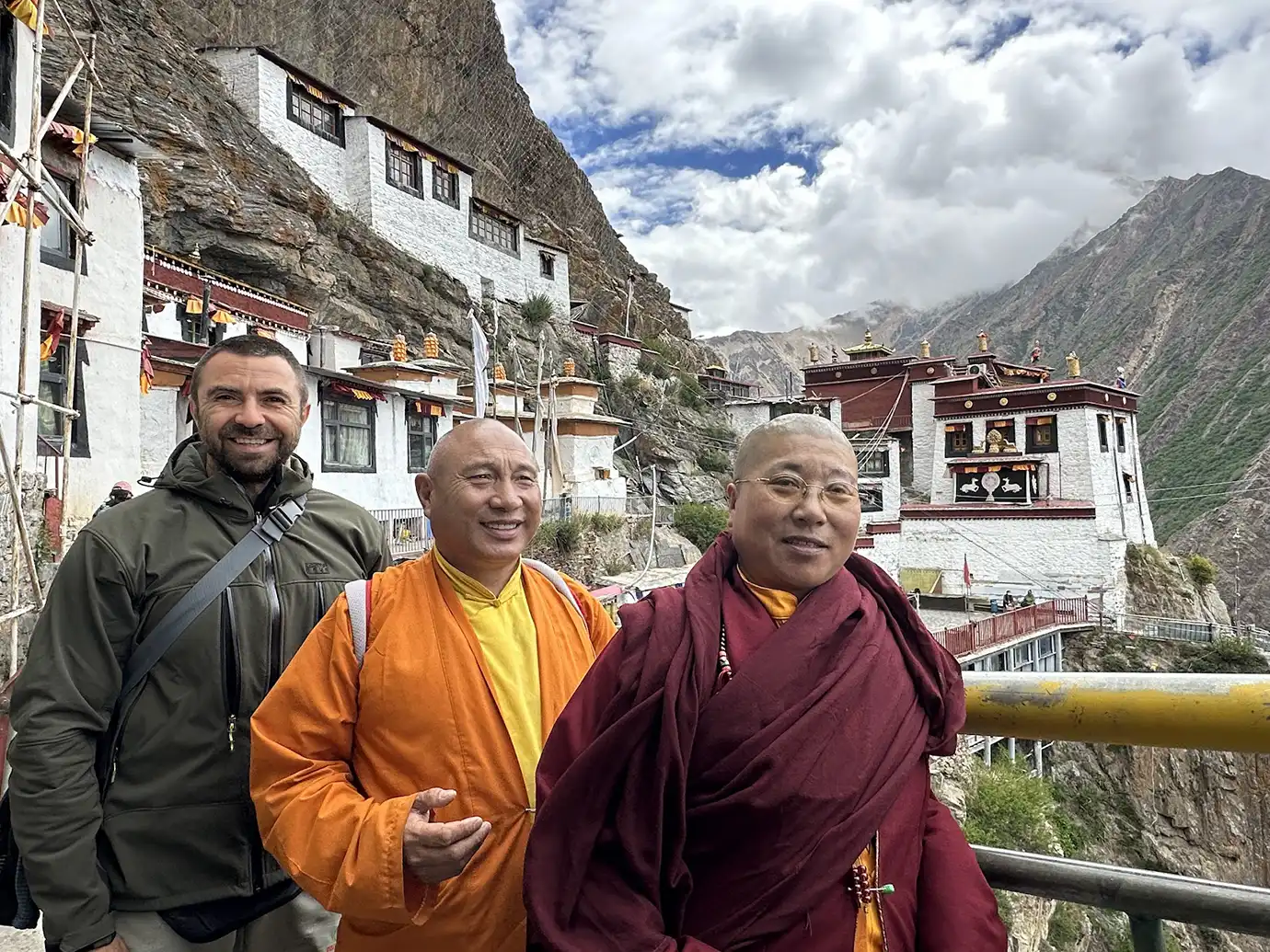
Safe Tibet Travel Tips for Different Travelers
Safety planning can depend on who you are. Here are tips for specific groups:
Solo Travelers:
- Always ensure you have a local guide and driver. If you are a solo traveler to Tibet, you can still be on a “private tour.” The guide can accompany you at all times, even on day hikes.
- Join a group for some activities (like trekking days); two heads are safer than one.
- Keep others informed of your schedule. Check in with hotel staff or tour operator if plans change.
Families (with Children):
- Keep schedules light. Children get altitude sick too, often more easily than adults. Plan an extra day in Lhasa and plenty of short breaks.
- Don’t push toddlers or younger kids on high passes or strenuous hikes. Consider hiring a private guide even if the group is just your family, to maintain flexibility.
- Carry snacks and entertainment for kids on long drives. Child seats are hard to find – bring your own if needed.
Seniors:
- Discuss any health issues with your doctor and consider altitude tablets.
- Opt for private tours so you can move at your own pace.
- Limit high-altitude day treks. Focus on gradual travel (stay two nights at each altitude) and plenty of rest.
- Make sure hotel choices include elevators if stairs are hard, and inform guides of any mobility issues.
First-Time Visitors:
- Start with a Lhasa-only day or two. See the Potala Palace and Jokhang Temple before heading into the wild. This lets you gauge your acclimatization.
- Use a well-rated agency and vehicle.
- Allow an extra day or two as a buffer in case of weather or paperwork delays.
Each traveler’s comfort zone is different. Plan with a bit of extra time and caution if you belong to one of these groups. The common goal is to avoid rushing.
Safe Itinerary Design (How to Plan a Safer Trip)
The way you arrange your days affects safety:
- Stay 2–3 Nights in Lhasa First: Spend the first two days only around Lhasa (3,650 m). Book easy tours, such as temple visits, museum visits, or short city walks. Let your body adjust before driving long hours or climbing further.
- Light Day 1: Your first full day should not involve a road trip beyond Lhasa or strenuous activity. A half-day tour and rest is ideal.
- Add Buffer Days: Don’t schedule yourself too tightly. For example, if a pass is closed by snow, you need to wait a day or detour. Always have a plan B lodging or route.
- Limit Back-to-Back High Days: Avoid having two consecutive days above 4,500 m. If Day 2 is visiting Lhasa (3,650 m), then Day 3 should not go to a high elevation. Climb to Everest (5,200 m) or Kailash (5,000 m) later in the trip, after multiple acclimatization days.
- Choose Good Hotels: Select hotels known for cleanliness and heating. It gets cold at night everywhere, so a working heater or good blankets are crucial for sleep comfort.
Sample Safe Itinerary (7–8 days):
- Arrive in Lhasa, rest.
- Lhasa sightseeing (Potala, Jokhang).
- Lhasa cultural day (Norbulingka, museum).
- Drive to Gyantse via Yamdrok Lake (stop in Lhaze for lunch).
- Gyantse sites and a short drive to Shigatse.
- Acclimatization day in Shigatse (Tashilhunpo Monastery, local market).
- Overland to Everest Base Camp or Kailash (with overnight in Tingri or Saga).
- Return toward Lhasa or cross into Nepal.
In this plan, notice the first few days are light, with long drives only after day 3. High passes come gradually.
Planning carefully like this turns safety on the Tibet tour from an afterthought into an integral part of the journey.
Common Mistakes That Reduce Safety
Avoid these errors many travelers make:
- Heading Out Too Soon: Flying in and doing a 6,000 m trek the next morning. Always have 1–2 easy days first.
- Overpacked Schedule: Trying to see every site regardless of fatigue. Breathing hard up steps or skipping rest periods can increase the risk of altitude illness.
- Ignoring Cold & Sun: Leaving out warm clothes or failing to use sunscreen. Even on summer days, nights can be near freezing, and the sun can cause rapid burns.
- Dehydration: Failing to drink water regularly, especially in dry air. This makes altitude effects much worse.
- Permit Delays: Not arranging permits in advance or booking flights/train tickets before permits arrive. You could end up unable to enter remote areas.
- Using Unlicensed Vehicles: Riding in any random van. Always use the hired tour vehicle. Street taxis are not permitted for foreigners beyond city limits.
Catch these mistakes in planning, not on the road. When in doubt, ask your travel agent or guide before making a quick decision.
FAQs about Tibet Tour Safety
Q: Is the safety of the Tibet tour a concern for first-time visitors?
A: First-time visitors are fine if they plan carefully. Tibet has low crime, but first-timers should allow extra days to adjust to the altitude. Book with a reputable company and share your medical history. Packing properly (warm layers, meds) and taking things slowly makes the trip comfortable and safe. The guides are experienced with beginners, so follow their advice.
Q: What is the biggest risk to the safety of a Tibet tour?
A: The biggest risk is altitude sickness. Most other risks (like petty crime or cultural misunderstandings) are minor in comparison. By acclimating over a couple of days, drinking plenty of water, and resting when needed, altitude issues can be managed. Drivers and guides also watch for signs of altitude trouble. Bad weather is the second concern (especially summer rain or winter cold), but this can be mitigated with flexible schedules.
Q: Is Tibet safe for solo travelers?
A: Yes, solo travelers often find Tibet very safe. However, you still need to travel with a guide. “Solo” in Tibet means no travel companion, but you still have a driver and guide. They provide constant support, so even singles have company on tours. Stick to groups or guided hikes, and avoid venturing alone into rural areas. In towns, you can sightsee by yourself during the day, but always return to your lodging with your guide or group.
Q: Is Tibet safe for families and seniors?
A: Tibet can be safe and enjoyable for families and seniors, with the right plan. For kids or older people, the key is a slower pace. Take extra rest days, use private transport, and avoid very high treks. Many tour operators offer family-friendly tours. Seniors should have a medical check-up and consider altitude medication. Children adapt more quickly than adults in many cases, but keep them well-fed and hydrated. If your group has very different fitness levels, consider customizing the itinerary so no one is overexerted.
Q: What is the best season for a Tibet tour in terms of safety?
A: The safest seasons are spring (April–May) and autumn (September–October). The weather is mild, the roads are clear, and severe cold or heavy rains are unlikely. Summer (June–Aug) has warmer days but occasional storms and landslides on mountain roads. Winter (Nov–Mar) is cold and dark early, which can be hard for newcomers. Spring and autumn strike a balance: stable weather and manageable temperatures.
Q: How do I manage altitude safely in Tibet?
A: Manage altitude by gradual ascent and hydration. Spend at least two nights in Lhasa before going higher. Use the train if possible, as it climbs gradually. Drink lots of water, and avoid caffeine and alcohol for the first few days. Eat light, carbohydrate-rich meals. Use over-the-counter altitude tablets if recommended by a doctor. Rest often – listen to your body. If you feel headaches or nausea, stop the activity and tell your guide. Always have oxygen on hand in the vehicle for emergencies.
Q: Do permits affect the safety and travel plans for a Tibet tour?
A: Yes. Permits you to control where you can go. You cannot skip permits for Everest or certain military zones. Trying to travel without the right permit can land you in trouble or force a last-minute reroute. Always stick to the approved itinerary. This ensures guides know exactly where tourists are, making emergencies easier to handle. Your Tibet Travel Permit links you to an approved tour guide and agency – so it’s actually part of your safety net.
Q: What insurance should I get for travel to Tibet?
A: Get comprehensive travel insurance for Tibet Tour Safety that covers high-altitude activities and medical evacuation. Not all policies cover Tibet, so check carefully that “Tibet and high-altitude rescue” is included. Ensure coverage for helicopter evacuation – if someone becomes very sick or injured, a helicopter ride to Lhasa (or out of Tibet) could be needed. With proper insurance, you’ll worry less and be safer if something unexpected happens.