


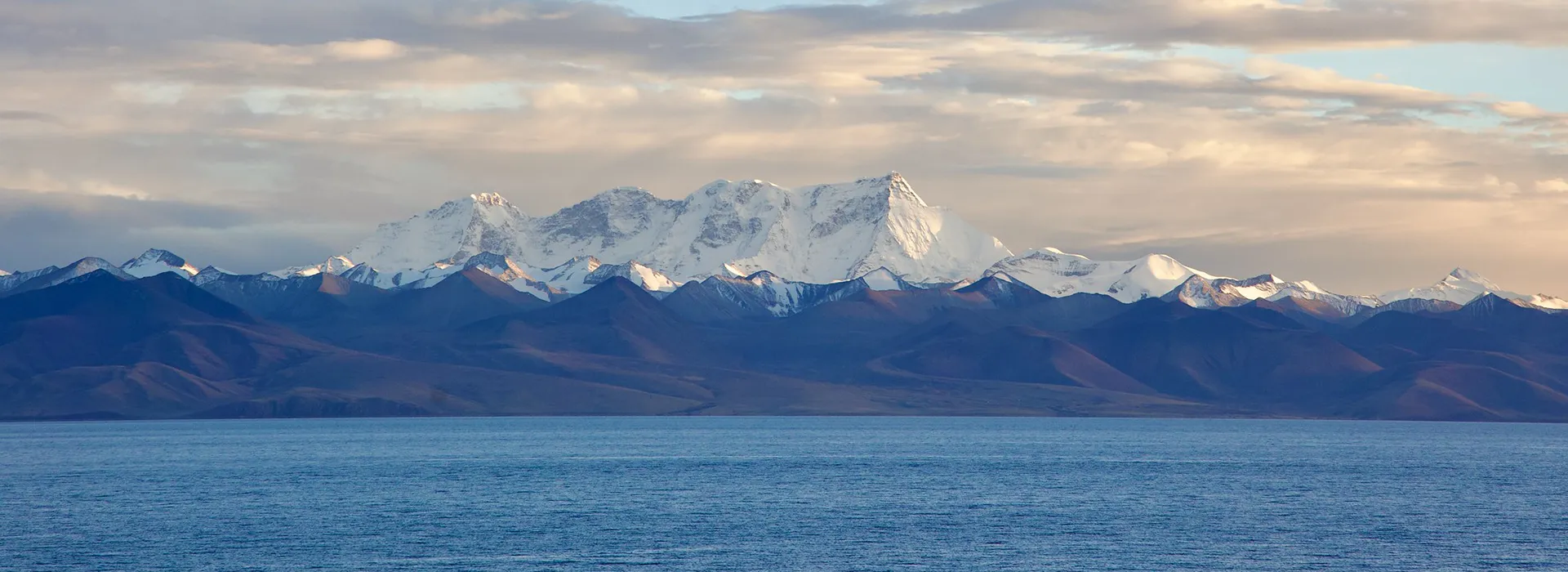

A Tibet Tour from Australia offers an extraordinary travel experience for adventurous individuals. Australians choose the high-altitude region to view towering Himalayan peaks, explore ancient Buddhist monasteries, and experience a highly distinct local culture. Planning a Tibet Tour from Australia requires careful preparation regarding high altitudes, specific travel permits, and unique logistical challenges. Peregrine Treks and Tours is a luxury travel provider that helps tourists organize every detail for a seamless trip.
Australians face specific realities when preparing for a Tibet Tour. The extreme elevation demands slow physical acclimatization. Strict travel rules mandate booking organized tours rather than traveling independently. Tourists rely on professional guides and licensed drivers to navigate the area safely. A Tibet Tour from Australia demands flexibility, as harsh weather conditions and local regulations occasionally alter travel schedules.
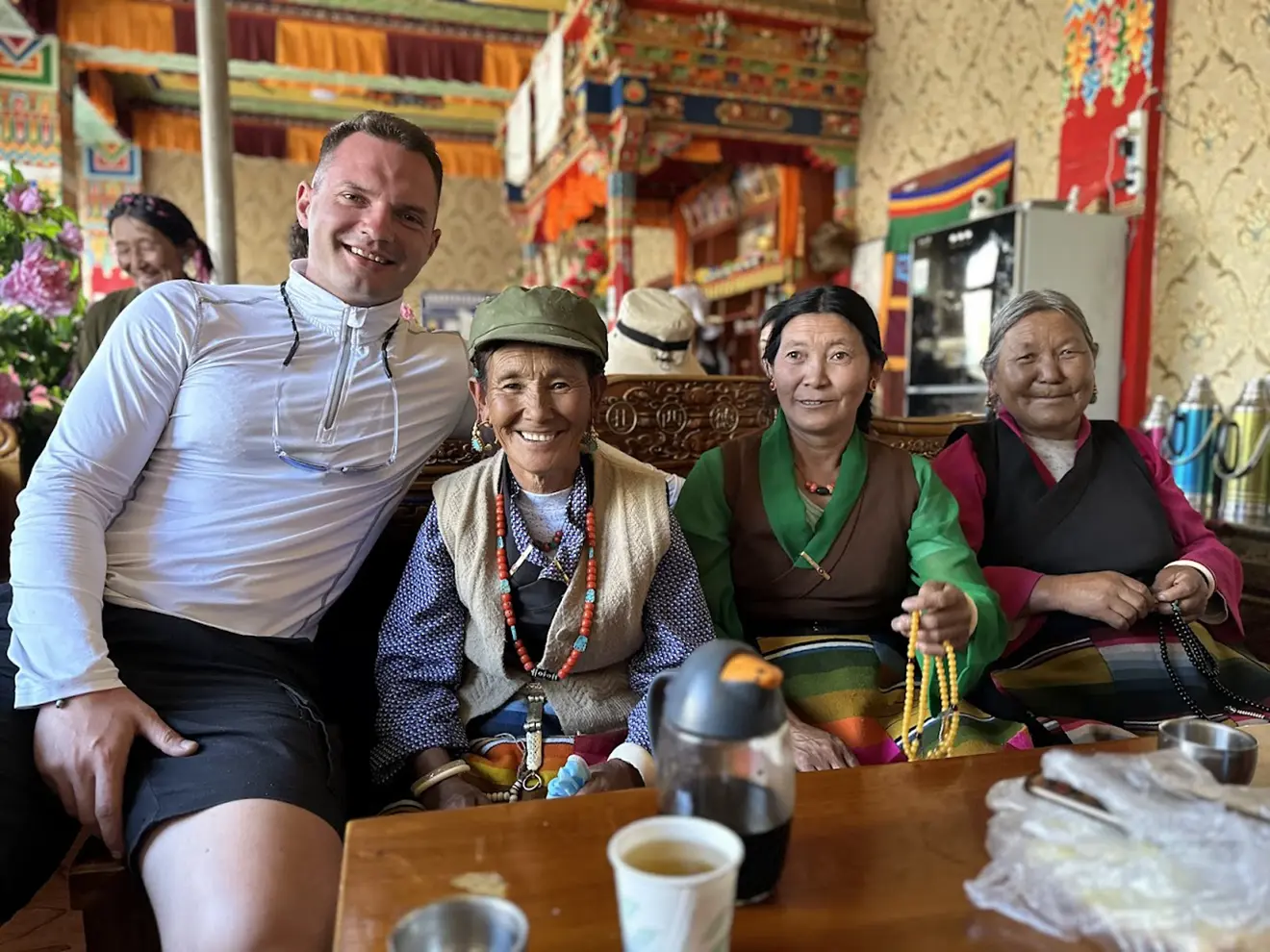
The following guide serves Australian travelers seeking detailed, step-by-step preparation advice. The content covers flights, entry routes, essential documents, expected costs, and daily itineraries. Readers gain practical knowledge to organize a safe and comfortable Tibet Tour from Australia.
Quick Facts Box
- Primary Destination: Tibet Autonomous Region, China.
- Required Documents: Valid Passport, China Visa (or waiver), Tibet Travel Permit.
- Minimum Recommended Days: Eight days.
- Highest Expected Altitude: 5,200 meters at Everest Base Camp.
- Mandatory Travel Style: Organized tour featuring a licensed guide and driver.
- Currency Used: Chinese Yuan (RMB).
Where Australians Start: Flight Planning Basics
Planning a Tibet Tour from Australia begins with booking international flights. Airlines do not operate direct flights from Australian cities to Lhasa. Travelers must transit through major gateway cities in mainland China or Nepal.
Common departure cities in Australia include Sydney, Melbourne, Brisbane, and Perth. Sydney and Melbourne offer the most daily flights to Asian hubs. Travelers departing from Brisbane and Perth often connect through Singapore or Hong Kong before reaching their final gateway.
Typical connections occur in Chinese cities such as Guangzhou, Chengdu, Beijing, or Shanghai. Chengdu serves as the most popular and cost-effective gateway. The city sits geographically close to the Tibetan plateau. Airlines schedule multiple daily flights from Chengdu to Lhasa. Guangzhou also offers excellent connections for Australians, featuring direct flights from Sydney and Melbourne.
Flexible dates help travelers secure better flight prices. Airfares fluctuate heavily during Chinese national holidays and the peak summer travel season. Flying on weekdays often yields cheaper tickets than flying on weekends.
Luggage planning requires attention to airline policies. Australian airlines like Qantas enforce specific weight limits based on the destination. International flights generally allow 23 kilograms of checked baggage in economy class. Domestic Chinese flights often restrict economy-class checked baggage to 20 kilograms. China Southern Airlines allows passengers to transfer baggage directly to the final destination when transiting through Guangzhou. Travelers booking a multi-leg Tibet Tour from Australia must pack within the strictest weight limit specified on their itinerary.
Flight Planning Checklist
- Book international flights from Australia to a gateway city, such as Chengdu or Guangzhou.
- Book domestic flights from the gateway city to Lhasa Gonggar Airport.
- Verify baggage weight limits for all flight sectors.
- Arrive in the gateway city at least 1 day before the Lhasa flight to obtain the necessary travel permits.
- Keep flight schedules flexible to accommodate potential weather delays.
Two Entry Routes for a Tibet Tour from Australia
Travelers planning a Tibet Tour from Australia choose between two primary entry routes.
Option A: Enter Tibet via Mainland China
The mainland China route remains the most popular choice for Australians. Tourists fly from Australia to cities in China, such as Chengdu, Beijing, and Shanghai. From these cities, travelers either take a domestic flight to Lhasa or ride the Qinghai-Tibet Railway. The mainland route allows gradual acclimatization, especially when travelers spend a few days in a city like Xining before taking the train.
Option B: Enter Tibet via Nepal
The Nepal route appeals to tourists wanting to combine two Himalayan destinations. Australians fly into Kathmandu, Nepal. From Kathmandu, travelers can either take a direct international flight to Lhasa or drive over the Gyirong Port border. The overland route from Kathmandu offers dramatic mountain scenery but involves traveling over rough roads.
| Feature | Via Mainland China | Via Nepal |
|---|---|---|
| Flight Availability | High number of domestic flights to Lhasa | Limited international flight access to Lhasa |
| Visa Requirement | Standard China visa or an eligible visa-free entry route | China Group Tourist Visa issued in Kathmandu |
| Train Option | Yes, the Qinghai–Tibet Railway is available | No train service to Lhasa |
| Overland Option | Long road travel from nearby Chinese provinces | Popular overland route through the Friendship Highway |
| Acclimatization | Often easier to manage, especially by train | Harder when flying directly from Kathmandu to Lhasa |
Permits and Visa Requirements
A Tibet Tour from Australia involves strict documentation rules. The term “Tibet Visa” causes confusion among travelers. Authorities issue no separate visa for the region. Tourists need a Chinese entry visa and a specialized regional travel permit.
The Chinese government recently introduced a visa-free policy for Australian citizens. Australians currently qualify for a 30-day visa-free entry into China. The policy remains valid until December 31, 2026. Travelers using the mainland China entry route use the visa waiver to enter the country. They skip the standard visa application process at the Chinese embassy in Australia.
Travelers entering via Nepal face different rules. Authorities require tourists entering from Kathmandu to obtain a China Group Tourist Visa. The Chinese Embassy in Kathmandu issues the specific document. If an Australian already holds a standard Chinese visa, the embassy cancels it and issues the Group Visa instead.
Beyond the visa, all foreign travelers need a Tibet Travel Permit. The regional tourism bureau issues the mandatory document. Tourists never apply for the permit independently. Peregrine Treks and Tours handles the entire permit application process on behalf of the traveler. Australians submit clear, color scans of their passport information page to their tour operator. The operator submits the documents to the local tourism bureau.
Permit Timeline
- 30 Days Before Travel: Submit passport scans to the tour operator.
- 20 Days Before Travel: The operator applies for the permit at the tourism bureau.
- 10 Days Before Travel: The bureau issues the physical permit.
- 5 Days Before Travel: The operator mails the physical permit to the traveler’s hotel in mainland China.
- Day of Travel: The traveler presents the original physical permit to board the flight or train to Lhasa.
Best Time for a Tibet Tour from Australia
The weather significantly impacts a Tibet Tour from Australia. The region features extremely high-altitude climates.
- Spring spans from April to early June. The weather turns warmer, and the ice melts. Spring provides clear skies and excellent visibility for viewing mountain peaks. Wildflowers bloom across the valleys.
- Summer runs from late June to August. Summer brings the warmest temperatures and higher oxygen levels. The region experiences its rainy season during these months. Rain occasionally obscures mountain views, especially around Mount Everest. Summer also represents the peak tourist season, bringing larger crowds and higher prices.
- Autumn occurs in September and October. Autumn offers the most reliable weather for a Tibet Tour from Australia. The rainy season ends, leaving crisp, clear skies. Autumn provides the absolute best conditions for photographing Mount Everest and trekking around high-altitude lakes.
- Winter lasts from November to March. Winter brings freezing temperatures and heavy snow. High mountain passes often close due to ice. However, winter offers a deeply authentic cultural experience. Thousands of local pilgrims visit Lhasa during winter. Hotels and airlines offer significant discounts.
Best Months for Australians Shortlist
- May: Excellent mountain visibility and comfortable temperatures.
- September: Post-monsoon clear skies and golden landscapes.
- October: The ultimate month for Everest Base Camp visits.
Sample Itineraries Designed for Australians
A successful Tibet Tour from Australia requires a well-structured itinerary. Peregrine Treks and Tours designs specific routes to ensure safety, comfort, and deep cultural immersion.
| Itinerary Name | Duration | Route Highlights | Best For |
|---|---|---|---|
| Classic Lhasa & Cultural Highlights | 8 Days | Lhasa, Yamdrok Lake, Gyantse, Shigatse | First-time visitors |
| Lhasa, Lakes & Everest Base Camp | 10 Days | Lhasa, Shigatse, Everest Base Camp, Namtso Lake | Adventure seekers |
| Traverse the Himalayas (Nepal Combo) | 14 Days | Kathmandu, Gyirong, Everest Base Camp, Lhasa | Overland enthusiasts |
8 Days: Classic Lhasa + Cultural Highlights
Travelers spend the first three days exploring Lhasa. Visitors tour the Potala Palace, Jokhang Temple, and Sera Monastery. The Potala Palace dominates the skyline, requiring tourists to climb 365 steps to reach the Red Palace. Jokhang Temple houses the revered Jowo Rinpoche statue.
Day four involves driving across the Kamba La Pass to view the turquoise waters of Yamdrok Lake. The route continues past the Karola Glacier to Gyantse. Day five includes a visit to the Pelkor Chode Monastery and the Gyantse Kumbum stupa before reaching Shigatse.
Day six features a morning tour of the massive Tashi Lhunpo Monastery. The monastery holds a massive Maitreya Buddha statue measuring 26.2 meters high. Day seven involves the return drive to Lhasa along the Yarlung Tsangpo River. Day eight concludes the tour with an airport transfer.
- Drive-time level: Moderate.
- Walking level: Moderate.
- Altitude note: Peaks at 4,794 meters (Kamba La Pass).
- Best season: April to October.
10 Days: Lhasa + Gyantse + Shigatse (Plus Lakes and Everest)
The extended route expands on the eight-day tour. Travelers follow the same path to Shigatse. On day five, the journey leaves Shigatse and ascends the Gyawu La Pass, offering sweeping views of the Himalayan range. The drive ends at Everest Base Camp.
Day six allows tourists to watch the sunrise over Mount Everest before driving back to Shigatse. Day seven returns the group to Lhasa. Day eight features a long drive north to the holy Namtso Lake, crossing the high Lakenla Pass at 5,190 meters. Day nine returns the group to Lhasa. Day ten concludes the trip.
- Drive-time level: High.
- Walking level: Moderate.
- Altitude note: Peaks at 5,200 meters (Everest Base Camp).
- Best season: May, September, October.
12–14 Days: Tibet + Nepal Combo
Australians fly into Kathmandu and spend three days exploring local temples, such as Pashupatinath and the Boudhanath stupa. Day four involves driving to the border town of Syabrubesi. Day five crosses the border at Gyirong Port into Chinese territory.
Day six climbs onto the Tibetan plateau, reaching the town of Tingri. Day seven visits Everest Base Camp. Day eight drives to Shigatse. Day nine visits Gyantse and Yamdrok Lake before arriving in Lhasa. Travelers spend three days exploring Lhasa before departing.
- Drive-time level: Very High.
- Walking level: Moderate to High.
- Altitude note: Extreme altitude gain from Nepal to the plateau requires caution.
- Best season: May, September, October.
Altitude and Health Planning
Australians live near sea level, making altitude preparation vital for a Tibet Tour from Australia. The average elevation on the plateau exceeds 4,000 meters. The thin air contains significantly less oxygen than coastal Australia. Altitude sickness affects many visitors. Symptoms include headaches, dizziness, nausea, shortness of breath, and fatigue. The body needs time to produce more red blood cells to carry limited oxygen.
A simple acclimatization strategy prevents severe illness. Travelers must rest completely upon arriving in Lhasa. Tourists walk slowly, avoid running, and skip climbing stairs for the first two days. Hydration plays a massive role in acclimatization. Visitors drink three to four liters of water daily. Avoiding alcohol and smoking during the first few days helps the body adjust.
Doctors often prescribe specific medications to prevent altitude sickness. Australian travelers should consult a general practitioner before departure to discuss the options. Elderly tourists or those with pre-existing heart or lung conditions should exercise extra caution. Medical professionals highly recommend a full physical check-up before booking a Tibet Tour from Australia.
Travel insurance serves as an absolute necessity. Standard Australian travel insurance policies often exclude high-altitude activities. Travelers purchase specialized insurance covering travel above 5,000 meters. The policy must include emergency medical evacuation and repatriation. Ensure the insurance company knows the exact itinerary, including the Everest Base Camp visit.
Budget and Cost Planning for Australians
Planning the budget for a Tibet Tour from Australia involves understanding various cost drivers. The local government mandates hiring a private vehicle, a licensed driver, and a tour guide. The mandatory services make the destination more expensive than other Asian countries. Costs fluctuate based on group size. Solo travelers bear the entire cost of the vehicle, guide, and driver. Joining a small-group tour drastically reduces individual expenses by splitting fixed costs among multiple participants.
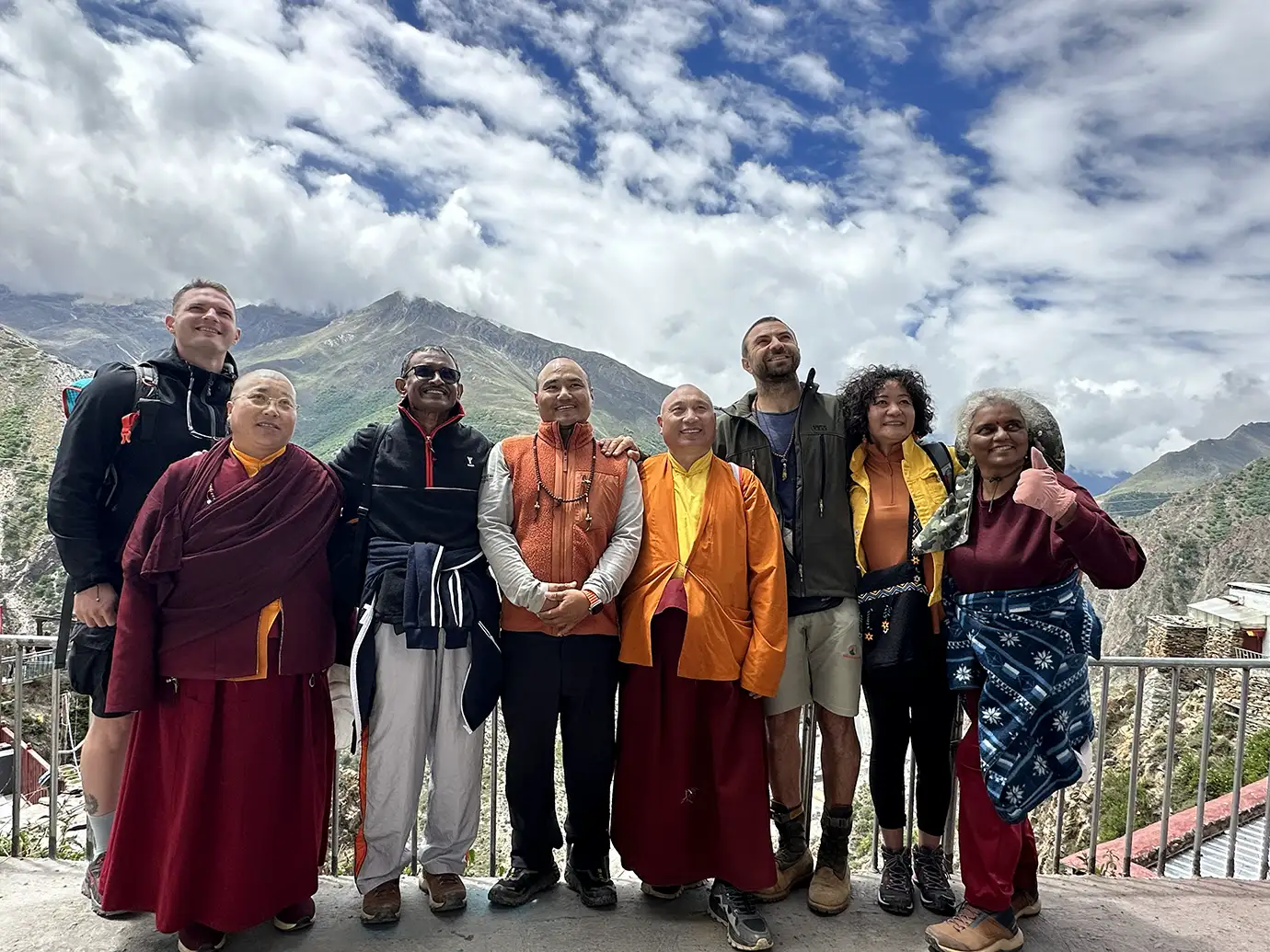
Accommodation choices heavily influence the budget. Luxury five-star hotels in Lhasa charge premium rates. Clean, comfortable three-star hotels provide excellent value for money.
Transportation choices also impact the budget. Domestic flights from Chinese gateway cities to Lhasa cost significantly more than train tickets. The Qinghai-Tibet Railway offers a cheaper alternative while providing stunning scenery.
How to Save Money Box
- Travel during the winter off-season to secure heavy discounts on hotels and flights.
- Join a shared small group tour instead of booking a private tour.
- Choose a shorter eight-day itinerary rather than a two-week expedition.
- Book domestic flights in China from Chengdu or Chongqing rather than Beijing or Shanghai.
- Eat at local Tibetan restaurants rather than expensive tourist-focused hotel dining rooms.
Accommodation, Food, and Comfort Expectations
A Tibet Tour from Australia offers varying levels of comfort depending on the location.
- Lhasa features excellent hotel standards. The city offers international five-star brands, boutique Tibetan-style courtyards, and standard three-star hotels. High-end hotels provide centralized oxygen-delivery systems in guest rooms to help guests sleep. Most hotels in Lhasa feature reliable heating systems, hot showers, and Western-style toilets.
- Shigatse, the second-largest city, also provides comfortable four-star and three-star hotels. Facilities here meet international standards, ensuring a good night’s rest.
- Everest Base Camp offers a completely different level of comfort. Travelers sleep in traditional yak-hair tent guesthouses or the basic Rongbuk Monastery guesthouse. The accommodations offer shared dormitory-style rooms. Heating relies on a central stove burning yak dung. Toilets consist of basic outdoor squat facilities. Running water is rare at base camp.
Food options cater to diverse tastes.
- Traditional local food relies heavily on highland barley, yak meat, and dairy products. Tsampa serves as the staple food, consisting of roasted barley flour mixed with butter tea. Momos are the local dumplings, filled with yak meat or vegetables. Thukpa provides a warm, comforting noodle soup perfect for cold nights.
- Lhasa hosts excellent restaurants for international tourists. Establishments like Dunya Restaurant or the Tibetan Family Kitchen offer delicious local and Western dishes.
- Vegetarian tourists find plenty of options. Local markets offer abundant fresh vegetables, including cabbage, potatoes, tomatoes, and spinach. Traditional teahouses, like the famous Guangming Gangqiongtian Tea House, serve cheap, delicious vegetarian noodles and sweet milk tea.
- Water safety requires strict attention. Tourists never drink tap water. Travelers drink only bottled water or water that has been boiled extensively by the hotel or restaurant.
Australia Traveler Comfort Tips
- Bring a high-quality sleeping bag liner for the Everest Base Camp tent guesthouses.
- Pack travel packs of wet wipes and toilet paper, as public restrooms rarely supply them.
- Carry your favorite Australian snacks like muesli bars to supplement meals during long drives.
- Accept spotty Wi-Fi connections in remote areas.
Transportation Inside Tibet
A Tibet Tour from Australia involves extensive driving across vast distances. The government strictly regulates tourist vehicles to ensure safety.
Group travel dictates the vehicle type. Small private groups of two to four people travel in comfortable 5-seater SUVs or 7-seater Buick minivans. The vehicles offer plush seating and a smooth ride. Larger groups of six to twelve people use 14-seater Ford Transit vans or 17-seater Hyundai minibuses. The larger vans offer ample legroom and dedicated luggage space.
Driving times often stretch long. The journey from Lhasa to Shigatse requires up to eight hours. The drive from Shigatse to Everest Base Camp takes another eight hours. Speed limits remain strictly enforced across the region, with checkpoint cameras in place. Drivers never exceed speed limits, ensuring passenger safety but extending travel times.
Tour guides schedule frequent rest stops. Vehicles stop at scenic mountain passes, small villages, and designated toilet breaks. The stops allow tourists to stretch their legs and take photographs.
The Qinghai-Tibet Railway offers an iconic transportation experience. Travelers often take the train from Xining to Lhasa. The train features two main classes. The soft sleeper provides a private compartment with a locking door and four plush beds. The hard sleeper features an open compartment with six slightly firmer beds. Soft sleepers offer better privacy and quieter environments, making them the preferred choice for foreign travelers.
Packing List for a Tibet Tour from Australia
Packing correctly ensures comfort and safety during a Tibet Tour from Australia. The extreme altitude and shifting weather require strategic clothing choices.
Clothing
- Travelers pack a heavy winter down jacket for cold mornings and nights.
- Tourists bring a lightweight, waterproof rain jacket for sudden afternoon showers.
- Pack three to four pairs of comfortable, durable hiking pants.
- Bring thermal underwear layers to retain body heat at Everest Base Camp.
- Pack multiple quick-drying long-sleeve shirts to protect against intense sun exposure.
- Bring a warm fleece sweater for layering.
- Pack a wide-brimmed sun hat to shield the face from high-altitude UV rays.
- Bring a warm woolen beanie and insulated gloves for mountain passes.
- Wear sturdy, broken-in walking shoes or light hiking boots.
- Pack several pairs of thick woolen socks.
Health and Comfort
- Travelers pack sunscreen with SPF 35 or higher.
- Bring lip balm containing high SPF.
- Pack an intensive skin moisturizer to combat the extremely dry plateau air.
- Bring a comprehensive personal medical kit containing altitude medication, pain relievers, and stomach remedies.
- Pack antibacterial hand sanitizer and multiple packs of wet wipes.
- Bring two rolls of toilet paper for public restrooms.
- Pack earplugs to ensure uninterrupted sleep in noisy guesthouses.
Travel Essentials
- Keep the original passport and physical travel permits accessible at all times.
- Bring a high-quality daypack to carry water, cameras, and extra clothing layers in the vehicle.
- Pack a one-liter reusable water bottle or thermos for hot tea.
- Bring sunglasses with polarized UV protection to prevent snow blindness.
- Pack universal electrical adapters to charge devices in Chinese power outlets.
- Bring extra camera batteries, as cold weather drains power quickly.
Connectivity, Money, and Practical Travel Details
Modern connectivity is widespread throughout the region, but Australian travelers should be aware of specific restrictions. The local telecom network provides strong 4G coverage in Lhasa, Shigatse, and even at Everest Base Camp. However, the government blocks access to many Western websites and applications. Tourists cannot access Google, Facebook, Instagram, or WhatsApp using local Wi-Fi.
To bypass the restrictions, travelers can purchase international roaming packages from Australian providers like Telstra or Optus. Telstra offers an International Roaming Day Pass providing daily data allowances. Optus offers a similar roaming pass. Roaming data bypasses local firewall blocks, allowing full internet access.
Alternatively, tech-savvy travelers purchase digital eSIMs from providers like Airalo or Holafly before leaving Australia. The eSIMs route traffic through international servers, ensuring unrestricted internet access upon arrival.
Money management requires setting up digital payment systems. Cash usage declines rapidly across China. Locals use mobile payment apps for almost every transaction. Australians download the Alipay or WeChat app before leaving home. Travelers register an account using their Australian mobile number. The app requires real-name verification, prompting users to upload a scanned passport page and take a selfie using facial recognition. Once verified, tourists link their Australian Visa or Mastercard to the app.
To pay for goods, use Alipay, tap the “Scan” button, and scan the merchant’s QR code. Alternatively, tap “Pay” to generate a personal barcode for the cashier to scan. Setting up the apps ensures travelers buy coffee, souvenirs, or meals effortlessly.
The time zone presents a unique situation. The entire country operates on Beijing Standard Time. The sun rises and sets very late on the western plateau. Travelers adjust their daily schedules to match the delayed daylight pattern.
Safety, Culture, and Etiquette
A Tibet Tour from Australia provides a remarkably safe travel environment. Violent crime against tourists remains virtually non-existent. The heavy police presence and strict security checks ensure public safety. Travelers exercise standard common-sense precautions against petty theft in crowded markets like Barkhor Street.
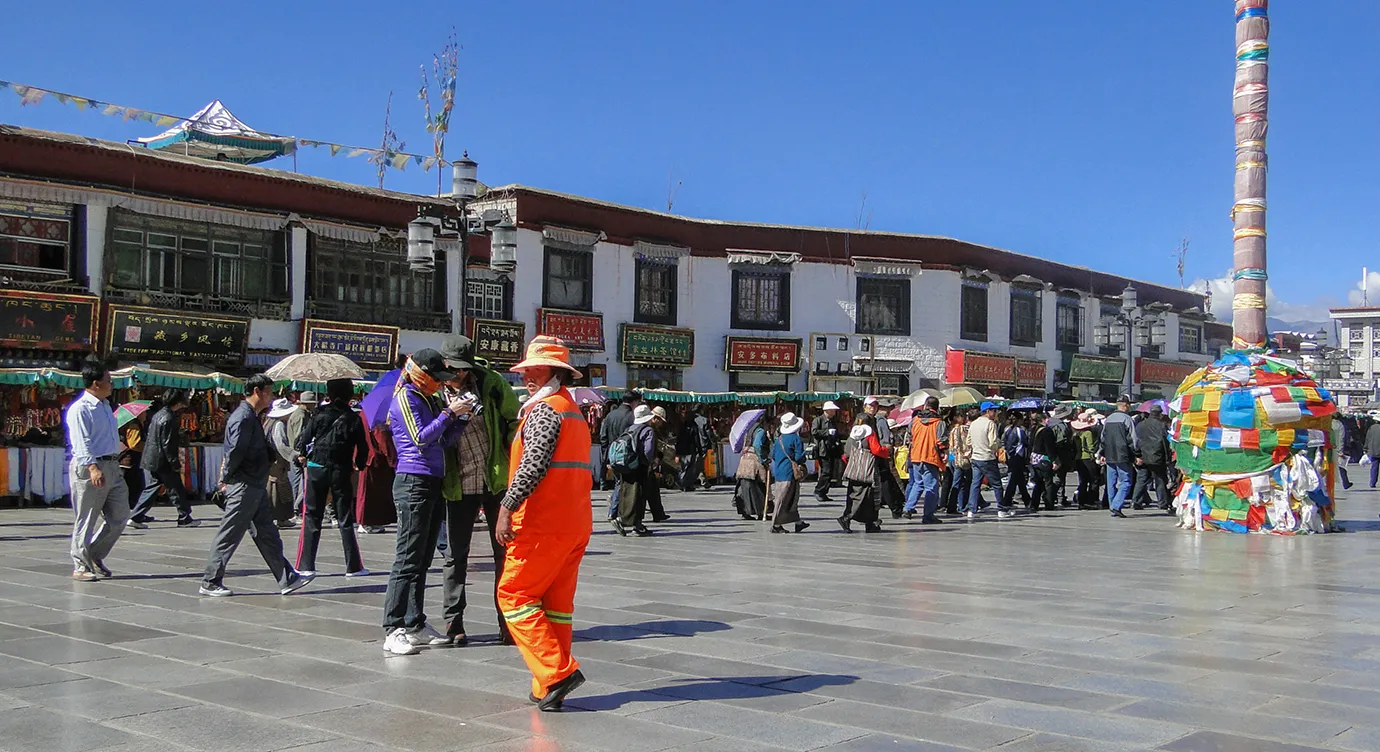
Cultural etiquette demands deep respect for local religious practices. The region functions as a deeply spiritual place rooted in Tibetan Buddhism. Tourists dress modestly when visiting monasteries. Visitors wear long pants and shirts covering the shoulders. Travelers remove their hats and sunglasses before entering any chapel or temple. Visitors walk clockwise around all religious sites. Pilgrims walk the “kora” circuit around the Jokhang Temple or the Potala Palace in a clockwise direction. Tourists join the flow of foot traffic and never walk counter-clockwise.
Inside monasteries, tourists never touch Buddha statues, religious texts, or altars. Visitors never step directly on the wooden threshold when walking through a doorway. Photography rules remain incredibly strict. Tourists take unlimited photos of the exterior of buildings like the Potala Palace. However, authorities strictly ban all photography inside the chapels of the Potala Palace. Other monasteries sometimes allow indoor photography if the tourist pays a small fee to the monks. Travelers always ask the tour guide for permission before taking out a camera inside a building.
When photographing local people, polite tourists always ask for permission first. Pointing cameras directly into the faces of praying pilgrims displays severe disrespect. The Potala Palace enforces a strict one-hour time limit for visitors exploring the interior rooms. The tour guide leads the group through the White Palace and Red Palace swiftly to meet the requirement.
Tour guides provide invaluable support. The guide translates conversations, handles paperwork at police checkpoints, and explains complex Buddhist history. Travelers follow the guide’s instructions at all times to ensure a smooth, respectful trip.
FAQs
Q: How do I plan a Tibet Tour from Australia?
A: Planning a Tibet Tour from Australia requires booking through a licensed travel agency like Peregrine Treks and Tours. The agency designs the itinerary, books the mandatory guide and driver, and processes the required regional travel permits. Travelers then book international flights to a gateway city such as Chengdu or Kathmandu.
Q: What is the best entry route for a Tibet Tour from Australia?
A: The best entry route for a Tibet Tour from Australia involves flying into a mainland Chinese city like Chengdu or Guangzhou. The route offers daily flights to Lhasa and allows Australian citizens to use the 30-day visa-free policy.
Q: Do Australians need permits for a Tibet Tour from Australia?
A: Yes, the government requires all foreigners to hold a specialized regional travel permit. The tour operator applies for the permit on behalf of the traveler using passport scans. Tourists present the physical permit before boarding flights or trains to Lhasa.
Q: What is the best time for a Tibet Tour from Australia?
A: September and October serve as the best months for a Tibet Tour from Australia. The autumn months offer clear, crisp skies, providing the best visibility for viewing Mount Everest and other high Himalayan peaks. May also offers excellent weather conditions.
Q: How many days do I need for a Tibet Tour from Australia?
A: Travelers need a minimum of eight days to properly experience the region. An eight-day itinerary allows enough time to acclimatize in Lhasa, explore the Potala Palace, and drive to Shigatse via Yamdrok Lake. Visiting Everest Base Camp requires at least ten days.
Q: Is Tibet safe for Australians to visit?
A: Yes, the region provides an incredibly safe environment for Australian tourists. Strict security measures and mandatory tour guides ensure visitors navigate the area without danger. Travelers simply manage altitude acclimatization properly and respect local religious customs.
Q: Can I combine Nepal and Tibet in one trip?
A: Yes, many travelers combine Nepal and Tibet in a single 14-day overland itinerary. Tourists fly into Kathmandu, explore the Nepalese capital, and then drive across the Himalayan border at Gyirong Port. The route continues across the plateau to Everest Base Camp and concludes in Lhasa.