


Welcome to the Roof of the World. A well-planned Tibet Tour Itinerary for First-Time Visitors ensures safety and comfort. High altitude challenges human endurance. Dry air demands physical adjustment. Ancient traditions require deep respect. Peregrine Treks and Tours delivers expert guidance with a smooth experience. Altitude sickness threatens fast-paced schedules. Long distances consume valuable time. Strict regulations dictate travel routes.
A well-structured Tibet Tour Itinerary for First-Time Visitors solves the logistics part of the trip. Proper scheduling allows gradual altitude acclimatization. Comfortable transportation reduces physical fatigue. Expert local guides handle all document checks. Visitors feel confident through meticulous planning. The right schedule balances iconic sightseeing with necessary rest. First-time visitors want to explore the Potala Palace, view Mount Everest, and visit other iconic landmarks. But rushing through these landmarks causes physical exhaustion. A gentle pace ensures optimal health. Luxury accommodations provide oxygen and warmth. A professional Tibet Tour Itinerary for First-Time Visitors prioritizes well-being.
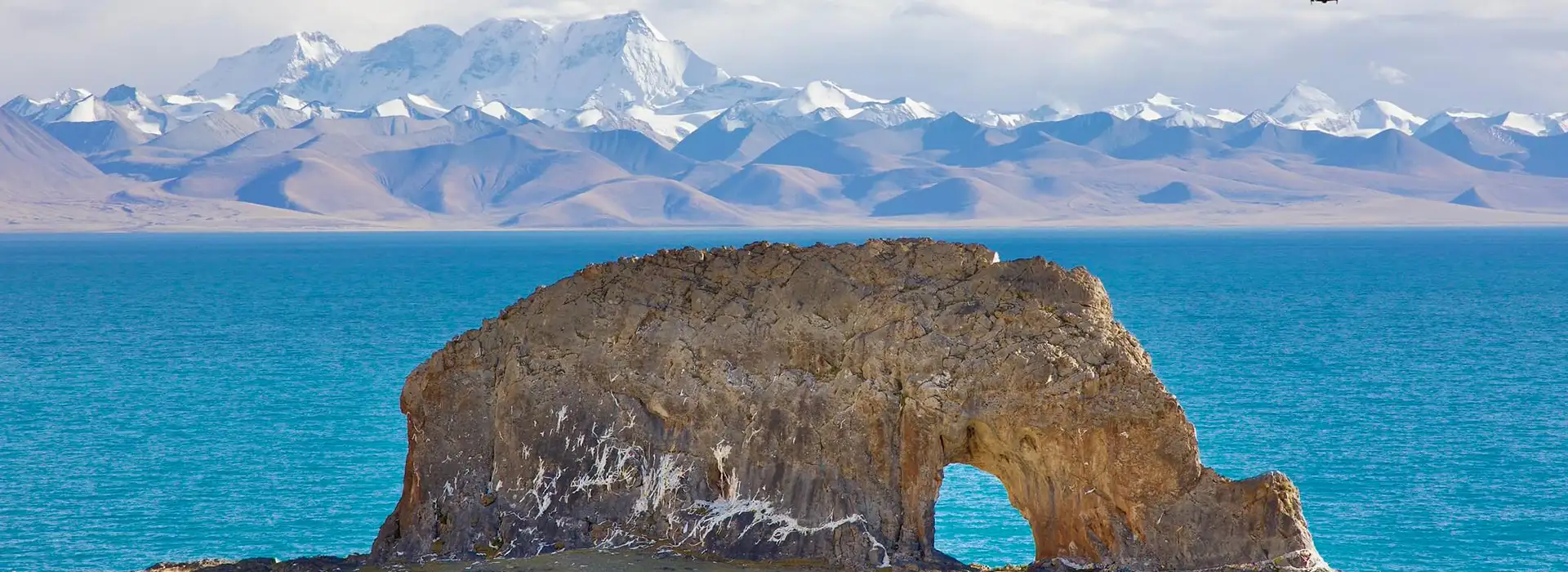
The Tibetan plateau offers unique cultural experiences. Monks chant ancient prayers in dark temple halls. Nomads herd yaks across vast green grasslands. Turquoise lakes shine under the bright sun. Snowy mountain peaks pierce the blue sky. Travelers witness a completely different way of life. A perfect Tibet Tour Itinerary for First-Time Visitors captures all the elements. The planning process requires careful attention to detail.
Guides arrange the necessary travel permits. Drivers navigate the winding mountain roads. Hotel staff prepares warm rooms for tired guests. Every step requires professional coordination. The following sections break down the planning process. Readers find detailed itineraries and practical advice. The guide covers altitude sickness prevention. The text explains local food and accommodation standards. Travelers gain total clarity for the upcoming adventure.
Quick Facts Box
- Best seasons: Spring and Autumn offer clear skies.
- Ideal trip length: Eight to ten days provides adequate time.
- Best starting city: Lhasa serves as the perfect entry point.
- Main challenge: Altitude sickness affects many new arrivals.
- Best tour style: Small group or private luxury tours work best.
First-Time Tibet Planning Checklist
Creating a successful Tibet Tour Itinerary for First-Time Visitors requires step-by-step organization. A thorough checklist removes uncertainty. Visitors follow specific steps months before arrival. Choose the trip length carefully. Dedicate at least eight days to a proper visit. Shorter trips limit exploration opportunities. Longer trips allow visits to Mount Everest. Eight days create the perfect balance. A reliable Tibet Tour Itinerary for First-Time Visitors depends on the amount of time available.
Pick the entry route next. Decide whether to fly from mainland China or Nepal. Mainland China flights offer frequent schedules. The Kathmandu route requires a specific group visa. Travelers evaluate their flight options early. Confirm the necessary permits early. Book through a registered travel agency. The agency handles the official permit application. Travelers submit passport copies thirty days in advance. The government processes the documents slowly.
Build acclimatization days into the plan. Dedicate the first two days entirely to rest. Keep physical activity extremely low. Drink large amounts of water. The body gradually adjusts to the thin air. Pack for sun, cold, and dry air. Bring layered clothing for changing weather. Add sunscreen and polarized sunglasses. The plateau’s sun burns human skin quickly. Thick moisturizers protect the face and hands.
Add a buffer day to the schedule, as flight delays happen frequently and train schedules change without notice. A buffer day protects the main itinerary by allowing travelers to avoid stressful missed connections. Careful preparation guarantees a successful Tibet Tour Itinerary for First-Time Visitors. The checklist keeps everything organized. Travelers feel relaxed before departure.
Best Time to Visit for First-Time Visitors
Choosing the right season defines a Tibet Tour Itinerary for First-Time Visitors. Weather patterns shift dramatically on the plateau. Spring brings blooming flowers and clear skies. April and May offer excellent visibility. Tourists arrive in moderate numbers during this season. Spring provides a perfect travel window with temperatures that feel cool but comfortable. Trees turn green in the Lhasa valley, and the air feels fresh and clean.
- Summer represents the peak tourist season, with June through August bringing warmer temperatures. The monsoon season also arrives during summer. Rain clouds sometimes obscure mountain peaks. Prices reach their highest point as the number of tourists grows. Festivals happen frequently during the summer months. Monks display giant Tibetan thangka paintings on the hillsides. Pilgrims celebrate the Shoton Festival joyfully.
- Autumn delivers spectacular colors and crisp air. September and October rival spring conditions. The skies clear up completely. The weather turns colder by late October. Autumn ranks highly for a Tibet Tour Itinerary for First-Time Visitors. Photographers love the golden sunlight. The mountain peaks look sharp against the blue sky. The trekking routes offer perfect conditions.
- Winter transforms the plateau into a snowy wonderland. November through March brings freezing temperatures. Many remote areas remain closed due to heavy snow. Winter offers lower prices and fewer crowds. Pilgrims flock to Lhasa during winter. Travelers experience a deeply authentic cultural atmosphere. Hotels turn on the central heating to keep guests warm. The winter sunlight provides unexpected warmth during the day.
Season Comparison Table
| Season | Comfort Level | Visibility | Crowd Level | First-Timer Rating |
|---|---|---|---|---|
| Spring (Apr-May) | High | Excellent | Moderate | Excellent |
| Summer (Jun-Aug) | Very High | Fair (Rainy) | High | Good |
| Autumn (Sep-Oct) | High | Excellent | Moderate | Excellent |
| Winter (Nov-Mar) | Low (Cold) | Good | Low | Fair |
How Many Days Do First-Time Visitors Need?
Determining the duration shapes the entire Tibet Tour Itinerary for First-Time Visitors. The high altitude dictates the pace of travel. Rushing causes severe health problems. Travelers plan the days carefully.
5–6 Days:
A short trip covers only Lhasa and the immediate surroundings. Visitors spend two days resting in the hotel. The remaining days allow visits to the major palaces. A six-day trip adds a short drive to Yamdrok Lake. The schedule feels slightly rushed. The short duration works for travelers with tight schedules. Seniors find the short trip manageable.
7–8 Days:
Eight days create the ideal Tibet Tour Itinerary for First-Time Visitors. Travelers spend three days in Lhasa for sightseeing to allow the body to properly adapt to the altitude. The route then moves westward along the Friendship Highway. Visitors drive to Gyantse and Shigatse. The trip culminates at Everest Base Camp. The timeframe covers the most famous landmarks perfectly.
9–10 Days:
Ten days allow a highly relaxed pace. A ten-day Tibet Tour Itinerary for First-Time Visitors includes Lhasa, Mount Everest, and Namtso Lake. Travelers witness both the highest mountain and the beautiful, sacred lakes. The extra days provide deeper cultural immersion. Visitors can explore local villages and ancient ruins. Photographers spend more time capturing the perfect shot. The pace feels incredibly comfortable.
12+ Days:
A twelve-day trip suits adventurous travelers perfectly. The extended Tibet Tour Itinerary for First-Time Visitors covers the overland route to Kathmandu. Travelers spend long hours in vehicles. The rewards include untouched terrain and remote monasteries. The route crosses the mighty Himalayas. Visitors experience extreme altitude changes. The long trip demands good physical stamina. The scenery shifts from high desert to green jungle.
Best Tibet Tour Itinerary for First-Time Visitors (Classic 8 Days)
The classic eight-day route provides the ultimate Tibet Tour Itinerary for First-Time Visitors. The schedule ensures safety, comfort, and incredible sights. Travelers follow a proven path across the plateau.
Day 1: Arrival in Lhasa
- Start/End Location: Lhasa Airport or Train Station to Lhasa Hotel.
- Drive Time: One hour from the airport.
- Walking Level: Very Low.
- Altitude Note: Lhasa sits at 3,650 meters.
- Key Sights: The scenic drive follows the Lhasa River. Mountains surround the wide river valley.
- Rest Advice: Go directly to the hotel room. Lie down immediately. Drink warm water frequently. Eat light food for dinner. Avoid showers to prevent colds. Let the body slowly adjust to the thin air.
Day 2: Lhasa Sightseeing (Potala Palace and Jokhang Temple)
- Start/End Location: Lhasa Hotel to City Center and back.
- Drive Time: Minimal city driving.
- Walking Level: Moderate.
- Altitude Note: Climbing the Potala Palace stairs requires slow movement.
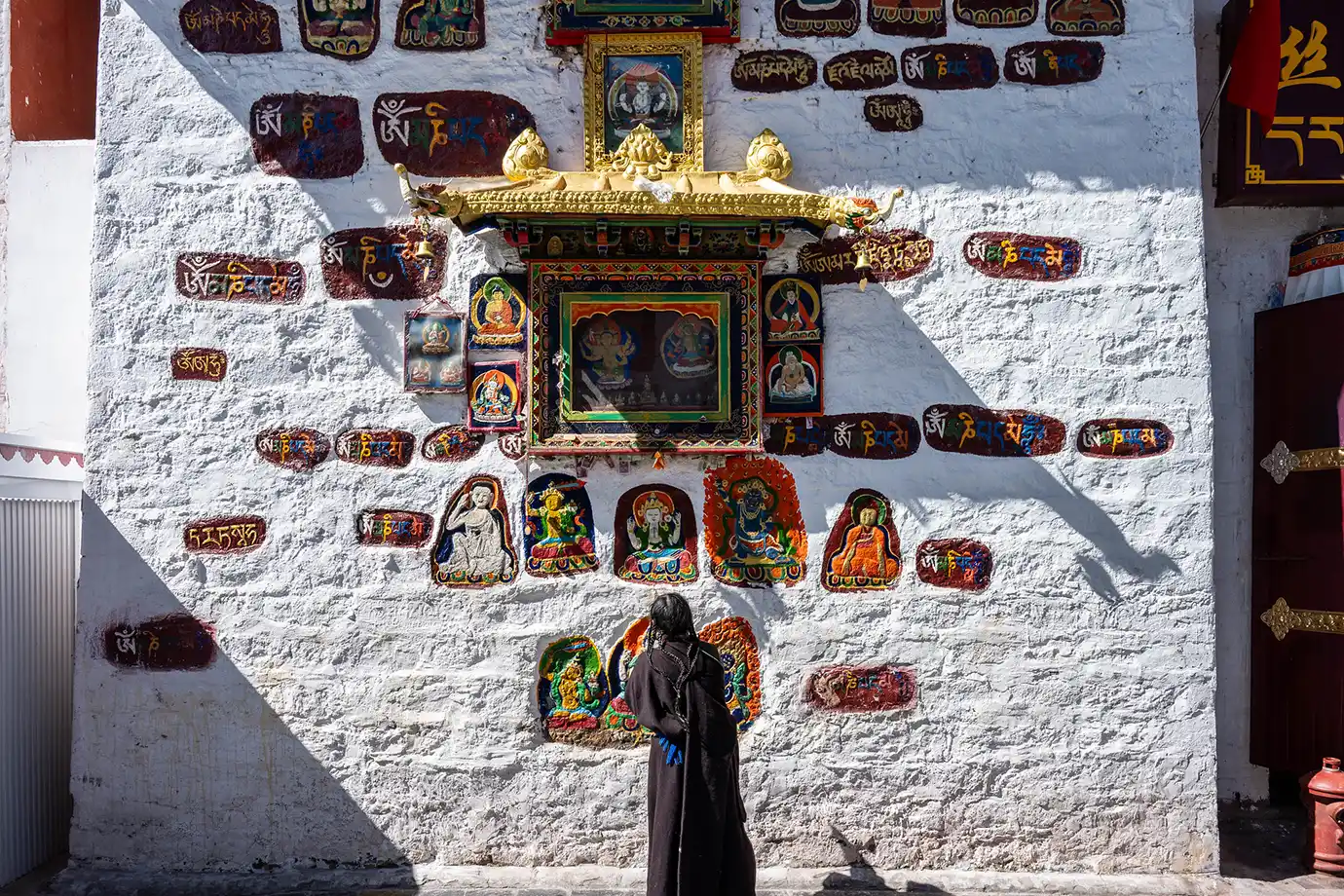
- Key Sights: The magnificent Potala Palace dominates the skyline. Visitors explore the White Palace and Red Palace. Golden stupas hold the remains of past leaders. Jokhang Temple sits in the city center. Pilgrims prostrate in front of the temple doors. The Jowo Rinpoche statue shines with gold and jewels.
- Rest Advice: Walk slowly up the palace steps. Stop frequently to catch your breath. Drink water constantly throughout the day.
Day 3: Lhasa Sightseeing (Drepung and Sera Monasteries)
- Start/End Location: Lhasa Hotel to City Outskirts and back.
- Drive Time: One hour total.
- Walking Level: Moderate.
- Altitude Note: Constant altitude of 3,650 meters.
- Key Sights: Drepung Monastery features massive white buildings on a hillside. The buildings look like a heap of rice. Sera Monastery hosts the famous monk debates every afternoon. Monks clap loudly and discuss Buddhist philosophy. The debates happen in a shaded courtyard.
- Rest Advice: Enjoy a relaxed evening at a local sweet tea house. Drink hot tea to maintain hydration levels.
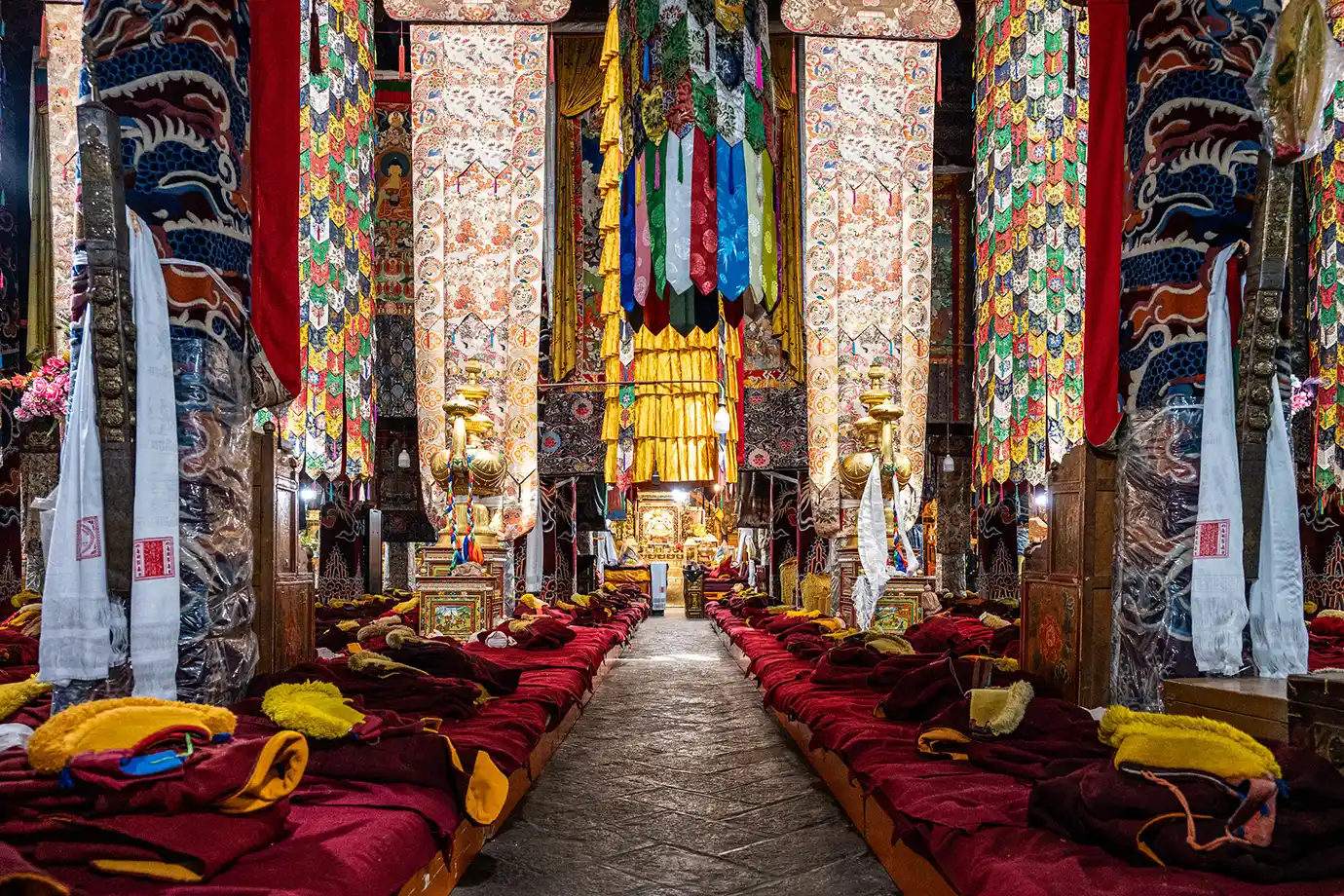
Day 4: Lhasa to Shigatse via Yamdrok Lake and Gyantse
- Start/End Location: Lhasa to Shigatse.
- Drive Time: Seven to eight hours.
- Walking Level: Low.
- Altitude Note: Crossing Gampala Pass reaches 4,900 meters. Shigatse sits at 3,800 meters.
- Key Sights: Yamdrok Lake displays brilliant turquoise water. The lake curves around the mountains like a scorpion. Karola Glacier hangs close to the highway. Pelkor Chode Monastery in Gyantse features the stunning Kumbum Stupa. The stupa contains 100,000 Buddha images.
- Rest Advice: Sleep well in the Shigatse hotel. The altitude increases slightly from Lhasa. The body needs rest after the long drive.
Day 5: Shigatse to Everest Base Camp
- Start/End Location: Shigatse to Everest Base Camp.
- Drive Time: Seven to eight hours.
- Walking Level: Low.
- Altitude Note: Everest Base Camp reaches 5,150 meters. Gawula Pass hits 5,198 meters.
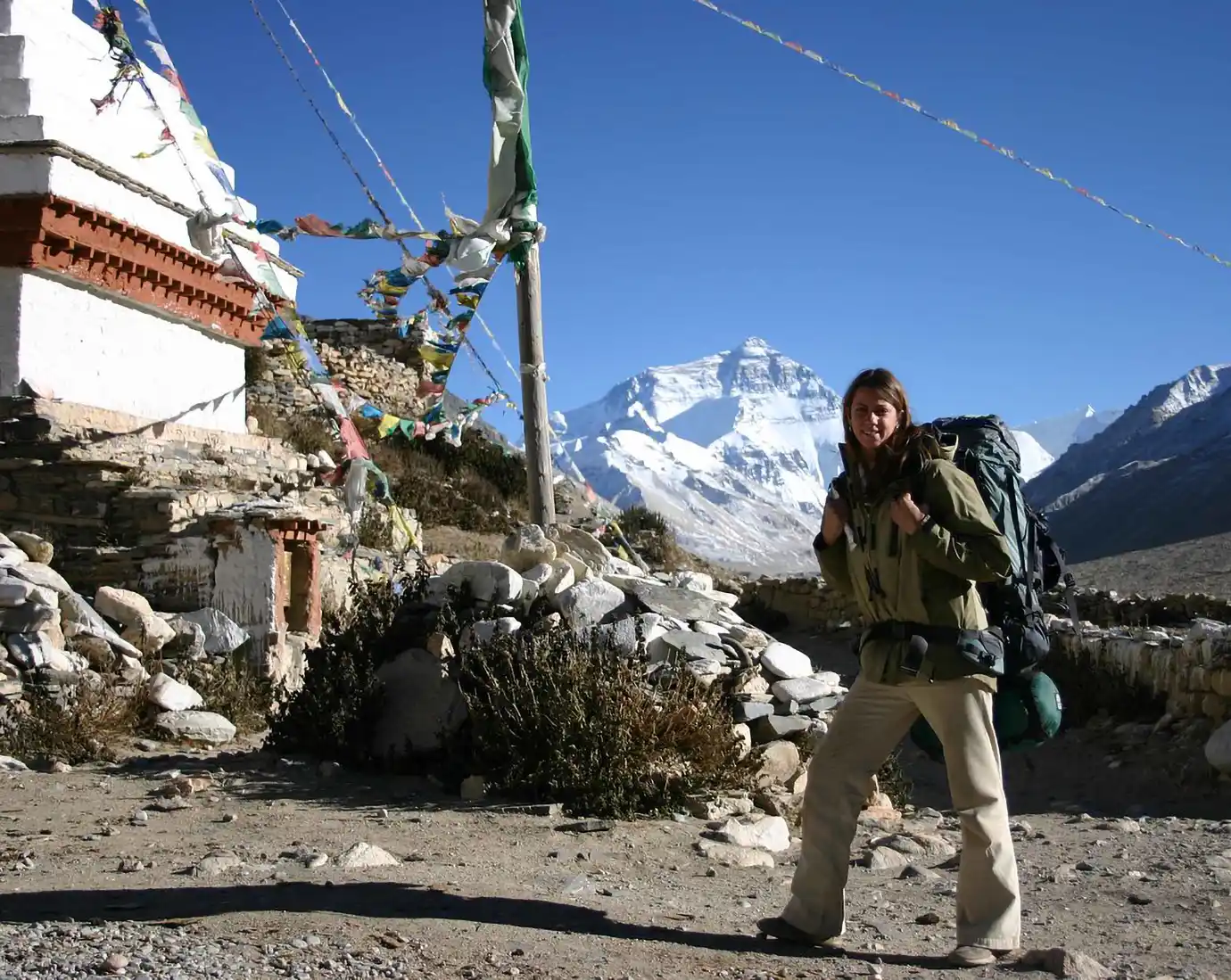
- Key Sights: Tashilhunpo Monastery houses the giant Maitreya Buddha statue. The statue measures twenty-six meters tall. Gawula Pass offers a panoramic view of five Himalayan peaks. Travelers see Makalu, Lhotse, Everest, Cho Oyu, and Shishapangma. Everest Base Camp provides an unobstructed view of the North Face.
- Rest Advice: Move very slowly at the base camp. Use the provided oxygen if headaches occur. Keep extremely warm inside the tent guesthouse.
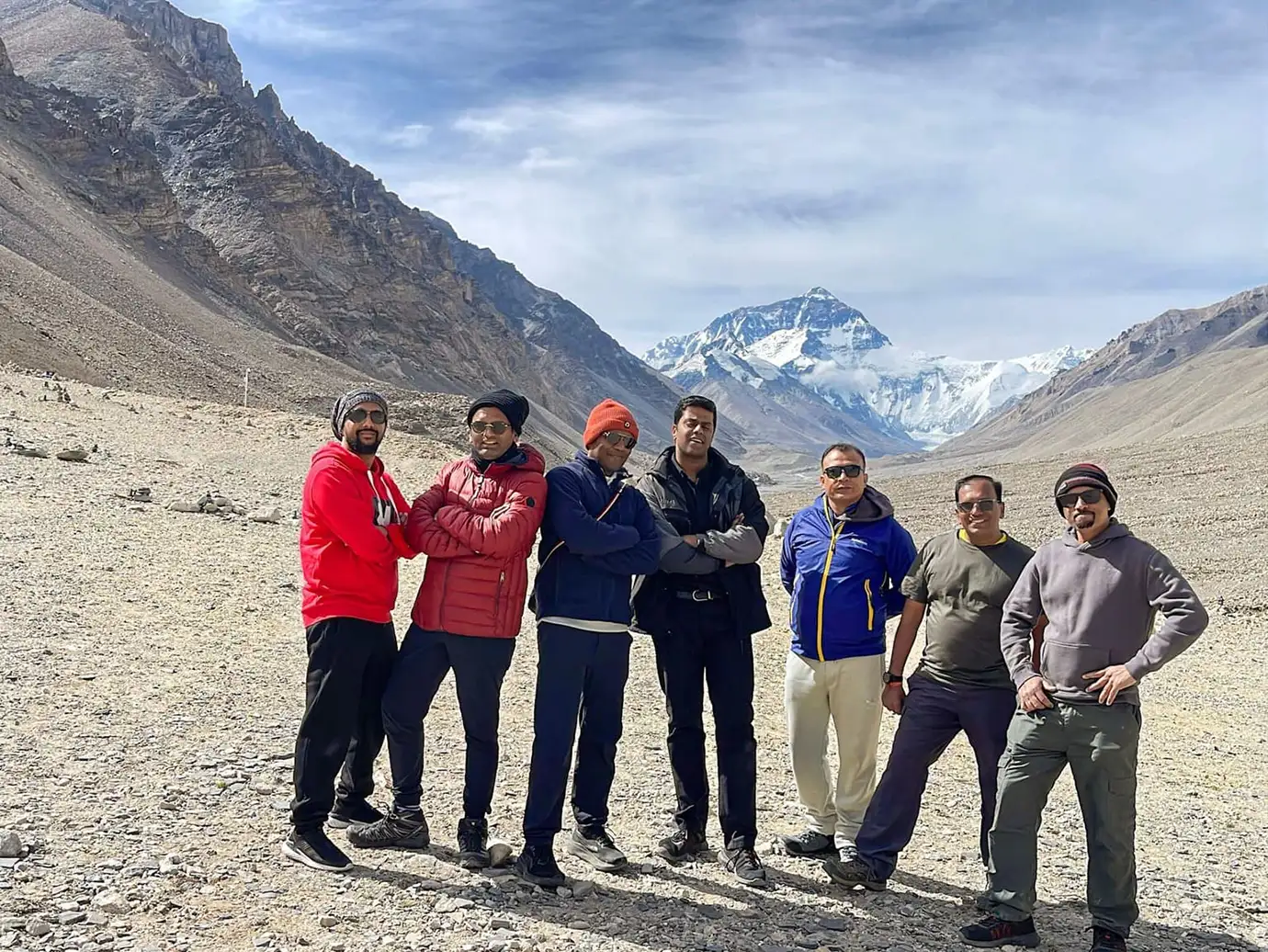
Day 6: Everest Base Camp to Shigatse
- Start/End Location: Everest Base Camp to Shigatse.
- Drive Time: Seven hours.
- Walking Level: Low.
- Altitude Note: Descending back to 3,800 meters.
- Key Sights: Sunrise over Mount Everest paints the peak gold. Rongbuk Monastery stands as the highest religious building in the world. Monks and nuns pray together in the small chapel. The return drive offers different angles of the vast plateau.
- Rest Advice: Enjoy the thicker air in Shigatse. Rest comfortably in a modern hotel with reliable heating. Take a warm shower safely.
Day 7: Shigatse to Lhasa
- Start/End Location: Shigatse to Lhasa.
- Drive Time: Five hours.
- Walking Level: Low.
- Altitude Note: Returning to 3,650 meters.
- Key Sights: The drive follows the Yarlung Tsangpo River. Visitors see traditional farming villages and deep river valleys. The scenery changes constantly along the highway.
- Rest Advice: Celebrate the successful trip with a farewell dinner in Lhasa. Shop for souvenirs on Barkhor Street. Rest before the final flight.
Day 8: Departure from Lhasa
- Start/End Location: Lhasa Hotel to Airport or Train Station.
- Drive Time: One hour.
- Walking Level: Very Low.
- Altitude Note: Constant altitude of 3,650 meters.
- Key Sights: Final views of the beautiful Lhasa valley.
- Rest Advice: Plan the next adventure with Peregrine Treks and Tours. Share photos with friends and family.
Drive Time and Altitude Table
| Route | Distance | Drive Time | Altitude Change |
|---|---|---|---|
| Lhasa to Shigatse | 350 km | 7 hours | 3,650 m to 3,800 m |
| Shigatse to EBC | 350 km | 7 hours | 3,800 m to 5,150 m |
| EBC to Shigatse | 350 km | 7 hours | 5,150 m to 3,800 m |
| Shigatse to Lhasa | 280 km | 5 hours | 3,800 m to 3,650 m |
Alternative Itinerary Options (Choose Your Style)
Different travelers possess different interests. A flexible Tibet Tour Itinerary for First-Time Visitors caters to diverse preferences. Peregrine Treks and Tours designs routes for every travel style.
6-Day Lhasa Itinerary
The shorter route focuses purely on cultural immersion. Travelers spend four days exploring the deep history of Lhasa. They visit all major palaces and monasteries. On the fifth day, they take a scenic drive to Yamdrok Lake. They return to Lhasa the same afternoon. The option involves less driving. The route keeps travelers at lower, safer altitudes. Seniors appreciate the relaxed schedule.
10-Day Classic Culture Corridor
The itinerary expands on the eight-day route. The schedule adds a visit to Namtso Lake in northern Tibet. Travelers experience the lush valleys of the south and the harsh grasslands of the north. Namtso Lake features stunning views of the Nyenchen Tanglha Mountains. The route requires more stamina due to longer drives. The visual rewards justify the extra effort. Nature lovers prefer the extended timeframe.
12-Day Itinerary with the Everest Region
The comprehensive Tibet Tour Itinerary for First-Time Visitors pushes all the way to the Nepal border. After visiting Everest Base Camp, travelers drive to the border town of Gyirong. They cross into Nepal and finish the trip in Kathmandu. The route offers the ultimate Himalayan crossing experience. Travelers see the terrain change from high desert to lush jungle. The trip feels like a true adventure.
Alternative Itineraries Comparison Table
| Days | Highlights | Drive Intensity | Altitude Level | Best For |
|---|---|---|---|---|
| 6 Days | Lhasa sights, Yamdrok Lake | Low | Moderate | Quick cultural trips |
| 10 Days | EBC, Namtso Lake, Lhasa | Very High | High | Nature photographers |
| 12 Days | EBC, cross-border to Nepal | Very High | High | Multi-country travelers |
Must-See Highlights for First-Time Visitors
A proper Tibet Tour Itinerary for First-Time Visitors includes specific iconic locations. The sites define the plateau experience. Travelers remember the sights forever.
Top Temples and Palaces
- Potala Palace: The massive winter residence features thousands of rooms. Red and white walls dominate the scenery. Visitors explore the tombs of past leaders. The Red Palace contains the gilded burial stupas of past Dalai Lamas. The stupa of the fifth Dalai Lama reaches fourteen meters high. Builders used gold and thousands of precious stones to decorate the tomb.
- Jokhang Temple: The holiest shrine houses the life-sized Jowo Rinpoche statue. The statue portrays Buddha at age twelve. Pilgrims travel thousands of miles to pray here. They prostrate on the stone floor outside.
- Sera Monastery: Famous for afternoon philosophical debates. Monks use expressive hand gestures to discuss Buddhist teachings. They clap loudly to emphasize their points.
- Tashilhunpo Monastery: The seat of the Panchen Lama sits in Shigatse. The Maitreya Chapel houses the world’s largest seated Buddha statue. Nine hundred craftsmen worked for nine years to build it. The monks use three thousand meters of cloth to dress the statue.
Heritage Streets
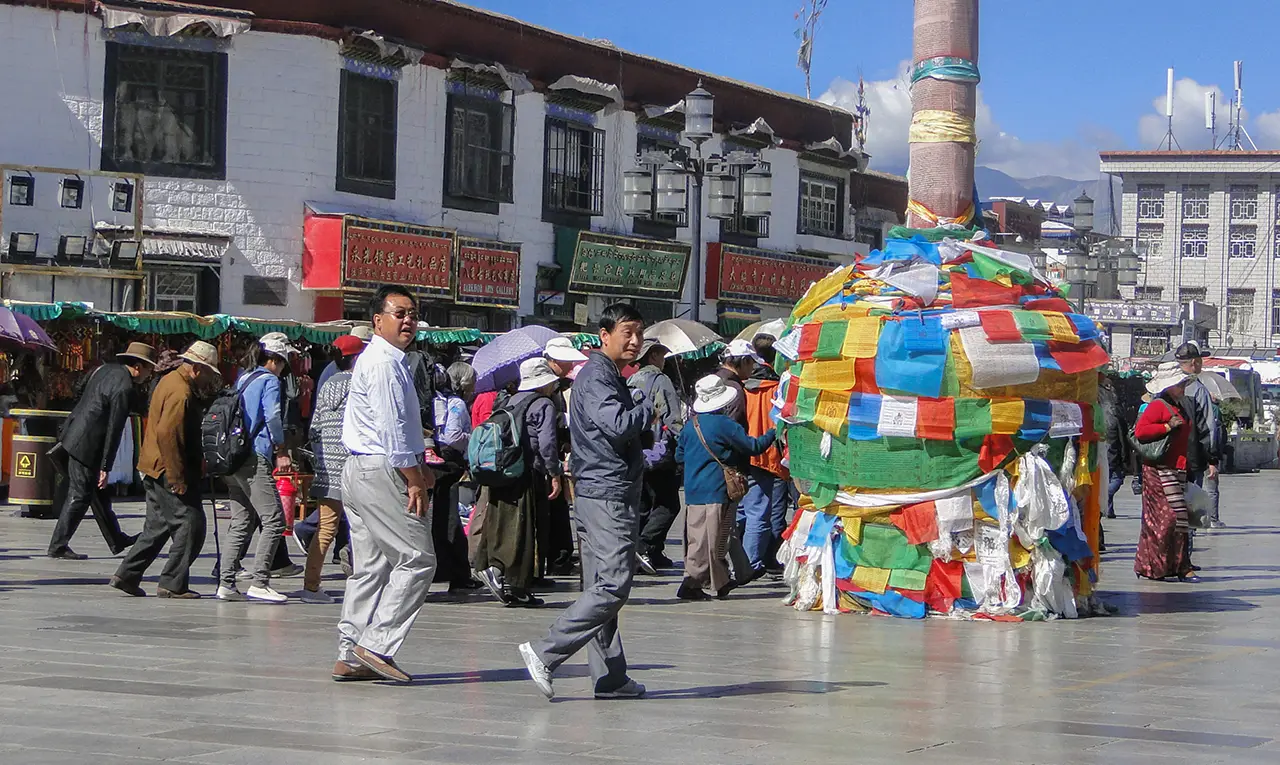
- Barkhor Street: A circular pilgrimage route surrounds Jokhang Temple. The street buzzes with devoted pilgrims and busy sweet tea houses. Vendors sell authentic local handicrafts. Travelers buy colorful thangka paintings here.
Scenic Day Trips
- Yamdrok Lake: A scorpion-shaped freshwater lake shines with bright blue water. Snow-capped mountains surround the beautiful lake. The water color changes with the sunlight.
- Namtso Lake: A massive saltwater lake sits on the northern grasslands. Nomads herd yaks near the sandy shores. The water acts like a mirror for the sky.
Best Viewpoints
- Gawula Pass: The viewing platform offers views of five mountains over 8,000 meters tall. Mount Everest stands proudly in the center. The view leaves visitors speechless.
- Gyatso La Pass: The entrance to the Everest Nature Reserve is marked by thousands of colorful prayer flags. The flags blow wildly in the cold wind.
Altitude and Acclimatization Tips for First-Time Visitors
Handling altitude is key to the success of a Tibet Tour Itinerary for First-Time Visitors. The human body needs time to adjust to reduced oxygen levels. Proper care prevents serious health issues. The first forty-eight hours dictate the body’s response. Travelers are advised to limit physical exertion during the initial period. Walking fast causes immediate breathlessness. Climbing stairs triggers rapid heart rates. A slow pace protects the cardiovascular system. The body builds red blood cells slowly.
Follow the “Go Slow” rules strictly. Walk at half your normal speed. Breathe deeply and regularly. Drink at least three liters of water daily. Hydration thins the blood and improves oxygen circulation. Avoid alcohol completely. Alcohol dehydrates the body and suppresses breathing during sleep. Eat carbohydrate-rich meals to fuel the body efficiently.
Watch for warning signs constantly. Mild headaches affect almost everyone. Light nausea and fatigue fall into normal categories. Severe headaches signal danger. Constant vomiting requires medical attention. Extreme shortness of breath demands immediate action. Inform the guide immediately if severe symptoms appear. Guides carry oxygen and understand emergency protocols. Descending to a lower altitude provides the best cure.
The Tibetan Traditional Hospital, known as Mentseekhang, studies the effects of altitude. Local doctors recommend traditional herbs. Hongjingtian, a local plant, helps the body process oxygen. Many travelers drink Hongjingtian tea days before arrival. The herbal remedy reduces mild symptoms.
First 2 Days in Lhasa Checklist
- Rest in the hotel room immediately upon arrival.
- Drink one liter of warm water within three hours.
- Eat a light vegetarian meal for dinner.
- Avoid showers to prevent catching a cold.
- Walk extremely slowly around the hotel lobby.
- Sleep with a humidifier running in the room.
- Report any severe headaches to the tour guide.
Permits and Travel Rules (Simple Explanation)
A seamless Tibet Tour Itinerary for First-Time Visitors depends on correct documentation. Independent travel remains prohibited, and all foreign passport holders require special permits. The government enforces strict rules.
The Tibet Travel Permit serves as the primary entry document. The Tibet Tourism Bureau issues the paper. Travelers cannot apply for the document directly. A registered local agency handles the application. Travelers submit scanned copies of their passports and Chinese Visas. The process takes around twenty days. The agency delivers the original paper permit to the traveler’s hotel in mainland China.
Travelers entering from Nepal face different rules. They need a China Group Visa instead of a regular Chinese Visa. The local agency applies for the Group Visa at the Chinese Embassy in Kathmandu. Travelers arrive in Kathmandu several days early to process the paperwork. The group visa requires at least four travelers. The rules enforce group entry and exit.
Traveling outside Lhasa requires additional documents. Visiting Mount Everest requires an Alien Travel Permit. The local police issued the document in Shigatse. Visiting Mount Kailash requires a Military Permit. The local guide handles all additional permits during the tour. First-time visitors must provide copies of their passports to the agency in advance. The agency manages all bureaucratic requirements smoothly.
Visa-free policies have changed travel planning in 2026. Citizens of certain countries can enter China without a visa. They still need the Tibet Travel Permit, though. The agency uses a passport scan to process permits for visa-free travelers.
Transportation and Drive-Time Reality
Transportation plays a major role in a Tibet Tour Itinerary for First-Time Visitors. The distances between cities stretch for hundreds of kilometers. Vehicles become a second home during the tour. Long drives define the experience. Traveling from Lhasa to Everest Base Camp takes two full days of driving. Vehicles traverse winding mountain roads. Strict speed limits are in place throughout the region. Checkpoints force drivers to maintain slow speeds. Travelers spend many hours looking through the vehicle windows.
Road conditions vary across the plateau. The G318 National Highway connects Lhasa to the Nepal border. The Friendship Highway features a smooth asphalt road. The road to Everest Base Camp now features excellent paved switchbacks, while roads to remote areas remain bumpy and challenging. The drivers navigate the hazards carefully. In the drive, travelers see wild Tibetan antelopes running freely across the plains.
Rest stops occur frequently along the route. Guides schedule stops at scenic passes and local villages. Public restrooms exist at regular intervals. Restrooms in remote areas are often basic pit toilets. Travelers should bring their own toilet paper and hand sanitizer.
Tourists choose between private and group tours. Group tours use comfortable minibuses. Private tours use luxury SUVs or spacious minivans. Private tours offer flexibility to stop anywhere for photographs. Peregrine Treks and Tours ensures all vehicles feature heating. Drivers keep emergency oxygen supplies in the trunk. The vehicles ensure you travel in total comfort.
Accommodation Guide for First-Time Visitors
Lodging quality shapes the comfort of a Tibet Tour Itinerary for First-Time Visitors. Hotel standards vary greatly depending on the location. Travelers adjust their expectations accordingly.
Lhasa offers luxurious accommodations with International five-star brands that provide plush bedding and modern heating. Boutique Tibetan-style hotels offer cultural charm alongside modern amenities. Beautiful woodwork decorates the hotel lobbies. Shigatse offers excellent four-star options with reliable hot water. The rooms provide comfortable places to rest.
Facilities decline in remote areas. Guesthouses near Everest Base Camp offer basic shelter. Travelers sleep in large tents or simple concrete rooms. Heating relies on yak-dung stoves in the center of the tent. Bathrooms exist outside the tents. Luxury does not exist at the base camp. The spectacular views compensate for the lack of comfort.
Heating and hot water require attention. High-end hotels face occasional power outages. Hot water sometimes operates on a restricted schedule. Travelers can ask hotel staff about the timing of hot water.
Always request a quiet room on a lower floor. Lower floors require fewer stairs, and climbing stairs at high altitude can cause exhaustion. Many premium hotels now offer oxygen-enriched rooms that feature bedside oxygen concentrators. The machines help guests sleep soundly during the first few nights. Portable oxygen cans provide backup relief.
Food, Water, and Comfort Tips
Proper nutrition is key to a successful Tibet Tour Itinerary for First-Time Visitors. The local cuisine adapts to the harsh plateau environment. The food provides energy for the cold weather.
Tibetan food is high in calories and provides warmth, and Tsampa serves as the staple diet. Locals mix roasted barley flour with yak butter tea and knead it with their fingers. The mixture forms a dense dough. Thukpa warms the body on cold nights. The hearty noodle soup contains vegetables and meat. Momos please almost every palate. Cooks stuff the steamed dumplings with yak meat or vegetables.
Sweet tea houses serve as the social hubs of Lhasa. Locals gather to drink hot black tea mixed with milk. Visiting a sweet tea house offers a glimpse into daily Tibetan life. Waiters pour tea into small glass cups. The tea provides quick energy and helps combat altitude sickness. The atmosphere here feels lively and welcoming.
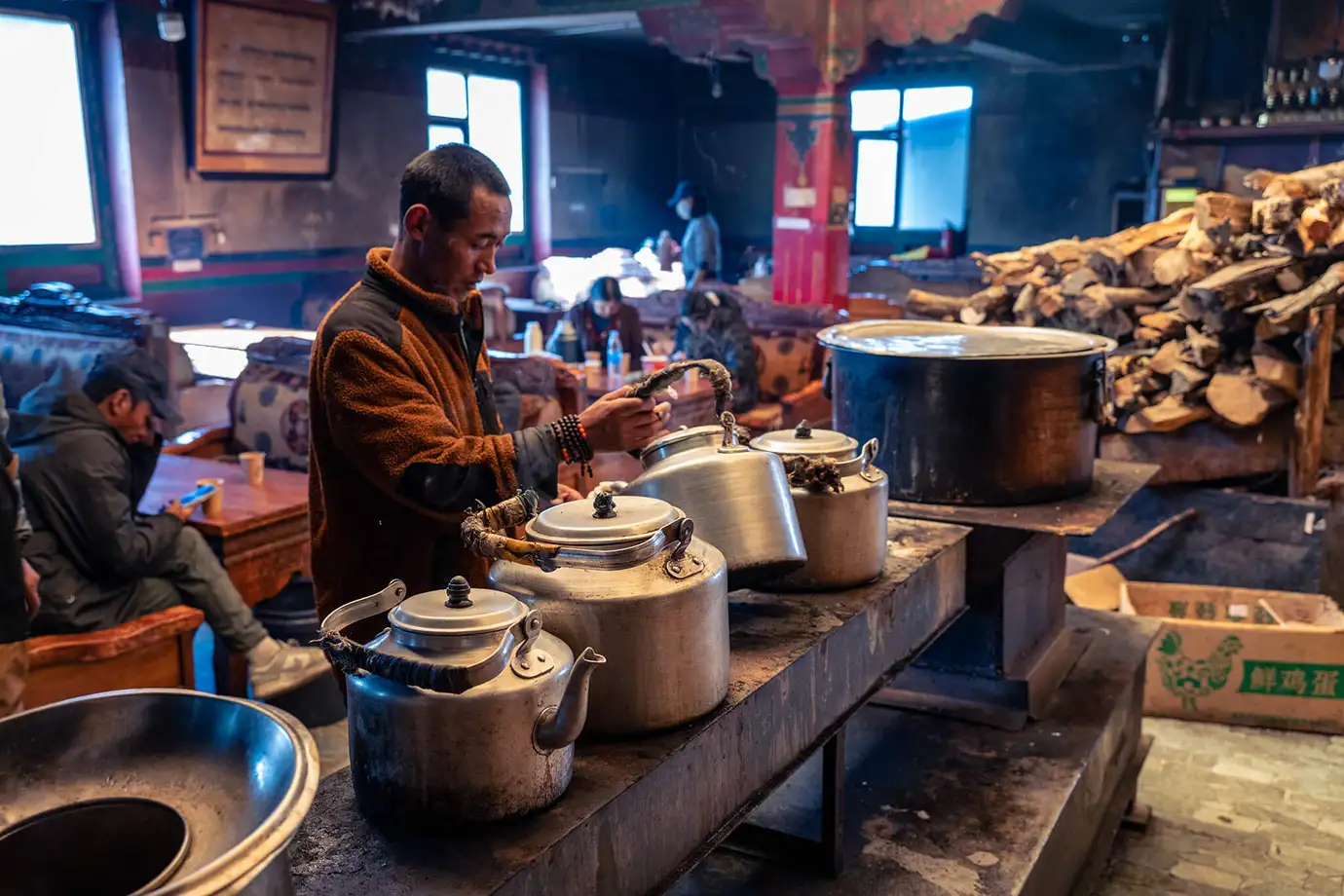
Managing the dry air requires constant effort. The humidity drops extremely low. Skin cracks without protection, and lips bleed easily in the cold wind. Travelers should stay hydrated by drinking water throughout the day. Also, apply thick moisturizers every morning and night. Use saline nasal sprays to keep nasal passages comfortable.
Water safety demands strict attention. Never drink tap water directly. Always consume boiled water or sealed bottled water. Hotels provide electric kettles to boil water. Guides also supply bottled mineral water in the tour vehicles. Vegetarian options exist everywhere, with restaurants happily preparing fresh vegetable dishes.
Packing List for First-Time Visitors
A smart packing strategy ensures comfort throughout the Tibet tour. The weather changes rapidly. Warm sunshine quickly gives way to freezing winds.
Pack clothing in multiple layers. Start with moisture-wicking thermal underwear. Add a warm fleece layer over the thermals. Top the outfit with a windproof jacket. A heavy down jacket remains essential for Everest Base Camp. Bring comfortable walking shoes, warm woolen socks, and a thick beanie. The clothes keep the body warm during cold nights.
The UV rays cause severe sunburns within minutes. The thin atmosphere provides little protection. Pack high-SPF sunscreen, polarized sunglasses to protect the eyes from snow glare, and pack high SPF lip balm. A wide-brimmed hat shields the face and neck perfectly. The sun shines brightly almost every day.
Bring a large power bank. Cold weather drains phone batteries quickly. Pack all essential daily medications in the carry-on bag. Bring basic first-aid supplies like bandages. Carry plenty of travel-sized tissue packets. Hand sanitizer helps in public restrooms. Bring a reusable water bottle that holds hot water securely. Hot water easily warms cold hands.
Cultural Etiquette for First-Time Visitors
Respecting local customs further enriches the Tibet Travel for first-time travelers. The plateau holds deep spiritual significance for the local people. Travelers should show respect through their actions.
- Temple dress codes require modesty. Visitors cover their shoulders and knees completely. Hats stay off inside chapels. Sunglasses remain in pockets. Modest clothing shows respect for the ancient religion. Guards turn away inappropriately dressed tourists.
- Follow strict photo rules everywhere. Never take photos inside temple chapels without permission. Some temples charge a specific fee for camera use. Always ask permission before photographing local people. Ask monks before taking their portraits. Some locals request a small tip for photos. Respect their wishes if they decline the request.
- Demonstrate respectful behavior around sacred objects. Do not touch statues or religious texts. Never step on a threshold. Step over the wooden door frames instead. Do not point the soles of your feet toward an altar. Do not point a single finger at a monk. Use your full hand to gesture toward a religious object.
- Always walk in a clockwise direction. Pilgrims circle the holy sites clockwise. The practice follows Buddhist tradition. Spin prayer wheels clockwise only. Inside the prayer wheels sit tightly rolled scrolls. The scrolls contain sacred mantras. Spinning the wheel clockwise sends the prayers into the wind. The Barkhor Street circuit moves entirely clockwise. Join the flow of pilgrims and quietly absorb the holy city’s spiritual energy.
Budget Planning and Cost Factors
Understanding expenses helps structure a realistic Tibet Tour Itinerary for First-Time Visitors. Traveling on the plateau costs more than in other Asian destinations. Careful planning prevents financial surprises.
Several factors drive tour costs. The mandatory requirement for a private guide forms a large expense. Tourist vehicles cost money to operate. The distance between cities dictates high fuel costs. Luxury hotels in Lhasa command premium prices. Suppliers transport goods up the mountains at great expense. The altitude makes logistics difficult.
Private tours cost more but offer ultimate flexibility. A private guide focuses entirely on your specific interests. The schedule bends to your energy levels. Group tours offer massive financial savings. Joining a small group splits the cost of the vehicle and guide. Group tours run on fixed itineraries. The tours require punctuality and compromise.
Money-saving tips help stretch the travel budget. Travel during the shoulder seasons of April or November, as hotels often offer lower rates then. Eat at local Tibetan restaurants instead of tourist buffets. Choose a comfortable three-star hotel over a five-star luxury brand. Carry enough local currency for the trip. In remote areas, cash is the only form of payment, and small bills are helpful for buying tea or souvenirs.
Common Mistakes First-Time Visitors Make
Avoiding pitfalls guarantees a flawless Tibet Tour Itinerary for First-Time Visitors. Many travelers make similar errors during their planning. Awareness prevents ruined vacations.
- Overplanning causes immense stress. Some visitors try to pack too many visits into a single day. The altitude drains human energy quickly. A relaxed schedule allows for unexpected delays. Less equals more on the high plateau. Your body needs frequent rest periods.
- Underestimating the cold ruins trips frequently. The intense daytime sunshine tricks visitors. They wear light clothes outside. The sun eventually sets behind the mountains. Temperatures plummet to freezing levels immediately. Always carry a warm jacket in the tour vehicle. The weather changes without any warning.
- Failing to use sun protection leads to painful burns. Travelers who forget to apply sunscreen on cloudy days suffer severe sunburns hours later. Reapply sunscreen every few hours diligently. Tight itineraries leave no room for error. Booking a flight out of Lhasa too early risks missed connections. Road construction delays traffic often. Always schedule a buffer night in Lhasa.
FAQs
Q: What is the best Tibet Tour Itinerary for First-Time Visitors?
A: The classic eight-day Lhasa to Everest Base Camp route provides the best overall experience. The route covers the major cultural sites in Lhasa while also including the Himalayas’ incredible natural scenery. This itinerary’s pace allows travelers to make proper altitude adjustments.
Q: How many days do I need?
A: You should plan for at least eight days. The first two days after arrival require total rest for acclimatization. The remaining six days will allow you to travel unhurriedly to Shigatse and Mount Everest. Shorter trips restrict visitors to the city’s perimeters, that is, Lhasa’s perimeters only.
Q: When is the best time to arrive?
A: Spring and Autumn are the best times to arrive, as these seasons offer the most favorable travel conditions. The skies stay clear, and the weather is comfortable, providing perfect views of Mount Everest. The temperature is sometimes cool, but it is in the manageable range.
Q: How do I get the necessary permits?
A: For the necessary permits, book a tour with a registered travel agency, such as Peregrine Treks and Tours. The agency will help you apply for the Tibet Travel Permit. Travelers need to provide copies of their passports and Chinese visas. The agency will deliver the permit to the hotel.
Q: How do I prevent altitude sickness?
A: To prevent altitude sickness, rest completely during the first forty-eight hours after arrival. Drink three liters of water daily. Walk very slowly. Avoid alcohol entirely. Discuss prescription altitude medications with a doctor before leaving home.
Q: Is sleeping at Everest Base Camp safe?
A: Yes, visitors sleep safely at the base camp. Travelers prepare for extreme cold. The base camp sits at an extreme altitude. Move slowly around the camp. Wear heavy down jackets. Use emergency oxygen if headaches become severe.
Q: What type of clothes do I pack?
A: Pack clothes in multiple layers. Bring thermal underwear and warm fleece sweaters. Pack a heavy windproof down jacket. Include comfortable walking shoes and thick socks. Add polarized sunglasses to protect against the bright sun.