

Included Meals
- Breakfast: 12
- Lunch: 11
- Dinner: 10

Unbeatable Holiday Offers – Save Up to 20% on Your Next Adventure!
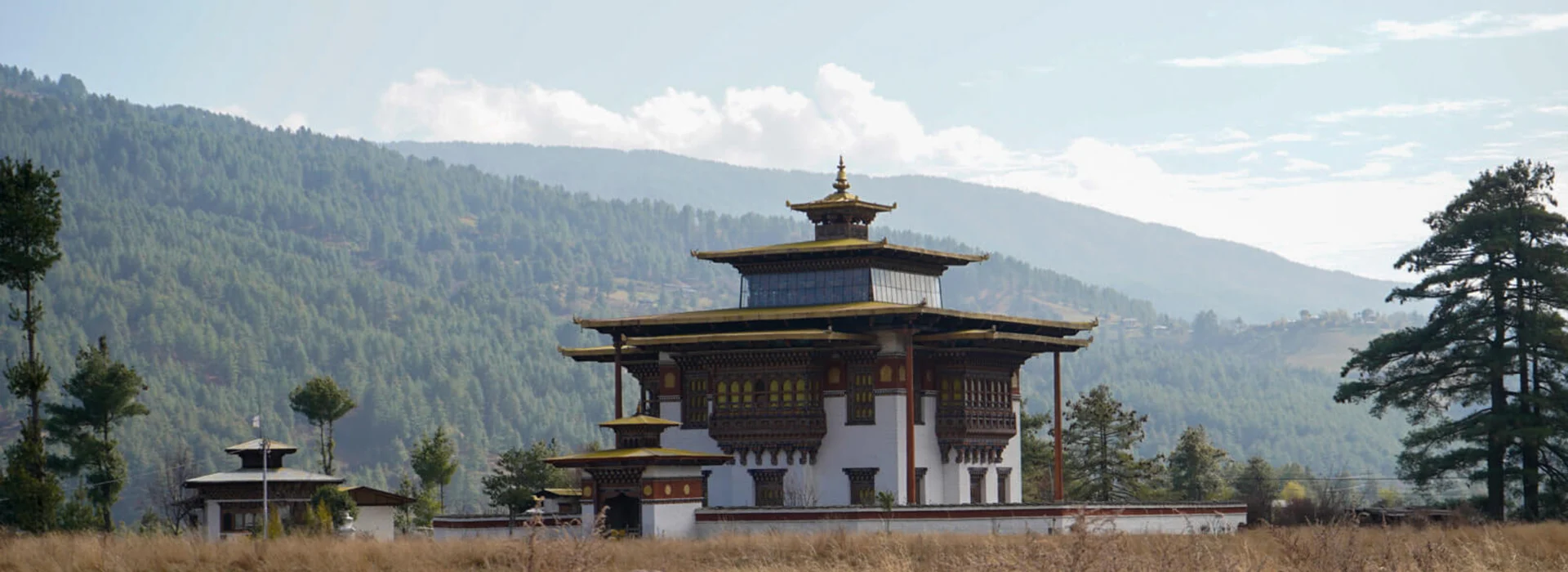
We present the Bumthang Cultural Trek and Tour Package for travelers who want a deeper connection with Bhutan’s spiritual side. The itinerary focuses on the region’s heritage, with time spent walking through quiet villages and visiting ancient shrines that still hold daily significance. The walking level stays manageable for anyone with a moderate level of fitness. The route follows established village trails across the four valleys of Bumthang, moving through pine forests and alongside clear mountain streams.
This central region is often seen as the birthplace of Buddhism in Bhutan, and that history shows in every settlement. Traditional architecture shapes the villages, and the pace allows for real interactions rather than quick stops. Several days are set aside for relaxed walking, giving photographers time to capture wooden homes, open landscapes, and small details along the way. Each valley has its own character and local dialect, making the journey varied from start to finish.
Private vehicles carry you across Bhutan’s high mountain passes, with each route planned for a smooth journey. The 12-day tour includes all permits and logistics so that you can focus on the landscapes rather than paperwork. Our guides manage the daily flow, keeping everything organized without feeling rushed. We arrange all domestic travel permits before you arrive, so you won’t lose time on formalities once the trip begins.
Drivers handle the winding mountain roads with care, and regular stops give you time to stretch, take photos, and enjoy the views along the way. We also manage government fees and hotel bookings in the background, keeping the experience simple and stress-free. With the team handling the details, you can move through the journey comfortably and at ease.
The trip keeps a good balance between time outdoors and comfortable stays. After each day of exploring, you return to well-chosen hotels that offer warm meals and genuine local hospitality. It gives you time to rest and recharge without feeling rushed. Along the way, you connect with local life through simple village interactions and unplanned photo stops. The pace stays relaxed, making the experience both enjoyable and easy to follow from day to day.
Each morning starts based on how the group feels, with flexible timing and a walking pace adjusted to your comfort. The private setup keeps everything personal so that the day can be tailored to your interests. Evenings are calm, centered on good food and local traditions. Many guests enjoy a traditional hot stone bath, which helps ease tired muscles after long days. The overall flow feels natural and leaves you with lasting memories of Bhutan.

Included Meals

Trip staff

Transport

Accommodation

Trip Grade
Group Size
Our company representatives welcome arriving guests at Paro International Airport with traditional white scarves. The Bumthang Cultural Trek and Tour Package begins immediately with a scenic transfer through a pristine valley. Travelers follow the winding Paro Chu river toward the capital city, observing the unique architectural style of local houses.
The hour-long drive features steep mountain slopes covered in dense pine forests. Drivers navigate the smooth roads carefully to ensure maximum passenger comfort during the initial ride. Visitors stop at Tachog Lhakhang to view a historic iron chain bridge suspended over the rushing river.
The private vehicle arrives in Thimphu by mid-afternoon, allowing guests to check into the selected hotel. A gentle evening walk through the town center introduces visitors to the vibrant local culture and supports altitude acclimatization. The guide recommends a slow pace and early bedtime to prepare for the upcoming cultural explorations.
Meals Breakfast, Lunch, Dinner
Difficulty
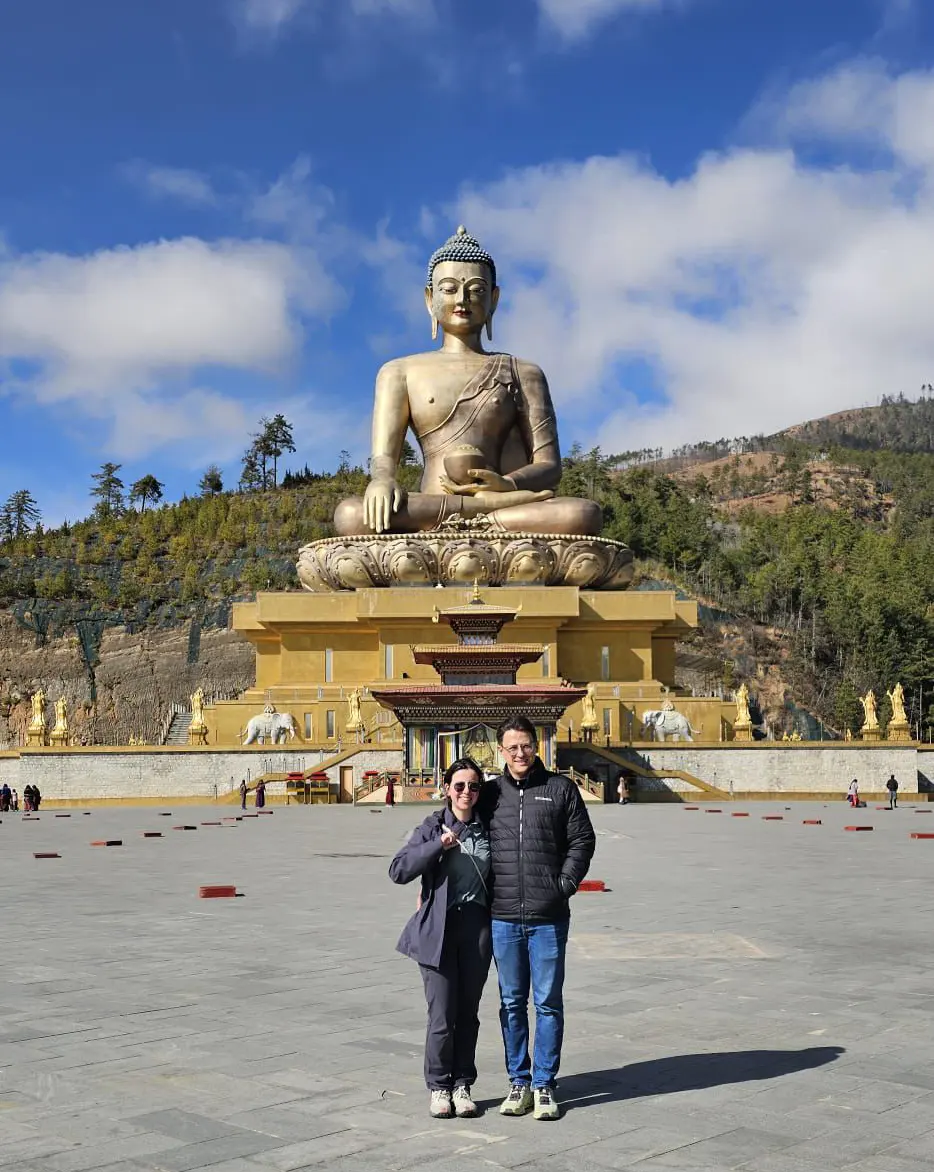
The morning begins with a visit to the massive Buddha Dordenma statue overlooking the valley. The bronze structure shines brightly in the early sunlight. Travelers photograph the sweeping views of the capital city from the spacious courtyard.
The tour continues to the National Memorial Chorten in the heart of the city. Elderly residents walk clockwise around the stupa while spinning heavy prayer wheels. Guests observe the deep devotion of the local population during their daily rituals.
The afternoon features a guided walk through the impressive Tashichho Dzong. The fortress serves as the seat of the national government and monastic body. The day ends with souvenir shopping at the authentic local craft market along the main street.
Meals Breakfast, Lunch, Dinner
Difficulty
The vehicle climbs steadily through thick forests toward the famous Dochula Pass. 108 memorial chortens stand at the highest point of the mountain road. The viewing area offers spectacular panoramas of the eastern Himalayan peaks on clear days.
The descent into the Punakha valley introduces a noticeable change in climate. The lower elevation creates a subtropical environment filled with banana trees and terraced fields. The 12-day Bhutan itinerary incorporates this pleasant weather shift perfectly.
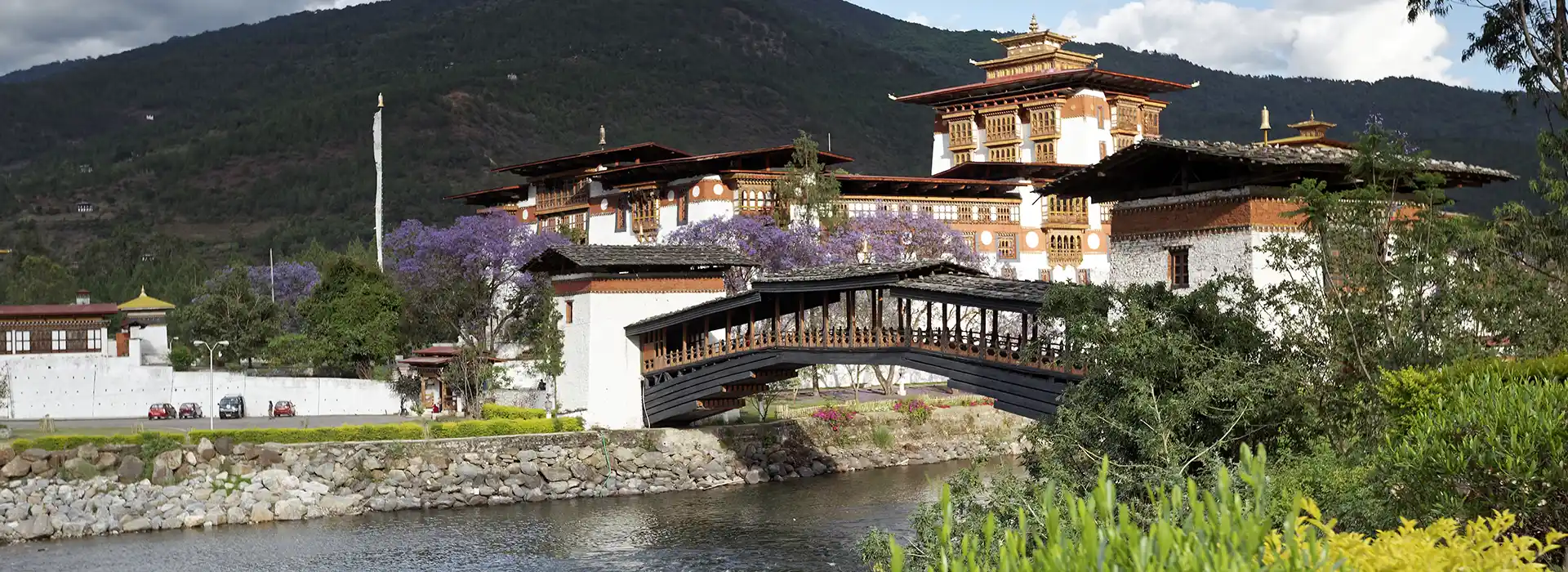
Following lunch, guests walk toward the magnificent Punakha Dzong for a visit. The ancient fortress sits at the confluence of two glacial rivers. Visitors marvel at the detailed woodwork and expansive courtyards before returning to the hotel.
Meals Breakfast, Lunch, Dinner
Difficulty
The longest drive of the trip starts early in the morning. The route crosses the Black Mountains via the Pele La Pass. Yaks occasionally graze along the high-altitude meadows near the roadside. The vehicle stops at the viewpoint overlooking the massive Trongsa Dzong fortress. The structure dominates the deep river gorge below with striking architectural power. Guests eat a warm lunch in the local town before continuing the eastbound drive.
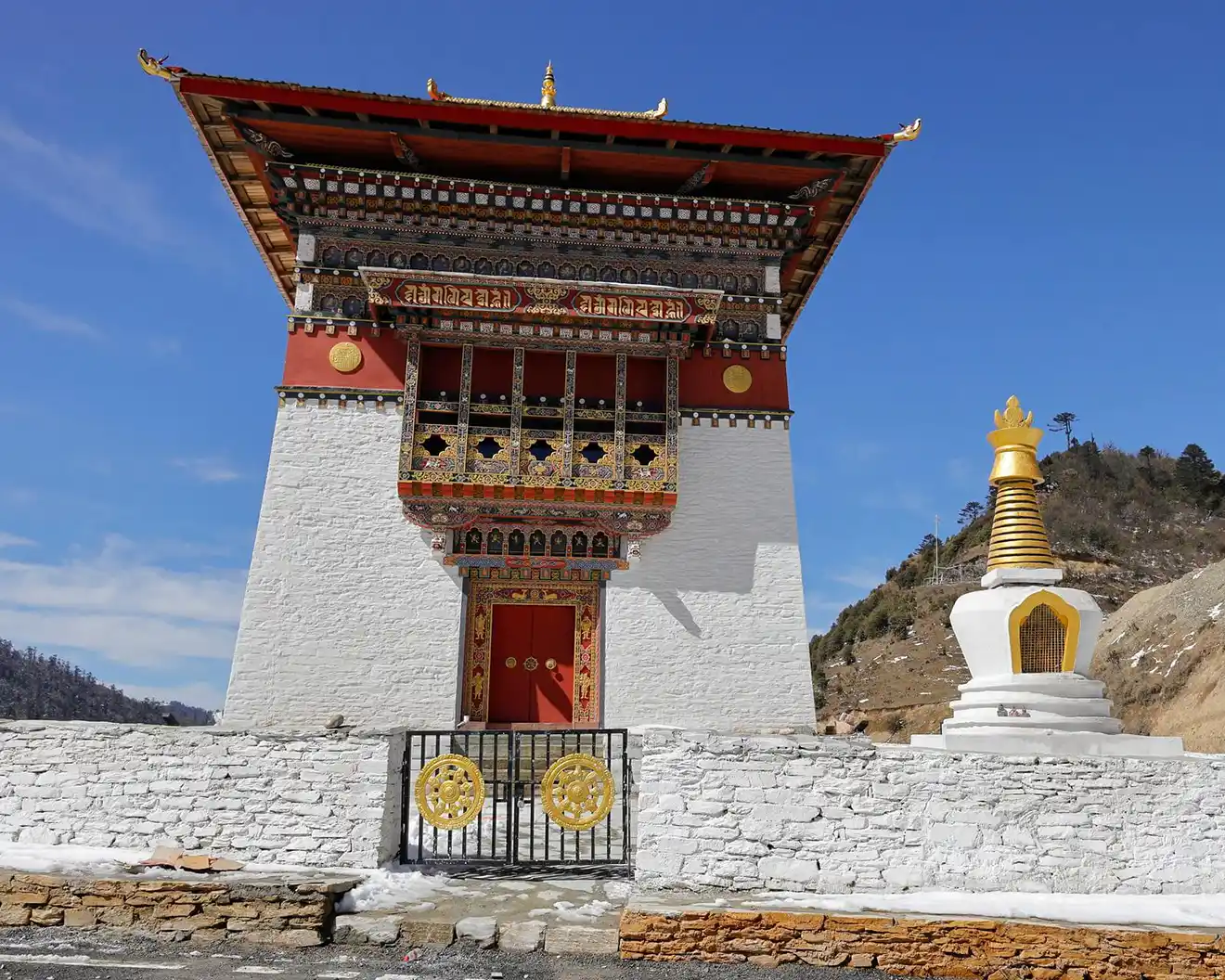
The final stretch enters the Chumey valley in the Bumthang district. The tour visits a local Yathra weaving center to observe traditional textile production. Travelers arrive at the hotel late in the afternoon for a well-deserved rest.
Meals Breakfast, Lunch, Dinner
Difficulty
The Bumthang cultural trek begins with a peaceful walk through the Chokhor valley. The flat dirt trails connect small farming communities and apple orchards. Walkers spend three to four hours traversing the gentle terrain at a relaxed pace.
The guide leads the group to Jambay Lhakhang, one of the kingdom’s oldest temples. The route continues across a suspension bridge toward Kurjey Lhakhang. The sacred meditation caves hold deep historical significance for the local people. The afternoon features a scenic walk to Tamshing Lhakhang. The path passes grazing horses and fields of buckwheat. The flat valley floor provides an ideal environment for comfortable afternoon hiking.
Meals Breakfast, Lunch
Difficulty
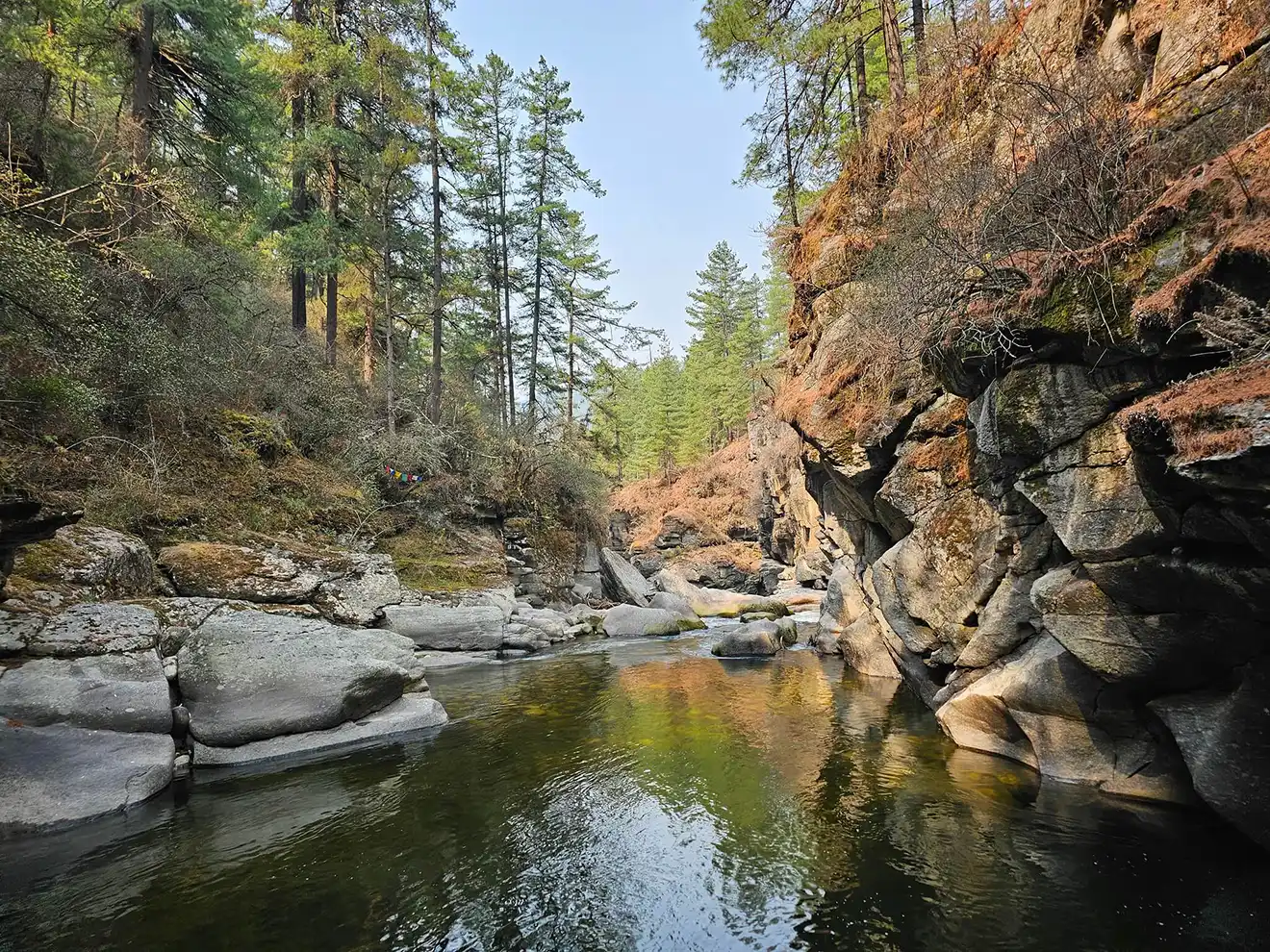
The Bumthang valley trek moves eastward into the remote Tang valley. The vehicle drops guests near the sacred Mebar Tsho, widely known as the Burning Lake. Prayer flags flutter above the deep, fast-moving river gorge.
Travelers hike steadily up the valley toward the Ogyen Choling Palace. The trail requires 2 to 3 hours of moderate walking. Small farming hamlets dot the hillsides along the historic route.
The palace functions as a fascinating museum showcasing traditional Bhutanese life. Visitors view ancient agricultural tools, textiles, and religious artifacts. The descent back to the vehicle offers beautiful views of the entire valley.
Meals Breakfast, Lunch, Dinner
Difficulty
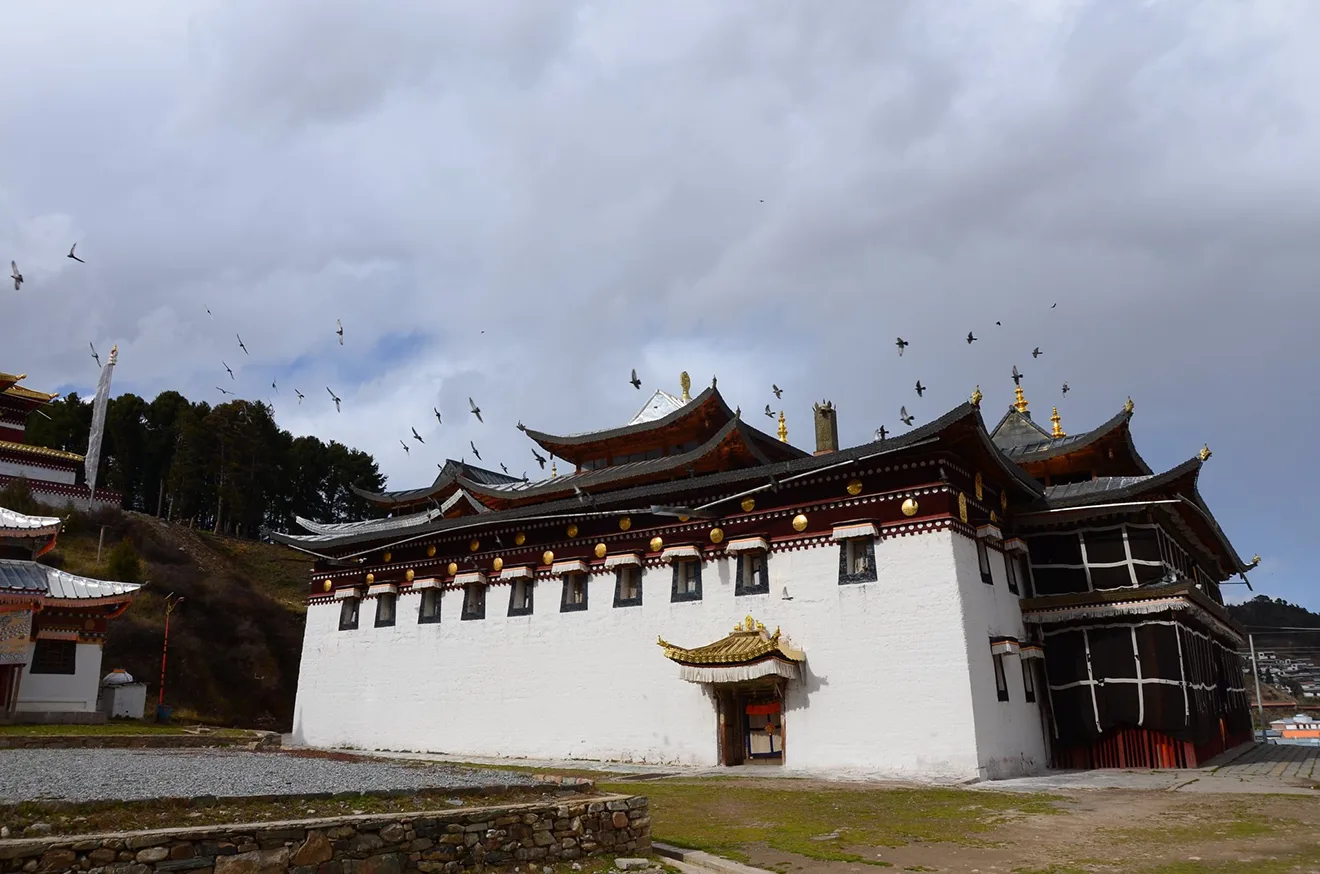
The final day of the four-valley exploration of Bumthang focuses on Ura. The drive crosses the highest pass of the region before descending into the valley. The settlement features closely clustered houses and winding cobblestone streets.
Guests spend the day walking through the picturesque village and surrounding potato fields. The architecture displays a medieval charm entirely unique to this specific valley. The walking pace remains very slow and highly relaxed. The group visits the central Ura Lhakhang temple to observe local prayers. The village elders often gather in the main courtyard to socialize in the sun. Travelers return to the main town of Jakar for their final night in the district.
Meals Breakfast, Lunch, Dinner
Difficulty
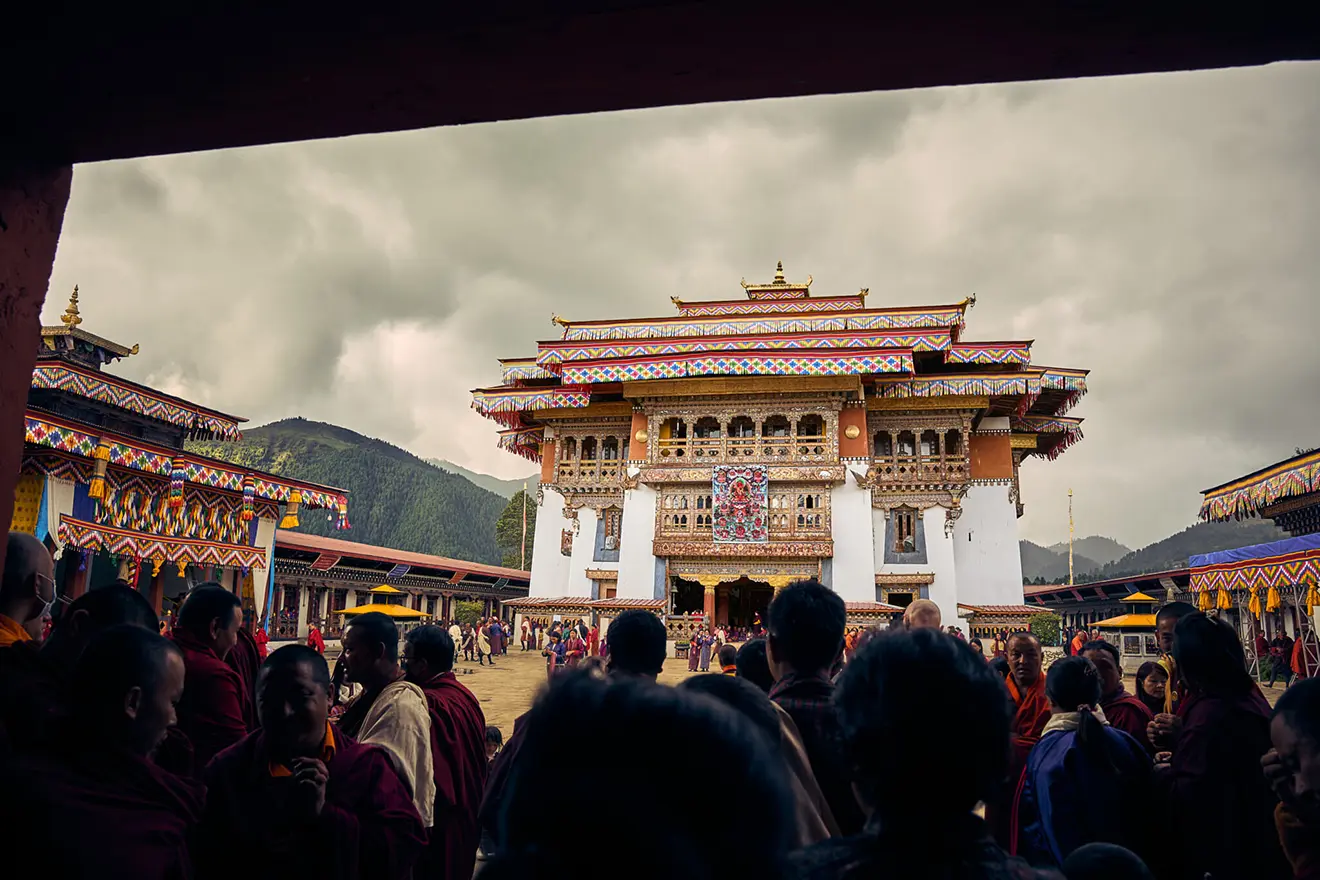
The return journey begins with a scenic drive back toward the west. The vehicle winds through dense forests of oak and high-altitude rhododendron. The Gangtey Valley tour reveals a stunning, wide glacial landscape upon arrival. The group explores the historic Gangtey Monastery perched prominently on a small hill. The massive complex overlooks the entire Phobjikha valley basin. Monks perform their daily rituals inside the impressive main prayer hall. Travelers enjoy a short nature walk along the flat valley floor. The protected conservation area feels incredibly peaceful and pristine. The evening mountain air turns quite cold immediately after sunset.
Meals Breakfast, Lunch, Dinner
Difficulty
The highway descends from the high glacial valley back toward the central river systems. The driver stops frequently for comfort breaks and photography opportunities. The route passes the ongoing reconstruction site of the Wangdue Phodrang dzong.
The vehicle bypasses Thimphu and heads directly toward the Paro valley. The lower elevation brings warmer air and familiar riverside scenery. The long transit day requires patience and highly comfortable clothing. Guests check into their Paro accommodation by late afternoon. The evening allows free time for resting or sorting luggage. The guide provides a detailed briefing for the demanding hike scheduled for the next morning.
Meals Breakfast, Lunch, Dinner
Difficulty
The most famous excursion of the trip begins shortly after breakfast. The Tiger’s Nest tour demands steady effort on a steep dirt trail. Walkers climb through thick pine forests draped with hanging Spanish moss. The halfway point features a small cafeteria with spectacular views of the cliffside monastery. Travelers rest here and drink hot tea before continuing the steep ascent. The final section includes hundreds of stone steps descending past a tall waterfall.
Visitors leave their cameras and bags at the security checkpoint before entering the sacred shrines. The interior temples radiate deep spiritual energy. The descent takes less time but requires careful footing on the loose dirt.
Meals Breakfast, Lunch, Dinner
Difficulty
The physical exertion of the previous day requires a focus on muscle recovery. Travelers spend the morning sleeping late or enjoying a slow breakfast. A light stroll through the Paro main street allows for final souvenir shopping. The afternoon features an authentic hot-stone bath at a traditional farmhouse in Bhutan. Local hosts heat river rocks in a roaring fire until they glow red. The rocks transfer deep heat and natural minerals into the wooden soaking tub. The warm water instantly soothes tired muscles and joints. Guests relax in the medicinal herb-infused water for nearly an hour. The evening concludes with a celebratory farewell dinner alongside the guide and driver.
Meals Breakfast, Lunch, Dinner
Difficulty
The final morning features a quiet breakfast at the hotel. Guests pack their belongings and prepare for the outbound flight. The driver loads the heavy luggage into the vehicle for the short transfer. The guide assists travelers with the airport check-in procedures. The local team bids farewell at the departure gate. The aircraft takes off over the scenic Paro valley, offering final views of the Himalayas.
Meals Breakfast
Difficulty
We provide flexible lodging choices for the Bumthang Cultural Trek and Tour Package.
Standard 3-star: The base package utilizes excellent 3-star properties. Hotels like Mountain Resort in Bumthang or Hotel Dewachen in Gangtey offer authentic charm. The rooms feature comfortable beds, traditional designs, and reliable private bathrooms.
Premium 4-star: Travelers upgrade to 4-star hotels for enhanced comfort. Properties such as the Dhensa Boutique Resort in Punakha and the Naksel Boutique Hotel in Paro feature beautiful modern architecture. The dining rooms serve a wider variety of high-quality international meals.
Luxury upgrades: The ultimate comfort experience uses world-class 5-star properties. Brands like Six Senses, Gangtey Lodge, or COMO Uma offer unmatched service and private spa facilities. The luxury resorts blend seamlessly into the surrounding pristine pine forests.
The remote nature of the four valleys of Bumthang limits accommodation styles slightly. The trekking nights prioritize the best available local guesthouses in the area. The heating systems rely heavily on traditional wood-burning stoves called bukharis. The Gangtey Valley hotels feature spectacular views but experience cold nighttime temperatures. Hot water availability fluctuates slightly in the deepest rural areas during high demand. The local hospitality is always exceptionally warm and welcoming, regardless of the hotel’s tier.
We handle all visa and fee paperwork, making your Bhutan trip completely stress-free. Every international visitor must pay a $40 tourist visa fee and the daily Sustainable Development Fee (SDF), currently $100 per adult per night. The SDF directly supports environmental protection, healthcare, and infrastructure in Bhutan. Children ages 6 to 12 pay half, and kids 5 and under go free.
The company handles the SDF and visa fees upfront, including them in your total package price. To apply for the visa, travelers provide a clear passport scan, a recent digital photo, and confirmed travel dates. Passports must be valid for at least six months beyond arrival. We submit all documents to the government, which issues the visa clearance letter within 3 to 5 business days. Guests print this letter and present it at the airline check-in and Paro airport, no extra stress, just a smooth start to your adventure.
The spring season lasts from March to May and offers excellent trekking conditions. The weather feels mild and pleasant throughout the central valleys. Wild rhododendrons bloom brightly across the steep mountain slopes. The clear skies provide perfect visibility for the Bumthang cultural trek. Walkers enjoy comfortable daytime temperatures between 10 and 20 degrees Celsius. The stable weather pattern ensures a highly enjoyable outdoor experience.
The autumn season spans from September to November and draws many nature enthusiasts. The crisp mountain air ensures spectacular views of the highest Himalayan peaks. The lack of rain keeps the forest trails firm and accessible. These autumn months serve as the absolute best time for the Tiger’s Nest tour. The dirt trails remain dry and stable underfoot. Photographers capture stunning images of the temple courtyards in the bright, clear sunlight.
The summer season brings heavy monsoon rains from June to August. The trails turn muddy, slippery, and occasionally dangerous. The low clouds obscure the mountain passes and deep valley viewpoints. Travelers face frequent flight delays and road closures during the wet summer months. The leeches become highly active in the damp pine forests. The tour company advises against strenuous trekking during this season.
The winter season lasts from December to February. Nighttime temperatures drop below freezing in higher regions like Gangtey. The daytime skies remain incredibly clear and vibrant blue. Travelers pack heavy winter gear for the Gangtey Valley tour during these colder months. The rare black-necked cranes inhabit the valley floor exclusively in the winter. The high mountain passes occasionally close due to sudden, heavy snowfall.
The 12-day Bhutan itinerary requires significant road travel between districts. The national highway winds continuously through steep mountain terrain. The vehicle climbs over high passes and descends into deep river gorges. The longest east-west drive days occur on Day 4 and Day 9. Travelers spend up to 7 hours in the vehicle on these days. The driver stops frequently at scenic viewpoints and small cafes to break up the transit time.
The private vehicle provides excellent comfort and ample legroom. All passengers wear seat belts for safety on the sharp mountain curves. Guests prone to motion sickness should take their medication before starting the daily drive. The guide carries bottled water and light snacks in the vehicle. The slow driving pace ensures maximum safety on the narrow roads. The beautiful scenery makes the transit hours visually rewarding instead of tiring.
The central portion of the itinerary focuses on gentle, immersive hiking. The daily walking hours range between three and six hours for Days 5 through 7. The trails follow ancient village paths and cross wooden suspension bridges. The route passes through dense pine forests and open agricultural fields. The gentle climbs make this trek perfect for active culture travelers. Walkers require a basic level of fitness to enjoy the daily excursions.
Guests pack specific items in their daily daypack. Sunscreen, a wide-brimmed hat, and polarized sunglasses provide necessary sun protection. A light rain jacket prepares walkers for sudden mountain showers. The trail visits numerous active religious sites. Temple visit etiquette requires walkers to remove hats and sunglasses before entering courtyards. Photography remains strictly prohibited inside the main prayer halls.
Safety relies on maintaining a slow, deliberate pace. The altitude demands steady hydration from a reusable water bottle. High-quality hiking shoes prevent blisters on the uneven dirt paths.
The hike to Taktsang Palphug Monastery represents the most demanding physical day. The round-trip distance covers approximately 6.4 kilometers. The steep dirt trail gains over 500 meters of elevation from the valley floor. The continuous climb takes two to three hours for the ascent alone. The activity is suitable for individuals with strong cardiovascular fitness and healthy knees. Travelers pack plenty of drinking water, a camera, and extra warm layers.
A pony option exists for the first half of the climb. The animals carry riders to the halfway cafeteria. All visitors hike the final hour on foot to reach the temple entrance. The descent requires careful attention to foot placement on the loose gravel. Walking poles provide essential stability for the knees on the way down. The guide sets a very slow pace to ensure everyone’s safety. Travelers skip the hike entirely if they feel unwell. A relaxed Paro culture day serves as an excellent alternative for non-hikers.
The hot stone bath in Bhutan provides profound relaxation. Local farmers heat large river rocks in a roaring open fire. The glowing rocks submerge into a wooden tub filled with fresh spring water. The intense heat releases minerals directly into the bathwater. Locals add fresh Artemisia leaves to create a fragrant, medicinal soak. The experience feels incredibly soothing to tired muscles and joints. The best timing for the bath occurs immediately after the demanding Tiger’s Nest hike. The heat melts away the physical strain of the steep descent. Guests bring their own swimwear to wear inside the wooden tub.
The farmhouse provides clean towels for drying off. The intense heat causes rapid sweating during the soak. Travelers drink copious amounts of water afterward to maintain hydration.
The body temperature drops quickly upon exiting the bathhouse. A thick fleece jacket or warm sweater prevents immediate shivering.
Packing correctly ensures comfort during the Bhutan trekking and cultural tour. The weather on the mountain changes rapidly throughout a single day.
Clothing Checklist
Trekking-Specific Items
The dress code requires strict modesty inside all religious sites. Shorts, tank tops, and revealing clothing offend local sensibilities. Monasteries mandate covered shoulders and knees at all times. Long drive days demand loose, comfortable clothing. The vehicle interior stays warm, but the rest stops feel chilly. Layering allows travelers to adjust to the temperature changes instantly. The Bumthang cultural trek requires a sturdy daypack. The bag holds extra water, camera gear, and the removed layers of clothing. Proper preparation reduces stress during daily excursions.
The package includes three meals daily at selected hotels and tourist restaurants. The menus feature a blend of authentic Bhutanese dishes, Indian curries, and simple international options. Red rice is the foundation of almost every local meal.
Ema Datshi features spicy chili peppers cooked in a rich cheese sauce. The local chefs easily reduce the spice levels for international visitors upon request. The restaurants provide excellent support for vegetarian diets.
Travelers inform the guide of any severe food allergies on the first day. The long drive days feature slightly lighter meals to prevent motion sickness. The guide arranges hot tea and local biscuits during roadside rest stops.
The 12-day Bhutan tour package prioritizes the traveler’s well-being. The winding mountain roads cause fatigue during the long transit days. The driver maintains a cautious speed to ensure a smooth, safe ride.
The altitude varies significantly between the different valleys. Paro and Thimphu sit at comfortable elevations for initial acclimatization. The higher valleys of Bumthang and Gangtey occasionally cause mild shortness of breath. The trekking days require careful attention to foot placement. The dirt trails feature exposed tree roots and uneven stones. The Tiger’s Nest hike acts as the most physically demanding activity of the entire itinerary.
The hot stone bath relaxes the muscles but requires caution. The intense heat causes dizziness if guests stand up too quickly. Travelers purchase comprehensive travel insurance before arriving in the country. The policy must cover medical evacuation from remote mountain areas. The local guide and driver provide constant safety support. The team provides basic first-aid training for minor trail injuries.
Proper preparation guarantees a smooth arrival in the kingdom. Travelers print all necessary flight tickets and the electronic visa clearance letter. The passport requires physical protection in a waterproof sleeve. Guests pack their luggage in soft-sided duffel bags or sturdy suitcases. The guide conducts a comprehensive orientation briefing on the first evening in Thimphu. The discussion covers the exact daily timing and expected travel pacing.
The guide explains the specific cultural etiquette required for the upcoming temple visits. The team checks the guests’ footwear to ensure proper grip for the trail. Walkers break in their new hiking shoes for several weeks before the flight. The weather planning focuses heavily on the layering system. The guide reviews the specific clothing requirements for the high mountain passes. The thorough preparation removes all anxiety before the trek begins.
How to Book This Trip
What we need from you:
Cancellation Policy
The Bumthang Cultural Trek is a fully private tour, with your own guide and vehicle. This keeps the trip flexible, so you can stop for photos, adjust the pace, and spend more time where you like, all while traveling comfortably with your own group.
We handle the entire visa process for you. You just send a passport photo and a scan, and we take care of the application, permits, and approvals. You receive a clearance letter to show at the airport, so you can travel without any paperwork stress.
The daily Sustainable Development Fee is already included in the tour price. We handle payments directly with the government, so you do not need to worry about additional fees. This contribution supports healthcare, education, and environmental protection across Bhutan.
The central walking days are easy to moderate, following mostly flat valley trails. Hikes last three to six hours at a relaxed pace with frequent rest stops. The paths are gentle and suitable for most travelers, letting guests enjoy the scenery without strain.
Supportive, broken-in hiking shoes are ideal for the valley trails. Lightweight boots or trail shoes provide good traction, water resistance, and ankle support. Slip-ons are easy for town walks, while sturdy soles protect feet on uneven paths.
Days 4 and 9 involve long drives: about 7 hours to Bumthang and 6 hours back to Paro. The driver takes a slow, safe pace over the mountain passes. Frequent stops allow stretching, restroom breaks, and photography. Scenic views make the journey enjoyable, and guests can relax with music or reading.
The Gangtey Valley sits at 2,900 meters, making it much colder than the western districts. Days can feel pleasant in the sun, but evenings turn very cold, with winter nights often below freezing. Travelers should bring warm layers, including a fleece or down jacket, thick socks, a beanie, and a windbreaker for gusty conditions. Layering works best for the temperature swings.
The Tiger’s Nest hike is physically demanding, with over 500 meters of climbing on steep dirt trails. Most walkers take 2 to 3 hours to reach the top, and the altitude can make breathing more difficult. The descent includes loose gravel and many stone steps, which can be tough on knees. Guests who prefer not to hike enjoy a relaxed day visiting the Paro National Museum and local cafes, with the guide arranging a personalized cultural experience.
The hot stone bath soothes tired muscles after hikes. Heated river rocks warm the wooden tub and release natural minerals into the water. Guests bring swimwear, use clean towels, and stay hydrated. A warm jacket helps prevent chills after the bath.
The 12-day itinerary is fully flexible. Guests add rest days, adjust walking routes, request sunrise departures, or upgrade hotels. The guide and local team tailor meals, activities, and pacing to create a personalized cultural experience.