
Included Meals
- Breakfast: 3
- Lunch: 0
- Dinner: 1

Unbeatable Holiday Offers – Save Up to 20% on Your Next Adventure!
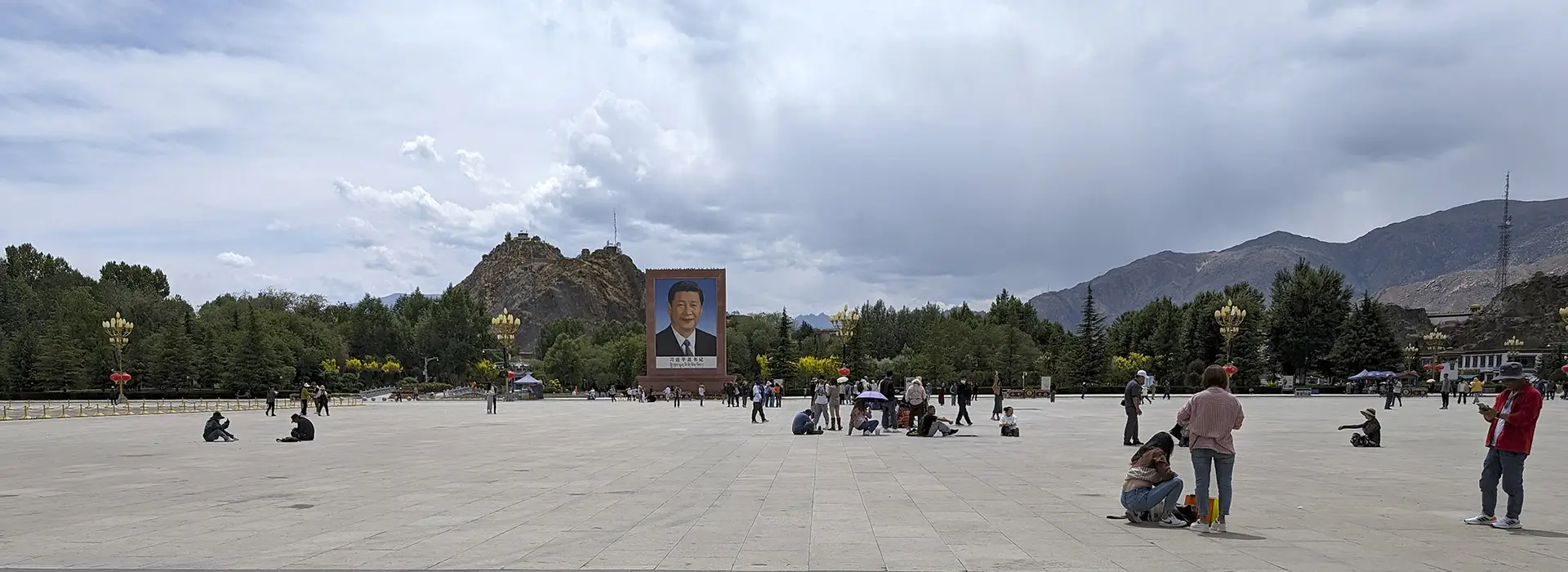
The Lhasa Short Tour offers four focused days in one of Asia’s most spiritually significant cities. You visit the key monasteries, explore the famous landmarks, and experience local Tibetan life, all without the long overland drives that come with more demanding Tibet routes. This short Tibet tour suits travelers who want a meaningful cultural experience but have limited time.
It works just as well for a first-time visitor as it does for a traveler who wants a quinnnnnnnnnck Lhasa extension after a longer trip in China. The itinerary is easy, the pace is manageable, and the tour covers the most important cultural landmarks in Lhasa. This itinerary keeps the first day light so travelers can see Lhasa’s altitude before full sightseeing begins.
Here are the core reasons this package works well for travelers who want a short, culture-focused Tibet trip:
This Tour Suits
This Tour May Not Suit
This Lhasa sightseeing tour packs a strong set of cultural and historical experiences into four days. These are the highlights you will take away:

Included Meals

Accommodation
3-star hotel in Lhasa (upgrade available)

Trip Grade
Day 1: Arrive in Lhasa — Transfer and Acclimatization
Day 2: Drepung Monastery and Sera Monastery
Day 3: Potala Palace, Jokhang Temple, Barkhor Street, and Tibetan Teahouse
Day 4: Departure from Lhasa
The route stays entirely within Lhasa city and its immediate surroundings. No long overland driving between destinations. All major sites are within a short drive of the city center, keeping travel time low and sightseeing time high.
You arrive at Lhasa Gonggar Airport, which sits about 60 kilometers from the city. Your guide and driver meet you at the arrival gate and transfer you to your hotel in Lhasa. The drive takes approximately one hour along the Lhasa River valley.
Your first priority on Day 1 is rest. Lhasa sits at 3,656 meters. Your body needs time to adjust to the altitude. The guide recommends drinking plenty of water, avoiding alcohol, and keeping physical activity light on the first day. Many travelers feel mild headaches or fatigue on arrival. This is normal and usually passes after 24 hours of rest.
In the late afternoon, if you feel well enough, you can take a gentle walk near the hotel or around the local neighborhood. Avoid rushing to any major sites on Day 1. Save your energy for the full sightseeing days ahead.
Travel Note: Bring altitude sickness medicine (Diamox) if your doctor recommends it. Inform the guide if you feel symptoms beyond a mild headache.
Accommodation:
3-star hotel in Lhasa (upgrade available on request)

Maximum Altitude 3,656m/11,995ft
Difficulty
After breakfast at the hotel, your guide takes you to Drepung Monastery on the western outskirts of Lhasa. Drepung was founded in 1416 and once held over 10,000 monks. Today, it remains one of the most important monasteries in Tibetan Buddhism. The main assembly hall, the Great Maitreya Chapel, and the living quarters of past Dalai Lamas all sit within the monastery complex.
Walk through the whitewashed buildings and narrow lanes between chapels. The monastery sits on a hillside, so there is some uphill walking involved. Move slowly and take breaks as needed. The altitude affects how quickly you tire on uphill paths, so the guide keeps the pace relaxed.
After Drepung, you head to Sera Monastery on the northern edge of Lhasa. Sera was founded in 1419 and remains a center of Gelug Buddhist education. The highlight of Sera is the afternoon monk debate in the monastery courtyard. The session typically starts around 3 PM on weekdays. Monks pair off or gather in groups to discuss Buddhist doctrine through rapid-fire exchanges of arguments. One monk stands while the other sits. The standing monk claps loudly with each point to emphasize his argument. The energy is striking.
After the debate session, your guide leads you through Sera’s main chapels, which house important statues and wall murals. You return to the hotel in the late afternoon.
Highlights: Drepung assembly hall, Maitreya Chapel, Sera debate courtyard, monastery chapels
Travel Note: Wear comfortable walking shoes. The monastery grounds involve stone steps and uneven surfaces
Accommodation:
3-star hotel in Lhasa
Meals Breakfast, Dinner
Maximum Altitude 3,800m/12,467ft
Difficulty
Day 3 takes you through the heart of Lhasa’s most famous landmarks. The day starts with a visit to the Potala Palace. Potala sits on a hill called Marpo Ri (Red Hill) and rises 117 meters above the city. The palace has 13 stories and contains over 1,000 rooms, 10,000 shrines, and countless precious objects. Construction of the current palace began in 1645 under the Fifth Dalai Lama and continued for decades.
Climb the stone staircase to the entrance. The climb involves several hundred steps, so take your time. Inside, you move through the White Palace (administrative quarters) and the Red Palace (religious halls and chapels). The chapels contain golden chortens holding the remains of past Dalai Lamas, silk thangkas, precious statues, and centuries of Tibetan Buddhist art. Visitor numbers inside the palace are limited each day, so the guide secures your timed entry in advance.
After Potala, you proceed to Jokhang Temple in the old Barkhor district. Built in 647 AD, Jokhang is the spiritual heart of Tibet. The Jowo Rinpoche statue inside the main hall draws pilgrims from across the Tibetan plateau. You see prostrating pilgrims at the entrance, smell the thick smoke of butter lamps, and hear the steady murmur of prayer. The inner courtyard, the assembly hall, and the roof terrace with its gold dharma wheel and deer statues all form part of the visit.
After Jokhang, you walk the Barkhor circuit. This is the most famous pilgrimage route in Tibet. The circular street takes about 20 to 30 minutes to walk at a relaxed pace. Shops on both sides sell thangkas, prayer beads, singing bowls, incense, yak-wool shawls, and silver jewelry. The crowd mixes local pilgrims, monks, traders, and visitors. Keep your camera ready, but ask before photographing individuals.
Late afternoon brings you to a local Tibetan teahouse. Sit down, order butter tea or sweet tea, and watch the city slow down. Local Tibetans come to the teahouse for conversation, warmth, and a break from their day. Your guide helps you understand what is being served and explains the customs around Tibetan tea culture. This small stop often becomes a highlight that travelers remember long after the main sightseeing.
Highlights: Potala Palace interior, Jokhang Temple Jowo statue, Barkhor Street walk, local teahouse
Travel Note: Photography inside the Potala and Jokhang requires a camera permit in some areas. The guide confirms the current rules on site
Accommodation:
3-star hotel in Lhasa
Meals Breakfast
Maximum Altitude 3,700m/12,139ft
Difficulty
Your final morning in Lhasa is open. Depending on your flight or train time, you may have time for a short walk, last-minute shopping in the old town, or a quiet breakfast. If time allows, an optional visit to Norbulingka can be arranged as an extra sightseeing stop before departure. The grounds of Norbulingka are pleasant and require less walking than those of the major monastery sites.
Your guide and driver will transfer you from the hotel to Lhasa Gonggar Airport or the railway station, depending on your departure plan. The drive to the airport takes about one hour. Allow extra time if your departure falls during morning rush hours.
Travel Note: Check your flight or train departure time and confirm the hotel checkout with your guide the evening before.
Meals Breakfast
Maximum Altitude 3,656m/11,995ft
Difficulty
The Lhasa Short Tour base price includes 3-star hotel accommodation in Lhasa. The hotels in this category provide private rooms with private bathrooms. Most 3-star hotels in Lhasa offer private bathrooms, hot showers, heating, and breakfast service, though winter heating quality can vary by property.
Most 3-star hotels in Lhasa offer Western-style beds, in-room Wi-Fi, and simple breakfast service. They sit in or near the city center, within easy reach of the main sightseeing areas.
If you prefer a higher standard, an upgrade to a 4-star or 5-star hotel in Lhasa is possible at an additional cost. Lhasa has several well-known international-standard hotels, including properties by St. Regis and Shangri-La. These offer larger rooms, better in-room facilities, and a more consistent experience for travelers who prioritize comfort.
Solo travelers receive a single room by default. Couples share a twin or double room. Families with children can request connecting rooms or larger family rooms, subject to availability.
Lhasa sits at 3,656 meters above sea level in the Himalayan plateau. The name Lhasa means ‘Place of the Gods’ in Tibetan. For over 1,300 years, it has served as the political and spiritual center of Tibet. Every year, thousands of Tibetan pilgrims travel across the plateau to reach Lhasa. They walk the Barkhor circuit, spin prayer wheels, and prostrate themselves before Jokhang Temple. The city holds a place in Tibetan Buddhism that no other city in the region matches.
Potala Palace dominates the Lhasa skyline. King Songtsen Gampo first built a structure on this site in the 7th century. The current palace dates mostly to the 17th century, when it was built by the Fifth Dalai Lama. It served as the seat of the Tibetan government and the winter residence of successive Dalai Lamas. Today, UNESCO recognizes the Potala Palace as a World Heritage Site. Walking up its stone steps and entering its chapels gives you a direct sense of Tibet’s royal and religious history.
Jokhang Temple holds a spiritual role even older. Built in 647 AD, it houses the Jowo Rinpoche, a precious gold statue of young Shakyamuni Buddha. Tibetan Buddhists consider this statue the most sacred object in Tibet. Visiting Jokhang places you at the center of living Tibetan religious practice. Pilgrims gather outside its doors every morning, chanting, spinning prayer wheels, and prostrating on the stone ground.
Barkhor Street circles Jokhang Temple in the old town. Local Tibetans walk this route as part of their daily spiritual practice. Stalls along the route sell butter lamps, incense, thangka paintings, turquoise jewelry, yak wool goods, and traditional Tibetan medicines. This is not a tourist market staged for visitors. It is a real part of daily life in Lhasa. A 30-minute walk around the Barkhor tells you more about how Tibetans live than any museum could.
Drepung Monastery, founded in 1416, once housed over 10,000 monks. At its founding, it was the largest monastery in the world. Today, it remains one of the three great Gelug monasteries of Tibet and holds an important place in Tibetan religious education. Its whitewashed buildings spread across the hillside west of Lhasa.
Sera Monastery, founded in 1419, holds a special attraction that most visitors do not forget: the monk debate sessions. Each afternoon on weekdays, monks gather in the courtyard and debate Buddhist philosophy. The debates involve sharp clapping gestures, raised voices, and lively movement. The session looks intense but reflects deep philosophical training. Watching it gives you a live picture of how Tibetan Buddhism actually works as a living practice.
A visit to a Tibetan teahouse on the tour rounds off the cultural experience. Butter tea — salty, rich, and made from yak butter — is an acquired taste that most visitors try at least once. Sweet Tibetan tea is a milder option. Sitting in a teahouse with local Tibetans, watching daily conversations, and sampling local snacks gives the tour a warm, human dimension that pure sightseeing cannot offer.
The Lhasa Short Tour is rated easy in terms of physical difficulty. No trekking, no mountain passes, and no long overland road sections feature in the itinerary. The walking at each site is light to moderate, with some uphill paths at Drepung Monastery and the stone staircase at Potala Palace.
Altitude is the main factor to prepare for, even on a Lhasa-only trip. Lhasa sits at 3,656 meters above sea level. This altitude affects most people to some degree on arrival, even fit travelers. Typical symptoms include mild headache, slight breathlessness, fatigue, and difficulty sleeping. These symptoms usually ease after 24 to 48 hours.
| Location | Altitude |
|---|---|
| Lhasa City | 3,656 m / 11,995 ft |
| Potala Palace (base) | 3,700 m / 12,139 ft |
| Drepung Monastery | 3,800 m / 12,467 ft |
| Sera Monastery | 3,680 m / 12,073 ft |
| Jokhang Temple | 3,656 m / 11,995 ft |
The itinerary builds in rest time on Day 1 to help your body adjust. The guide keeps a slow pace throughout and does not push you to rush at any site. Families and seniors regularly complete this tour comfortably. You do not need prior hiking experience or high fitness levels to join.
If you have a history of severe heart or respiratory conditions, speak to your doctor before booking any trip above 3,000 meters. Carry altitude sickness medicine if your doctor advises it. Acetazolamide (Diamox) is the most common prescription option. Ginger tea and plenty of water also help with acclimatization during the first day.
The Tibetan guide carries basic first aid supplies and maintains contact with local medical facilities. Lhasa has hospitals and clinics that regularly handle altitude-related cases.
The tour includes three breakfasts and one welcome dinner. Here is the exact meal pattern:
What to Eat in Lhasa
Lhasa offers a wider range of food options than most visitors expect. Local Tibetan food forms the foundation of the dining scene, but the city also has Nepali, Indian, Chinese, and Western restaurants.
Tibetan staples you should try include tsampa (roasted barley flour, eaten mixed into tea or as a dough), thukpa (hearty noodle soup), momos (steamed or fried dumplings filled with yak meat or vegetables), sha phaley (fried bread filled with yak meat), and yak butter tea. Sweet Tibetan tea — less of an acquired taste than butter tea — is widely available at teahouses and small restaurants.
Vegetarians find Lhasa easy to navigate. Most Tibetan and Nepali restaurants in the city offer vegetable momos, vegetable thukpa, dal bhat, and other plant-based dishes. Inform your guide of any dietary requirements before the trip starts, and the team will make sure your restaurant stops accommodate them.
Meals on Day 1, and the independent lunches and dinners on Days 3 and 4, give you the freedom to choose what you eat and where. Your guide recommends good local spots based on your preferences.
Every foreign traveler entering Tibet needs a Tibet Travel Permit (TTP). This permit is separate from your Chinese visa and is mandatory. You cannot buy a flight or train ticket to Lhasa without this permit. The Chinese government does not allow foreign travelers to apply for the TTP independently. Only a registered Tibet travel agency can apply on your behalf.
What Documents Do You Need
How the Permit Process Works
After you confirm your booking and provide a clear copy of your passport and Chinese visa, the team applies for your Tibet Travel Permit through official channels. Processing typically takes 15 to 20 working days. Plan your booking at least 3 to 4 weeks before your intended departure date.
Citizens of some countries, including the US, UK, and Canada, may face additional processing requirements during sensitive periods. Book early and communicate your nationality at the time of inquiry.
The team arranges the permit in advance so you can board your flight or train to Lhasa with the required documents. Do not travel to Lhasa without the physical permit in hand. Airlines and train stations check it before issuing boarding passes.
Lhasa works as a year-round destination, which gives this short Tibet tour a major advantage over longer routes like Everest Base Camp or Kailash, which close in winter. Here is a seasonal breakdown to help you plan:
| Season | Months | Conditions | Rating |
|---|---|---|---|
| Spring | Mar – May | Warm days, clear skies, blooming countryside | Excellent |
| Summer | Jun – Aug | Warmer temps, peak crowds, occasional rains | Good (busy) |
| Autumn | Sep – Oct | Cool, clear, dry – best photography conditions | Best overall |
| Winter | Nov – Feb | Cold, quiet, lowest prices, some local festivals | Good (budget) |
The best overall months are April, May, September, and October, offering the most favorable weather, clearest skies, and good availability at hotels and popular sites.
Peak season: July and August bring the most visitors to Lhasa. Book hotels and permits early if you plan to travel during this period. The Tibetan New Year (Losar) in February or March also draws many pilgrims and visitors, creating a unique festive atmosphere.
Winter advantage: November through February sees far fewer tourists. Hotel prices drop, and the city takes on a quieter, more authentic feel. The cold can reach -10°C at night, so pack warm layers. Daytime temperatures in winter often reach a comfortable 7°C to 12°C in clear weather. Some cultural festivals and events also happen during the winter months.
Lhasa receives more sunny days per year than almost any city at an equivalent altitude. Even in winter, clear blue skies dominate. The Himalayan plateau sits above much of the cloud cover that affects lower-elevation destinations. This makes Lhasa a surprisingly strong choice even in the off-season.
Pack light since this is a city-based tour. You do not need heavy hiking gear. Here is a practical list organized by category:
Documents
Clothing
Sun Protection
Health and Medicine
Electronics
Miscellaneous
The Lhasa Short Tour works as a strong standalone trip, but many travelers choose to add extra days after the initial 4-day package. Lhasa gives you a natural base for these extensions:
Speak to the team about any extension. Custom itineraries take into account permit requirements, seasonal access, and your available travel time.