
Unbeatable Holiday Offers – Save Up to 20% on Your Next Adventure!


Responsible Trekking in Nepal: 8 Easy Ways to Help Locals
Last verified: 23 November 2026. Local rules on waste, plastic and protected areas change. Follow signs at park and conservation area checkpoints and your guide’s advice.
Responsible trekking in Nepal protects the trails and supports the families who host you. We explain how to choose an ethical agency, treat porters fairly, cut plastic and other waste, use toilets and water responsibly, reduce firewood and energy use, respect wildlife and sacred sites, spend money where it helps most and avoid harmful volunteering.
What does responsible trekking mean in Nepal?
Short answer: Responsible trekking means leaving trails, villages and wildlife better or no worse than you found them. In practice, it means booking an agency that treats staff fairly, carrying out your waste, treating your own water instead of buying plastic bottles, respecting local customs and spending money with local families and businesses along the route.
Tens of thousands of trekkers visit Nepal’s mountains each year, and the most popular routes feel the pressure on water, forests and waste systems. Small choices made by each visitor add up. Responsible trekking also makes for a better trip, because you connect more with the people and places you pass.
| Area | Responsible choice |
|---|---|
| People | Registered agency, licensed guide, fair porter loads and wages |
| Waste | Carry out plastic and batteries, refuse single-use items |
| Water | Use refill stations or treat your own water |
| Energy | Limit hot showers where fuel is scarce, order meals together |
| Wildlife | Keep distance, never feed animals |
| Culture | Dress modestly, walk clockwise around stupas, ask before photos |
| Economy | Eat and sleep in local lodges, buy local products |
How do you choose an ethical trekking agency?
Short answer: Choose an agency registered with the Department of Tourism and a member of the Trekking Agencies’ Association of Nepal, then ask about porter loads, wages, clothing and insurance, staff training, waste policy and community projects. Ethical agencies answer clearly and put commitments in writing.
Questions to ask include: What is the maximum porter load? Do porters get warm clothing, boots and sleeping bags for high routes? Are all staff insured? What happens if a porter gets sick? How do you handle waste on camping treks? Do you support local schools, clinics or conservation? Very cheap trips often cut corners on these points. Our page on hiring guides and porters explains fair pay and load limits.
How should porters be treated on a responsible trek?
Short answer: Porters should carry reasonable loads, often no more than about 20 to 25 kilograms, and have proper footwear, warm clothing, sunglasses, shelter, food and insurance. A sick porter must be sent down with pay and someone to accompany them, never left alone. The International Porter Protection Group promotes these standards.
Porters face altitude, cold and heavy loads, and some have died on high passes when they lacked gear or were abandoned. As a trekker, keep your duffel within the agreed weight, check that your porter is dressed for the cold, share concerns with your guide and agency, and tip fairly at the end. Leaving good gear for porters is a kind gesture alongside a cash tip.
How can you reduce plastic and waste on the trail?
Short answer: Refuse single-use plastic, refill bottles at treated water stations or use a filter, repack snacks into reusable bags before the trek, and carry your wrappers, batteries, sanitary products and any other non-burnable waste back to Kathmandu or Pokhara. Use bins provided by lodges and local committees for burnable waste only.
Most mountain villages have no recycling, and rubbish is often burned in open pits, which releases toxic smoke. Batteries are especially harmful. In the Everest region, the Sagarmatha Pollution Control Committee manages waste, and the local government has restricted single-use plastic bottles. Some programs invite trekkers to carry a small bag of waste down from the Khumbu to Lukla, which is an easy way to help.
- Bring two reusable bottles and a filter or purification tablets.
- Repack snacks into a reusable pouch in your hotel.
- Carry a small rubbish bag in your daypack.
- Bring used batteries home, where they can be recycled.
- Say no to plastic bags in shops.
How should you use toilets and water on the trail?
Short answer: Use lodge toilets whenever possible. If you must go outdoors, walk at least 30 meters from water, trails and campsites, dig a small hole about 15 to 20 centimeters deep and cover it. Carry used toilet paper out in a bag. Never wash with soap directly in streams or lakes.
Human waste contaminates water sources used by villages downstream, and it spreads illness among trekkers too. At high camps and passes with few toilets, plan your stops at lodges before and after. On camping treks, ethical agencies set up toilet tents and backfill pits properly. Use biodegradable soap well away from water, and scatter wash water on the ground.
How can you reduce firewood and energy use?
Short answer: Limit hot showers at altitude, where water is often heated with gas or wood, order meals with your group at the same time so the kitchen cooks efficiently, wear warm layers instead of asking for extra heating, choose lodges that use solar or hydro power and turn off lights and chargers when not needed.
Firewood use once caused serious deforestation around popular villages. Conservation programs such as the Annapurna Conservation Area Project promoted alternatives including micro-hydro power, solar water heaters and improved stoves. Trekkers help by not creating demand for wood-fired heat and hot water. In national parks, collecting wood is not allowed.
How should you behave around wildlife?
Short answer: Watch wildlife quietly from a distance, never feed animals, keep to the trail and give pack animals and yaks the right of way by stepping to the mountain side. Do not buy products made from wild animals, such as fur, bones or musk. Report injured animals to park staff through your guide.
Nepal’s protected areas shelter species such as the snow leopard, red panda, Himalayan tahr, musk deer, Himalayan monal, the national bird, and many others. Sightings are a privilege, not a guarantee. Feeding animals changes their behavior and can harm them. Drones disturb wildlife and are restricted in parks.
How can your money do the most good locally?
Short answer: Sleep and eat in locally owned lodges, buy snacks and handicrafts from village shops, hire local guides and porters through a registered agency, try community homestays and pay fair prices without haggling over lodge rates. Money spent this way stays in mountain communities instead of leaving Nepal.
Community-run lodges on routes such as the Khopra Ridge reinvest profits in schools and health posts. Homestays on the Tamang Heritage Trail and in Ghandruk give families direct income. Locally made products, such as yak wool items, Marpha apple brandy and handwoven textiles, support crafts that might otherwise disappear. Our heritage and community trails guide lists routes with community lodges and homestays.
Should you volunteer during your trip?
Short answer: Be cautious. Short-term volunteering with children, especially in orphanages, can cause harm and has been linked to exploitation in Nepal. Support established local organizations with donations or skilled long-term help instead. Ask your agency which community projects are run transparently and accountably.
Many organizations working in Nepal discourage “voluntourism” that places untrained visitors with vulnerable children for a few days. Better options include donating to registered schools and clinics, funding porter clothing banks, joining organized clean-up days or supporting conservation programs. If you have professional skills, such as medicine or engineering, look for structured placements with registered organizations.
How can you lower the carbon footprint of a Nepal trek?
Short answer: Long-haul flights make up most of a trip’s emissions, so travel less often but stay longer, choose road-access treks over extra domestic flights where practical, use overland transport between cities, and consider supporting credible climate projects. Walking itself is low carbon, so a longer trek is a good use of your flight.
Helicopter returns and charters add significant emissions, so use them only when needed for time or safety. Treks such as Langtang, Annapurna Base Camp, Mardi Himal and the Manaslu Circuit start by road. Choosing one longer trip over several short ones also reduces your impact per day of travel.
Why are some mountains sacred, and how should you respect them?
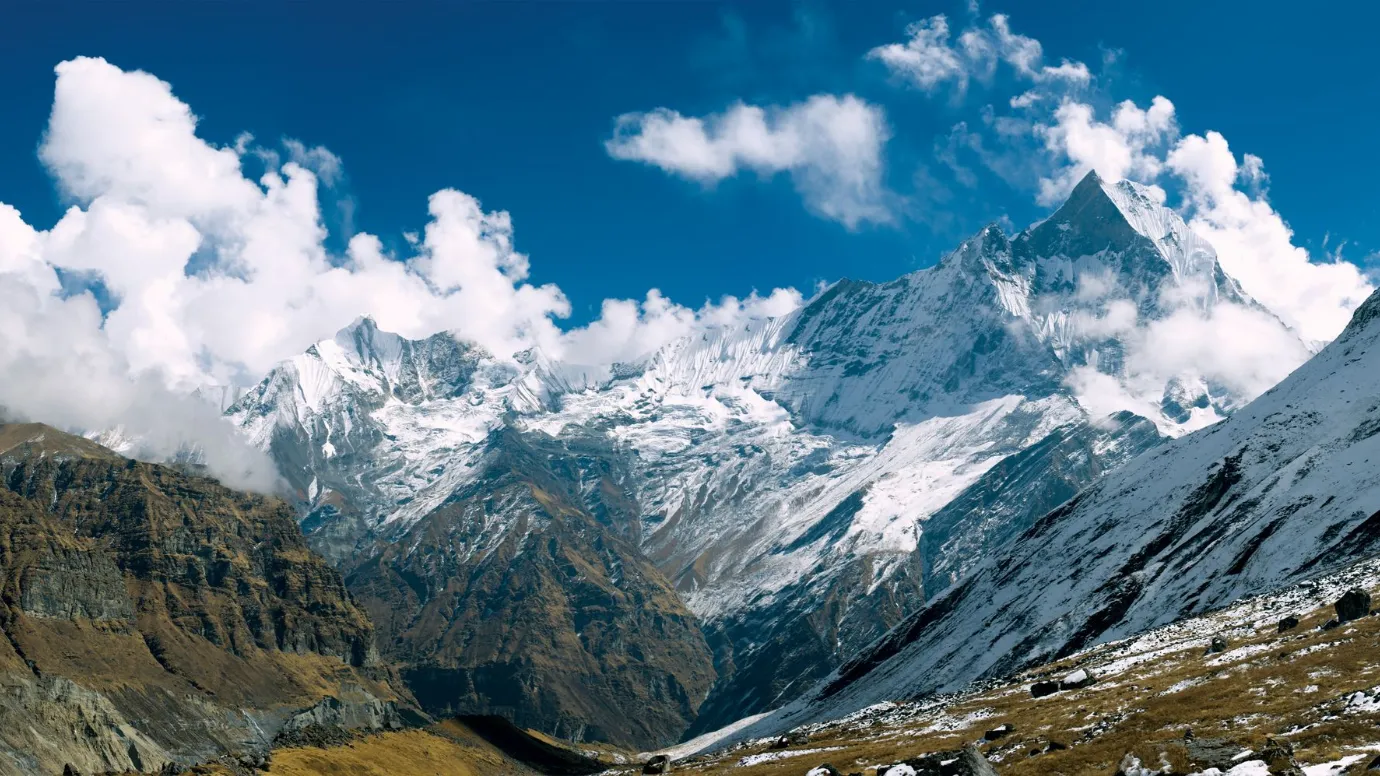
Short answer: Several Himalayan peaks are sacred to local communities. Machapuchare, the fishtail peak above Pokhara, is closed to climbing, and Khumbila above Khumjung is regarded as the home of the Khumbu’s protector deity. Respect local beliefs by staying quiet at shrines, not leaving litter at passes and following your guide’s lead at sacred sites.
Many passes and high points carry cairns, prayer flags and small shrines where travelers give thanks. Add a stone to a cairn if you wish, but do not take anything away. Some lakes, such as Gosainkunda in Langtang and Tilicho near Manang, are pilgrimage sites, and bathing or washing in them may be restricted or offensive. Ask before you swim anywhere.
How do you report bad practice on a trek?
Short answer: If you see porters overloaded or underdressed, rubbish dumped, wildlife harmed or staff mistreated, raise it calmly with your guide first, then with your agency. Serious issues can be reported to the Trekking Agencies’ Association of Nepal, the Nepal Tourism Board or porter welfare groups. Honest reviews also help future trekkers choose well.
Write down what you saw, when and where, and include photos only if it is safe and respectful. Agencies care about their reputation and usually act on clear feedback. Your report can protect a porter on the next trip.
Is it more responsible to trek in the off-season?
Short answer: Trekking in quieter months, such as late November, December, February or the rain-shadow summer in Upper Mustang, spreads income across the year for lodges and crews and reduces crowding on popular trails. Choose routes and dates that are safe for the season, since winter passes and monsoon landslides bring real risks.
Off-season trips also mean more time with lodge families and guides, who are less busy. Ask your agency which routes are open and safe for your dates. Our best time for hiking in Nepal guide covers each month.
How do you follow Leave No Trace principles in the Himalaya?
Short answer: Plan ahead, stay on trails, carry out non-burnable waste, leave natural and cultural objects where you find them, minimize fire use, respect wildlife and be considerate of local people and other trekkers. These seven principles, promoted by Leave No Trace, adapt well to Nepal’s teahouse trails.
| Principle | How it applies in Nepal |
|---|---|
| Plan ahead and prepare | Choose a sensible itinerary, pack a filter and reusable bottles |
| Travel on durable surfaces | Stay on the main trail, do not cut switchbacks |
| Dispose of waste properly | Carry out batteries and plastic, use toilets |
| Leave what you find | Do not take mani stones, prayer flags or plants |
| Minimize fire impacts | Avoid wood-fired showers and campfires in parks |
| Respect wildlife | Watch from a distance, never feed animals |
| Be considerate | Greet people, dress modestly, keep noise down |
What extra care do restricted areas need?
Short answer: Restricted areas such as Upper Mustang, Tsum, Nar Phu, Upper Dolpo and Kanchenjunga protect fragile cultures and ecosystems close to the Tibetan border. Follow your permit dates and route, respect monasteries and village rules, avoid drones and keep group sizes small. Your behavior affects whether these areas stay open to trekkers.
Many villages in these areas have only recently seen regular visitors. Ask before entering homes or monasteries, avoid giving gifts that create dependency and buy local supplies thoughtfully so you do not strain food stocks. Our guides to Mustang, Manaslu and Tsum and Dolpo explain local customs.
Which organizations support responsible trekking in Nepal?
Short answer: The Kathmandu Environmental Education Project (KEEP) offers trekker information and porter programs, the International Porter Protection Group works on porter safety, the Sagarmatha Pollution Control Committee manages waste in the Everest region and the Annapurna Conservation Area Project, run by the National Trust for Nature Conservation, leads conservation in the Annapurna region.
Visiting KEEP’s office in Kathmandu before your trek is a good way to learn about current trail conditions and responsible practices. Many trekkers also donate to porter clothing banks or community health posts. Ask your agency which projects it supports.
What does a responsible trekker’s checklist look like?
Short answer: Before you go, choose an ethical agency, pack reusable bottles and a filter, and repack snacks. On the trail, carry out waste, use toilets, respect customs and wildlife, and spend locally. After the trek, tip fairly, leave useful gear for porters and share honest reviews.
- Registered agency with clear porter welfare policy
- Reusable bottles, filter or tablets, reusable snack bags
- Small rubbish bag for wrappers and batteries
- Modest clothing for villages and monasteries
- Cash for local purchases and fair tips
- Knowledge of basic Nepali greetings and etiquette
Our culture and etiquette guide and food and water guide add practical detail.
How can you give back after your trek?
Short answer: Leave good-quality warm clothing or boots for porters through your agency or a clothing bank, write honest reviews that mention porter welfare and waste practices, donate to registered schools, clinics or conservation programs you saw on the trail, and share responsible trekking tips with friends planning a trip.
Giving through established organizations ensures support reaches people fairly and lasts beyond your visit. Ask your guide which community projects they trust. Many trekkers return to Nepal and choose the same agency and crew, which gives staff steady work.
Frequently Asked Questions
Is single-use plastic banned in the Everest region?
The Khumbu Pasang Lhamu Rural Municipality has restricted single-use plastic, including plastic water bottles, in the Everest region. Bring reusable bottles and use refill points or a filter.
How much should a porter carry?
Many responsible agencies cap porter loads at about 20 to 25 kilograms, which usually covers the duffels of two trekkers. Ask your agency for its limit before booking.
Is it okay to give money to children on the trail?
No. It encourages begging. Support schools and community programs through registered organizations or your agency instead.
Can I burn my rubbish at the lodge?
No. Burning plastic releases toxic fumes. Carry plastic, batteries and other non-burnable waste back to Kathmandu or Pokhara.
What is the most responsible way to drink water on a trek?
Use treated water refill stations or treat your own water with a filter, tablets or UV purifier. Avoid buying plastic bottles.
About the author: Pradip Karki
Pradip Karki is the Chairman of Peregrine Treks and Tours in Kathmandu and a veteran Himalayan travel specialist with over 20 years of industry leadership. A former TIMS Department Head at the Trekking Agencies’ Association of Nepal (TAAN) with an MBA in Accounting and Finance, Pradip personally scouts routes across Nepal, Tibet and Bhutan to design safe, high-altitude treks and luxury cultural tours.
Reviewed and updated by Pradip Karki on 23 November 2026.
Official Sources Checked
- Kathmandu Environmental Education Project: responsible trekking guidance
- International Porter Protection Group: porter welfare
- Sagarmatha Pollution Control Committee: Everest region waste management
- National Trust for Nature Conservation: Annapurna Conservation Area Project
- Leave No Trace: outdoor ethics principles
Do not hesitage to give us a call. We are an expert team and we are happy to talk to you.
info@hikinginnepal.com- Local Experience
- Financial Protection
- Effortless Travel
- Intimate Group Size
- Bespoken Itinerary