
Unbeatable Holiday Offers – Save Up to 20% on Your Next Adventure!


Nepal Heritage and Community Trails: 5 Easy Cultural Treks
Last verified: 23 November 2026. Homestay programs and community lodges change as villages develop. Confirm availability, permits and road access with your registered trekking agency.
Status on this site: Offered. See the Tamang Heritage trek, Annapurna Community trek, Khopra Ridge trek and Everest Cultural trek.
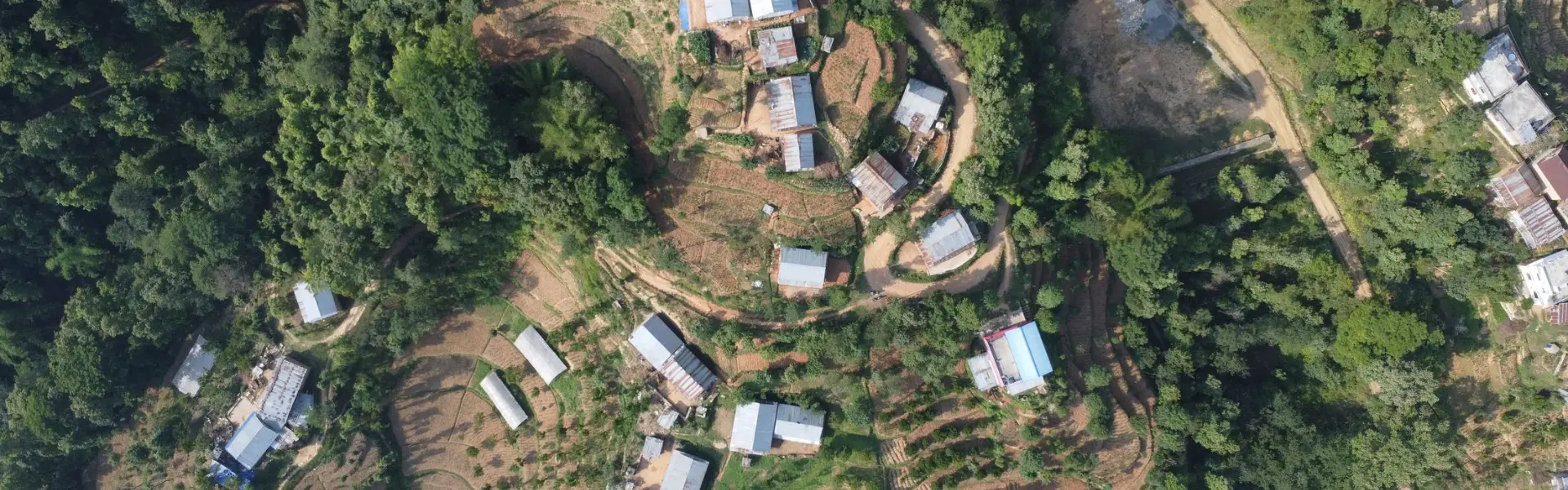
Nepal heritage and community trails connect old villages, temples and homestays on easy, low-altitude walks. We cover the best routes, from the Tamang Heritage Trail and Annapurna community lodges to Sirubari, Bandipur, Panauti, the Chepang Hill Trail and Sherpa villages, with seasons, permits, costs, homestay etiquette and how these trips support local families.
What are heritage and community trails in Nepal?
Short answer: Heritage and community trails are routes designed around culture and village life rather than high peaks. Trekkers stay in homestays or community-owned lodges, eat with families, visit temples and monasteries, and learn about farming, crafts and festivals. Most stay below 3,500 meters, suit families and beginners, and keep income in local hands.
Nepal pioneered village homestays in the 1990s, with Sirubari in Syangja district often named as the first model village program. Since then, communities across the hills have developed homestays and trails with support from conservation and development groups. The best programs are run by village committees that share income and set fair prices.
| Trail | Region | Days | Highest point | Culture |
|---|---|---|---|---|
| Tamang Heritage Trail | Rasuwa, near Langtang | 6 to 8 | About 3,165 m | Tamang |
| Annapurna Community and Khopra Ridge | Annapurna foothills | 6 to 9 | About 3,660 m | Gurung, Magar |
| Ghandruk and Landruk | Annapurna foothills | 3 to 5 | About 2,000 m | Gurung |
| Sirubari and Syangja villages | Near Pokhara | 2 to 4 | About 1,700 m | Gurung |
| Bandipur | Tanahun | 2 to 3 | About 1,030 m | Newar |
| Panauti, Balthali and Namo Buddha | Kavre, near Kathmandu | 2 to 4 | About 1,750 m | Newar, Tamang, Buddhist |
| Chepang Hill Trail | Hills above Chitwan | 3 to 5 | About 1,900 m | Chepang |
| Everest cultural trek | Khumbu | 8 to 12 | About 3,900 m | Sherpa |
Why choose a heritage or community trek?
Short answer: These treks give closer contact with Nepali families, a slower pace, lower altitude and shorter days than classic mountain treks. Your spending supports homestay hosts, community lodges, schools and conservation. They suit families, first-time visitors, culture lovers, photographers and anyone who wants to understand Nepal beyond the big peaks.
Many trekkers combine a short heritage trail with a longer mountain trek, or use one to fill a few days before or after. Lower altitude means fewer altitude concerns and more flexibility in winter. Our trek by traveler type page shows how these routes fit different trips.
What is the Tamang Heritage Trail?
Short answer: The Tamang Heritage Trail is a six to eight day route from Syabrubesi through Gatlang, Tatopani, Thuman and Briddim, west of the Langtang Valley. It features stone villages with carved windows, hot springs, Buddhist monasteries and homestays with Tamang families, plus views of Langtang and Ganesh Himal. It stays below about 3,200 meters.
Gatlang is known for its traditional architecture and community life, and Briddim’s homestay program was one of the first in the area. Evenings may include Tamang songs and dances. The trail links easily with the Langtang Valley. See the Tamang Heritage trek and our Langtang region guide.
What are the Annapurna community lodge treks?
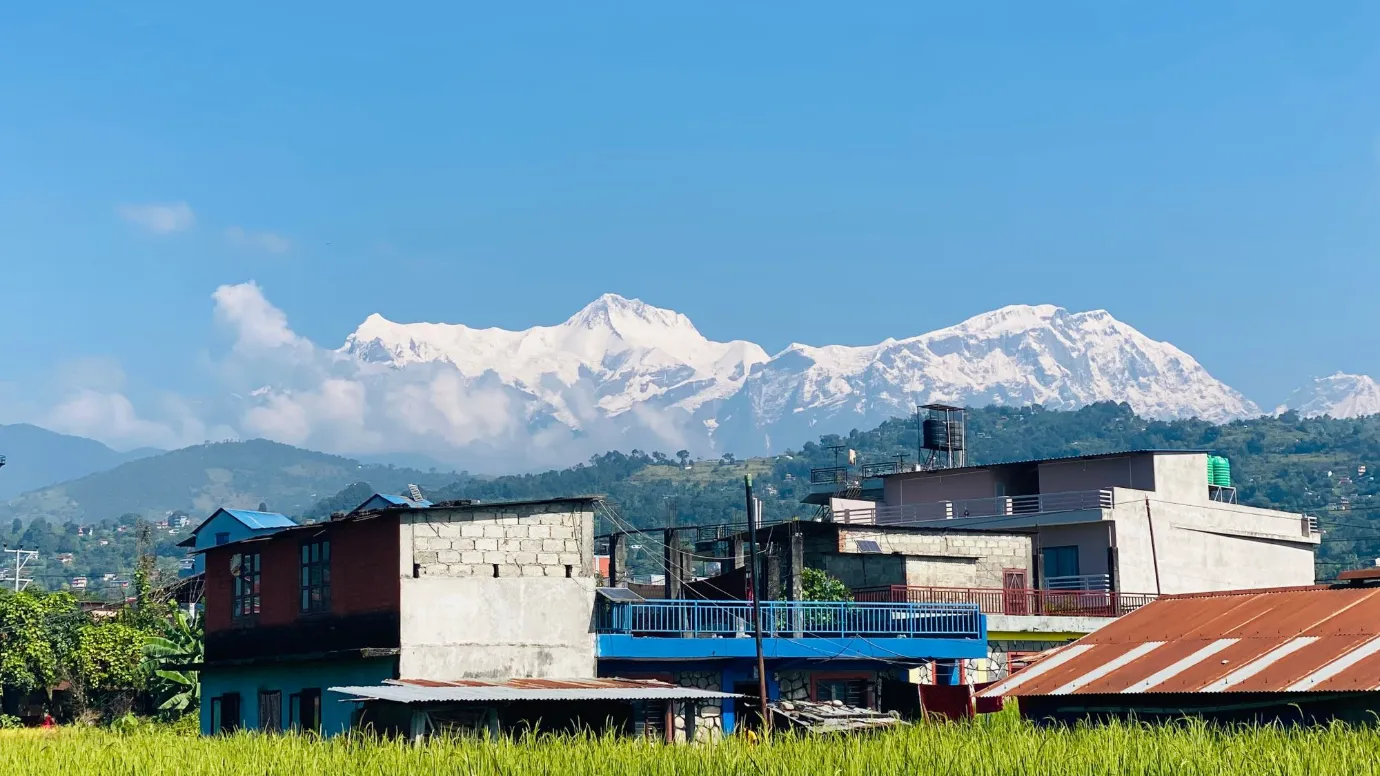
Short answer: The Annapurna Community trek and the Khopra Ridge trek use lodges owned by village communities above the Poon Hill crowds, with profits supporting schools, health posts and local development. The route climbs from Gurung and Magar villages to Khopra ridge at about 3,660 meters, facing Dhaulagiri and Annapurna South, with an optional hike to Khayer Lake.
Community lodges are simpler than private teahouses on the main routes but offer great views and a feeling of supporting a good cause. The trek suits trekkers with six to nine days who want quieter trails. See the Annapurna Community trek and the Khopra Ridge trek.
Why visit Ghandruk and the Gurung villages?
Short answer: Ghandruk is one of the largest Gurung villages in the Annapurna region, with stone houses, flagstone lanes, a Gurung museum and views of Annapurna South and Machapuchare. It is reachable by jeep from Pokhara or on foot in a day. Nearby Landruk, Kimche and Tadapani make short, easy loops with homestays and lodges.
Many Gurung families have a history of service in British and Indian Gurkha regiments, and village museums tell this story. Cultural shows with local dances are common in the evenings. An Annapurna Conservation Area Permit applies. Our short hikes near Pokhara page includes Ghandruk.
What is the Sirubari homestay experience?
Short answer: Sirubari, a Gurung village in Syangja district south of Pokhara, is widely known as Nepal’s first organized village homestay program, started in the late 1990s. Guests stay with host families, eat local meals, watch cultural performances and walk to nearby viewpoints. Two to three days are typical.
Sirubari inspired many similar programs in nearby villages. The experience focuses on hospitality, culture and rural life rather than trekking. Access is by road from Pokhara. Ask your agency about current homestay arrangements, as programs evolve.
Why include Bandipur on a heritage trip?
Short answer: Bandipur is a hilltop Newar town on the old trade route between Kathmandu and Pokhara, with car-free lanes, 18th and 19th century houses, temples and views of the Annapurna and Manaslu ranges. Short hikes lead to Thani Mai temple, Siddha Gufa cave and Ramkot village. It makes a relaxing two to three day stop.
Bandipur’s restored bazaar and guesthouses offer comfortable stays. Siddha Gufa is one of the largest caves in Nepal and can be reached by a steep walk downhill. Bandipur sits a short drive from the Prithvi Highway, so it fits between Kathmandu and Pokhara.
What are Panauti, Balthali and Namo Buddha like?
Short answer: East of Kathmandu, Panauti is a quiet Newar town with old temples at a river confluence, Balthali is a hillside village with views of the Himalaya and Namo Buddha is a Buddhist pilgrimage site with a large monastery. A two to four day walk links them, with homestays and lodges.
The walk passes terraced fields, Tamang and Brahmin villages and forests. Namo Buddha welcomes visitors to its monastery, and some guesthouses offer simple stays. Our short hikes near Kathmandu page covers the Dhulikhel to Namo Buddha section.
What is the Chepang Hill Trail?
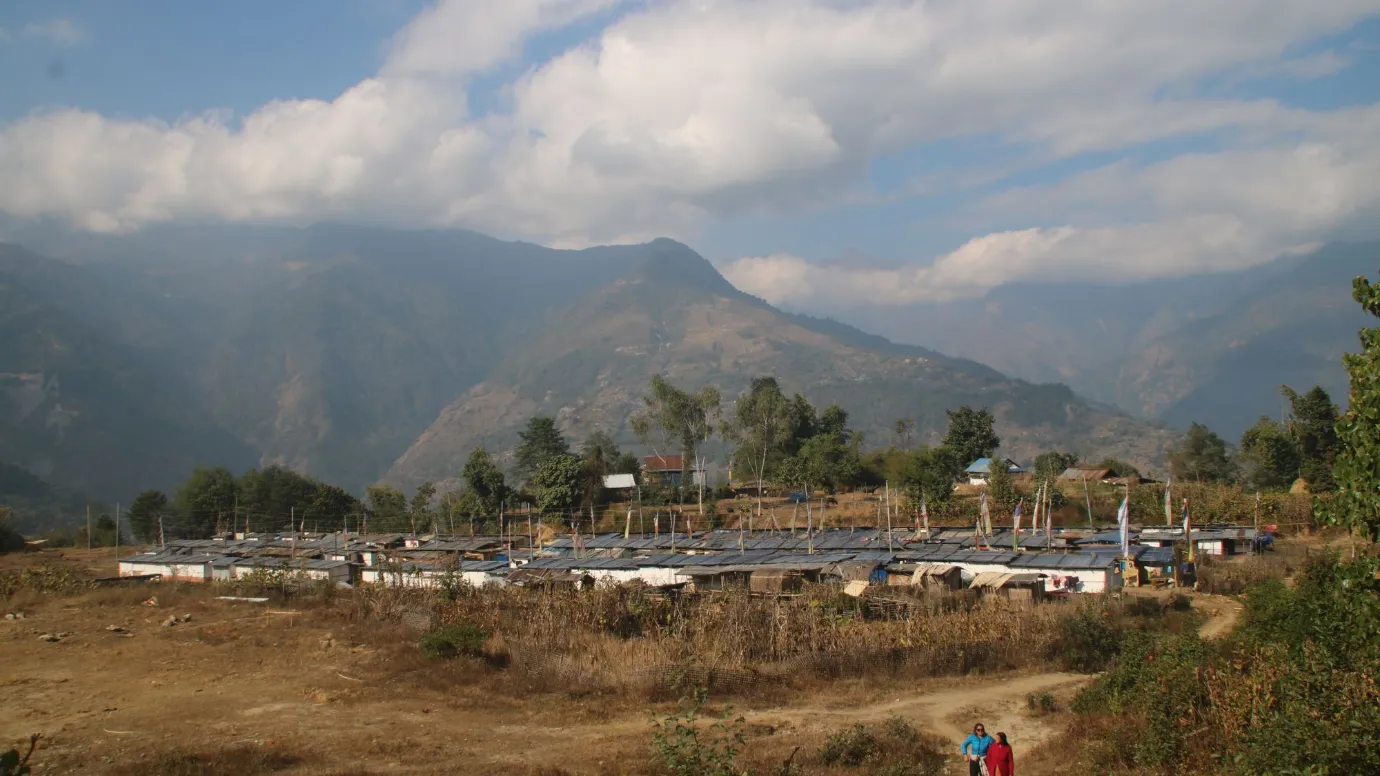
Short answer: The Chepang Hill Trail crosses the Mahabharat hills above Chitwan, visiting villages of the Chepang people, one of Nepal’s indigenous communities. The three to five day route uses homestays and community campsites and was developed to bring tourism income to the area. It can be combined with a visit to Chitwan National Park.
The Chepang traditionally relied on foraging and shifting farming and are among Nepal’s most marginalized groups. The trail offers forest walks, hill views and a chance to learn about local life. Facilities are basic. Ask your agency whether the route is active for your dates.
What is a Sherpa cultural trek in the Everest region?
Short answer: A Sherpa cultural trek focuses on villages such as Namche Bazaar, Khumjung, Khunde, Thame and Tengboche, staying below about 3,900 meters. It visits monasteries, schools founded by the Himalayan Trust, the Sherpa museum in Namche and the Khumjung monastery. It suits trekkers who want Everest views and culture without going to base camp.
The Mani Rimdu festival at Tengboche and other monasteries, usually in October or November, is a highlight if your dates match. See the Everest Cultural trek and the Everest Panorama trek.
Can you do heritage walks in the Kathmandu Valley?
Short answer: Yes. The Kathmandu Valley has seven monument zones in its UNESCO World Heritage Site, including the Durbar Squares of Kathmandu, Patan and Bhaktapur, Swayambhunath, Boudhanath, Pashupatinath and Changu Narayan. Guided walks link these with old Newar neighborhoods, courtyards and craft workshops, and fit before or after a trek.
Kirtipur, a hilltop Newar town, and Khokana and Bungamati, known for traditional oil-pressing and woodcarving, add quieter options. A heritage walk on your first day helps with jet lag and gives context for the culture you will see in the hills. Our Kathmandu and Pokhara tour covers the main sites.
Which heritage trail suits your trip?
Short answer: With one to two days near Kathmandu, choose Panauti, Balthali or Bandipur. With three to five days near Pokhara, choose Ghandruk and Landruk or Sirubari. With a week, choose the Tamang Heritage Trail or Khopra Ridge. If you want Everest views with culture, choose a Sherpa village trek below base camp altitude.
| Time available | Near Kathmandu | Near Pokhara | Further afield |
|---|---|---|---|
| 1 to 2 days | Panauti, Kirtipur, Bungamati | Ghandruk by jeep | Bandipur |
| 3 to 5 days | Panauti, Balthali and Namo Buddha | Ghandruk and Landruk, Sirubari | Chepang Hill Trail |
| 6 to 9 days | Tamang Heritage Trail | Khopra Ridge, Annapurna Community trek | Everest cultural trek |
What local food and crafts can you try?
Short answer: Try dal bhat and dhido in hill villages, Gurung and Thakali dishes in the Annapurna foothills, Newari food such as bara, chatamari and juju dhau yogurt in Bhaktapur and Panauti, and Sherpa stew and Tibetan bread in the Khumbu. Look for handwoven textiles, pottery, woodcarving and local honey.
Buying directly from makers in villages puts money in their hands. In Bhaktapur, the Pottery Square shows potters at work, and Bungamati is known for woodcarving. In Tamang and Gurung villages, ask your guide about local weaving and baskets. Many homestays welcome guests into the kitchen to watch or help with cooking.
How do you book a homestay or community lodge?
Short answer: Book through a registered trekking agency or the village homestay committee, so your stay is arranged with approved hosts and the fees are shared fairly. Your guide confirms each night, explains house customs and helps with language. Arriving unannounced in peak season can mean no beds.
Ask what the homestay fee includes, usually a room, dinner and breakfast, and whether cultural programs cost extra. Tell the agency about dietary needs in advance, since homestays cook what the family eats. Our teahouse and homestay guide explains what to expect.
How should you behave in a homestay?
Short answer: Remove shoes at the door, accept food and tea with your right hand, try local dishes, dress modestly, ask before entering the kitchen or prayer room, keep evenings quiet and thank your hosts. Pay the agreed homestay fee through the program or your guide rather than giving cash in place of fees.
Hosts often share their own meals, so arrive with an open mind and appetite. Small gifts such as fruit or something from your home country are welcome. Ask before photographing family members. Our culture and etiquette guide explains more.
When is the best time for heritage and community treks?
Short answer: October to April suits most heritage routes, with clear skies, dry trails and comfortable temperatures at low altitude. Spring brings rhododendrons in the hills. Many routes are walkable in winter, unlike high mountain treks. The monsoon, June to September, brings rain, leeches and road blocks.
Festivals add color: Dashain and Tihar in autumn, Losar in late winter and local village festivals throughout the year. Ask your agency whether any festivals fall during your trip.
Do you need permits for heritage and community trails?
Short answer: It depends on the route. Trails inside the Annapurna Conservation Area, such as Ghandruk and Khopra, need an Annapurna Conservation Area Permit. The Tamang Heritage Trail commonly needs a Langtang National Park permit and TIMS. Everest cultural treks need the Sagarmatha National Park permit and local fee. Many lowland heritage walks need no trekking permit.
Your agency arranges permits as part of the trip. Our permits guide lists the fees.
How much do heritage and community treks cost?
Short answer: Short heritage trips of two to five days typically cost about USD 200 to 600 per person with a guide, transport and homestays. Longer routes such as the Tamang Heritage Trail or Khopra Ridge cost about USD 500 to 900. Homestays are usually priced per night including meals, set by the community.
Costs depend on transport, group size and the comfort level of lodges. Our Nepal trekking cost guide explains typical guide and lodging costs.
How do community trails support local people?
Short answer: Community lodges and homestay programs share income among households, fund schools, health posts and trail maintenance, and give families a reason to preserve traditional houses, crafts and festivals. Trekkers help most by booking through community programs, buying local products and paying fair, agreed prices.
Look for programs run by village committees or cooperatives, and ask your agency how income is shared. Our responsible trekking guide explains how to make your spending count.
Which heritage trail suits families with children?
Short answer: Ghandruk and Landruk, Bandipur, Panauti and Namo Buddha suit families best, with short walking days, low altitude and plenty to see in villages. The Tamang Heritage Trail suits older children with hiking experience. Homestays let children see daily life, animals and farming up close.
Plan rest days, carry snacks and keep plans flexible. Our trek by traveler type page lists more family-friendly routes.
Frequently Asked Questions
What is the best cultural trek in Nepal?
The Tamang Heritage Trail, the Tsum Valley, Upper Mustang and the Annapurna community routes are among the strongest cultural treks. For low altitude and short time, Ghandruk, Bandipur and Panauti are excellent.
Are homestays safe and clean?
Organized homestay programs follow basic standards for rooms and food hygiene. Facilities are simple, with outdoor toilets in some villages. Your guide chooses trusted hosts.
Can children join heritage treks?
Yes. Heritage trails are among the best options for families because of low altitude, short days and plenty of village activity.
Do community lodges have hot showers?
Some do, often solar-heated. Others offer a bucket of hot water. Facilities vary by village.
Do I need a guide for heritage trails?
A licensed guide through a registered agency is recommended and is required on listed trekking routes. A guide arranges homestays, translates and explains local customs, which is the heart of a cultural trip.
What should I bring as a gift for a host family?
Fruit, tea, a small item from your home country or photos of your family make good gifts. Avoid giving money directly in place of the agreed homestay fee, and avoid sweets for children.
Can I combine a heritage trek with a mountain trek?
Yes. Popular combinations include the Tamang Heritage Trail with Langtang, Ghandruk with Annapurna Base Camp, and Sherpa villages with Everest Base Camp.
About the author: Pradip Karki
Pradip Karki is the Chairman of Peregrine Treks and Tours in Kathmandu and a veteran Himalayan travel specialist with over 20 years of industry leadership. A former TIMS Department Head at the Trekking Agencies’ Association of Nepal (TAAN) with an MBA in Accounting and Finance, Pradip personally scouts routes across Nepal, Tibet and Bhutan to design safe, high-altitude treks and luxury cultural tours.
Reviewed and updated by Pradip Karki on 23 November 2026.
Official Sources Checked
- Nepal Tourism Board: homestays and cultural tourism
- National Trust for Nature Conservation: Annapurna Conservation Area
- UNESCO World Heritage Centre: Kathmandu Valley
- Himalayan Trust: Khumbu schools and community projects
Do not hesitage to give us a call. We are an expert team and we are happy to talk to you.
info@hikinginnepal.com- Local Experience
- Financial Protection
- Effortless Travel
- Intimate Group Size
- Bespoken Itinerary