



Nepal presents a unique travel environment defined by high-altitude mountains, dense subtropical jungles, and ancient cultural centers. Planning a trip to this diverse country requires travelers to navigate extreme elevation changes, changing weather systems, and unpredictable road conditions. A 10-day Nepal itinerary provides the ideal timeframe to navigate these variables safely and comfortably.
This duration gives visitors enough time to adjust to the altitude, absorb the rich local cultures, and travel between major destinations without excessive stress. Travel professionals and local operators consistently recommend a 10-day Nepal itinerary for first-time visitors. This timeframe allows travelers to explore the foundational locations of Kathmandu, Pokhara, Chitwan National Park, and Lumbini.
Alternatively, travelers can modify the 10-day Nepal itinerary to include short treks in the Annapurna foothills. This report outlines the precise daily schedules, transportation logistics, accommodation standards, and risk management strategies required to execute a flawless 10-day Nepal itinerary in 2026. The information serves as a practical blueprint for travelers seeking to make the most of their time in the Himalayas.
Comparing the 10-Day Nepal Itinerary to a 7-Day Alternative
Travelers frequently ask whether they can experience Nepal adequately in just one week. A 7-day Nepal trip generally restricts visitors to the Golden Triangle, which includes Kathmandu, Pokhara, and Chitwan. While this shorter route covers major highlights, it forces a highly aggressive pace. Visitors must relocate every two days, leaving no room for unexpected delays.
Nepal features challenging terrain, and domestic travel often involves sudden flight cancellations due to mountain weather or long highway delays caused by road construction and landslides. In a 7-day Nepal itinerary, a single traffic jam on the Prithvi Highway can ruin an entire day of sightseeing. Furthermore, a one-week trip completely eliminates the possibility of meaningful trekking.
A 10-day Nepal itinerary solves these logistical problems by introducing critical buffer days. The extra time significantly reduces travel fatigue, allowing visitors to spend three nights in key locations rather than rushing through them. A 10-day Nepal itinerary also unlocks geographic flexibility. Travelers can use the extra days to travel farther south to Lumbini, the birthplace of the Buddha, or to embark on a multi-day hike in the Annapurna Mountains.
Moving at a slower pace also helps the body adapt to varying altitudes, reducing the risk of altitude sickness. The 10-day Nepal itinerary ultimately provides better overall value, balancing active exploration with necessary relaxation.
| Feature | 7-Day Travel Plan | 10-Day Nepal Itinerary |
|---|---|---|
| Pacing and Rhythm | Rushed; requires relocation every 48 hours | Balanced; allows 2 to 3 nights per destination |
| Geographic Range | Limited to Kathmandu, Pokhara, and Chitwan | Adds Lumbini or multi-day Himalayan treks |
| Delay Tolerance | Zero margin for road or flight delays | High capacity to absorb logistical disruptions |
| Altitude Adaptation | Fast and potentially uncomfortable | Gradual, safe, and physiologically sustainable |
| Trekking Options | None; restricted to short day hikes only | Supports 2 to 4-day low-altitude mountain treks |
| Family Suitability | High stress due to constant packing and transit | Lower stress; better for seniors and children |
The Classic 10-Day Nepal Itinerary: Heritage, Wildlife, and Mountains
The classic 10-day Nepal itinerary connects four distinct geographical and cultural zones. Travelers start in the ancient Kathmandu Valley, move south to the dense jungles of Chitwan National Park, travel west to the sacred plains of Lumbini, and finish in the lakeside city of Pokhara. This route provides a comprehensive overview of the country without requiring high-altitude mountaineering skills.
Days 1 to 3: Cultural Immersion in the Kathmandu Valley
The 10-day Nepal itinerary begins upon arrival at Tribhuvan International Airport (KTM) in Kathmandu. At an elevation of 1,400 meters, the Kathmandu Valley is the cultural heart of the country. After clearing immigration and securing a local SIM card, visitors typically transfer to their accommodations. Budget travelers and backpackers usually head to Thamel, a lively district filled with trekking shops, cafes, and guesthouses.
Travelers seeking luxury often choose hotels in Lazimpat or stay at heritage properties like The Dwarika’s Hotel. The Dwarika’s Hotel functions as a living museum, featuring a massive collection of 13th-century carved wooden pillars and windows salvaged from old Newari buildings.
The second day of the 10-day Nepal itinerary involves a guided tour of the valley’s UNESCO World Heritage Sites. Visitors start at Kathmandu Durbar Square, the city’s historic center. This area contains the old royal palace and the Kumari Ghar, the home of the Living Goddess. From there, travelers drive to Swayambhunath, widely known as the Monkey Temple. This ancient stupa sits atop a hill overlooking the city and embodies a profound blend of Hindu and Buddhist traditions.
During the afternoon, the 10-day Nepal itinerary takes visitors to Pashupatinath Temple. Located on the banks of the Bagmati River, this complex is the most important Hindu temple in Nepal. Visitors observe public cremation ceremonies taking place on the riverbanks and encounter holy men known as Sadhus. The day concludes at the Boudhanath Stupa, the center of Tibetan Buddhism in Nepal. Travelers walk clockwise around the massive white dome, spinning prayer wheels and smelling the strong scent of juniper incense.
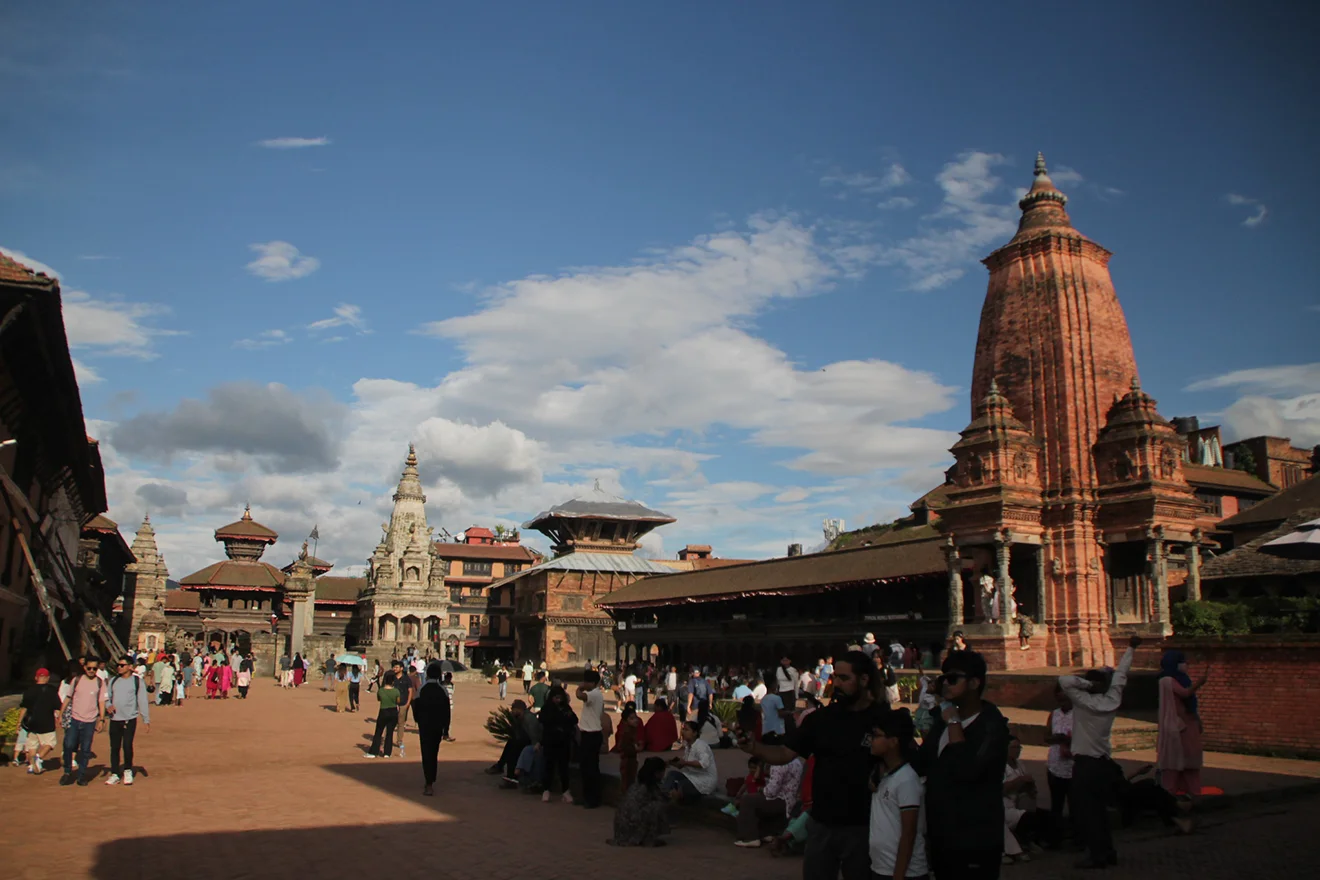
On the third day, the 10-day Nepal itinerary directs travelers to Patan or Bhaktapur. Patan, located just across the Bagmati River, moves at a slower pace than Kathmandu and features intricate metalwork and beautiful courtyards. Bhaktapur sits about 40 minutes away and feels like a preserved medieval city. Visitors explore the pottery square and view the famous 55-Window Palace. Before leaving the valley, visitors prepare for their journey to the southern plains.
Days 4 to 5: Wildlife Safari in Chitwan National Park
On the fourth morning of the 10-day Nepal itinerary, travelers leave the temperate hills of Kathmandu and travel to the subtropical Terai lowlands. This journey requires driving along the Prithvi Highway, a winding road that follows the Trishuli River. The drive to Chitwan takes about five to six hours by tourist bus or private car. The elevation drops dramatically to about 415 meters, resulting in much warmer and more humid weather.
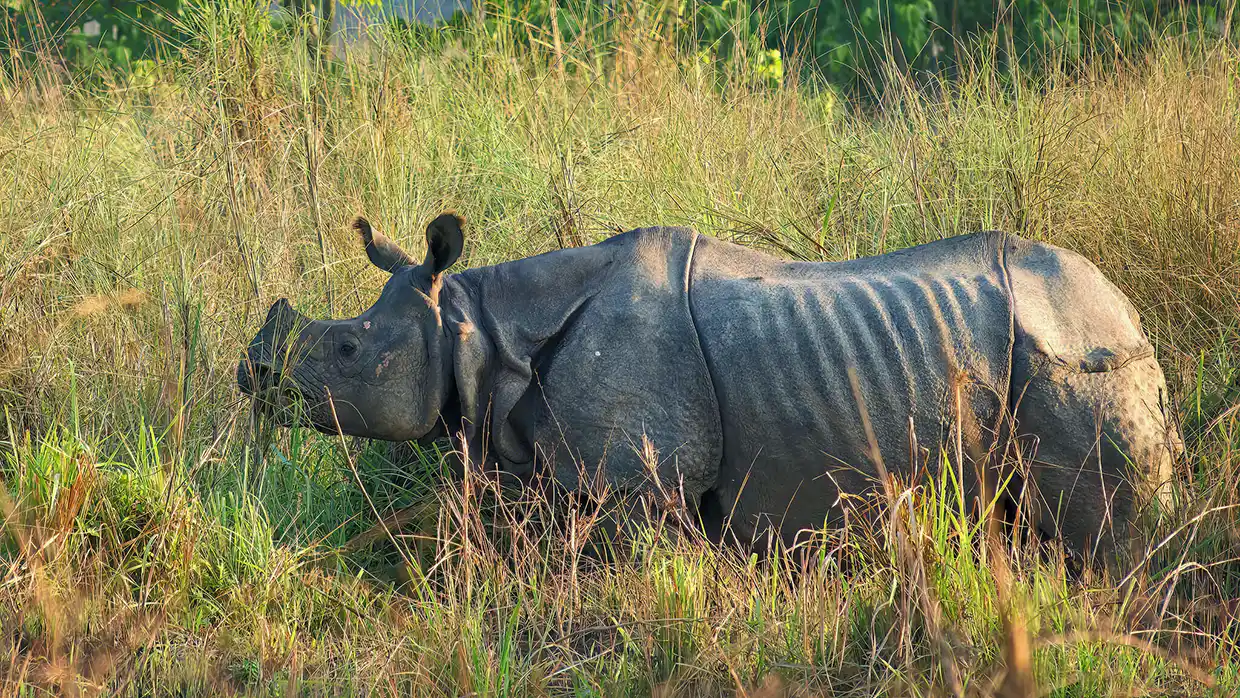
Chitwan National Park is a major highlight of the 10-day Nepal itinerary. As a UNESCO World Heritage Site, the park is home to some of the rarest wildlife in Asia, including the greater one-horned rhinoceros and the Bengal tiger. The travel rhythm changes completely here. Instead of exploring crowded cities, visitors follow strict schedules managed by local naturalists and lodge guides. Travelers check into accommodations like the Tigerland Safari Resort or the Center Park Resort before starting their activities.
The afternoon activities usually involve a dugout canoe ride down the Rapti River. Travelers sit quietly in hollowed-out tree trunks while guides point out various bird species and two types of crocodiles: the common marsh mugger and the critically endangered, long-snouted gharial. The fifth day of the 10-day Nepal itinerary is dedicated entirely to jungle exploration. Visitors take open-air jeep safaris or guided walking tours deep into the sal forests and tall elephant grass to search for wildlife. Guides instruct travelers to wear neutral-colored clothing to avoid scaring the animals.
Cultural engagement forms another key part of the Chitwan experience. The Terai region is home to the indigenous Tharu people. During the evening, the 10-day Nepal itinerary includes a visit to a local Tharu village. Travelers watch a traditional cultural performance featuring rhythmic stick dancing, which tells stories of village life and defending against wild animals.
Days 6 to 7: The Spiritual Journey to Lumbini
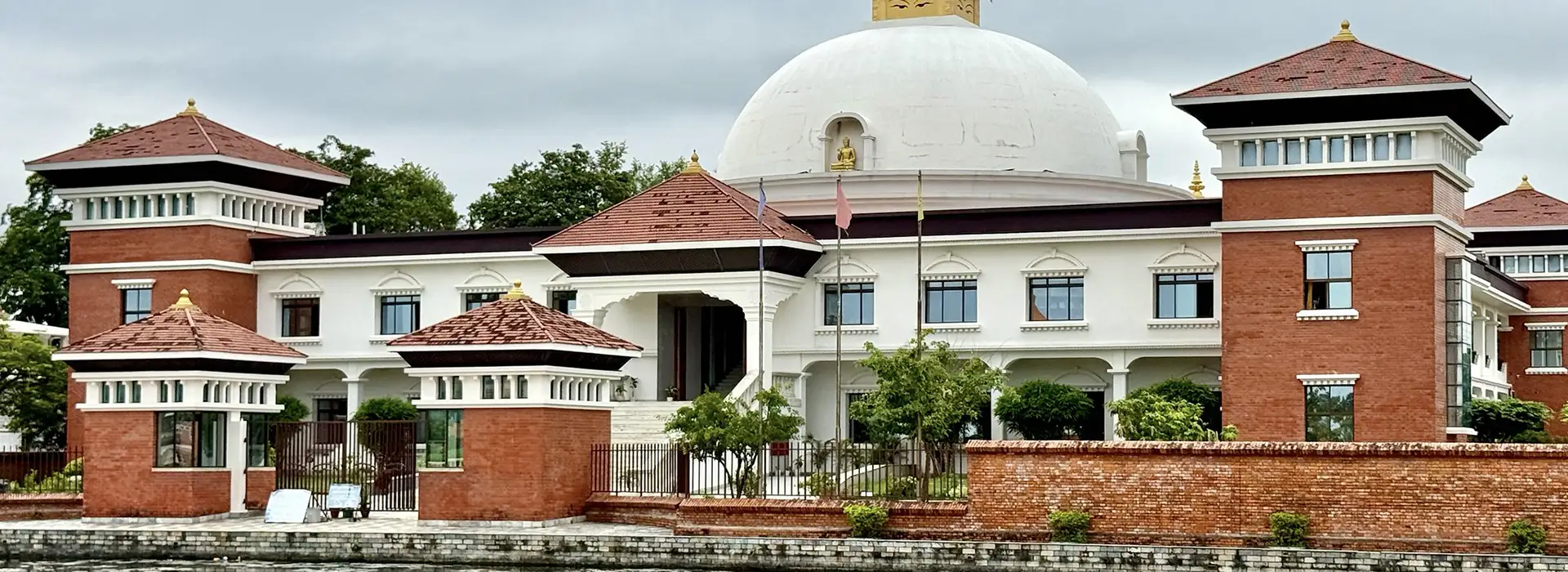
After experiencing the wildlife of Chitwan, the 10-day Nepal itinerary guides travelers westward to Lumbini. The drive takes roughly four to five hours, passing through agricultural land, small farming villages, and tall brick kilns that dot the flat landscape. Arriving in Lumbini shifts the trip’s focus toward history and spirituality. Lumbini is the confirmed birthplace of Siddhartha Gautama, who became the Buddha. The core of the Lumbini visit revolves around the Sacred Garden.
Travelers enter the Maya Devi Temple, a modern structure built directly over the ancient ruins marking the exact spot where the Buddha was born. Right outside the temple stands the Ashoka Pillar. The Indian Emperor Ashoka erected this stone column in 249 BC to document his pilgrimage to the site, providing crucial historical evidence of the location’s authenticity. Visitors also walk around the Puskarni, the holy pond where Queen Maya Devi bathed before giving birth.
The seventh day of the 10-day Nepal itinerary allows time to explore the larger Monastic Zone. Buddhist communities from all over the world have built stunning temples and monasteries in this protected area. Visitors can rent bicycles or hire cycle rickshaws to travel between the bright golden temples built by Myanmar and Thailand, and the grand Mahayana structures built by China and Japan. The atmosphere here feels completely different from the rest of Nepal, offering deep peace and quiet reflection.
Days 8 to 10: Mountains and Lakes in Pokhara
After a peaceful stay in Lumbini, the 10-day Nepal itinerary takes travelers north to Pokhara. This drive follows the Siddhartha Highway, winding through scenic hills and passing near towns like Tansen and Palpa. The journey takes about five to six hours by car, taking travelers from the flat plains back up to an elevation of roughly 822 meters. Pokhara is the adventure capital of the country and offers a relaxing lakeside environment. Visitors spend their afternoon enjoying Phewa Lake.
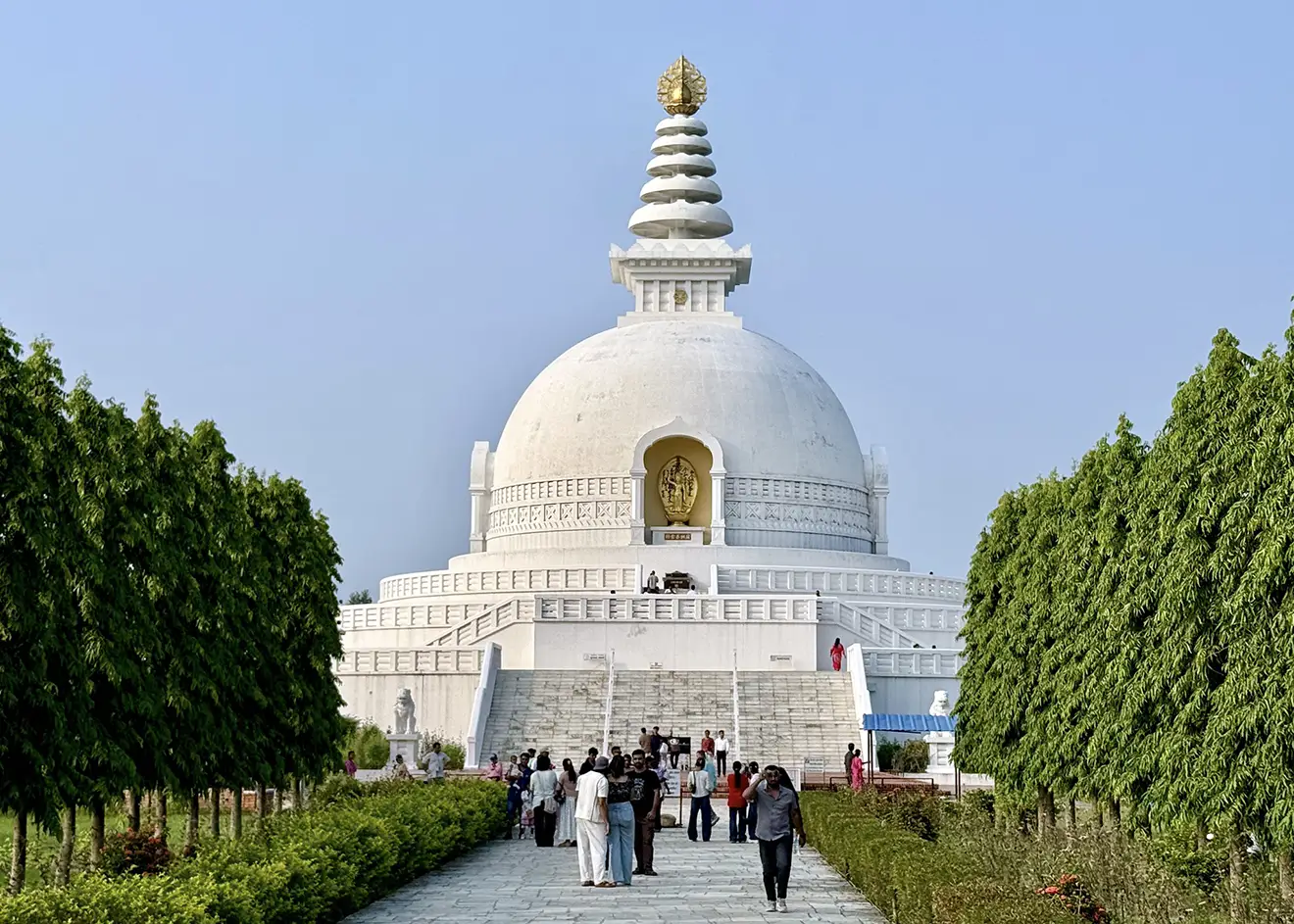
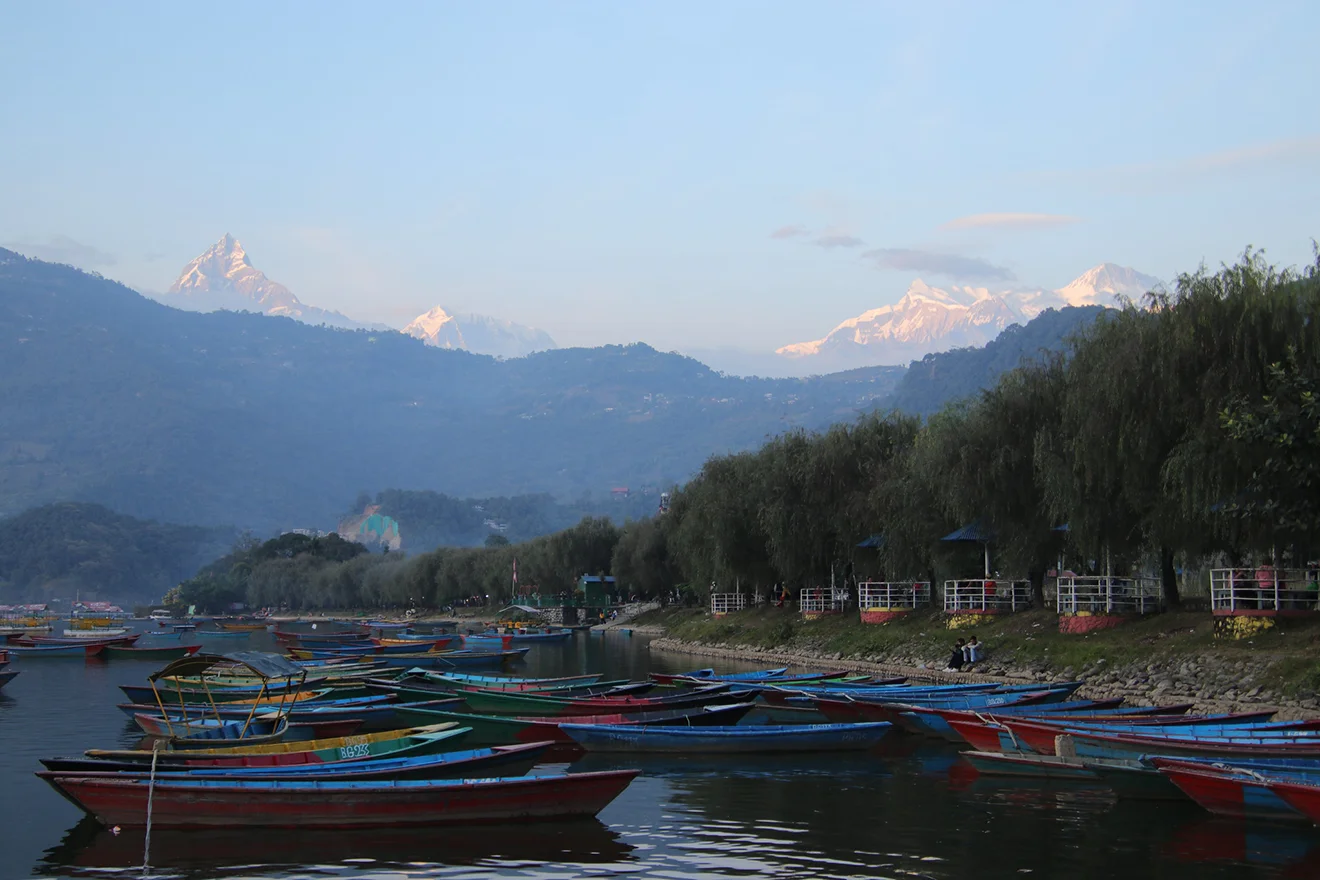
They hire brightly painted wooden boats to paddle across the water, visiting the small Tal Barahi Temple situated on an island in the middle of the lake. Later, travelers hike or drive up to the World Peace Pagoda, a large white stupa offering beautiful views of the lake and the city below. The defining moment of the Pokhara segment within the 10-day Nepal itinerary happens early on day nine. Travelers wake up before dawn and drive up to Sarangkot, a viewpoint sitting at 1,592 meters.
From this ridge, visitors watch the sunrise illuminate the towering peaks of the Annapurna mountain range. The view includes unobstructed sights of Mount Machhapuchhre (Fishtail), Mount Dhaulagiri, and Annapurna I. After breakfast, visitors can relax at upscale hotels like the Temple Tree Resort or participate in adventure sports such as paragliding and zip-lining.
The final day of the 10-day Nepal itinerary requires a return trip to Kathmandu. Most travelers prefer taking a short 25-minute domestic flight from Pokhara to Kathmandu to avoid another long bus ride. This fast transfer gives visitors a few extra hours in Kathmandu to buy souvenirs, eat a final local meal, and prepare for their international departure from Tribhuvan International Airport.
| Day Number | Geographic Location | Key Activities and Sightseeing Highlights | Elevation |
|---|---|---|---|
| Day 1 | Kathmandu | Airport arrival, hotel check-in, exploring Thamel | 1,400m |
| Day 2 | Kathmandu | Pashupatinath, Boudhanath, Swayambhunath, Durbar Square | 1,400m |
| Day 3 | Kathmandu to Chitwan | Scenic drive along the Prithvi Highway | 1,400m to 415m |
| Day 4 | Chitwan National Park | Dugout canoe ride, jungle walk, Tharu village tour | 415m |
| Day 5 | Chitwan to Lumbini | Morning jeep safari, afternoon drive to the plains | 415m to 150m |
| Day 6 | Lumbini | Maya Devi Temple, Ashoka Pillar, Sacred Garden | 150m |
| Day 7 | Lumbini to Pokhara | Drive via Siddhartha Highway, Phewa Lake boating | 150m to 822m |
| Day 8 | Pokhara | World Peace Pagoda, Davis Fall, Gupteshwor Cave | 822m |
| Day 9 | Pokhara | Sarangkot sunrise viewing, afternoon relaxation | 822m to 1,592m |
| Day 10 | Kathmandu | Domestic flight to KTM, last-minute shopping, departure | 1,400m |
Integrating Short Treks into the 10-Day Nepal Itinerary
Many visitors travel to Nepal specifically to hike in the Himalayas. The classic tour offers great views, but it does not take travelers onto the actual mountain trails. By omitting Lumbini and shortening time in Chitwan or Kathmandu, travelers can easily fit a short multi-day trek into their 10-day Nepal itinerary. These short treks take place in the Annapurna Conservation Area near Pokhara. They offer excellent mountain views without the physical demands or risk of altitude sickness associated with long expeditions.
The Ghandruk and Australian Camp Circuit
For travelers who want a mix of culture and nature, the Ghandruk-Australian Camp route fits perfectly into a 10-day Nepal itinerary. This easy trek requires just two or three days. Travelers take a 1-hour drive from Pokhara to the starting point at Kande. From Kande, visitors hike uphill for about 90 minutes through green forests to reach Australian Camp, which sits at 1,950 meters. Australian Camp provides fantastic views of Mount Machhapuchhre and Annapurna South.
The next day, trekkers walk toward Ghandruk. Located at 1,960 meters, Ghandruk is the largest Gurung village in the Annapurna region. The Gurung people have a rich history, known globally for their service as Gurkha soldiers. Visitors explore the village, walk along stone-paved paths, and visit the local cultural museum.
Adding Ghandruk to a 10-day Nepal itinerary allows travelers to sleep in traditional mountain teahouses and experience authentic Himalayan village life without facing extreme physical challenges. Travelers then take a local jeep or bus directly from Ghandruk back to Pokhara.
The Dhampus Ridge Hike
Travelers who want a very short mountain experience can add the Dhampus Trek to their 10-day Nepal itinerary. This hike requires only two days and one night. It starts with a 30-minute drive from Pokhara to Phedi. Trekkers walk uphill for about three hours, passing through terraced farming fields and small rural homes until they reach Dhampus village.
Dhampus sits on a ridge that faces the northern side of the Pokhara valley. It offers a stunning, close-up view of the Annapurna mountain range. The trail is peaceful and much less crowded than the main trekking routes. Because the elevation stays relatively low, families with children and older travelers can easily include the Dhampus hike in their 10-day Nepal itinerary. On the second day, trekkers walk down to Astam or back to Phedi, catching a short ride back to their hotels in Pokhara.
The Ghorepani Poon Hill Trek
The Ghorepani Poon Hill trek is the most famous short hike in Nepal. Integrating this route into a 10-day Nepal itinerary requires a commitment of three to four days of steady walking. The journey starts with a drive to Nayapul. Travelers then hike to Tikhedhunga and face a steep climb up more than 3,000 stone stairs to reach the village of Ulleri. The next day, the trail moves through thick, beautiful rhododendron forests until reaching Ghorepani at 2,874 meters.
The main event of this trek happens early on the third morning. Trekkers wake up in the dark and hike for about an hour up to Poon Hill, reaching an elevation of 3,210 meters. From the top of Poon Hill, travelers watch the sunrise over a massive 360-degree panorama of snow-covered peaks, including Mount Dhaulagiri (8,167 meters) and Annapurna I (8,091 meters).
After taking photos and enjoying the view, trekkers walk back down to Ghorepani for breakfast. They then continue the trek down through Tadapani and eventually drive back to Pokhara. This route makes the 10-day Nepal itinerary feel like a true Himalayan expedition.
Transportation Logistics in Nepal
Moving between cities forms a major part of the 10-day Nepal itinerary. Travelers must decide whether to fly or drive. In 2026, both options present specific challenges and benefits. Making the right transportation choices keeps the trip running smoothly and prevents unnecessary stress.
Domestic Flight Operations
Flying is the fastest way to travel between Kathmandu, Pokhara, and Chitwan. A flight from Tribhuvan International Airport in Kathmandu to Pokhara International Airport takes only 25 to 30 minutes in the air. When travelers factor in the drive to the airport, security checks, and boarding, the total travel time ranges from 2.5 to 4 hours. Major domestic airlines, such as Buddha Air and Yeti Airlines, operate daily flights with modern ATR turboprop aircraft.
Airlines in Nepal use a tiered pricing system. Foreign tourists pay significantly more than Nepali or Indian citizens. A one-way ticket from Kathmandu to Pokhara costs a foreigner between $100 and $120 USD. While flights save a lot of time on a 10-day Nepal itinerary, they lack reliability. Mountain weather, strong winds, and heavy haze in the Kathmandu valley frequently cause flight delays and cancellations. Travelers must remain patient and build flexible plans when relying on domestic aviation.

Highway Travel and Construction Delays
Driving offers a cheaper way to complete a 10-day Nepal itinerary. It also allows travelers to see the rural countryside, passing deep river valleys, small villages, and terraced farms. Most tourists use VIP tourist buses, which cost between $19 and $30 USD and feature air conditioning and comfortable seats. Alternatively, travelers can hire a private car or jeep for roughly $125 to $140 USD, which offers more comfort and the freedom to stop for photos.
However, road travel in 2026 requires serious patience. The main road connecting Kathmandu and Pokhara is the Prithvi Highway. The distance spans about 200 kilometers, which normally takes 6 to 8 hours to drive. Unfortunately, major road construction projects are currently disrupting traffic. The 88-kilometer Mugling-Pokhara widening project continues to cause major delays.
Sections between Jamune and Abukhaireni show progress, but areas between Damauli and Khairenitar are affected by heavy construction. The Narayanghat-Butwal road project is also facing delays, severely impacting travel to Lumbini. Because of these projects, bus rides frequently take 8 to 10 hours, and sometimes longer during the monsoon season. Travelers must treat driving days as full transit days and avoid scheduling any major tours on those days.
| Transportation Method | Route Example | Estimated Total Time | Cost for Foreigners | Reliability & Comfort |
|---|---|---|---|---|
| Domestic Flight | Kathmandu to Pokhara | 2.5 to 4 Hours | $100 – $120 USD | Fast, but frequently delayed by weather |
| Private Car/Jeep | Kathmandu to Pokhara | 6 to 8 Hours | $125 – $140 USD | High comfort, allows custom stops |
| VIP Tourist Bus | Kathmandu to Pokhara | 8 to 10 Hours | $19 – $30 USD | Comfortable seats, but a rigid schedule |
| Local Minibus | Kathmandu to Pokhara | 6 to 8 Hours | $8 – $10 USD | Cheap, but cramped and less safe |
Staying Connected: Mobile Internet and SIM Cards
Travelers rely on their smartphones for digital maps, ride-sharing apps, and contacting tour guides. Setting up mobile internet quickly is an important step when starting a 10-day Nepal itinerary. The mobile network in Nepal relies heavily on two major companies: Ncell and Nepal Telecom (NTC).
Buying Local SIM Cards
Ncell offers the fastest 4G data speeds in major cities like Kathmandu, Pokhara, and Chitwan. Buying an Ncell SIM card at the airport or a local shop costs about 110 Nepalese Rupees (NPR), which equals roughly $0.80 USD. The government requires tourists to register the SIM card by providing a copy of their passport and a passport-sized photograph. After activating the card, travelers can buy very affordable data packages.
For example, Ncell offers a 60 GB data package valid for 28 days for just 599 NPR ($4.30 USD). Another option provides 5 GB of data for 7 days for 145 NPR ($1.00 USD). While Ncell works perfectly for the urban and jungle sections of the 10-day Nepal itinerary, travelers planning to hike in the mountains should choose Nepal Telecom (NTC). NTC has much better coverage in remote, high-altitude trekking areas. The registration process for NTC remains the same as Ncell, requiring a passport and a photo.
Using International eSIMs
Many travelers want to avoid the hassle of visiting a phone shop and filling out paperwork. For these visitors, using an eSIM provides a highly convenient alternative during a 10-day Nepal itinerary. Companies like Yesim and Holafly sell digital SIM cards that travelers can purchase and download before leaving their home country.
The moment the plane lands in Kathmandu, the phone automatically connects to the local network. While convenient, eSIMs cost significantly more than local SIM cards. An eSIM plan for Nepal typically starts around $19.50 USD for just 3 GB of data. Travelers must decide whether the immediate convenience justifies the higher price tag.
Food and Nutrition During the 10-Day Nepal Itinerary
Eating local food forms a memorable part of any travel experience. The food in Nepal reflects the country’s diverse geography, blending flavors from neighboring India and Tibet. Travelers need a balanced diet to maintain energy levels during a busy 10-day Nepal itinerary.
The Importance of Dal Bhat and Momos
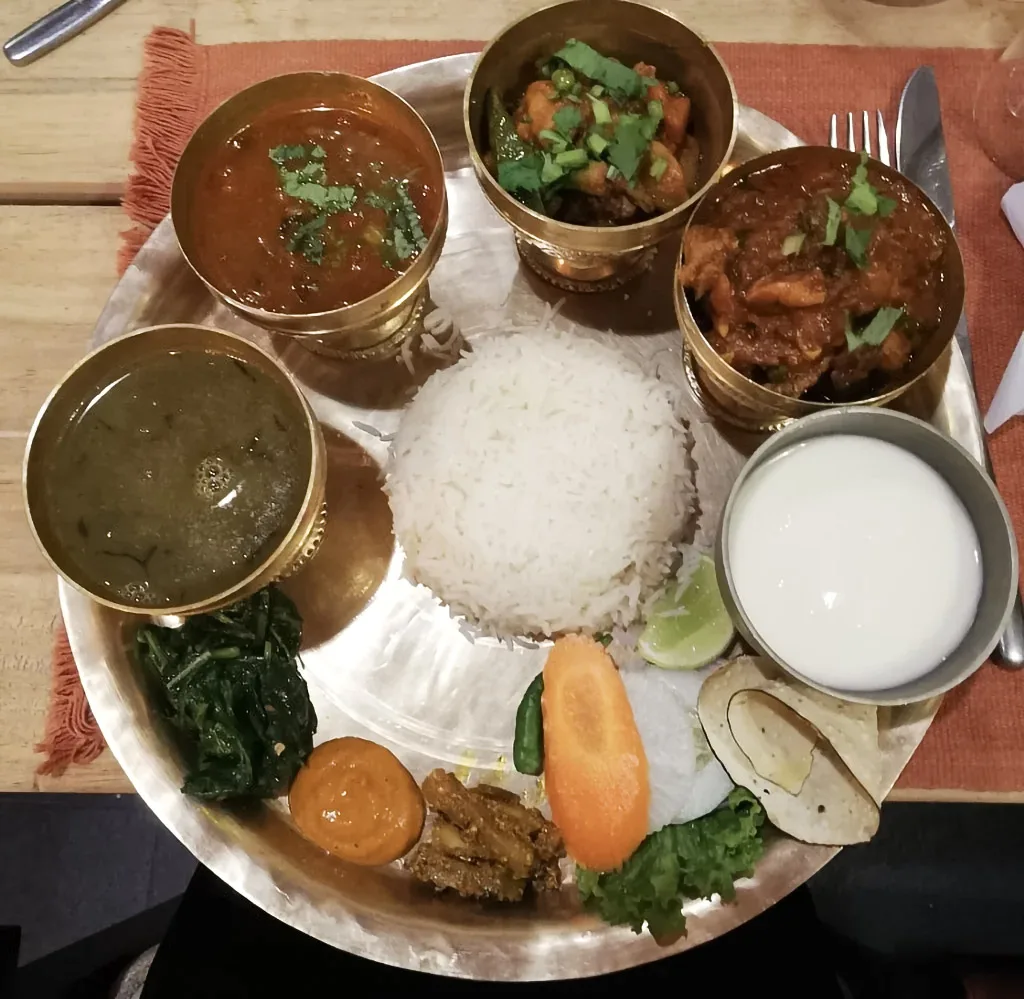
The foundation of the Nepalese diet is Dal Bhat. This meal consists of a large portion of steamed white rice (bhat) served with a bowl of spiced lentil soup (dal). The dish also includes vegetable curry (tarkari), sautéed spinach (saag), and spicy fermented pickles (achar). Restaurants typically offer unlimited refills of rice and lentils, making Dal Bhat the best value meal for hungry travelers.
Trekking guides rely heavily on this dish, frequently quoting the popular phrase, “24-hour Dal Bhat power”. Every 10-day Nepal itinerary involves eating Dal Bhat multiple times. Momos are another beloved staple in Nepal. Originally derived from Tibetan cooking, momos are small, steamed or fried dumplings filled with minced buffalo meat, chicken, or vegetables. Cooks serve momos with a spicy tomato-and-sesame dipping sauce.
Travelers easily find momos in fancy restaurants and small street food stalls throughout their 10-day Nepal itinerary. When the weather gets cold, especially on mountain treks, travelers often eat Thukpa, a thick, comforting Tibetan noodle soup packed with vegetables and meat.
Exploring Newari Cuisine in Kathmandu
During the Kathmandu portion of the 10-day Nepal itinerary, travelers can sample traditional Newari cuisine. The Newar people are the original inhabitants of the Kathmandu Valley, and their cuisine uses complex spices and unique cooking methods. One of the most famous Newari dishes is Chatamari, often called a Nepali pizza. Cooks make a thin crepe using rice flour and top it with minced buffalo meat, eggs, and vegetables.
Travelers should also try Bara, a thick, savory pancake made from ground black lentils. Cooks serve Bara plain or top it with an egg or minced meat. For those who enjoy spicy food, Chhoila offers a fiery experience. It consists of roasted buffalo meat marinated in a strong mixture of chili, garlic, and ginger.
Another unique taste comes from Gundruk, a fermented, sun-dried leafy green vegetable used to make a sour, tangy soup. Finally, travelers visiting Bhaktapur during their 10-day Nepal itinerary must eat Juju Dhau. Known as the “King of Yogurts,” Juju Dhau features a rich, sweet, custard-like texture and comes served in traditional clay bowls.
Risk Management and Avoiding Common Travel Mistakes
A successful 10-day Nepal itinerary requires careful planning and realistic expectations. First-time visitors often make predictable mistakes that cause unnecessary stress, physical illness, or cultural misunderstandings. By avoiding these common errors, travelers can ensure a smooth and enjoyable journey.
Managing Altitude Sickness
Altitude sickness, medically known as Acute Mountain Sickness (AMS), poses a real danger to anyone hiking in the Himalayas. Many fit, healthy travelers assume that their physical strength prevents altitude sickness. This assumption is completely false. AMS occurs when the body fails to adjust to lower oxygen levels at high elevations. Symptoms include severe headaches, nausea, dizziness, and extreme fatigue.
If travelers include a short trek, such as Poon Hill, in their 10-day Nepal itinerary, they must ascend slowly. Trekking guides enforce a slow, steady walking pace. Travelers must drink plenty of water and avoid alcohol while climbing. If symptoms appear, the only effective treatment is to walk down to a lower elevation immediately. Ignoring the symptoms of altitude sickness can lead to life-threatening conditions.
Scheduling and Packing Errors
Over-scheduling ruins many trips. Travelers often try to squeeze too many activities into their 10-day Nepal itinerary. They underestimate the time it takes to travel between cities. As discussed earlier, a 200-kilometer bus ride in Nepal can take 10 hours or more due to traffic and poor road conditions. If a traveler schedules a bus ride and a jungle safari on the exact same day, they will likely miss the safari.
Building buffer days and accepting a slower pace keeps the 10-day Nepal itinerary enjoyable. Choosing the wrong season also creates massive problems. Visiting Nepal during the summer monsoon season (June to August) guarantees heavy rain, muddy trails, leeches, and canceled flights due to thick clouds. The best times to execute a 10-day Nepal itinerary are the clear, crisp autumn months (October to November) and the warm, flower-filled spring months (March to May).
Additionally, tourists often pack the wrong clothing. Many people bring heavy mountaineering boots and thick winter jackets, assuming all of Nepal is freezing. However, locations like Chitwan National Park remain hot and humid. Travelers need lightweight, breathable clothing for the jungle, alongside warm layers for the mountains. Furthermore, visitors often forget to pack modest clothing. Nepal has a conservative culture, and wearing revealing clothes offends local residents, especially in rural villages.
Cultural Respect and Etiquette
Understanding local customs makes the 10-day Nepal itinerary much more rewarding. Many small actions that seem normal to foreigners cause accidental offense in Nepal. For example, the head is considered the most sacred part of the body in Hindu and Buddhist cultures. Travelers must never touch a Nepali person’s head, even if it’s playfully, such as ruffling a child’s hair. Conversely, the feet are considered the lowest and dirtiest part of the body.
Visitors must never point the bottoms of their feet toward people, religious statues, or food. When entering temples, monasteries, or private homes during the 10-day Nepal itinerary, travelers must always remove their shoes. Visitors should walk around Buddhist stupas and monuments clockwise. Finally, using the left hand to give or receive items, including money or food, is considered impolite, as the left hand is traditionally associated with bathroom hygiene.
Taking the time to learn these simple rules shows respect and helps travelers build positive connections with the local people. The 10-day Nepal itinerary provides an incredible opportunity to explore one of the most geographically and culturally diverse nations on earth. By carefully balancing time between the ancient temples of Kathmandu, the wild jungles of Chitwan, the peaceful gardens of Lumbini, and the massive peaks of the Annapurna range, travelers experience the true essence of the country.
Understanding the logistics of domestic flights, managing the realities of highway construction, choosing the right local food, and respecting the cultural traditions ensures that every aspect of the journey runs smoothly. A well-planned 10-day Nepal itinerary turns a simple vacation into an unforgettable Himalayan adventure.