



This Everest Base Camp Trek Difficulty article breaks down the trek’s main challenges. It discusses the altitude, physical effort, environment, logistics, and mindset. The Everest Base Camp trek is a lengthy, high-altitude trek that tests your body and mind. The difficulty is one of the biggest concerns for beginner trekkers. You will face steep hills, rocky trails, and unpredictable weather. The facilities are basic, and the altitude is challenging. Even though the trek is challenging, thousands of trekkers complete it yearly. With the proper preparation and gear, anyone can finish it.
Altitude and its effects
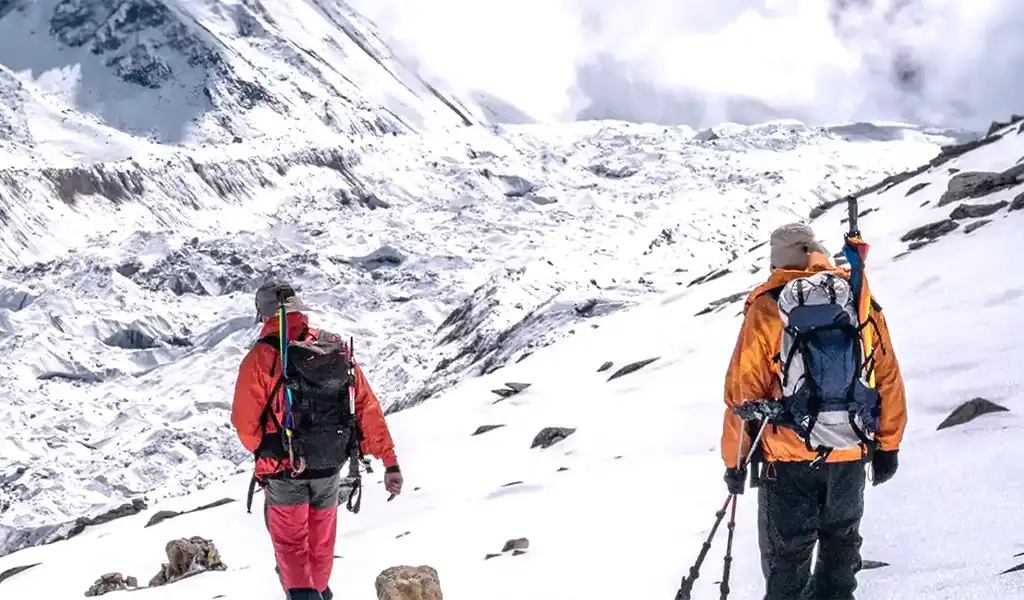
Altitude is a significant challenge for the Everest Base Camp trek. Your trek starts in Lukla at 2,860m and climbs to 5,364m at the Everest Base Camp. Air pressure and oxygen levels drop at high altitudes. You get exposed to the dangers of altitude sickness. Common altitude sickness (Acute Mountain Sickness) symptoms include headache, nausea, dizziness, and fatigue.
More serious altitude-related conditions are:
- HAPE (High Altitude Pulmonary Edema): Fluids build up in the lungs and cause a wet cough, breathlessness, and extreme fatigue.
- HACE (High Altitude Cerebral Edema): Swelling in the brain causes confusion, poor coordination, and drowsiness.
Listen to your body. If you feel sick, rest and inform your guide. If the symptoms are severe, descend immediately. Follow the “Climb high and Sleep low” rule to help your body adjust. Spend extra days acclimatizing to Namche Bazaar and Dingboche.
Hydrate well and drink at least 4 litres of water daily. Avoid alcohol and heavy food. You can take Diamox if prescribed for acclimatization.
Carry warm clothes, sunglasses, and sunscreen for protection. Cold, dehydration, and sunburn can worsen altitude sickness. Take care of yourself from the beginning so your trek is safer and more enjoyable.
Physical Demands
The EBC trek is physically demanding. You hike about 5 to 8 hours daily through challenging terrain. The round trip is about 130km on rocky, uneven trails full of stone steps. You cross rivers and suspension bridges and gain significant elevation.
- Daily Distance: You trek about 8 to 15km daily, depending on the route and acclimatization stops. One thing is for sure: you will be hiking every day, even during acclimatization days. Altitude will make walking hard, and uphill climbs will challenge your lungs. Steep descents will be hard on your knees.
- Elevation gain: You gain about 4,500m in altitude throughout the trek. For example, Dingboche to Lobuche and Gorak Shep to EBC have some of the most significant climbs. Even a small climb is challenging when oxygen is low.
- Trail conditions: The trail is rocky and narrow with loose rocks, tree roots, and rough steps. Some sections involve ladders and narrow bridges. Depending on the season, trails snow or ice may cover the trails.
- Thin air and joint strain: Increasing altitude means decreasing oxygen level. Breathing is hard, and fatigue sets in fast. Long ascents and descents put pressure on your feet. Trekking poles help reduce impact and improve balance.
- Body strain: Your legs, hips, and core will ache during the trek. Muscles and joint aches are also common. Train before the trek to strengthen your legs and build endurance to protect your joints.
How to prepare for the Everest Base Camp Trek Difficulty?
Start training about 3 months before the trek. Go on practice hikes, run, cycle, and swim to build up cardiovascular fitness. Do squats and lunges to build legs and core stability. Exercise with a loaded backpack and full trekking gear to get used to it. The fitter you are, the easier and more enjoyable the trek will be.
Surrounding Conditions
The mountain weather is extreme and unpredictable.
- Climate: Clear mornings can shift to rain or snow by afternoon. Carry waterproof gear, including jackets and pants. Pack a windproof outer layer for protection against harsh wind. A face mask or scarf helps protect the skin from windburn and cold.
- Temperature: Days are mild in the sun at around 5-10°C, but nights can be freezing. Temperatures drop below 0°C at the Base Camp. Bring warm layers like thermal underwear, fleece, and a down jacket. Don’t forget a good hat and gloves.
- Sun exposure: The sun is intense at high altitudes. Apply SPF30+ sunscreen and wear eye protection to avoid snow blindness.
- Dust and dry air: The trail below the tree line is significantly stony from trek traffic and stones. Wear a mask or anything that covers your mouth to avoid inhaling the dust. Stay hydrated and use lip balm.
The weather is not predictable, so pack for any conditions. Layer your clothes and stay hydrated.
Logistic Challenges
You will trek through remote villages in the Everest region. The facilities are basic, and comfort is limited. Everything is expensive and limited in high altitudes.
- Accommodation: Teahouses along the trail are your central accommodation for the entirety of your trek., These lodges have wooden beds with thin mattresses, usually shared between two people. You get limited privacy and no insulation. A small stove runs for a few hours in the evening. You should bring a warm sleeping bag rated to -10°C for nights.
- Food and Water: Meals are basic but filling. Breakfast is usually porridge, toast, or eggs. Lunch and dinner will be dal bhat, noodle soup, or pasta. Food is repetitive and is high in carbs. Fresh meat and vegetables are rare and expensive. Bring snacks you want to the trek for extra energy and variety. Water is either boiled or bottled. Pack a reusable bottle with a purification method to avoid bugs and drink about 4L daily.
- Hygiene: Carry wet wipes, a quick-dry towel, and soap. You will likely not be able to shower daily, so use the wet wipes to clean your body. Hot showers are rare, and toilets are basic, squat-style. Keep your feet clean and change socks regularly. Treat your blisters immediately and take care of yourself.
- Electricity and Communication: Most houses use solar or generator-based power since power is limited. Charging electronics will cost you a small fee; carry a portable battery or solar charger to avoid paying extra. Areas like Lukla, Namche, and Dingboche have a 3G signal, but most trails have none. Some lodges provide WIFI, but the connection is slow. You will likely be offline throughout the trek.
- Emergencies and Insurance: The region is remote, and medical facilities are far. We can arrange a helicopter rescue in severe cases, but it depends on the weather and is expensive. Buy travel insurance covering high-altitude evacuation before the trek. Stick to your group and follow the guide’s instructions. Inform if you or your team members are feeling off.
You will get basic facilities throughout the trek. Pack smart and carry the essentials. Wear layered clothes to match the weather.
Mental Toughness
You need to be as fit mentally as you have to be physically. You have long days, repetitive routines, and physically demanding hikes daily. These will test your mental endurance. Have a positive attitude and maintain a strong group spirit to make the trek easier.
- Routine and Monotony: Every typical day, you wake up early, finish a morning hike, have lunch, hike till the afternoon, have dinner, and rest. Each day offers excellent mountain views, but the repetitive routines may start getting annoying. Stay energized by having fun in small things like a sunrise, the changing shapes of the mountain, tasks, etc. Theme moments help keep you fresh and motivated.
- Group Dynamics: You will be with your group and guides for most of your trek. Everyone has their own pace and moves differently. It may create tension within the group. You should be patient with everyone. Encouraging the slower hikers, sharing snacks, and joking promote the group’s energy. Helping with small things like carrying someone’s eater or sharing food will build teamwork and make the trek more enjoyable.
- Discomfort and Daily challenges: Nights and cold. A long day of hiking will leave your muscles sore. You might get less-than-ideal conditions, like a leaking room or late meals. Pack blister pads, painkillers, and favorite stuff like hats, gloves, snacks, or drinks for small personalized comforts. Change your clothes, including socks, every night, stretch, and keep a headlamp handy for bathroom trips. It is a part of the experience. Accept that discomfort and stay flexible.
- Motivation: Your goal as a trekker is to reach the Everest Base Camp. Keep this goal in mind and go ahead with your trip. Celebrate small achievements like reaching a new village, climbing hills, or anything you deem successful. Do whatever helps lift your mood and talk to your group for encouragement.
Mental endurance is a key to completing the trek successfully. The trekking days will be hard on your body and mind, so be prepared. It’s ok to feel down, but try to push and get ahead one step at a time so you can finish your mission.
Preparation and Training Advice
Training your body in advance will give you a significant advantage on the trek. Physical endurance makes the trek less stressful and more enjoyable.
Physical Training: Start training about 3 months before the trek. Do cardio like running, hiking, cycling, or swimming. Do leg and core workouts like squats, lunges, and planks. Practice with a loaded backpack to get used to hiking with the weight. Increase the difficulties and lengths of your hikes so you build endurance.
Practice Hikes: Go on weekly practice hikes. If possible, go on a hike with an altitude increase. Start with 5-8km hikes, then move to 10km and higher. Sometimes, you can do these hikes with full gear to get used to them.
Gear and Equipment: Make sure you break in trekking boots. Uncomfortable shoes can ruin your trek. Dress in layers: thermal base layer, warm mid-layer, and water/windproof outer layer. Test your gear on practice hikes. Make sure your gears work in real conditions.
Essential Supplies: Trekking poles, headlamps with extra batteries, reusable water bottles, and purification methods are some of the most crucial trekking gear. You also need high SPF sunscreen, a sun hat, and a first aid kit. Your first-aid kit should include blister pads, pain relief, and medications. Bring Diamox if prescribed by the doctor.
Mental Preparation: Expect thin air, basic comfort, changing weather, and slow progress. Set realistic goals and trek with your ultimate goal in mind. Talk to experienced trekkers, watch videos on the region, and read stories to know what lies ahead. Stay calm and motivated.
Sample Training Plan: Here is a simple sample for your training:
- Month 1: Strength and cardio exercises 3-4 times a week for more than 30 minutes
- Month 2: Long 10 km+ hike once a week with a weighted backpack.
- Month 3: hike with full gear for 3-4 hours every weekend.
- Final week: Reduce training to avoid injuries, rest well, and recover before travel.
The more you prepare, the more confident and comfortable you’ll be on the trail. We, recommend that trekkers start the training early. Train and pack smart for a safe and rewarding trek to the Everest Base Camp.
FAQs
Is the Everest Base Camp trek arduous for beginners?
Yes, the Everest Base Camp trek is challenging for beginners. It is a demanding trek in high altitudes with a long hiking day. That said, anyone can complete the trek with proper preparation and training. You have a good chance of finishing the test successfully if you train in advance and go slowly. And stay aware of your body. A guide makes a significant difference for high-altitude trekking.
How fit do I need to be?
You don’t need an athletic build or be into fitness. You should be in good overall health and be able to walk for several hours daily. If you can hike 10+ km with enough ease, you are in good shape and should begin training. Regular exercises like cardio and strength workouts before the trek help build stamina.
What is the highest altitude on this trek?
Everest Base Camp is around 5,364m, but you will hike to Kala Patthar the next day at 5,545 m. Depending on whether you go to Kala Patthar or not, either of the two will be your highest point.
What are the symptoms of altitude sickness?
Some mild symptoms are headaches, dizziness, nausea, fatigue, and difficulty sleeping. They are common at high altitudes; good rest will make them disappear. If the symptoms are severe or include concussion, vomiting, shortness of breath, etc., you should stop and rest immediately. Inform your guide and be prepared for any outcome. We will conduct an emergency helicopter rescue if the symptoms are too severe.
How many hours do we hike each day?
You will hike about 4 to 8 hours daily. The hike is shorter on acclimatization day. Each day may be different due to climbing hours or the distance covered. You will rest for food and take short breaks while trekking.
What are the essential trekking gears?
Pack warm layers, a waterproof jacket, and a sleeping bag for –15°C. Wear broken-in boots and pack essentials like a sunhat, sunglasses, sunscreen, headlamp, trekking poles, water purifier, and any personal meds. Stay warm, dry, and ready for the trail.
How is the accommodation and food on the trail?
Accommodation on the trails is at the local teahouses/lodges. The lodges have shared rooms, wooden beds, and thin mattresses. You should bring a warm sleeping bag for the cold nights. Bathrooms are basic, squat-style, and shared. Meals are also repetitive and straightforward. They are filled and designed especially for cold weather and trekkers. Fresh produce and meat are rare in higher altitudes. Pack some of your favorite snacks if you want to.
How can I avoid altitude sickness?
Trek slowly at a steady pace and stay hydrated. Follow a trek plan that includes acclimatization days at Namche and Dingboche. Avoid alcohol and caffeinated drinks. Don’t take sleeping pills and listen to your body. If prescribed, you can also take Diamox. Talk to your guide and inform them if you feel any discomfort.
Are guides necessary?
Trekking with a guide is better than trekking alone. Guides offer extensive knowledge on the area and are familiar with trekking. They take care of your logistics, like permits and accommodation. Porters carry your baggage and make your trek more comfortable. Going without this support system increases the risks of your trek. Trekking with Peregrine Treks and Tours means you will trek with utmost ease and safety.
What if I feel very unwell or need to stop?
Inform your guide of any case of illness. Guidelines will arrange an evacuation if symptoms are too severe. Otherwise, you will rest for a while, then resume. Evacuation helicopters are expensive and are used depending on the weather. Buy travel insurance that covers this evacuation. Your health and safety are our top priority.
Conclusion
The Everest Base Camp trek goes through challenging but rewarding trails in the remote village of Nepal. You will trek through extraordinary mountain views, Sherpa villages, and glaciers. These trails are physically and mentally demanding. We help trekkers with all the steps of the trek. Our expert team takes care of planning, logistics, and safety so you can focus on the trek. We choose the best lodges each village has to offer. Start your adventure with us for a safe and memorable trip.