


Nepal demands careful preparation before arrival. Visitors enjoy their vacation more when they organize essentials early. A proper Nepal travel checklist before you go prevents costly travel mistakes. Planners prioritize passports, visas, health supplies, local currency, and suitable gear. The ultimate preparation checklist varies depending on the specific travel style. A lowland wildlife safari requires entirely different equipment than a high-altitude trek.
City tours in Kathmandu require less physical preparation than mountain routes. The Nepal Immigration Department outlines strict entry protocols for international tourists. The Nepal Tourism Board dictates specific protected-area rules and park entry fees. Global health agencies publish detailed travel-health guidance for foreign visitors. Proper planning prevents missing documents and unrealistic expectations.
A thorough Nepal pre-trip checklist saves travelers valuable time upon arrival. Tourists avoid packing incorrect clothing by researching regional weather patterns early. Government regulations and entry fees are updated frequently. Visitors check official government sources shortly before departure. Thorough preparation guarantees a smooth arrival experience in Kathmandu. Every traveler benefits from reading detailed Nepal travel tips before departure. Careful planning sets the foundation for a successful vacation.
What Should Travelers Check Before Going to Nepal
Travelers need fast answers for effective trip planning. A complete Nepal travel checklist before you go covers several fundamental areas. The planning process starts with checking passport expiration dates. Visitors choose between a tourist visa on arrival or an advance visa. Airlines demand physical printouts for flight and hotel confirmations. Comprehensive travel insurance protects tourists against sudden medical emergencies. Visitors map out their daily route carefully before booking flights.
Planners verify the exact trip length to ensure it meets visa requirements. A proper Nepal health checklist involves vaccines and prescription medicines. Financial preparation includes local cash and reliable payment backups. Trekkers secure specific Nepal trekking permits through authorized agencies. Weather conditions dictate the entire Nepal packing list.
Tourists save local emergency contacts to ensure immediate safety. Nepal Immigration enforces passport and visa regulations strictly at the borders. The Nepal Tourism Board lists official fees for parks and heritage sites. Medical professionals advise deep health preparation before flying to South Asia. These basic steps form the primary foundation for tourists. Proper documentation ensures smooth entry into the country.
Step 1: Confirm Passport and Visa Plan
Nepal visa and documents require immediate attention from planners. A solid Nepal travel checklist before you go starts with official paperwork.
Passport Validity and Blank Page Check
Passports must have at least 6 months of validity remaining before the entry date. Airlines deny boarding to passengers holding expiring travel documents. Travelers count the empty pages in their passports before leaving home. Nepal Immigration officers place a full-page sticker for the tourist visa. Border officials stamp entry and exit dates on separate pages.
Visitors bring physical copies of their passport information page. Trekking agencies require these photocopies to process official mountain permits. Checking expiration dates prevents disastrous situations at international airports. Planners renew expiring passports months in advance.
Visa On Arrival Categories
Many international travelers use the tourist visa-on-arrival system. Nepal Immigration operates a fast visa service at the Kathmandu airport. Officials issue visas for 15, 30, or 90 days. The 15-day visa costs 30 USD. The 30-day visa costs 50 USD. The 90-day visa costs 125 USD. Children under 10 years old receive a free visa. SAARC citizens receive a free 30-day visa for their first annual visit. Chinese nationals receive a free visa for up to 150 days.
Advance Visa Requirements
Certain nationalities must secure a visa before departure. Citizens of Nigeria, Ghana, Zimbabwe, Swaziland, and Cameroon need advance visas. Citizens of Somalia, Liberia, Ethiopia, Iraq, Palestine, Afghanistan, and Syria are subject to identical rules. Refugees holding travel documents face the exact same restrictions.
These specific travelers apply directly to Nepalese Diplomatic Missions abroad. Tourists who obtain advance visas must enter Nepal within 6 months of the visa’s issuance. Failing to enter within 6 months voids the visa. Checking these specific Nepal travel requirements prevents denied entry.
Online Tourist Visa Form Before Departure
Tourists accelerate the arrival process by completing immigration forms online. The Nepal Immigration website hosts the official online tourist visa form. Travelers submit the digital form up to 15 days before arrival. The computer system generates a submission receipt with a scannable barcode. Visitors print the barcode receipt to show the border agent. Digital kiosks at the Kathmandu airport offer the same application form. Filling out the application at home saves an hour of waiting. The printed receipt expires exactly 15 days after it is printed.
Visa Fees and Payment Preparation
Tourists pay specific visa fees directly at the airport counter. Border officials accept several major international currencies. The US Dollar works best for smooth transactions. Carrying exact cash prevents frustrating delays during the payment process. Credit card machines at the visa counter fail frequently. Old or torn banknotes are immediately rejected by cashiers. Proper financial planning speeds up the entire immigration process. Adding exact visa cash to the Nepal pre-trip checklist reduces stress.
Visa Extension Rules
Tourists sometimes decide to stay longer than they originally planned. Immigration offices charge a fee to extend tourist visas. The minimum extension allows 15 extra days for 45 USD. Each additional day costs 3 USD. Tourists pay a late fine of 5 USD per day for overstaying. Visitors change their visa category if they switch from tourism to volunteering. Planning the exact trip length avoids unnecessary extension fees.
Step 2: Build a Realistic Route Before Booking Everything
Careful route planning dictates the entire Nepal travel checklist. Nepal looks compact on maps, but mountain roads consume time.
First Time Nepal Route Pacing
First-time visitors often choose the famous Golden Triangle route. The classic circuit connects Kathmandu, Pokhara, and Chitwan National Park. The Golden Triangle offers ancient culture, high mountains, and dense wildlife. Travelers spend two weeks exploring these three distinct geographical areas. Effective planning requires a flexible and adaptable daily schedule. Domestic flights save entire days of brutal road travel. Long bus rides take much longer than tourists expect. Smart planners add rest days between major city transfers.
Heritage and City Excursions
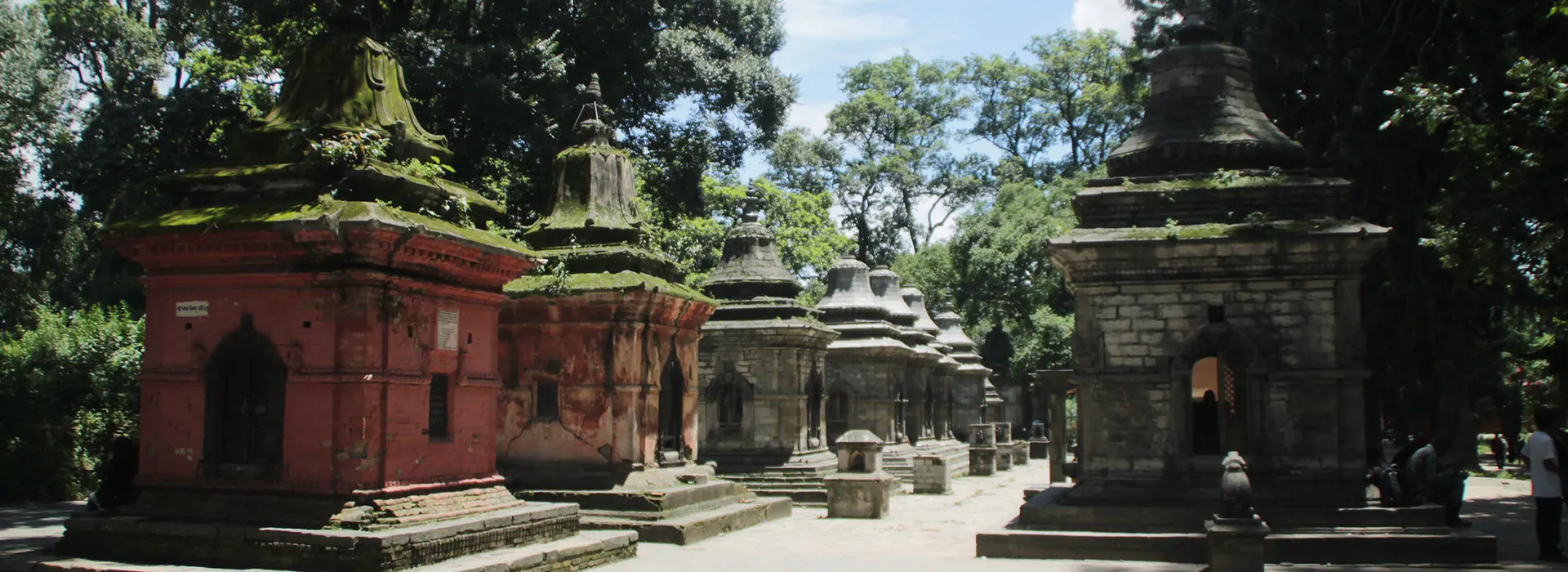
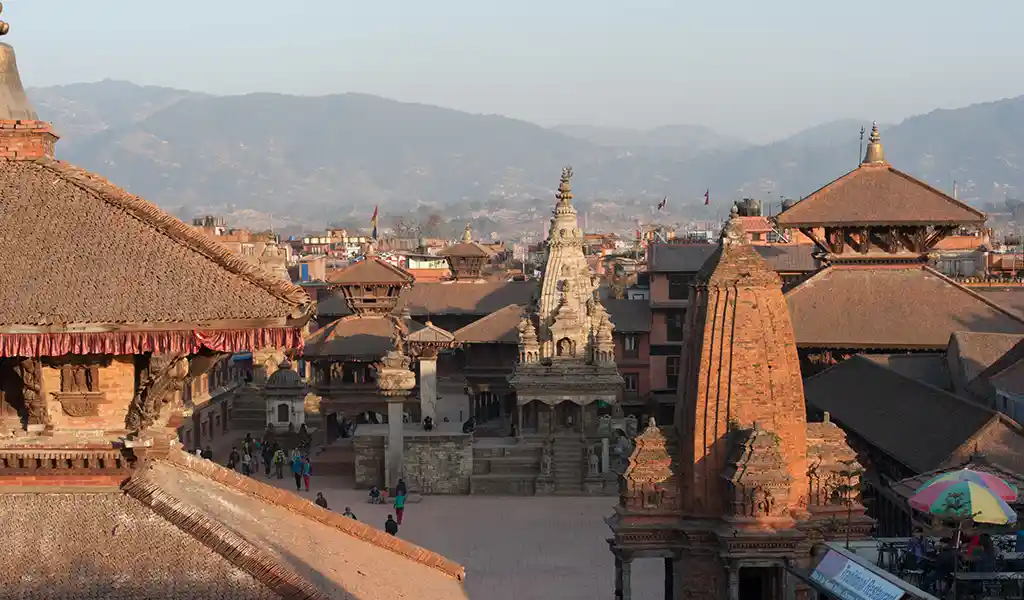
Many tourists skip the physically demanding high mountains entirely. They focus solely on ancient heritage sites and peaceful jungle safaris. A culture-focused Nepal travel checklist before you go includes lightweight clothing. Visitors explore the historic temples and ancient palaces of the Kathmandu Valley. They photograph endangered rhinos deep inside Chitwan National Park. They relax peacefully by Phewa Lake in scenic Pokhara. These relaxed trips require significantly less physical preparation. The daily pace stays slow and highly enjoyable.
Lowland Wildlife Safari Routes
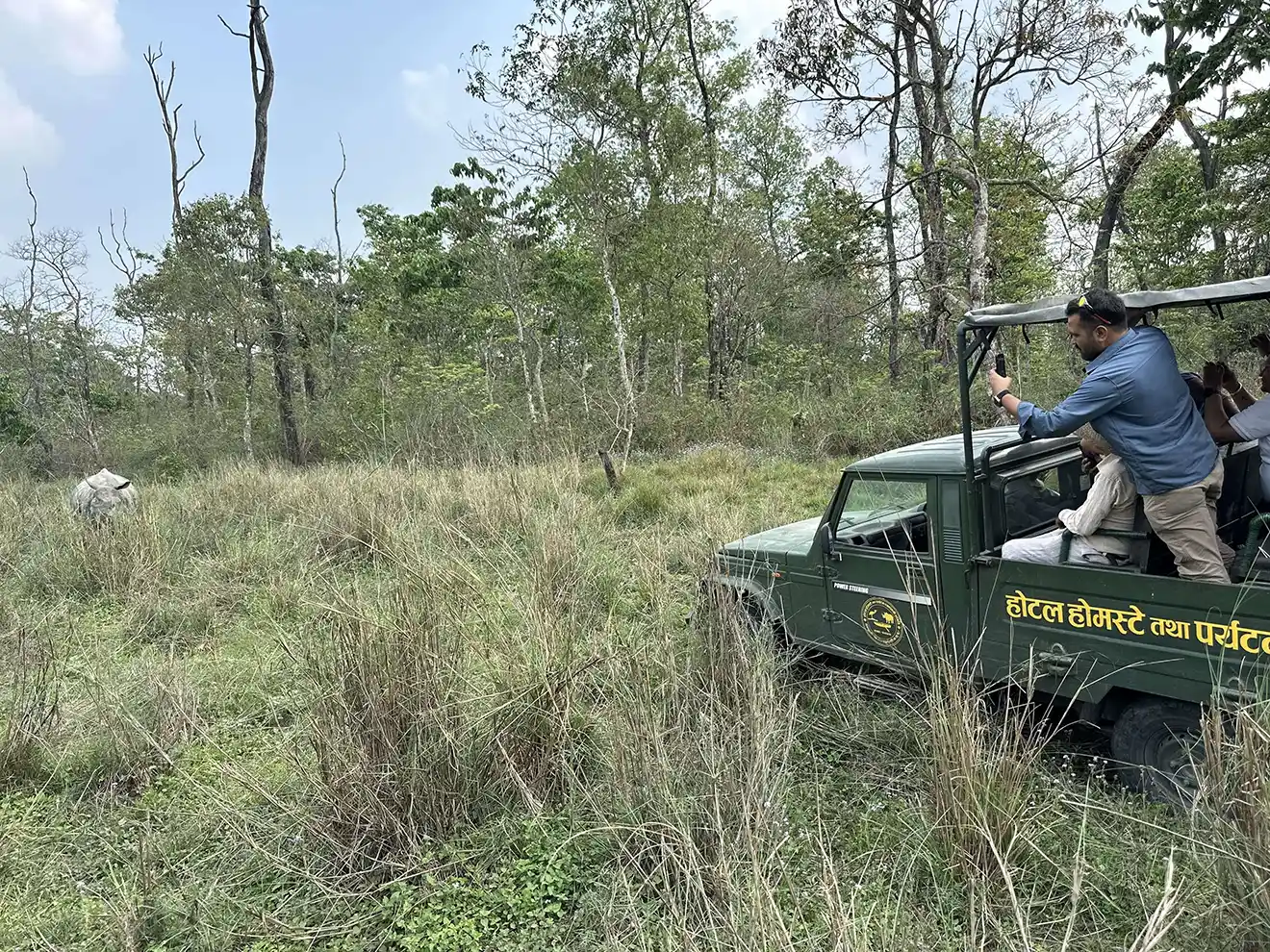
Wildlife enthusiasts head directly to the southern Terai region. Chitwan National Park and Bardia National Park host incredible animal populations. The Nepal safari packing list includes neutral-colored clothing. Bright colors frighten the sensitive wildlife during walking tours. Tourists pack strong insect repellent to block mosquito bites. Safari routes demand specific vaccinations due to tropical climates. Visitors ride jeeps through dense jungles to spot Bengal tigers. Proper preparation ensures maximum comfort in the hot, humid weather.
Short Trekking Itineraries
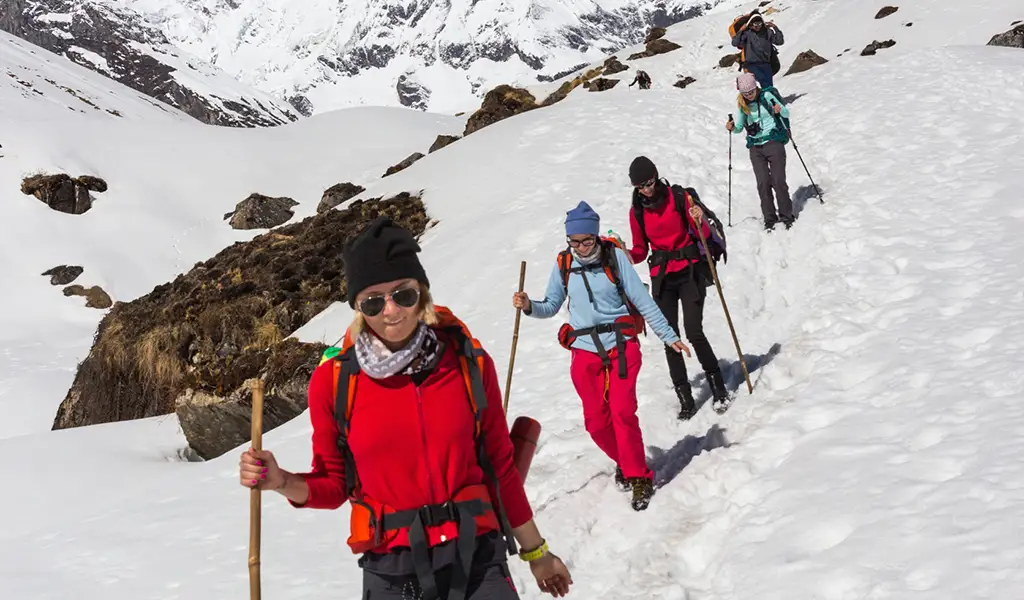
Short treks offer stunning mountain views without the risk of extreme altitude. The popular Poon Hill trek takes four complete days. The Mardi Himal trek takes five days to finish. Hikers walk through beautiful, dense rhododendron forests daily. They sleep comfortably in traditional local teahouses. The Nepal travel tips before departure advise packing warm thermal layers. These shorter routes still demand official government trekking permits. Hikers prepare their cardiovascular fitness before flying to Asia.
Managing Route Expectations
International travelers often attempt to see everything in one week. Rushed and overcrowded itineraries cause immense mental stress. Unpredictable mountain weather constantly cancels domestic flights. Heavy traffic slows down intercity bus travel heavily. A smart Nepal travel checklist before you go adds buffer days. Extra schedule days prevent missed international departure flights. Visitors enjoy the destination much more when they slow down. Frequent rest days restore physical energy levels rapidly.
Step 3: Check Permits, TIMS, and Protected Area Fees
Trekkers obtain Nepal trekking permits carefully before heading into the wilderness. Different geographical regions enforce entirely different administrative rules.
Understanding Park Entry Rules
Most natural protected areas require an official entry fee. Sagarmatha National Park charges 3000 NPR for foreign tourists. The Annapurna Conservation Area Project also costs 3000 NPR. Khaptad National Park charges 3000 NPR for entry. Rara National Park demands 3000 NPR from visitors. Chitwan National Park charges 2000 NPR per day. SAARC nationals pay significantly lower entry rates. Trekkers carry the paper tickets constantly during their walk.
TIMS Card Regulations
The Trekkers Information Management System tracks all hikers for safety. Foreigners pay 1300 NPR for a mandatory TIMS card. SAARC citizens pay 600 NPR for the same card. The government mandates a licensed guide for all treks. Independent solo trekking remains strictly forbidden across the country. Trekkers apply for TIMS through a registered local trekking agency. Agencies process the required paperwork in one business day.
Restricted Area Rules
Certain northern regions border Tibet directly. The Department of Immigration strictly controls these sensitive restricted areas. Tourists access these zones only through registered travel companies. Agencies handle all the complex paperwork for the clients. Hikers supply four passport photos to the agency. The process takes up to five days in Kathmandu. Tourists budget extra days for waiting in the capital city. Strict rules protect the fragile borders and ancient cultures.
Upper Mustang and Dolpo Fees
Upper Mustang and Upper Dolpo rank among the most expensive areas. Upper Mustang costs 500 USD for the first 10 days. Hikers pay 50 USD for each additional day. Upper Dolpo costs 500 USD for the first 10 days. Lower Dolpo costs 20 USD per week. These high fees deter massive crowds from entering. The pricing strategy perfectly preserves pristine Tibetan culture. Planners add these exact costs to their financial budget.
Manaslu and Tsum Valley Costs
The Manaslu Circuit trek requires careful financial planning. The Manaslu permit costs 100 USD per week during the autumn season. It drops to 75 USD per week during winter and spring. Tsum Valley requires an entirely separate administrative permit. The Tsum permit costs 40 USD per week in autumn. Trekkers combining both routes pay for both required permits. Kanchenjunga base camp requires a 20 USD weekly permit.
Kathmandu Valley Heritage Fees
Cultural sites charge specific entry fees to fund local maintenance. Kathmandu Durbar Square costs 1000 NPR for foreigners. Patan Durbar Square costs 1000 NPR for international visitors. Bhaktapur Durbar Square charges a premium of 1800 NPR. The sacred Pashupatinath Temple costs 1000 NPR. The hilltop Swayambhu Stupa requires 200 NPR. The massive Boudha Stupa demands 400 NPR. Tourists bring small local banknotes to buy entry tickets.
Lumbini and Chitwan Site Costs
Southern sites maintain different entry fee structures. The sacred Lumbini complex charges 700 NPR for foreigners. SAARC nationals pay 400 NPR to enter Lumbini. Indian nationals pay only 16 NPR for the same entry. The Chitwan Elephant Breeding Camp costs 100 NPR. The local Tharu Cultural Museum charges 25 NPR. Elephant ride fares cost 2500 NPR for foreign visitors. Adding these fees helps calculate a precise travel budget.
Step 4: Book Travel Insurance and Save Emergency Contacts
A comprehensive Nepal travel checklist before you go demands serious safety planning. Travel insurance provides crucial protection against financial ruin.
Travel Insurance Necessity
Standard travel policies fail completely in the high Himalayas. Normal insurance companies cap medical coverage at 3000 meters. Everest Base Camp sits at a massive 5364 meters. Trekkers buy specialized policies covering high-altitude helicopter evacuation. Uninsured helicopter rescues cost between 3000 USD and 7000 USD. Strong policies provide direct billing to the rescue operators. Travelers avoid paying massive out-of-pocket rescue fees.
Altitude Limit Requirements
Insurance companies separate emergency medical coverage from search-and-rescue coverage. Travelers verify that search and rescue is included in the fine print. The policy documents clearly list the maximum altitude limit. The Annapurna Circuit requires robust coverage at 6000 meters. Climbing smaller trekking peaks can reach elevations of up to 7000 meters. Hikers print physical paper copies of the active policy. Local mountain guides use the documents in the event of sudden health emergencies.
Avoiding Insurance Fraud Scams
The trekking industry sometimes faces severe corruption scandals. Some unethical guides previously poisoned tourist food with baking soda. The baking soda creates intense nausea mimicking altitude sickness. Corrupt operators then force the sick tourists into unnecessary helicopter rescues. The operators collect huge kickbacks from the rescue companies. Travelers protect themselves by choosing highly reputable, established trekking agencies. Tourists drink only sealed water and monitor the preparation of their food.
Emergency Medical Contacts
Tourists save essential emergency phone numbers in their mobile devices. The National Police answer emergency calls at 100. The Fire Department answers calls at 101. Medical ambulance emergencies use the number 102. Traffic Police answer accident reports at 103. The Disaster Emergency Helpline operates continuously at 1149. Smart travelers write the numbers on physical paper. Phone batteries drain exceptionally fast in freezing mountain conditions.
Tourist Police Operations
The government created a special Tourist Police division. These dedicated officers continuously ensure the safety of international tourists. The teams help foreigners replace lost travel documents quickly. The direct Tourist Police hotline answers immediately at 1144. The officers speak fluent English to assist foreigners. The main office sits inside Bhrikuti Mandap in Kathmandu. Tourists contact the station for any severe safety concerns.
Step 5: Complete Your Health Checklist Before Departure
A proper Nepal health checklist prevents terrible vacation illness. Health preparation starts many weeks before the actual departure date.
Pre Travel Clinic Visits
Travelers visit a specialized health clinic early in the planning process. Doctors recommend finishing all vaccinations one month before flying. The medical professional carefully reviews the specific travel itinerary. They prescribe medications based on specific geographic locations. Lowland jungles pose entirely different health threats than snowy mountains. Health clinics provide official yellow booklets documenting all administered vaccines. Border agents sometimes request these health documents during disease outbreaks.
Routine and Travel Vaccines
Hepatitis A and Typhoid vaccines offer critical protection for travelers. Enteric diseases pose an exceptionally high risk across Nepal. Doctors recommend Japanese Encephalitis vaccines for the southern Terai region. The risk of Japanese Encephalitis spikes during the wet monsoon season. Rabies remains common among street dogs and temple monkeys. Clinics follow standard vaccination schedules, such as those for Tetanus and Polio. Proper immunization prevents life-threatening illnesses during remote trips.
Malaria and Mosquito Prevention
Mosquitoes carry dangerous diseases in the southern lowland areas. Malaria pills are suitable for tourists visiting regions below 2000 meters. Doctors prescribe Atovaquone-proguanil or Doxycycline for malaria prevention. High-altitude treks completely eliminate the need for malaria medication. A strong mosquito repellent containing DEET prevents severe dengue fever. Dengue cases spike heavily in Kathmandu during the late summer. Tourists wear long sleeves during summer evenings to block bites.
Food and Water Precautions
Local tap water carries harmful bacteria and dangerous parasites. Tourists drink strictly boiled or factory-sealed bottled water. The Nepal travel checklist includes chemical water purification tablets. UV water purifiers eliminate stubborn viruses effectively without chemicals. Travelers avoid raw vegetables and unpeeled fruits in restaurants. Doctors recommend packing Azithromycin for severe stomach infections. The antibiotic quickly and effectively treats painful traveler’s diarrhea.
Altitude Acclimatization Guidelines
Acute Mountain Sickness threatens all hikers ascending above 2500 meters. The human body needs adequate time for proper acclimatization. Hikers ascend every single day very slowly. The medical rule limits daily climbing to no more than 500 meters. Trekkers pack Acetazolamide to prevent severe symptoms of altitude sickness. They learn to recognize the symptoms of fatal altitude illness. Immediate descent cures altitude sickness faster than any medication.
Personal Medical Kits
Tourists assemble a robust and comprehensive personal medical kit. The kit includes basic pain relievers and specialized blister treatments. Travelers pack enough daily prescription medicine for the entire trip. They carry physical copies of doctor prescriptions for border security. High SPF sunscreen prevents severe sunburn at high elevations. Medical lip balm prevents painfully cracked lips in dry air. Adding these items completes the before you go to Nepal checklist.
Step 6: Prepare Your Money Cards and Payment Backup
Financial planning heavily shapes Nepal travel tips before departure. The entire country operates predominantly on a cash economy.
Cash Dependency in Rural Areas
Luxury hotels and expensive restaurants accept international credit cards smoothly. Major Thamel tourist shops use modern point-of-sale machines easily. Rural mountain areas operate entirely on physical cash. Traditional teahouses in the high mountains reject plastic cards completely. Travelers withdraw Nepalese Rupees while inside Kathmandu or Pokhara. Tourists carry small bill denominations for local village markets. Trekking guides and local porters expect tips in physical cash.
ATM Availability and Limits
Bank ATMs sit on every street corner in major cities. Popular local banks include Nabil Bank and Standard Chartered. Machines limit cash withdrawals to 35,000 NPR per single transaction. The banks charge a small processing fee for foreign cards. Remote trekking routes feature very few reliable ATMs. Namche Bazaar and Lukla are the absolute last places with working machines. Tourists withdraw all necessary funds before leaving the main cities.
Card Acceptance in Cities
Visa and Mastercard work perfectly in high-end urban establishments. Businesses often add a three percent surcharge for card payments. Digital banking is growing rapidly in the Kathmandu Valley. Travelers inform their home banks about the upcoming Asia trip. Blocked credit cards ruin expensive vacations immediately. Carrying two different bank cards prevents total financial lockout. The Nepal pre-trip checklist ensures financial redundancy.
Visa Fee Payment Methods
Nepal Immigration accepts major foreign currencies for the visa fee. The US Dollar works flawlessly at the border counters. Permit offices demand payment in local Nepalese Rupees. Heritage sites also require local currency for entry tickets. Tourists arrive with crisp, clean US Dollars for the visa. Border agents constantly reject old, folded, or torn banknotes. Proper currency planning removes a lot of travel stress upon arrival.
Emergency Cash Reserves
Mountain weather constantly cancels domestic flights without warning. Blocked mountain roads delay passenger buses by several hours. These unexpected events force tourists to pay for extra hotel nights. Bank ATMs frequently break down due to power outages. A hidden emergency cash reserve solves these immediate financial problems. Travelers hide extra US Dollars or Euros deep inside backpacks. Reliable backup funds ensure a safe, stress-free trip.
Step 7: Pack for Nepal by Trip Type, Not Just by Season
The ultimate what-to-pack-for-Nepal list depends heavily on the activity. A universal Nepal packing list fails most travelers.
Organizing Essential Documents
Travelers group all Nepal visa and documents in a waterproof folder. The protective folder holds the passport and printed visa form. Planners add physical flight tickets and paper hotel confirmations. Hikers include spare physical passport photos for trekking permits. Vital insurance documents sit directly next to emergency contacts. Physical paper copies save immense time during electronic battery failures.
Kathmandu City Clothing
Kathmandu and the surrounding valley require specific casual clothing. Lightweight, breathable cotton shirts keep foreign visitors cool. Long pants protect against aggressive mosquito bites outdoors. A wide-brimmed hat shields the face from the strong sun. A light fleece jacket keeps the body warm on chilly evenings. Comfortable walking shoes handle uneven, dusty city streets easily.
Chitwan Jungle Safari Gear
Wildlife tours require a completely different packing approach. Tourists pack neutral greens and browns to blend into nature. Bright reds and yellows scare the animals away instantly. Binoculars provide incredible views of distant rhinos and birds. Strong waterproof boots keep feet dry during damp morning walks. The hot climate requires sweat-wicking base layers. Safari lodges provide basic toiletries for their guests.
High Altitude Trekking Layers
Severe mountain weather changes constantly and without any warning. Trekkers pack a highly reliable thermal base layer. Quality thermal underwear effectively retains critical body heat. A thick fleece mid-layer provides excellent core insulation. A waterproof outer shell stops freezing rain and wind. A lightweight down jacket offers extreme warmth during nightfall. Sturdy, broken-in hiking boots prevent painful blisters on the trail.
Hygiene and Medical Supplies
The Nepal health checklist integrates seamlessly into the packing plan. Toilet paper remains extremely scarce on remote trails. Hikers pack several fresh rolls inside plastic bags. Anti-bacterial gel cleans dirty hands before eating meals. A compact, quick-drying towel saves valuable backpack space. Women pack their preferred personal hygiene products from home. Rural mountain stores lack these specific sanitary items completely. Wet wipes replace hot showers perfectly at high altitudes.
Electronic Devices and Power
Freezing weather drains mobile phone batteries incredibly rapidly. Passionate photographers pack multiple spare camera batteries. A high-capacity power bank charges phones safely on the trail. Mountain teahouses charge a premium fee for electricity. A universal plug adapter connects foreign devices to local outlets. Bright headlamps guide hikers during extremely early morning ascents. Electronics stay warm inside sleeping bags overnight.
Step 8: Check the Season and Weather Before Final Packing
The Nepal travel requirements shift drastically with the calendar. Severe weather shapes the daily travel experience entirely.
Spring Weather Conditions
The popular spring season runs from March to May. The weather provides incredibly mild daytime temperatures. Massive rhododendron flowers bloom beautifully across the green hillsides. Visibility stays crystal clear throughout the early mornings. The sky turns slightly hazy in the late afternoon. Trekkers experience warm hiking days and very cool nights. Spring attracts thousands of serious mountain climbers to Everest.
Autumn Trekking Environment
Autumn starts in late September and finishes in November. This specific season offers the absolute best trekking conditions. The preceding monsoon rains wash away all the atmospheric dust. Crystal-clear blue skies reveal the massive peaks perfectly. Daytime temperatures feel very comfortable for extreme physical exertion. Mountain trails fill up extremely quickly with global tourists. Smart tourists book teahouse accommodations months in advance.
Winter Temperature Drops
A harsh winter grips the country from December to February. Deep snow completely blocks the high mountain passes. Kathmandu experiences freezing mornings but pleasantly warm afternoons. Lowland tropical areas like Chitwan remain very pleasant. Trekkers need incredibly heavy down jackets for survival. Hikers sleep in freezing sub-zero temperatures inside unheated rooms. Winter provides empty trails for brave and prepared hikers.
Monsoon Rain Challenges
The brutal monsoon rains fall relentlessly from June to August. Heavy tropical downpours constantly wash out vital mountain roads. Massive mudslides cause severe travel delays for buses. Blood-sucking leeches infest the muddy trekking trails completely. Thick gray clouds hide the famous mountain peaks entirely. The deep valleys turn a brilliant, vibrant emerald green. Dedicated nature lovers enjoy the lush, uncrowded landscapes.
Step 9: Save Your Digital and Printed Backup Documents
Smart tourists back up every important document. Lost passports ruin expensive international holidays in an instant.
Creating Physical Photocopies
The Tourist Police strongly advise carrying physical photocopies at all times. Careful travelers copy the main passport data page. They copy the physical Nepal visa entry stamp. They print extra paper copies of travel insurance details. They print their offline hotel and flight itinerary summary. They store these backup copies in a separate bag. Physical paper copies act as perfect emergency safety nets.
Securing Digital Storage
Secure cloud storage protects against physical theft or loss. Travelers take clear photographs of all official mountain permits. They upload the flight tickets and hotel confirmations online. They save critical emergency contacts in their email drafts. They download offline regional maps directly to their mobile phones. Digital backups guarantee instant access from any internet computer. Foreign embassies process lost passports much faster with digital copies.
Step 10: Final Nepal Travel Checklist Before You Leave Home
The ultimate checklist finalizes the process before you go to Nepal. Travelers verify all packed items one final time.
Document Verification
The passport clearly shows six full months of validity. The online arrival form displays the required scannable barcode. International flight tickets show the exact travel dates. Hotel confirmations state the correct guest names perfectly. The travel insurance policy remains fully active and paid. The local trekking agency confirms all mountain permits are ready. The yellow vaccination records sit securely in the bag.
Gear and Health Confirmation
The packed luggage matches the specific upcoming trip type. The medical kit holds necessary antibiotics and bandages. The travel wallet contains crisp, clean US Dollars. The vital emergency numbers are safely stored in the phone’s contacts. The planned route aligns perfectly with the packed gear. The heavy hiking boots travel directly on the airplane. Wearing boots on flights saves on the weight of heavy luggage.
Common Mistakes Travelers Make Before Going to Nepal
A good Nepal travel checklist before you go highlights typical errors. Avoiding these common mistakes saves both money and time.
Misunderstanding Visa Timelines
Tourists often check the complex visa rules too late. Some travelers assume the online form works as a full visa. The form only initiates the visa-on-arrival process. Planners forget to bring exact cash for the visa fee. They fail to carry extra physical passport photos. Without extra photos, the permit office rejects applications completely. Proper early planning solves all these stressful paper problems.
Underestimating Route Distances
Foreign visitors often underestimate the sheer scale of the Himalayan terrain. They assume a fifty-kilometer bus ride takes one hour. Poorly maintained mountain roads turn short trips into day-long ordeals. Travelers try to pack too many destinations into one week. They book non-refundable hotels without accounting for travel delays. Smart planners respect the difficult geography and pace themselves. A slow pace ensures a much better vacation experience.
Ignoring Altitude Warnings
Arrogant hikers pack for Kathmandu weather but freeze at high altitudes. They ignore strict acclimatization rules completely to save time. Rushing up the mountain causes severe Acute Mountain Sickness. Some trekkers refuse to buy proper helicopter evacuation insurance. They end up paying thousands of dollars for emergency rescues. Following the Nepal health checklist rules prevents fatal mistakes.
Packing Incorrect Clothing
Tourists often pack heavy jeans for strenuous mountain treks. Cotton jeans stay wet and freeze in cold weather. Visitors bring massive rolling suitcases for mountain teahouse treks. Porters struggle to carry hard-shell suitcases up steep stairs. Experienced hikers use soft, waterproof duffel bags instead. Wearing brand-new hiking boots causes terrible, trip-ending blisters. Smart trekkers break in their boots months before flying.
Additional Safety Precautions
Safety remains the highest priority for all international tourists. Knowledge prevents dangerous situations during the trip.
Avoiding Road Travel Risks
Road travel presents the greatest genuine physical danger. Mountain roads feature narrow lanes and steep, deadly drop-offs. Bus accidents occur frequently on the major intercity highways. Safety experts advise against all-night bus travel. Tourists choose highly reputable, expensive tourist bus companies. Passengers sit near the front to avoid harsh bumps. Domestic flights offer a much safer alternative to buses.
Recognizing Petty Theft
Petty theft happens occasionally in crowded urban tourist areas. Pickpockets target distracted foreigners in busy local markets. Travelers use hidden money belts to keep their cash safe. Tourists leave expensive jewelry locked at home. They store their physical passports inside hotel safety boxes. The Tourist Police investigate theft reports thoroughly and professionally. Staying alert prevents the vast majority of petty crimes.
Dealing with Stray Animals
The streets of Kathmandu host thousands of stray dogs and monkeys. Monkeys near Swayambhunath Temple steal food from unsuspecting tourists. Stray dogs sometimes act aggressively late at night. Health agencies warn against petting any local mammals. Animal bites transmit the deadly rabies virus quickly. Tourists seek immediate medical help if an animal scratches them. Treatment prevents the virus from taking hold entirely.
FAQs
Q: What should travelers check before traveling to Nepal?
A: Travelers confirm that their passport is valid for at least 6 months. They complete the online visa arrival form early. They buy robust travel insurance covering helicopter evacuation. They secure all mandatory trekking permits through registered agencies. They pack weather-appropriate clothing based on their route.
Q: Do tourists need a visa to visit Nepal?
A: Most global tourists obtain a visa on arrival at the airport. Citizens of specific African and Middle Eastern countries must get a visa before flying. The online application form speeds up the arrival process.
Q: What documents do visitors carry for Nepal?
A: Visitors carry a valid physical passport everywhere. They bring several extra passport photos for various permits. They carry detailed travel insurance documents at all times. They securely hold flight tickets and hotel printouts. They carry physical cash for visa fees.
Q: What do tourists pack for Nepal?
A: Tourists pack strictly according to their planned route. City trips require light layers and walking shoes. Jungle safaris demand breathable long-sleeve shirts in neutral colors. High mountain trekking requires heavy down jackets and sturdy boots.
Q: Do trekkers need TIMS or trekking permits?
A: Yes, the government mandates TIMS cards for all hikers. National parks charge mandatory entry fees at gates. Restricted border areas demand special high-cost permits. A licensed local guide handles all the complex paperwork.
Q: What health items go to Nepal?
A: Tourists should bring effective water purification tablets or UV filters. They pack strong antibiotics for potential stomach illness. Trekkers carry specific altitude sickness medication for the mountains. Everyone packs strong insect repellent containing DEET.
Q: Do tourists need cash on arrival in Nepal?
A: Yes, visitors need physical cash to pay the visa fee. Crisp US Dollars work best at the immigration counter. ATMs inside the airport arrival hall often fail completely. Carrying exact cash ensures a fast, smooth entry.
Q: Which emergency numbers do tourists in Nepal need to know?
A: The dedicated Tourist Police hotline is available at 1144 and answers immediately. The main national police answer emergency calls at 100. Medical ambulance emergencies use the number 102. Travel insurance emergency numbers also provide vital medical help.
Quick Reference Tables
Table 1: Nepal Pre-Trip Checklist at a Glance
| Item | Why It Matters | Mandatory or Recommended | When to Check |
|---|---|---|---|
| Passport | Airlines check for six months validity | Mandatory | Two months before |
| Visa Form | Saves time at the arrival airport | Recommended | 15 days before |
| Travel Insurance | Covers costly helicopter rescues | Mandatory for trekkers | One month before |
| Trekking Permits | Government checkpoints demand them | Mandatory for routes | Two weeks before |
| Cash | Pays for visa and rural items | Mandatory | One week before |
| Vaccines | Prevents severe tropical illnesses | Recommended | Six weeks before |
| Medical Kit | Treats sudden trail injuries | Recommended | One week before |
Table 2: Nepal Packing Checklist by Trip Type
| Trip Type | Must-Pack Items | Nice-to-Have Items | Common Mistake |
|---|---|---|---|
| City & Culture | Walking shoes, light layers | Small daypack, umbrella | Packing heavy boots |
| Wildlife Safari | Neutral colors, insect repellent | Binoculars, sun hat | Wearing bright colors |
| Short Trek | Fleece, broken-in boots | Trekking poles, power bank | Forgetting a rain jacket |
| High Altitude Trek | Down jacket, thermal layers | Headlamp, water purifiers | Ignoring altitude medication |
Table 3: Nepal Permit and Fee Planning Table
| Cost Item | Who Needs It | Where It Applies | Official Source to Check |
|---|---|---|---|
| Tourist Visa | All foreign nationals | National border entry points | Nepal Immigration |
| TIMS Card | All mountain trekkers | General mountain trails | Nepal Tourism Board |
| Park Entry Fee | All nature tourists | National parks and conservation areas | Nepal Tourism Board |
| Restricted Area Permit | High-altitude remote trekkers | Upper Mustang, Dolpo, Manaslu | Department of Immigration |
| Heritage Site Fee | All culture tourists | Durbar Squares, Temples | Nepal Tourism Board |