


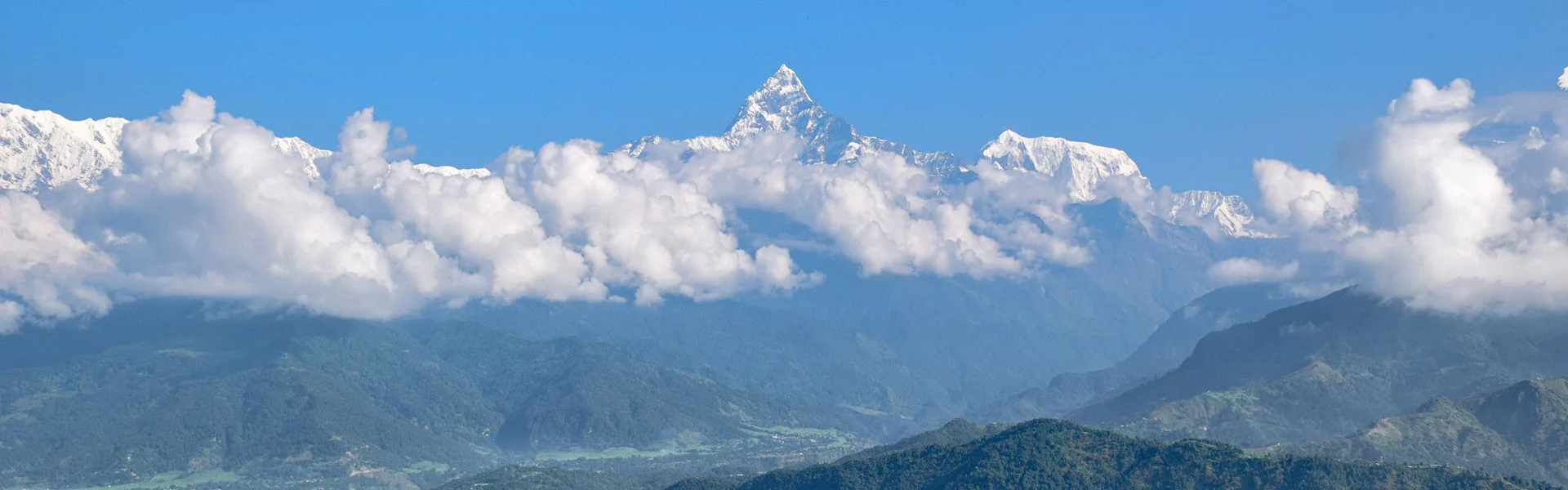

Welcome to your complete Pokhara Travel Guide. Pokhara offers something that few cities in Asia deliver so easily — calm lake water, Himalayan peaks on the horizon, and a pace that lets you breathe. The city feels far more relaxed than Kathmandu. Soft adventure sits around every corner. You can boat on Phewa Lake in the morning, watch the sun rise over Annapurna at Sarangkot, and eat a warm Thakali meal before the afternoon clouds roll in. This guide covers everything you need: top places to visit, the best time to go, where to stay, what to eat, how to get around, daily costs, and practical itinerary ideas for 2 to 4 days.
Quick Answer: Is Pokhara Worth Visiting?
Yes. Pokhara ranks among the best places to visit in Nepal for almost every type of traveler.
- Phewa Lake and Annapurna views make it one of Asia’s most scenic cities
- A 2 to 4-day stay works well for most visitors
- Couples and honeymooners love the lakeside calm and sunrise hikes
- Families find boat rides, caves, and waterfalls easy and enjoyable
- Trekkers use Pokhara as the start and end point for the Annapurna trails
- Photographers, wellness travelers, and first-time Nepal visitors all leave satisfied
Why Visit Pokhara
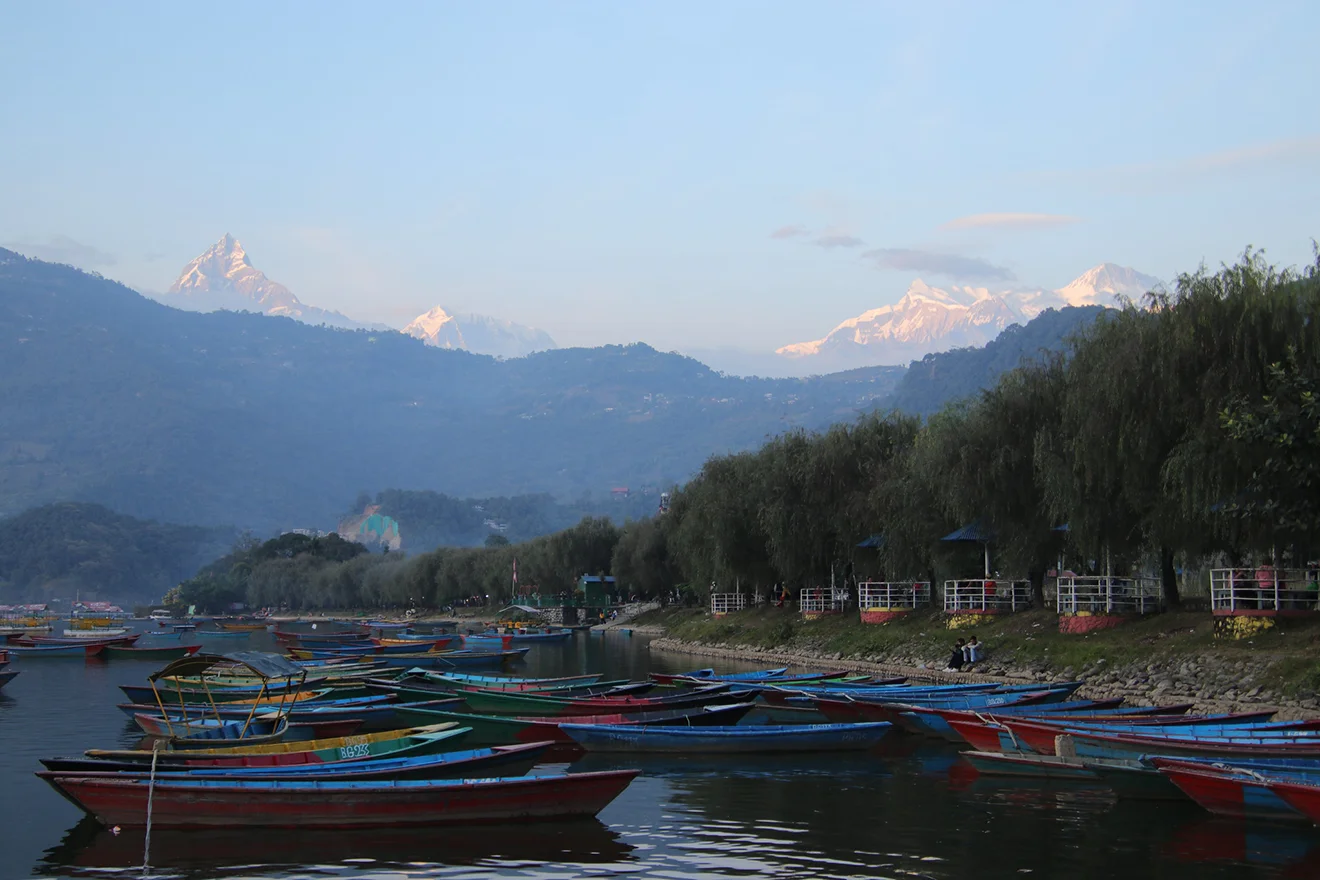
Pokhara sits about 200 km west of Kathmandu in the Gandaki Province. The city wraps around three main lakes — Phewa, Begnas, and Rupa. Annapurna, Machhapuchhre, and Dhaulagiri dominate the northern skyline on clear days. The city blends outdoor adventure with genuine leisure. You find a rare balance here: hard-core trekkers and relaxed café travelers share the same lakeside stretch without friction.
Pokhara acts as the main gateway to the Annapurna region. Almost every Annapurna Circuit and Annapurna Base Camp hike begins or ends here. Even without trekking, the valley rewards any visit with its mix of boating, viewpoints, culture, food, and soft adventure.
Pokhara at a Glance
Use this quick overview to plan your trip before reading the full guide.
| Feature | Detail | Feature | Detail | Notes |
|---|---|---|---|---|
| Ideal stay | 2–4 days | Best season | Oct–Nov, Mar–Apr | Clear mountain views |
| Best for | Couples, families, trekkers | Top attraction | Phewa Lake | Boating and Temple Island |
| Daily budget | $25–$150+ per day | Best stay area | Lakeside / Baidam | Most hotels and restaurants |
| Quiet alternative | Begnas Lake area | Trek gateway | Annapurna region | 1 hour to the trailheads |
Best Time to Visit Pokhara
Spring: March to May
Spring delivers warm days, blooming rhododendrons, and clear mountain views in the early mornings. Daytime temperatures reach 20 to 28°C. Crowds stay moderate in March and grow heavier by late April. Spring suits paragliding well. Thermal conditions stay strong. First-time visitors often prefer March for a good balance of views and comfortable temperatures.
Summer and Monsoon: June to August
Pokhara receives heavy rainfall during the monsoon. Views of Annapurna and Machhapuchhre become rare. The city turns lush and green, and waterfalls intensify around Devi’s Fall. Avoid this season if mountain views matter to you. Budget travelers who do not mind rain find lower hotel prices and fewer crowds. The Phewa Lake level rises, and boating feels different.
Autumn: September to November
Autumn brings the best weather of the year. Skies clear after the monsoon, and mountain views become sharp and stunning. October gets busy, so book accommodation early. Autumn suits every type of traveler — from trekkers to couples, families, and photography enthusiasts. Paragliding conditions stay excellent. Temperatures sit between 15 and 24°C.
Winter: December to February
Winter brings cool, clear air and fewer tourists. Morning temperatures drop near 5°C, but afternoons feel mild. Mountain views appear sharp on clear days. Winter suits solo travelers and budget-conscious visitors who prefer quiet trails. Some high-altitude trek routes face snow. Pokhara city itself remains open and accessible year-round.
Best Season by Travel Style
- Best for mountain views: October and November or March and April
- Best for paragliding: Spring and Autumn
- Best for fewer crowds: December and January
- Best for budget travel: Monsoon season with flexibility
- Best for families: October or March
How to Reach Pokhara
By Air
Flights from Kathmandu take about 25 minutes. Pokhara International Airport opened in 2023 and handles domestic and some regional routes. Flights run daily in peak season and fill up fast in October and November. Flying suits travelers who want speed and comfort. It works best for families, senior travelers, and anyone with tight schedules.
By Tourist Bus
Tourist buses run from Kathmandu’s Thamel area to Pokhara every morning. The journey takes 6 to 7 hours on good days. The road passes through hills and valleys with scenic stretches. Budget travelers and backpackers prefer this option. Seats cost a fraction of the price of a flight. Book a day ahead during peak season.
By Private Car or Taxi
A private vehicle offers the most comfortable overland option. You set your own schedule and stop at viewpoints along the way. Travel time runs around 5 to 6 hours from Kathmandu. Private car suits families, couples on longer Nepal trips, and travelers moving luggage between multiple cities. The Prithvi Highway passes several river gorges and traditional villages.
Essential Travel Planning Information
Money and ATMs
Pokhara has ATMs in Lakeside, the city center, and near the airport. Most hotels, restaurants, and activity operators in Lakeside accept cards. Carry some Nepali rupees for local markets, temples, and smaller eateries.
SIM Card and Internet
Buy a local SIM card at Pokhara Airport or from any licensed telecom shop in Lakeside. Nepal Telecom and Ncell both cover the city well. Data packages cost very little and last several days.
Attraction Fees
Some Pokhara sites charge a small entry fee. Phewa Lake rents a rowboat by the hour. Devi’s fall, Mahendra Cave, and the International Mountain Museum charge separate entry. Keep small notes handy.
Insurance and Safety
Travel insurance remains essential for Nepal. Make sure your policy covers trekking activities if you plan any hikes. For adventure activities like paragliding, confirm the operator holds a government-registered license.
Packing Tips
Pack light layers for mornings and evenings, as the air cools quickly near the lake. Sun protection matters at Pokhara’s elevation. Comfortable walking shoes handle Lakeside streets and short hilltop trails easily.
Top Places to Visit in Pokhara
Phewa Lake and Tal Barahi Temple
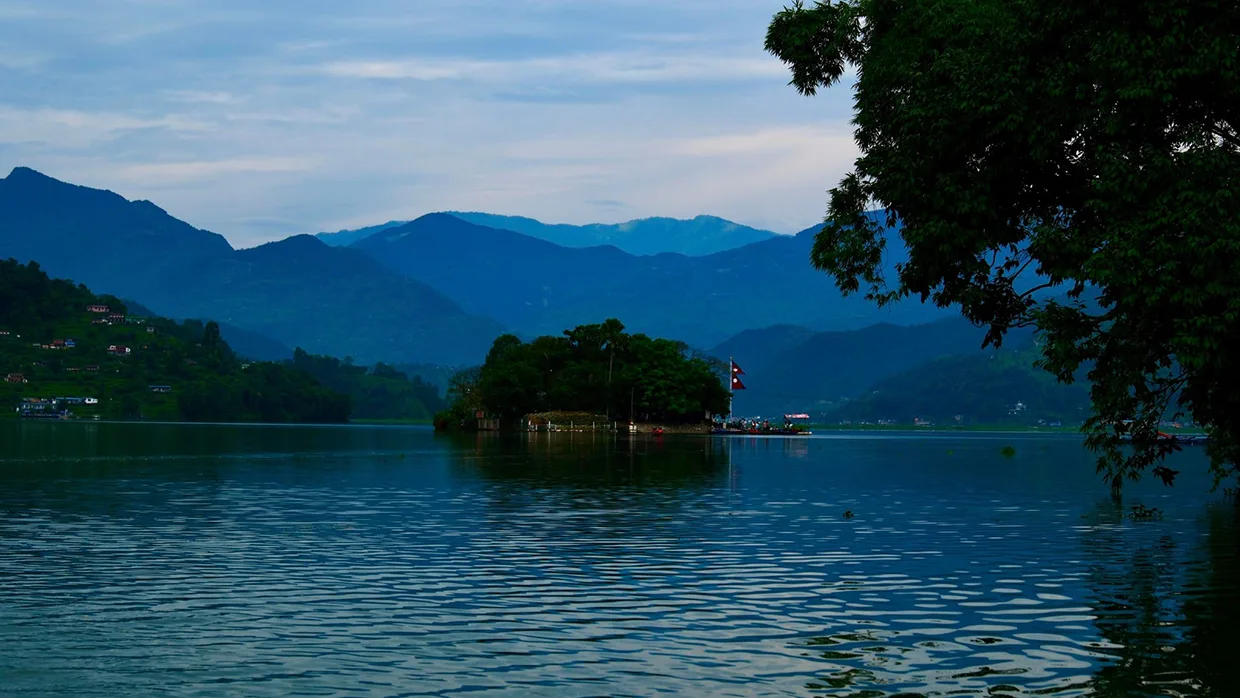
Phewa Lake defines Pokhara. The lake stretches across 4.4 square km and reflects the Annapurna range on clear mornings. Rent a wooden rowboat from the Lakeside ghats and paddle toward Tal Barahi island. Tal Barahi Temple sits on a small island in the middle of the lake. Devotees and tourists reach it by boat from Lakeside. The temple blends Hindu devotion and mountain scenery into one quiet spot.
Best time: Early morning for reflections. Time needed: 1 to 2 hours for boating. Suits: Everyone.
Sarangkot
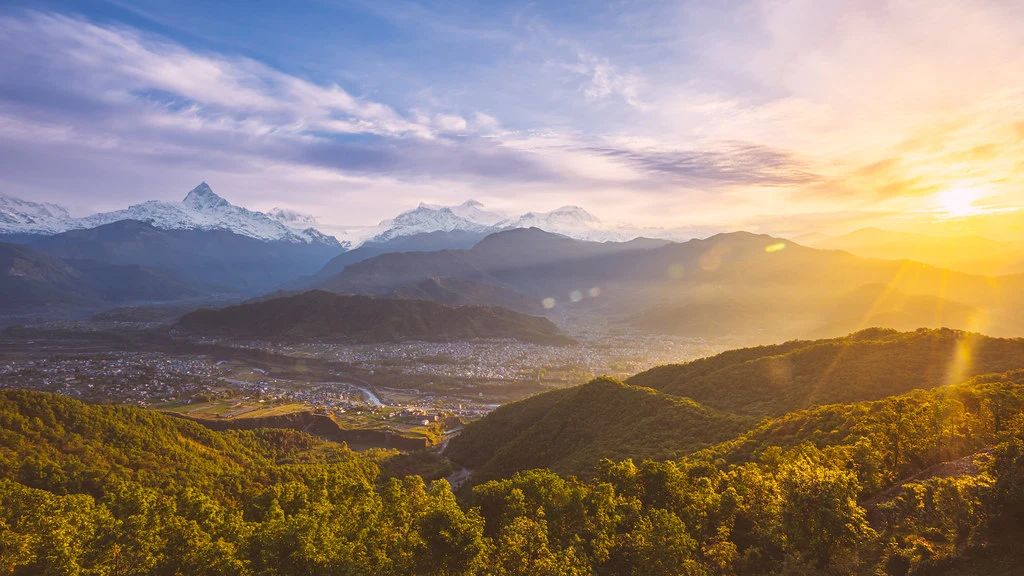
Sarangkot sits on a hill about 5 km northwest of Lakeside. The viewpoint delivers panoramic views of the Annapurna range, Machhapuchhre, and Phewa Lake below. Sunrise here draws early risers from every type of traveler. Paragliding launches happen from the Sarangkot ridge every day in good weather. The zipline at Sarangkot runs over forested hillsides for a quicker adrenaline fix. Taxis and private vehicles reach the summit road easily.
Best time: Pre-dawn for sunrise. Time needed: 2 to 4 hours, including travel. Tip: Check cloud forecasts the night before.
World Peace Pagoda
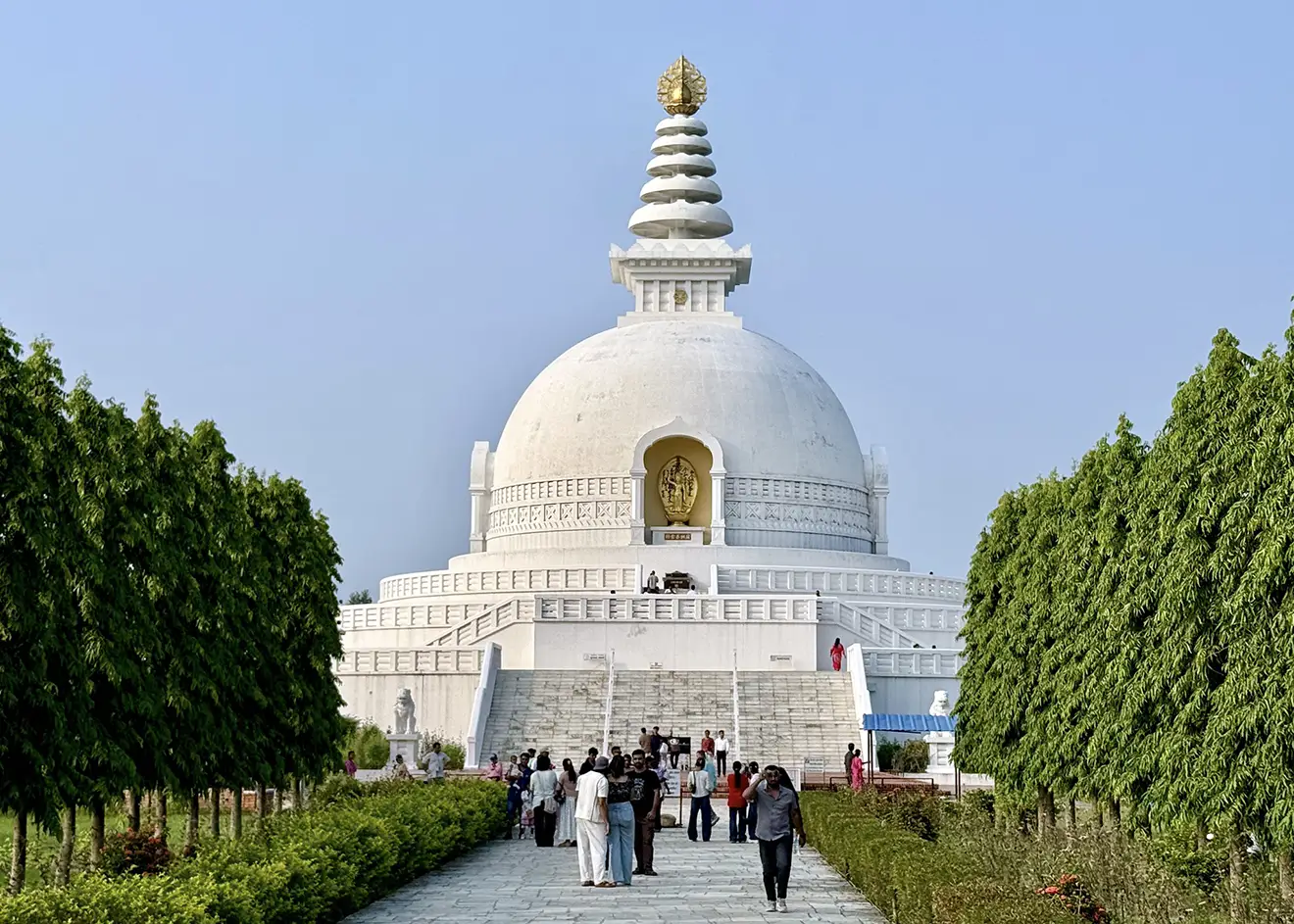
The World Peace Pagoda, also known as Pokhara Peace Stupa, stands on a hilltop on the southern edge of Phewa Lake. A short boat crossing from Lakeside and a 20-minute uphill walk bring you to the white Buddhist stupa. Views from the pagoda cover Pokhara city, Phewa Lake, and the full Annapurna range on clear days. The peaceful atmosphere and panoramic setting make it one of the best places to visit in Pokhara. Morning or late afternoon.
Time needed: 2 to 3 hours with the boat and a hike. Suits: All travelers, including families.
Devis Fall and Gupteshwar Cave
Devi’s Fall sits about 2 km south of Lakeside. The Phusre stream drops sharply into a deep gorge through a natural stone tunnel. The waterfall runs strongest during and just after the monsoon season. Gupteshwar Cave sits directly across the road from Devi’s Fall. A narrow passage leads to a large cavern with a sacred Shiva shrine inside. The two sites pair naturally into a 90-minute stop.
Mahendra Cave
Mahendra Cave opens about 4 km north of Lakeside near Batulechair. A guide takes you inside through chambers of stalactites and stalagmites. Local bats roost in the upper reaches of the cave.
Best time: Morning or late afternoon. Time needed: 45 to 60 minutes. Suits: Families and cave-curious travelers.
Old Bazaar and Bindhyabasini Temple
Old Bazaar, locally called Bazar Tole, shows the original face of Pokhara. Narrow streets hold Newari-style architecture, traditional shops, and a quieter pace than Lakeside. The area rewards slow walking. Bindhyabasini Temple stands on a hilltop above Old Bazaar. Locals consider it the city’s main temple. Monkeys roam the courtyard. Views extend over the valley from the temple platform.
International Mountain Museum
The International Mountain Museum, or IMM, displays Nepal’s mountaineering history with depth and care. Exhibits cover all 14 of the world’s 8,000-meter peaks, climbing equipment, and cultural displays of Himalayan peoples.
Best time: Any time of day. Time needed: 1.5 to 2 hours. Suits: Trekking enthusiasts and history lovers.
Seti River Gorge
The Seti River flows invisibly beneath Pokhara’s streets before surfacing at viewpoints. Prithvi Narayan Campus viewpoint and K.I. Singh Bridge offers dramatic looks down into the narrow gorge.
Begnas and Rupa Lakes
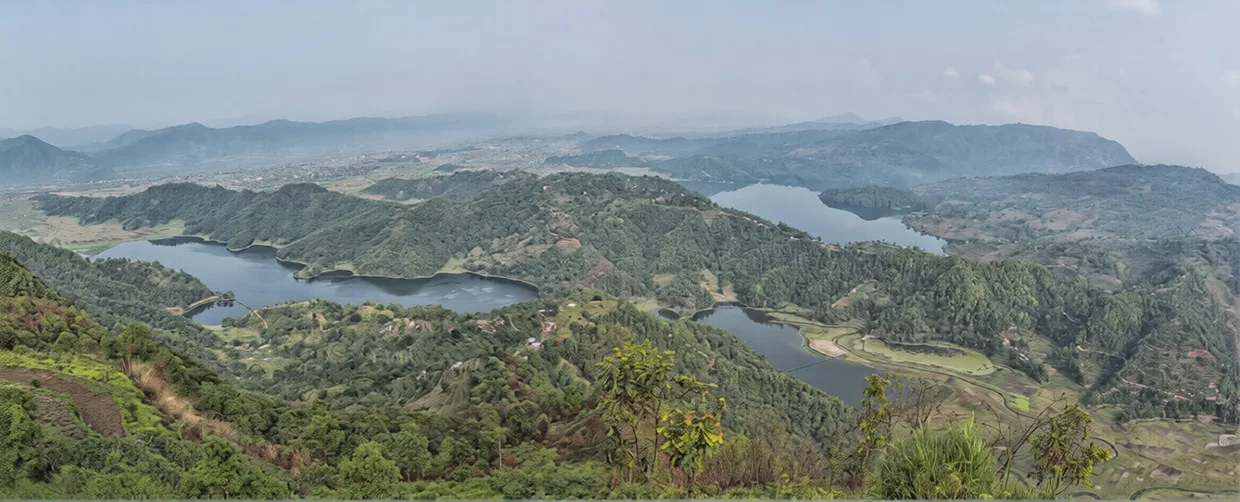
Begnas Lake sits about 15 km east of Lakeside. Rupa Lake lies just beyond. Both stay far quieter than Phewa. Begnas suits travelers who want fresh air, green hills, and calm water without Lakeside crowds. Small guesthouses and eco-lodges operate near Begnas. A morning or afternoon day trip from Lakeside works perfectly. Some travelers stay a night at Begnas for deeper quiet.
Best Things to Do in Pokhara
- Boating on Phewa Lake — rent a rowboat or hire a boatman from the Lakeside ghat
- Sunrise at Sarangkot — wake before 5 AM and hire a taxi to the viewpoint
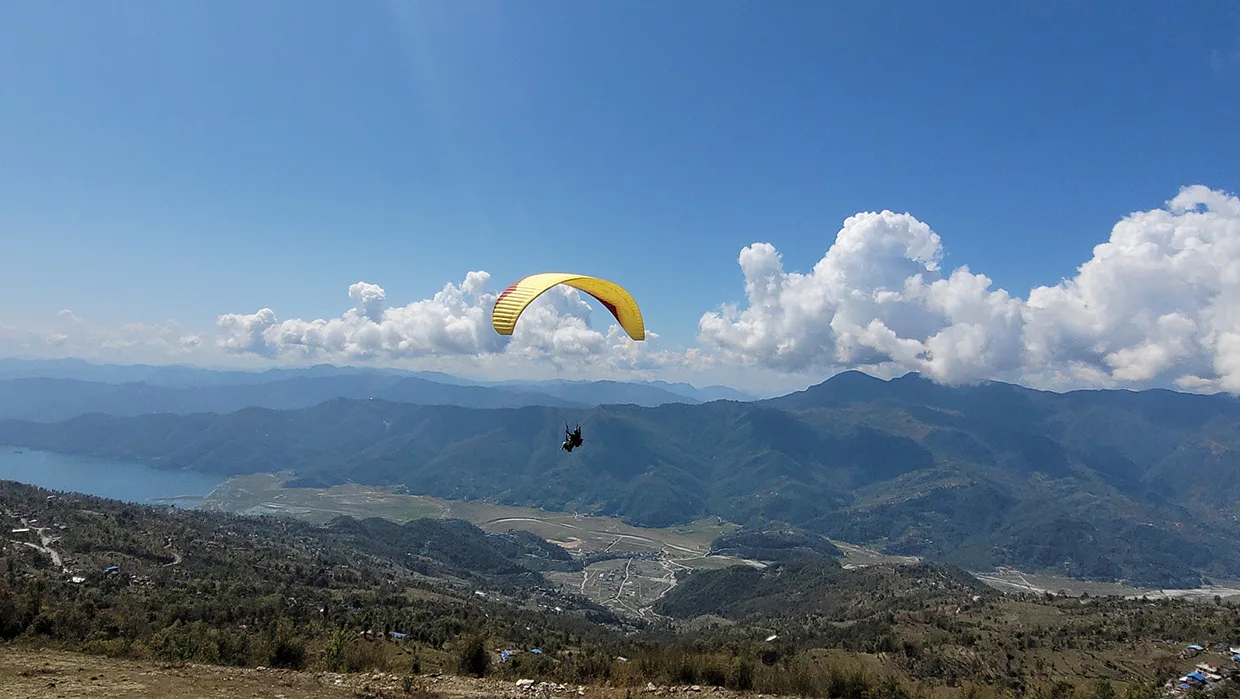
- Paragliding over Pokhara — flights last 20 to 30 minutes over the lake and valley
- Zipline at Sarangkot — one of the longest and highest ziplines in the world
- Ultra-light aircraft flight — scenic 30-minute flight over lakes and Annapurna peaks
- Mountain biking — trails around the Pokhara valley offer routes for all skill levels
- Short hikes — Pardi Dam trail, Australian Camp approach, Peace Pagoda walk
- Visit the Tal Barahi temple by boat — the lake island temple adds cultural depth
- Cafe hopping in Lakeside — strong coffee, bakeries, and live music fill the evenings
- Spa and massage — multiple wellness centers in Lakeside help you recover after trekking
- Evening walk along Lakeside promenade — restaurants, crafts, and lake reflections
Pokhara Travel Guide for First-Time Visitors
First-time visitors to Pokhara often expect a mountain village. They find a well-connected lakeside city with hotels, cafes, and restaurants for every budget. The surprise feels pleasant rather than disappointing. Early mornings matter most in Pokhara. Mountain views disappear by mid-morning as clouds build from the valley floor. Wake early for Sarangkot or lakeside walks before 8 AM, and you will see Annapurna clearly. Lakeside works best for social travelers who want restaurant variety and lively evenings.
Private transport saves real time when visiting sites outside Lakeside, such as Sarangkot, Devi’s Fall, or Begnas. A hired vehicle for a day comfortably covers all the major tourist places in Pokhara. Balance sightseeing with rest. Pokhara rewards slow travel. A packed schedule misses the city’s real rhythm, which comes through mornings by the lake and evenings with good food and mountain air.
Where to Stay in Pokhara
Lakeside / Baidam
Lakeside, officially called Baidam, lines the eastern shore of Phewa Lake. Hotels, restaurants, souvenir shops, and activity booking offices fill the main strip. Most travelers base themselves here. Lakeside suits first-time visitors, couples, backpackers, and anyone who wants everything within walking distance. It offers the widest range of accommodation from budget guesthouses to mid-range hotels and boutique stays.
Sarangkot
Sarangkot stays quiet even during peak season. Guesthouses and small lodges offer sunrise views from room balconies. Transport to Lakeside takes about 20 minutes. Sarangkot suits paragliders and sunrise enthusiasts who do not want to wake at 4 AM for a taxi. The hilltop calm makes it a favorite for couples seeking privacy.
Begnas Area
Begnas Lake sits 15 km from Lakeside. Eco-lodges and guesthouses near the water offer genuine quiet. Bird sounds replace motorbike noise. Begnas suits slow travelers and couples who want nature over nightlife.
Central and New Road
Central Pokhara near Newroad offers budget stays with a more local feel. The area lacks Lakeside’s tourist polish but gives access to Old Bazaar, local eateries, and a real street-level experience.
| Area | Atmosphere | Best For | Price Level | Downside |
|---|---|---|---|---|
| Lakeside / Baidam | Lively resort zone | First-time visitors | Budget to luxury | Busy during peak season |
| Sarangkot | Hilltop village, calm | Sunrise lovers, para-gliders | Mid to high | Needs transport daily |
| Begnas area | Quiet, rural, scenic | Couples, slow travelers | Mid-range | Far from Lakeside buzz |
| Central / Newroad | Urban, practical | Local feel seekers | Budget | Less tourist infrastructure |
What to Eat in Pokhara
Must-Try Dishes
Start with dal bhat, Nepal’s national dish — steamed rice with lentil soup, vegetables, and pickles. Restaurants refill the plate as many times as you want. Dal bhat gives real energy for active days. Momo, the Nepali steamed dumpling, appears everywhere in Pokhara. Try vegetable, chicken, or buff varieties. Fried momo and jhol momo, served in a spiced broth, both taste excellent.
Thakali Set Meal
Thakali cuisine comes from the Thak Khola valley north of Pokhara. A Thakali set includes rice, multiple vegetable dishes, meat curry, pickles, and ghee. It represents some of the best home-cooked food in Nepal.
Cafe Culture in Lakeside
Lakeside surprises many visitors with its cafe quality. Strong filtered coffee, wood-fired pizza, fresh pastries, and international menus all appear on the same street. Morning coffee by the lake has its own charm.
Local Snacks and Street Food
Try sel roti, a crispy Nepali rice doughnut, from roadside stalls near temples and markets. Chatamari, a thin rice crepe with toppings, offers a lighter Newari snack option near Old Bazaar.
Vegetarian Options
Pokhara handles vegetarian travel very well. Almost every restaurant offers a full vegetarian menu. Lakeside cafes label dishes clearly. Dal bhat, momo, Thakali meals, and most street snacks all come in vegetarian form.
Food Safety Tips
Drink bottled or filtered water only. Avoid raw salads at low-budget restaurants. Cooked food served hot from active kitchens stays safest. Reputable Lakeside restaurants maintain high hygiene standards.
How to Get Around Pokhara
Walking covers Lakeside completely. The main strip from Pardi Dam to the northern ghat end takes about 20 minutes on foot. Most hotels, restaurants, and booking offices sit within this walkable zone. Taxis operate throughout Pokhara. Agree on a fare before getting in or ask the driver to use the meter. Shared taxis run on fixed routes to the bus park, airport, and outer neighborhoods.
Hire a private vehicle for a half-day or full-day if you plan to cover multiple sites outside Lakeside.
A single hired car reaching Sarangkot, Devi’s Fall, Gupteshwar, Mahendra Cave, and the IMM in one day costs far less than multiple individual taxis. Bicycles and scooters suit adventurous travelers who know Nepal’s traffic patterns. Electric scooter rentals appear in Lakeside for shorter explorations around the lake road.
Pokhara Costs and Daily Budget
Pokhara fits every budget level. Backpackers spend very little time staying in guesthouses and eating dal bhat. Luxury travelers book lakeside resorts and add paragliding and private transfers.
| Style | Hotel (per night) | Food (per day) | Activities | Daily Total |
|---|---|---|---|---|
| Backpacker | $8–$15 | $6–$10 | $5–$15 | ~$20–$40 |
| Mid-range | $25–$60 | $12–$20 | $15–$35 | ~$50–$115 |
| Comfort | $60–$120 | $20–$35 | $25–$50 | ~$100–$200 |
| Luxury | $150–$400+ | $30–$60 | $50–$200+ | ~$230–$660+ |
Prices fluctuate by season. Peak months of October-November and March-April push hotel rates higher. Monsoon brings the best rates. Book accommodation early for October travel.
How Many Days Do You Need in Pokhara?
1 Day
Cover only the key highlights: Phewa Lake boating, Tal Barahi visit, and a Lakeside evening walk. Skip Sarangkot if you arrive late. One day feels rushed, but it gives you a taste.
2 Days
- Day one: Sarangkot sunrise, Phewa Lake boating, World Peace Pagoda walk, Lakeside dinner.
- Day two: Devi’s Fall, Gupteshwar Cave, Mahendra Cave, Old Bazaar, and IMM.
Two days cover the core Pokhara travel guide without feeling frantic.
3 Days
Add paragliding or a zipline on day three. Use a morning for a day trip to Begnas Lake. Spend an evening in a lakeside spa. Three days give the right balance of activity and rest.
4 Days
Use the extra day for a Dhampus or Australian Camp day hike with views of the valley. A slow morning on Begnas Lake suits day four perfectly. Four days lets you fully settle into Pokhara’s rhythm.
5 or More Days
Longer stays suit trekkers resting before or after the Annapurna trail. Add more day trips, cooking classes, longer hikes to Sarangkot village, or a visit to Ghandruk from Pokhara.
Pokhara Itinerary Ideas
2-Day Itinerary
- Day 1 — Morning: Sarangkot sunrise, return for breakfast in Lakeside. Afternoon: Phewa Lake boat ride and Tal Barahi visit. Evening: Lakeside promenade walk and dinner by the lake.
- Day 2 — Morning: Devi’s Fall and Gupteshwar Cave. Midday: Mahendra Cave and IMM visit. Afternoon: Old Bazaar and Bindhyabasini Temple. Evening: Cafe and live music in Lakeside.
3-Day Itinerary
- Follow the 2-day plan.
- Add Day 3 — Morning: Paragliding or zipline from Sarangkot. Afternoon: Begnas Lake day trip by private car. Evening: Lakeside spa and slow dinner.
Pokhara for Couples
- Day 1: Sarangkot sunrise, private lake boat ride, World Peace Pagoda hike, lakeside dinner.
- Day 2: Paragliding together, spa afternoon, romantic lakeside evening. Day 3: Begnas Lake, a quiet morning.
Pokhara for Families
Start with Phewa Lake boating — children love the rowboats and the island temple. Devi’s Fall and Gupteshwar Cave are exciting for all ages. Keep the itinerary pace gentle and plan rest times in the afternoon.
Pokhara Before Trekking
Use the first day to rest after your journey to Kathmandu. Day 2: Sarangkot, gear checks, permit paperwork, and early dinner. Day 3: Transfer to the trailhead. Do not overschedule before a long trek.
Pokhara After Trekking
- Day 1: Arrive from the trailhead, eat a proper meal, get a full-body massage, and sleep early.
- Day 2: Easy lake boating, cafe rest, light Old Bazaar walk.
- Day 3: Final Annapurna views from Sarangkot before departure.
Best Day Trips From Pokhara
Begnas and Rupa Lakes
Both lakes sit within 15 to 20 km of Lakeside. Hire a private car for a half-day or full-day visit. Begnas offers rewards such as paddleboating, birdwatching, and views of the hills. Rupa adds a second calmer lake nearby.
Sarangkot and Naudanda
Sarangkot is a day trip or a half-day from Lakeside. Naudanda extends the ridge walk westward with sweeping Annapurna views and a few other tourists. A private car reaches Naudanda easily.
Dhampus and Australian Camp
Dhampus village and Australian Camp sit on a ridge about 1,900 meters above sea level. Both offer some of the closest Annapurna views accessible by vehicle and a short walk from Pokhara. Day trips run easily in spring and autumn.
World Peace Pagoda Side Trip
Cross Phewa Lake by boat, hike 20 minutes uphill, and reach the pagoda. Combine with a Lakeside morning for a half-day outing. Return by boat for lunch near the ghat.
Pokhara Before or After Trekking
Pokhara acts as the main gateway for the Annapurna region. Trails like the Annapurna Circuit, Annapurna Base Camp, Ghorepani Poon Hill, and Mardi Himal all begin from trailheads within 1 to 2 hours of the city. Arriving a day or two early before a trek lets you rest, check gear, organize permits, and acclimatize. Rushing directly onto a multi-day trail from a long flight makes the first days harder. Pokhara acts as a natural buffer. After trekking, the city delivers exactly what tired legs need.
Hot showers, strong coffee, lakeside meals, and spa massages are all within walking distance. Most returning trekkers spend 2 to 3 nights recovering in Pokhara before flying home or continuing onward to Chitwan or Kathmandu. Transport to Annapurna trailheads runs daily. Private vehicles and jeeps handle most transfers. Your hotel or a local travel desk arranges transport to Nayapul, Phedi, Kande, or Syauli Bazaar, depending on which trail you choose.
Safety, Health, and Practical Travel Tips
Water Safety
Drink bottled or filtered water throughout your stay. Refillable water stations appear in Lakeside for eco-conscious travelers. Never drink directly from taps or natural streams in the city area.
Activity Booking
Book paragliding, zipline, and ultra-light flights only through government-registered operators. Ask to see their certificate. Lakeside has many legitimate operators and a few unlicensed ones. Verified booking centers near the main strip stay safer.
Weather and Mountain Visibility
Cloud cover builds quickly over Pokhara from late morning onward. Plan all viewpoint visits and activity bookings for morning hours. Check weather forecasts the night before Sarangkot sunrise trips.
Cash and Payments
Carry Nepali rupees for temple entry, local taxis, small restaurants, and market purchases. ATMs in Lakeside sometimes run out of cash during peak season. Withdraw before weekends or festivals.
Temple Etiquette
Remove shoes before entering temples and pagodas. Dress modestly near religious sites. Ask before photographing people at prayer. Bindhyabasini and Tal Barahi both welcome respectful visitors warmly.
Pacing Your Itinerary
Do not pack every site into one day. Pokhara rewards slower travel. Two or three attractions per day leaves room for lakeside relaxation, good meals, and the unexpected moments that make travel memorable.
Frequently Asked Questions
Q: Is Pokhara worth visiting?
A: Yes, Pokhara is highly recommended because it offers some of Nepal’s finest scenery, soft adventure, and a relaxed atmosphere. Visitors consistently describe the city as a major highlight of their trip. It provides a perfect blend of high-quality food and beautiful surroundings. Whether you seek excitement or a peaceful retreat, the city is a valuable addition to any itinerary.
Q: How many days do you need in Pokhara?
A: Two to three days is sufficient to see all the key sights comfortably. If you stay for four days, you can add deeper leisure and extra day trips. Trekkers often include one or two nights before and after their journey on the Annapurna trail. This timeframe ensures you can experience the major landmarks while still having time to enjoy the lakeside culture.
Q: What is the best time to visit Pokhara?
A: October and November provide the clearest mountain views and the most pleasant weather. March and April are also excellent, featuring beautiful rhododendron blooms and good visibility. These peak seasons are suitable for every type of traveler. Visiting during these months ensures you see the snow-capped peaks and the lake at their most stunning under clear skies.
Q: Is Lakeside the best place to stay?
A: Lakeside is the best choice for most visitors because it has the widest selection of hotels, restaurants, and activity operators. Sunrise lovers might prefer staying in Sarangkot. For those who prioritize quiet and seclusion over central convenience, the area around Begnas is a great alternative. Each location offers a unique pace, allowing you to choose a base that fits your travel style.
Q: What is Pokhara famous for?
A: Pokhara is world-renowned for Phewa Lake, spectacular Annapurna mountain views, and its popular paragliding scene. It is also famous for the World Peace Pagoda and its vital role as the gateway to the Annapurna trekking region. These attractions combine natural beauty with spiritual landmarks, making it a diverse destination that offers everything from quiet contemplation to high-altitude adventure in the nearby mountains.
Q: Is Pokhara better than Kathmandu?
A: Pokhara is calmer and more scenic, while Kathmandu offers more cultural depth through its many temples and museums. Neither is strictly better, as they provide very different experiences. Most successful Nepal trips benefit from spending time in both cities to appreciate the country’s spiritual heritage alongside its natural beauty. Choosing between them depends on your preference for relaxation or historical exploration.
Q: Can you see Everest from Pokhara?
A: No, Mount Everest is located too far to the east to be visible from this city. Instead, the northern horizon is dominated by the majestic Annapurna range, Dhaulagiri, and the iconic Machhapuchhre, also known as Fishtail. While you won’t see the world’s highest peak, the surrounding mountains offer some of the most dramatic and accessible alpine views in Nepal, appearing much closer than Everest.
Q: What can you do in Pokhara in 2 days?
A: On the first day, you can enjoy the Sarangkot sunrise, boat on Phewa Lake, and walk to the World Peace Pagoda. Your second day should include Devi’s Fall, Gupteshwar and Mahendra caves, the Old Bazaar, and the International Mountain Museum. This itinerary covers the essential natural wonders and cultural sites, providing a comprehensive overview of the city’s unique charm in a short time.
Q: Is Pokhara good before trekking?
A: Yes, arriving one or two days early allows you to rest, check your gear, and collect necessary permits. It also gives you time to adjust to the altitude before heading onto the trail. Since most Annapurna treks begin at trailheads near the city, it serves as an ideal logistical base, ensuring you are fully prepared and relaxed for the mountains.
Q: Is Pokhara good for couples and families?
A: Very much so. Couples can enjoy romantic lake views, sunrise hikes, and spa experiences together. Families appreciate activities like boat rides, cave explorations, and visiting waterfalls, which are enjoyable for all ages. The city’s safe environment and diverse range of accessible attractions make it a versatile destination that can accommodate romantic getaways and fun-filled family vacations.
Final Thoughts
Pokhara rewards every type of traveler who shows up ready to slow down and look up. The lake delivers calm. The mountains deliver perspective. The city delivers comfort at every budget. A 2-day visit covers the highlights well. A 3- or 4-day stay lets you feel what Pokhara actually is — a city where outdoor adventure, cultural depth, and lakeside ease coexist without effort. Whether you plan to trek Annapurna, paraglide over the lake, explore quiet Begnas, or simply eat good food and watch Machhapuchhre turn pink at sunrise, this Pokhara Travel Guide gives you everything you need to plan confidently and travel well.