


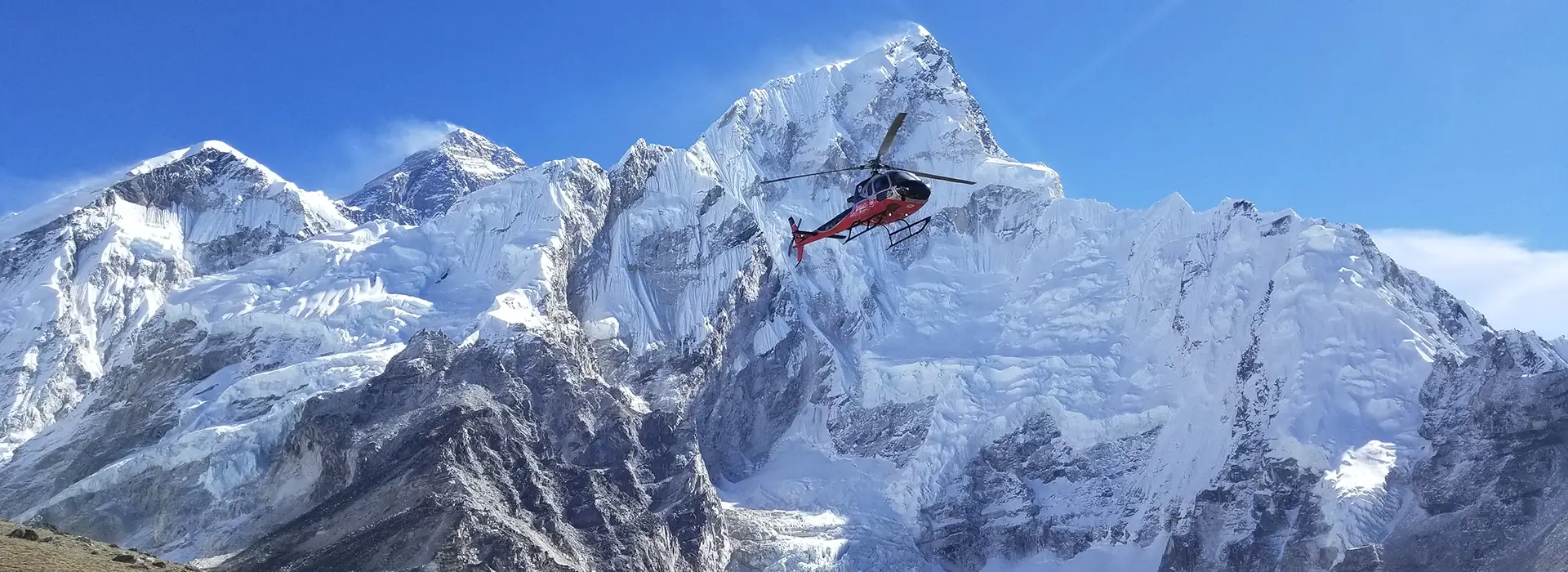

The Top Tourist Attractions in Nepal are:
- Kathmandu Valley – Heritage temples, palaces, and vibrant culture.
- Pokhara – Scenic mountain views, lakeside relaxation, and adventure sports.
- Chitwan – Jungle safaris, wildlife spotting, and cultural village tours.
- Annapurna Region – Gentle mountain treks, Himalayan vistas, and village stays.
- Everest Region – Iconic peaks, Sherpa culture, and high-altitude treks.
- Lumbini – Sacred Buddhist sites and peaceful gardens.
Each place offers a unique experience. These top destinations suit a range of interests, from history buffs to nature lovers.
How to Choose the Right Attractions in Nepal
Nepal has diverse attractions. You can pick based on your interests:
- Heritage and Culture: Visit temple squares, old cities, and monasteries. The Kathmandu Valley (Kathmandu, Patan, Bhaktapur) is home to many UNESCO World Heritage Sites.
- Scenic Nature: Head to lakes, hill viewpoints, or gentle countryside. For example, Pokhara’s Phewa Lake and the hilltop Peace Pagoda offer views of the mountains.
- Wildlife: Explore jungles and parks like Chitwan or Bardia. Enjoy safari tours, canoe rides, and birdwatching among rivers and tropical forests.
- Mountains and Trekking: Choose regions with views of the Himalayas. The Annapurna and Everest areas offer treks from easy hikes to challenging climbs. Even a short walk can bring spectacular views.
- Spiritual and Pilgrimage: Visit sacred spots like Lumbini (Buddha’s birthplace), Pashupatinath Temple, or Boudhanath Stupa. These places bring peace and insight into Nepal’s spiritual heritage.
- Short Side Trips: For a limited time, pick nearby highlights. Nagarkot or Dhulikhel, near Kathmandu, offers sunrise views of the Himalayas. Bandipur or Ghandruk in the hills offer village culture with minimal effort.
Think of Nepal as a mix of categories. Match attractions to your style: culture, nature, wildlife, mountains, or spiritual.
Choose Heritage Attractions for History and Culture
Kathmandu, Patan, and Bhaktapur have ancient palaces, temples, and art. Walk through the Durbar Squares and the old markets. These sites show Newari culture and centuries-old architecture.
- Kathmandu Durbar Square: Ancient palaces and temples.
- Patan Durbar Square: Fine wood-carving and a royal palace.
- Bhaktapur Durbar Square: Medieval city charm with pottery and temples.
- Monasteries and Shrines: Swayambhunath (Monkey Temple), Boudhanath Stupa, and many Hindu temples in the valley.
These places teach you about Nepal’s past. History lovers and culture seekers will enjoy them.
Choose Scenic Attractions for Mountain Views and Relaxation
Pokhara and nearby hills offer nature and comfort. Pokhara sits by Phewa Lake with the Annapurna range on the horizon. Sarangkot and Peace Pagoda give sunrise views.
- Pokhara Lakeside: Boating on Phewa Lake and dining with mountain scenery.
- Sarangkot and Peace Pagoda: Hilltop viewpoints for sunrise over the Annapurna Himalayas.
- Short Drives/Hikes: Visapur Hill or David Falls for easy outings with views.
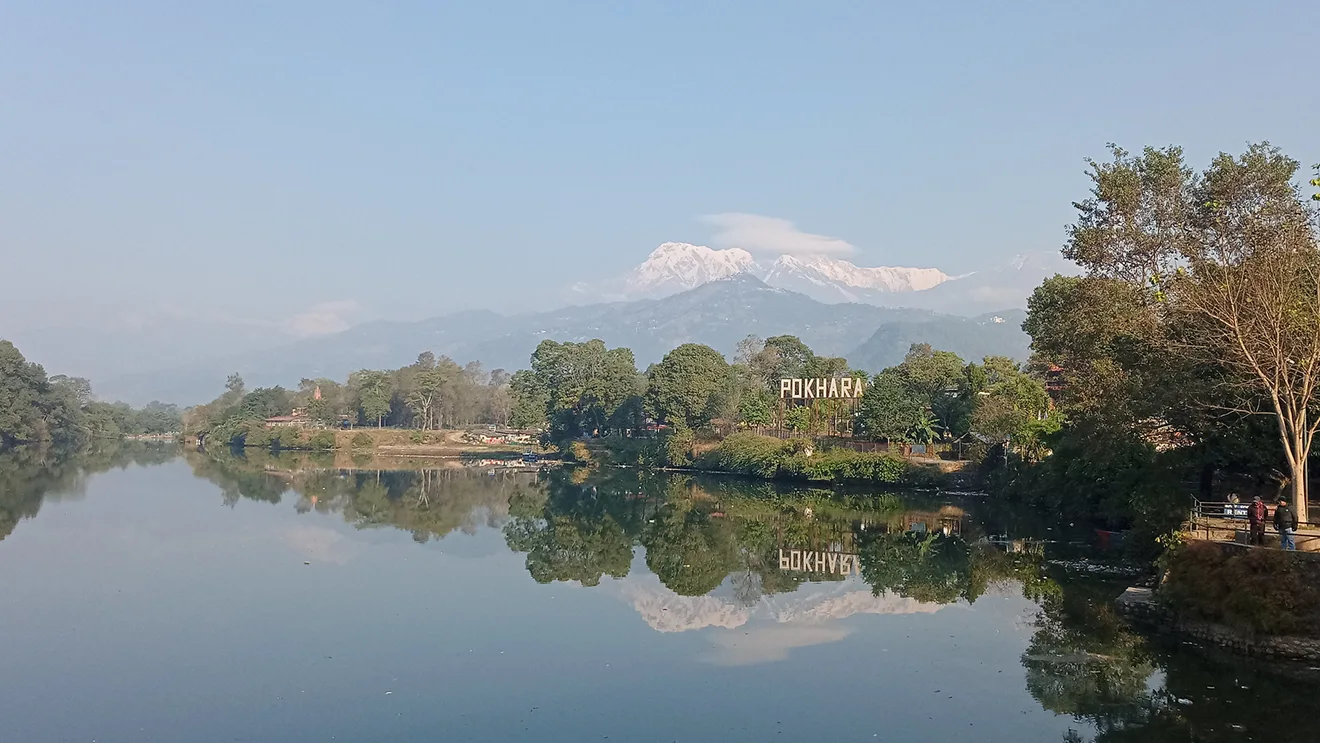
These spots are perfect for relaxation. Scenic travelers, couples, and families often choose Pokhara for its beauty and calm.
Choose Wildlife Attractions for Jungle Adventure
Head south to Chitwan or Bardia National Park for jungles. Book a jungle lodge and enjoy safaris.
- Jeep or Elephant Safari: Spot one-horned rhinos, deer, and, if lucky, tigers.
- Canoe Ride: Drift down rivers to see crocodiles and birdlife.
- Tharu Cultural Tours: Visit local villages and see traditional dances and crafts.
Wildlife fans and families love these experiences. It’s a dramatic change from Nepal’s mountains and cities.
Choose Mountain Regions for Trekking and High Scenery
For Himalayan peaks, visit the Annapurna or Everest regions. Even short treks or viewpoints give big scenery.
- Everest Region: Fly to Lukla and trek to Namche or Tengboche Monastery for Everest views.
- Annapurna Region: Trek to Ghorepani/Poon Hill for sunrise views of Dhaulagiri and Annapurna.
- Short Hikes: Use hill stations like Nagarkot for Everest viewpoints without long treks.
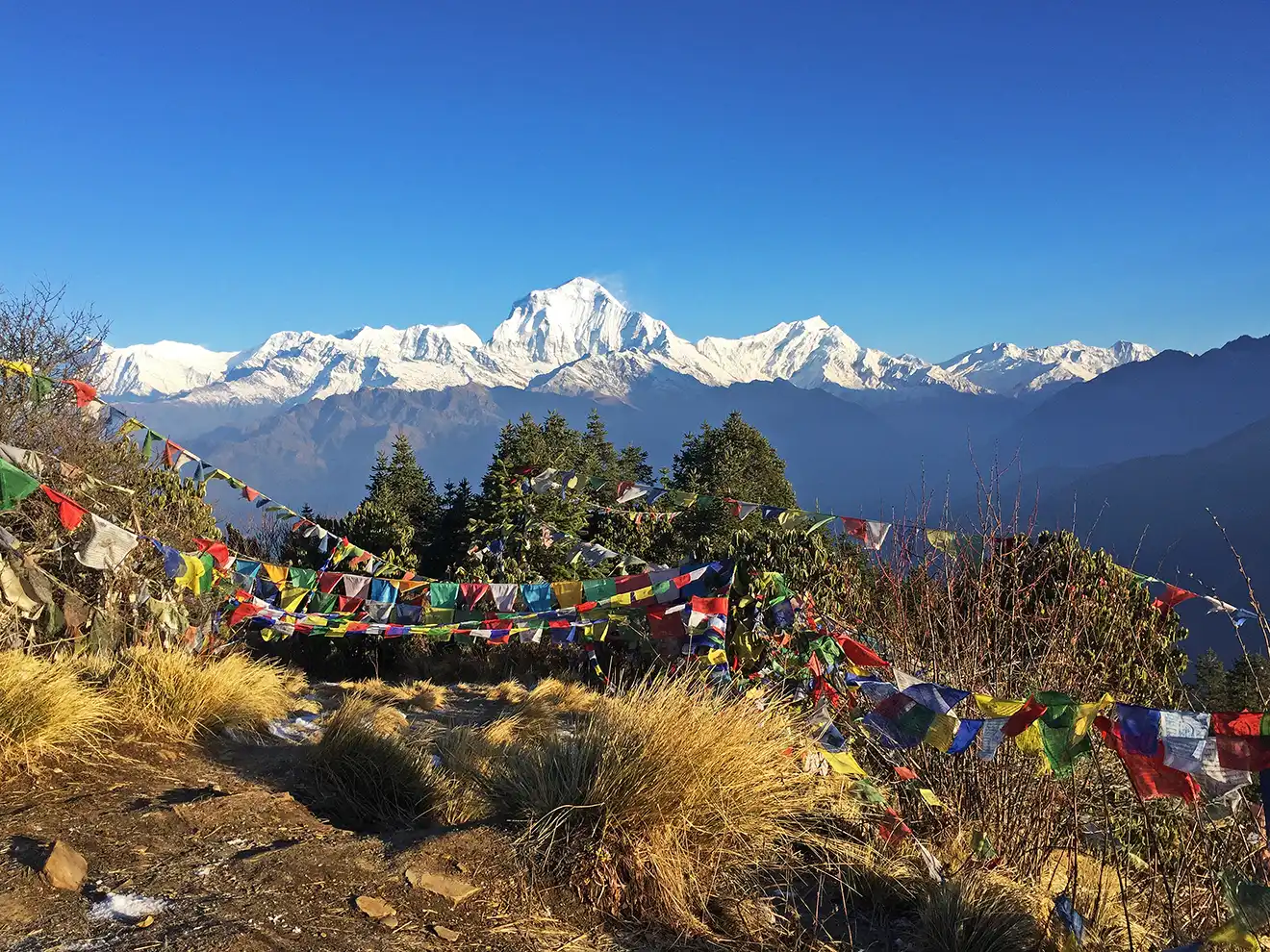
Mountain lovers and hikers should plan more days here. Spring (March–May) or autumn (Sept–Nov) offer the clearest views.
Choose Spiritual Attractions for Peace and Reflection
Visit Lumbini, the Buddha’s birthplace, or major temple sites for calm and culture.
- Lumbini: Tour Maya Devi Temple, monastic zones, and meditation centers.
- Major Temples: Pashupatinath (Hindu), Boudhanath (Buddhist) – these sites feel serene.
- Meditation and Yoga Retreats: Some sites offer spiritual retreats and cultural insights.
These suit those wanting a peaceful experience or to learn about Buddhism and Hinduism.
Top Tourist Attractions in Nepal for First-Time Visitors
For first-timers with limited time, focus on a few highlights:
- Kathmandu Valley: Historic temples and city culture. 2–3 days.
- Pokhara: Beautiful lake and mountain views. 2–3 days.
- Chitwan: Jungle safari for wildlife. 1–2 days.
- Short Annapurna Trek: A day or two to Poon Hill or Ghorepani near Pokhara. 2 days.
- Lumbini: (Optional) If interested in culture and peace, 1 day.
- Everest Region (Optional): Only if you plan a longer trip (3+ days).
Do not try to cover all at once. These places lie in different regions, and travel takes time. First trips usually group Kathmandu, Pokhara, and Chitwan. You can extend with a short hill trek or visit Lumbini if you have extra days. Each destination above is manageable and shows a different side of Nepal. For example, after the busy city life of Kathmandu, relax in Pokhara by the lake. Then experience the jungle in Chitwan. This loop keeps travel days balanced.
Best Tourist Attractions in Nepal by Destination
Kathmandu Valley
Kathmandu Valley is Nepal’s cultural heart. It includes multiple heritage cities and temple sites. This area offers rich history and culture. Old palaces and temples from the Malla era fill its streets.
- Top sights: Durbar Squares of Kathmandu, Patan, Bhaktapur; Swayambhunath (Monkey Temple); Boudhanath Stupa; Pashupatinath Temple.
- Time needed: Plan at least 2–3 days. The valley has much to explore.
- Who it suits: Ideal for first-time visitors, culture lovers, and families. History and architecture enthusiasts will be engaged.
- Best season: Autumn (Oct–Nov) and spring (Mar–May) have clear skies and festivals.
- Pair it with: Easy to combine with Pokhara or Chitwan, as each is a short flight or drive away. Kathmandu is often a gateway, so start or end your trip here.
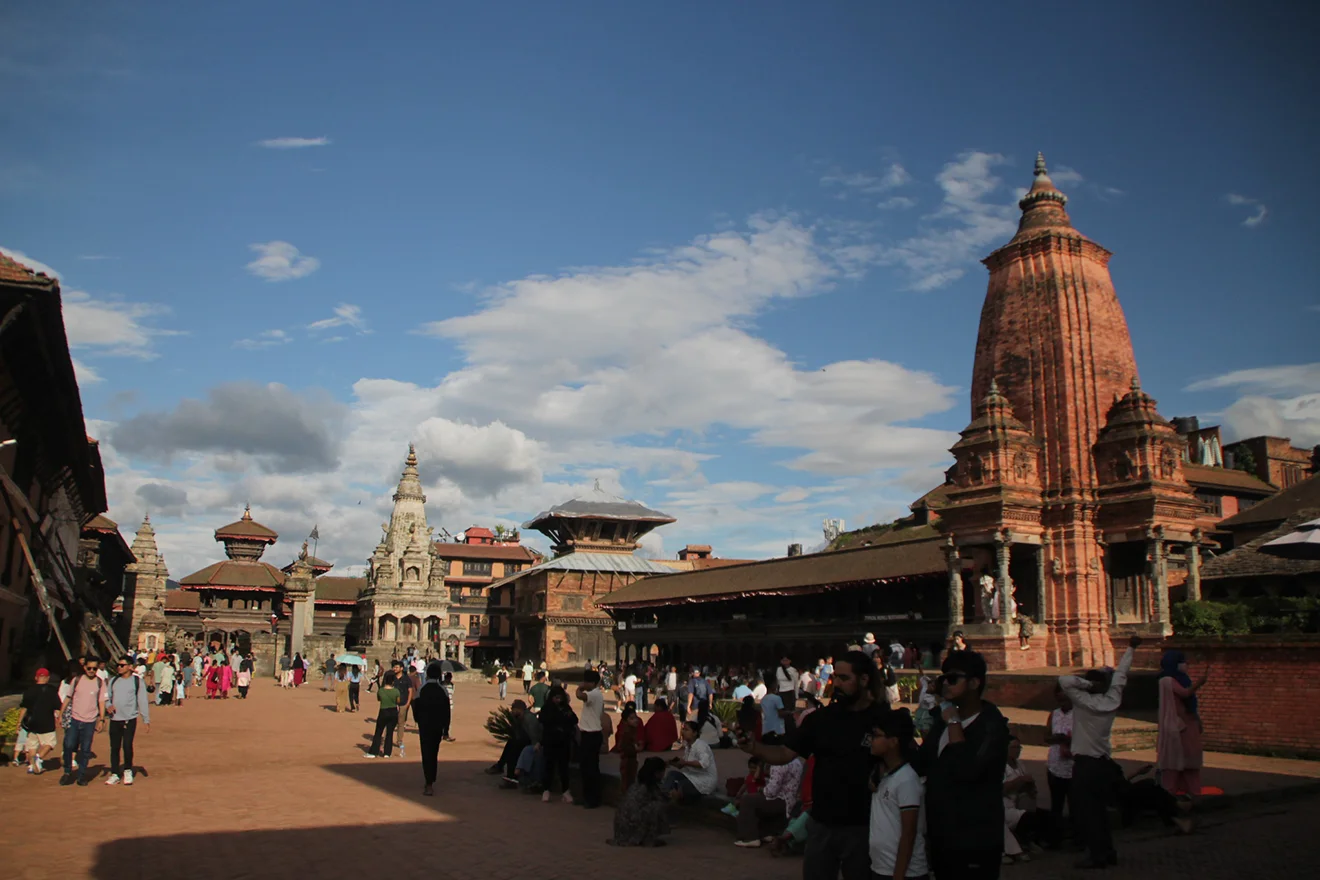
Kathmandu Valley is not one place but many sites in one region. Each part is unique. Give yourself at least some time for the main ones.
Pokhara
Pokhara is often the most relaxing and scenic stop. It sits by Phewa Lake with mountain views.
- What it is: A lakeside city surrounded by hills. It feels cooler and more laid-back than the capital.
- Why it matters: You see the Annapurna range reflected in the lake, without hiking. It also has adventure sports and easy relaxation.
- Top things to see: Boating on Phewa Lake to Barahi Temple; Sunrise at Sarangkot; World Peace Pagoda; Lakeside markets.
- Days to spend: 2–3 in Pokhara to let you relax and enjoy activities.
- Who it suits: Great for couples and families. Its comfort and scenery appeal to people who want light adventure (boating, paragliding) and easy mountain views.
- Best season: Autumn and spring, when the mountains are visible. Even winter is mild here. Avoid heavy monsoon rains (June–Aug).
- Pair it with: Often paired with Annapurna treks or as a break after Kathmandu. It lies halfway to many mountain trails.
Chitwan
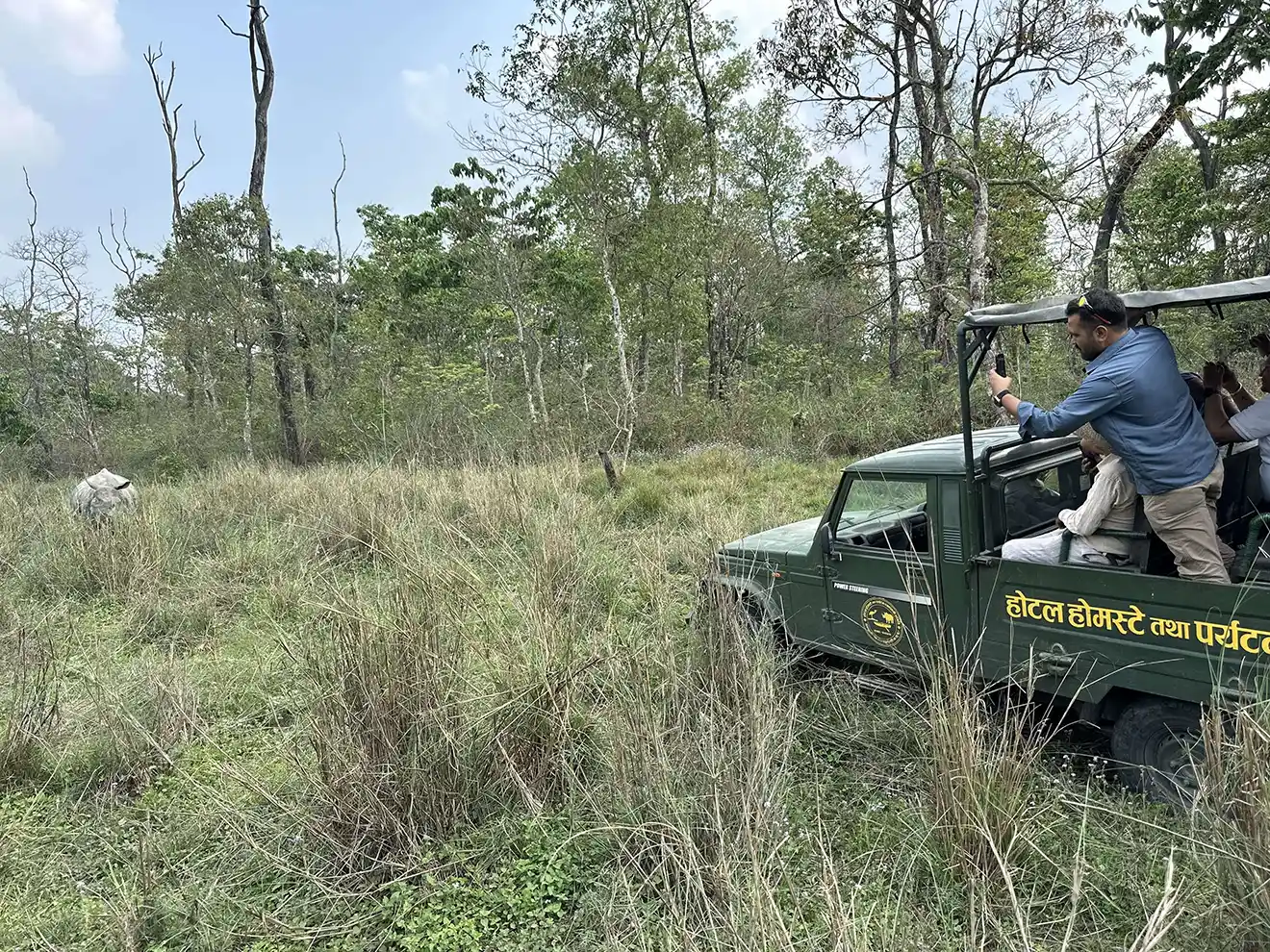
Chitwan National Park adds a wildlife adventure to Nepal travel.
- What it is: A protected jungle in the southern lowlands (Terai). Home to rhinos, tigers, and many birds.
- Why it matters: It shows a different side of Nepal’s nature and culture. You can go on safari and meet the Tharu community.
- Top things to do: Jeep or elephant safari to see rhinos and deer; boat or canoe rides on the Rapti River; Tharu village visit to learn about local traditions.
- Days to spend: 1–2 days are enough for a basic safari experience. Longer stays offer more jungle activities.
- Who it suits: Best for families and wildlife lovers. Also good for those who want a rest between city and mountain trips.
- Best season: Winter (Oct–Feb) is prime for wildlife viewing. Summer has more birds, but also heat and rain.
- Pair it with: Usually paired with Kathmandu and Pokhara circuits. It’s a flat drive from the mountains, so travelers often go to Kathmandu → Pokhara → Chitwan → back.
Annapurna Region
The Annapurna region offers mountains for many skill levels.
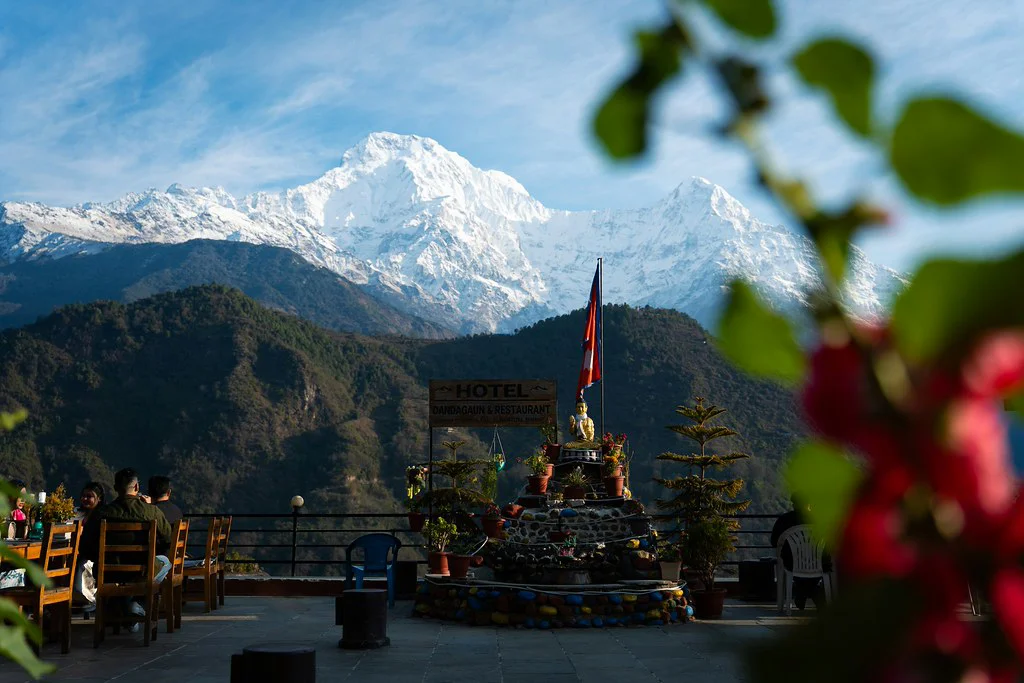
- What it is: A mountain area around the Annapurna Massif in Western Nepal. Includes the famous Annapurna range and peaks like Machhapuchhare (Fishtail).
- Why it matters: It’s more accessible than Everest and has excellent guesthouses (tea houses) along trails. The views of Annapurna and Dhaulagiri are spectacular.
- Top things to see/do: Trek to Poon Hill via Ghorepani (a 2–5 day trek) for sunrise views. Visit mountain villages like Ghandruk for culture and views.
- Days to spend: Even a 2-3 day trek is rewarding. If time allows, 5-7 days give a deeper experience.
- Who it suits: Mountain lovers who want scenery without extreme difficulty. Good for active travelers, couples, and families with teens.
- Best season: Autumn and spring offer clear views on the trails. Winter hikes are possible on lower routes, but may be cold at night. Monsoon (Jun–Aug) is very wet.
- Pair it with: Usually combined with Pokhara. You can drive to trailheads like Nayapul or Birethanti. Annapurna treks are great extensions after or before visiting Pokhara.
Everest Region
The Everest region is world-famous but remote.
- What it is: The area around Mount Everest in northeast Nepal. It includes the Khumbu Valley and Sagarmatha National Park.
- Why it matters: This is the home of Everest, the highest mountain on Earth. It also has a unique Sherpa culture in villages like Namche and Tengboche.
- Top things to see: View Everest and other peaks from viewpoints like Kalapatthar. Visit Tengboche Monastery. Trek to Everest Base Camp or shorter viewpoints.
- Days to spend: 7–10 days for a proper trek to EBC. A short trip (4-5 days) can get you to Namche and Tengboche, but not beyond.
- Who it suits: For serious mountain travelers. Not ideal for a short trip due to travel time (a flight to Lukla, then a hike). Best for those focused on trekking or mountaineering goals.
- Best season: Spring (Mar–May) and autumn (Sept–Nov). Winter brings heavy snow beyond certain altitudes.
- Pair it with: Everest stands alone in the far north. If you include it, plan your whole trip around mountain trekking. It pairs poorly with city tours unless you have extra days.
Lumbini
Lumbini offers spiritual calm away from the mountains.
- What it is: The birthplace of Siddhartha Gautama (Buddha) in southern Nepal. It’s a UNESCO World Heritage site with monasteries from many countries.
- Why it matters: It’s a peaceful pilgrimage site with gardens, temples, and meditation centers.
- Top things to see: Maya Devi Temple (Buddha’s birthplace marker); the sacred pond; the monastic zone with monasteries built by various countries.
- Days to spend: 1 day is usually enough for the main site. You can also explore nearby Tilaurakot (an ancient city) if interested.
- Who it suits: Best for spiritual travelers and anyone curious about Buddhist history. Also good for those avoiding mountain trips.
- Best season: Autumn and spring offer comfortable weather. Even winter is mild during the daytime. Avoid monsoon rains.
- Pair it with: Lumbini is far southwest. It pairs with other lowland tours or as an alternate to Chitwan. You could do Kathmandu → Pokhara → Lumbini on a longer trip.
Best Tourist Attractions in Nepal by Travel Style
Best Attractions for Couples
Couples often seek romance, comfort, and beauty. Good picks: – Pokhara: Peaceful lakeside with mountain views. Sunset boat rides and luxury hotels.
- Kathmandu Valley: Historic charm and cultural tours. Nice restaurants and boutique hotels in Patan or Thamel.
- Nagarkot or Dhulikhel: Quick escapes from Kathmandu with panoramic Himalayan sunrises.
These places mix relaxation and scenic moments.
Best Attractions for Families
Families look for safe, easy travel and variety: – Kathmandu Valley: Interactive museums, easy sightseeing, and cultural shows (e.g., evening temple aarti). Short drives between sites.
- Pokhara: Calm lake activities, short nature walks, and space for children to play. Paragliding (for teens) or boat rides.
- Chitwan: Wildlife safaris (exciting for kids) and village tours. Daytime activities keep children engaged.
These spots have family-friendly accommodations and moderate activities.
Best Attractions for Photographers
Photographers seek dramatic scenery and culture: – Pokhara: Stunning lake and Annapurna range views at sunrise/sunset. Reflections on Phewa Lake.
- Kathmandu Valley: Colorful street life, temples, and festivals. Monkey Temple offers cityscape panoramas.
- Chitwan: Wildlife and nature shots in the jungle.
- Annapurna Region: Mountain landscapes, terraced villages, and rural life.
- Everest Viewpoints: Snow-capped peaks and Sherpa villages (if traveling there).
Each offers photo ops of landscapes or cultural life.
Best Attractions for Non-Trekkers
If you want no strenuous walks, focus on: – Kathmandu Valley: Culture, shopping in Thamel, and easy walks in heritage sites.
- Pokhara: Lakeside relaxation, short hikes like Peace Pagoda (with steps but optional).
- Chitwan: Jungles and safaris (no hiking needed).
- Lumbini: Temple walks on flat ground.
You can see Nepal’s highlights without long treks.
Best Attractions for Culture Lovers
For those craving history, art, and tradition: – Kathmandu Valley: Ancient palaces, Newar art, and vibrant festivals.
- Lumbini: Buddhist heritage and peaceful meditation sites.
- Bhaktapur and Patan (near Kathmandu) – Less-crowded heritage cities with medieval architecture and craftsmanship.
- Patan (Lalitpur): Known for metalwork and temples.
These places show Nepal’s living culture and past.
Best Attractions for Mountain Lovers
If you love mountains and trekking: – Annapurna Region: See Annapurna, Machhapuchhare, and mountains from tea houses on classic trails.
- Everest Region: Everest and surrounding giants, rugged trails, high Himalayan culture.
- Pokhara: Gateway to mountain views (can see peaks without trekking).
- Nagarkot/Everest Viewpoint: Quick mountain panoramas.
These destinations bring you closest to Nepal’s famous peaks.
Best Tourist Attractions in Nepal by Trip Length
Best Attractions for a 7-Day Trip
With 1 week, focus on 2–3 areas:
- Pokhara: 2 days of lake and hill views.
- Chitwan: 2 days of jungle safari.
This route (KTM → Pokhara → Chitwan) covers culture, scenery, and wildlife. It works well because travel between them is manageable by road or short flights.
Best Attractions for a 10-Day Trip
With ten days, you have time for a short hike: – Kathmandu Valley: 2 days.
- Pokhara: 2–3 days.
- Chitwan: 2 days.
- Annapurna Short Trek: Add 2–3 days of trekking to Poon Hill or Dhampus (near Pokhara), or to other cultural sites.
This adds a mountain component. You could also spend an extra day in Kathmandu for museum and temple visits.
Best Attractions for a 2-Week Trip
With two weeks, build a flexible route: – Kathmandu Valley: 2–3 days.
- Pokhara: 2 days.
- Short Mountain Trek: 3–4 days in the Annapurna or the Everest region (you choose one).
- Chitwan: 2 days.
- Optional Lumbini or Bhaktapur: 1–2 days side trip.
Example: Kathmandu → Pokhara → Annapurna trek → Chitwan → Lumbini. Or swap Lumbini with extra days in Kathmandu Valley (Bhaktapur, Patan).
This length covers diverse attractions. It gives time to adjust pace and rest.
Best Routes to See Nepal’s Top Tourist Attractions
Kathmandu + Pokhara + Chitwan
Best for: First-time visitors needing a broad introduction.
- Route: Start in Kathmandu (3 days: temples, squares, museums), drive/fly to Pokhara (2–3 days: lake, sunrise views), then to Chitwan (2 days: jungle safari), back to Kathmandu.
- Why it works: It loops through Nepal’s highlights without long detours. All have good roads connecting them.
- Traveler type: Families, mixed groups, or any visitors who want a classic Nepal experience with minimal trekking.
- Trip length: 7–10 days.
- Pace: Moderate. Includes both active days (trekking in the Pokhara area) and relaxing (safaris, boat rides).
Kathmandu + Pokhara + Annapurna Short Trek
Best for: Active travelers and mountain lovers.
- Route: Kathmandu (2 days) → Pokhara (1–2 days) → Drive to Annapurna trailhead → 2-3 day trek to Poon Hill → back to Pokhara → Kathmandu.
- Why it works: This adds a real mountain trek to the scenic loop. You still see cities and jungle if time permits (could skip Chitwan).
- Traveler type: Hikers or fit couples/friends who want both cultural sites and stunning hikes.
- Trip length: 10–12 days (trekking requires extra days for acclimation and return).
- Pace: Active. Multiple hiking days at moderate altitude.
Kathmandu + Pokhara + Lumbini
Best for: Culture- and spiritual-travelers.
- Route: Kathmandu (3 days) → Pokhara (2 days) → Fly or drive to Lumbini (1 day) → return.
- Why it works: Combines cultural heritage (KTM), scenic nature (Pokhara), and spirituality (Lumbini).
- Traveler type: Those interested in religion, meditation, or who prefer flat travel.
- Trip length: 8–10 days.
- Pace: Relaxed. No strenuous activity; focus on sightseeing.
Kathmandu + Chitwan + Pokhara
Best for: Families and a mix of nature and culture.
- Route: Kathmandu (2 days) → Chitwan (2 days) → Pokhara (3 days).
- Why it works: Children or older travelers enjoy short drives and varied activities. Cultural sites (KTM), wildlife (Chitwan), and lake recreation (Pokhara).
- Traveler type: Families, or anyone wanting diversity with minimal hassle.
- Trip length: 7–9 days.
- Pace: Easy. Balanced sightseeing and safari, with two nights in each place.
Overlooked Tourist Attractions Worth Adding
These hidden gems can enrich your trip:
- Bhaktapur: Often skipped in favor of Kathmandu, Bhaktapur has its own ancient palace square and art. It suits architecture fans and photographers. Spend 1/2 day here after Kathmandu.
- Patan (Lalitpur): Another old city near Kathmandu. It has a fine museum and temple art. Works well as a morning outing from KTM.
- Nagarkot: A hill station with Himalayan sunrise views. Many overlook it on short trips, but it’s great after Kathmandu. Suits all, especially if you want a quick mountain fix.
- Dhulikhel: Similar to Nagarkot but quieter. Offers Everest views on clear days. Good stop on the route to Chitwan or Pokhara.
- Ghandruk: A Gurung village in the Annapurna area. Often overlooked in favor of Poon Hill. Ghandruk has culture and mountain views without the tourist crowds. Ideal for a quiet trek.
- Janakpur: A sacred Hindu town in Terai, birthplace of Sita (from Ramayana). It’s off the main tourist path, but it offers a different cultural perspective. Best for those interested in epic legends and local culture.
These spots often require an extra day or two, but reward you with authenticity and fewer crowds.
Tourist Attractions First-Time Visitors Should Not Try to Combine
Travel in Nepal can be slow, and distances can catch you by surprise. Avoid these bad combos on a short trip:
- Everest Region + Chitwan + Lumbini in 7 days: These are far apart (north, south, and southwest), and each takes time. You’d spend too much time traveling.
- Many one-night stops: Bouncing each night to a new city leaves no rest. Plan 2 nights per place.
- Major trek + full sightseeing in a week: Don’t cram a long trek (like Annapurna or Everest) into a packed city/nature tour. Either set aside time for trekking or skip it if you have many cities.
- Skipping Kathmandu for quick hits: Many try to avoid Kathmandu, but you miss core culture and history. Even a short city tour is valuable.
- Ignore seasons when picking mountains: For example, avoid planning an Annapurna trek during the monsoon. Checking the weather is key.
- Rushing Lumbini or Chitwan: These need at least a full day to appreciate, not just a quick drive-by.
In short, focus on 2–3 areas rather than many scattered ones. Allow travel time and rest.
Common Mistakes First-Time Visitors Make When Choosing Attractions
- Trying to see too much: Nepal’s roads and mountains take time. Pick a realistic number of destinations.
- Choosing places only for fame: Just because Everest or Mustang are famous doesn’t mean they fit every trip. Assess difficulty and distance.
- Underestimating road travel: Many drives take longer than expected on hilly roads. Plan travel days carefully.
- Rushing Kathmandu Valley: Some visitors spend only a few hours here. The valley deserves at least 2 days to properly cover its main sites.
- Adding trekking without enough days: Trekking takes several days, including travel to trailheads. Avoid a half-planned trek in a short trip.
- Ignoring weather/season: Monsoon can shut down treks and blur mountain views. Winter nights can be very cold in the mountains. Adjust the itinerary by season.
Planning carefully avoids disappointment. It’s better to miss a site than to dash through all of Nepal without enjoyment.
Best Time to Visit Nepal’s Top Tourist Attractions
Nepal has four seasons, each of which fits different regions:
Kathmandu Valley
- Autumn (Sept–Nov): Clear skies, mild days. Great for all activities.
- Spring (Mar–May): Flowers bloom, moderate weather. Good for sightseeing.
- Winter (Dec–Feb): Chilly nights, sunny days. Fewer crowds and festivals, such as Losar (Tibetan New Year).
- Monsoon (Jun–Aug): Heavy rain can disrupt plans. AVOID heavy travel in the Valley.
Pokhara
- Autumn & Spring: Like Kathmandu, these bring clear mountain views.
- Winter: Cooler nights but warm days. Mountains often visible.
- Monsoon: Pokhara gets rain, and often, mist obscures the mountains. Not ideal for views.
Chitwan
- Winter (Oct–Feb): Best wildlife visibility. Dry season with cool days.
- Spring (Mar–May): Animals gather around water sources. Warm weather is good for birdwatching.
- Monsoon (Jun–Sept): Heavy rains flood trails. Not recommended for safaris.
- Autumn: Also good wildlife viewing and pleasant weather.
Annapurna Region
- Autumn (Oct–Nov): Prime trekking season with stable weather and clear views.
- Spring (Mar–May): Similar to autumn, with rhododendrons blooming.
- Winter: Treks on lower routes are possible (e.g., Poon Hill), but nights are freezing. Higher passes close.
- Monsoon: Heavy rain makes trails slippery and leeches likely. Avoid trekking then.
Everest Region
- Autumn: Peak trekking season, clear views of Everest and the Khumbu peaks.
- Spring: Second-best season, also clear, but some haze can appear. Rhododendron forests are in bloom lower down.
- Winter: Extremely cold in high elevations, heavy snow above 4,000m. Not typical for tourist treks (except in Lodges for climbing).
- Monsoon: Not suitable; skies are cloudy, heavy rain and snow at altitude.
Lumbini
- Spring & Autumn: Pleasant weather, ideal for walking in gardens.
- Winter: Cool mornings, comfortable afternoons (thin jackets needed). Still fine for visits.
- Monsoon: It rains, but the site is mostly indoor/outdoor mix, so tours continue; some may find it less enjoyable in the rain.
In summary, autumn (Sept–Nov) is generally the best time for sightseeing across Nepal (except for heavy rain in the south, though Chitwan is okay). Spring (Mar–May) is also good, with warm days. Winters work for the valley and jungles, but avoid high treks. Monsoon brings lush green landscapes, but also rain disruptions.
FAQs
Q: What are the top tourist attractions in Nepal?
A: The top attractions include the Kathmandu Valley’s heritage sites, the scenic city of Pokhara, Chitwan National Park, the Annapurna and Everest mountain regions, and Lumbini, the birthplace of Buddha. Each offers a different experience: culture in Kathmandu, nature in Pokhara, wildlife in Chitwan, trekking in the Annapurna/Everest region, and spirituality in Lumbini.
Q: What should first-time visitors not miss in Nepal?
A: First-time visitors should not miss Kathmandu’s Durbar Squares and temples, the peaceful lakes and mountain views of Pokhara, and a wildlife safari in Chitwan. If time allows, include a short trek in the Annapurna region (such as Poon Hill) and a visit to Lumbini. These highlights give a well-rounded view of Nepal.
Q: Is Kathmandu worth visiting?
A: Yes. Kathmandu is Nepal’s cultural and historical core. It has seven UNESCO World Heritage sites, including palaces and temples. Visiting Kathmandu provides insight into Nepali traditions, festivals, and architecture. Even a short stay (2 days) is worthwhile.
Q: Should I choose Pokhara or Chitwan?
A: It depends on your interests. If you want mountain views, relaxation, and lakeside leisure, choose Pokhara. If you want wildlife, adventure, and village culture, choose Chitwan. Many travelers include both: for example, Kathmandu → Pokhara → Chitwan → back.
Q: Can I visit Nepal without trekking?
A: Yes. You can explore Nepal’s highlights with minimal trekking. Enjoy Kathmandu’s temples, Pokhara’s lake, Chitwan’s jungle, and Lumbini’s temples. Even visiting mountain viewpoints like Nagarkot or Sarangkot gives Himalayan views without a long hike.
Q: What is the best route to see Nepal’s main attractions?
A: A classic route is Kathmandu → Pokhara → Chitwan. You can fly or drive between them. Another is Kathmandu → Pokhara → Annapurna trek → back. Add Lumbini or a second city if time permits. The order can change, but this loop covers culture, mountains, and wildlife efficiently.
Q: How many days do I need in Nepal?
A: For a basic experience, plan at least 7–10 days to cover Kathmandu, Pokhara, and Chitwan. Add more days for trekking or extra sites (Lumbini, Everest). Two weeks allow a comfortable pace with a short trek or an extra destination.
Q: What is the best season to visit Nepal’s top attractions?
A: Autumn (Sept–Nov) and spring (Mar–May) are the best overall. These seasons have clear skies and moderate temperatures. Autumn is festival season, so it’s lively. Spring has flowering rhododendrons. Winter is okay for Kathmandu and Chitwan, but cold in the mountains. Monsoon (Jun–Aug) is the wettest and is generally avoided for treks and jungle travel.