
Unbeatable Holiday Offers – Save Up to 20% on Your Next Adventure!


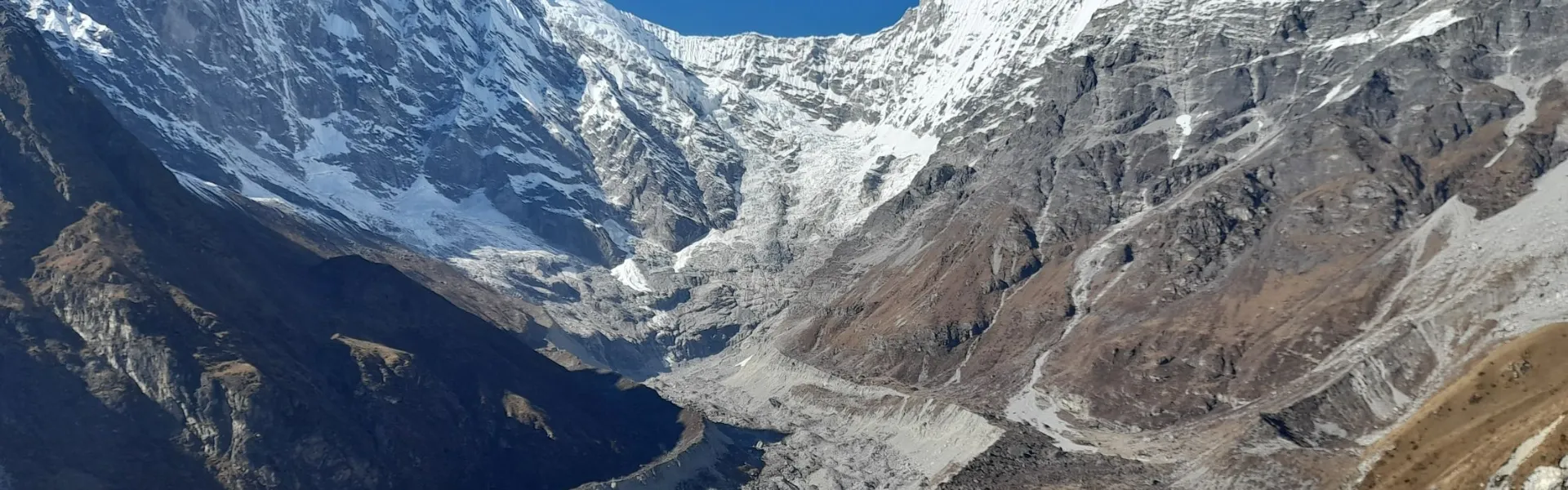
Langtang Region Guide: 6 Easy Treks Near Kathmandu
Last verified: 23 November 2026. Permit fees come from the Nepal Tourism Board and the Department of National Parks and Wildlife Conservation. Confirm road and trail conditions with your registered trekking agency, especially after the monsoon.
Status on this site: Offered. See the Langtang Valley trek, Langtang and Gosainkunda trek and Tamang Heritage trek.
Use this Langtang region guide to choose a trek in the valleys closest to Kathmandu. We cover the Langtang Valley, the sacred Gosainkunda lakes, Helambu, the Tamang Heritage Trail and the high Ganja La, with permits, access, seasons, sample itineraries, lodges, culture, wildlife and the region’s recovery from the 2015 earthquake.
Why trek in the Langtang region?
Short answer: Langtang is the closest major trekking region to Kathmandu, reached by a single day’s drive, so it suits trips of one to two weeks without domestic flights. It offers glaciers and peaks above 7,000 meters, Tamang and Hyolmo culture, sacred lakes, yak pastures and quieter trails than Everest or Annapurna, at moderate cost.
Langtang National Park, established in 1976 as Nepal’s first Himalayan national park, stretches north of Kathmandu to the Tibetan border. Langtang Lirung, at about 7,227 meters, rises above the valley. Forests of oak, rhododendron and pine shelter red pandas, Himalayan black bears and many bird species. The valley’s people are mostly Tamang, with Tibetan Buddhist traditions, while Hyolmo communities live in Helambu.
| Trek | Days | Highest point | Difficulty | Start |
|---|---|---|---|---|
| Langtang Valley | 7 to 9 | Kyanjin Ri about 4,773 m | Moderate | Syabrubesi |
| Langtang and Gosainkunda | 10 to 13 | Laurebina La about 4,610 m | Challenging | Syabrubesi |
| Gosainkunda and Helambu | 8 to 11 | Laurebina La about 4,610 m | Challenging | Dhunche, ending Sundarijal |
| Helambu | 5 to 7 | About 3,640 m near Tharepati | Moderate | Sundarijal |
| Tamang Heritage Trail | 6 to 8 | About 3,165 m near Nagthali | Easy to moderate | Syabrubesi |
| Ganja La | 12 to 15 | About 5,130 m | Strenuous, camping | Kyanjin Gompa |
How do you get to the Langtang region?
Short answer: Most Langtang treks start at Syabrubesi, about seven to nine hours by bus or six to seven hours by private jeep from Kathmandu, via Trishuli Bazaar and Dhunche. Gosainkunda treks can start at Dhunche. Helambu treks start at Sundarijal, about 45 minutes from Kathmandu. No flights are needed.
The road is winding and rough in places, and landslides can block it in the monsoon. Local buses leave early from Kathmandu’s Machhapokhari area. Private jeeps let you leave when you want and stop for photos. Our transport guide explains booking and timing.
What permits do you need for Langtang?
Short answer: You need a Langtang National Park entry permit, NPR 3,000 for foreign nationals, and a TIMS card, NPR 2,000, arranged through a registered agency with a licensed guide. Treks starting at Sundarijal also enter Shivapuri Nagarjun National Park, which charges its own entry fee. No restricted permit is needed for the main routes.
| Permit | Fee | Where it applies |
|---|---|---|
| Langtang National Park | NPR 3,000 | Langtang, Gosainkunda, most of Helambu |
| TIMS card | NPR 2,000 | All Langtang treks |
| Shivapuri Nagarjun National Park | NPR 1,000 | Helambu routes from Sundarijal |
Permits are checked at Dhunche and other park posts. Our permits guide explains each one.
What is the Langtang Valley trek like?
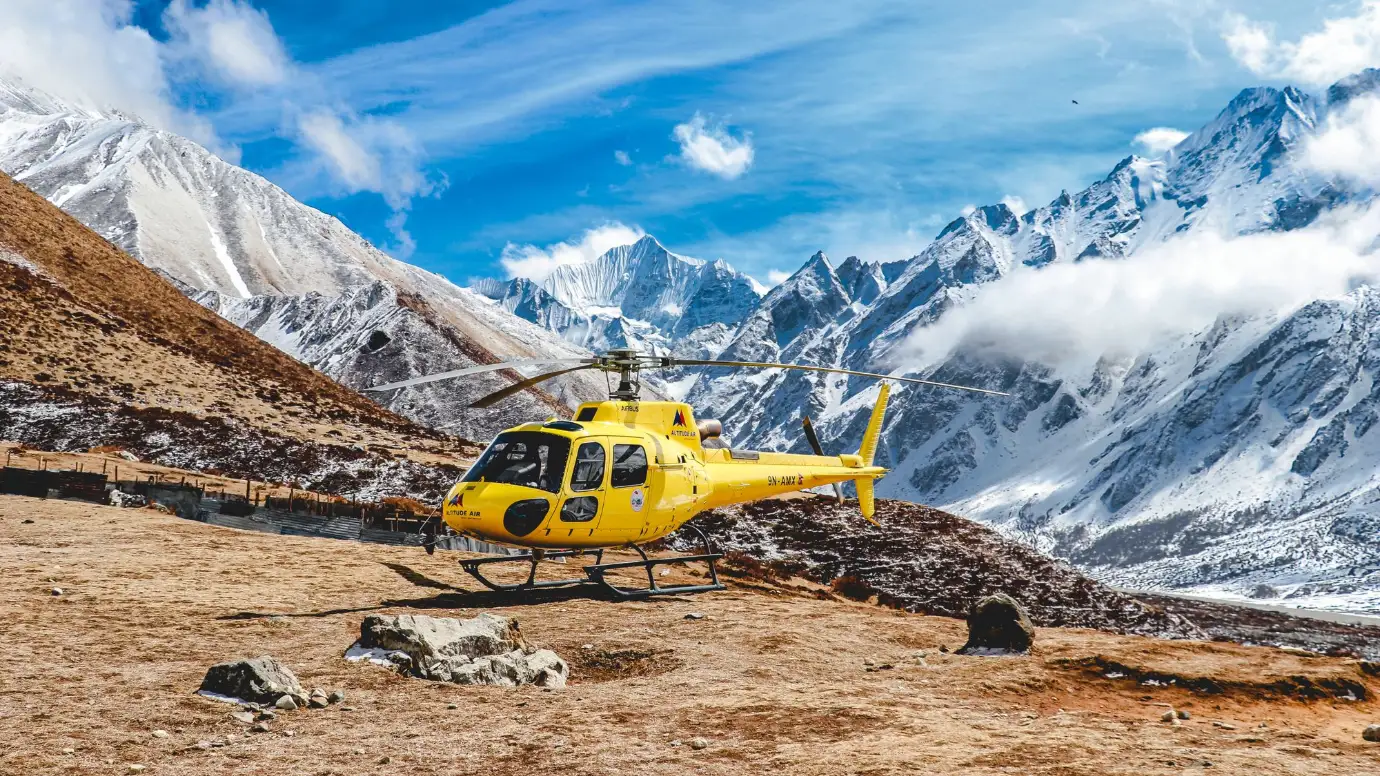
Short answer: The Langtang Valley trek climbs from Syabrubesi at about 1,460 meters through forest along the Langtang Khola to Lama Hotel, then into the open upper valley at Langtang village and Kyanjin Gompa, at about 3,870 meters. Day hikes to Kyanjin Ri or Tserko Ri give glacier and peak views. Most itineraries take seven to nine days.
| Day | Route | Approximate overnight altitude |
|---|---|---|
| 1 | Drive Kathmandu to Syabrubesi | About 1,460 m |
| 2 | Syabrubesi to Lama Hotel | About 2,470 m |
| 3 | Lama Hotel to Langtang village | About 3,430 m |
| 4 | Langtang village to Kyanjin Gompa | About 3,870 m |
| 5 | Hike Kyanjin Ri (about 4,773 m) or Tserko Ri (about 4,984 m) | About 3,870 m |
| 6 | Kyanjin Gompa to Lama Hotel | About 2,470 m |
| 7 | Lama Hotel to Syabrubesi | About 1,460 m |
| 8 | Drive to Kathmandu | About 1,350 m |
Kyanjin Gompa has a monastery, a government cheese factory and many lodges. Tserko Ri is a long, demanding day hike that rewards fit trekkers with a wide view of Langtang Lirung and the glaciers. Read our Langtang Valley trek guide for stage-by-stage detail.
What happened to Langtang in the 2015 earthquake?
Short answer: The April 2015 Gorkha earthquake triggered a massive avalanche and landslide that buried Langtang village and killed more than 200 residents, trekkers and guides. The valley has since rebuilt lodges and homes, many on safer ground, and trekking has resumed. Visiting supports families who lost relatives and livelihoods.
A memorial stands near the site of the old village. Local guides and lodge owners often share their stories if you ask respectfully. Trails were rerouted in places, and new lodges are modern and well built. Trekking in Langtang today brings income that helps the community continue its recovery.
What is the Gosainkunda trek like?
Short answer: The Gosainkunda trek climbs from Dhunche or Syabrubesi through Sing Gompa (Chandanbari) to a group of sacred alpine lakes at about 4,380 meters, then can cross the Laurebina La at about 4,610 meters into Helambu. Many trekkers combine it with the Langtang Valley for a 10 to 13 day trip.
Gosainkunda is sacred to Hindus and Buddhists, and thousands of pilgrims visit during the Janai Purnima full moon festival in July or August. Lodges at the lake are basic and cold. The ascent from Sing Gompa gains altitude quickly, so watch for altitude symptoms and consider an extra night at Laurebina. Clear mornings show Langtang, Ganesh Himal and even Annapurna and Manaslu to the west. See the Langtang and Gosainkunda trek.
What is the Helambu trek?
Short answer: Helambu is a region of Hyolmo (Yolmo) Buddhist villages, forests and terraces northeast of Kathmandu. A five to seven day trek from Sundarijal via Chisapani, Kutumsang and Tharepati reaches around 3,600 meters and returns via Melamchi Gaon or Tarke Gyang. It suits trekkers who want a short, low-cost trip with no flights.
Helambu’s monasteries, apple orchards and stone villages see fewer foreign trekkers than Langtang. The route can link with Gosainkunda over the Laurebina La. Helambu is also a good winter option, since most of it stays below 3,700 meters. Our short hikes near Kathmandu page covers the first day from Sundarijal.
What is the Tamang Heritage Trail?
Short answer: The Tamang Heritage Trail is a six to eight day cultural trek west of the Langtang Valley through Tamang villages such as Gatlang, Tatopani, Thuman and Briddim, with homestays, hot springs and views of Langtang and Ganesh Himal. It stays below about 3,200 meters and suits families, culture lovers and spring or winter trips.
Gatlang’s stone houses with carved wooden windows, the hot springs at Tatopani and community homestays at Briddim are highlights. Many villages share Tibetan-influenced culture, dress and festivals. The trail can be combined with the Langtang Valley trek for a longer trip. See the Tamang Heritage trek.
When is the best time to trek in Langtang?
Short answer: October and November give the clearest views and stable weather. March to May brings rhododendron blooms in the forests and warmer days. December to February is cold but quiet, with snow likely at Kyanjin Gompa and Gosainkunda. June to September brings monsoon rain, leeches and landslide risk on the access road.
| Season | Conditions | Best treks |
|---|---|---|
| September to November | Clear, cool, stable | All Langtang routes |
| December to February | Cold, snow at higher points | Helambu, Tamang Heritage Trail, lower Langtang |
| March to May | Warmer, blooms, some haze | All routes, Ganja La late spring |
| June to August | Rain, leeches, road blocks | Gosainkunda for Janai Purnima pilgrims only |
What are lodges and food like in Langtang?
Short answer: Lodges along the Langtang Valley, Gosainkunda and Helambu routes are simple but comfortable, many rebuilt since 2015. Kyanjin Gompa has the most choice. Menus offer dal bhat, noodles, Tibetan bread and local yak cheese. The Tamang Heritage Trail relies more on homestays with family meals.
Lodges at Gosainkunda and Laurebina are basic and cold. Charging and Wi-Fi are available in most villages for a fee. Our teahouse guide explains rooms, costs and booking.
What wildlife and nature can you see in Langtang?
Short answer: Langtang National Park protects forests of oak, maple, pine and rhododendron, alpine meadows and glaciers. Red pandas, Himalayan black bears, langur monkeys, Himalayan tahr and musk deer live here, along with many bird species including the Himalayan monal. Sightings need luck, quiet walking and an early start.
The forest stretch between Syabrubesi and Lama Hotel is good for birds and monkeys. Red pandas live in bamboo and rhododendron forest around Sing Gompa and the lower Langtang Valley. Ask your guide to point out plants used in local medicine, such as juniper and wild herbs.
Which other treks are near Langtang?
Short answer: Ganesh Himal and Ruby Valley lie just west of Langtang, and the Tamang Heritage Trail links the two. Helambu connects Langtang to the Kathmandu Valley rim. Kyanjin Gompa is also the base for the high Ganja La crossing to Helambu, which needs camping gear and good fitness.
See our Ganesh Himal and Ruby Valley guide and Ganesh Himal trek for routes to the west.
What is the Ganja La trek?
Short answer: The Ganja La trek crosses a high pass of about 5,130 meters from Kyanjin Gompa in the Langtang Valley south into Helambu. It takes about 12 to 15 days, involves steep snow and scree near the pass and has no lodges on the crossing, so it needs a camping crew and good fitness. Late spring and autumn are the usual windows.
The reward is a true wilderness crossing with views of Langtang Lirung, Gangchenpo and the Jugal Himal. Snow can make the pass dangerous, and some parties carry a rope for the steepest section. Only experienced trekkers with a qualified crew should attempt it. Ask your agency about current conditions.
Which communities will you meet in Langtang?
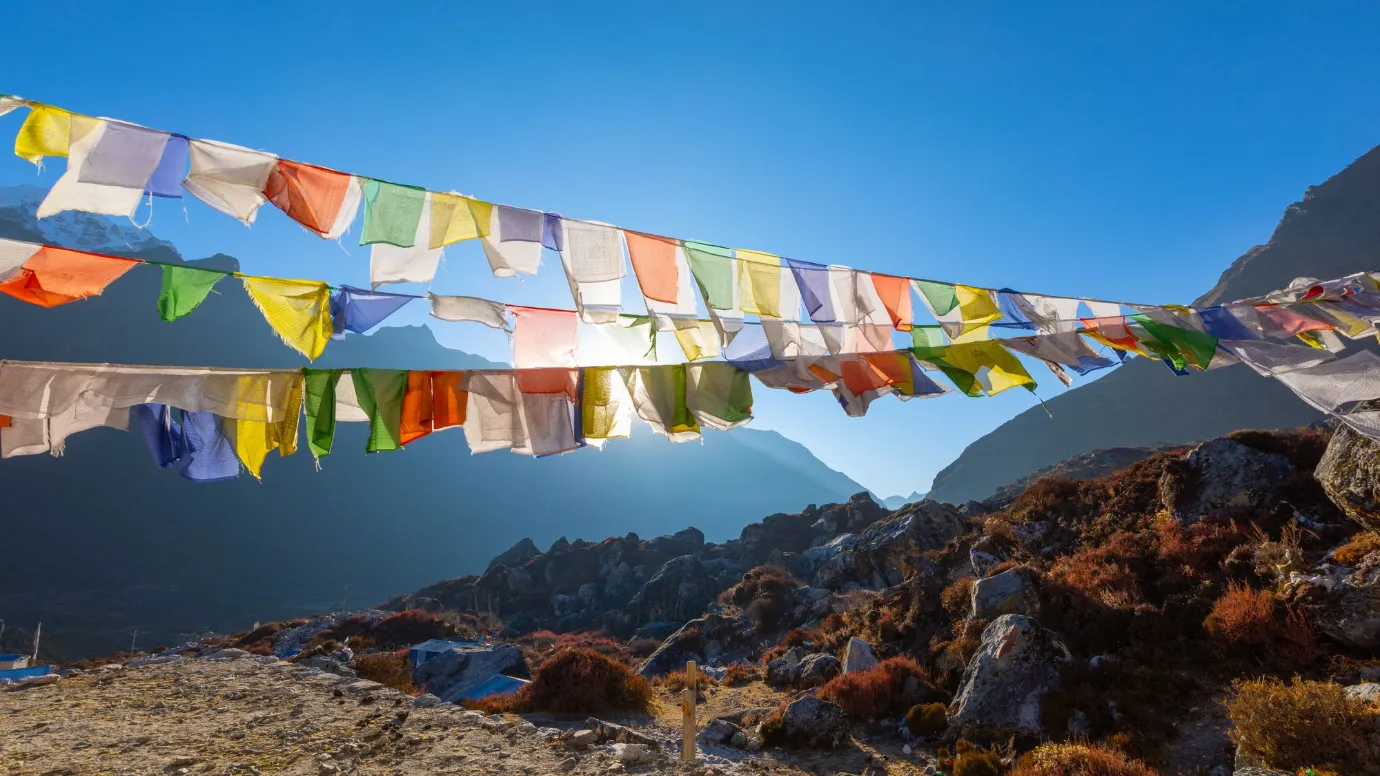
Short answer: Tamang people make up most of the population in the Langtang Valley and along the Tamang Heritage Trail. Hyolmo (Yolmo) people live in Helambu. Both communities follow Tibetan Buddhist traditions, with monasteries, prayer flags and mani walls in every village, and many families keep yaks and grow potatoes, barley and buckwheat.
Tamang culture includes distinctive dress, music played on the damphu drum and festivals such as Lhosar. Kyanjin Gompa and the old gompas of Helambu welcome respectful visitors. Homestays on the Tamang Heritage Trail are the best way to learn about daily life. Our culture and etiquette guide explains how to visit monasteries and homes respectfully.
How does Langtang compare with Everest and Annapurna?
Short answer: Langtang is closer to Kathmandu, cheaper to reach, quieter and lower than Everest, with similar glacier scenery on a smaller scale. Compared with Annapurna, it has fewer route options but less traffic. It suits trekkers with one to two weeks who want mountains and culture without flights.
| Point | Langtang | Everest | Annapurna |
|---|---|---|---|
| Access | Road from Kathmandu | Flight to Lukla | Road from Pokhara |
| Typical length | 7 to 13 days | 12 to 20 days | 4 to 18 days |
| Highest common point | About 4,773 to 4,984 m | About 5,545 m | About 4,130 to 5,416 m |
| Crowds | Moderate | Busy in peak season | Busy on main routes |
| Culture | Tamang, Hyolmo | Sherpa | Gurung, Magar, Thakali, Manangi |
Our trek comparison covers 18 routes in more detail.
What should you pack for Langtang?
Short answer: Pack layers for warm forest walking and cold nights near 3,900 meters, a sleeping bag rated to about minus 10 degrees Celsius in autumn and spring, rain gear, sun protection, trekking poles, a water filter and cash for the whole trek, since there are no ATMs past Syabrubesi or Dhunche.
For Gosainkunda and the Ganja La, add warmer gear and microspikes in snowy months. Our packing list covers each season.
How much does a Langtang trek cost?
Short answer: A guided Langtang Valley trek of about eight days typically costs about USD 520 to 900 per person in a small group, excluding international flights. Road access and standard permits keep costs low. Combining Langtang with Gosainkunda adds three to four days and the related lodging and crew costs.
Our Nepal trekking cost guide includes a worked Langtang budget line by line.
How do you stay safe in Langtang?
Short answer: Follow a gradual ascent, especially on the climb to Gosainkunda, which gains altitude quickly. Watch for landslides and rockfall in the monsoon and after earthquakes, keep to marked trails, carry warm layers for cold nights at Kyanjin Gompa, and trek with a licensed guide who knows current conditions.
The climb from Dhunche or Syabrubesi to Gosainkunda gains around 2,500 meters over two to three days. An extra acclimatization night at Sing Gompa or Laurebina helps. Our health and safety page explains altitude sickness, and our insurance and rescue guide covers evacuation.
Which Langtang trek suits you?
Short answer: Choose the Langtang Valley for a one-week trip with glacier views and Tamang culture. Choose Langtang with Gosainkunda for a longer trip with a high pass and sacred lakes. Choose Helambu or the Tamang Heritage Trail for lower, culture-focused routes in winter or spring. Choose the Ganja La only with camping experience.
| If you have… | Choose |
|---|---|
| 5 to 7 days | Helambu or the Tamang Heritage Trail |
| 7 to 9 days | Langtang Valley |
| 10 to 13 days | Langtang and Gosainkunda |
| 12 to 15 days with camping | Ganja La |
Frequently Asked Questions
How hard is the Langtang Valley trek?
The Langtang Valley trek is moderate. Walking days are five to seven hours, and the highest overnight is about 3,870 meters at Kyanjin Gompa. The optional Kyanjin Ri hike reaches about 4,773 meters.
Do I need a guide for Langtang?
Under Nepal Tourism Board rules since April 2023, trekkers on listed routes, including Langtang, should trek with a licensed guide arranged through a registered agency.
Can I combine Langtang and Gosainkunda?
Yes. A 10 to 13 day trek visits the Langtang Valley, then climbs to Gosainkunda and crosses the Laurebina La into Helambu or returns to Dhunche.
Is Langtang safe after the 2015 earthquake?
Yes. The valley has rebuilt, and trekking has resumed. Follow your guide’s advice on trail conditions, especially after heavy rain.
When is the best month to trek in Langtang?
October and November are the best months for clear views, followed by March to May for rhododendron blooms.
About the author: Pradip Karki
Pradip Karki is the Chairman of Peregrine Treks and Tours in Kathmandu and a veteran Himalayan travel specialist with over 20 years of industry leadership. A former TIMS Department Head at the Trekking Agencies’ Association of Nepal (TAAN) with an MBA in Accounting and Finance, Pradip personally scouts routes across Nepal, Tibet and Bhutan to design safe, high-altitude treks and luxury cultural tours.
Reviewed and updated by Pradip Karki on 23 November 2026.
Official Sources Checked
- Department of National Parks and Wildlife Conservation: Langtang National Park
- Nepal Tourism Board: TIMS and licensed guide rules
- Himalayan Rescue Association Nepal: altitude safety
Do not hesitage to give us a call. We are an expert team and we are happy to talk to you.
info@hikinginnepal.com- Local Experience
- Financial Protection
- Effortless Travel
- Intimate Group Size
- Bespoken Itinerary