
Unbeatable Holiday Offers – Save Up to 20% on Your Next Adventure!

Compare Nepal Treks: 18 Best Routes in One Easy Table
Last verified: 23 November 2026. Days, altitudes and permit rules are typical figures. Confirm the exact itinerary and permits with your registered trekking agency.
Use the table below to compare Nepal treks by days, top altitude, difficulty, best season, permits and starting point. We cover 18 routes, from four-day hill walks near Pokhara to month-long expeditions in Dolpo, then explain which route fits beginners, families, photographers, quiet-seekers and monsoon travelers.
Which Nepal trek should you choose?
Short answer: First-timers with one to two weeks usually choose Annapurna Base Camp, Poon Hill, Mardi Himal or the Langtang Valley. Trekkers who want the highest peaks choose Everest Base Camp or Gokyo. Experienced trekkers with three weeks choose the Manaslu Circuit, Annapurna Circuit or Upper Mustang. Remote, restricted routes such as Upper Dolpo and Kanchenjunga suit seasoned walkers.
Three numbers matter most when you compare: total trail days, the highest point you sleep at or cross, and whether the route needs a restricted-area permit. Restricted permits add cost and are issued only through a registered agency with a licensed guide, so they change your planning more than any other factor.
How do the 18 most popular Nepal treks compare?
Short answer: The table lists typical trail days, highest point, difficulty, best months and permits for each route. Days exclude arrival and departure in Kathmandu. Difficulty reflects altitude and daily walking time, not technical climbing, since none of these routes require ropes in normal conditions.
| Trek | Trail days | Highest point | Difficulty | Best months | Restricted permit | Start |
|---|---|---|---|---|---|---|
| Everest Base Camp | 12 to 14 | Kala Patthar 5,545 m | Challenging | Mar to May, Sep to Nov | No | Lukla |
| Gokyo Lakes | 11 to 13 | Gokyo Ri 5,357 m | Challenging | Mar to May, Sep to Nov | No | Lukla |
| Everest Three Passes | 18 to 21 | Kongma La 5,535 m | Strenuous | Apr to May, Oct to Nov | No | Lukla |
| Everest View | 7 to 9 | Tengboche 3,867 m | Moderate | Most of the year except monsoon | No | Lukla |
| Annapurna Base Camp | 7 to 11 | 4,130 m | Moderate | Mar to May, Sep to Dec | No | Pokhara by road |
| Annapurna Circuit | 12 to 18 | Thorong La 5,416 m | Challenging | Mar to May, Oct to Nov | No | Besisahar or Chame |
| Poon Hill | 4 to 5 | 3,210 m | Easy | All year, best Oct to Apr | No | Pokhara by road |
| Mardi Himal | 5 to 7 | Viewpoint about 4,200 m | Moderate | Mar to May, Sep to Dec | No | Pokhara by road |
| Khopra Ridge | 7 to 9 | Khopra about 3,660 m | Moderate | Mar to May, Sep to Dec | No | Pokhara by road |
| Langtang Valley | 7 to 9 | Kyanjin Ri 4,773 m | Moderate | Mar to May, Sep to Dec | No | Syabrubesi |
| Langtang and Gosainkunda | 10 to 12 | Laurebina La 4,610 m | Challenging | Mar to May, Oct to Nov | No | Syabrubesi |
| Manaslu Circuit | 14 to 17 | Larkya La 5,106 m | Challenging | Mar to May, Sep to Nov | Yes | Machha Khola or Soti Khola |
| Tsum Valley | 12 to 16 | Mu Gompa about 3,700 m | Moderate | Mar to May, Sep to Nov | Yes | Machha Khola or Soti Khola |
| Upper Mustang | 12 to 17 | Passes about 4,200 m | Moderate | Mar to Nov, including monsoon | Yes | Jomsom |
| Nar Phu Valley | 10 to 14 | Kang La 5,320 m | Challenging | Apr to Jun, Sep to Nov | Yes | Koto |
| Upper Dolpo | 25 to 28 | Kang La about 5,350 m | Strenuous | May to Oct | Yes | Juphal |
| Kanchenjunga Base Camps | 20 to 26 | Pangpema 5,143 m | Strenuous | Mar to May, Oct to Nov | Yes | Taplejung |
| Makalu Base Camp | 18 to 21 | 4,870 m | Strenuous | Apr to May, Oct to Nov | No, park permit only | Tumlingtar |
Our Nepal trekking guide explains how to plan any of these routes step by step, and our permits guide lists every fee.
Which Nepal trek is best for beginners?
Short answer: Poon Hill, Mardi Himal, Annapurna Base Camp and the Langtang Valley are the best first treks. Each starts by road, has teahouses the whole way and stays below 4,800 meters. Poon Hill fits a four-day holiday, while Annapurna Base Camp gives a true high-mountain amphitheater in about a week of walking.
Poon Hill climbs stone steps through rhododendron forest to Ghorepani and a dawn viewpoint over Dhaulagiri and Annapurna South. Most people walk it in four or five days from Nayapul or Tikhedhunga. See our Poon Hill trek guide or the Poon Hill trek package.
Mardi Himal follows a forested ridge to High Camp at about 3,580 meters and a viewpoint below Machapuchare. Lodges are smaller than on the main trails, so book ahead in October. Read the Mardi Himal trek guide or view the Mardi Himal trek.
Annapurna Base Camp passes Gurung villages such as Ghandruk and Chhomrong before entering the Modi Khola gorge to the sanctuary at 4,130 meters. Avalanche-prone sections between Deurali and Machapuchare Base Camp can close after heavy snow, so follow local advice. Compare the Annapurna Base Camp trek for beginners and the short version.
Langtang Valley starts a day’s drive north of Kathmandu at Syabrubesi and climbs to Kyanjin Gompa at about 3,870 meters, with an optional side trip to Kyanjin Ri. Tamang culture, yak pastures and a cheese factory make it a rewarding week. See the Langtang Valley trek guide.
Which treks give the best views of Mount Everest?
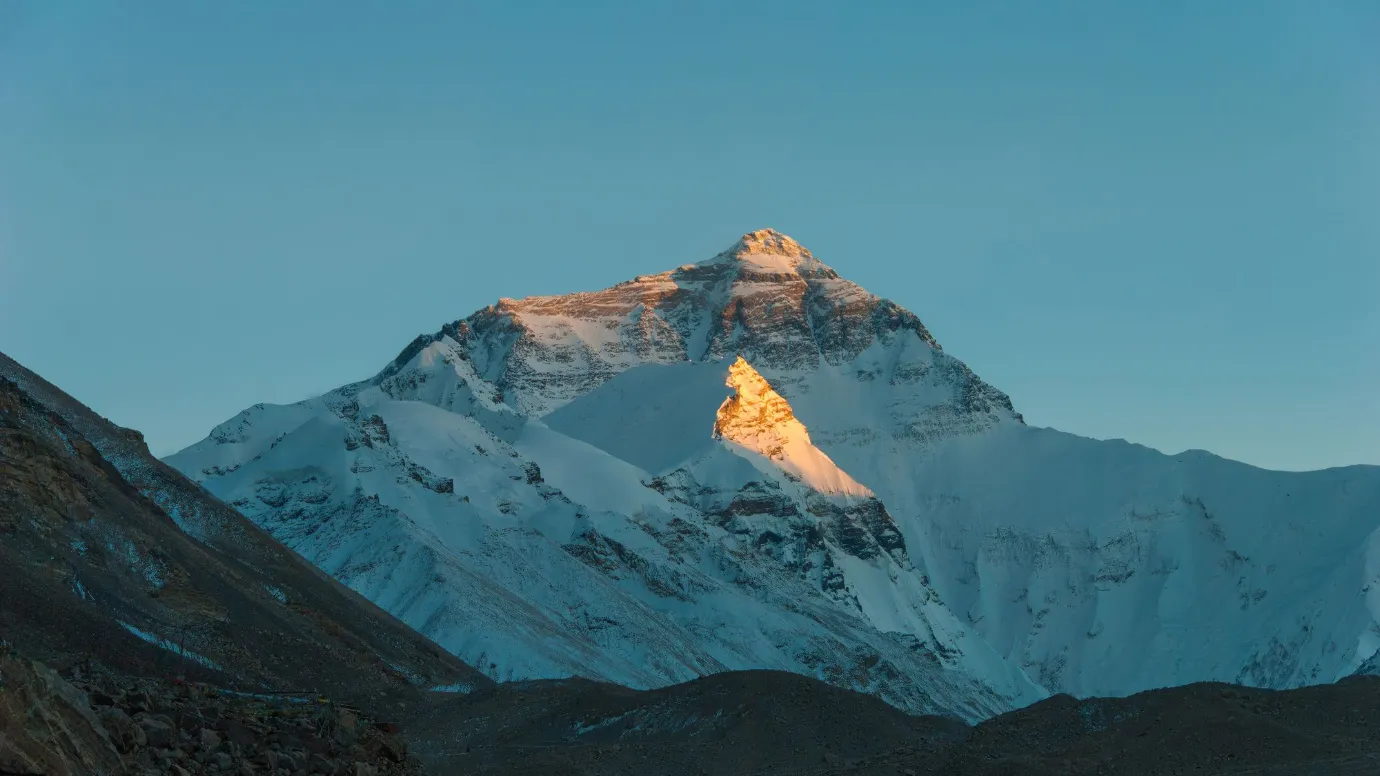
Short answer: Kala Patthar on the Everest Base Camp trek gives the closest classic view of Everest’s summit. Gokyo Ri gives a wider panorama that includes Everest, Lhotse, Makalu and Cho Oyu above the Gokyo lakes. Trekkers with less time can see Everest from Tengboche and the Everest View Hotel area on a seven to nine day trek.
The Everest Base Camp trek follows the Dudh Koshi valley through Namche Bazaar, Tengboche Monastery and Dingboche to Gorak Shep. Base camp itself sits at about 5,364 meters, but Everest’s summit is hidden from there by the Khumbu Icefall and Nuptse, which is why trekkers climb Kala Patthar at dawn.
The Gokyo Lakes trek branches west from Namche to a chain of turquoise glacial lakes beside the Ngozumpa Glacier, the longest glacier in Nepal. Fewer people walk it than the base camp route. The Gokyo and Everest Base Camp combination links both by crossing the Cho La pass.
The Everest Three Passes trek crosses Kongma La, Cho La and Renjo La, each above 5,300 meters. It suits fit, experienced trekkers who are comfortable on steep moraine and snow. For a shorter option, the Everest Panorama trek reaches Tengboche without high-altitude nights.
Which Nepal treks are quiet and less crowded?
Short answer: The Manaslu Circuit, Tsum Valley, Nar Phu, Khopra Ridge, Langtang and Gosainkunda, Kanchenjunga and Makalu see far fewer trekkers than Everest and Annapurna base camps. Restricted-area permits and longer access keep numbers down. Expect simpler lodges and fewer menu choices in return for empty trails.
The Manaslu Circuit loops around the world’s eighth-highest mountain and crosses the Larkya La. Teahouses now cover the whole circuit. Adding the Tsum Valley extends the trip into a Buddhist valley close to the Tibetan border, with monasteries such as Mu Gompa and Rachen Gompa.
The Nar Phu Valley trek leaves the Annapurna Circuit at Koto and enters canyons leading to the stone villages of Nar and Phu. Many trekkers cross Kang La to rejoin the circuit at Ngawal, or combine the two on the Nar Phu and Annapurna Circuit trek.
The Khopra Ridge trek follows community lodges above the Poon Hill crowds to a ridge facing Dhaulagiri, with an optional climb to Khayer Lake. Our Langtang region guide covers the Gosainkunda lakes and the Tamang Heritage Trail.
Which treks can you do during the monsoon?
Short answer: Upper Mustang, Nar Phu and Upper Dolpo lie in the rain shadow north of the main Himalaya and stay mostly dry from June to August. The Annapurna Circuit’s upper section past Manang also receives less rain. Expect wet, leech-heavy approach days and possible road blocks on the way in.
Upper Mustang is the most popular monsoon trek. The landscape of eroded cliffs, cave dwellings and whitewashed monasteries around Lo Manthang is at its greenest in late summer, and the Tiji festival usually falls in May. Read our Mustang trekking guide and the Upper Mustang route guide.
Dolpo’s Shey Phoksundo Lake trek and the longer Upper Dolpo trek are best from May to October. Flights to Juphal via Nepalgunj can be delayed by weather, so add buffer days. See our Dolpo trekking guide.
Which treks need a restricted-area permit?
Short answer: Manaslu, Tsum Valley, Nar Phu, Upper Mustang, Upper Dolpo and Kanchenjunga all need a restricted-area permit from the Department of Immigration, issued only through a registered agency with a licensed guide. Everest, Annapurna Base Camp, Poon Hill, Mardi Himal and Langtang need only the standard park or conservation permits plus any local fees.
Restricted permits are charged per week or per set number of days, and the rate often changes by season. The Nepal Tourism Board currently lists USD 50 per person per day for Upper Mustang and Upper Dolpo, which replaced the old USD 500 ten-day fee. Manaslu costs USD 100 per week from September to November (USD 15 per extra day) and USD 75 per week from December to August (USD 10 per extra day). Tsum costs USD 40 or USD 30 per week by season, plus USD 7 per extra day. Always confirm current rates with your agency before paying.
| Route | Permits usually needed | Guide rule |
|---|---|---|
| Everest treks | Sagarmatha National Park entry (NPR 3,000), Khumbu Pasang Lhamu Rural Municipality fee (NPR 2,000 to 3,000 reported) | Licensed guide recommended, check current local enforcement |
| Annapurna treks | TIMS, Annapurna Conservation Area Permit | Licensed guide through an agency |
| Langtang treks | TIMS, Langtang National Park entry | Licensed guide through an agency |
| Manaslu and Tsum | Restricted permit, Manaslu and Annapurna conservation permits, TIMS | Licensed guide required |
| Upper Mustang and Nar Phu | Restricted permit, Annapurna Conservation Area Permit, TIMS | Licensed guide required |
| Upper Dolpo | Restricted permit, Shey Phoksundo National Park entry, TIMS | Licensed guide required |
| Kanchenjunga | Restricted permit, Kanchenjunga Conservation Area entry, TIMS | Licensed guide required |
Which Nepal treks are the cheapest and which cost the most?
Short answer: Road-access treks without restricted permits cost the least, such as Poon Hill, Mardi Himal, Annapurna Base Camp and Langtang. Everest treks cost more because of Lukla flights. Restricted and remote routes such as Upper Mustang, Upper Dolpo and Kanchenjunga cost the most because of permit fees, flights and, in places, camping crews.
Cost per person falls as group size rises, since a guide’s wage and some transport costs are shared. Comfort choices such as private rooms, luxury lodges or a helicopter return change the total far more than meal choices. Our Nepal trekking cost guide shows six worked budgets, from a shared-guide Poon Hill trip to a guided Everest Base Camp trek with a helicopter return.
Which treks suit families and older trekkers?
Short answer: Families and older walkers do best on routes that sleep below about 3,500 meters, have short walking days and road access in case plans change. Poon Hill, Ghandruk, Khopra Ridge, the Everest View trek and short hikes near Kathmandu and Pokhara all fit. Avoid high passes and long restricted routes until you know how your group copes.
Children and older trekkers can trek at altitude, but they may not report symptoms clearly, so a conservative itinerary matters. Our trek by traveler type page and guides to short hikes near Kathmandu and short hikes near Pokhara list gentle options.
Which treks are the most remote and demanding?
Short answer: Upper Dolpo, Kanchenjunga and Makalu Base Camp are the most remote. They need three to four weeks, long approach journeys, basic lodges or camping, and steady fitness on rough trails. They suit trekkers who have already completed a high-altitude route and want solitude over comfort.
The Kanchenjunga route visits both the north base camp at Pangpema and the south base camp at Oktang below the world’s third-highest mountain. The Makalu route climbs from the subtropical Arun valley over the Shipton La into the Barun valley below the world’s fifth-highest mountain. Read our Kanchenjunga region guide, Makalu Barun guide and the route guides for Kanchenjunga and Makalu.
Which trek fits the number of days you have?
Short answer: With under a week, choose Poon Hill or a short hike near Kathmandu or Pokhara. With one to two weeks, choose Annapurna Base Camp, Mardi Himal, Langtang or Everest Base Camp. With two to three weeks, choose the Manaslu Circuit, Annapurna Circuit, Upper Mustang or Gokyo with Everest Base Camp. With four weeks, consider Kanchenjunga or Upper Dolpo.
| Trail days available | Good matches |
|---|---|
| 3 to 5 | Poon Hill, Ghandruk loop, Nagarkot and Chisapani hikes, Australian Camp |
| 6 to 9 | Mardi Himal, Khopra Ridge, Langtang Valley, Everest View, short Annapurna Base Camp |
| 10 to 14 | Annapurna Base Camp, Everest Base Camp, Gokyo, Langtang and Gosainkunda, Nar Phu |
| 15 to 21 | Manaslu Circuit, Annapurna Circuit with Tilicho Lake, Upper Mustang, Three Passes, Makalu |
| 22 or more | Manaslu with Tsum, Kanchenjunga, Upper Dolpo, Dhaulagiri Circuit |
Which routes have teahouses, and which need camping?
Short answer: Everest, Annapurna, Langtang, Manaslu, Tsum, Upper Mustang and Nar Phu have teahouses along the full route. Kanchenjunga and Makalu have basic lodges on most stages but may need tents in places. Upper Dolpo still needs a full camping crew for much of the route.
Teahouse quality varies by route. Namche Bazaar and the main Annapurna villages have lodges with attached bathrooms, bakeries and paid Wi-Fi. Lodges in Nar, Phu, upper Tsum and the Kanchenjunga valleys are simpler, with shared toilets and set menus. Camping treks cost more because they carry tents, a kitchen and food, but they open routes where no lodges exist. Our teahouse accommodation guide explains what to expect at each level.
Should you choose a circuit or an out-and-back trek?
Short answer: Circuits such as Manaslu, Annapurna and the Everest Three Passes show you new scenery every day but commit you to crossing a high pass. Out-and-back treks such as Everest Base Camp, Annapurna Base Camp and Langtang let you turn around at any point, which suits first-timers and anyone unsure how they will handle altitude.
On a circuit, the pass day is the crux. Larkya La and Thorong La days start before dawn and can last nine to ten hours, and fresh snow can close the pass for days. Out-and-back routes repeat the trail on the way down, but the descent is quick, and the views change as light and weather change. Many trekkers fly back from Lukla or Jomsom, or arrange a helicopter return, to save days on the return.
Frequently Asked Questions
What is the easiest trek in Nepal?
Poon Hill is one of the easiest multi-day treks. It takes four to five days from Pokhara, tops out at 3,210 meters and has comfortable teahouses. The stone steps to Ulleri are steep, so walk slowly and use trekking poles.
Is Everest Base Camp harder than Annapurna Base Camp?
Yes, mainly because of altitude. Everest Base Camp trekkers sleep at Gorak Shep around 5,160 meters and climb Kala Patthar at 5,545 meters, while Annapurna Base Camp sits at 4,130 meters. The Everest trek also takes several more days.
Which trek is better, Manaslu Circuit or Annapurna Circuit?
The Manaslu Circuit is quieter and more remote but needs a restricted permit and a licensed guide. The Annapurna Circuit has more lodges, road access to many villages and side trips such as Tilicho Lake. Both cross a pass above 5,100 meters.
Can I combine two treks in one trip?
Yes. Common combinations include Gokyo with Everest Base Camp via Cho La, Manaslu with Tsum Valley, and Nar Phu with the Annapurna Circuit. Combinations need extra days and careful acclimatization planning.
Which treks are open in winter?
Lower treks such as Poon Hill, Ghandruk, Langtang Valley and the Everest View trek work well from December to February. High passes such as Thorong La, Larkya La and the Everest passes may close after heavy snowfall.
About the author: Pradip Karki
Pradip Karki is the Chairman of Peregrine Treks and Tours in Kathmandu and a veteran Himalayan travel specialist with over 20 years of industry leadership. A former TIMS Department Head at the Trekking Agencies’ Association of Nepal (TAAN) with an MBA in Accounting and Finance, Pradip personally scouts routes across Nepal, Tibet and Bhutan to design safe, high-altitude treks and luxury cultural tours.
Reviewed and updated by Pradip Karki on 23 November 2026.
Official Sources Checked
- Nepal Tourism Board: TIMS and licensed guide rules
- Department of Immigration: restricted-area permits
- Department of National Parks and Wildlife Conservation: park entry fees
- National Trust for Nature Conservation: Annapurna and Manaslu conservation areas
Do not hesitage to give us a call. We are an expert team and we are happy to talk to you.
info@hikinginnepal.com- Local Experience
- Financial Protection
- Effortless Travel
- Intimate Group Size
- Bespoken Itinerary