

Included Meals
- Breakfast: 21
- Lunch: 19
- Dinner: 18

Unbeatable Holiday Offers – Save Up to 20% on Your Next Adventure!
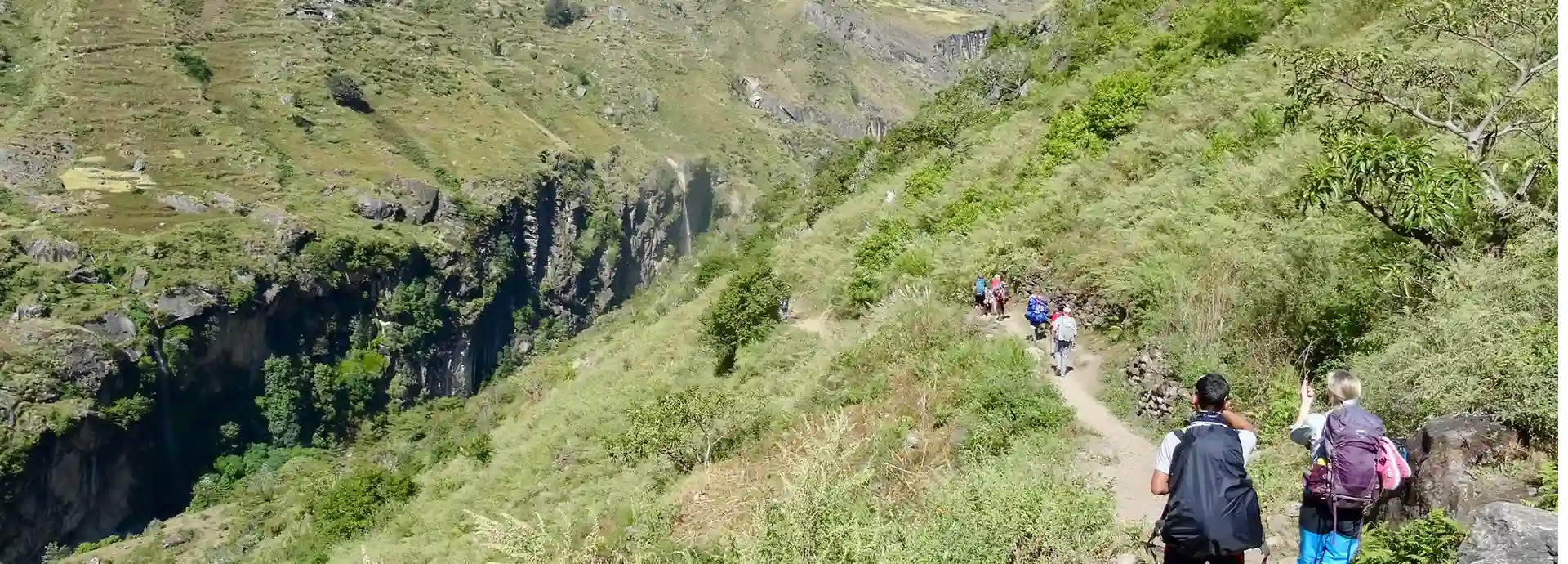
The Manaslu Tsum Valley Trek delivers Nepal’s ultimate restricted-area experience by combining two iconic routes into a single 22-day trip from Kathmandu. The route first explores the sacred, hidden Tsum Valley—visiting historic monasteries like Mu Gompa and Rachen Gompa—before rejoining the main Manaslu Circuit at Deng. From there, the trail winds past the high-altitude glaciers of Mount Manaslu (8,163 m) and leads to a dramatic crossing of Larkya La Pass at 5,160 meters.
This extended itinerary smoothly bridges two distinct cultural worlds. The Tsum Valley section offers an hands-on look into ancient Tibetan-influenced Buddhist heritage and untouched village life. At the same time, the Manaslu Circuit delivers high-alpine scenery and panoramic views of the surrounding Himalayan peaks. Proper pacing is central to the trip, with dedicated acclimatization days in Sama Gaun and Samdo ensuring safe passage over the high pass without rushing the valley’s cultural stops.
Following this combined trek requires thorough preparation, including five mandatory documents: the Manaslu Restricted Area Permit, the Tsum Valley Restricted Area Permit, the MCAP, the ACAP, and a TIMS card. Trekkers should expect 19 active hiking days of 4 to 8 hours each, utilizing basic mountain teahouses along the way. Led by a mandatory licensed guide, this itinerary offers a complete, highly rewarding trip for physically fit hikers seeking Nepal’s ultimate restricted-area adventure.
Quick Facts
| Duration | 22 Days (arrival to final departure) |
| Start / End | Kathmandu, Nepal |
| Trek Start | Machha Khola (road access from Kathmandu) |
| Trek End | Dharapani / Besisahar area (road return to Kathmandu) |
| Main Regions | Tsum Valley (sacred valley section) + Manaslu Circuit |
| Main Monastery | Mu Gompa (upper Tsum Valley) |
| Main Cultural Site | Rachen Gompa (Buddhist nunnery) |
| Main High Pass | Larkya La Pass – approx. 5,160 m / 16,929 ft |
| Difficulty | Challenging |
| Accommodation | Hotel in Kathmandu; Teahouse and Monastery Lodge on Trek |
| Meals | Breakfast in Kathmandu; Full board on all trekking days |
| Cultures | Tsumba (Tsum Valley), Nupri (Manaslu Circuit), and Tibetan Buddhist |
| Permits | Manaslu RAP + Tsum Valley RAP + MCAP + ACAP + TIMS if required (5 documents total) |
| Transport | Kathmandu–Machha Khola–Kathmandu; Dharapani/Besisahar–Kathmandu by road |
| Best Season | Spring (Mar–May); Autumn (Sep–Nov) |
| Guide | Licensed trekking guide – required for both restricted areas |
| Porter | Optional or included based on package tier |
Browse every route in our regional trekking guide or see all trekking packages we run. Travellers who like this trip also compare Tsum Valley Trek, Nar Phu Valley Trek, Langtang Ganja La Pass Trek.
Before you book, read our Nepal trekking cost guide, check the trekking gear list, and review travel insurance requirements. Still deciding? Plan your trip with a local expert.
For official information, see the Nepal Tourism Board, the Trekking Agencies’ Association of Nepal and the Department of Immigration for visa rules, plus background on Manaslu mountain facts.

Included Meals

Trip staff

Transport

Accommodation

Trip Grade
Group Size
You arrive at Tribhuvan International Airport. Our representative meets you and transfers you to your hotel in Kathmandu. Check in, rest after your flight, and prepare for the Day 2 permit briefing. Use the afternoon to explore Thamel or purchase any remaining gear.
Accommodation:
Hotel

Maximum Altitude 1,400m/4,593ft (Kathmandu)
Difficulty
Day 2 covers the five-permit documentation process: the Manaslu Restricted Area Permit, the Tsum Valley Restricted Area Permit, the Manaslu Conservation Area Permit, the Annapurna Conservation Area Permit, and the TIMS card. Submit a copy of your passport and passport-size photographs. Your guide walks through the complete 22-day itinerary, the safety requirements for the Larkya La Pass, the acclimatization schedule, and the cultural protocols for both the Tsum Valley and the Manaslu Circuit restricted zones.
Accommodation:
Hotel
Meals Breakfast
Maximum Altitude 1,400m/4,593ft (Kathmandu)
Difficulty
The Kathmandu-to-Machha Khola road trip takes 7 to 8 hours through Dhading district, Arughat bazaar, and the Budhi Gandaki valley approach. The road delivers progressively more dramatic gorge scenery as it climbs northward through the lower Budhi Gandaki canyon.
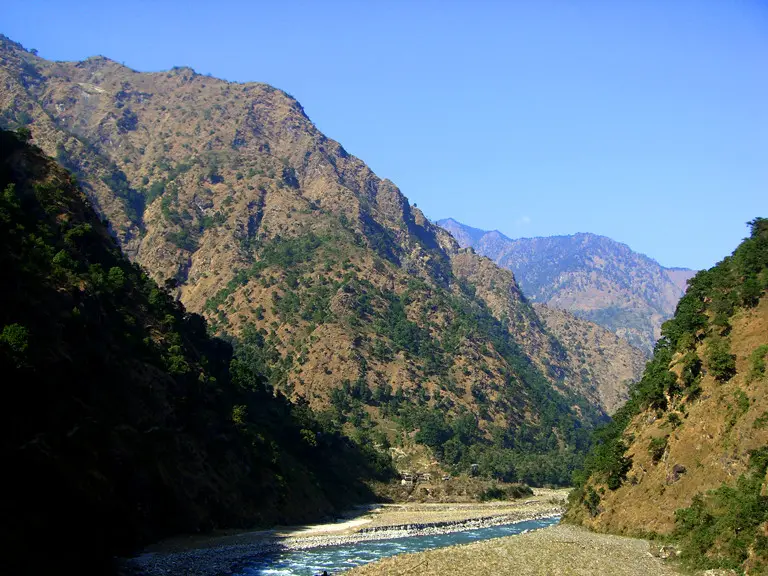

Time & Distance 8Hour, 160KM
Accommodation:
Teahouse
Meals Breakfast, Lunch, Dinner
Maximum Altitude 869m/2,851ft ( Machha Khola)
Difficulty
Transportation Bus/Jeep
The first trekking day follows the Budhi Gandaki River northward through villages, suspension bridge crossings, and narrow valley trail sections to Jagat at approximately 1,340 meters. Walking time runs approximately 5 to 6 hours.
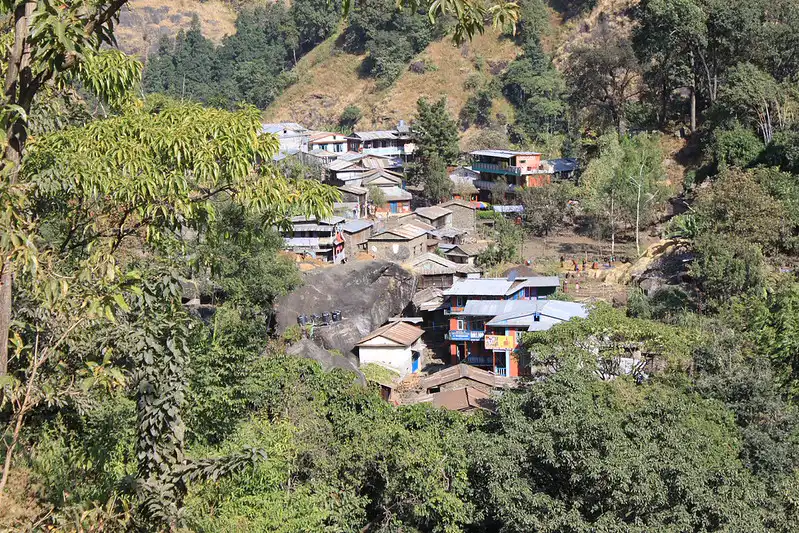
Time & Distance 7Hour, 22KM
Accommodation:
Teahouse
Meals Breakfast, Lunch, Dinner
Maximum Altitude 1,340m/4,396ft (Jagat)
Difficulty
Day 5 continues north through the higher Manaslu Conservation Area and branches east at the Lokpa trail junction toward the Tsum Valley restricted entry. Walking time runs approximately 6 to 7 hours. The permit checkpoint at Lokpa confirms Tsum Valley Restricted Area Permit documents before entry.
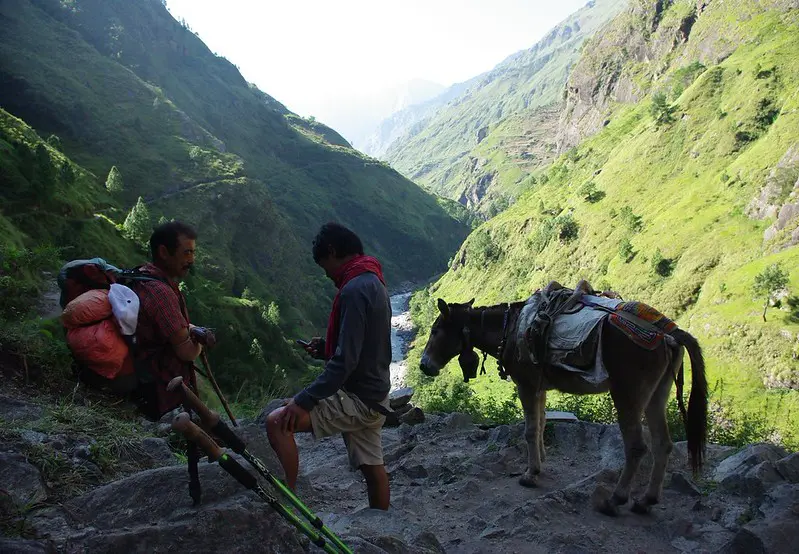
Time & Distance 7Hour, 16KM
Accommodation:
Teahouse
Meals Breakfast, Lunch, Dinner
Maximum Altitude 2,240m/7,349ft (Lokpa)
Difficulty
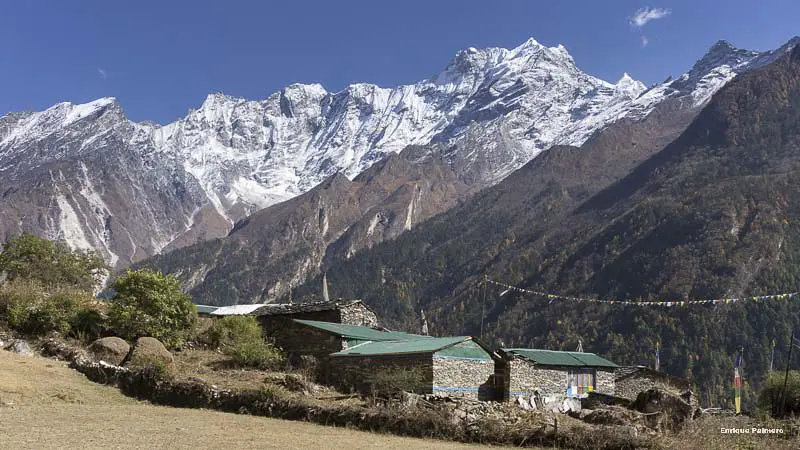
The restricted-access valley trail from Lokpa enters the lower Tsum Valley via forested sections, river crossings, and the first approaches to Tibetan-influenced villages. Chumling, at approximately 2,386 meters, offers the first overnight stay in the restricted beyul and holds deep cultural significance. The walking time is approximately 4 to 5 hours.
Time & Distance 6Hour, 11KM
Accommodation:
Teahouse
Meals Breakfast, Lunch, Dinner
Maximum Altitude 2,386m/7,828ft (Chumling)
Difficulty
Day 7 climbs through the middle Tsum Valley to Chhokangparo through village paths and the progressively widening valley floor that gives the upper Tsum its characteristic open highland character. The first clear views of the Ganesh Himal and Sringi Himal ridge systems appear to the north. Walking time runs approximately 5 to 6 hours.
Time & Distance 6Hour, 10KM
Accommodation:
Teahouse
Meals Breakfast, Lunch, Dinner
Maximum Altitude 3,031m/9,944ft (Chhokangparo)
Difficulty
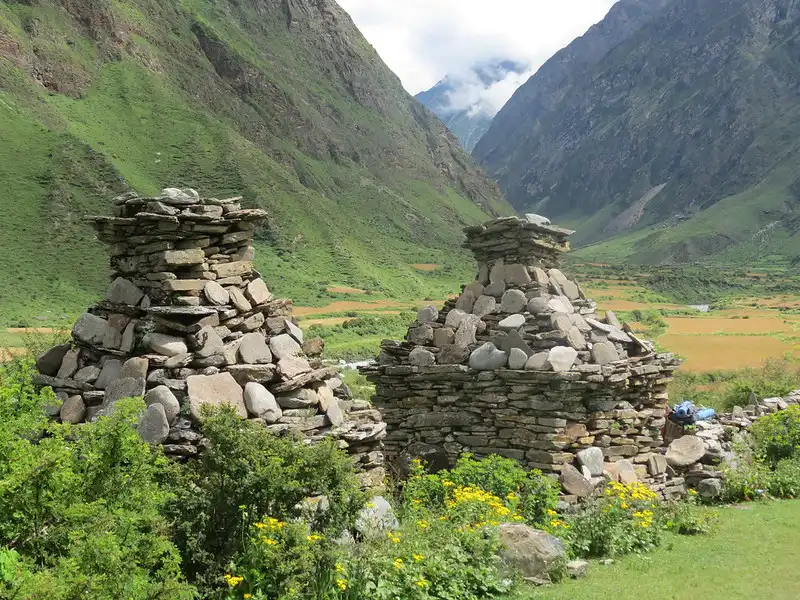
Day 8 continues through the upper Tsum Valley toward Nile at approximately 3,361 meters through Tibetan-influenced villages, mani walls, chortens, and monastery sites. Your guide includes the Milarepa Cave visit if the Day 8 pace allows it without compromising the Nile arrival time.
Time & Distance 5Hour, 12KM
Accommodation:
Teahouse
Meals Breakfast, Lunch, Dinner
Maximum Altitude 3,361m/11,027ft (Nile )
Difficulty
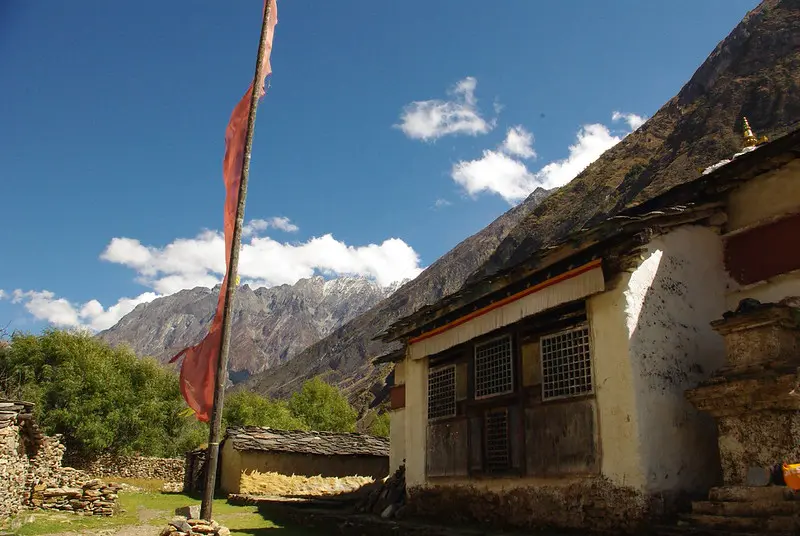
The morning hike from the Nile ascends to Mu Gompa at approximately 3,700-3,800 meters for a visit to the monastery’s interior. Return to the Nile and continue to Rachen Gompa for the Day 9 overnight. Your guide coordinates monastery visits with current ceremony schedules. Total walking time runs approximately 6 to 8 hours.
Time & Distance 8Hour, 15KM
Accommodation:
Teahouse or monastery lodge
Meals Breakfast, Lunch
Maximum Altitude 3,700m/12,139ft (Mu Gompa)
Difficulty
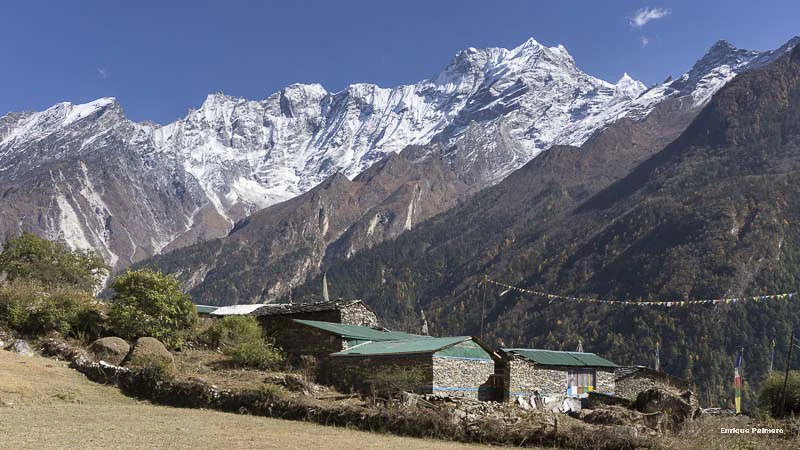
Day 10 descends through Tsum Valley villages and returns toward Chumling. The Day 10 descent covers terrain familiar from the approach days, but in the opposite direction—the valley’s visual character appears differently on the southward return. Walking time runs approximately 5 to 6 hours.
Time & Distance 7Hour, 17KM
Accommodation:
Teahouse
Meals Breakfast, Lunch, Dinner
Maximum Altitude 2,386m/7,828ft (Chumling)
Difficulty
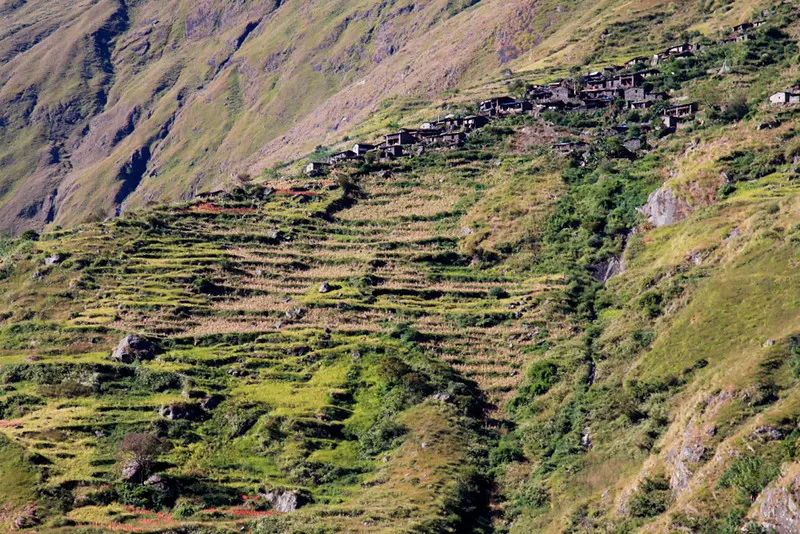
The Day 11 trail from Chumling leaves the Tsum Valley restricted corridor and rejoins the main Manaslu Circuit trail toward Deng. The cultural and geographical transition from the sacred beyul to the classic mountain circuit marks a shift in the route’s character. Walking time runs approximately 6 to 7 hours.
Time & Distance 8Hour, 19KM
Accommodation:
Teahouse
Meals Breakfast, Lunch, Dinner
Maximum Altitude 1,860m/6,102ft (Deng )
Difficulty
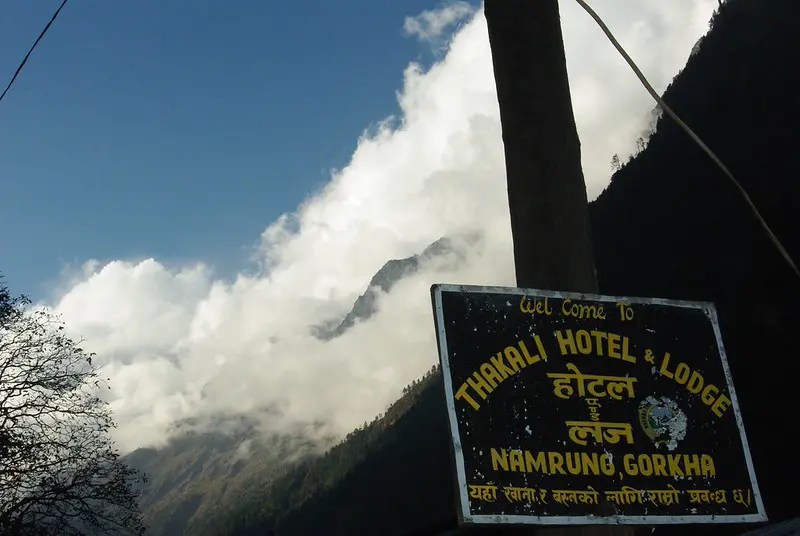
Day 12 continues northward through the Budhi Gandaki valley system, along forest trails and river sections, toward Namrung at approximately 2,630 meters. The first distant views of the Manaslu massif appear above the northern valley ridgelines. Walking time runs approximately 5 to 6 hours.
Time & Distance 8Hour, 20KM
Accommodation:
Teahouse
Meals Breakfast, Lunch, Dinner
Maximum Altitude 2,630m/8,629ft (Namrung)
Difficulty
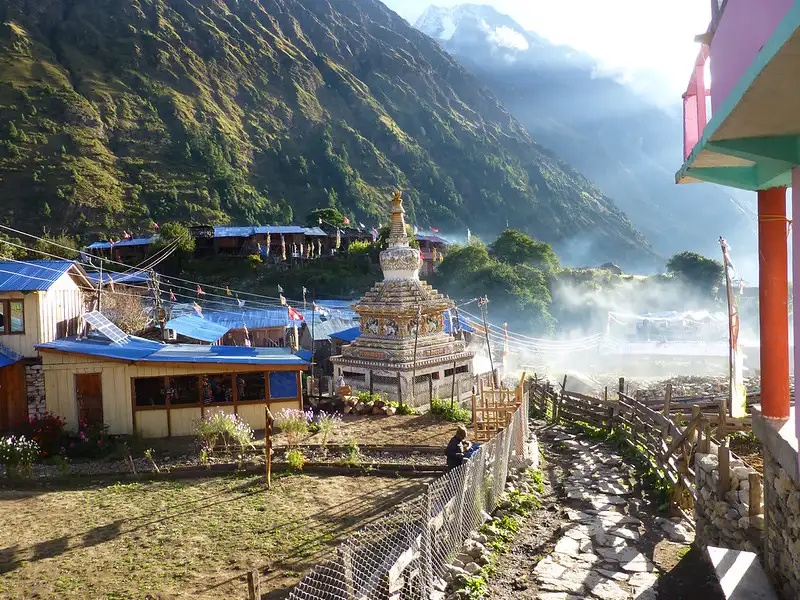
Day 13 passes through Tibetan-influenced Nupri villages with growing views of Manaslu and nearby peaks as the trail approaches Lho at approximately 3,180 meters. Walking time runs approximately 4 to 5 hours.
Time & Distance 5Hour, 11KM
Accommodation:
Teahouse
Meals Breakfast, Lunch, Dinner
Maximum Altitude 3,180m/10,433ft (Lho)
Difficulty
Walk toward Sama Gaun at approximately 3,530 meters—the most important village on the Manaslu Circuit trail, with direct views of Manaslu’s south face above the northern valley wall. Walking time runs approximately 4 to 5 hours. Rest and hydrate on the Day 14 afternoon before the Day 15 acclimatization options.
Time & Distance 5Hour, 10KM
Accommodation:
Teahouse
Meals Breakfast, Lunch, Dinner
Maximum Altitude 3,530m/11,581ft (Sama Gaun)
Difficulty
Use Day 15 for altitude acclimatization through one of three side hike options: Manaslu Base Camp (approx. 4,800 m), Birendra Lake (approx. 4,000 m), or Pungyen Gompa (approx. 4,050 m). Your guide recommends the specific option based on weather, the group’s current altitude response, and trail conditions.
Accommodation:
Teahouse
Meals Breakfast, Lunch, Dinner
Maximum Altitude 3,530m/11,581ft ( Sama Gaun)
Difficulty
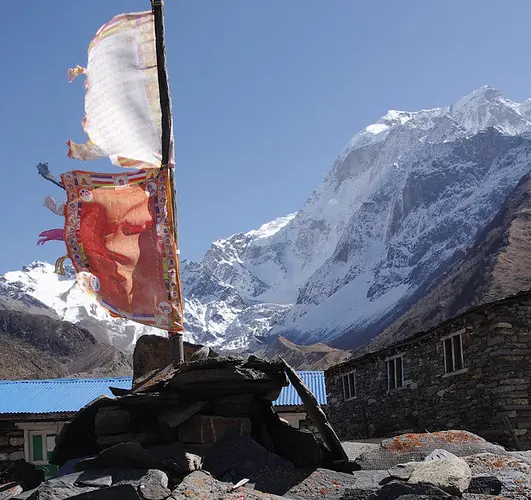
Trek gradually north toward Samdo at approximately 3,690 meters—a high village near the old Tibetan border trade route with strong mountain views. The walking time is approximately 3 to 4 hours.
Time & Distance 4Hour, 8KM
Accommodation:
Teahouse
Meals Breakfast, Lunch, Dinner
Maximum Altitude 3,875m/12,713ft (Samdo)
Difficulty
Use Day 17 for additional altitude acclimatization and rest before the days to Dharamsala and Larkya La Pass. Optional side hikes depend on the weather and fitness. Your guide conducts the Larkya La Pass safety briefing on the evening of Day 17.
Accommodation:
Teahouse
Meals Breakfast, Lunch, Dinner
Maximum Altitude 3,875m/12,713ft (Samdo)
Difficulty
Trek to Dharamsala at approximately 4,460 meters—the final teahouse stop before the Larkya La Pass crossing. Walking time runs approximately 3 to 4 hours. Pack the daypack for the pre-dawn departure, set the alarm, and rest early.
Time & Distance 5Hour, 12KM
Accommodation:
Teahouse
Meals Breakfast, Lunch, Dinner
Maximum Altitude 4,460m/14,633ft (Dharamsala)
Difficulty
The Larkya La day begins at 3 to 4 AM. The ascent to the summit, at approximately 5,160 meters, takes 4 to 6 hours over rocky moraine terrain. The descent to Bhimthang at approximately 3,720 meters covers a significant altitude loss. Views of Manaslu, Himalchuli, Ngadi Chuli, and Annapurna II appear on clear mornings. Total walking time runs 8 to 11 hours.
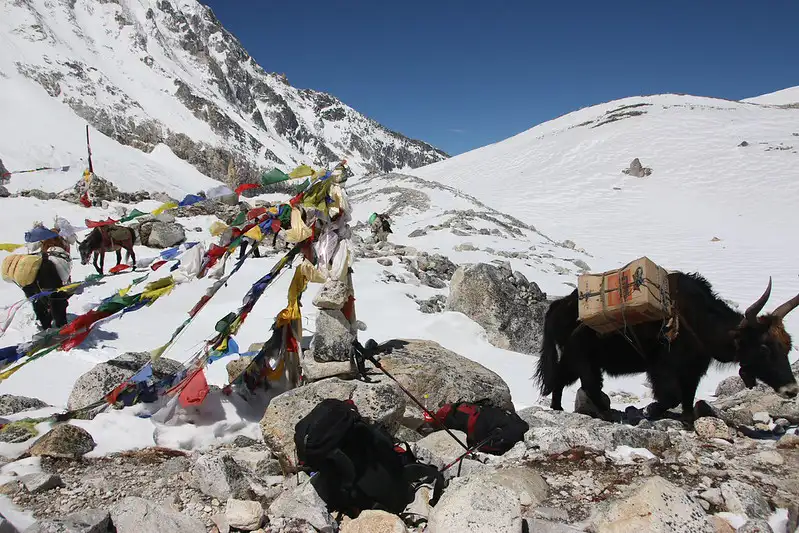
Time & Distance 11Hour, 24KM
Accommodation:
Teahouse
Meals Breakfast, Lunch, Dinner
Maximum Altitude 5,106m/16,752ft ( Larkya La Pass)
Difficulty
Descend through forest and village trails from Bhimthang toward the Marsyangdi valley. Walking time runs approximately 5 to 7 hours, depending on the specific endpoint for the day.
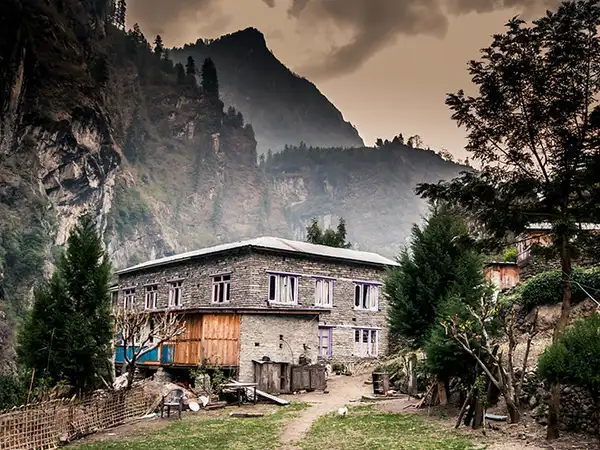
Time & Distance 8Hour, 21KM
Accommodation:
Teahouse
Meals Breakfast, Lunch, Dinner
Maximum Altitude 1,860m/6,102ft (Dharapani)
Difficulty
Drive back to Kathmandu from Dharapani or Besisahar through the lower Marsyangdi valley, Besisahar town, and the Prithvi Highway. Transfer to your Kathmandu hotel on arrival in the afternoon or evening.
Time & Distance 10Hour, 190KM
Accommodation:
Hotel
Meals Breakfast, Lunch, Dinner
Maximum Altitude 1,400m/4,593ft (Kathmandu )
Difficulty
Our driver transfers you to Tribhuvan International Airport at the agreed departure time. Allow at least 3 hours before international flights.
Meals Breakfast
Difficulty
The Manaslu Tsum Valley Trek offers the only single-Nepal trekking itinerary that delivers both the Tsum Valley’s sacred monastery culture and the Manaslu Circuit’s high-altitude mountain passes in a teahouse-only format, without camping logistics. Travelers who specifically want Mu Gompa, Rachen Gompa, Sama Gaun, and Larkya La Pass all in one route—without booking two separate treks to the same region—book the 22-day combined package.
The cultural value the Tsum Valley section adds to the standard Manaslu Circuit exceeds what any Manaslu Circuit trek provides on its own. The Tsumba people’s Tibetan Buddhist cultural tradition, the monastic culture at Mu Gompa and Rachen Gompa, and the distinctive sacred atmosphere of the restricted beyul valley create a cultural experience that no Manaslu Circuit-only package offers, regardless of its duration or route variation. The 7 days of trekking in the 7 Tsum Valley more than justify the 22-day duration for cultural travelers.
The mountain-adventure value of the Manaslu Circuit section exceeds what the Tsum Valley Trek alone offers. Sama Gaun’s direct Manaslu glacier view, the Manaslu Base Camp approach at approximately 4,800 meters, Samdo’s high-village position near the Tibetan border route, and Larkya La Pass’s 5,160-meter summit panorama create a mountain experience that the Tsum Valley Trek’s Ganesh Himal Base Camp side hike cannot match in scale or altitude.
The 22-day format gives both sections adequate time. The Tsum Valley section covers 7 trekking days from Lokpa through Mu Gompa, Rachen Gompa, and back to the junction at Chumling—enough time for genuine cultural encounters rather than rushed transit. The Manaslu Circuit section covers 12 trekking days from Deng through the Larkya La Pass and down to Dharapani—an appropriate pace for the two acclimatization stages required by the pass crossing.
Tsum Valley holds a specific sacred identity in Tibetan Buddhist tradition as a ‘beyul’—a hidden valley designated as a sacred sanctuary in ancient Tibetan Buddhist texts. The valley’s name translates to ‘vivid’ in Tibetan, and the Tsumba community’s cultural identity is linked to this beyul designation through both the valley’s network of monasteries and the specific religious practices that distinguish Tsumba Buddhism from the broader Tibetan Buddhist tradition in Nepal.
The cultural markers of the Tsum Valley’s restricted zone appear at every trail junction from Lokpa onward: mani walls inscribed with Buddhist mantras that require clockwise passage, chortens marking transitions between sacred zones, prayer-flag lines connecting the ridgeline monastery compounds, and prayer-wheel walls at each village approach. The Tsumba people’s calendar—agricultural, religious, and seasonal—runs on the specific rhythm of highland farming at 2,400 to 3,700 meters combined with the monastery puja schedule that organizes the community’s spiritual life.
The villages of Chumling, Chhokangparo, Nile, and Chule all maintain flat-roofed stone house architecture at altitudes where pitched roofs serve no drainage function. Households face south for maximum solar gain. Barley, buckwheat, and potato cultivation occupy the terraced fields below each village. The Tsumba community’s herding practice—yak and cattle between the lower valley grazing areas and the upper pastures—follows the same seasonal movement system that their ancestors maintained before the restricted area permit system created the controlled visitor access environment that the beyul’s cultural integrity now depends on.
Tsum Valley gives the Manaslu Tsum Valley Trek its spiritual identity. The sacred valley section transforms the route from a high-altitude trek with cultural stops into a genuine cultural-spiritual expedition culminating in a mountain achievement. The two sections together create something neither provides on its own.
Mu Gompa sits near the upper end of Tsum Valley at approximately 3,700 to 3,800 meters—the valley’s highest and most spiritually significant monastery. The monastery houses an active monk community that conducts the daily puja schedule of the Tibetan Buddhist tradition and maintains the sacred texts, ritual objects, and thangka paintings accumulated over generations of religious practice. The specific quality of the Mu Gompa interior—butter-lamp light, accumulated incense, the resonance of morning-horn puja audible from the approach trail—creates the sacred atmosphere that distinguishes active monastery sites from heritage-museum experiences.
Rachen Gompa offers the Tsum Valley Trek an encounter with a Buddhist nunnery—a community whose practice complements the monastic community at Mu Gompa, making the Day 9 combined upper-valley circuit culturally complete rather than repetitive. Your guide coordinates both monastery visits with the current ceremony schedule, manages cultural protocol at each site, and provides the specific religious and historical context that distinguishes observing an unfamiliar ceremony from simply witnessing it.
The Day 9 structure—morning hike to Mu Gompa from Nile, return, and continuation to Rachen Gompa for the overnight—covers the full upper Tsum Valley sacred circuit in a single long day. The walking time is approximately 6 to 8 hours in total, including the ascent and descent to Mu Gompa. The Rachen Gompa teahouse or monastery lodge offers an overnight stay with the unique atmosphere of sleeping adjacent to an active nunnery compound.
Mu Gompa and Rachen Gompa separate the Manaslu Tsum Valley Trek from any standard Manaslu Circuit package. No Manaslu Circuit-only itinerary includes the Tsum Valley’s upper monastery network—the two gompas are exclusive to the Tsum Valley section’s restricted corridor.
Milarepa Cave on the Day 8 route from Chhokangparo to Nile is one of several Himalayan sacred sites associated with the 11th-century Tibetan Buddhist yogi Milarepa’s meditation tradition. Your guide assesses the Day 8 pace and trail conditions before deciding whether the cave visit fits within the full walking day without compromising the Nile arrival time or the group’s energy for the Day 9 Mu Gompa hike.
The visit is presented in the itinerary as ‘if time and trail conditions allow’—an honest representation that avoids the disappointment of a compressed Day 8, where the cave detour results in a late Nile arrival and a tired group for the next morning’s Mu Gompa departure. When possible, your guide provides the specific Milarepa cultural context that makes the cave encounter meaningful rather than just a scenic stop.
The Day 11 trail from Chumling toward Deng marks the most significant route transition of the 22-day trek. Above Chumling, the Tsum Valley’s enclosed, sacred-valley character gives way to the main Budhi Gandaki corridor’s northward march toward the Manaslu massif. The trail from Chumling to Deng passes where the sacred beyul’s restricted corridor ends and the main Manaslu Circuit’s restricted area begins—a transition your guide frames with cultural context, making the geographical shift meaningful rather than abrupt.
The Manaslu Circuit section from Deng northward toward Namrung, Lho, and Sama Gaun delivers the route’s progressive mountain revelation. Each day’s northward progress brings the Manaslu massif incrementally closer—first as a distant pyramid above the forest ridgelines at Namrung, then as the fully visible glacier system dominating the northern horizon above Lho, then as the massive south face filling the view above Sama Gaun at approximately 3,530 meters. The approach to Manaslu, at 8,163 meters, offers one of Nepal’s most dramatic progressive mountain approach sequences.
The cultural shift from Tsumba to Nupri traditions happens progressively through the Deng to Sama Gaun section. Nupri culture—the specific Tibetan-influenced Buddhist tradition of the Manaslu Circuit’s inner villages—shares the architectural forms of the Tsum Valley’s flat-roofed stone houses but also carries distinct monastery traditions, community organization, and cultural identity, as your guide explains during the Sama Gaun and Samdo cultural stops.
Sama Gaun, at approximately 3,530 meters, is the Manaslu Circuit’s most culturally significant village—the settlement directly below Mount Manaslu’s south face, with glacier views, an active Nupri Buddhist monastery, and the Day 15 acclimatization day that lays the altitude foundation for the Larkya La Pass. The village’s flat-roofed stone houses cluster around the central monastery compound, with the Manaslu massif serving as the northern backdrop, creating a visual setting that no other Nepal trekking village can match for its combination of altitude and proximity to the mountains.
The Day 15 acclimatization day from Sama Gaun offers three side hike options based on current weather conditions and your guide’s altitude assessment of the group’s fitness: Manaslu Base Camp at approximately 4,800 meters for the highest altitude experience and closest glacier approach; Birendra Lake at approximately 4,000 meters for the high glacial lake visual experience with less altitude gain; or Pungyen Gompa at approximately 4,050 meters for the monastery cultural encounter combined with mountain views. Your guide recommends the specific option based on current conditions—do not pre-commit to one option before arriving in Sama Gaun.
Samdo, at approximately 3,690 meters, provides the second acclimatization stage before the overnight in Dharamsala and the Larkya La crossing. The village’s position near the old Tibetan trade route connecting the Manaslu Valley to Tibet gives it a distinct trade-route heritage, distinct from Sama Gaun’s glacier-view setting. The Day 17 rest and optional side hike in Samdo provides both additional altitude exposure and the physical rest that the demanding Dharamsala and Larkya La Pass days require.
The two-stage acclimatization at Sama Gaun and Samdo prepares for the altitude of Larkya La Pass at 5,160 meters. Removing either stage to save time creates an altitude gain profile that increases the risk of acute mountain sickness on the most demanding day of the 22-day route.
Larkya La Pass at approximately 5,160 meters above sea level connects the main Manaslu Valley to the Marsyangdi-Annapurna drainage system—the physical and geographical peak of the Manaslu Circuit route that the 22-day Manaslu Tsum Valley Trek shares with the standard circuit. The Day 19 crossing begins at 3 to 4 AM from the Dharamsala teahouse camp at approximately 4,460 meters—an early departure that the guide’s previous-season experience with the pass’s morning weather conditions specifically informs.
The ascent from Dharamsala to the Larkya La summit follows a rocky moraine trail through the open glacier approach terrain above the teahouse. The altitude at 5,160 meters creates the physiological demands that the two-stage acclimatization at Sama Gaun and Samdo specifically prepares the body for. At the summit, Manaslu’s north face, Himalchuli, Ngadi Chuli, Cheo Himal, Kang Guru, and Annapurna II all appear in the panorama surrounding the Larkya La summit on clear October mornings.
The descent from Larkya La to Bhimthang, at approximately 3,720 meters, involves significant altitude loss over several hours, in invariably rocky terrain. Trekking poles provide essential stability throughout the descent. The guide manages the descent pace based on the group’s current fitness and the afternoon cloud and wind conditions, which, in the Himalayan weather system, typically build from the south n the post-noon hours.
Larkya La Pass Safety: The pass is not technical in normal conditions, but altitude, cold, possible snow, wind, and the long descent to Bhimthang make Day 19 the most physically demanding day of the 22-day trek. Your guide has authority over the timing of pass crossings. Carry full warm layers accessible from your daypack for the overnight in Dharamsala.
Hotel accommodation in Kathmandu on Days 1, 2, and 21 provides city-standard comfort, including a private bathroom, hot water, Wi-Fi, and breakfast. Teahouse accommodation covers all 19 active trekking nights.
The Tsum Valley section from Chumling through the upper valley uses simpler teahouse facilities than the main Manaslu approach corridor. Hot showers cost extra—typically NPR 200 to NPR 500—and may not be available at the upper valley stops near Nile, Rachen Gompa, or the Rachen Gompa monastery lodge. Wi-Fi is unreliable above Chumling and absent at most upper Tsum Valley stops.
The Manaslu Circuit section from Deng through Sama Gaun, Samdo, and Dharamsala uses standard Manaslu Circuit teahouse infrastructure—basic but more developed than the upper section of the Tsum Valley. Dharamsala at 4,460 meters represents the most basic overnight of the circuit section—simple rooms, limited menu, cold nights.
The 22-day route uses simple teahouses and monastery lodges throughout the 19 nights on the trail. Facilities are simplest in the upper Tsum Valley, Dharamsala, and Samdo. Hotel Kathmandu provides city-standard comfort at both ends of the trek.
Trip Information
Full board covers all 19 trekking days from Day 3 through Day 21. Hotel breakfast is included in Kathmandu. Day 21 includes breakfast and lunch. Menu variety and ingredient freshness both decrease with altitude and remoteness across the 22-day route—the Machha Khola approach teahouses offer the broadest menus; Dharamsala and the Tsum Valley upper stops simplify toward the standard highland teahouse essentials.
Dal, noodle soup, potato dishes, Tibetan bread, egg preparations, and hot drinks make up the core menu across both sections. The Tsum Valley’s local barley-flour Tibetan bread—a specific preparation using locally grown grain—gives the Chhokangparo and Nile meals a quality distinction from commercial supply-chain teahouse food, which the main circuit’s broader supply network reduces in the Manaslu section. Bottled water, soft drinks, and alcohol carry additional fees throughout.
The package covers airport pickup and drop-off in Kathmandu, road transfer to Machha Khola on Day 3, and road return from Dharapani or Besisahar to Kathmandu on Day 21. The road trip to Machha Khola takes 7 to 8 hours through the Dhading district and the Budhi Gandaki valley approach. The return from Dharapani or Besisahar takes approximately 5 to 7 hours, depending on road conditions on the Marsyangdi highway.
The Manaslu Tsum Valley Trek requires five permit documents arranged through our team: the Manaslu Restricted Area Permit at USD 100 per person per week from September to November (USD 75 per week December to August), the Tsum Valley Restricted Area Permit at USD 40 per person per week from September to November (USD 30 per week December to August), the Manaslu Conservation Area Permit at NRs. 3,000 for foreign nationals, the Annapurna Conservation Area Permit at NRs. 3,000 for foreign nationals, and the TIMS card is currently required under the Nepal Tourism Board Park Entry policy.
All five documents come included in the package price. Our team processes all documentation in Kathmandu before the Day 3 departure. Bring two passport-size photographs and a clear copy of the passport photo page to our team on Day 2. Your guide carries all permit documents for all checkpoint inspections throughout both restricted sections from Lokpa through the Tsum Valley and from the Manaslu Circuit entry through the Larkya La crossing to Dharapani.
The Manaslu Tsum Valley Trek rates as challenging. The 22-day duration requires sustained physical effort, and accumulated fatigue progressively affects the second and third weeks. The Tsum Valley section rates as moderate to challenging on its own—the combination with the Manaslu Circuit section, including the two high-altitude acclimatization stages and the Larkya La Pass crossing at 5,160 meters, elevates the complete route to challenging throughout.
No technical climbing applies in normal conditions. Previous multi-day mountain hiking experience—ideally including at least one previous route above 4,000 meters—provides the most relevant preparation. Trekking poles are strongly recommended for the Larkya La descent and for the long descent sections in the Bhimthang and Dharapani sections.
| Season | Months | Conditions | Best? |
| Spring | March to May | Mild temperatures, rhododendron blooms on Budhi Gandaki forest approach sections, good Larkya La Pass access window, clear morning mountain views above Sama Gaun, and Samdo. | Yes |
| Autumn | Sep to Nov | Best mountain visibility and most stable weather. October offers the clearest views of Manaslu, Himalchuli, and Ngadi Chuli from Sama Gaun, Samdo, and the Larkya La summit. | Yes – Best |
| Winter | Dec to Feb | Cold nights in high teahouses. Snow accumulation makes the Larkya La Pass significantly harder to cross. Dharamsala and the Larkya approach require experienced trekkers only. | With Caution |
| Monsoon | Jun to Aug | Rain, landslide risk on the Machha Khola approach road, slippery trails in lower forest sections, and clouds blocking mountain views throughout the Manaslu section. Not recommended. | No |
October provides the strongest overall combination of Tsum Valley cultural atmosphere, Manaslu Circuit mountain visibility, and Larkya La Pass access for the 22-day route. The Tsum Valley section’s village and monastery character is accessible and pleasant in both spring and autumn. The Larkya La Pass section’s safety and visibility are both strongest in the October to November window.
Porter service is optional in the base package and available as a paid upgrade. The remote trail sections and the Larkya La Pass day both represent points where main bag layers and personal items are carried throughout the trek.weight most directly affects walking comfort and safety. One porter can carry a maximum of 20 kilograms between two trekkers. You carry your own daypack with water, camera, and warm
Optional Add-ons
Travel insurance is compulsory and must explicitly cover trekking above 5,000 meters and emergency helicopter evacuation. Larkya La Pass at approximately 5,160 meters exceeds the altitude cap of some standard adventure policies. Confirm your altitude coverage before purchase. A helicopter evacuation from the Larkya La or Dharamsala area costs USD 2,500 to USD 5,000, depending on conditions.
The route’s dual restricted-area character and 22-day duration both extend the period during which insurance coverage applies. Purchase your policy before flying to Nepal and carry both printed and digital copies. Show proof of coverage at permit processing on Day 2.
Pack for the temperature range from warm Machha Khola afternoons to cold Dharamsala overnight and the pre-dawn Larkya La Pass departure:
Walk clockwise around all mani walls, chortens, and monastery circuit paths throughout both the Tsum Valley restricted corridor and the Manaslu Circuit section. Remove footwear before entering monastery buildings at Chumling, Chhokangparo, Mu Gompa, Rachen Gompa, and the Sama Gaun and Samdo monastery compounds. Keep voices low during active puja ceremonies.
The Tsum Valley’s beyul sacred identity requires the specific respect mandated by both its cultural significance and its restricted visitor controls. Do not photograph monks, nuns, or village community members at work without first asking. Dress modestly throughout both restricted sections—the Tsum Valley’s sacred community responds more directly to visitor dress and behavior than the more commercially developed Manaslu Circuit corridor.
Use refillable bottles and purification tablets throughout both sections. Support local teahouses by ordering from the house menu rather than bringing in commercial food from Kathmandu. Your meal spending creates direct income for households in both restricted zones, where the permit system’s visitor controls limit total annual revenue potential.
Your licensed guide manages safety across all 19 trekking days with three critical focus points: the Tsum Valley monastery visit, cultural management, and trail pacing for the Day 9 combined Mu Gompa and Rachen Gompa day; the two-stage acclimatization monitoring at Sama Gaun and Samdo; and the Larkya La Pass weather assessment and crossing timing decision on Day 19 morning.
Do not skip or compress either the Sama Gaun (Day 15) or Samdo (Day 17) acclimatization days. The gradual altitude gain from Sama Gaun through Samdo to Dharamsala, and then to the Larkya La summit, follows the standard altitude management protocol of never exceeding 500 meters of daily altitude gain above 3,500 meters for sleeping altitude.
Symptoms of altitude sickness above 3,500 meters require communication with your guide rather than self-management. The guide carries the group’s first-aid kit and maintains emergency contact with our Kathmandu operations office throughout both restricted sections. Helicopter evacuation coordinates through your travel insurance for any emergency requiring extraction above the road access points.
| Trek | Duration | Difficulty | Main Style | Highest Focus | Best For |
| Manaslu Tsum Valley Trek | 22 Days | Challenging | Sacred valley + full circuit | Larkya La Pass (~5,160 m) | Complete Manaslu route |
| Manaslu Circuit Trek | 14–18 Days | Challenging | High-pass circuit | Larkya La Pass (~5,160 m) | Classic Manaslu trekkers |
| Tsum Valley Trek | 15 Days | Mod–Challenging | Sacred Valley culture | Mu Gompa / Ganesh Himal option | Cultural trekkers |
| Manaslu Larkya La Trek | 12–16 Days | Challenging | Circuit without Tsum | Larkya La Pass | Shorter high-pass trek |
| Nar Phu Valley Trek | 12 Days | Challenging | Restricted valley culture | Kang La Pass (~5,320 m) | Annapurna restricted area |
Our guides for the Manaslu Tsum Valley Trek carry specific experience across both restricted sections—knowledge of the Tsum Valley permit corridor’s specific checkpoint procedures, direct relationships with the Chumling, Chhokangparo, and Nile teahouse operators, Mu Gompa and Rachen Gompa monastery visit coordination, the Sama Gaun acclimatization option selection, and the Larkya La Pass weather assessment capability that makes the Day 19 crossing decision reliable rather than routine.
All five permit documents are processed through official government channels before the Day 3 departure. Permit fees stated reflect current Nepal Tourism Board pricing for both restricted corridor permits and conservation area permits—confirmed at the time of the booking inquiry, since fees are subject to annual government revision.
The standard Manaslu Circuit Trek follows the main Budhi Gandaki corridor directly from Machha Khola to Sama Gaun without entering the Tsum Valley restricted corridor. It skips Lokpa, Chumling, Chhokangparo, Nile, Mu Gompa, Rachen Gompa, and the entire sacred cultural section of the Tsum Valley. The Manaslu Tsum Valley Trek adds 7 to 8 trekking days on the Tsum Valley section before rejoining the circuit at Deng, adding the sacred valley’s cultural depth to the circuit’s mountain achievement.
The standalone Tsum Valley Trek ends at Gumba Lungdang or the Ganesh Himal Base Camp area and returns to Machha Khola without joining the Manaslu Circuit. The Manaslu Tsum Valley Trek continues from the Tsum Valley section into the full Manaslu Circuit—adding Deng, Namrung, Lho, Sama Gaun, Samdo, Larkya La Pass, and Bhimthang to the sacred valley experience. The combined route requires more days, better fitness, and additional permits.
Mu Gompa and Rachen Gompa give the Manaslu Tsum Valley Trek its Tsum Valley cultural identity that no Manaslu Circuit-only page can include. Both gompas are exclusively accessible from the Tsum Valley restricted corridor—they appear nowhere on the main Manaslu Circuit trail. Their inclusion in the 22-day itinerary is the primary cultural differentiator from the standard circuit.
Sama Gaun and Samdo provide the altitude acclimatization that Larkya La Pass at 5,160 meters requires—and the specific village cultural encounters of the Nupri Buddhist tradition that give the Manaslu Circuit its cultural identity. Removing either acclimatization day creates an altitude-gain profile that increases the risk of acute mountain sickness on the most demanding day of the 22-day route.
Larkya La Pass at approximately 5,160 meters provides the physical achievement that the 22-day trek builds toward, from its first acclimatization stage at Sama Gaun through the second stage at Samdo to the overnight Dharamsala base camp. The pre-dawn start, the 4- to 6-hour ascent, the summit manorama, and the long descent to Bhimthang make for the high-altitude achievement that no Tsum Valley-only itinerary offers.
The Manaslu Tsum Valley Trek requires five permit documents—more than any other single Nepal trekking route. All five permits require an agency arrangement and the presence of a licensed guide in their respective restricted sections. Checkpoint rangers inspect all documents at the Lokpa Tsum Valley entry, at the Manaslu Circuit restricted zone entries, and at specific internal checkpoints along both restricted sections. Our team manages all documentation before departure.
The booking process for the Manaslu Tsum Valley Trek requires 4 to 6 weeks’ advance notice for the five-permit documentation process:
The Manaslu Tsum Valley Trek 22-day package delivers Nepal’s most complete single restricted-area trekking experience—the sacred Tsum Valley’s beyul culture at Mu Gompa and Rachen Gompa, the Manaslu Circuit’s progressive mountain approach to the world’s eighth highest peak, the two-stage acclimatization at Sama Gaun and Samdo, and Larkya La Pass at 5,160 meters—with licensed guide support, all five permit documents, teahouse and monastery lodge accommodation for 19 trekking nights, full board trail meals, and road transport on both ends.
The route suits fit travelers who want the Manaslu region’s complete geographical and cultural experience in a single 22-day itinerary—the sacred valley section’s monastery culture and the high-pass section’s mountain achievement together rather than as separate trips to the same region.
Book with 4 to 6 weeks advance notice to allow permit processing time. Contact our team for group pricing, fitness guidance, or single-section booking options. We respond within 4 hours.
The full package runs 22 days from arrival in Kathmandu on Day 1 to final airport departure on Day 22. The active trekking section covers 19 days from the Machha Khola overnight on Day 3 through the Dharapani or Tilije overnight on Day 20. Days 21 and 22 cover the road return and the final airport departure.
Yes. The route crosses two separate restricted areas: the Tsum Valley Restricted Area from the Lokpa entry through the upper valley and back to the Deng junction, and the Manaslu Restricted Area from the main Manaslu Circuit entry through Larkya La Pass and Dharapani. Both sections require specific restricted area permits arranged through a registered agency with a licensed guide.
Five permits apply: the Manaslu Restricted Area Permit (USD 100/week Sep–Nov; USD 75/week Dec–Aug), the Tsum Valley Restricted Area Permit (USD 40/week Sep–Nov; USD 30/week Dec–Aug), the Manaslu Conservation Area Permit (NRs. 3,000 for foreign nationals), the Annapurna Conservation Area Permit (NRs. 3,000 for foreign nationals), and the TIMS card if currently required. All five come included in the package price.
The trek rates as challenging throughout. The 22-day duration requires sustained physical effort. The Tsum Valley section rates moderate to challenging on its own. The combined route, with the Manaslu Circuit’s two acclimatization stages and Larkya La Pass at 5,160 meters, elevates the entire route to challenging from start to finish.
Larkya La Pass sits at approximately 5,160 meters (16,929 feet) above sea level. You cross the pass on Day 19 with a pre-dawn departure at approximately 3 to 4 AM from the Dharamsala teahouse at 4,460 meters. The ascent takes 4 to 6 hours, followed by the long descent to Bhimthang.
Yes. The Mu Gompa hike is included in Day 9’s upper Tsum Valley combined circuit—morning ascent from Nile to Mu Gompa at approximately 3,700 to 3,800 meters, monastery interior visit, and continuation to Rachen Gompa for the Day 9 overnight.
Yes. Rachen Gompa’s Buddhist nunnery provides overnight accommodation on Day 9—either a teahouse or a monastery lodge—after the Mu Gompa morning hike. The nunnery cultural encounter completes the upper Tsum Valley sacred circuit.
Yes, as a Day 15 acclimatization side hike from Sama Gaun at approximately 4,800 meters. Manaslu Base Camp is one of three Day 15 options—Birendra Lake at approximately 4,000 meters and Pungyen Gompa at approximately 4,050 meters are the alternatives. Your guide recommends the specific option based on the weather and your altitude response at the time.
Two nights at a Kathmandu hotel with private bathroom, hot water, Wi-Fi, and breakfast. Nineteen nights of teahouse and monastery lodge accommodation on the trekking section—basic twin rooms with shared bathrooms throughout. Facilities are simplest at Tsum Valley upper stops, Dharamsala, and Samdo.
Yes. Full board—breakfast, lunch, and dinner—comes included on all 19 trekking days from Day 3 through Day 21. Kathmandu hotel breakfast is included on Days 2 and 3 mornings. Day 21 includes breakfast and lunch. Lunch and dinner in Kathmandu are not included.
Porter service is optional in the base package and available as a paid upgrade. One porter carries a maximum of 20 kilograms shared between two trekkers. Adding a porter is particularly valuable for the remote trail sections in the Tsum Valley and the Larkya La Pass day.
Autumn (September to November) provides the best overall conditions for the combined route—October is optimal for both Tsum Valley cultural atmosphere and Larkya La Pass access and visibility. Spring (March to May) offers a reliable alternative.
Yes. Your policy must cover trekking above 5,000 meters and emergency helicopter evacuation. Both restricted areas require the coverage that standard adventure policies without adequate altitude caps cannot provide. Confirm your coverage before purchase and show proof at the Day 2 permit briefing.
The standard Manaslu Circuit Trek goes directly from Machha Khola to the main circuit without entering the Tsum Valley restricted corridor. The Manaslu Tsum Valley Trek adds 7 to 8 trekking days in the Tsum Valley sacred section—including Mu Gompa, Rachen Gompa, and the restricted beyul corridor—before rejoining the circuit at Deng.
Yes. The standalone Tsum Valley Trek covers the sacred valley section in a 15-day format with the optional Gumba Lungdang and Ganesh Himal Base Camp section. Contact our team if you prefer the standalone Tsum Valley package over the combined 22-day Manaslu Tsum Valley Trek.