


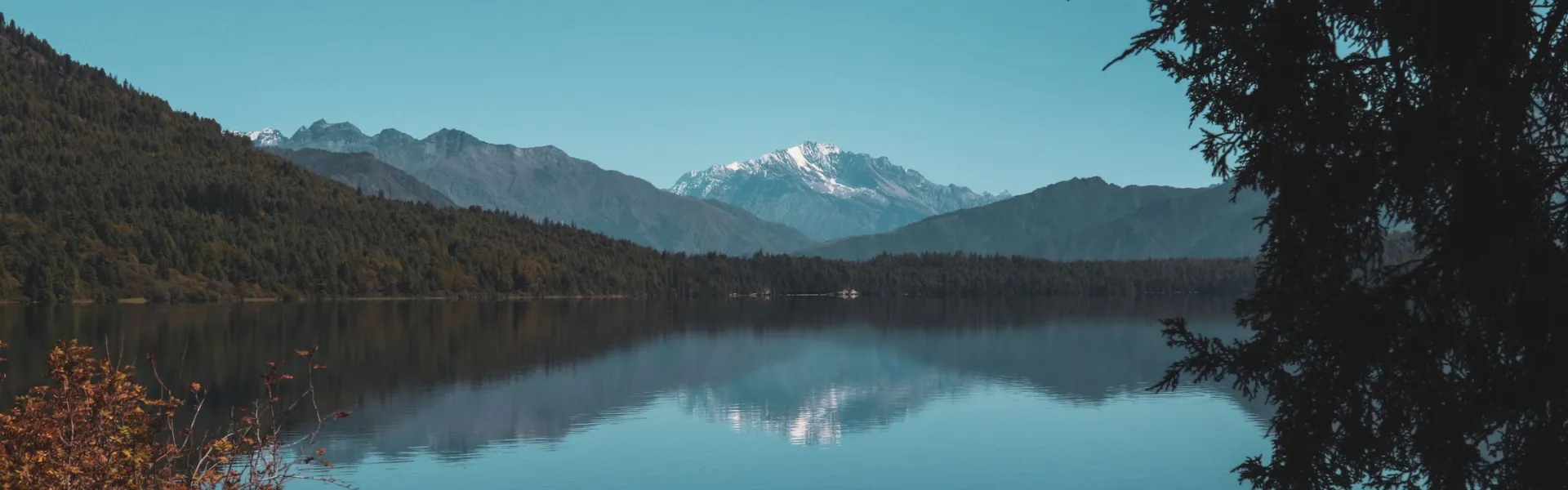

Last verified: 23 November 2026. Flights, road access and lodge availability in Mugu and Jumla change often. Stage names, times and altitudes are approximate. Confirm details with your registered trekking agency.
Use this Rara Lake trek guide to plan a trip to Nepal’s largest lake in the far west. Below we cover the short route from Talcha airstrip, the classic five to seven day trek from Jumla through the Sinja valley, walking the lake shore and climbing Murma Top, plus permits, lodges, seasons and safety. For the wider region, see our western Nepal trekking guide.
What is the Rara Lake trek at a glance?
Short answer: Rara Lake sits at about 2,990 meters in Rara National Park in Mugu district, Karnali Province. The quickest trip flies to Talcha airstrip and walks about three hours to the lake. The classic trek starts in Jumla and crosses ridges and the historic Sinja valley in about five days. Either way, a full day exploring the lake shore is worthwhile.
| Option | Days from Nepalgunj | Highest point | Difficulty |
|---|---|---|---|
| Talcha to Rara and back | 4 to 6 | Murma Top about 3,700 m (optional) | Easy to moderate |
| Jumla to Rara, fly out from Talcha | 8 to 10 | Ridges about 3,500 to 3,700 m | Moderate |
| Jumla to Rara and back to Jumla | 11 to 14 | Ridges about 3,500 to 3,700 m | Moderate |
How do you get to Rara Lake?
Short answer: Fly from Kathmandu to Nepalgunj, stay overnight, then take a morning flight on a small plane to Talcha airstrip near Gamgadhi or to Jumla. From Talcha, walk about three hours to the lake. From Jumla, trek about five days. Roads also reach the area via Surkhet, but the drive takes two or more long days.
Mountain flights in the west are often delayed by weather, so plan buffer days at each end. Baggage limits on small planes are strict, often around 10 to 15 kilograms. Nepalgunj is hot for much of the year, so choose a hotel with air conditioning. Our transport guide covers remote flights.
What is the short route from Talcha like?
Short answer: From Talcha airstrip, a well-used trail climbs gently through pine and spruce forest and over a ridge to the southern shore of Rara Lake in about three hours. Most visitors stay two or three nights near the lake to walk the shore, climb Murma Top and enjoy the changing colors of the water before returning to Talcha.
| Day | Plan |
|---|---|
| 1 | Fly Kathmandu to Nepalgunj |
| 2 | Fly to Talcha, walk to Rara Lake |
| 3 | Walk around the lake, about 5 to 6 hours |
| 4 | Sunrise hike to Murma Top, rest at the lake |
| 5 | Walk back to Talcha, fly to Nepalgunj |
| 6 | Fly to Kathmandu |
The short route suits families, photographers and anyone with limited time. Add a day for flight delays.
What does the classic trek from Jumla look like?
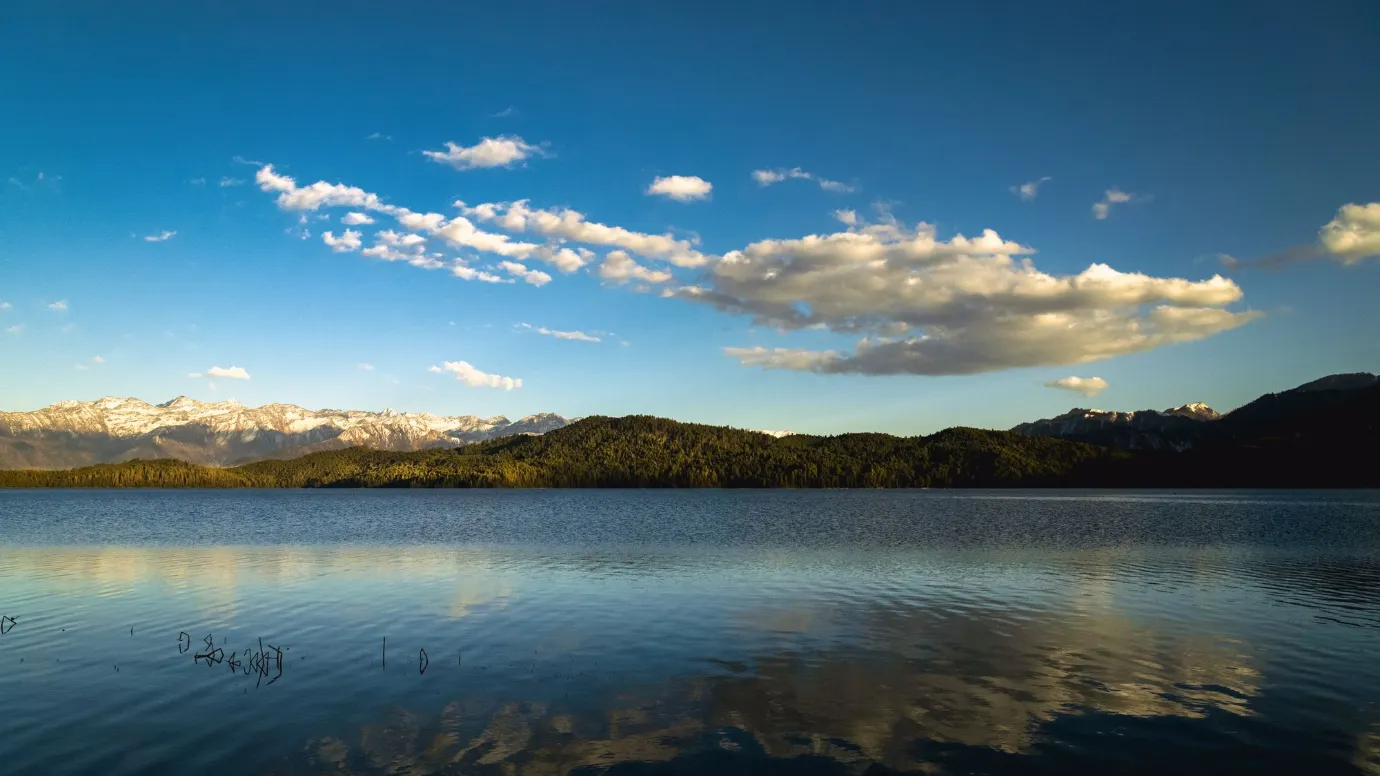
Short answer: The classic route leaves Jumla at about 2,540 meters, climbs to high meadows such as Chere Chaur, descends to the Sinja valley, then crosses forested ridges past Ghorasain to Rara Lake. It takes about five days of five to seven hours’ walking. Stage names vary by agency, and many groups camp or use simple homestays.
| Day | Route | Approximate overnight altitude |
|---|---|---|
| 1 | Fly Nepalgunj to Jumla, explore the town | About 2,540 m |
| 2 | Jumla to Chere Chaur meadows | About 3,050 m |
| 3 | Chere Chaur to Chalachaur | About 3,000 m |
| 4 | Chalachaur to Sinja valley | About 2,490 m |
| 5 | Sinja to Ghorasain | About 2,930 m |
| 6 | Ghorasain over the ridge to Rara Lake | About 2,990 m |
| 7 | Explore Rara Lake | About 2,990 m |
| 8 | Rara Lake to Talcha, fly to Nepalgunj | About 150 m |
Some itineraries return to Jumla by a different route through villages such as Pina and Bumra, making a loop of about 11 to 14 days.
What is special about Jumla and the Sinja valley?
Short answer: Jumla is the main town of the Karnali highlands, known for red rice, apples and the Chandannath temple. The Sinja valley was the seat of the Khasa Malla kingdom in medieval times and is linked to the origins of the Nepali language. Ruins, stone pillars and old temples remain in the valley.
Walking through Sinja gives a sense of the region’s long history before modern Nepal. Local guides can point out Khasa-era inscriptions and sites. Villages along the route grow barley, buckwheat, potatoes and apples, and many houses have flat roofs used for drying crops.
What can you do at Rara Lake?
Short answer: Walk the trail around the lake in about five to six hours, climb Murma Top at about 3,700 meters for sunrise views over the lake and the Kanjiroba and Saipal ranges, watch birds on the water, and relax by the shore. Boating may be available in season. Mornings are usually clearest and calmest.
Rara Lake covers about 10 square kilometers and is surrounded by forests of blue pine, black juniper, spruce and rhododendron. The water changes color from deep blue to turquoise with the light. Swimming is discouraged out of respect for local beliefs and for safety, since the water is very cold and deep.
What wildlife lives in Rara National Park?
Short answer: Rara National Park, established in 1976 and the smallest national park in Nepal, shelters red pandas, Himalayan black bears, musk deer, leopards, Himalayan tahr and many birds. The lake attracts waterfowl, especially in winter and during migration seasons. Early mornings and quiet walking give the best chances of sightings.
The park’s forests also hold many medicinal plants. Stay on trails, avoid disturbing nesting birds and never feed animals. Our responsible trekking guide explains low-impact trekking.
What is the walk around Rara Lake like?
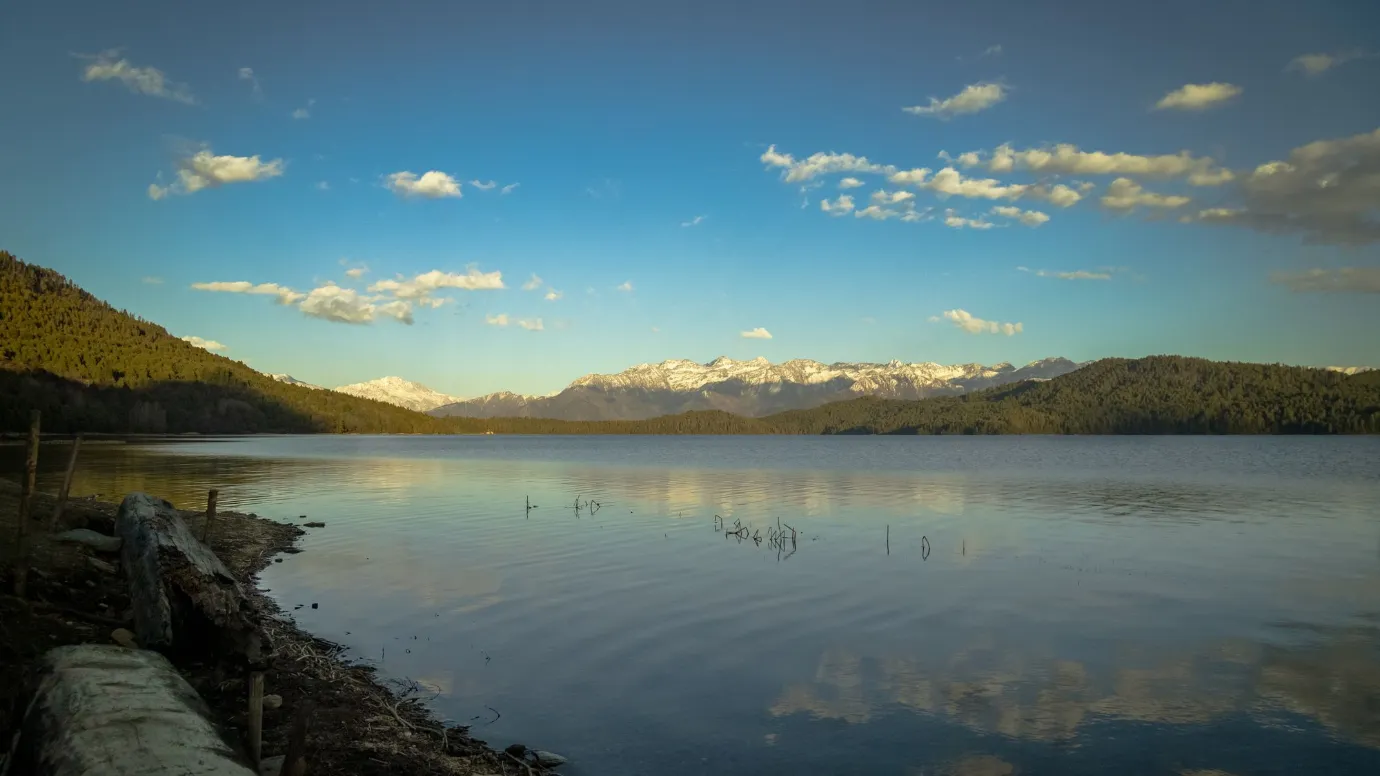
Short answer: A trail circles the lake in about five to six hours, mostly through shady pine and juniper forest close to the shore, with gentle climbs and open meadows on the north side. Benches, viewpoints and small streams break up the walk. Carry water and snacks, since there are few services away from the lodges.
Walking counterclockwise from the southern lodges gives morning light on the far shore. The northern side is quieter and good for spotting waterbirds and deer. After rain, some sections are muddy and slippery, so wear boots with good grip. The park’s guards patrol regularly and can help if you lose the path.
Where are the best photo spots at Rara?
Short answer: Murma Top at sunrise gives the classic view of the whole lake framed by forest and distant snow peaks. The southern shore near the lodges gives calm reflections in the early morning. The meadows on the north side are good in late afternoon light, and autumn forests add golden color.
Start the Murma Top hike in the dark with a headlamp to arrive before dawn. Bring a tripod for low-light shots and spare batteries, since cold mornings drain them. Drones need permission and are restricted in national parks.
Do you need to acclimatize for Rara?
Short answer: Rara sits at about 2,990 meters, and the Jumla route crosses ridges up to about 3,500 to 3,700 meters, so most people adapt without problems. Flying straight to Talcha and hiking to Murma Top on the first day can cause mild headaches in some trekkers. Walk slowly, drink well and rest on arrival.
Altitude sickness is uncommon at these heights but possible. Tell your guide about any symptoms, and avoid alcohol on the first night. Our health and safety page explains warning signs.
Which permits do you need for Rara Lake?
Short answer: You need a Rara National Park entry permit, NPR 3,000 for foreign nationals, and a TIMS card, arranged through a registered agency with a licensed guide. No restricted area permit is needed for the standard Rara routes. Routes north into Upper Mugu require a restricted permit.
Permits are checked at the park entrance. Our permits guide explains each one.
Which communities live around Rara and Jumla?
Short answer: The Karnali highlands are home mainly to Khas communities, including Thakuri, Chhetri and Brahmin families, along with Dalit groups and, further north in Mugu, people of Tibetan heritage. Hindu temples and shrines to local Masto deities are common. Village life centers on farming, herding and seasonal trade.
The villages that once stood on Rara’s shores were relocated when the national park was created in 1976. Today, nearby settlements such as Gamgadhi serve as gateways. Dress modestly, ask before photographing people and follow your guide’s advice at temples, some of which restrict entry. Our culture and etiquette guide explains respectful behavior.
How busy is Rara Lake?
Short answer: Rara sees few foreign trekkers but has become popular with Nepali tourists, especially in October and around festival holidays, when lodges near the lake can fill. Outside these times, the lake is quiet and peaceful. Book lodges through your agency for peak autumn dates.
Improved roads and flights have brought more visitors in recent years. Visiting on weekdays and outside festival weeks gives the calmest experience. Early mornings at the lake are quiet even in busy periods.
Who is the Rara Lake trek best for?
Short answer: The short route suits families, photographers, nature lovers and trekkers who want a peaceful, low-altitude trip with forests and a lake rather than high peaks. The Jumla route suits trekkers who enjoy village life and history and have about ten days. Neither route requires high-altitude experience.
If you want big Himalayan peaks close up, consider Everest, Annapurna or Langtang instead. If you want remote culture and solitude in the west, consider Humla or Upper Mugu. Our trek by traveler type page compares options.
Can you combine Rara with other trips?
Short answer: Yes. Rara combines with Jumla and the Sinja valley, with a restricted trek into Upper Mugu for experienced trekkers, or with Bardia National Park in the western lowlands for wildlife viewing near Nepalgunj. Some travelers also link Rara with Humla and the route toward Kailash in Tibet.
Bardia, a few hours’ drive from Nepalgunj, offers jungle walks and a chance to see tigers, rhinos and elephants, making a good contrast with the mountain lake. Plan extra days and flexible flights for any combination.
When is the best time to visit Rara Lake?
Short answer: April to June and September to November are the best months. Spring brings rhododendron blooms and mild days. Autumn brings clear skies and golden forests. The monsoon, July to August, brings rain, mud and flight delays. Winter, December to February, is cold with snow, though the lake can look beautiful under a white landscape.
| Season | Conditions | Notes |
|---|---|---|
| March to May | Mild, blooms, some haze | Good |
| June to August | Rain, mud, flight delays | Possible with flexible plans |
| September to November | Clear, cool | Best |
| December to February | Cold, snow | Quiet, some services closed |
What are lodges and food like on the Rara route?
Short answer: Rara Lake has a few lodges and homestays near the park, and Jumla and Gamgadhi have basic hotels. Villages on the Jumla route offer simple homestays, and many groups camp. Food is mainly dal bhat, local red rice, potatoes, noodles and seasonal vegetables. Facilities are basic compared with central Nepal.
Bring snacks, a warm sleeping bag and a power bank. Our teahouse guide explains basic lodges and homestays.
How do you stay safe on a Rara Lake trek?
Short answer: Plan buffer days for flights, trek with a licensed guide who knows the route, carry warm layers for cold nights, treat drinking water, carry a first aid kit and buy insurance with evacuation cover. Altitude is moderate, but medical help is far away, so take any illness seriously.
Ridge trails can be confusing in fog, and mobile coverage is patchy outside towns. Our health and safety page and insurance and rescue guide explain preparation.
What should you pack for Rara Lake?
Short answer: Pack layers for cool days and cold nights, a sleeping bag rated to about minus 5 to minus 10 degrees Celsius, rain gear, sun protection, sturdy boots, trekking poles, water treatment, a headlamp, a power bank, binoculars for birds and enough cash, since ATMs are limited to Jumla and Gamgadhi.
Our packing list covers the essentials.
How much does a Rara Lake trek cost?
Short answer: A short guided Rara trip via Talcha typically costs about USD 1,000 to 1,800 per person, mainly because of flights via Nepalgunj. The Jumla to Rara trek costs more with extra days and a possible camping crew. Group size and flight prices affect the total.
Our Nepal trekking cost guide explains how remote treks are priced.
How do you trek responsibly at Rara Lake?
Short answer: Stay in local lodges and homestays, carry out plastic and batteries, avoid washing with soap in the lake or streams, keep to trails in the national park, do not disturb wildlife and respect local temples and customs. Rara’s fragile lake and forests depend on careful visitors as tourism grows.
Our responsible trekking guide has more tips.
Who is the Rara Lake trek best for?
Short answer: Rara suits travelers who want peaceful forests, a large mountain lake and few foreign visitors, including families, photographers, birdwatchers and repeat visitors to Nepal looking for something new. The short Talcha route suits limited time, and the Jumla route suits those who enjoy village life and history.
Frequently Asked Questions
How long does it take to walk around Rara Lake?
The trail around the lake takes about five to six hours at a relaxed pace.
Is Rara Lake the largest lake in Nepal?
Yes. Rara Lake is Nepal’s largest lake, at about 2,990 meters in Rara National Park.
Can I drive to Rara Lake?
Roads now reach the area through Surkhet and Mugu, but the drive is long and rough. Most visitors fly to Talcha or Jumla.
Is the Rara Lake trek suitable for beginners?
Yes. The short route from Talcha is easy to moderate and suits beginners and families. The Jumla route is moderate.
What is Murma Top?
Murma Top is a viewpoint above the lake at about 3,700 meters, popular for sunrise views of the lake and distant peaks.
Do I need a restricted permit for Rara?
No. The standard Rara routes need only the Rara National Park permit and TIMS through an agency. Upper Mugu, north of the lake, needs a restricted permit.
About the author: Pradip Karki
Pradip Karki is the Chairman of Peregrine Treks and Tours in Kathmandu and a veteran Himalayan travel specialist with over 20 years of industry leadership. A former TIMS Department Head at the Trekking Agencies’ Association of Nepal (TAAN) with an MBA in Accounting and Finance, Pradip personally scouts routes across Nepal, Tibet and Bhutan to design safe, high-altitude treks and luxury cultural tours.
Reviewed and updated by Pradip Karki on 23 November 2026.
Official Sources Checked
- Department of National Parks and Wildlife Conservation: Rara National Park
- Nepal Tourism Board: TIMS and licensed guide rules