
Unbeatable Holiday Offers – Save Up to 20% on Your Next Adventure!


Western Nepal Trekking: 7 Easy Facts on Rara, Mugu and Humla
Last verified: 23 November 2026. Flights, roads and restricted permit rules in western Nepal change often. Confirm current conditions and fees with your registered trekking agency.
Status on this site: Guide only. We do not currently list western Nepal packages. Contact us for a custom itinerary.
Western Nepal trekking covers some of the country’s least-visited mountains, lakes and valleys. Here we explain the main areas, including Rara Lake, Jumla and the Sinja valley, Upper Mugu, Humla and the Limi Valley, Khaptad and the far west, with permits, flights via Nepalgunj, seasons, lodges and camping, culture and how to prepare for remote travel.
Why trek in western Nepal?
Short answer: Western Nepal offers quiet trails, forests and lakes, Khas and Tibetan Buddhist cultures and remote valleys that few foreigners see. Highlights include Rara Lake, Nepal’s largest lake, the Sinja valley’s historic ruins, Humla’s route toward Tibet and Kailash, and the Limi Valley’s monasteries. Logistics are harder and facilities simpler than in central Nepal.
Karnali Province and Sudurpashchim Province, in the west and far west, are among Nepal’s least developed regions. Trekking brings welcome income but needs careful planning, flexible schedules and an experienced agency. Many routes need camping or simple homestays, and flights depend on weather.
| Area | Main trek | Days | Highest point | Permits |
|---|---|---|---|---|
| Rara Lake (Mugu) | Rara Lake from Talcha or Jumla | 4 to 10 | About 3,000 to 3,700 m | Rara National Park, TIMS |
| Jumla and Sinja | Jumla to Rara via Sinja | 7 to 10 | About 3,500 m | Park permit, TIMS |
| Upper Mugu | Mugu valley toward Tibet | 12 to 18 | Above 4,000 m | Restricted permit, TIMS |
| Humla | Simikot to Hilsa, Limi Valley | 8 to 18 | Nara La about 4,560 m | Restricted permit, TIMS |
| Khaptad | Khaptad plateau | 5 to 8 | About 3,000 m | Khaptad National Park |
How do you get to western Nepal?
Short answer: Most trips start with a flight from Kathmandu to Nepalgunj, an overnight there, then a morning flight on a small plane to Talcha for Rara, Jumla for the Sinja valley, or Simikot for Humla. Roads now reach Jumla and parts of Mugu from Surkhet, but drives are long and rough.
Mountain flights in the west are often delayed by weather, and seat availability is limited, so build in at least two buffer days. Nepalgunj in the Terai is hot for much of the year. Our transport guide explains remote flights and baggage limits.
What is the Rara Lake trek like?
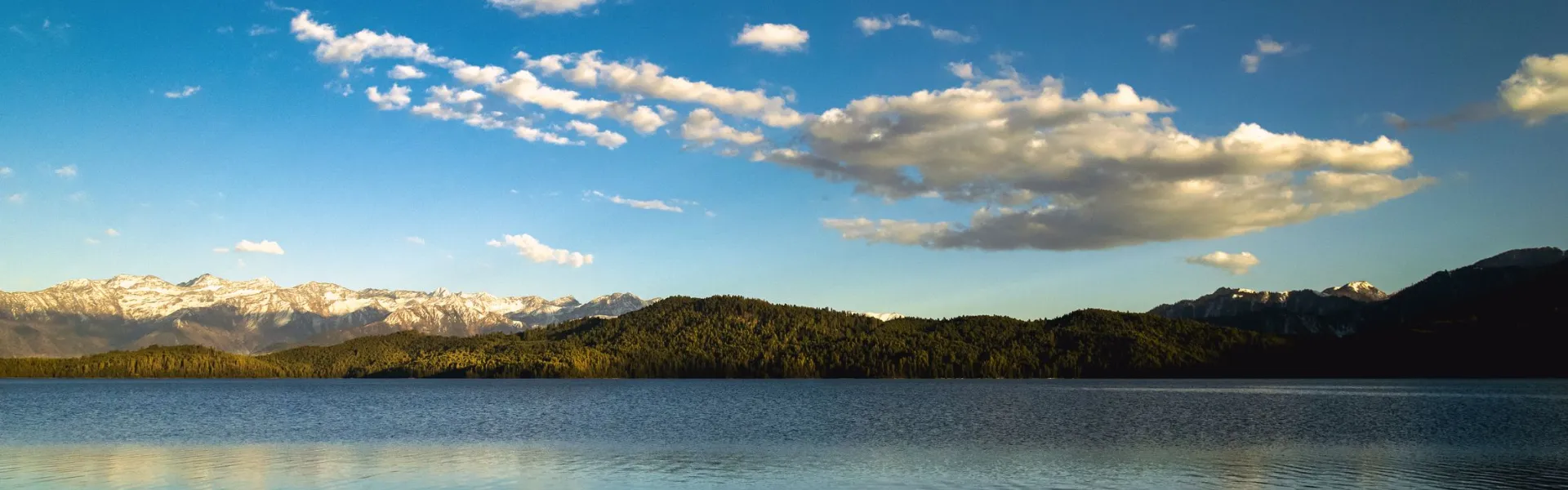
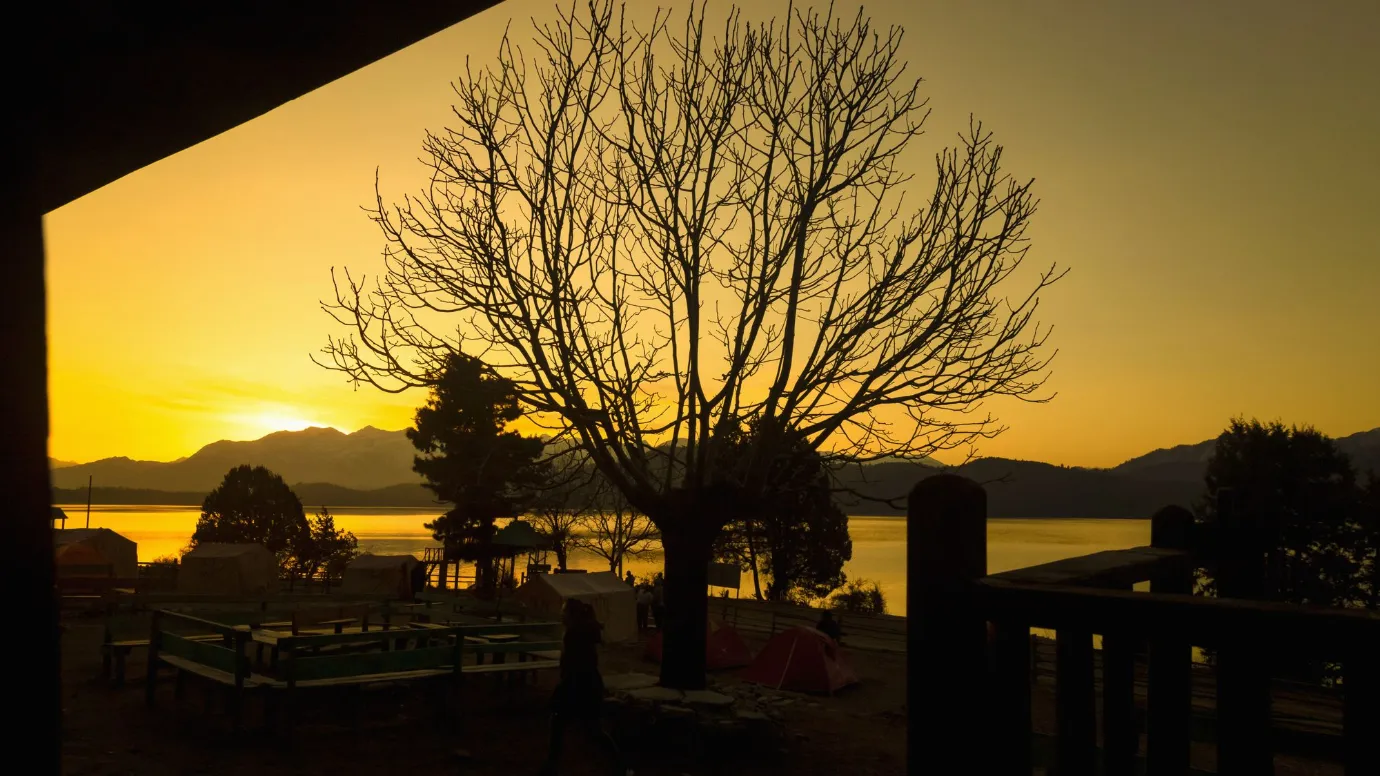
Short answer: Rara Lake sits at about 2,990 meters in Rara National Park, surrounded by pine, spruce and juniper forest and snow-capped hills. Short treks start from Talcha airstrip, about three hours’ walk away, while longer treks start in Jumla and cross ridges and the Sinja valley in about five days. Trails around the lake take a full day.
Rara is Nepal’s largest lake, with a surface of about 10 square kilometers, and changes color through the day. Rara National Park, established in 1976, protects red pandas, musk deer, Himalayan black bears and many birds, including migratory waterfowl. Murma Top, above the lake, gives wide views of the lake and peaks of the Kanjiroba range. See our Rara Lake route guide.
What is the Jumla to Rara route through the Sinja valley?
Short answer: From Jumla, treks cross forested ridges to the Sinja valley, once the seat of the Khasa Malla kingdom and linked to the origin of the Nepali language, then climb over passes to Rara Lake. The route takes about five days and passes stone-roofed villages, apple orchards and temples.
The Sinja valley holds ruins and stone pillars from the Khasa period, and Kanakasundari temple near Jumla is an important local shrine. Jumla is known for its red rice and apples. Simple lodges and homestays exist on parts of the route, and some groups camp.
What is the Humla and Limi Valley trek?
Short answer: Humla is Nepal’s northwestern corner, reached by flights to Simikot at about 2,910 meters. The Simikot to Hilsa route follows the Karnali River to the Tibetan border and is used by pilgrims heading to Mount Kailash. The Limi Valley loop adds remote Tibetan Buddhist villages and monasteries, crossing the Nyalu La at about 4,900 meters. A restricted permit is required.
The Limi Valley’s villages of Til, Halji and Jang preserve Tibetan culture, with Halji’s Rinchenling monastery among the oldest in the region. Wild yaks, blue sheep and snow leopards range across the high plateaus. Camping is needed on many nights. Treks usually take 14 to 18 days and suit experienced trekkers. Some trips combine Humla with a Kailash pilgrimage in Tibet, which needs Tibet permits arranged separately.
What is Upper Mugu like?
Short answer: Upper Mugu is a restricted area north of Rara Lake, toward the Tibetan border, with Tibetan Buddhist villages, high pastures and passes above 4,000 meters. Few foreigners visit. Treks need a restricted permit, a licensed guide and usually a camping crew. The Nepal Tourism Board lists the Mugu permit at USD 100 per week plus USD 15 per extra day.
Mugu’s villages trade with Tibet and herd yaks and sheep in the high valleys. The area offers solitude and traditional culture but very basic facilities. Combine with Rara Lake for a longer trip. Ask your agency for current permit rates and route conditions.
What is Khaptad National Park?
Short answer: Khaptad National Park, in Sudurpashchim Province, protects a rolling plateau at about 3,000 meters with grasslands, forests, wildflowers and Hindu shrines. It is associated with the spiritual teacher Khaptad Baba, whose ashram is a pilgrimage site. Treks of five to eight days start from roads near Silgadhi or Chainpur, with camping or simple shelters.
The plateau’s patans, or meadows, bloom with flowers in summer, and the Ganga Dashahara festival draws pilgrims. Facilities are limited, so agencies usually supply tents and food. The far west also includes the Api Nampa Conservation Area and Saipal Himal, which offer expedition-style trekking for the adventurous.
Which permits do you need in western Nepal?
Short answer: Rara needs a Rara National Park permit (NPR 3,000) and TIMS. Khaptad needs a Khaptad National Park permit. Humla, Limi and Upper Mugu need restricted area permits issued through a registered agency with a licensed guide. Fees differ by area and season, so confirm with your agency before booking.
| Area | Permits | Notes |
|---|---|---|
| Rara Lake | Rara National Park (NPR 3,000), TIMS | No restricted permit for the main route |
| Jumla and Sinja | TIMS, park permit where you enter Rara | Confirm locally |
| Upper Mugu | Restricted permit, TIMS | USD 100 per week plus USD 15 per extra day |
| Humla and Limi | Restricted permit, TIMS | USD 50 per week plus USD 10 per extra day |
| Khaptad | Khaptad National Park permit | Check fee with your agency |
Since March 2026, individual restricted-area permits are allowed through an agency with a licensed guide, with up to seven trekkers per guide. Our permits guide has details.
When is the best time to trek in western Nepal?
Short answer: April to June and September to November are the best months for Rara, Jumla and Khaptad. Humla, Limi and Upper Mugu lie partly in the rain shadow and can be trekked from May to October. Winter brings heavy snow to passes and very cold nights. The monsoon brings rain and landslides to the lower hills.
| Area | Best months | Notes |
|---|---|---|
| Rara Lake | April to June, September to November | Autumn colors and clear skies |
| Humla and Limi | May to October | Rain shadow, passes clear of snow |
| Upper Mugu | May to October | High passes need settled weather |
| Khaptad | April to June, September to November | Wildflowers in early summer |
What are lodges and camping like in western Nepal?
Short answer: Rara Lake has a few simple lodges and homestays near the park, and Jumla and Simikot have basic hotels. Most other routes, including Limi, Upper Mugu and Khaptad, need camping with a full crew. Food on lodge routes is mainly dal bhat, potatoes and local rice. Camping crews cook fuller meals.
Supplies are scarce in remote villages, so agencies carry food and fuel. Pack animals such as mules or yaks often carry loads on Humla routes. Ask your agency about tent quality, sleeping mats and crew equipment. Our guides and porters page explains crew standards.
Which cultures will you meet in western Nepal?
Short answer: The lower hills are home to Khas communities, whose culture shaped the Nepali language, with Hindu temples and Masto deity shrines. Upper Humla, Limi and Upper Mugu are home to people of Tibetan heritage who follow Tibetan Buddhism. Thakuri and other groups live in the middle hills. Customs are traditional, and visitors are rare.
Dress modestly, ask before photographing people or entering temples and monasteries, and follow your guide’s advice on local customs. Some Hindu shrines in the west restrict entry, especially for non-Hindus. Our culture and etiquette guide explains respectful behavior.
How do you stay safe on remote western treks?
Short answer: Choose an agency with real experience in the west, plan buffer days for flights, carry comprehensive insurance with helicopter evacuation, follow a gradual ascent on high routes, carry a satellite communication plan and bring enough cash and supplies. Medical help and phone coverage are limited.
Distances to hospitals are great, and helicopters may take time to arrive. Your guide should know the nearest health posts and landing sites. Treat water, eat cooked food and carry a full first aid kit. Our insurance and rescue guide and health and safety page explain preparation.
Which western Nepal trek suits you?
Short answer: Choose a short Rara Lake trip if you have a week and want a beautiful, gentle trek. Choose Jumla to Rara via Sinja if you want history and village life over ten days. Choose Humla and Limi if you have two to three weeks and camping experience. Choose Khaptad for a quiet plateau walk with spiritual sites.
| If you want… | Choose |
|---|---|
| A lake, forests and an easy trek | Rara Lake from Talcha |
| Historic sites and Khas culture | Jumla to Rara via Sinja |
| Tibetan culture and high passes | Humla and the Limi Valley |
| A route toward Kailash | Simikot to Hilsa, then Tibet |
| Meadows, wildflowers and shrines | Khaptad National Park |
What wildlife lives in western Nepal’s parks?
Short answer: Rara National Park shelters red pandas, musk deer, Himalayan black bears, leopards and many birds, including waterfowl that winter on the lake. Khaptad protects forests and meadows rich in birds and wildflowers. The high valleys of Humla and Limi support wild yaks, blue sheep, Tibetan wolves and snow leopards.
Sightings depend on season and luck. Early mornings around Rara Lake are best for birds, and the pine forests are quiet and peaceful. Keep noise low, stay on trails and never feed animals. Our responsible trekking guide explains how to respect wildlife.
How do you trek responsibly in western Nepal?
Short answer: Hire local guides and porters through a registered agency, stay in homestays and community lodges where they exist, carry out plastic and batteries, avoid using scarce firewood, respect temples and monasteries, and keep to your permit route. Tourism in the west is small and new, so careful visitors help it grow in a way that benefits communities.
Food can be scarce in remote villages in spring before the harvest, so agencies should bring their own supplies rather than buy up local stocks. Ask your agency how it supports local communities and porters. Our heritage and community trails guide has more ideas.
How much does a western Nepal trek cost?
Short answer: A short guided Rara Lake trip with flights via Nepalgunj typically costs about USD 1,000 to 1,800 per person. Longer camping treks in Humla, Limi or Upper Mugu cost much more, often USD 3,000 to 6,000 or more per person, depending on group size, permits, flights and crew.
Flights and camping crews make up most of the cost. Small groups share crew expenses. Our Nepal trekking cost guide explains how remote treks are priced.
What should you pack for western Nepal?
Short answer: Pack for cold nights and strong sun: a sleeping bag rated to about minus 10 to minus 15 degrees Celsius for high routes, a down jacket, layers, rain gear, sun protection, water treatment, a headlamp, power bank, basic medicines and enough cash for the whole trip. Weight limits on small planes are strict.
Ask your agency what camping gear it supplies so you can pack light. Our packing list covers the essentials.
How do you plan a first trip to western Nepal?
Short answer: Start with a short Rara Lake trip via Talcha to experience the region with lower risk, then consider longer routes in Humla, Limi or Upper Mugu on a later visit. Book with an agency that has run trips in the west, build in buffer days for flights and keep your plans flexible for weather and road conditions.
Western Nepal rewards patient, flexible travelers. Combining Rara with Bardia National Park in the lowlands gives a varied trip of about ten days. Our Rara Lake route guide details the short and classic routes.
Frequently Asked Questions
How do I get to Rara Lake?
Fly from Kathmandu to Nepalgunj, then on to Talcha airstrip and walk about three hours to the lake, or fly to Jumla and trek about five days. Roads also reach the area but involve long, rough drives.
Is Rara Lake the largest lake in Nepal?
Yes. Rara Lake is Nepal’s largest lake, at about 2,990 meters in Rara National Park.
Do I need a restricted permit for Humla?
Yes, for areas beyond Simikot, including the route to Hilsa and the Limi Valley. Permits are issued through a registered agency with a licensed guide.
Can I combine Humla with Kailash?
Yes. Many pilgrims trek from Simikot to Hilsa and cross into Tibet for the Kailash kora. Tibet permits and visas must be arranged separately through an authorized agency.
When is the best time to visit Rara Lake?
April to June and September to November are best, with clear skies and pleasant temperatures.
Quick Answers
Is there phone signal in western Nepal?
Coverage is fair in towns such as Jumla, Gamgadhi and Simikot but limited or absent on most trekking routes. Agree a communication plan with your agency before you go.
Are there ATMs in western Nepal?
A few ATMs operate in Nepalgunj, Jumla and some district towns, but they are unreliable. Carry enough cash from Kathmandu or Nepalgunj for the whole trip.
About the author: Pradip Karki
Pradip Karki is the Chairman of Peregrine Treks and Tours in Kathmandu and a veteran Himalayan travel specialist with over 20 years of industry leadership. A former TIMS Department Head at the Trekking Agencies’ Association of Nepal (TAAN) with an MBA in Accounting and Finance, Pradip personally scouts routes across Nepal, Tibet and Bhutan to design safe, high-altitude treks and luxury cultural tours.
Reviewed and updated by Pradip Karki on 23 November 2026.
Official Sources Checked
- Department of National Parks and Wildlife Conservation: Rara and Khaptad national parks
- Department of Immigration: restricted area permits
- Nepal Tourism Board: TIMS and licensed guide rules
Do not hesitage to give us a call. We are an expert team and we are happy to talk to you.
info@hikinginnepal.com- Local Experience
- Financial Protection
- Effortless Travel
- Intimate Group Size
- Bespoken Itinerary