


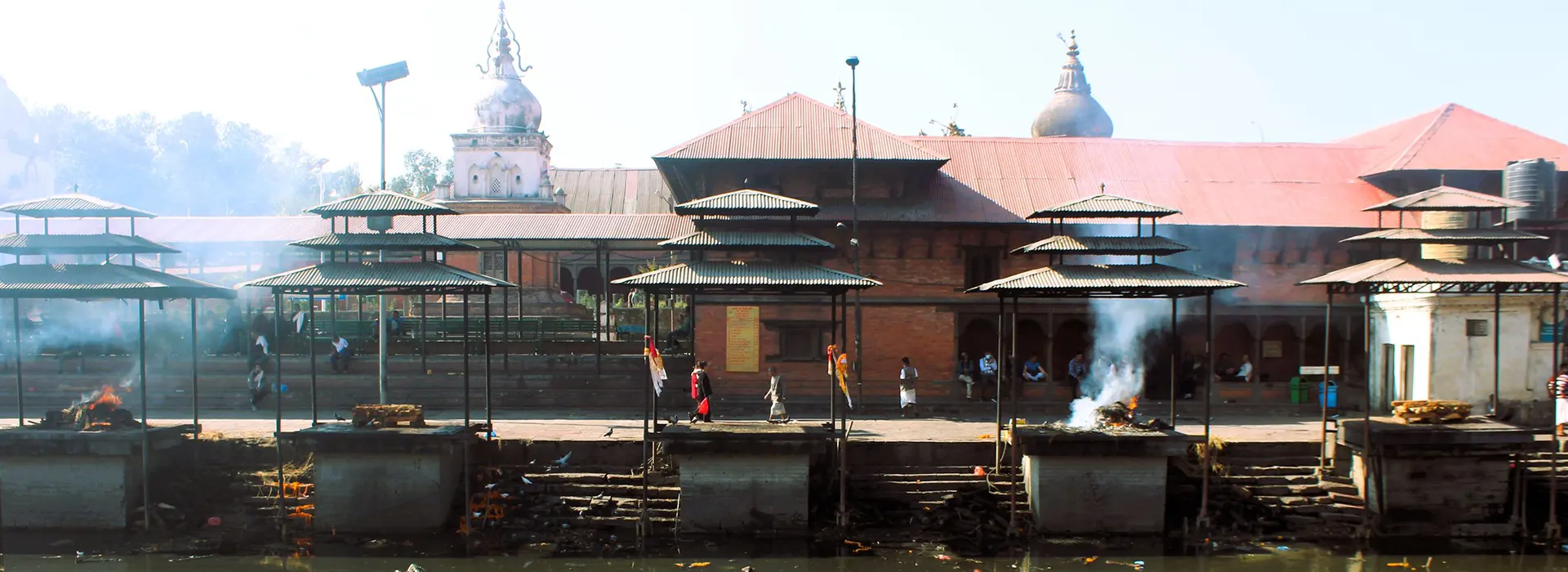

Nepal sits at the heart of South Asia’s cultural world. Few countries pack so much heritage, religion, art, and architecture into such a compact space. The best cultural destinations in Nepal include ancient cities, UNESCO World Heritage sites, Buddhist pilgrimage grounds, Hindu sacred spaces, and living art traditions — all reachable within one trip.
Nepal Tourism Board highlights Kathmandu Valley, Janakpur, and Lumbini as the country’s major cultural pillars. UNESCO recognizes Kathmandu Valley’s seven monument zones and Lumbini as the birthplace of the Buddha. These facts alone show how seriously Nepal holds its cultural identity. But not every cultural place in Nepal suits every traveler. Some destinations work best for first-time visitors. Others suit spiritual travel, architectural interest, pilgrimage, Mithila culture, or slow cultural exploration. Choosing the right route matters.
The right cultural trip depends on what the traveler wants:
- UNESCO heritage and old-city atmosphere
- Buddhist sites and pilgrimage
- Hindu sacred spaces and temple circuits
- Mithila culture and local traditions
- Architecture, palace squares, and carved temples
- Slow travel with a deep cultural connection
This guide helps travelers pick the right destinations, plan smart routes, and make the most of Nepal’s cultural richness — whether they have three days or ten.
What Are the Best Cultural Destinations in Nepal?
Here is a fast summary of the top cultural places to visit in Nepal:
- Kathmandu Valley — the strongest overall heritage experience in the country
- Bhaktapur — best-preserved old-city atmosphere with brick lanes and courtyards
- Patan — best for art, carved temples, and palace courtyard architecture
- Lumbini — a top Buddhist heritage site and spiritual destination
- Janakpur — a leading Hindu pilgrimage city with Mithila culture and Janaki Mandir
- Kathmandu — capital city combining religious diversity, shrines, museums, and urban heritage
Kathmandu Valley stands apart because it encompasses three historic cities and seven UNESCO World Heritage Sites. No other area in Nepal concentrates that much cultural value in such a small space. Janakpur adds a different cultural layer with its temple circuits, sacred ponds, and Mithila art traditions. Lumbini is home to one of Buddhism’s most significant pilgrimage sites on Earth. Together, these best cultural sites in Nepal form a complete and deeply rewarding travel experience.
What Makes a Cultural Destination Special in Nepal?
Nepal has hundreds of temples, shrines, and historic sites. But the strongest Nepalese cultural attractions share a few key qualities. Understanding those qualities helps travelers choose wisely.
UNESCO Heritage Value
UNESCO inscription signals global cultural importance. Kathmandu Valley’s seven monument zones and Lumbini’s recognition as the birthplace of the Buddha place Nepal on the world’s cultural map. Travelers seeking UNESCO sites in Nepal find some of Asia’s finest here.
Living Culture, Not Just Monuments
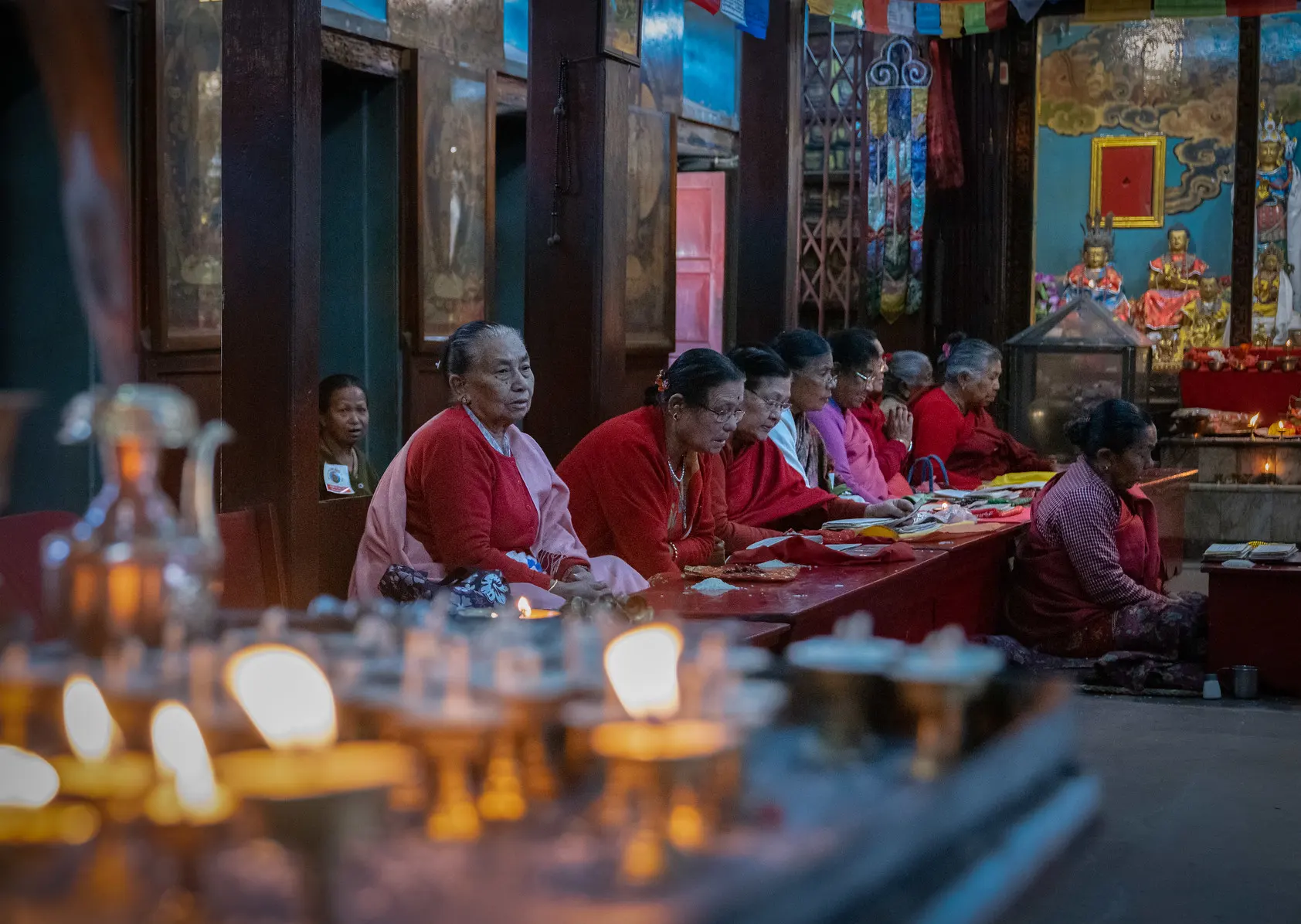
The best heritage destinations in Nepal are still active. Priests conduct daily rituals at the Pashupatinath temple. Monks pray at Boudhanath. Artisans work in Bhaktapur’s courtyards. Living culture separates Nepal from destinations that only preserve the past behind barriers.
Temple Towns and Pilgrimage Significance
Nepal’s spiritual destinations, such as Janakpur and Lumbini, attract pilgrims year-round. These places hold deep religious meaning for Hindus and Buddhists across South and Southeast Asia. Travelers feel that spiritual energy in the atmosphere, not just in the architecture.
Traditional Art, Architecture, and City Identity
Patan’s carved wooden windows, Bhaktapur’s pottery squares, and Janakpur’s Mithila paintings all reflect strong local identity. The best cultural sites in Nepal carry their own visual language. That uniqueness makes each place worth visiting on its own.
Best Cultural Destinations in Nepal for First-Time Visitors
First-time visitors should focus on places with high cultural concentration and easy access. Spreading too wide on a first trip means seeing less, not more.
The best first-time shortlist includes:
- Kathmandu
- Patan
- Bhaktapur
- Lumbini
Kathmandu Valley should come first. It holds the most concentrated cultural experience anywhere in Nepal. Three historic cities, seven UNESCO World Heritage Sites, and hundreds of active temples are within easy driving distance of each other.
After the valley, Lumbini adds a strong Buddhist heritage for those with a few extra days. Janakpur suits travelers who want a deeper cultural route beyond the standard Kathmandu-Pokhara path. It rewards repeat visitors and those with a genuine interest in Hindu pilgrimage and living Mithila traditions.
First-time visitors who plan well can cover Kathmandu, Patan, and Bhaktapur in three to four days without feeling rushed.
Best Cultural Destinations in Nepal by Destination
Kathmandu Valley
Kathmandu Valley works as the cultural base for Nepal heritage travel. It combines three historic royal cities — Kathmandu, Patan, and Bhaktapur — into one connected region. UNESCO inscribes the valley as seven monument zones, including three Durbar Squares and four major religious ensembles. The Nepal Tourism Board describes the valley as home to hundreds of monuments, sculptures, and artistic temples from Nepal’s golden age of architecture. No other part of the country offers this concentration of Nepal’s best heritage destinations in one place.
Key sites include:
- Kathmandu Durbar Square
- Patan Durbar Square
- Bhaktapur Durbar Square
- Swayambhunath
- Boudhanath
- Pashupatinath
- Changu Narayan
Best for: First-time visitors, culture lovers, photographers, history travelers, short and long cultural trips
Ideal stay: 2 to 4 days
Kathmandu
Kathmandu serves as both a cultural gateway and a destination in its own right. The city is home to
some of Nepal’s most important shrines, including Pashupatinath, Boudhanath, and Swayambhunath — three UNESCO-inscribed religious ensembles in one urban setting. Kathmandu Durbar Square shows the royal city’s architectural heritage. The old neighborhoods nearby carry a strong historic city atmosphere. Museums, markets, and local cultural life add more depth for curious travelers.
Best for: First-time visitors, spiritual travelers, short trip planners
Ideal stay: 1 to 2 days within a wider valley itinerary
Patan
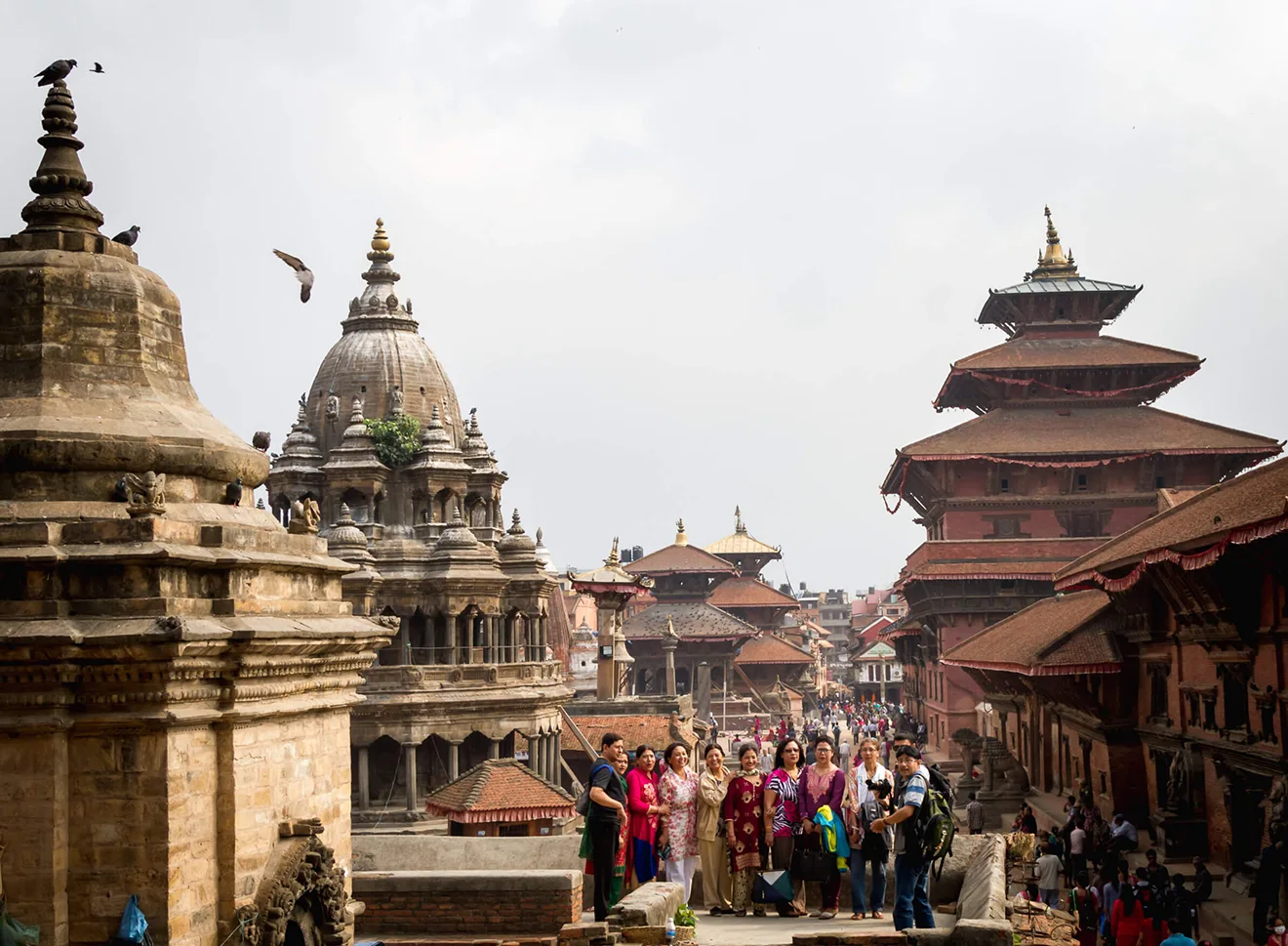
Patan offers one of Nepal’s most rewarding old-city experiences. The city sits just south of Kathmandu and carries a quieter, more artistic character. Patan Durbar Square features carved wooden temples, a royal palace courtyard, and some of Nepal’s finest traditional architecture. Patan has a strong appeal for art and architecture lovers. Its streets feel less crowded than those of central Kathmandu, but no less culturally rich.
Best for: Art lovers, architecture travelers, slow cultural exploration
Ideal stay: Half day to 1 full day
Bhaktapur
Bhaktapur preserves its old-city character better than most historic cities in Nepal. Brick-paved lanes, woodcarved temples, and traditional courtyards give the city a strong visual identity. Pottery Square, Taumadhi Square, and the 55-Window Palace draw photographers from around the world. Living craft culture still thrives here. Potters work in open squares. Thangka painters and mask carvers keep traditional skills alive. Bhaktapur feels like a city where culture never became a performance.
Best for: Photographers, first-time visitors, travelers wanting a preserved old-city atmosphere
Ideal stay: Half day to 1 full day
Lumbini
Lumbini holds global significance as the birthplace of Siddhartha Gautama, the Buddha. UNESCO recognizes the site as a World Heritage Property. Nepal Tourism Board treats Lumbini as one of Nepal’s core cultural and spiritual highlights. The Maya Devi Temple marks the exact birth spot. The monastic zone surrounding the temple area includes monasteries built by Buddhist nations from across Asia. The atmosphere feels peaceful and deeply reflective. Lumbini suits both Buddhist pilgrims and general cultural travelers.
Best for: Buddhist travelers, spiritual travelers, cultural travelers, slow-paced trips
Ideal stay: 1 to 2 days
Janakpur
Janakpur, in Nepal’s Madhesh Province, has a cultural identity unlike anywhere else in the country. The city is associated with the Hindu epic Ramayana as the birthplace of Sita and the home of King Janak. Janaki Mandir is the city’s spiritual heart — a grand white temple built in the Maithili architectural style. The city also has a network of temple circuits, sacred ponds, and active pilgrimage routes. Mithila art decorates walls, courtyards, and festivals throughout the year.
Nepal Tourism Board’s Janakpur page highlights Janaki Mandir, Dhanushadham, sacred ponds, temple tours, and Mithila art as key cultural draws. NTB also calls Janakpur one of Nepal’s most treasured cultural and pilgrimage destinations.
Best for: Spiritual travelers, repeat visitors, travelers seeking deeper cultural routes
Ideal stay: 1 to 2 days
Best Cultural Destinations in Nepal Comparison
| Destination | Best For | Ideal Stay | Main Highlight | Best Paired With |
| Kathmandu Valley | All traveler types | 2–4 days | 7 UNESCO monument zones | Any other destination |
| Kathmandu | First-timers, spiritual travelers | 1–2 days | Pashupatinath, Boudhanath, Durbar Square | Patan, Bhaktapur |
| Patan | Art and architecture lovers | Half–1 day | Patan Durbar Square, carved temples | Kathmandu, Bhaktapur |
| Bhaktapur | Photographers, old-city seekers | Half–1 day | Preserved brick city, pottery squares | Patan, Kathmandu |
| Lumbini | Buddhist, spiritual travelers | 1–2 days | Birthplace of Buddha, Maya Devi Temple | Kathmandu Valley |
| Janakpur | Pilgrims, deep culture seekers | 1–2 days | Janaki Mandir, Mithila art, sacred ponds | Kathmandu Valley, Lumbini |
Best Cultural Destinations in Nepal by Travel Style
Best for First-Time Visitors
Kathmandu Valley gives first-timers the strongest entry point into Nepal’s cultural world. Kathmandu, Patan, and Bhaktapur together encompass UNESCO World Heritage Sites, royal city history, Hindu and Buddhist shrines, and living art traditions.
Best for Spiritual Travelers
Lumbini and Janakpur lead here. Pashupatinath in Kathmandu and Boudhanath Stupa also rank high. These Nepalese spiritual destinations hold deep religious meaning and an active ritual life that goes far beyond sightseeing.
Best for Architecture Lovers
Patan, Bhaktapur, and Kathmandu’s Durbar areas offer the finest temple towns in Nepal. Carved wooden windows, tiered pagodas, and palace courtyards give architecture travelers plenty to study and photograph.
Best for Photographers
Bhaktapur’s streets, Patan’s courtyards, Boudhanath’s circular plaza, and Janakpur’s painted walls all reward photographers. Each place has a distinct visual character and authentic daily life happening in the frame.
Best for Non-Trekkers
Cultural travel in Nepal does not require trekking. Kathmandu Valley, Lumbini, and Janakpur all work well for travelers who prefer city and heritage travel. These destinations fit all fitness levels and age groups.
Best for Deep Cultural Travel
A route combining Kathmandu Valley, Janakpur, and Lumbini covers the full range of Nepal’s cultural and spiritual world. This combination suits travelers with ten or more days and a genuine interest in Nepal heritage travel.
Cultural Destinations by Traveler Type
| Traveler Type | Best Destinations | Why They Fit |
| First-time visitors | Kathmandu, Patan, Bhaktapur | Highest cultural concentration, easy access, UNESCO sites |
| Spiritual travelers | Lumbini, Janakpur, Pashupatinath | Active pilgrimage, living ritual, deep religious significance |
| Architecture lovers | Patan, Bhaktapur, Kathmandu Durbar areas | Finest temple and palace architecture in the country |
| Photographers | Bhaktapur, Boudhanath, Patan, Janakpur | Strong visual identity, active street life, photogenic spaces |
| Non-trekkers | Kathmandu Valley, Lumbini, Janakpur | No trekking required, flat or easy terrain, city-based |
| Deep culture seekers | Kathmandu Valley + Janakpur + Lumbini | Covers Hindu, Buddhist, Mithila, and old-city culture fully |
Best Cultural Destinations in Nepal by Trip Length
Best Cultural Destinations for 3 to 5 Days
A short trip fits well with Kathmandu Valley. Travelers can cover Kathmandu, Patan, and Bhaktapur without feeling rushed in three to four days. The major shrines — Pashupatinath, Boudhanath stupa, Swayambhunath stupa — also fit into this window. Adding a fifth day allows a deeper exploration of Bhaktapur or a half-day visit to Changu Narayan. Trying to add Lumbini or Janakpur in under five days creates a rushed experience and misses most of the value.
Best Cultural Destinations for 7 Days
Seven days open up strong combination routes:
- Kathmandu Valley plus Lumbini works well for Buddhist heritage and classic culture
- Kathmandu Valley, plus Janakpur, suits travelers who want a Hindu pilgrimage and the Mithila culture
Both seven-day options allow time in the valley without cutting it short, plus two days at the secondary destination.
Best Cultural Destinations for 10 Days or More
Ten or more days support the full cultural Nepal heritage travel experience:
- Kathmandu Valley, plus Janakpur, plus Lumbini
- A slower pace with extra time in Bhaktapur, Patan, or Janakpur
This length suits travelers who want to understand Nepal’s culture rather than check boxes. Living culture, festivals, local markets, and afternoon walks in old cities all need time.
Best Cultural Routes by Trip Length
| Trip Length | Best Route | Main Experiences | Pace Level |
| 3–5 days | Kathmandu Valley Circuit | Three historic cities, seven UNESCO zones, and major shrines | Moderate |
| 7 days | Kathmandu Valley + Lumbini | UNESCO heritage, Buddhist pilgrimage, old-city culture | Comfortable |
| 7 days | Kathmandu Valley + Janakpur | Old-city culture, Hindu pilgrimage, Mithila traditions | Comfortable |
| 10+ days | Kathmandu Valley + Janakpur + Lumbini | Full cultural, spiritual, and heritage Nepal experience | Relaxed |
Best Cultural Routes in Nepal
Kathmandu Valley Cultural Circuit
This route covers Kathmandu, Patan, and Bhaktapur along with the four major shrine complexes — Swayambhunath, Boudhanath, Pashupatinath, and Changu Narayan. It suits first-time visitors, short trip planners, and anyone who wants the best cultural sites in Nepal in a compact format. Three to four days works well. Five days allow a more relaxed pace.
Kathmandu Valley Plus Lumbini
This route adds Buddhist heritage to the valley’s mixed Hindu-Buddhist culture. After the valley, travelers fly or drive to Lumbini for one to two days at the Maya Devi Temple and the monastic zone. This route suits Buddhist and spiritual travelers. It also works well for general cultural travelers who want UNESCO sites in Nepal at two different locations. Seven days covers both comfortably.
Kathmandu Valley Plus Janakpur
This route connects the valley’s UNESCO World Heritage Site with Janakpur’s living Hindu pilgrimage culture and Mithila art traditions. Travelers fly from Kathmandu to Janakpur — the flight takes under 45 minutes. The combination suits spiritual travelers and anyone interested in temple towns in Nepal beyond Kathmandu. Janakpur adds a cultural layer that the valley cannot provide on its own.
Kathmandu Valley Plus Janakpur Plus Lumbini
This full cultural route covers Nepal’s most important historic cities, Buddhist pilgrimage, Hindu sacred spaces, and Mithila traditions. It works best with ten or more days and a relaxed pace.
Travelers who complete this route experience both UNESCO World Heritage sites and three of Nepal’s most distinct cultural identities, as well as the full range of the country’s spiritual and artistic traditions.
Best Time to Visit Nepal’s Cultural Destinations
Spring (March to May)
Spring offers warm temperatures, clear skies, and active festival seasons. Holi and Chaitra Dashain fall in spring. City-based cultural travel feels comfortable and lively.
Autumn (September to November)
Autumn ranks as the most popular season for Nepal tourism. October and November bring the clearest skies, cool temperatures, and some of the country’s biggest festivals. Dashain and Tihar both fall in autumn. Cultural sites come alive with local celebration.
Winter (December to February)
Winter suits city-based cultural travel well. Kathmandu Valley, Janakpur, and Lumbini all work fine in winter. Temperatures stay cool but manageable. Crowds thin out, which makes heritage site visits more pleasant.
Monsoon (June to August)
Monsoon brings rain and humidity, but does not stop cultural travel. Heritage sites stay open. Festivals still happen. Some roads slow down in rural areas. Travelers who visit Janakpur or Lumbini in the monsoon should expect some rain but fewer crowds.
Entry Fees and Practical Planning for Cultural Travel in Nepal
Heritage Site Fees
Many major cultural sites in Nepal charge entry fees. Nepal Tourism Board’s heritage fee guidance covers places like Bhaktapur Durbar Square, Patan Durbar Square, and Kathmandu Durbar Square. Swayambhunath, Boudhanath, and Pashupatinath also charge fees for non-Hindu visitors. Travelers should budget for these fees before arriving. Fees vary by site and visitor origin. Carrying local currency — Nepali Rupees — makes payment easy at most ticket counters.
How Many City Days to Plan
Cultural travel in Nepal moves at a different pace than trekking. Each heritage site deserves time, not just a photo stop. Plan at least one full day for Bhaktapur alone. Plan two to three days for the full Kathmandu Valley circuit. Add separate days for Lumbini and Janakpur.
Why Kathmandu Valley Should Not Be Rushed
The valley encompasses seven UNESCO World Heritage Sites across three cities. Rushing through in one day means missing most of what makes it remarkable. Patan and Bhaktapur each deserve at least half a day. The major shrines — Pashupatinath, Boudhanath, and Swayambhunath — each take 1 to 3 hours to explore properly. Travelers who rush through the valley often wish they had stayed longer.
Common Mistakes Travelers Often Make
- Rushing Kathmandu Valley: Many travelers try to see all three cities and all major shrines in one day. The result feels exhausting and incomplete. Plan two to four days for the valley.
- Treating Patan and Bhaktapur as Photo Stops Only: Both cities hold living culture, active crafts, and historic neighborhoods. Spending one hour each misses most of their value. Walk the side streets, sit in a courtyard, and watch the locals go about their daily lives.
- Focusing Only on Famous Names: Travelers who only visit Boudhanath and Pashupatinath miss Changu Narayan, Patan’s back lanes, and Bhaktapur’s pottery square. Smaller spots often deliver stronger experiences.
- Ignoring Janakpur and Lumbini: Many travelers stick to Kathmandu and Pokhara. Janakpur and Lumbini add cultural depth that the valley alone cannot offer. Skipping them leaves a gap in the Nepal cultural experience.
- Underestimating Heritage Travel Time: Cultural travel requires a slow pace. Temples, museums, and old city streets take longer to absorb than scenic viewpoints. Build rest time into the itinerary. Cultural travel should feel fulfilling, not rushed.
FAQs
Q: What are the best cultural destinations in Nepal?
A: Kathmandu Valley, Bhaktapur, Patan, Lumbini, and Janakpur rank as the best cultural destinations in Nepal. Each offers a distinct cultural identity, heritage value, and travel experience.
Q: Is Kathmandu Valley the best cultural region in Nepal?
A: Yes. Kathmandu Valley comprises three historic cities and seven UNESCO World Heritage Sites. No other region in Nepal concentrates so much cultural value in one area.
Q: Is Lumbini worth visiting?
A: Yes. UNESCO recognizes Lumbini as the birthplace of the Buddha. The Maya Devi Temple area and the surrounding monastic zone make it one of Buddhism’s most important pilgrimage sites worldwide.
Q: Is Janakpur worth visiting?
A: Yes. Janakpur is home to Janaki Mandir, a network of temple circuits, sacred ponds, and Mithila art traditions. Nepal Tourism Board highlights it as one of Nepal’s most treasured cultural and pilgrimage destinations.
Q: How many days do I need for a cultural trip in Nepal?
A: Three to four days cover Kathmandu Valley. Seven days allow for the valley and either Lumbini or Janakpur. Ten or more days suit the full Kathmandu Valley, plus Janakpur, plus Lumbini cultural route.
Q: Can I enjoy Nepal’s culture without trekking?
A: Yes. Kathmandu Valley, Lumbini, and Janakpur all suit non-trekkers. Cultural travel in Nepal focuses on cities, temples, shrines, and historic neighborhoods — not mountain trails.
Q: What is the best season for cultural travel in Nepal?
A: Autumn (October to November) and spring (March to May) offer the best overall conditions. Winter works well for city-based cultural travel. Monsoon adds rain but still allows heritage site visits.
Q: Which heritage places should first-time visitors not miss?
A: First-time visitors should not miss Kathmandu Durbar Square, Patan Durbar Square, Bhaktapur, Boudhanath, Pashupatinath, and Swayambhunath. These places encompass the core of Nepal’s UNESCO World Heritage Sites and religious diversity.