


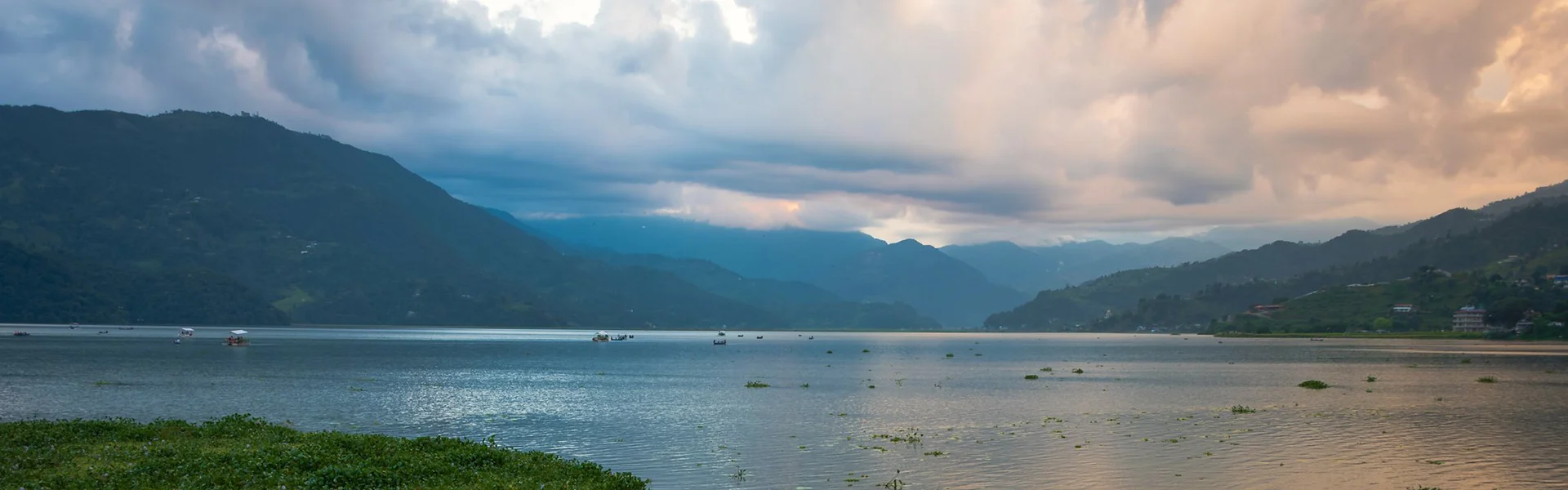

The best places to visit in Pokhara cover a wide range — calm lakes, hilltop sunrise viewpoints, underground caves, island temples, and peaceful cultural corners that most cities in Nepal do not offer. Pokhara sits in a wide valley with the Annapurna range rising sharply to the north. Phewa Lake mirrors those peaks in its still morning water. Sarangkot catches the first light of day. Lakeside fills with travelers eating, walking, and watching the mountains fade behind afternoon clouds. Pokhara works equally well for short breaks and longer stays. Read this guide to find the right places for your time, interests, and travel style.
Quick Answer: What Are the Best Places to Visit in Pokhara?
Here are the top sightseeing places in Pokhara that every visitor should know:
- Phewa Lake — the city’s most iconic lake with Annapurna reflections
- Tal Barahi Temple — an island temple reached by rowboat
- Lakeside Pokhara — the main resort strip for cafes, shops, and evening walks
- Sarangkot — best sunrise viewpoint with Machhapuchhre and Annapurna views
- World Peace Pagoda — hilltop Buddhist stupa overlooking the lake and valley
- Devi’s Fall — a waterfall that drops underground into a rocky tunnel
- Gupteshwor Mahadev Cave — cave temple directly linked to Devi’s Fall
- International Mountain Museum — dedicated to Himalayan peaks and climbing history
- Bindhyabasini Temple — the main Hindu temple in the heart of old Pokhara
- Seti Gorge — a deep river gorge cutting invisibly through the city
- Begnas Lake — quiet, less crowded, ideal for slow travelers and couples
- Pumdikot Shiva Statue — giant hilltop statue with strong Annapurna views
- Mahendra Cave and Bat Cave — cave exploration for families and curious visitors
- Old Pokhara Bazaar — Newari-style streets showing the city’s older character
- Rupa Lake — a peaceful birdwatching lake east of Begnas
Why Pokhara Is Worth Visiting
Pokhara combines lake calm, Himalayan views, and a relaxed city pace that few places in Asia match. Mountains dominate the northern skyline. Three lakes — Phewa, Begnas, and Rupa — give the valley a soft, water-colored quality. First-time visitors find the city easier and more walkable than Kathmandu. Couples enjoy the lakeside romance and sunrise hikes. Families find enough activities for all ages without exhaustion.
Photographers fill memory cards before noon. Pokhara also works as a gateway to the Annapurna region. Almost all major Annapurna treks begin or end within a short drive of the city. Even without trekking, the valley offers more than enough to fill 2 to 4 satisfying days.
Best Places to Visit in Pokhara: 15 Top Attractions
1. Phewa Lake
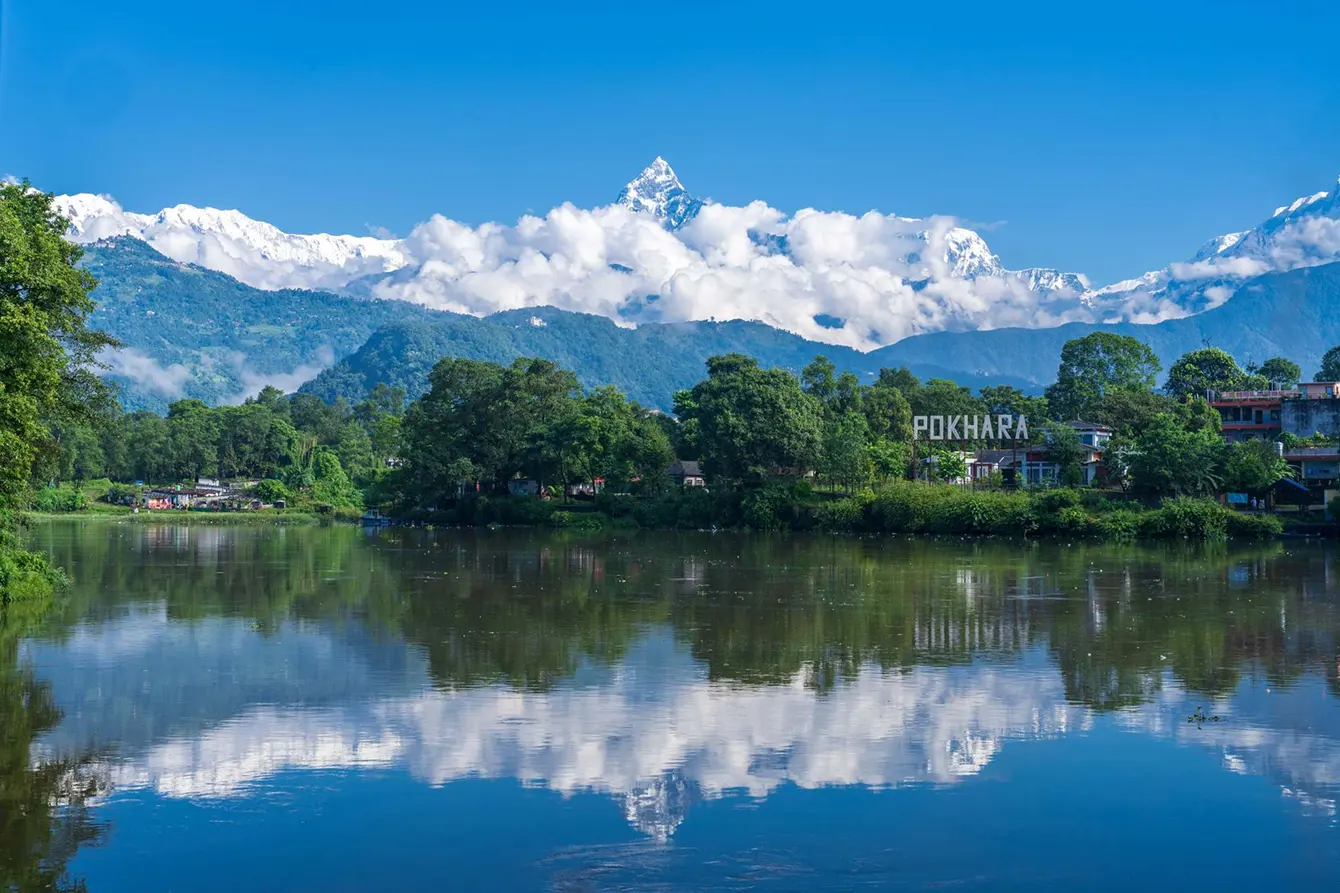
Phewa Lake holds the heart of Pokhara. The lake stretches 4.4 square km and reflects the Annapurna range and Machhapuchhre peak on clear mornings. Rent a wooden rowboat from the Lakeside ghat and paddle across the still water.
Best for: Everyone, especially first-time visitors and couples.
Time needed: 1 to 3 hours.
Best time: Early morning before clouds build.
Tip: Go before 8 AM for the clearest mountain reflections on the water.
2. Tal Barahi Temple
Tal Barahi Temple sits on a small island in the middle of Phewa Lake. A short rowboat ride from the Lakeside ghat takes about 5 minutes to reach the island. The Hindu temple draws both devotees and curious visitors throughout the day.
Best for: Spiritual travelers and couples.
Time needed: 30 to 60 minutes, including the boat ride.
Best time: Morning.
Tip: Pair the temple visit with your Phewa Lake boating session to save time.
3. Lakeside Pokhara
Lakeside, officially called Baidam, runs along the eastern shore of Phewa Lake. Cafes, restaurants, souvenir stalls, and activity booking offices line the main strip. The evening atmosphere draws travelers from every type of accommodation.
Best for: All visitors, especially those staying multiple nights.
Time needed: A full evening or several hours.
Best time: Late afternoon and evening.
Tip: Walk the full promenade from south to north for the best cafe and sunset options.
4. Sarangkot
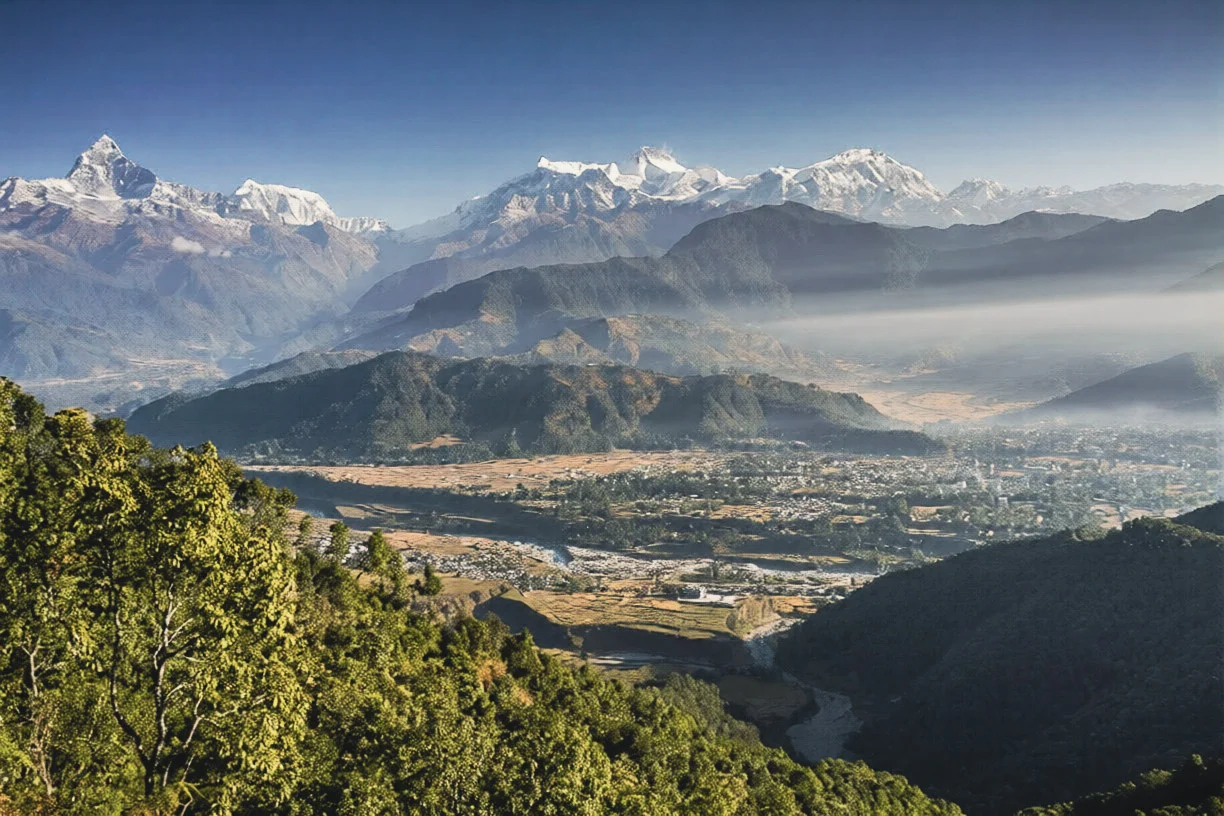
Sarangkot delivers the most dramatic mountain views in the Pokhara valley. The hilltop viewpoint at 1,592 meters frames Machhapuchhre, Annapurna South, Annapurna I, Hiunchuli, and Dhaulagiri in one wide panorama. Pre-dawn visitors pack the platform during peak season. Paragliding launches start from the ridge just below the viewpoint. Taxis and private vehicles reach the summit road in about 20 to 25 minutes from Lakeside.
Best for: Photographers, sunrise lovers, and paragliders.
Time needed: 2 to 4 hours with travel.
Best time: Before sunrise.
Tip: Check cloud cover forecasts the night before — a cloudy morning wastes the early wake-up.
5. World Peace Pagoda
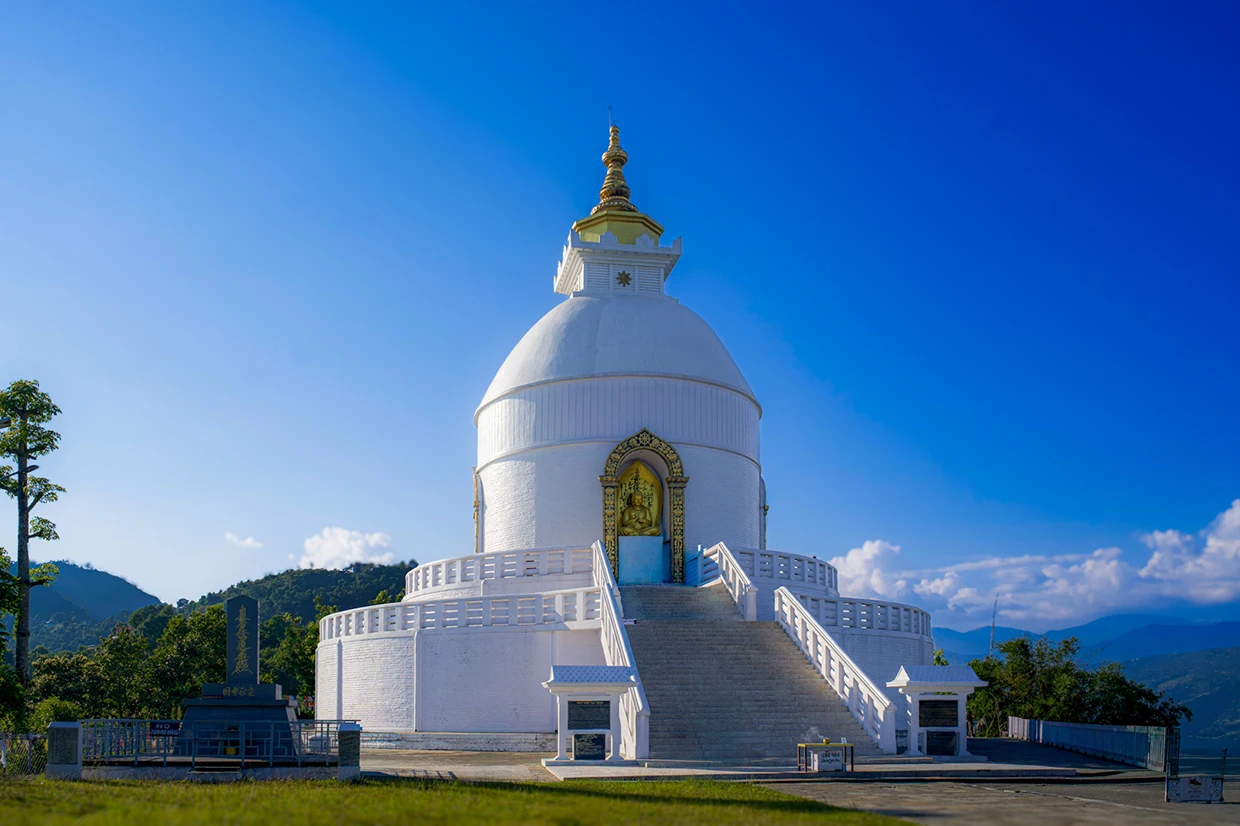
The World Peace Pagoda, also known as Pokhara Peace Stupa, stands on a forested hilltop on the southern shore of Phewa Lake. A short boat ride across the lake and a 20-minute uphill walk through the jungle bring you to the white Buddhist stupa. Views from the pagoda platform cover Pokhara city, the full stretch of Phewa Lake, and the Annapurna range. The site suits sunrise, sunset, and clear afternoon visits equally well.
Best for: Scenic, spiritual, and photography travelers.
Time needed: 2 to 3 hours with the boat and a walk.
Tip: Combine with a Phewa Lake boat ride to save a separate trip.
6. Devi’s Fall
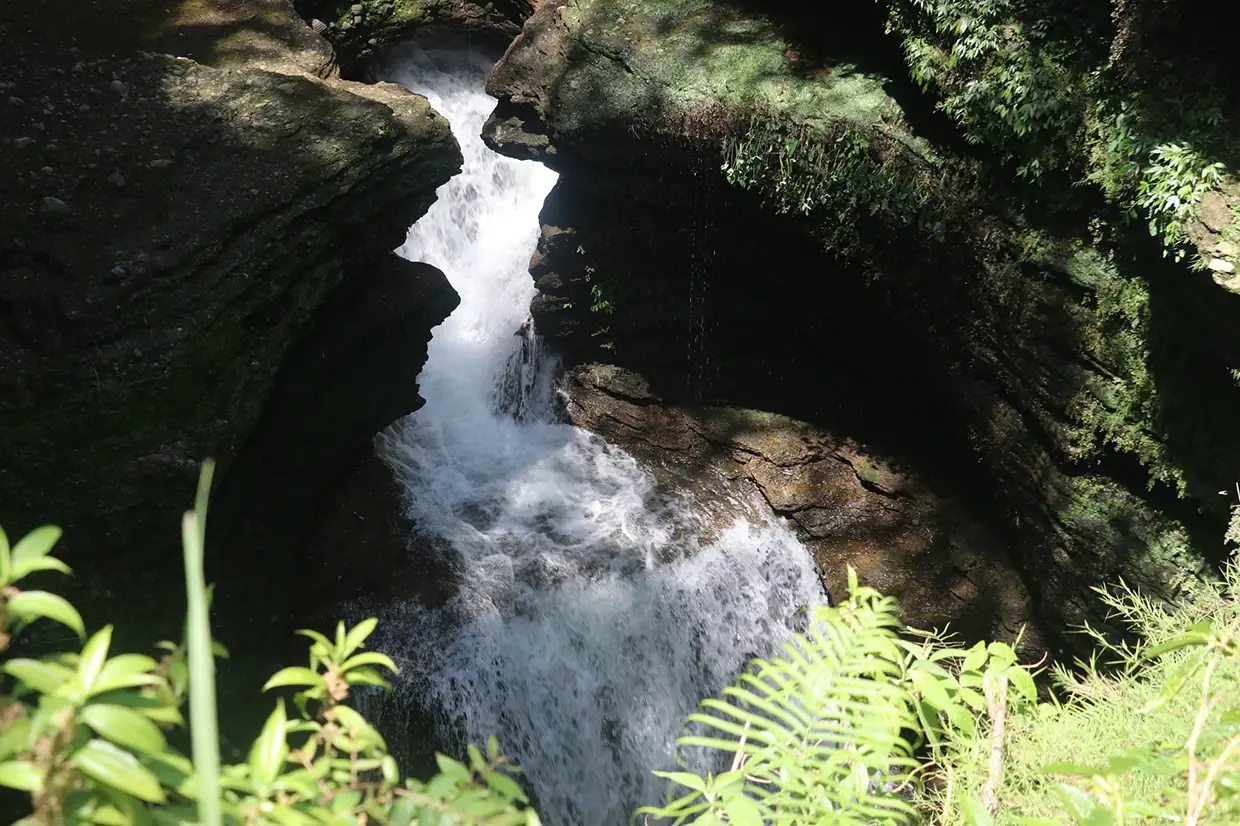
Devi’s Fall sits about 2 km south of Lakeside. The Phusre stream rushes over a rocky edge and drops vertically into a hidden underground tunnel. The water vanishes into a dark cavern below street level. The fall runs strongest from July to October when monsoon rains fill the stream.
Best for: Families and curious travelers.
Time needed: 30 to 45 minutes.
Tip: Cross the road directly to Gupteshwor Cave and combine both into a single stop.
7. Gupteshwor Mahadev Cave
Gupteshwor Cave opens directly across the road from Devi’s Fall. A low entrance leads into a large cavern holding a sacred Shiva shrine. Deeper inside, a narrow passage opens to an underground view of Devi’s Fall plunging below.
Best for: Spiritual visitors and geology fans.
Time needed: 30 to 45 minutes.
Best time: Pair with Devi’s Fall for a convenient 90-minute stop.
Tip: Carry a small torch for the darker inner sections.
8. International Mountain Museum
The International Mountain Museum, or IMM, tells the full story of Nepal’s 8,000-meter peaks. Exhibits cover all 14 of the world’s highest mountains, mountaineering equipment through the decades, and the cultures of Himalayan peoples.
Best for: Trekkers, mountaineering fans, and families with older children.
Time needed: 1.5 to 2 hours. Best time: Any.
Tip: Visit on a cloudy afternoon when outdoor viewpoints offer limited mountain visibility.
9. Bindhyabasini Temple
Bindhyabasini Temple sits on a hilltop in old Pokhara. Locals regard it as the city’s main religious site. Monkeys roam the courtyard. The platform gives views across the valley toward the mountains.
Best for: Cultural and spiritual visitors.
Time needed: 30 to 45 minutes.
Best time: Morning, when locals visit before work.
Tip: Walk through Old Pokhara Bazaar on the way there for a fuller cultural experience.
10. Seti Gorge
The Seti River flows hidden beneath Pokhara for much of its path through the city. At viewpoints near K.I. From the Singh Bridge and Prithvi Narayan Campus, you look down into a sheer gorge 30 to 40 meters deep.
Best for: Curious travelers and photographers.
Time needed: 20 to 30 minutes.
Tip: The gorge looks most dramatic from the K.I. Singh Bridge viewpoint just outside the main campus.
11. Begnas Lake
Begnas Lake sits about 15 km east of Lakeside. Green hills surround the water on three sides. Fewer tourists reach Begnas, so the lake keeps a quieter, more rural character than Phewa. Small guesthouses and bamboo restaurants line the shore. Paddleboating, birdwatching, and morning walks reward slow travelers.
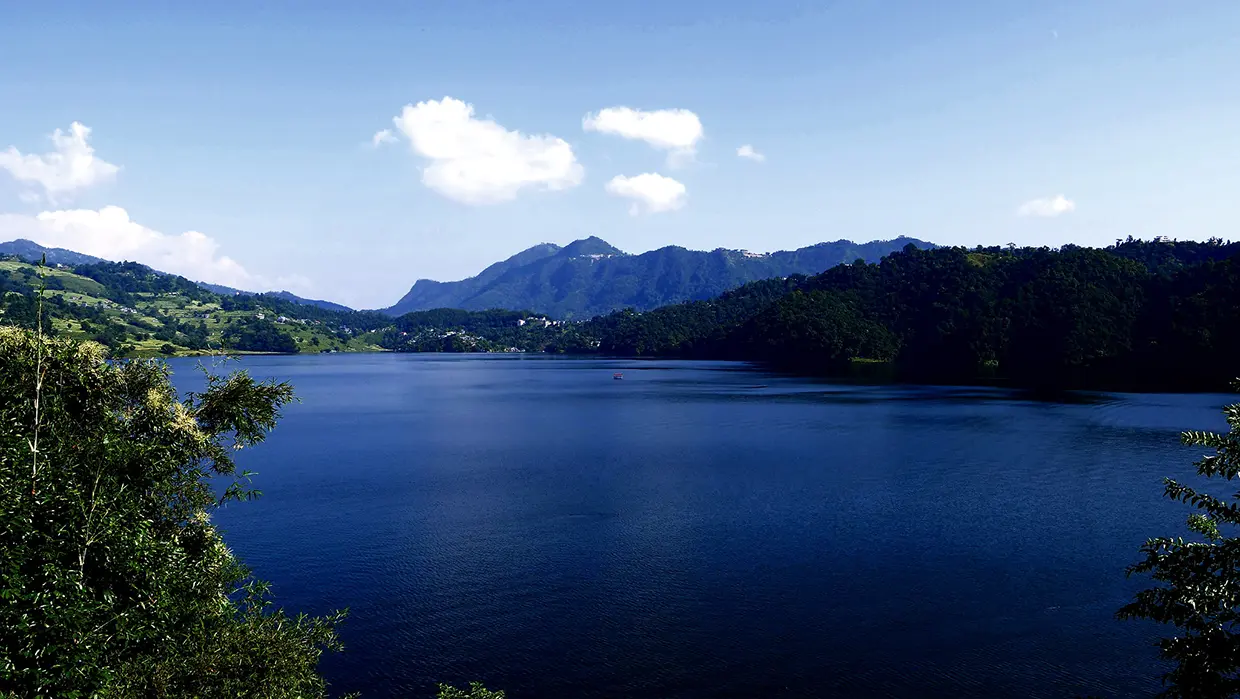
Best for: Couples, nature lovers, and those escaping Phewa’s busy season crowds.
Time needed: Half day to full day.
12. Pumdikot Shiva Statue
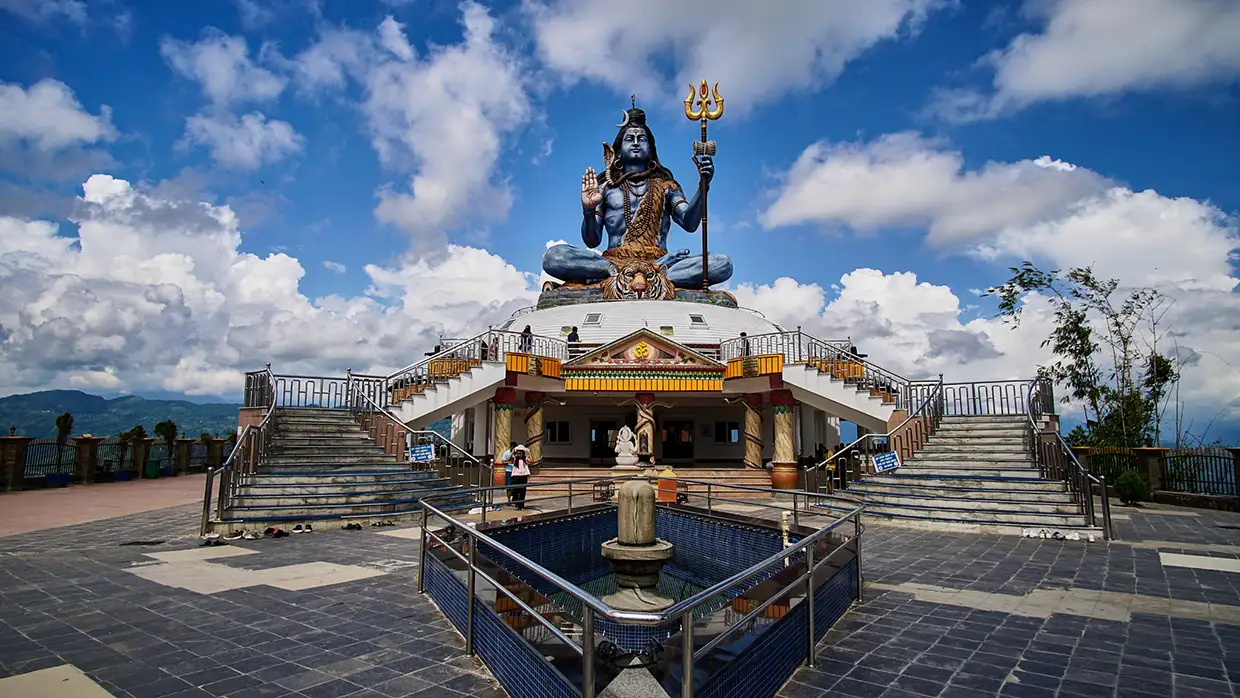
A giant Shiva statue stands on a hilltop east of Pokhara near Begnas Lake. The statue stands about 51 meters tall and offers wide views of the Annapurna range and the valley below. A growing number of pilgrims and curious visitors reach Pumdikot Hill daily.
Best for: Pilgrims, statue photography, and valley views.
Time needed: 1.5 to 2 hours, including travel.
Tip: Combine with a visit to Begnas Lake on the same day, since both are in the eastern valley.
13. Mahendra Cave and Bat Cave
Mahendra Cave opens in the Batulechair area, about 4 km north of Lakeside. A guide takes you through chambers of stalactites and stalagmites. Local bats roost in the upper sections of the cave. The nearby Bat Cave offers a narrower, darker alternative.
Best for: Families and fans of cave exploration.
Time needed: 45 to 60 minutes for both caves.
Tip: Hire a cave guide at the entrance — they illuminate the best formations.
14. Old Pokhara Bazaar
Old Pokhara Bazaar, locally known as Bazar Tole, predates Lakeside by several centuries. Narrow lanes hold Newari-style wooden buildings, traditional shops selling spices and cloth, and a different rhythm from the tourist strip.
Best for: Culture seekers and history-minded travelers.
Time needed: 1 to 2 hours.
Best time: Morning when markets open.
Tip: Walk to Bindhyabasini Temple from here—the two sites are close together.
15. Rupa Lake
Rupa Lake stretches east of Begnas. Fewer visitors reach it, and the birdlife around the wetlands makes it one of Pokhara’s quiet natural attractions worth knowing. Herons, kingfishers, and migratory birds frequent the shore.
Best for: Birdwatchers, quiet travelers, and nature photographers.
Time needed: Half a day.
Tip: Combine with Begnas Lake and Pumdikot in a full eastern valley day trip.
Best Scenic Places in Pokhara for Mountain Views
Pokhara offers several excellent viewpoints. Each one suits a slightly different visit type.
Sarangkot — Best for Sunrise
Sarangkot gives the widest Himalayan panorama from Pokhara. On clear mornings, Dhaulagiri, Annapurna I, Annapurna South, Hiunchuli, and Machhapuchhre all appear. Arrive before first light.
World Peace Pagoda — Best for Sunset and Lake Views
The pagoda platform faces west and north, making it ideal for afternoon and sunset views over Phewa Lake and the valley. The lake reflects the golden light below.
Pumdikot — Best for Wide Valley and Annapurna Views
Pumdikot delivers unobstructed views of the Annapurna range from a hill east of the city. The giant Shiva statue adds a dramatic foreground.
Phewa Lake — Best for Mountain Reflections
The lake surface reflects Machhapuchhre most clearly between 6 and 8 AM on calm, clear days. No viewpoint compares to the reflection from a rowboat in still morning water.
Begnas Lake — Best for Quiet Scenic Photography
Green hills frame Begnas from every angle. Early morning light hits the eastern hills cleanly, and the water stays calm long after Phewa gets busy.
Kahun Danda — Best for a Short Local Hike with Views
Kahun Danda offers a forest trail above the city with views of both Phewa Lake and the Annapurna range. The hike takes about 2 hours round-trip and suits active travelers.
Best Natural Attractions in Pokhara
Pokhara holds a strong collection of natural attractions beyond its famous viewpoints.
- Phewa Lake — boating, reflections, island temple
- Begnas Lake — quiet water, birdlife, green hills
- Rupa Lake — wetland birdwatching, peaceful scenery
- Devi’s Fall — underground waterfall, monsoon power
- Seti Gorge — a deep river gorge cutting through the city
- Mahendra Cave — stalactites, bats, limestone geology
- Bat Cave — a narrow, dark cave near Mahendra
Natural attractions in Pokhara work well on their own or combined with cultural stops. Group the caves and falls together for a half-day south Pokhara circuit.
Best Cultural and Religious Places to Visit in Pokhara
Cultural places in Pokhara balance temple visits, cave shrines, and market exploration.
- Tal Barahi Temple — an island shrine on Phewa Lake, a short boat ride
- Bindhyabasini Temple — main city Hindu temple with valley views
- Gupteshwor Mahadev Cave — an underground Shiva shrine inside a cave
- World Peace Pagoda — white Buddhist stupa with Himalayan backdrop
- Old Pokhara Bazaar — Newari architecture, traditional market life
- Pumdikot — pilgrimage hill with a giant Shiva statue
Religious places in Pokhara welcome all visitors respectfully. Remove shoes before entering temples. Ask before photographing worshippers.
Best Places to Visit in Pokhara by Travel Style
For First-Time Visitors
- Phewa Lake boating and Tal Barahi Temple visit
- Sarangkot sunrise — arrive before 5:30 AM
- World Peace Pagoda boat-and-hike combination
- Devi’s Fall and Gupteshwor Cave in one stop
- Lakeside evening walk and dinner
For Couples
- Early morning rowboat on Phewa Lake
- Sunset view from World Peace Pagoda
- Quiet morning at Begnas Lake — 15 km from Lakeside
- Sarangkot sunrise — pre-dawn and peaceful before crowds
- Evening walk through Lakeside with a lakeside dinner
For Families
- Phewa Lake boating — easy and enjoyable for children
- International Mountain Museum — educational and visual
- Devi’s Fall and Gupteshwor Cave — exciting for all ages
- Mahendra Cave — cave guide makes it fun and safe
- Lakeside ice cream and cafe stops work as family rest points
For Photographers
- Sarangkot at pre-dawn — Annapurna panorama in golden light
- Phewa Lake before 7:30 AM for mountain reflections
- World Peace Pagoda in late afternoon for golden-hour lake framing
- Begnas Lake in the morning for undisturbed water shots
- Pumdikot for Shiva statue foreground with Annapurna backdrop
- Kahun Danda forest trail for layered Himalayan views
For Spiritual Travelers
- Tal Barahi Temple on Phewa Lake island — daily worship
- Bindhyabasini Temple in old Pokhara
- Gupteshwor Mahadev Cave shrine
- World Peace Pagoda — Buddhist meditation setting
- Pumdikot Shiva Statue — pilgrimage hilltop
For Short-Stay Travelers
- Phewa Lake, Lakeside, and Sarangkot cover the essential Pokhara experience
- Add Devi’s Fall for a quick, natural curiosity stop
- World Peace Pagoda pairs with a morning boat ride easily
How Many Days Do You Need in Pokhara?
Pokhara in 1 Day
Start at Sarangkot before sunrise. Return for breakfast in Lakeside. Row to Tal Barahi Temple on Phewa Lake by mid-morning. Visit Devi’s Fall and Gupteshwor Cave before lunch. End the day with a Lakeside evening walk and dinner.
Pokhara in 2 Days
Follow the 1-day plan for day one. Day two: Cross to World Peace Pagoda by boat and hike in the morning. Visit the International Mountain Museum after lunch. Walk through Bindhyabasini Temple and Old Pokhara Bazaar in the late afternoon.
Pokhara in 3 Days
Days one and two follow the above plan. Day three: Drive east to Begnas Lake and Pumdikot Shiva Statue in the morning. Visit Mahendra Cave on the return. End with a relaxed Lakeside evening. Three days give Pokhara space to breathe.
Pokhara in 4 Days
Add Rupa Lake and Kahun Danda on day four. A guided hike to Kahun Danda takes 2 to 3 hours. Rupa Lake pairs with Begnas for a full eastern valley day. Four days lets you experience both the busy center and the quiet outer valley.
How to Group These Places for Efficient Sightseeing
Grouping Pokhara sightseeing places by location saves time and transport costs.
Lakeside Core — 2 to 3 hours
- Phewa Lake boating
- Tal Barahi Temple boat visit
- Lakeside promenade walk
South Pokhara Circuit — 2 to 3 hours
- Devi’s Fall
- Gupteshwor Mahadev Cave
- World Peace Pagoda — boat from Lakeside
Viewpoint Route — Half day
- Sarangkot sunrise
- Pumdikot statue
- Kahun Danda hike
City Culture Stops — 2 to 3 hours
- Bindhyabasini Temple
- Old Pokhara Bazaar
- International Mountain Museum
Quiet East Valley Escape — Full day
- Begnas Lake
- Rupa Lake
- Pumdikot Shiva Statue
Best Time to Visit Pokhara
- Autumn — October and November: Clearest mountain views, best weather, busiest season
- Spring — March and April: Rhododendrons in bloom, warm days, good visibility
- Winter — December and February: Quiet, crisp air, sharp morning views, fewer tourists
- Monsoon — June to September: Lush and green, but clouds often reduce mountain visibility
Autumn delivers the best conditions for viewpoints, photography, and outdoor activities. Spring runs a close second with flower color added to the mountain backdrop. Winter offers peace and budget prices.
Travel Tips for Visiting Pokhara
- Start Sarangkot trips before 5:30 AM — clouds build fast after 8 AM
- Check weather forecasts the night before any viewpoint visit
- Group nearby attractions together — save a full vehicle day for south Pokhara and another for the east valley
- Carry light layers for early morning viewpoints — hilltops get cold before sunrise
- Book rowboats from official ghat operators near Lakeside for a fair rate
- Go for boat reflections before 7:30 AM for the best lake photographs
- Leave one afternoon in your itinerary unplanned — Pokhara surprises slow travelers
- Carry small notes for temple entries and cave fees — not all accept cards
Best Places to Visit in Pokhara at a Glance
Use this table to quickly compare the top tourist attractions in Pokhara.
| Place | Category | Best For | Time Needed | Area | Quick Note |
|---|---|---|---|---|---|
| Phewa Lake | Lake | Everyone | 1–3 hours | Lakeside | Iconic mountain reflections |
| Tal Barahi Temple | Temple | Spiritual, couples | 30–60 min | Phewa Lake | Island boat ride |
| Lakeside Pokhara | Leisure zone | All travelers | Evening walk | Baidam | Cafes, shops, sunset |
| Sarangkot | Viewpoint | Photographers, sunrise | 2–4 hours | Northwest | Best Annapurna panorama |
| World Peace Pagoda | Pagoda | Scenic, spiritual | 2–3 hours | South shore | Hilltop lake views |
| Devi’s Fall | Waterfall | Families, curious | 30–45 min | South | Underground drop |
| Gupteshwor Cave | Cave temple | Spiritual, nature | 30–45 min | South | Pairs with Devi’s Fall |
| Int’l Mountain Museum | Museum | Families, trekkers | 1.5–2 hours | Prithivi Nagar | Himalayan climbing history |
| Bindhyabasini Temple | Temple | Cultural travelers | 30–45 min | Old town | City’s main Hindu shrine |
| Seti Gorge | Natural | Curious, photographers | 20–30 min | City center | Deep river beneath city |
| Begnas Lake | Lake | Couples, nature | Half–day | East | Quiet, less crowded |
| Pumdikot Shiva | Statue/View | Pilgrims, views | 1.5–2 hours | East hills | Giant Shiva, Annapurna views |
| Mahendra Cave | Cave | Families, explorers | 45–60 min | North | Stalactites and bats |
| Old Pokhara Bazaar | Culture | History and culture lovers | 1–2 hours | Old town | Newari architecture |
| Rupa Lake | Lake | Birdwatchers, peace | Half day | East | Calm, birding paradise |
Best Pokhara Attractions by Travel Style
| Traveler Type | Best Places | Why They Fit |
|---|---|---|
| First-time visitors | Phewa Lake, Sarangkot, Tal Barahi, Devi’s Fall, World Peace Pagoda, Lakeside | Covers all main highlights efficiently |
| Couples | Phewa Lake, Begnas Lake, Lakeside evenings, World Peace Pagoda, Sarangkot sunrise | Romantic views, quiet moments, scenery |
| Families | Mountain Museum, Phewa Lake, Devi’s Fall, Mahendra Cave, Lakeside | Fun for all ages, easy walks |
| Photographers | Sarangkot, Phewa Lake, World Peace Pagoda, Begnas Lake, Pumdikot | Sunrise, reflections, wide panoramas |
| Spiritual travelers | Tal Barahi, Bindhyabasini, Gupteshwor Cave, World Peace Pagoda, Pumdikot | Temples, shrines, peaceful hilltops |
| Short-stay travelers | Phewa Lake, Lakeside, Sarangkot, Devi’s Fall, World Peace Pagoda | Most impact in least time |
Pokhara Sightseeing by Trip Length
| Trip Length | Best Places | Ideal Pace | Best Add-Ons |
|---|---|---|---|
| 1 Day | Sarangkot, Phewa Lake, Tal Barahi, Devi’s Fall, Gupteshwor, Lakeside | Early start, full day | Sunset walk |
| 2 Days | All above + World Peace Pagoda, Mountain Museum, Bindhyabasini | Relaxed mornings | Boat time |
| 3 Days | All above + Begnas Lake, Pumdikot, Old Bazaar, Mahendra Cave | Mix of active and slow | Spa day |
| 4 Days | All above + Rupa Lake, Kahun Danda, Panchase side trip | Slow, deep exploration | Day hike |
Phewa Lake vs. Begnas Lake: Quick Comparison
Both lakes offer value. Phewa suits most visitors. Begnas suits those who want quiet over convenience.
| Feature | Phewa Lake | Begnas Lake |
|---|---|---|
| Crowd Level | High in peak season | Low, rarely crowded |
| Best For | First-time visitors, boat rides, couples | Quiet escapes, slow travel, couples |
| Activities | Boating, temple visit, lakeside dining | Paddleboating, birdwatching, and walks |
| Atmosphere | Lively, scenic, resort-style | Rural, green, peaceful |
| Best Time | Early morning for reflections | Morning or afternoon |
| Distance from Lakeside | Walking distance | About 15 km, 30 min by car |
Suggested Pokhara Sightseeing Itineraries
Classic Pokhara Highlights — 1 Day
- Morning: Sarangkot sunrise (depart before 5 AM). Return by 8 AM for Lakeside breakfast.
- Mid-morning: Phewa Lake rowboat and Tal Barahi Temple.
- Afternoon: Devi’s Fall and Gupteshwor Cave.
- Evening: Lakeside promenade walk, dinner by the lake.
Pokhara for Couples — 2 Days
- Day 1 Morning: Private rowboat on Phewa Lake at sunrise. Afternoon: World Peace Pagoda boat-and-hike. Evening: Lakeside dinner with mountain views.
- Day 2 Morning: Sarangkot sunrise. Afternoon: Drive to Begnas Lake for a quiet lunch by the water.
Pokhara for Photographers — 2 to 3 Days
- Day 1: Pre-dawn Sarangkot for wide panorama shots. Morning rowboat on Phewa Lake for reflections. Afternoon: World Peace Pagoda in golden hour.
- Day 2: Begnas Lake morning. Pumdikot statue and Annapurna backdrop.
- Day 3: Kahun Danda forest hike for layered mountain views.
Pokhara with Family — 2 Days
- Day 1: Phewa Lake boating and Tal Barahi. International Mountain Museum after lunch. Lakeside evening.
- Day 2: Devi’s Fall and Gupteshwor Cave. Mahendra Cave exploration. Old Bazaar market walk. Lakeside ice cream and sunset walk.
Relaxed 3-Day Pokhara Plan
- Day 1: Sarangkot sunrise, Phewa Lake boat, Lakeside evening.
- Day 2: World Peace Pagoda, Mountain Museum, Bindhyabasini, Old Bazaar.
- Day 3: Full eastern valley — Begnas Lake, Rupa Lake, Pumdikot. No rush. Let each place unfold.
Frequently Asked Questions
Q: What are the best places to visit in Pokhara for first-time visitors?
A: First-time visitors should prioritize Phewa Lake, Sarangkot, and the World Peace Pagoda to capture the core experience. Tal Barahi Temple, Devi’s Fall, and the vibrant Lakeside area are also essential stops. Together, these locations offer a perfect blend of iconic mountain scenery, spiritual landmarks, and local culture. This combination ensures you see the valley’s most famous highlights during your initial stay.
Q: Is 2 days enough for Pokhara?
A: Yes, a two-day itinerary allows you to cover the main sightseeing attractions comfortably. While forty-eight hours is sufficient for the highlights, extending your stay to three days allows you to include quieter spots like Begnas Lake and Pumdikot for a fuller experience. This extra time allows you to enjoy a more relaxed pace, so you don’t have to rush through the city’s most beautiful natural and cultural landmarks.
Q: What is the most famous place in Pokhara?
A: Phewa Lake and Sarangkot are recognized as the two most famous locations in the region. Phewa Lake offers iconic images of the water reflected in the mountains, while Sarangkot is renowned for its best sunrise views across the entire valley. Both sites are considered essential for any traveler seeking the classic, world-famous vistas that define the Pokhara experience for international and local visitors alike.
Q: Which viewpoint is better — Sarangkot or World Peace Pagoda?
A: Your choice depends on your preference for scenery and timing. Sarangkot provides wider mountain panoramas and is the superior choice for sunrise. Conversely, the World Peace Pagoda offers better views of Phewa Lake and is ideally suited for sunset visits. Since both viewpoints offer unique rewards and different perspectives of the valley, visiting both is highly recommended for those who want the complete visual experience.
Q: Are Begnas Lake and Phewa Lake both worth visiting?
A: Yes, as they offer very different atmospheres. Phewa Lake is perfect for first-time visitors who enjoy the lively energy and convenience of the Lakeside area. Begnas Lake offers a quiet alternative, with rural scenery ideal for slow travelers, couples, and birdwatchers seeking peace. Visiting both allows you to appreciate the contrast between Pokhara’s bustling tourist hub and its serene, natural surroundings.
Q: What are the best places in Pokhara for couples?
A: Couples should seek out romantic settings like Phewa Lake in the early morning or the quiet shores of Begnas Lake. Watching a sunset at the World Peace Pagoda or taking a relaxed evening walk through Lakeside also ranks among the top experiences for those traveling together. These locations provide a mix of peaceful natural beauty and charming local atmosphere, making them perfect for creating memorable shared moments.
Q: What are the best places in Pokhara for families?
A: Families can enjoy a full day by combining boating on Phewa Lake with visits to Devi’s Fall and Mahendra Cave. The International Mountain Museum is another excellent stop that is both educational and engaging for all ages. These sites are easily accessible and offer a variety of activities that keep children entertained while allowing adults to appreciate the region’s unique geological and cultural history.
Q: What is the best time to visit Pokhara?
A: October and November offer the clearest mountain views and the most comfortable weather for exploring. The spring months of March and April are also excellent choices for a visit. While winter remains quiet and crisp, the monsoon season brings more clouds and lush, green scenery. Choosing the autumn or spring windows ensures the best visibility for those specifically wanting to see the high Himalayan peaks.
Q: Can I visit the main Pokhara attractions in one day?
A: Yes, you can see the highlights if you start before sunrise. A single full day can include Sarangkot, Phewa Lake, Tal Barahi Temple, Devi’s Fall, and Gupteshwor Cave, ending with an evening at Lakeside. While this schedule is busy, it covers the most significant landmarks for travelers with limited time. However, moving at this pace requires efficient transportation to navigate between the various sites across the valley.
Q: What are the best quiet places near Pokhara?
A: For those wanting to escape the main tourist crowds, Begnas Lake, Rupa Lake, and Pumdikot are the best options. These three locations offer peaceful environments and sit within 15 to 20 km of the main Lakeside area. They provide a much-needed retreat into nature, where you can enjoy rural landscapes and mountain views without the noise and bustle of the central city hub.
Q: Which place in Pokhara is best for photography?
A: Photographers should visit Sarangkot at sunrise for mountain panoramas and Phewa Lake before 8 AM for clear water reflections. The World Peace Pagoda is best for framing the lake during the golden hour, while Begnas Lake offers peaceful water shots in the morning. Utilizing these specific times and locations ensures you capture the most dramatic lighting and the most iconic compositions available in the Pokhara valley.
Q: Is Pokhara worth visiting if I am not doing adventure sports?
A: Absolutely. The city offers many rewarding experiences beyond paragliding or trekking, including beautiful lakes, ancient temples, and scenic viewpoints. You can explore fascinating caves, visit the mountain museum, or wander through cultural markets. The relaxed lakeside dining scene also provides a wonderful way to enjoy the atmosphere. There is plenty to see and do for any visitor who prefers a slower, more contemplative travel style.
Final Thoughts
The best places to visit in Pokhara go well beyond the famous highlights. Phewa Lake, Sarangkot, and World Peace Pagoda give every visitor a strong foundation. Begnas Lake, Rupa Lake, Pumdikot, and Old Bazaar add depth for those who stay a day or two longer. Two to three days gives the right balance of famous landmarks and quieter moments. Four days lets you settle into the valley’s rhythm and see the places most visitors skip. Plan your mornings early. Mountain views disappear by mid-morning. The lake reflects best before 8 AM. Pokhara rewards the traveler who starts before the clouds do.