


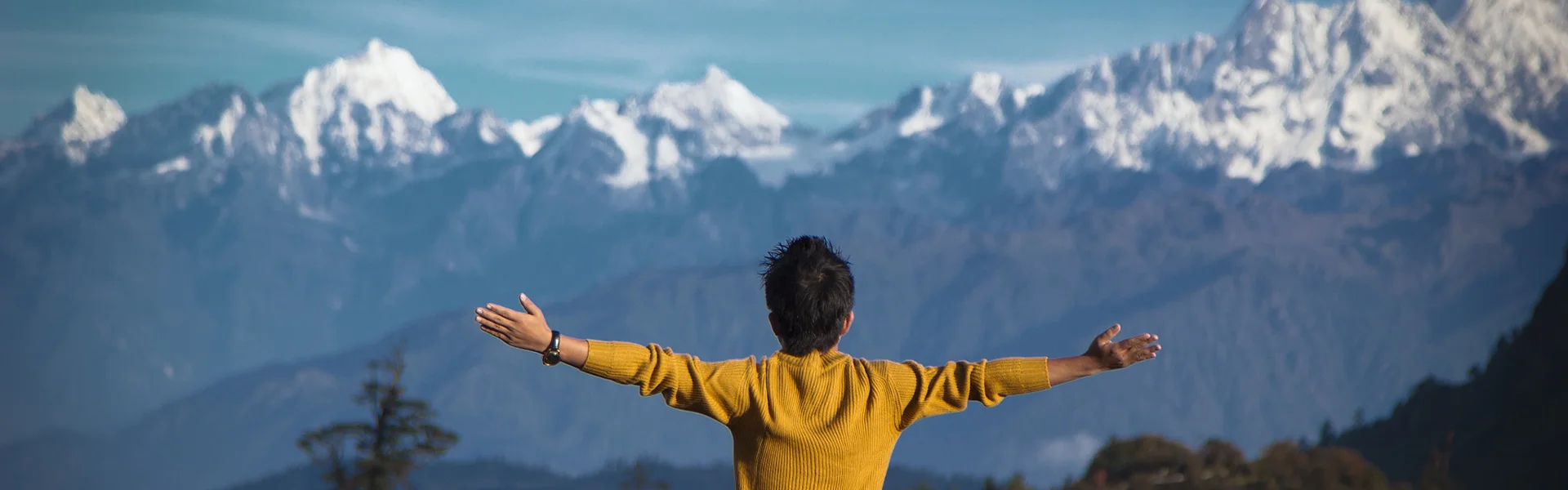

Finding the best things to do in Pokhara becomes easier once you understand what the city has to offer. Phewa Lake sits calm in the morning. The Annapurna range fills the northern sky. Lakeside hums with cafes, restaurants, and easy conversation. Pokhara moves at a slower pace than Kathmandu. You can do a lot here without rushing. Lakes, hilltop viewpoints, caves, temples, museums, short hikes, and adventure sports all sit within easy reach. This guide covers the best activities for every type of traveler — first-time visitors, couples, families, trekkers, and anyone who simply wants a few quiet days by a mountain lake.
Quick Answer: What Are the Best Things to Do in Pokhara?
Here are the top things to do in Pokhara that most visitors should include:
- Boat on Phewa Lake — the city’s signature experience
- Visit Tal Barahi Temple — an island shrine reached by rowboat
- Watch sunrise from Sarangkot — the best panoramic view in the valley
- Walk to World Peace Pagoda — hilltop Buddhist stupa with lake views
- Visit Devi’s Fall and Gupteshwar Mahadev Cave — a natural and spiritual stop
- Explore the International Mountain Museum — best for trekkers and families
- Walk Lakeside / Baidam in the evening — cafes, shops, and mountain light
- Take a short hike around the valley — Sarangkot, Kahun Danda, or Naudanda
Why Pokhara Offers More Than a Simple Sightseeing List
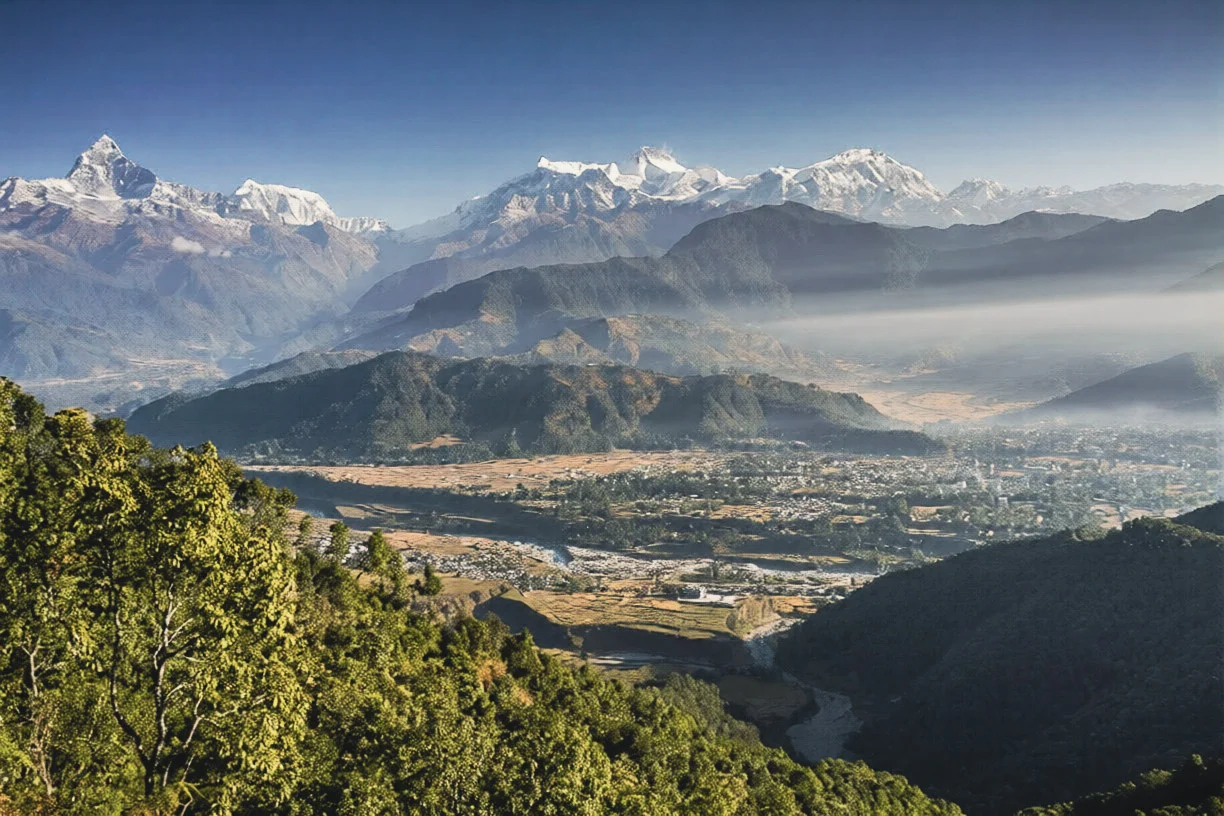
Most travel lists reduce Pokhara to a handful of popular stops. The city rewards a more curious approach. The lake cluster alone includes Phewa, Begnas, and Rupa, each with a different character and mood. Viewpoints range from the crowded pre-dawn energy of Sarangkot to the quieter hilltop calm of Kahun Danda. Short hikes connect village ridges and valley floors.
Museums and cultural corners fill rainy mornings well. Pokhara also works as a relaxing base before or after the Annapurna trek. Trekkers rest here, check gear, eat proper meals, and get a massage before heading to the mountains or after returning. The city fits almost every Nepal itinerary.
Pokhara at a Glance
Use this summary to plan your visit before reading the full guide.
| Feature | Detail |
|---|---|
| Ideal stay length | 2–4 days |
| Best season | October–November and March–April |
| Best base area | Lakeside / Baidam for most visitors |
| Top experience | Phewa Lake boating with Annapurna reflections |
| Best for sunrise | Sarangkot — arrive before 5:30 AM |
| Best for couples | Phewa Lake, Begnas Lake, Sarangkot, Lakeside evening |
| Best for families | Mountain Museum, Phewa Lake, Devi’s Fall, Mahendra Cave |
| Best for trekkers | Rest, gear check, and Lakeside recovery before or after the trail |
| Top free activity | Lakeside promenade walk and sunset view |
Best Things to Do in Pokhara
Lake Experiences
Boating on Phewa Lake
Phewa Lake offers the most iconic experience in Pokhara. Rent a wooden rowboat from the Lakeside ghat and paddle across the still surface. Machhapuchhre, Annapurna South, and Hiunchuli reflect in the water on clear mornings.
Best time: Early morning before 8 AM. Time needed: 1 to 2 hours. Suits: Everyone. Tip: Arrive at the ghat before sunrise for the strongest mountain reflection shots.
Visiting Tal Barahi Temple
Tal Barahi Temple stands on a small island in Phewa Lake. A rowboat ride from Lakeside takes about 5 minutes. Devotees bring offerings, and the site carries real spiritual weight for local Hindus.
Best time: Morning. Time needed: 30 to 60 minutes. Suits: Spiritual travelers and curious visitors. Tip: Combine the temple visit with your Phewa Lake boat ride on the same outing.
Sunrise and Sunset by the Lake
The lake surface catches the most dramatic light in the early morning and late afternoon. Sunrise colors the peaks above. Sunset turns the water orange before the mountains fade into dark silhouettes.
Best time: First and last light. Suits: Photographers and couples. Tip: Walk the Lakeside promenade at sunset for an easy and free lake-and-mountain experience.
Begnas and Rupa Lakes
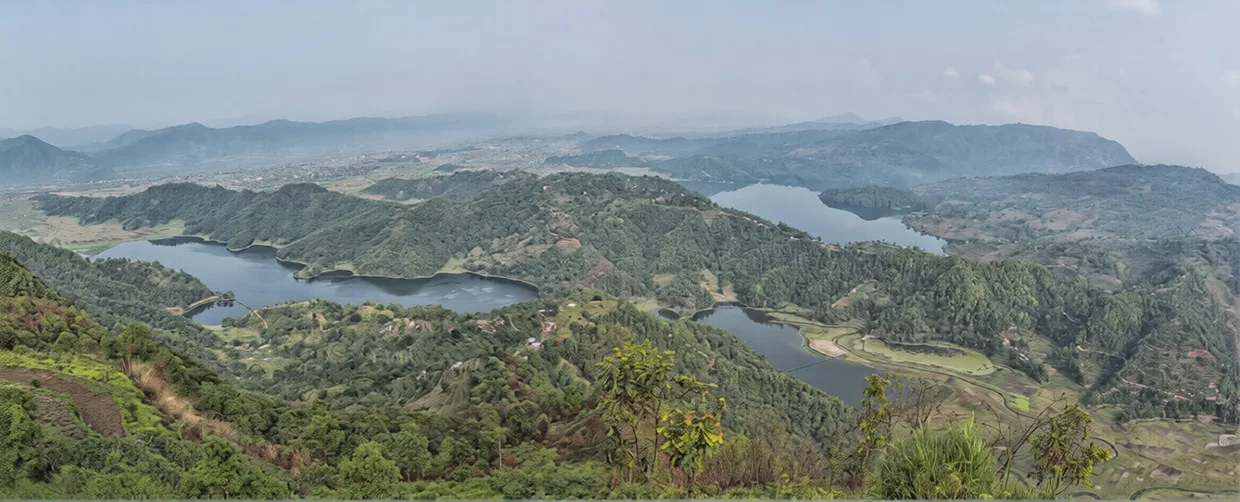
Begnas Lake sits 15 km east of Lakeside. Rupa Lake lies just beyond it. Both stay far quieter than Phewa. Green hills surround the water, and the crowds stay thin even during peak season.
Best time: Morning. Time needed: Half to full day. Suits: Couples, slow travelers, and birdwatchers. Tip: Hire a private vehicle and combine both lakes with the Pumdikot Shiva Statue in one day in the eastern valley.
Viewpoints and Scenic Highlights
Sarangkot Sunrise
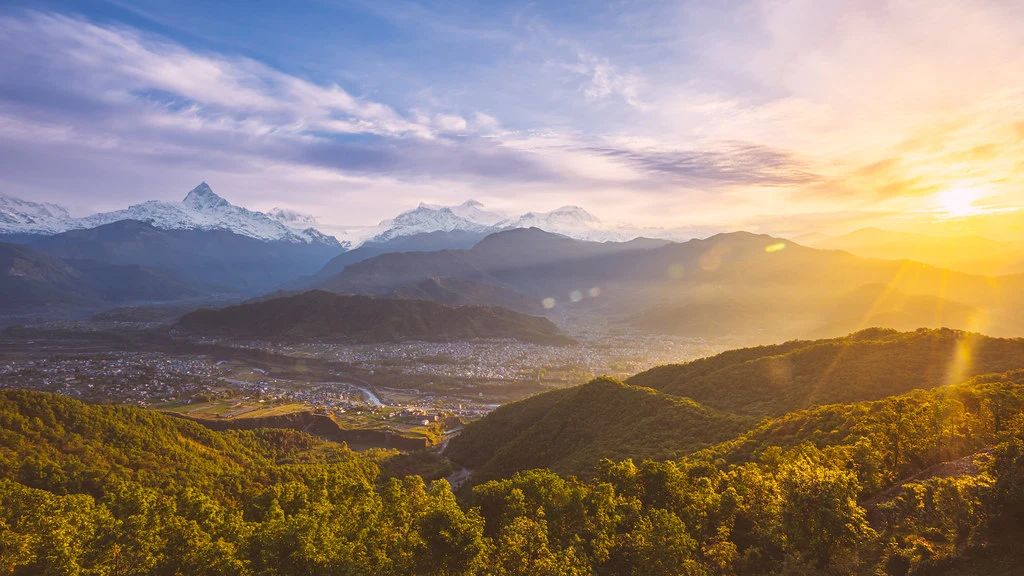
Sarangkot offers one of the best panoramic views of the Pokhara Valley, especially during the Sarangkot sunrise when the first light hits the Himalayas. The viewpoint sits at 1,592 meters and faces the full Annapurna range, including Machhapuchhre, Hiunchuli, and Dhaulagiri. Pre-dawn crowds fill the platform during peak season, as travelers gather to witness the changing colors of the mountains. The site also marks the main paragliding launch area, with most flights taking off from the ridge just below the viewpoint.
Best time: Before sunrise. Time needed: 2 to 4 hours, including transport. Suits: Photographers, first-timers, and adventure travelers. Tip: Check cloud cover the night before — overcast mornings waste the early start.
World Peace Pagoda
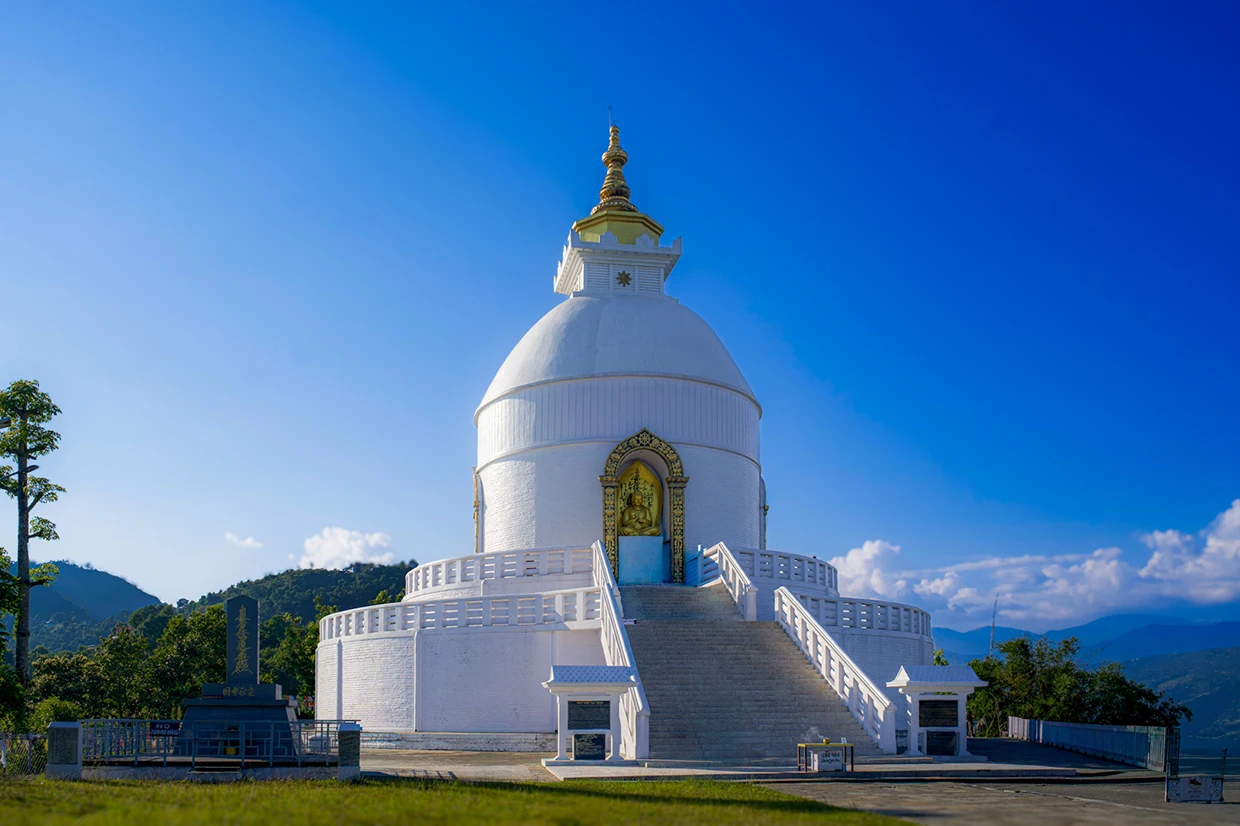
The World Peace Pagoda stands on a hilltop on the southern shore of Phewa Lake. A short boat crossing and a 20-minute uphill walk reach the white Buddhist stupa. Views cover the full lake, Pokhara city, and the Annapurna range.
Best time: Afternoon or sunset. Time needed: 2 to 3 hours with the boat and a walk. Suits: Scenic travelers, spiritual visitors, and couples. Tip: Combine with a Phewa Lake boat ride to save a separate journey.
Seti River Gorge Viewpoints
The Seti River flows invisibly beneath Pokhara’s city streets. At K.I. From the Singh Bridge and near Prithvi Narayan Campus, you look down into a narrow gorge 30 to 40 meters deep. The river roars below but stays out of sight until you reach the edge.
Best time: Any time of day. Time needed: 20 to 30 minutes. Suits: Curious visitors and photographers. Tip: The K.I. The Singh Bridge viewpoint offers the most dramatic view of the gorge.
Kahun Danda and Other Quieter Viewpoints
Kahun Danda sits above Pokhara and offers views of both Phewa Lake and the Annapurna range from a less-visited ridge. The hike takes about 2 hours round-trip through the forest and the open hillside.
Best time: Clear morning. Suits: Active travelers who prefer fewer crowds. Tip: Start early before the cloud builds. Combine with a Lakeside lunch on return.
Cultural and Spiritual Experiences
Tal Barahi Temple
Tal Barahi draws daily visitors for worship and for the short rowboat crossing that makes the approach feel slightly ceremonial. The island setting adds to the experience.
Old Pokhara Bazaar and Bindhyabasini Temple
Old Pokhara Bazaar, called Bazar Tole, holds Newari-style buildings, traditional market stalls, and a slower pace than Lakeside. Walk through narrow streets and let the city’s older character show itself. Bindhyabasini Temple sits on a hilltop above Old Bazaar. Locals visit before work each morning. The courtyard holds monkeys and city views across the valley.
Best time: Morning. Time needed: 1.5 to 2 hours for both. Suits: Cultural travelers. Tip: Walk from Old Bazaar uphill to the temple to see both in sequence.
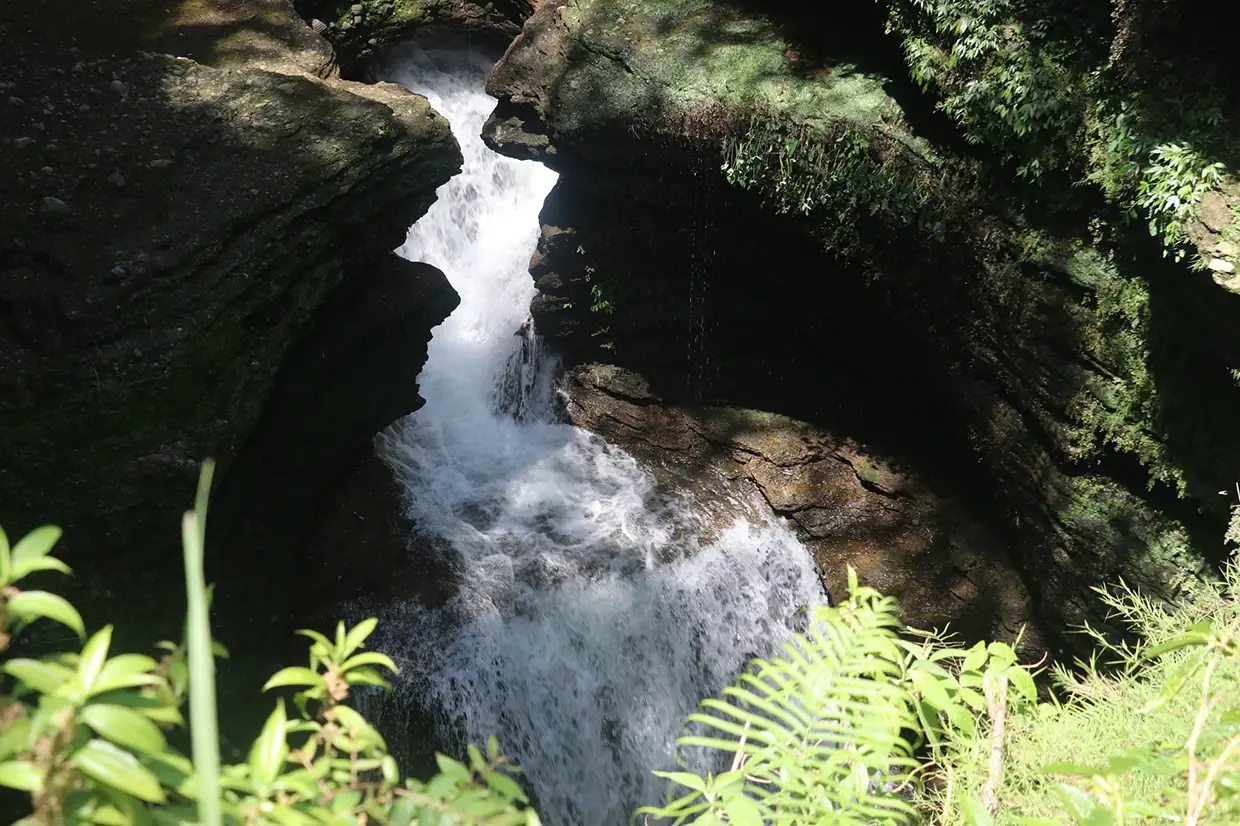
Gupteshwar Mahadev Cave
Gupteshwar Cave holds a sacred Shiva shrine inside a natural cavern. A deeper passage opens to an underground view of Devi’s Fall dropping below. The site merges geological curiosity with genuine religious meaning.
Best time: Any. Time needed: 30 to 45 minutes. Suits: Spiritual and curious travelers. Tip: Cross the road from Devi’s Falls to visit both in one 90-minute stop.
Museums and Learning Experiences
International Mountain Museum
The International Mountain Museum, known as IMM, covers all 14 of the world’s 8,000-meter peaks, Himalayan climbing history, and the cultures of mountain peoples. Exhibits include climbing gear, summit photographs, and cultural artifacts.
Best time: Any — ideal on cloudy days. Time needed: 1.5 to 2 hours. Suits: Trekkers, mountaineering fans, and families with older children. Tip: Buy tickets at the entrance and allow at least 90 minutes to move through properly.
Pokhara Museum
Pokhara Museum covers the cultural history of the Gandaki region, local ethnic groups, and traditional life in the Pokhara valley. The collection suits travelers who want to understand the area beyond the lake and mountains.
Best time: Cloudy day or afternoon. Time needed: 1 hour. Suits: History-minded travelers.
Adventure Activities
Paragliding
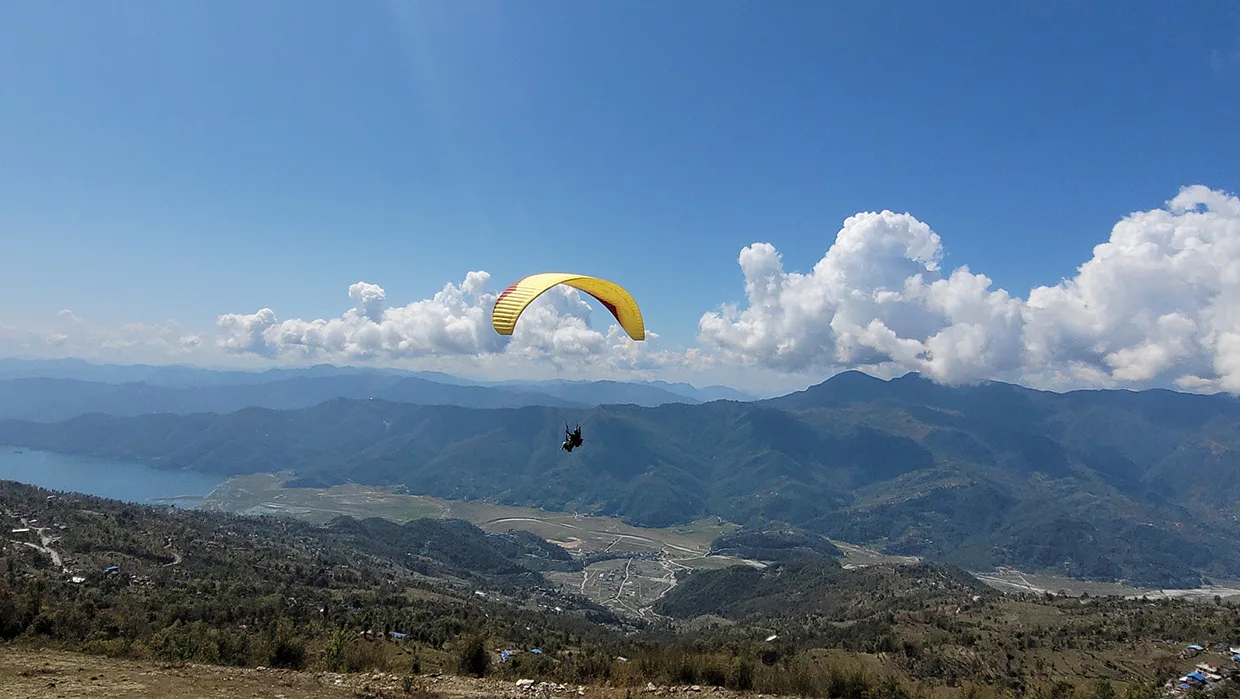
Paragliding from Sarangkot gives a bird’s-eye view of Phewa Lake and the Annapurna range. A tandem flight with a certified pilot lasts 20 to 30 minutes. The launch site sits about 30 minutes from Lakeside by car.
Suits: Travelers are comfortable with heights and open to soft adventure. Skip if: You feel unwell or the weather forecast shows strong winds. Book only through certified, government-registered operators.
Ziplining
The Sarangkot zipline stretches 1.8 km with a 600-meter vertical drop. Riders reach high speed over forested ridges before landing in the valley below. The ride takes about 90 seconds.
Suits: Adrenaline seekers and active travelers. Time needed: 1 to 2 hours, including transport and preparation.
Ultralight Aircraft Flights
Ultralight flights depart from Pokhara airport and fly passengers over the lake and surrounding peaks. The flight lasts about 30 minutes and suits travelers who want aerial views without committing to a full scenic flight or helicopter.
Suits: Scenic travelers and photographers. Book through licensed aviation operators only.
Mountain Biking
Mountain biking trails run through the Pokhara valley and into the surrounding hills. Routes range from easy lakeside paths to technical ridgelines around Sarangkot. Bike rentals and guided rides operate from Lakeside.
Suits: Active travelers and those staying 3 or more days. Best time: Cool morning before midday heat. Tip: Ask your rental provider about current trail conditions.
Short Hikes and Easy Nature Outings
Pokhara is surrounded by hiking routes that do not require a full trek commitment. Most routes range from 2 to 6 hours round-trip.
Sarangkot Hike
Walking to Sarangkot from Lakeside takes about 2.5 to 3 hours uphill through forest and village paths. The route avoids the road and rewards walkers with quieter views than the taxi crowd gets at the viewpoint.
Kaskikot and Naudanda
Kaskikot and Naudanda sit on the Sarangkot ridge west of Pokhara. Trails connect these villages along the ridgeline and offer wide valley views throughout. Day hikers use these routes to extend a Sarangkot morning into a full ridge walk.
Australian Camp
Australian Camp sits above the Dhampus village at an elevation of around 2,060 meters. A vehicle reaches Dhampus, and a 1-hour walk arrives at the camp with panoramic Annapurna views. The route suits pre-trek warm-up walkers and families with active older children.
Kahun Danda
Kahun Danda rewards a 2-hour forest hike with lake views below and mountain views above. The trail starts from the Pokhara valley floor and climbs through mixed forest to an open ridge.
All short hikes around Pokhara suit travelers who want outdoor time without multi-day logistics. Carry water, light layers, and start before 8 AM for the clearest views.
Things to Do in Pokhara by Travel Style
Best Things to Do in Pokhara for Couples
Pokhara suits couples well. Early morning hours and quiet lake corners give the city a naturally romantic quality.
- Rowboat on Phewa Lake at sunrise — best shared experience in Pokhara
- Sunset at World Peace Pagoda — golden-hour lake views from the stupa platform
- Morning at Begnas Lake — quiet, green, and away from tourist crowds
- Sarangkot sunrise together — pre-dawn drive and mountain reveal
- Evening walk through Lakeside with dinner by the lake
Prioritize: Phewa Lake at sunrise. Skip if time is short: Mahendra Cave or museums.
Best Things to Do in Pokhara with Family
Families find plenty of easy, interesting activities across the city without long travel times.
• Phewa Lake boating — children enjoy the rowboats and the island temple stop
• International Mountain Museum — educational and visual for all ages
• Devi’s Fall — dramatic and easy, 30-minute stop with real impact
• Mahendra Cave — cave guide makes the exploration fun and safe
• Lakeside evening walk with ice cream and café stops
Prioritize: Phewa Lake and Mountain Museum. Skip if time is short: Short hikes or outer valley trips.
Best Things to Do in Pokhara for First-Time Visitors
• Phewa Lake boating and Tal Barahi Temple visit
• Sarangkot sunrise — the most memorable Pokhara morning
• Devi’s Fall and Gupteshwar Cave in one combined stop
• World Peace Pagoda boat-and-walk combination
• Lakeside evening walk and local food
Prioritize: Sarangkot sunrise and Phewa Lake. Skip if time is short: Outer lakes and long hikes.
Peaceful Things to Do in Pokhara
• Early morning rowboat on Phewa Lake — quietest before 7 AM
• Begnas Lake morning — few visitors, green hills, calm water
• World Peace Pagoda walk in the afternoon
• Old Pokhara Bazaar slow walk at market opening time
• Lakeside sunset walk without a set plan
Pokhara rewards a slow pace. Leave half a day unscheduled and let the city fill it.
Things to Do in Pokhara Before Trekking
• Rest one full day on arrival — lake view, good food, early sleep
• Check gear at Lakeside shops — replace worn items before the trail
• Visit Mountain Museum for route context and altitude preparation motivation
• Short warm-up walk to Sarangkot or Kahun Danda
• Eat well — Thakali meals and dal bhat both fuel the body for what follows
Do not overload the days before a trek. Rest delivers more value than extra sightseeing at this stage.
Things to Do in Pokhara by Season
Spring — March to May
Spring suits outdoor activities well. Days stay warm. Rhododendrons bloom on the surrounding hills. Morning mountain views arrive clear and sharp. Paragliding conditions stay strong, and lake reflections reach their best quality before clouds build.
- Best for: Paragliding, sunrise hikes, boating, photography
- Good indoor option: Mountain Museum on cloudy afternoons
Monsoon — June to September
Pokhara receives heavy rainfall during the monsoon. Mountain views stay hidden behind clouds for most of the day. Devi’s Fall runs at its strongest and most dramatic. The valley turns deeply green.
- Best for: Devi’s Fall, Gupteshwar Cave, museum visits, Lakeside cafes
- Skip: Sarangkot sunrise and viewpoint trips — cloud blocks the views
Autumn — October to November
Autumn delivers the best conditions of the year. Skies are clear after the monsoon. Mountain views sharpen. Lakeside fills with trekkers and leisure travelers. All outdoor activities run at their best.
- Best for: Everything — sunrise, boating, hiking, adventure, photography
- Book early: Luxury lodges and popular guesthouses fill fast in October
Winter — December to February
Winter brings cold, clear mornings and quiet trails. Mountain views arrive sharply on clear days. Trails stay open. The Lakeside area keeps restaurants and hotels in business year-round.
- Best for: Peaceful hiking, quiet lake mornings, Sarangkot with fewer crowds
- Carry: Extra warm layers for early morning viewpoint trips
Things to Do in Pokhara in 2 Days and 3 Days
2-Day Plan
- Day 1 — Morning: Sarangkot sunrise. Return for breakfast in Lakeside. Mid-morning: Phewa Lake rowboat and Tal Barahi Temple. Afternoon: Devi’s Fall and Gupteshwar Cave. Evening: Lakeside promenade walk and dinner.
- Day 2 — Morning: World Peace Pagoda boat-and-hike. Afternoon: International Mountain Museum. Late afternoon: Bindhyabasini Temple and Old Bazaar walk. Evening: Lakeside with a full Thakali dinner.
3-Day Plan
- Follow the 2-day plan for days one and two.
- Day 3 — Morning: Drive east to Begnas Lake and Rupa Lake. Midday: Travel to Pumdikot hill, and visit the Shiva Statue with Annapurna views. Afternoon: Return to Lakeside. Evening: Kahun Danda sunset hike if energy allows, or a quiet final lakeside walk.
Three days lets you cover the main city activities and add a genuine escape into the quieter east valley. The pace stays relaxed throughout.
Free and Low-Cost Things to Do in Pokhara
Pokhara offers several strong experiences that cost little or nothing.
- Lakeside promenade walk — sunrise or sunset, completely free
- Sarangkot sunrise — viewpoint access has no fee, only transport costs
- Old Pokhara Bazaar walk — free to explore the narrow market streets
- Seti River Gorge viewpoints — free to stand and look down from the bridge
- Sunset at the lake edge — no cost, strong views, best in clear weather
- Kahun Danda hike — free trail with mountain and lake views
- Lakeside people-watching from any public lakeside bench or café perch
Budget travelers get significant value from Pokhara without spending heavily. The best views here cost only an early wake-up.
Practical Tips Before You Plan Your Activities
- Start all viewpoint trips early — mountain views disappear behind clouds by 9 to 10 AM
- Check the weather the night before any sunrise or outdoor photography plan
- Group activities by location — south Pokhara sites pair well, east valley sites pair well
- Keep one half-day unscheduled in every 2-day visit for flexibility
- Build lake time into the itinerary — a slow morning on Phewa adds real value
- Allow transport time for Sarangkot — 25 minutes by taxi each way
- Carry light layers for early morning hilltop visits — cold at altitude before sunrise
- Bring small notes for boat fares, cave entries, and temple donations
Pokhara rewards travelers who avoid overloading their schedule. Two or three activities per day leave room for the slower moments, and the city does best.
Where to Stay for Easy Access to the Best Activities
Lakeside / Baidam
Lakeside acts as the main resort area in Pokhara. Hotels, restaurants, souvenir shops, and activity booking desks all sit within walking distance. The lake and boat ghat sit at the end of most hotel streets. Lakeside suits first-time visitors, couples, families, and any traveler who wants everything convenient. The widest range of accommodation — from budget guesthouses to mid-range hotels and boutique stays — sits here.
Sarangkot
Staying at Sarangkot puts you at the viewpoint without a pre-dawn taxi. Small guesthouses and modest lodges offer rooms with mountain views from private balconies. Transport to Lakeside takes about 20 to 25 minutes.
Suits: Sunrise lovers and paragliders. Trade-off: You need a vehicle to reach the lake, museums, and most other activities in Pokhara.
Begnas Area
Guesthouses and eco-stays near Begnas Lake give a genuinely quiet experience. The sound of birds replaces the hum of motorbikes. The valley feels entirely different from the city.
Suits: Couples seeking privacy and nature. Trade-off: Distance from central Pokhara activities means planning each outing.
Central and New Road
Central Pokhara near Newroad offers budget accommodation with a local residential feel. The area sits closer to Old Bazaar, Bindhyabasini Temple, and the Museum than Lakeside does.
Suits: Budget-conscious travelers and those who prefer a local environment. Trade-off: Less restaurant variety and fewer booking offices nearby.
Use this table to quickly compare the mainstay areas.
| Area | Best For | Activity Access | Vibe | Downside |
|---|---|---|---|---|
| Lakeside / Baidam | First-time visitors, all types | Excellent — walks to the lake and boats | Lively, resort-style | Busy in peak season |
| Sarangkot | Sunrise lovers, paragliders | Good — viewpoint on the doorstep | Quiet hilltop village | Needs transport to Lakeside |
| Begnas area | Couples, slow travelers | Limited — rural, quiet | Rural, natural, peaceful | Far from most attractions |
| Central / Newroad | Budget travelers, local feel | Moderate — taxi to Lakeside | Urban, practical | Less tourist infrastructure |
FAQs
Q: What are the best things to do in Pokhara for first-time visitors?
A: First-time visitors should prioritize the Sarangkot sunrise, boating on Phewa Lake, and visiting Tal Barahi Temple. Including the World Peace Pagoda, Devi’s Fall, and relaxing evenings at Lakeside completes the core experience. These six activities provide a comprehensive introduction to the city’s natural beauty and cultural landmarks, ensuring you see the most iconic highlights during your initial stay.
Q: Is 2 days enough for Pokhara?
A: Yes, a two-day itinerary allows you to cover the main sightseeing attractions comfortably. While 48 hours is sufficient for the main highlights, extending your stay to 3 days allows you to include a visit to Begnas Lake or a short hike. This extra time allows you to enjoy a more relaxed pace, so you do not have to rush through the city’s most beautiful landmarks.
Q: What is Pokhara most famous for?
A: Pokhara is world-renowned for the stunning Phewa Lake and its spectacular views of the Annapurna mountain range. It is also famous as a premier paragliding destination from Sarangkot and as the primary gateway to the Annapurna trekking region. These features combine natural beauty with high-altitude adventure, making it a diverse destination that appeals to travelers from around the globe.
Q: What are the best free things to do in Pokhara?
A: You can enjoy several experiences for free or very little cost, such as walking the Lakeside promenade or exploring the Old Bazaar. Accessing the Sarangkot viewpoint, viewing the Seti Gorge from the bridge, and hiking to Kahun Danda are also excellent, budget-friendly options. These activities allow you to soak up the local atmosphere and natural scenery without spending much, making the city accessible to all visitors.
Q: Which lake is best to visit in Pokhara?
A: Phewa Lake suits most visitors due to its central location, boating opportunities, and the iconic island temple. Conversely, Begnas Lake is the better choice for travelers who prefer a quiet environment with less crowded scenery. If your itinerary allows for three or more days, visiting both lakes is highly rewarding as they offer distinct experiences of the region’s diverse and beautiful water landscapes.
Q: What are the best things to do in Pokhara for couples?
A: Rowing on Phewa Lake at sunrise and taking a sunset walk to the World Peace Pagoda are considered highly romantic activities. Couples also enjoy a quiet morning at Begnas Lake or a pre-dawn trip to Sarangkot for the mountain views. These settings provide a mix of peaceful natural beauty and intimate atmosphere, making them perfect for creating memorable shared moments during a getaway.
Q: Are there good short hikes around Pokhara?
A: Yes, there are several 2 to 6-hour walks available, including the trek to Sarangkot on foot, Kahun Danda, and Australian Camp. Other great options for a quick excursion include Naudanda and Kaskikot. None of these routes requires trekking permits or extensive overnight preparation, making them easily accessible for anyone looking to explore the valley’s surrounding hills and villages on a whim.
Q: What are the best outdoor activities in Pokhara?
A: Pokhara offers a wide range of excitement, including paragliding, ziplining, ultralight flights, and mountain biking. For those seeking more traditional pursuits, boating and short valley hikes are also readily available. For the best conditions across all these outdoor activities, it is recommended to visit in the autumn or spring seasons, when the weather is most favorable for adventure and offers clear mountain visibility.
Final Thoughts
The best things to do in Pokhara stretch well beyond a morning at Sarangkot and an afternoon on Phewa Lake. The city offers temples, caves, mountains, museums, cultural streets, quiet lakes, and viewpoints that cater to every interest. Two days cover the highlights. Three days adds depth. Four days give the valley space to show its quieter side — early morning at Begnas Lake, a ridgeline hike, and a long lakeside evening with nothing scheduled. Choose your activities by season and travel style. Start mornings early. Leave afternoons flexible. Let Pokhara move at the pace it does best — somewhere between calm and quietly extraordinary.