



This Kathmandu Travel Guide is especially crafted for first-time visitors who want to visit the heart of Nepal, Kathmandu. Kathmandu is the capital of Nepal and the country’s main entry point for travelers from around the world. Most flights into Nepal land here, but the city holds far more than just an airport. Kathmandu offers a mix of ancient temples, open courtyards, busy local markets, quiet monastery lanes, and a growing cafe scene. The Kathmandu Valley includes three historic cities: Kathmandu, Patan, and Bhaktapur.
Together, these cities host seven UNESCO World Heritage Sites, making the valley one of the most heritage-rich places in Asia. Use this Kathmandu travel guide to plan your attractions, understand the best times to visit, find the right place to stay, eat well, get around, and build a realistic itinerary. This trip introduces practical Kathmandu travel tips to help you avoid common mistakes.
Quick Answer: Is Kathmandu Worth Visiting?
Yes, absolutely. Kathmandu rewards visitors seeking culture, heritage, and authentic local life. Here are six reasons to visit:
- Seven UNESCO World Heritage sites sit within easy reach of each other.
- The food scene ranges from street-side momos to refined Newari dining.
- Trekking routes across Nepal all begin in Kathmandu.
- Ideal trip length: 2 to 4 days for most travelers.
- Best for: first-time Nepal visitors, photographers, culture lovers, and spiritual travelers.
- The city prepares you well for any journey ahead in Nepal.
Why Visit Kathmandu
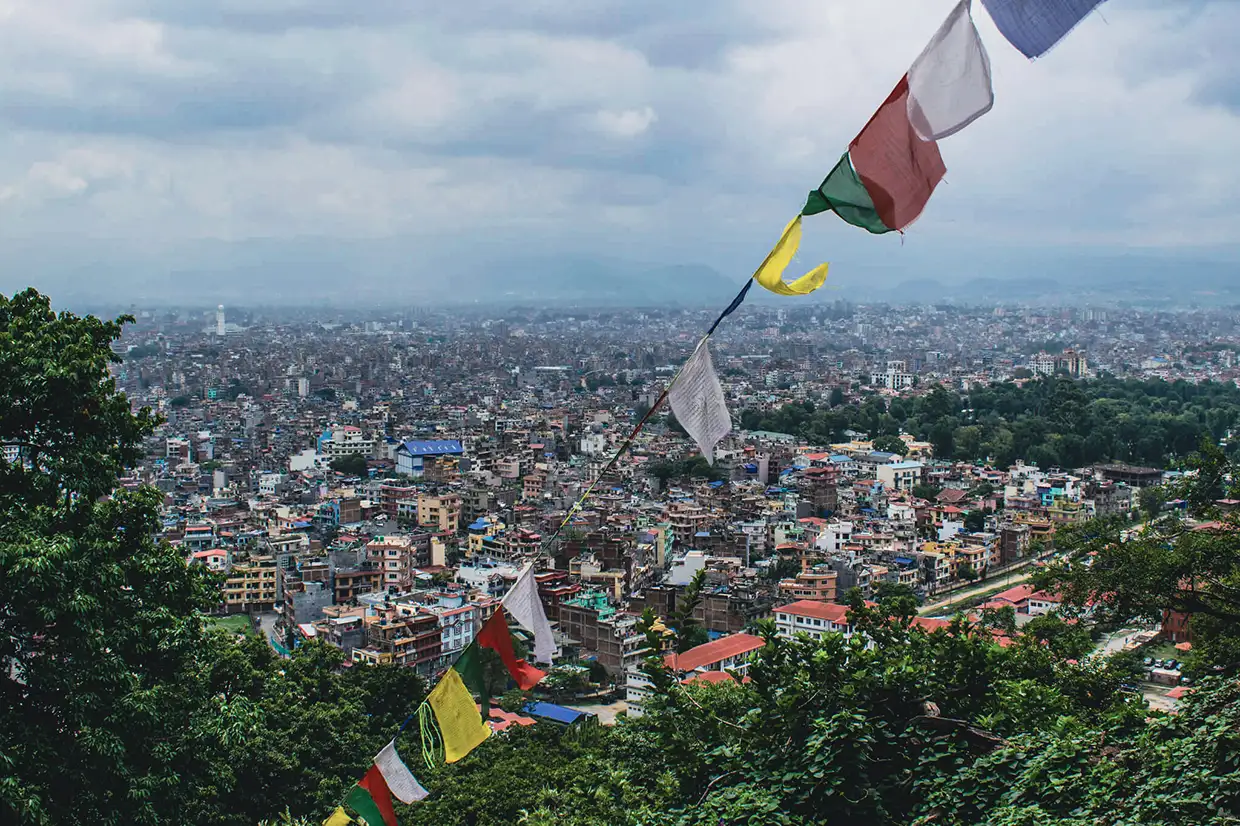
Kathmandu stands as one of South Asia’s most layered cultural cities. Few places pack so much history, religion, and daily life into such a compact area. 12th-century temples stand next to local tea shops. Pilgrims, students, and tourists all share the same narrow lanes. The city also serves as a gateway to wider travel in Nepal. Whether you plan a trek to Everest Base Camp, a trip to Chitwan, or a visit to Pokhara, Kathmandu handles permits, gear, guides, and briefings.
It makes sense to spend real time here before moving on. UNESCO recognizes the Kathmandu Valley as a World Heritage property with seven protected monument zones: the three Durbar Squares, Swayambhunath, Boudhanath, Pashupatinath temple, and Changu Narayan. These places to visit in Kathmandu give the city global cultural standing.
Kathmandu at a Glance
| Category | Details |
|---|---|
| Ideal Stay Length | 2 to 4 days |
| Best Season | Spring (March to May) and Autumn (September to November) |
| Top Attractions | Boudhanath, Swayambhunath, Pashupatinath, Durbar Squares |
| Average Budget | USD 30-50 (budget) to USD 150+ (luxury) per day |
| Best Area for First-Timers | Thamel |
| Suits | Families, couples, solo travelers, trekkers |
| Trip Style | Culture, heritage, food, photography, pre-trek prep |
Best Time to Visit Kathmandu
Kathmandu welcomes visitors year-round, but your choice of season shapes your experience. Pick the season that matches your travel style.
Spring: March to May
Spring brings mild temperatures, clear skies, and blooming rhododendrons in the surrounding hills. Mountain views stay clear most mornings. Festivals like Holi and Nepali New Year fall during the spring. Trekking groups fill Kathmandu before heading to the hills. Book your stays and tours early.
Summer and Monsoon: June to August
Monsoon rains arrive in June and last through August. The city turns green and lush. Expect short daily rain showers. Crowds drop significantly, so prices follow. Cultural experiences in Kathmandu remain fully available. Trekking in high areas gets harder due to wet trails.
Autumn: September to November
Autumn gives the best overall Kathmandu experience. Rain stops, skies clear completely, and temperatures feel comfortable. The mountain views from Nagarkot and Chandragiri are stunning. The Dashain and Tihar festivals bring color and energy to every street. This season suits every type of traveler.
Winter: December to February
Winter keeps Kathmandu quiet and cool. Mornings and evenings turn cold, but daytime stays pleasant. Fewer tourists mean faster access to monuments. Budget travelers find good deals. High altitude treks become difficult, but Kathmandu sightseeing continues comfortably.
How to Reach Kathmandu
Tribhuvan International Airport serves as Nepal’s main international gateway. Direct flights connect Kathmandu to major hubs across Asia, the Middle East, and Europe. Airlines such as Qatar Airways, Air India, IndiGo, and Thai Airways offer regular flights. The airport sits about 6 kilometers from Thamel, the main tourist area. A pre-paid taxi from the airport to Thamel takes 20 to 40 minutes, depending on traffic. The fare runs approximately NPR 700 to 1000.
Private transfers arranged through your hotel or tour company offer smoother arrivals. Nepal allows tourist visas on arrival at Tribhuvan Airport for eligible nationalities. Bring passport photos and USD for the visa fee. Always check the Nepal Department of Immigration website for current visa rules before you travel.
Visa, Entry, and Essential Planning Information
Visa on Arrival Basics
Most nationalities get a tourist visa on arrival at Kathmandu airport. Visa fees vary by duration: 15, 30, or 90 days. Pay in USD, Euro, or other major currencies. Fill the arrival form before joining the visa queue.
Currency and ATMs
Nepal uses the Nepali Rupee (NPR). ATMs in Thamel and Durbar Marg work reliably for international cards. Carry some USD cash as backup. Exchange offices in Thamel offer competitive rates. Many restaurants and hotels in Kathmandu accept USD and cards, but local markets prefer cash.
SIM Card and Mobile Data
Buy a local SIM card at the airport or in Thamel. Ncell and NTC offer prepaid SIMs with 4G data. A basic data package costs around NPR 500 and lasts several weeks. Having local data helps with maps, translation, and ride apps.
Heritage Site Entry Fees
Tourist sites in Kathmandu that are part of the seven UNESCO World Heritage Sites charge entry fees for foreign visitors. Boudhanath costs USD 3. Pashupatinath costs USD 10. Bhaktapur Durbar Square charges USD 15. Buy a Kathmandu Valley heritage pass if you plan to visit multiple sites. Nepal Tourism Board publishes current fee schedules.
Travel Insurance
Buy comprehensive travel insurance before arriving. Good policies cover medical emergencies, helicopter evacuation, trip cancellation, and gear loss. Many trekking companies and Nepal tour operators require proof of insurance.
Top Places to Visit in Kathmandu
The UNESCO Highlights
Kathmandu UNESCO sites form the backbone of any visit. Plan at least two full days to cover the major ones comfortably.
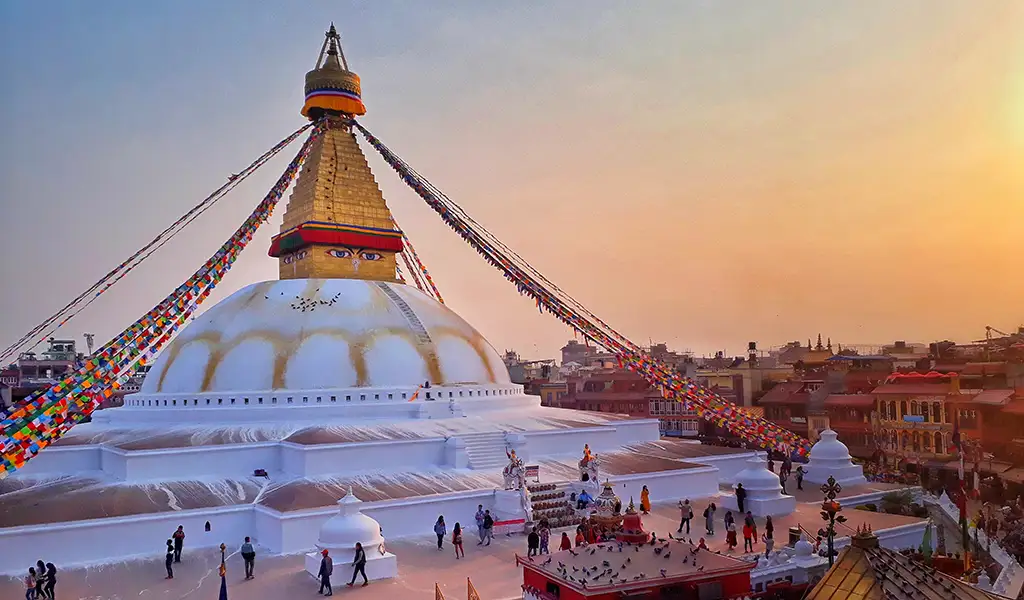
- Boudhanath Stupa: One of the largest stupas in the world. Walk the kora (circumambulation path) with Tibetan pilgrims. Best in early morning or at dusk. Allow 1 to 2 hours.
- Swayambhunath (Monkey Temple): A hilltop stupa with panoramic valley views. Climb the 365 steps or take the road. Monkeys roam freely. Best at sunrise. Allow 1 to 1.5 hours.
- Pashupatinath Temple: Nepal’s most sacred Hindu temple on the banks of the Bagmati River. Watch evening aarti (prayer ceremony). Open cremation ghats teach about Hindu death rituals. Foreigners cannot enter the main temple. Allow 1.5 to 2 hours.
- Kathmandu Durbar Square: The old royal palace square with carved wooden temples and courtyards. Home to Kumari Ghar, where the living goddess resides. Most atmospheric in the morning.
- Patan Durbar Square: Located in the ancient city of Patan, just 5 km from central Kathmandu. Finer stone and woodwork than Kathmandu Durbar Square. The Patan Museum inside the palace ranks among Nepal’s best. Allow 2 to 3 hours.
- Bhaktapur Durbar Square: The most intact medieval city in Nepal. No motorbikes inside the old town. Pottery Square and the 55-Window Palace are highlights. Allow a full half-day or full day.
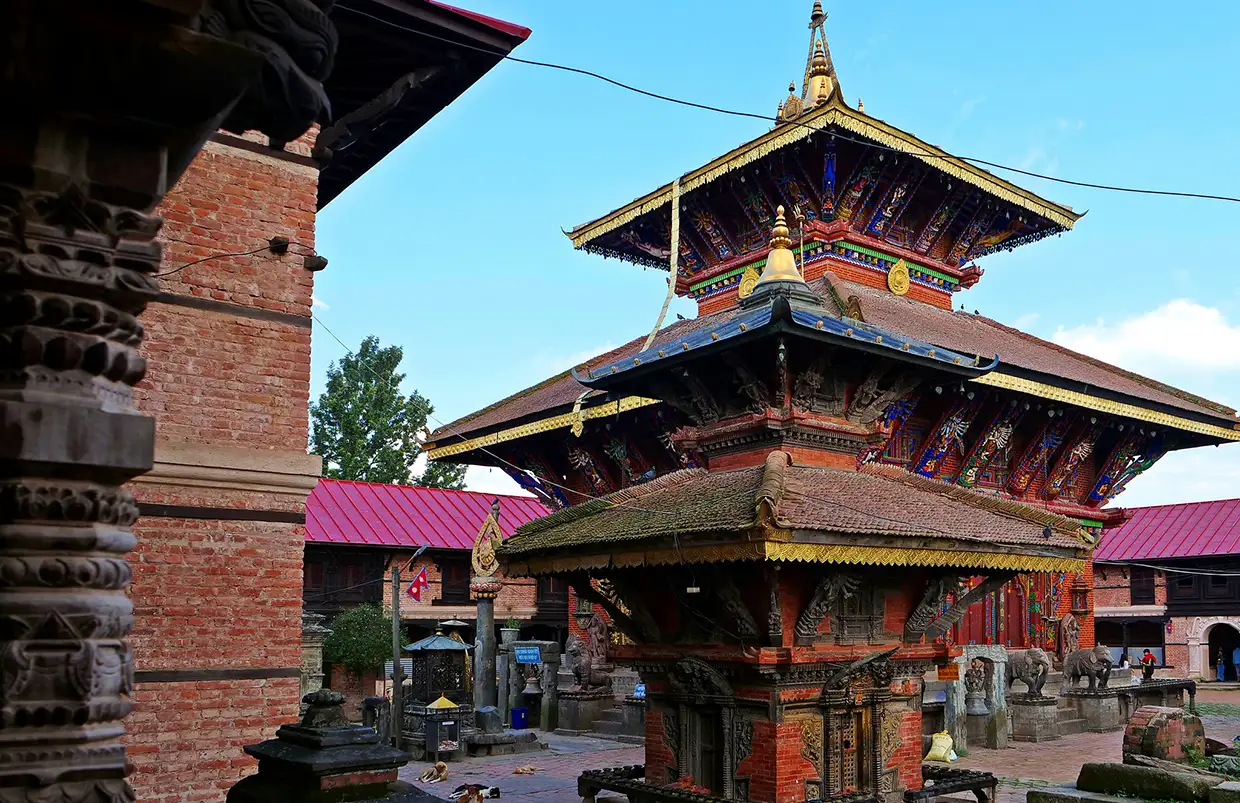
- Changu Narayan: Nepal’s oldest standing temple, dating to the 4th century. Perched on a hilltop above the valley. Less visited than other Kathmandu tourist spots, making it peaceful. Allow 1.5 hours.
Cultural and City Experiences
Kathmandu offers rich experiences beyond the UNESCO World Heritage Sites. These spots connect you to everyday city life.
- Thamel: The main tourist district. Full of gear shops, restaurants, cafes, and guesthouses. Walk early in the morning before it gets busy. Good base for first-time visitors.
- Asan Bazaar: A traditional market where locals shop for spices, vegetables, and household goods. Busy and colorful. No tourist performance here. Just real Kathmandu life.
- Garden of Dreams: A restored Edwardian garden near Thamel. Peaceful escape from street noise. Entry fee applies. Good spot to rest mid-day.
- Heritage Walks and Bahals: Kathmandu’s old city hides dozens of hidden courtyards called bahals. Nepal Tourism Board promotes heritage walks as a way to find them. A local guide adds real value here.
Scenic and Easy Add-Ons
- Chandragiri Hills: Take the cable car for panoramic views of the Kathmandu Valley and Himalayan peaks on clear days. Good half-day trip from the city.
- Budhanilkantha: A large reclining Vishnu statue lying in a pond. Sacred for Hindus. Short taxi ride from central Kathmandu. Free entry.
- Shivapuri Area: Forested hill north of Kathmandu. Good for a half-day walk. Wildlife and fresh air.
Best Things to Do in Kathmandu
Kathmandu itinerary planning works better when you mix monument visits with local activities.
- Take a heritage walk through old Kathmandu lanes and hidden courtyards.
- Watch the evening aarti at Pashupatinath temple on the Bagmati riverbank.
- Walk the kora around Boudhanath with pilgrims and spin prayer wheels.
- Try a Newari meal at a local restaurant in Patan or old Kathmandu.
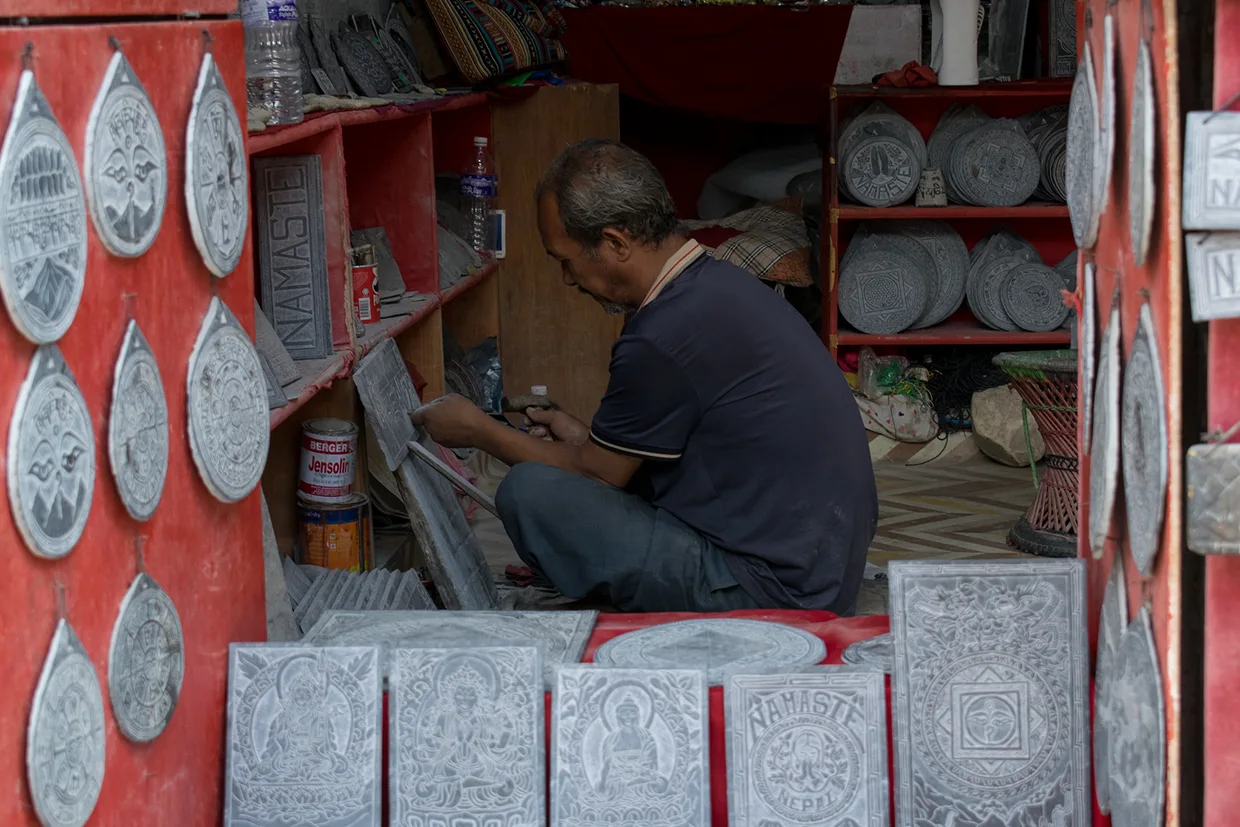
- Shop for handicrafts, pashmina, singing bowls, and Thangka paintings in Thamel.
- Join a Nepali cooking class and learn to make dal bhat and momo.
- Book a mountain flight for sunrise views of Everest and the Himalayan range.
- Relax in a traditional Nepali spa or massage center before or after trekking.
Kathmandu Travel Guide for First-Time Visitors
Every first-time visitor to Kathmandu faces surprises. Knowing what to expect makes the trip smoother. Traffic moves slowly and unpredictably. A 3 km ride can take 30 minutes during peak hours. Build extra time into your Kathmandu itinerary for getting between places. Dust during the dry season lowers air quality. Bring a lightweight cloth mask or a buff to cover your face while walking. Crossing roads requires patience. Watch local pedestrians and move with them. Cash is preferred over cards in most local markets and small restaurants. ATMs are common in tourist areas but can run out during holidays.
- Remove shoes before entering temples and gompas.
- Dress modestly at religious sites. Cover shoulders and knees.
- Walk clockwise around stupas and chortens.
- Ask permission before photographing people in prayer.
- Carry small change for entry fees and tipping.
A local guide adds real value for heritage walks and religious sites. They explain stories, skip queues, and know hidden spots most solo visitors never find.
Where to Stay in Kathmandu
Choosing the right area shapes your whole experience. Each neighborhood offers a different feel and price range.
| Area | Atmosphere | Best For | Budget Range (USD/night) | Trade-Off |
|---|---|---|---|---|
| Thamel | Busy, tourist-friendly | First-timers, trekkers | $20 – $200+ | Noisy at night |
| Lazimpat | Quiet, diplomatic zone | Business, boutique stays | $60 – $250 | Farther from sights |
| Boudha | Calm, Tibetan Buddhist | Culture seekers, repeat visitors | $30 – $150 | Limited nightlife |
| Durbar Marg | Central, upscale | Luxury travelers | $100 – $400+ | Higher prices |
| Patan | Local, heritage feel | Slow travelers, culture focus | $25 – $120 | Less tourist infrastructure |
Thamel works best for most first-time visitors. Hotels range from basic backpacker guesthouses to polished boutique properties. Private Nepal tour benefits include hotel arrangements that match your travel style, so talk to your tour operator about the right fit.
What to Eat in Kathmandu
Must-Try Dishes
- Momo: Steamed or fried dumplings filled with buffalo, chicken, or vegetables. Find them everywhere in Kathmandu. Try them with sesame-tomato dipping sauce.
- Dal Bhat: Nepal’s national meal. Lentil soup, rice, vegetables, and sometimes meat. Local restaurants serve it with unlimited refills.
- Newari Food: The cuisine of the Newar people, the original inhabitants of the Kathmandu Valley. Richer and more complex than standard Nepali food.
Newari Food to Try
- Bara: Lentil patty, savory and filling. Common street snack.
- Chatamari: A thin rice crepe topped with egg or minced meat. Sometimes called Newari pizza.
- Choila: Spiced grilled buffalo meat, usually served cold. Strong flavor.
- Yomari: Sweet rice-flour dumpling filled with molasses and sesame. Made during the Yomari Punhi festival.
- Juju Dhau: King curd from Bhaktapur. Thick, creamy, and slightly sweet. Try it during any Bhaktapur day trip.
Cafe Culture and Vegetarian Options
Kathmandu has a strong cafe culture centered around Thamel and Patan. Bakeries, espresso bars, and rooftop restaurants give travelers a comfortable break between temple visits. Vegetarian options are widely available across the city. Buddhist and Hindu influences make plant-based eating easy here.
Food Safety Tips
Drink bottled or filtered water only. Avoid raw salads from unknown street stalls. Cooked food served hot is generally safe. Restaurants in tourist areas maintain decent hygiene standards. Trust your instincts if a place looks unclean.
How to Get Around Kathmandu
Airport Transfer
Pre-arrange airport pickup through your hotel or tour operator. Shared taxis and airport buses also operate, but add confusion for first arrivals. A private transfer costs USD 10-20 and saves time and stress.
Taxis and Ride Apps
Metered taxis operate across Kathmandu. Always ask the driver to use the meter, or agree on a price before getting in. Pathao and InDrive apps work in Kathmandu and give fixed prices without negotiation.
Walking
Old Kathmandu, Thamel, and Patan Old Town are well walkable. Distances between major tourist attractions in Thamel can be covered on foot in 10 to 20 minutes. Sidewalks disappear in places, so walk carefully.
Private Car with Driver
For full-day sightseeing or valley trips, hire a private car with a driver. Costs run around USD 40-60 per day. Private Nepal tour benefits include custom routing, flexible stops, and no waiting for shared transport. Luxury travel in Nepal consistently shows that private vehicles save time and reduce stress significantly.
Kathmandu Costs and Daily Budget
| Traveler Type | Hotel (USD/night) | Food (USD/day) | Transport (USD/day) | Daily Total (approx) | Good Fit For |
|---|---|---|---|---|---|
| Backpacker | $10 – 20 | $8 – 15 | $3 – 5 | $25 – 40 | Solo, flexible travelers |
| Mid-Range | $40 – 80 | $20 – 35 | $15 – 25 | $75 – 140 | Couples, culture travelers |
| Comfort Traveler | $80 – 150 | $40 – 60 | $30 – 50 | $150 – 260 | Families, short-stay visitors |
| Luxury Traveler | $150 – 400+ | $70 – 120 | $60 – 100+ | $280 – 620+ | Private Nepal tours, anniversaries |
Premium vs budget Nepal tour choices affect every line of the table above. Budget travelers manage comfortably with USD 35 to 40 per day. Comfort and luxury travelers spend more but get faster access, better rooms, and private arrangements that remove friction from the trip.
How Many Days Do You Need in Kathmandu?
Many travelers ask exactly how many days in Kathmandu work best. The answer depends on your overall Nepal plan.
- 1 Day: Cover Boudhanath, Swayambhunath, and a walk through Thamel. Very rushed.
- 2 Days: Add Pashupatinath, Kathmandu Durbar Square, and one good Newari meal.
- 3 Days: Include a day trip to Patan or Bhaktapur. Good balance of city and valley.
- 4 Days: Full valley coverage including Bhaktapur, Changu Narayan, and Nagarkot sunrise.
- 5+ Days: Add cooking classes, deeper heritage walks, or day trips to Namo Buddha and Dhulikhel.
Three days give most visitors a satisfying Kathmandu experience without rushing.
Kathmandu: before trekking, add 1 to 2 days for gear, permits, and briefings, in addition to sightseeing.
Kathmandu Itinerary Ideas
1-Day Kathmandu Itinerary
- Morning: Swayambhunath for sunrise views.
- Midday: Kathmandu Durbar Square and Kumari Ghar.
- Afternoon: Boudhanath kora and rooftop cafe.
- Evening: Dinner in Thamel with momo and Newari snacks.
2-Day Kathmandu Itinerary
- Day 1: Swayambhunath, Durbar Square, Thamel walk, Pashupatinath evening aarti.
- Day 2: Boudhanath, Patan Durbar Square, Patan Museum, Newari lunch in Patan old town.
3-Day Kathmandu Itinerary
- Day 1: City temples and Thamel.
- Day 2: Full day in Patan and Bhaktapur.
- Day 3: Chandragiri Hills cable car, Budhanilkantha, cooking class.
4-Day Kathmandu Valley Itinerary
- Day 1-2: Core Kathmandu sights.
- Day 3: Full Bhaktapur day, including Pottery Square and Juju Dhau.
- Day 4: Nagarkot sunrise, Changu Narayan, return via Bhaktapur.
Kathmandu Before Trekking
- Day 1: Arrive, gear shopping in Thamel, rest.
- Day 2: Permits and guide briefing, Boudhanath visit.
- Day 3: Swayambhunath and Pashupatinath, early sleep before trek departure.
Kathmandu for Couples
- Focus on Patan, Garden of Dreams, rooftop restaurants, and Boudhanath at dusk.
- Add a spa day and a Newari dinner.
- A luxury travel Nepal comparison shows that couples benefit most from private guides who slow the pace and add romantic detail.
Kathmandu for Families
- Start with Swayambhunath for the monkeys.
- Add Bhaktapur for pottery and open squares where children can move freely.
- Book a cooking class together.
- Skip very crowded sites in peak afternoon hours.
Best Day Trips From Kathmandu
Bhaktapur
Travel time: 30 to 45 minutes by taxi. Bhaktapur ranks as the most intact medieval city in Nepal. No motorbikes disturb the quiet. Pottery Square, Nyatapola Temple, and Bhaktapur Durbar Square fill a full day. Try Juju Dhau before leaving.
Patan
Travel time: 15 to 20 minutes. Patan old town and Durbar Square make an excellent half-day or full-day trip. The Patan Museum, housed in the old palace, holds world-class bronze and stone sculptures. Patan also has excellent cafes and restaurants.
Nagarkot
Travel time: 1.5 hours. Nagarkot, east of Kathmandu, sits on a hill and offers sunrise views of Everest and the eastern Himalayan range. Stay overnight for the best morning light. Return via Bhaktapur for a combined day.
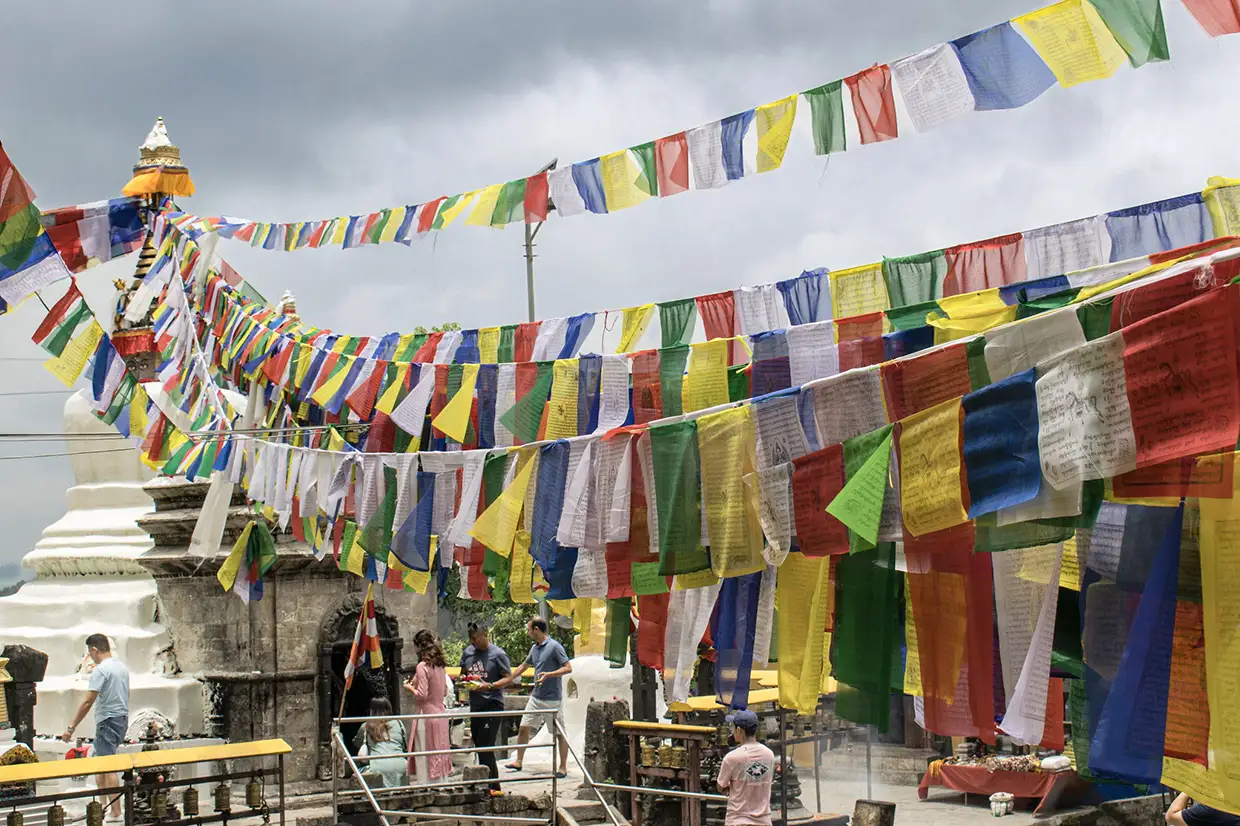
Namo Buddha
Travel time: 2 hours. A sacred Buddhist pilgrimage site above a forested valley. Combine with Dhulikhel for a full-day valley trip. Peaceful and rarely crowded. Good for spiritual travelers and photographers.
Dhulikhel
Travel time: 1.5 hours. A quiet hill town with panoramic Himalayan views and traditional Newar architecture. Good hiking trails and a calm pace. Works well for travelers who want to slow down for a day.
Kathmandu Before or After Trekking
Most Nepal trekking routes begin and end in Kathmandu. Smart travelers use city time well on both ends of the trek. Before trekking: Buy or rent gear at Thamel shops. Meet your guide and porter for a briefing. Process your TIMS card and national park permits, which your tour operator handles. Rest and hydrate well. Visit Boudhanath or Swayambhunath for a calm, grounding experience before the physical challenge ahead. After trekking, Muscles need rest.
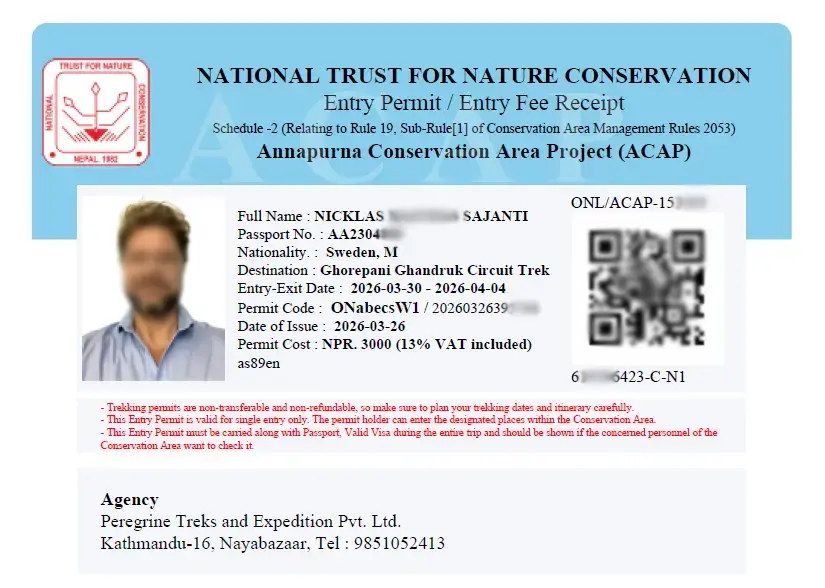
Book a traditional Nepali massage. Treat yourself to good food at a Thamel restaurant. Shop for souvenirs and Thangka paintings. Visit any UNESCO sites you missed before the trek. Kathmandu, before trekking prep and post-trek recovery, both benefit from private Nepal tour benefits, including smooth transport, arranged accommodation, and flexible timing.
Private Nepal tour benefits shine especially during this phase. A well-organized operator handles logistics on both ends. Luxury travel Nepal comparison shows that travelers on private arrangements finish their treks in better condition because they start better prepared.
Safety, Health, and Cultural Etiquette
Personal Safety
Kathmandu is generally safe for tourists. Petty theft occurs in crowded markets and around tourist sites. Keep your bag in front of you in busy areas. Thamel at night stays lively but requires normal urban awareness.
Water and Food Precautions
Never drink tap water. Buy sealed bottled water or use a filtered water bottle. Avoid ice in drinks from street stalls. Cooked food served hot significantly reduces the risk.
Air Quality and Masks
Kathmandu’s air quality drops in the dry season (November to March) due to dust and vehicle emissions. A simple cloth mask or buff reduces discomfort during walks on the street.
Temple Etiquette
- Remove shoes before entering any temple or gompa.
- Dress modestly. Cover shoulders and knees at all religious sites.
- Walk clockwise around stupas and chortens, never counterclockwise.
- Do not touch religious statues or offerings.
- Lower your voice inside temple compounds.
Photography Etiquette
Ask permission before photographing people, especially at rituals and cremations. Some sites charge a camera fee. Never photograph military areas or government buildings.
Scams and Overcharging
Taxi drivers sometimes quote inflated prices for airport routes. Always agree on a price before getting in or using the meter. Thamel touts may offer free monastery tours that end at an overpriced shop. Politely decline and walk away.
Frequently Asked Questions
Q: Is Kathmandu worth visiting?
A: Kathmandu is definitely worth visiting because it houses seven UNESCO World Heritage sites and a vibrant food culture while serving as a gateway to Nepal. Most travelers find that every hour spent exploring the city is highly rewarding. Beyond the historical landmarks, the city offers easy access to the rest of the country, making it an essential and enriching stop for any visitor.
Q: How many days do you need in Kathmandu?
A: You should plan for two to four days to adequately cover the city’s main attractions. If you intend to take side trips across the Kathmandu Valley or need time for pre-trek preparations, it is wise to add extra days to your stay. This timeframe ensures you can experience the major cultural sites comfortably before heading out to other destinations or starting a mountain expedition.
Q: What is the best time to visit Kathmandu?
A: The ideal times to visit are during the spring months of March to May or the autumn period from September to November. These seasons offer the most favorable weather, with the clearest skies and the best mountain views. Visiting during these windows ensures your sightseeing and photography are not hindered by seasonal haze or heavy monsoon rains common at other times.
Q: Is Kathmandu safe for solo travelers?
A: Kathmandu is considered safe for both male and female solo travelers. To ensure a smooth trip, stay alert in crowded areas and always use reputable transportation services. Additionally, sharing your travel itinerary with someone back home is a smart safety precaution. By following these standard travel practices, solo visitors can confidently enjoy the city’s rich culture and welcoming atmosphere.
Q: Where should first-time visitors stay in Kathmandu?
A: Thamel is the best neighborhood for first-time visitors because it is centrally located near main attractions and offers various transport options. The area is highly versatile, catering to all budgets with its wide range of accommodations. Staying here provides easy access to trekking gear shops, diverse restaurants, and vibrant nightlife, making it a convenient and energetic home base for those new to the city.
Q: What are the top places to visit in Kathmandu?
A: The must-see landmarks include the iconic stupas of Boudhanath and Swayambhunath, along with the sacred Pashupatinath temple. You should also visit the three historic Durbar Squares of Patan, Bhaktapur, and Kathmandu, as well as the ancient Changu Narayan temple. These sites represent the pinnacle of the valley’s architectural and religious heritage, offering a deep look into the region’s long and complex history.
Q: Can I visit Bhaktapur and Patan in one trip?
A: Yes, since both cities are located within the Kathmandu Valley, you can visit Patan in the morning and Bhaktapur in the afternoon. However, spending a full day specifically in Bhaktapur is often more rewarding due to its extensive heritage. Combining them is efficient if you are short on time, but a slower pace lets you better appreciate the intricate woodcarvings and the traditional atmosphere.
Q: What should I eat in Kathmandu?
A: You should try local favorites like momo, dal bhat, and Newari specialties such as bara, chatamari, and choila. Don’t miss the famous Juju Dhau yogurt from Bhaktapur. While traditional dishes are a highlight, restaurants in the Thamel area also serve a wide variety of international cuisine alongside these authentic Nepali flavors, ensuring there is something to satisfy every palate during your stay.
Q: Is Kathmandu a good place to stay before trekking in Nepal?
A: Kathmandu is the perfect base for trek preparation, allowing you to buy gear, secure permits, and meet with your guides. It also provides a necessary space for mental preparation before heading into the mountains. Because of these practical advantages, most trekking itineraries include one or two days in the city to finalize all logistics and ensure a successful departure for the trails.
Q: Do I need cash in Kathmandu?
A: Yes, you should carry cash for local markets, entry fees to heritage sites, and smaller dining establishments. Reliable ATMs are available in major areas like Thamel, Lazimpat, and Durbar Marg for your convenience. It is also recommended to bring some USD as a backup in case of emergencies. Having physical currency ensures you can easily navigate daily transactions where credit cards are not accepted.
Conclusion
Kathmandu operates on two levels simultaneously. It stands as a rich destination in its own right, full of UNESCO World Heritage Sites, local food, and a rich cultural life. At the same time, it serves as the most important starting and ending point for all Nepal travel. Use this Kathmandu travel guide to plan your time well, pick the right area to stay, eat local food, and connect with the valley’s extraordinary heritage.
Whether you spend two days or five, Kathmandu leaves a strong impression on every visitor who takes time to look beyond the tourist surface. Smart planning separates a rushed visit from a rewarding one. Compare premium vs budget Nepal tour options carefully before booking. Private Nepal tour benefits include personal guides, flexible timing, and smooth logistics that make every part of the trip easier.
Luxury travel in Nepal comparisons consistently show that well-organized private travel delivers greater depth per day, not just more comfort. Start with the right Kathmandu itinerary, add a day trip to the valley, eat well, and arrive prepared for whatever Nepal adventure comes next.