

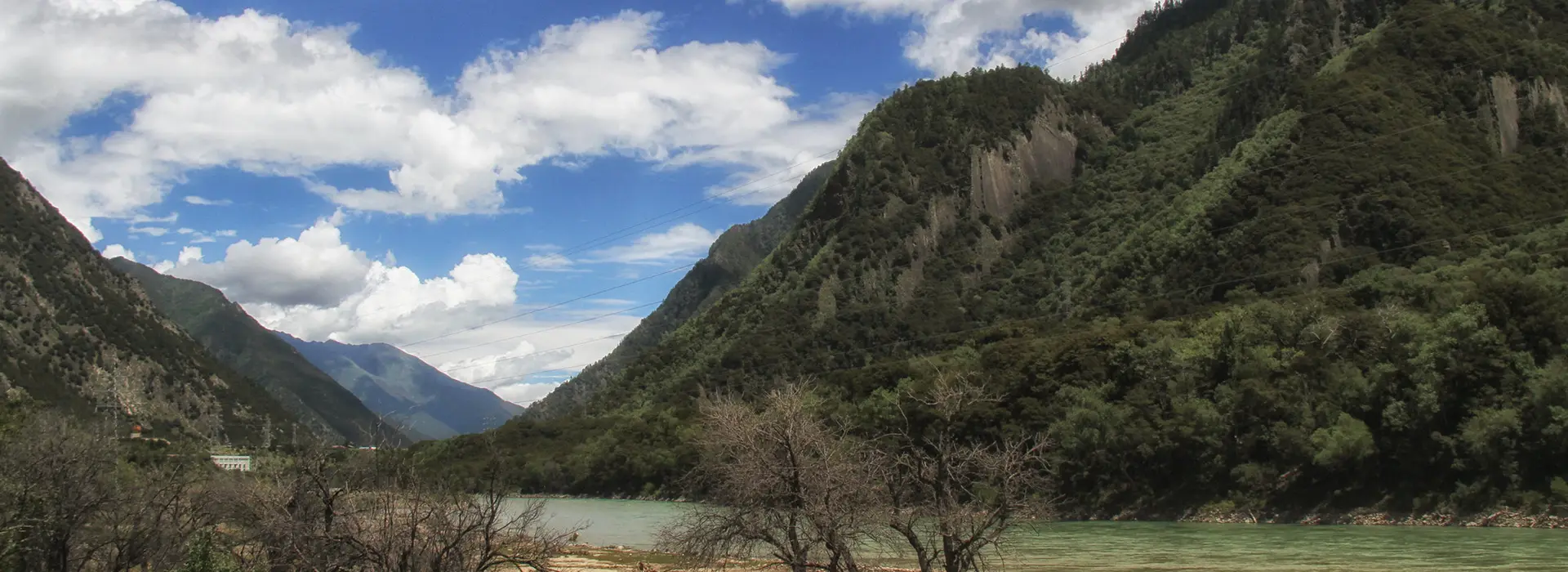

A Tibet Tour with Yamdrok Lake and Gyantse offers a truly spectacular travel experience. Visitors see bright turquoise water and tall snow peaks. The route takes travelers from the busy streets of Lhasa to quiet high-altitude passes. You explore ancient fort towns and colorful local monasteries. The itinerary suits first-time visitors perfectly. Photographers capture stunning natural light along the highway. Culture seekers discover deep historical roots in local villages. Families with older children enjoy the scenic drives.
The high altitude presents a real physical challenge. A constant wind blows through the mountain passes. Long driving days require patience from every passenger. Careful preparation ensures a comfortable vacation. A classic Tibet Tour with Yamdrok Lake and Gyantse delivers unforgettable memories.
Quick Facts: Tibet Tour with Yamdrok Lake and Gyantse
Typical trip length options: Day trips suit rushed schedules. Two to four days offer better pacing.
- Best seasons: Spring and autumn provide clear skies. Summer brings green valleys.
- Main route style: Drive from Lhasa to a high pass viewpoint, descend to Yamdrok Lake, continue to Gyantse, and sleep in Shigatse.
- Comfort tip: Private vehicles give better photo stops and extra legroom.
Route Overview: Lhasa to Yamdrok Lake to Gyantse
The main road corridor connects the capital city to the southern towns. The G318 highway links the major settlements. Vehicles then turn onto the S307 provincial road. The total travel time varies heavily based on photo stops. A standard Tibet Tour with Yamdrok Lake and Gyantse takes a full day of driving. The road climbs steep mountains and drops into deep valleys.
The Kamba La pass viewpoint often becomes the top photo stop. The high elevation provides a massive panoramic view. Photographers stand high above the clouds to capture the water. The lake stretches out below like a blue ribbon. The camera captures the distant snow mountains perfectly. Gyantse fits into the route as a vital cultural break. Tourists often sleep in the heritage town. Many travelers rest here before continuing toward Shigatse. The town preserves the old ways of local life. Modern concrete buildings rarely appear in the old streets.
| Route Segment | Drive Time | Key Stops | Comfort Level |
|---|---|---|---|
| Lhasa to Kamba La Pass | 2.0 to 2.5 hours | Yarlung Tsangpo River, Kamba La Viewpoint | Easy walk, high wind |
| Kamba La to Yamdrok Shore | 30 to 45 minutes | Lakeside viewpoints, Bird Island | Easy walk, flat ground |
| Yamdrok to Karola Glacier | 1.5 to 2.0 hours | Karola ice wall viewing platform | Easy walk, extreme cold |
| Karola to Gyantse | 1.5 to 2.0 hours | Simila Pass, Manla Reservoir | Easy walk, minor stairs |
Yamdrok Lake: What to See and How to Visit
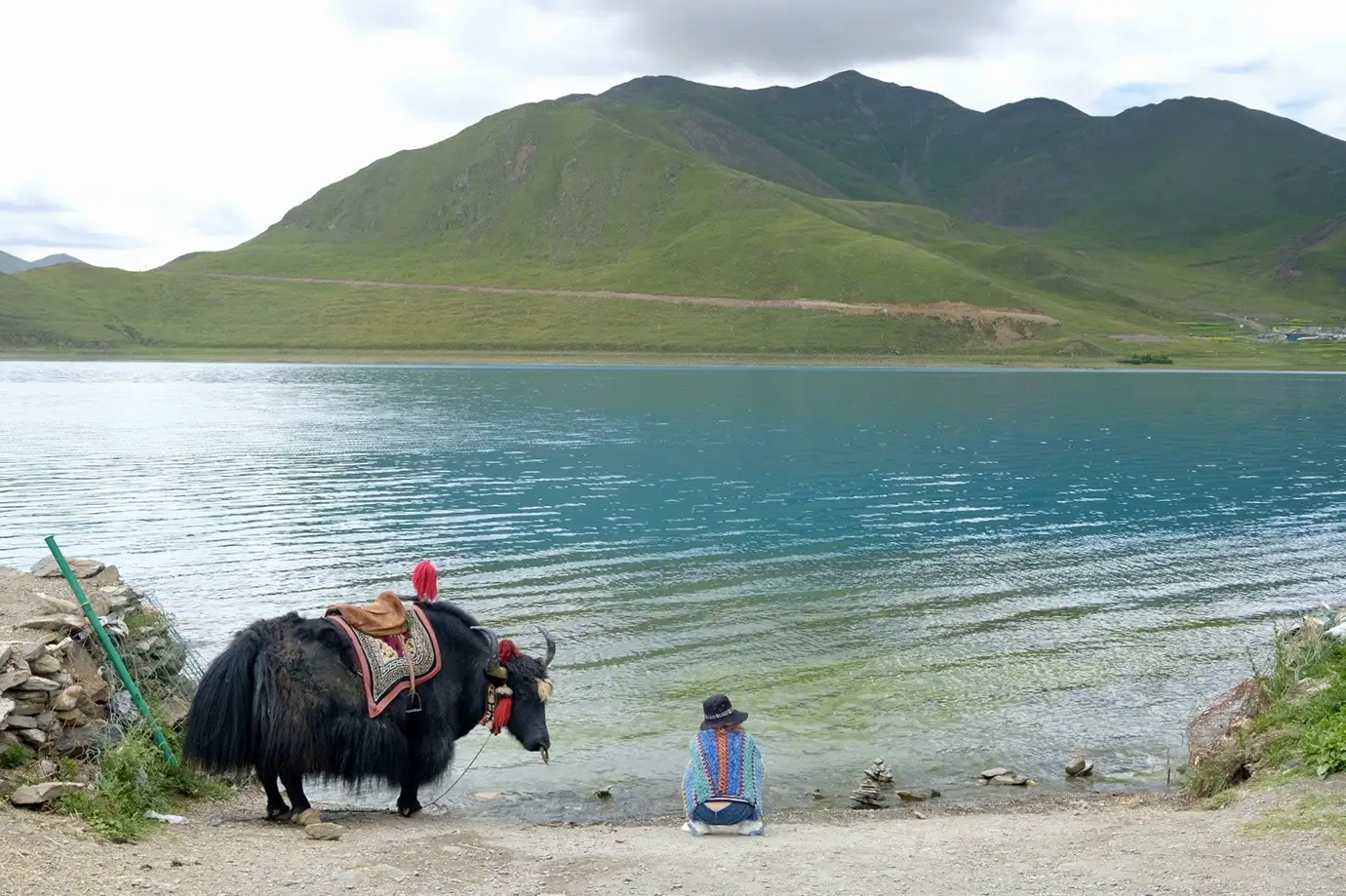
A proper Tibet Tour with Yamdrok Lake and Gyantse highlights the sacred water. The lake changes color throughout the entire day. Morning light creates a deep sapphire blue. Afternoon sunrays turn the surface bright turquoise. Clouds cast dark shadows across the waves. The water always looks crystal clear.
The best viewpoints sit high above the water. Kamba La pass offers the ultimate wide-angle view. The lakeshore provides excellent close-up opportunities. Visitors choose between short walks and long walks. Short walks near the parking lots suit most travelers perfectly. Long walks drain physical energy quickly in the thin air.
The wind blows fiercely across the open water. Temperatures drop much lower than in the city. You need thick jackets even in the summer months. Photographers find the best light during the early morning hours. Fewer crowds block the camera lenses before noon. The morning sun removes harsh shadows from the mountains.
Responsible travel notes demand your attention. Visitors stay on the marked dirt paths. Tourists avoid disturbing local wildlife and pilgrims. Local people consider the lake sacred. A respectful Tibet Tour with Yamdrok Lake and Gyantse protects the natural environment.
Ancient legends surround the dark blue water. Locals compare the outline of the lake to a Chinese character or nine scorpions. One legend tells of Dakini Yeshe Tsogyal. She throws seven units of gold dust into the air. The gold connects nine small lakes into one massive body of water. The magic saves the local animals from dying of thirst.
Another myth describes a beautiful girl. A rich man attacks her near the shore. A fairy defeats the bad man. The girl drowns and transforms into a white bird. Today, thousands of birds inhabit the area.
Bird Island serves as a sanctuary for migratory flocks. Waterfowl rest on the small islands during the cold winter. Visitors watch the birds fly across the water. The clear water supports massive shoals of fish. Tibetan Mastiff dogs sit near the parking lots. Owners dress the massive dogs in red collars. Tourists pay a small fee to take photos with the animals.
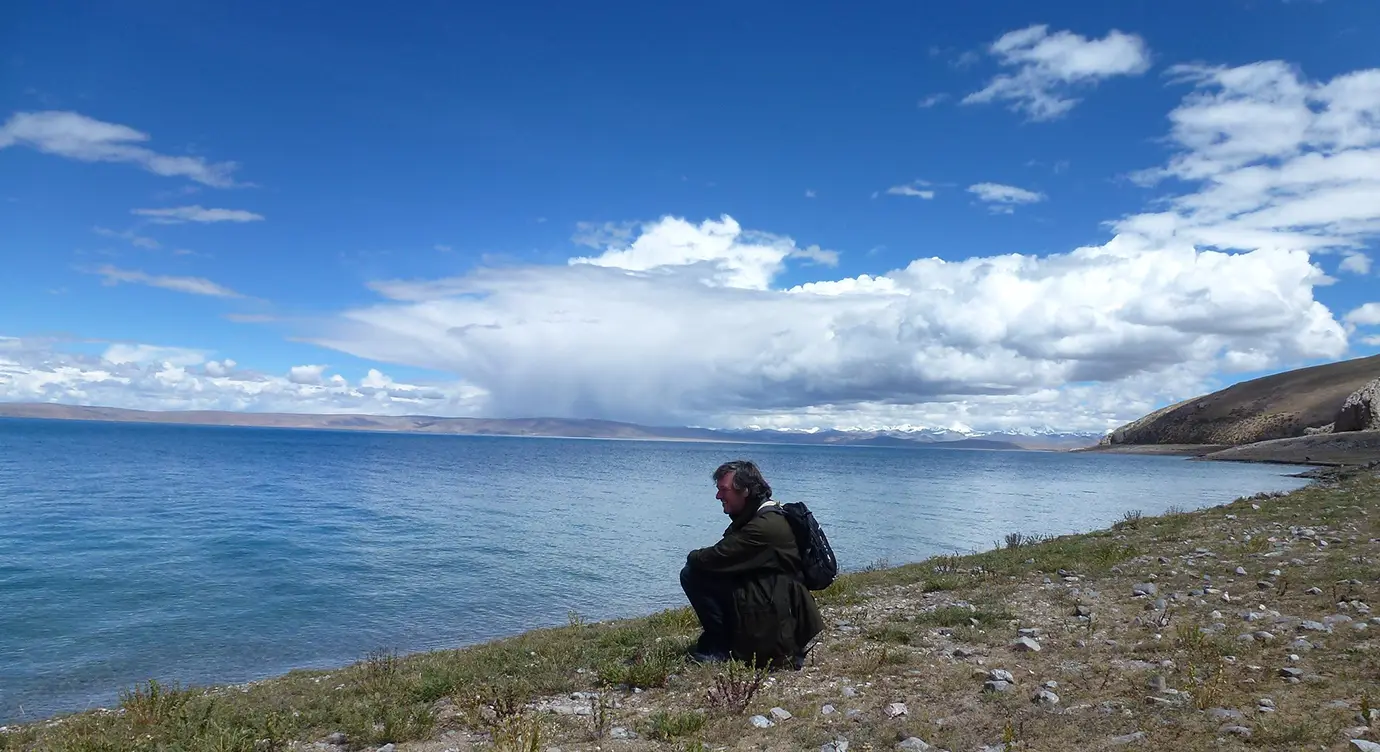
A comprehensive Tibet Tour with Yamdrok Lake and Gyantse reveals hidden cultural gems. Rutog Monastery stands on a small islet in the water. People call it the loneliest temple on earth. A single monk and a dog guard the sacred halls. Samding Monastery sits on a nearby mountain ridge. The temple houses a female spiritual leader. Followers call her the Dorje Phagmo.
Yamdrok Lake Quick Tips:
- Bring a heavy windproof layer.
- Carry bottled water and sunscreen.
- Limit long walks if you feel the effects of altitude.
- Keep your camera batteries warm inside your jacket.
Must-Stop Points Between Lhasa and Gyantse
A thorough Tibet Tour with Yamdrok Lake and Gyantse includes multiple highway stops. The route features high passes and deep river valleys.
High pass viewpoints dominate the first half of the drive. Kamba La Pass reaches an elevation of 4,800 meters. The stop requires twenty minutes. The walking level remains easy. The thin air makes breathing slightly difficult. Simila Pass stands at 4,352 meters. Colorful prayer flags cover the entire mountain peak. Local vendors sell unique stone pendants. The wind constantly blows the flags.
Lakeside stops allow visitors to touch the cold water. The rocky shoreline features ancient mani stones. Carved prayers decorate the flat rocks. The stop takes thirty minutes. The walking stays completely flat. Midday provides the best light for water photos.
Karola Glacier presents a massive wall of blue ice. The glacier hangs directly over the paved highway. The main viewing platform sits at 5,560 meters above sea level. The ice drops from Mount Nojin Kangsang. The mountain peak rises to 7,191 meters. The cold wind bites your skin. The stop requires fifteen minutes. The walking level involves simple wooden platforms.
Villages and riverside viewpoints show local farming life. The road closely follows the Yarlung Tsangpo River. Green barley fields surround traditional stone houses. Drivers pause the vehicle for quick rest breaks. Travelers photograph the rural landscapes. Short monastery stops break up the long drive. A well-planned Tibet Tour with Yamdrok Lake and Gyantse includes these small detours.
Manla Reservoir provides another beautiful stop. The reservoir sits near the Simila Pass. The water looks like translucent jade green. The massive dam controls the water flow. Visitors take photos of the green water against the brown mountains.
Gyantse: What Makes It Special
Gyantse stands out as a pristine heritage town. A Tibet Tour with Yamdrok Lake and Gyantse includes this historic settlement. Gyantse matters historically because it preserves traditional architecture. The local people maintain their ancient customs.
The Pelkor Chode Monastery complex anchors the city. The temple teaches visitors about ancient religious art. Monks from three different sects share the property. Sakyapa, Kadampa, and Gelugpa followers pray together in absolute harmony. The main assembly hall features forty-eight wooden pillars. Silk thangkas hang from the ceiling. An eight-meter bronze Buddha statue sits in the center room.
The Gyantse Kumbum Stupa rises 32 meters. The structure contains nine separate tiers. Visitors explore seventy-seven individual chapels. Artists paint ten thousand Buddha figures on the interior walls. The first tier holds ancient staircases. The higher tiers feature unique tantric mandalas. The top floor houses the Vajradhara Buddha.
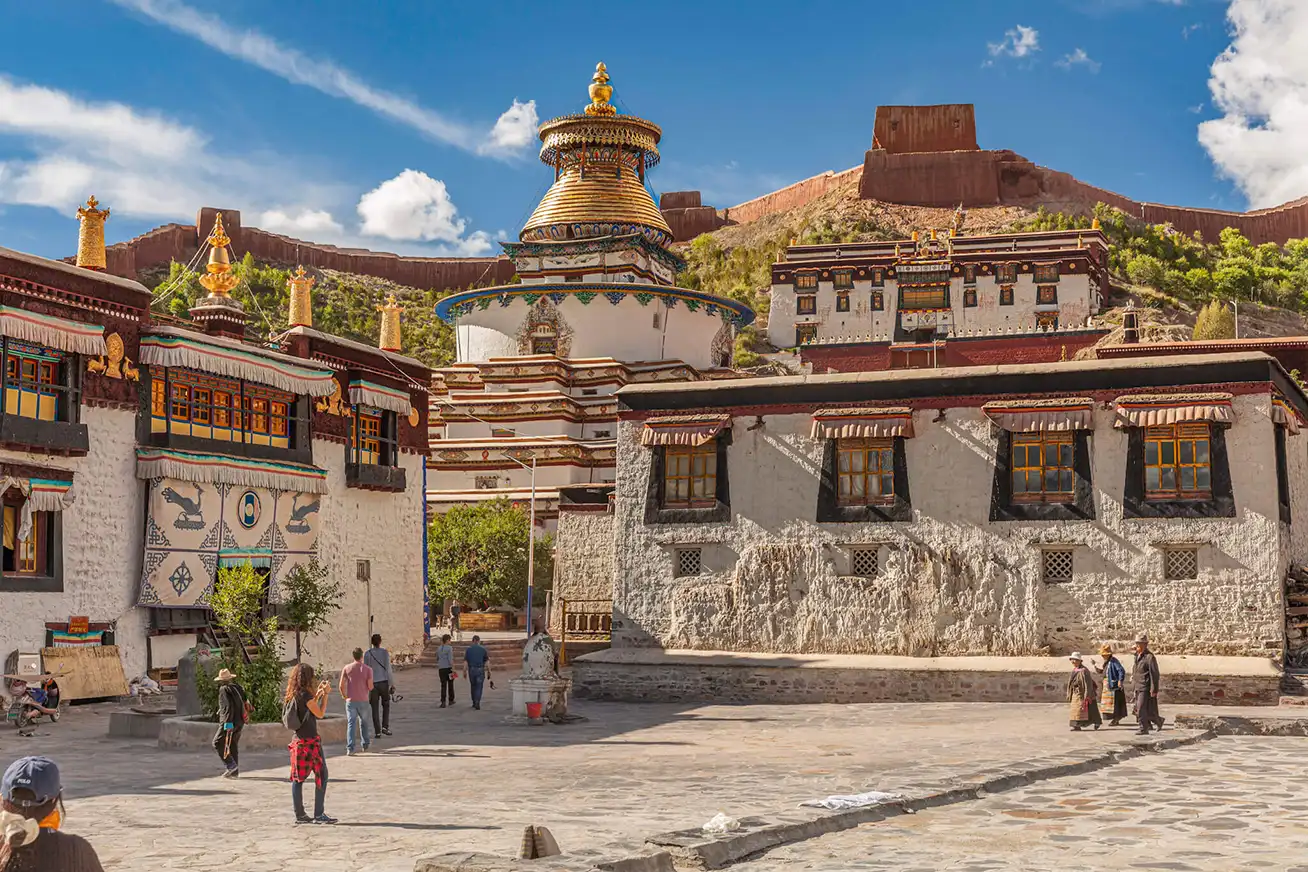
The Gyantse Fortress rises high above the town, dominating the skyline. Builders placed the stone fort on a steep hill for strong defense. In 1904, British troops attacked the city. General Macdonald led the invasion force. Gurkha soldiers climbed the steep rock faces during the assault. British Maxim guns misfired at times during the battle. Tibetan defenders fought bravely despite the enemy’s stronger weapons. Some Tibetan women jumped from the cliffs to avoid capture. Today, the fortress museum honors the courage of the local resistance.
The best short experiences happen in town streets. A local market walk reveals daily life. Craft shopping offers unique travel souvenirs. Weavers create famous local carpets. Artisans use strong highland sheep wool. The wool bears the name Changpel. Weavers apply a unique Senna loop knot to make the rugs. A complete Tibet Tour with Yamdrok Lake and Gyantse includes a visit to the carpet workshops.
The local people celebrate the Damar Festival. The event happens in April or May. Riders race fast horses across the wide plains. Archers shoot arrows at targets. Athletes compete in wrestling matches. The festival honors a beloved ancient prince. Thousands of spectators watch the games. Vendors sell food and clothing in the busy markets.
The Saka Dawa festival holds deep religious significance for the town. The event occurs in the middle of the fourth lunar month. Followers celebrate the Buddha’s birth and enlightenment. Five hundred lamas chant holy sutras inside the monastery. Stair-heavy sites challenge many visitors. Climbing the Kumbum requires healthy knees. The fortress demands strong lungs. Seniors and families often skip the steep climbs. They enjoy the flat market streets instead.
Best Time to Take This Tour
Weather determines the success of a Tibet Tour with Yamdrok Lake and Gyantse. Each season paints the landscape in distinct natural colors.
- Spring features clear mornings and cold nights. The wind blows hard across the mountain passes. April and May offer excellent mountain visibility. Tourists enjoy fewer crowds at the major temples.
- Summer brings warmer temperatures. Rain falls frequently during July and August. The monsoon creates greener landscapes in the river valleys. The lake reflects the fluffy summer clouds. Photographers capture dramatic stormy skies.
- Autumn guarantees stable weather and clear views. September and October attract the most visitors. Golden grass covers the wide plains. The crowds peak during the national holidays. Travelers book hotels far in advance.
- Winter offers a frozen landscape. Very few tourists visit the region. The lake freezes into a solid block of blue ice. The temperatures drop far below freezing. Only strong travelers who tolerate extreme cold choose the winter season.
Best months shortlist:
- Clear skies: May, September, October.
- Comfort: July, August.
- Photography: April, October, November.
Altitude and Comfort Tips
A Tibet Tour with Yamdrok Lake and Gyantse climbs to extreme elevations. First-timer-friendly advice prevents serious illness. Lhasa acclimatization matters deeply before starting the drive. Lhasa sits at 3,650 meters. The mountain passes reach up to 5,560 meters. The viewpoints feel much higher than the city streets.
Acute Mountain Sickness affects many travelers. The body lacks oxygen in the thin air. Symptoms include headaches, nausea, and sleeplessness. Proper pacing saves the entire trip. Take very short walks at the rest stops. Move your arms and legs slowly. Avoid jumping or running near the lake. Warm layers protect the body. Cold wind drains physical energy. A simple head cold makes altitude sickness much worse. Drink plenty of warm water throughout the day. Hydration helps the blood carry oxygen. Eat light meals before driving.
The best plan involves a slow start. Spend two or three nights in Lhasa first. Explore the local temples. Rest in your hotel room. Let your lungs adjust to the environment. After three days, a Tibet Tour with Yamdrok Lake and Gyantse feels comfortable.
Suggested Itineraries
A Tibet Tour with Yamdrok Lake and Gyantse offers flexible scheduling. Travel agencies provide three main options.
- Option A creates a day trip from Lhasa. Travelers short on time choose the long-day route. The vehicle leaves early in the morning. The driver makes fewer stops. The tour reaches the lake and returns to the capital. The late return exhausts most passengers.
- Option B delivers a two-day tour. The two days provide the best balance. Day one covers the drive from Lhasa to the Yamdrok viewpoints. The car continues to Gyantse. Day two explores Gyantse Monastery and Fortress. The vehicle returns to Lhasa or moves forward to Shigatse.
- Option C builds a three or four-day classic corridor. The extra days suit first-timers perfectly. The route adds Shigatse as a natural extension. The itinerary adds more rest time. Visitors experience a deeper culture.
For each itinerary, consider the physical demands. Option A involves a high drive time level. The walking level stays low. The fast pace suits budget backpackers. Option B offers a medium drive time level. The walking level increases at the monastery. The overnight stay happens in Gyantse. The pace suits families and comfort seekers. Option C has a low daily drive time. The walking level reaches high marks. Overnight stays are in Gyantse and Shigatse. The pace suits seniors and photography lovers. A tailored
Tibet Tour, including Yamdrok Lake and Gyantse, is tailored to your personal needs.
| Itinerary Option | Drive Time | Walking Level | Best For | Overnight Suggestion |
|---|---|---|---|---|
| Option A: Day Trip | High | Low | Short time, backpackers | Return to Lhasa |
| Option B: 2-Day Tour | Medium | Medium | Photographers, families | Sleep in Gyantse |
| Option C: 3-4 Days | Low | High | First-timers, seniors | Sleep in Gyantse & Shigatse |
Extend the Trip: Shigatse and Beyond
Many travelers continue the Tibet Tour westward, including Yamdrok Lake and Gyantse. Most groups continue to Shigatse after finishing the Gyantse sightseeing. Shigatse functions as the second-largest city on the plateau. The city features modern hospitals and luxury hotels.
The Tashilhunpo Monastery anchors the city center. The first Dalai Lama founded the temple in 1447. The complex covers 150,000 square meters. The halls house the Panchen Lama lineage. An enormous twenty-six-meter Maitreya Buddha statue dominates the main building. Visitors walk the long pilgrimage circuit around the walls.
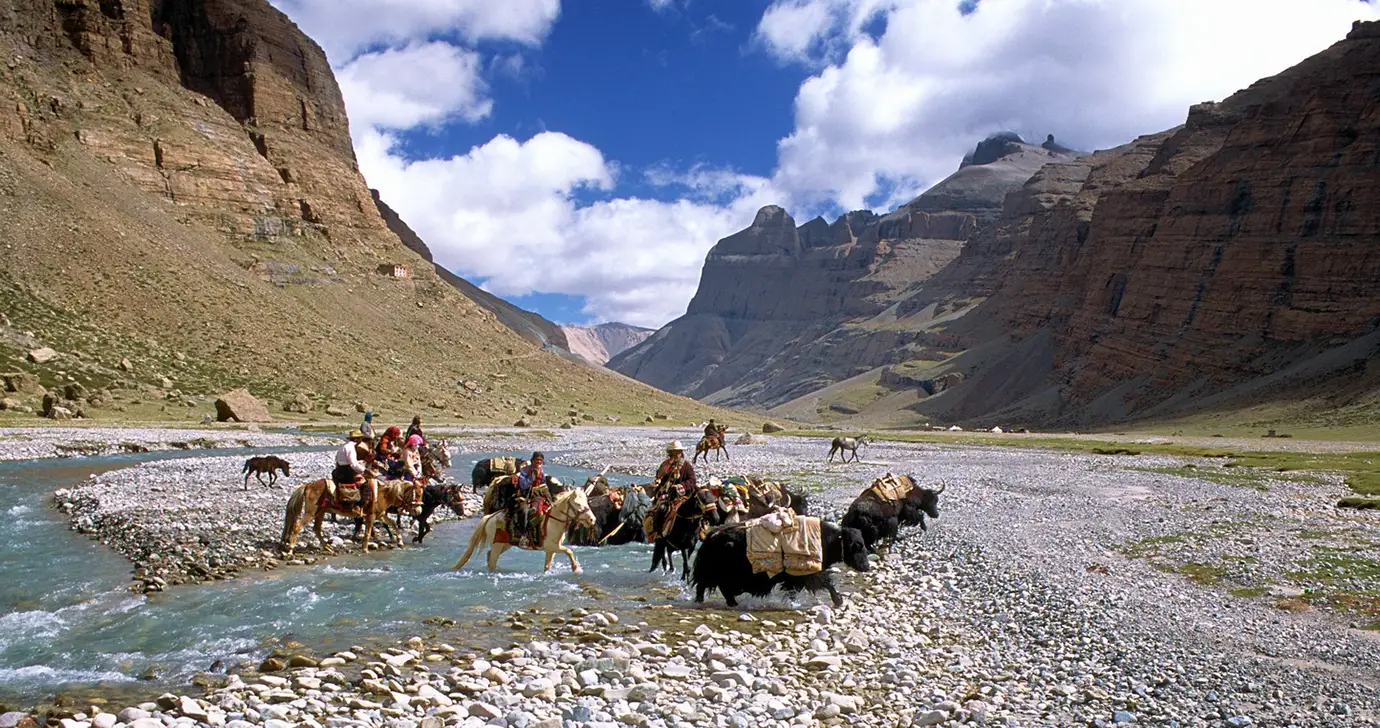
The central corridor connects smoothly to other famous routes. Driving further west reaches the Everest region. The road crosses the Gawu La pass. Visitors see the north face of Mount Everest from the Rongbuk Monastery. Another route continues toward western Tibet. Pilgrims drive for days to reach Mount Kailash. A Tibet Tour with Yamdrok Lake and Gyantse acts as the perfect starting point for the Tibet Adventure Tour.
Practical Travel Details
Practical knowledge improves every Tibet Tour with Yamdrok Lake and Gyantse. The transport type changes the daily routine. Private vehicles offer maximum freedom. Families stop for photos whenever they want. Group buses follow strict daily schedules. Group tours save money but limit personal choices.
Rest stops reveal the reality of local plumbing. Highway toilets consist of simple concrete holes. Running water rarely flows in remote areas. Bring wet wipes and hand sanitizer everywhere.
Food options on the road focus on local staples. Roadside kitchens serve steaming noodle soup. Cooks fry rice with yak meat. Purchase snacks before leaving Lhasa. Buy apples, crackers, and bottled water for the car ride. Try local specialties in the city. Eat tsampa, momo dumplings, and dried dzomo cheese. Drink traditional sweet tea in the local teahouses.
Cash needs remain high in smaller towns. Large cities process mobile phone payments easily. Small rural vendors only accept physical Chinese Yuan. Carry small bills to buy souvenirs at the mountain passes.
Connectivity drops completely near the glaciers. Phone signals vanish in the deep river valleys. Charge all electronic devices overnight. Freezing air drains batteries rapidly. Keep power banks inside warm jacket pockets. A well-prepared Tibet Tour with Yamdrok Lake and Gyantse avoids technical failures.
Permits and Travel Rules
The local government requires special paperwork. A Tibet Tour with Yamdrok Lake and Gyantse operates under strict travel rules. Permits apply in the region to monitor tourist numbers. The Tibet Travel Permit allows foreigners to board flights and trains. The Aliens Travel Permit allows entry into Gyantse and Shigatse.
Most international travelers need a licensed guide. Independent backpacking violates the local laws. The guide accompanies the group to all historical sites. The travel agency arranges the official vehicle and driver.
Travelers submit clear passport copies to the agency. The Chinese tourist visa also requires scanning. Planning timelines requires total flexibility. The permit process takes several weeks. Submit your documents one month early. The agency sends a digital copy to your phone. The guide holds the original paper document during the trip. Police officers check documents at multiple highway checkpoints. A legal Tibet Tour with Yamdrok Lake and Gyantse follows all government regulations.
Packing List for Yamdrok Lake and Gyantse
A Tibet Tour with Yamdrok Lake and Gyantse requires specific clothing. Route-specific gear ensures personal travel safety.
- Windproof jacket: Blocks the freezing wind at the high passes.
- Warm mid-layer: Fleece sweaters hold body heat close to the skin.
- Sunglasses and sunscreen: The high altitude sun burns unprotected skin in minutes.
- Lip balm and moisturizer: The dry mountain air cracks sensitive lips.
- Comfortable walking shoes: Uneven cobblestones and steep temple stairs demand good traction.
- Snacks and a water bottle: Constant hydration helps prevent severe headaches.
- Wet wipes and sanitizer: The primitive highway toilets lack water.
- Power bank and camera protection: Cold air kills batteries fast.
Costs and Budget Tips
A Tibet Tour with Yamdrok Lake and Gyantse suits a range of budgets. Several factors drive the total trip cost. A private vehicle significantly increases the price. The long driving distance consumes a lot of fuel. The hotel level alters the final bill. Five-star hotels in the cities cost much more than basic guesthouses. The travel season changes everything. Summer months charge premium rates.
Group tour savings attract many visitors. Joining a small group of ten people divides the transport costs. Private comfort appeals to families who need flexible schedules.
Budget tips help lower the expenses. Travel during the shoulder seasons of April or November. Book standard three-star hotels. Join small-group departures to share the guide’s fees. Eat at local noodle houses instead of fancy tourist restaurants. Buy snacks at local supermarkets in Lhasa instead of high-priced mountain stalls. A smart Tibet Tour with Yamdrok Lake and Gyantse protects your bank account.
Common Mistakes to Avoid
Tourists ruin their Tibet Tour with Yamdrok Lake and Gyantse due to poor planning.
- Doing the tour on day one in Lhasa guarantees illness. Zero acclimatization causes severe sickness. Always wait three full days before driving up the high passes.
- Packing too many stops into one day causes extreme exhaustion. Rushing to the lake, the glacier, and the fort before sunset creates stress. The beautiful drive feels like a chaotic race.
- Underestimating the wind and cold at the viewpoints causes problems. Tourists leave the warm car wearing thin shirts. The freezing wind strikes them instantly. Always wear a thick jacket before opening the car door.
- Missing buffer time for weather delays ruins flights. Snowstorms trap vehicles on the mountain roads. Police checkpoints take longer during national holidays. Leave empty hours in your schedule. A successful Tibet Tour with Yamdrok Lake and Gyantse requires patience.
FAQs
Q: What is included in a Tibet Tour with Yamdrok Lake and Gyantse?
A: The package includes a licensed tour guide and a professional driver. The agency provides the official vehicle. The price covers all necessary travel permits. Most tours include hotel rooms, daily breakfast, and entrance tickets.
Q: How many days do I need to spend at Yamdrok Lake and Gyantse from Lhasa?
A: You need two full days to enjoy the route. The two-day plan provides a comfortable overnight stay. A three-day plan includes Shigatse.
Q: What is the best time for a Tibet Tour with Yamdrok Lake and Gyantse?
A: Spring and autumn provide the best weather. April, May, September, and October offer clear skies. The water looks incredibly blue during these months.
Q: Is Yamdrok Lake easy to visit for first-time visitors?
A: The lake welcomes new visitors easily. The paved highway leads directly to the viewing platforms. You step out of the car and see the water. The flat shoreline requires zero hiking.
Q: Can I do Yamdrok Lake and Gyantse in one day?
A: A one-day trip only reaches the lake. Driving all the way to the fort town and back takes too many hours. The long distance makes a single day exhausting.
Q: Do I need permits for this Tibet route?
A: The government requires the Tibet Travel Permit for all foreign visitors. Driving past the lake requires the Alien Travel Permit. The local agency handles all the paperwork.
Q: Is this route suitable for seniors or families?
A: The route is ideal for seniors and families. The modern highway provides a smooth ride. Visitors control their own walking speed. Families skip the steep stairs and enjoy the flat markets instead.