
Included Meals
- Breakfast: 5
- Lunch: 1
- Dinner: 0

Unbeatable Holiday Offers – Save Up to 20% on Your Next Adventure!
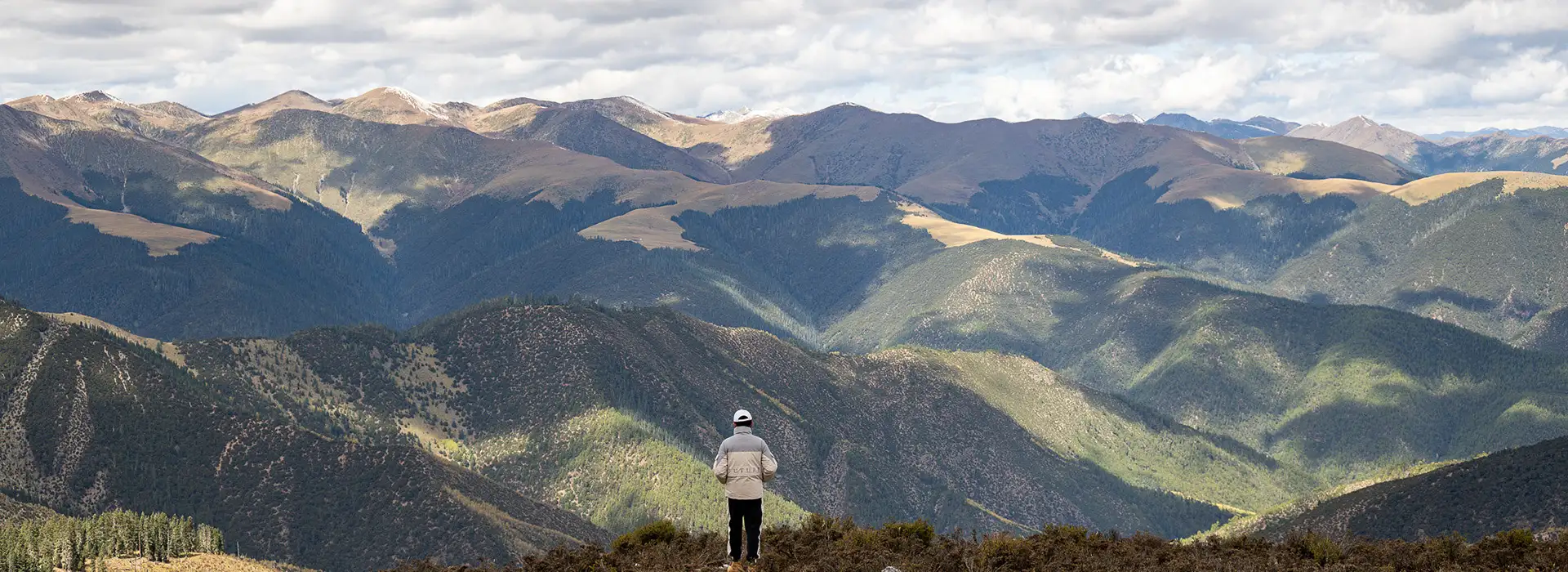
The Kathmandu to Lhasa Tour covers one of the most scenic overland routes in Asia. Starting in Kathmandu, Nepal, the trip crosses into Tibet at the Gyirong border, visits Everest Base Camp on the north side, and ends with full sightseeing in Lhasa. The entire route takes eight days by road. No trekking or technical climbing is required. Travelers ride in a comfortable vehicle through the Himalayas, rising gradually from roughly 1,400 meters in Kathmandu to over 5,200 meters at Everest Base Camp before descending to Lhasa at 3,650 meters. The itinerary is structured to pace the altitude gain sensibly.
The route passes through Gyirong Valley, the Tingri plains, Shigatse, Gyantse, and the turquoise waters of Yamdrok Lake before reaching the historic capital of Tibet. At each major stop, the guide takes you inside monasteries, viewpoints, and cultural landmarks that define this region. This Kathmandu to Lhasa Overland Tour suits first-time Tibet visitors, photographers, and travelers who want to see Nepal and Tibet on a single continuous route without flying.
Several tour operators offer routes into Tibet, but the Kathmandu to Lhasa Tour has specific advantages that set it apart.
This Trip Suits
This Trip May Not Suit

Included Meals

Transport
Private / small-group vehicle (5 to 29 seat, comfortable)

Accommodation
Guesthouses near border, 3-star hotels in Shigatse and Lhasa

Trip Grade
The trip starts with an early morning departure from Kathmandu. The drive heads north through the Langtang valley corridor, passing rice terraces, suspension bridges, and dense forest sections. The road surface changes as you approach the Nepal-Tibet border. Sections near Rasuwa Gadi pass through Langtang National Park, and some stretches can be rough, especially after the monsoon.
Arrive at Rasuwa Gadi in the late afternoon. Complete the Nepal-side exit formalities and spend the night on the Nepal or China side, depending on border crossing timing.
Practical Tip: Carry sufficient Nepali rupees and some US dollars for the first two days. ATMs are not available at the border or in Gyirong.

Time & Distance Approx. 7 to 8 hours
Accommodation:
Guesthouse or basic lodge near Rasuwa Gadi / Timure

Maximum Altitude 1,870m/6,135ft (Kathmandu: 1,400 m → Rasuwa Gadi: 1,870 m)
Difficulty
After breakfast, complete the China-side entry at Gyirong Port. Your Tibetan guide meets the group at the port. Passport checks, permit verification, and luggage scanning all take place here. The process usually takes one to three hours, depending on queue volume.
After clearance, the vehicle drives to Gyirong Town through one of the most beautiful valley descents in the Himalayas. The Gyirong Valley sits between steep forested cliffs with waterfalls on both sides. The road quality improves sharply once you are on the Tibetan side.
Spend the afternoon and evening resting in Gyirong. This overnight is a key part of the itinerary. The town sits at about 2,700 to 2,800 meters, which gives your body a gentler first night on the Tibetan side before the dramatic altitude jump the following day.
Practical Tip: Drink plenty of water and avoid alcohol on your first night in Tibet. Gyirong has a few small restaurants serving both Chinese and Tibetan food.
Time & Distance Approx. 1 to 2 hours after border clearance
Accommodation:
Guesthouse in Gyirong Town
Meals Lunch
Maximum Altitude 2,800m/9,186ft (Rasuwa Gadi: 1,870 m → Gyirong Town: 2,700 to 2,800 m)
Difficulty
Day 3 is the most intense day of the Kathmandu to Lhasa Tour in terms of altitude gain. The drive climbs rapidly from Gyirong through open grasslands, crossing Gawula Pass at 5,120 meters, where panoramic views of Everest appear on clear days.
After the pass, the vehicle descends to Rongbuk and reaches Everest Base Camp on the north side at about 5,200 meters. This stop lasts about 1 to 2 hours. Travelers walk around the base area, photograph the Rongbuk Glacier, and take in the full north face of Everest. No trekking permit or special climbing equipment is needed for this visit.
After EBC, the vehicle drives back toward the main Friendship Highway and heads east to Tingri at 4,300 meters. Overnight in Tingri is an intentional safety choice. Sleeping at EBC altitude for a full night significantly increases the risk of altitude sickness for travelers who have been in Tibet for only 2 days.
Practical Tip: Move slowly at EBC. Avoid running or sudden exertion. Some travelers experience headaches or mild breathlessness. If symptoms feel serious, inform your guide immediately.
Time & Distance Approx. 6 to 7 hours total including EBC stop
Accommodation:
Guesthouse in Tingri
Meals Breakfast
Maximum Altitude 5,200m/17,060ft (Gyirong: 2,800 m → Gawula Pass: 5,120 m → EBC: 5,200 m → Tingri: 4,300 m)
Difficulty
The drive from Tingri to Shigatse follows the Friendship Highway across the wide-open Tibetan plateau. The landscape is vast and flat, with the Himalayas visible to the south on clear days. Along the way, the road passes Pelku Tso, a turquoise lake with Shishapangma in the background, one of the most photographed scenes on this route.
Shigatse is Tibet’s second-largest city and home to Tashilhunpo Monastery, the traditional seat of the Panchen Lama. The afternoon visit to the monastery covers massive golden statues, the gilded tombs of past Panchen Lamas, and a working community of monks. Accommodation improves significantly from here. Shigatse hotels are well-built, warm, and equipped with hot showers.
Practical Tip: Bring Chinese yuan (RMB) from now on. Most shops and restaurants in Shigatse and Lhasa only accept RMB.
Time & Distance Approx. 5 to 6 hours
Accommodation:
3-star hotel in Shigatse
Meals Breakfast
Maximum Altitude 4,300m/14,108ft (shigatse)
Difficulty
This is one of the most scenic drives on the entire Kathmandu-Lhasa road trip. The morning stop at Gyantse includes the Kumbum Stupa, a multi-chapelled tower with hundreds of detailed Buddhist paintings, and Pelkhor Chode Monastery, which dates back to the 15th century.
After Gyantse, the road climbs to the Karo La pass, where Karola Glacier extends almost down to road level. Travelers often stop here to photograph the glacier. Following the descent, the highway reaches the Yamdrok Lake viewpoint, a stunning panorama of turquoise water encircled by snow-capped peaks. The lake holds deep religious importance in Tibetan culture.
After Yamdrok Lake, the drive continues through Nangartse and over Kamba La pass before dropping into the Lhasa valley. Arrive in Lhasa by early evening and check into your hotel.
Practical Tip: The Yamdrok viewpoint gets cold and windy. Keep a jacket accessible rather than packed in your main bag.
Time & Distance Approx. 5 to 6 hours
Accommodation:
3-star hotel in Lhasa
Meals Breakfast
Maximum Altitude 4,488m/14,724ft (Shigatse: 3,840 m → Gyantse: 3,977 m → Yamdrok Lake: 4,488 m → Lhasa: 3,650 m)
Difficulty
Day 6 covers two of the three great Gelug monasteries of Tibet. Drepung Monastery, west of central Lhasa, once housed over 7,700 monks and was considered the world’s largest monastery. The visit covers the main assembly hall, the Ganden Palace, where the Dalai Lama lived, and the monastery’s extensive courtyard network.
In the late afternoon, the visit to Sera Monastery includes the famous monk debate. Monks gather in the courtyard each weekday at around 3 PM to engage in spirited philosophical debate. Visitors watch the session from the courtyard. The energy and sound of the debate are among the most memorable moments of the Lhasa stay.
Practical Tip: Photography inside monastic halls is often restricted or requires a small fee. Ask your guide before raising your camera inside any prayer hall.
Accommodation:
3-star hotel in Lhasa
Meals Breakfast
Maximum Altitude 3,650m/11,975ft (Lhasa: 3,650 m)
Difficulty
Day 7 covers the heart of historic Lhasa. The Potala Palace, once the winter palace of the Dalai Lama, dominates the city from its hilltop position. The visit covers the White and Red Palace sections, the gilded tombs of past Dalai Lamas, and the thousand-room interior with centuries of Buddhist art.
After the Potala, the guide leads the group to Jokhang Temple in the old city. Jokhang holds the most sacred image in Tibetan Buddhism, the Jowo Rinpoche statue of the Buddha. Pilgrims from across Tibet walk the Barkhor circuit around the temple, spinning prayer wheels and burning juniper incense.
The afternoon includes free time at Barkhor Bazaar for shopping. The market sells traditional Tibetan crafts, including thangkas, jewelry, and prayer flags, along with local produce.
Practical Tip: Book Potala Palace tickets in advance through your operator. Entry numbers are limited, and tickets sell out quickly, especially in peak season.
Accommodation:
3-star hotel in Lhasa
Meals Breakfast
Maximum Altitude 3,650m/11,975ft (Lhasa: 3,650 m)
Difficulty
After breakfast at the hotel, the guide will transfer you to Lhasa Gonggar Airport or Lhasa Railway Station, depending on your onward travel plans. Flights and trains depart to major Chinese cities, including Chengdu, Chongqing, Xining, Beijing, and Shanghai. The Lhasa-Kathmandu route by air is currently unavailable, so most travelers fly to a Chinese hub city.
Practical Tip: Lhasa Gonggar Airport is roughly 60 kilometers from central Lhasa, about a one-hour drive. Allow at least two to three hours before your flight departure.
Maximum Altitude 3,650m/11,975ft (Lhasa: 3,650 m)
Difficulty
Transportation Included shuttle to airport or station
Accommodation quality changes at each stop along this route. Set your expectations correctly, and you will find each place perfectly adequate for what it offers.
Rasuwa Gadi / Timure (Night 1)
The Nepal border area has basic lodges and small guesthouses. Rooms are clean and functional. Hot water availability varies. Do not expect hotel-standard comfort here. The focus on Night 1 is rest before the border crossing, not luxury.
Gyirong Town (Night 2)
Gyirong Town has several guesthouses and small hotels. Rooms are simple but adequate. Bathrooms have basic facilities. The town has a few small restaurants. The accommodation here is similar to a budget mountain guesthouse. Given the town’s remote location, this is good value.
Tingri / Everest Region (Night 3)
Tingri sits on the open plateau and has basic guesthouses. Rooms are small, heating may be limited in winter and spring, and bathrooms are shared in some properties. Bring a warm sleeping bag liner if you travel between October and April. The trade-off for basic comfort is the open-sky setting and unobstructed Himalayan views at night.
Shigatse (Night 4)
Shigatse marks the first real city on the route after Kathmandu. Hotels here are 3-star standard with private en-suite bathrooms, reliable hot water, and restaurant dining. The step up in comfort from Tingri is significant, and most travelers feel noticeably more comfortable from this point onward.
Lhasa (Nights 5, 6, 7)
Lhasa offers the best accommodation on the route. The package includes 3-star hotels with private bathrooms, heating, and either buffet or set-menu breakfast. Several hotels sit within walking distance of the Potala Palace or the old city. The room quality, service, and food are all of a good standard. Some hotels offer upgraded rooms with Potala views at an additional cost.
What You Need to Know about the Kathmandu to Lhasa Tour
Every traveler entering Tibet via Nepal must obtain a China Group Visa. This visa type differs from a standard individual Chinese visa. A separate Chinese Embassy in Kathmandu processes it as part of a group application.
Key Points About the China Group Visa
Tibet Permits
In addition to the China Group Visa, traveling requires specific Tibet travel permits. The operator processes these permits on your behalf:
Travelers do not carry individual permits. The Tibetan guide holds the group permit and presents it at checkpoints along the route.
The Gyirong border crossing is the only land entry point from Nepal into Tibet currently open to foreign tourists. Understanding the process reduces anxiety and helps you prepare.
Nepal Side: Kathmandu to Rasuwa Gadi
The drive from Kathmandu to Rasuwa Gadi takes approximately 7 to 8 hours by road. The route follows the Trishuli River valley north before reaching the Langtang National Park zone. Road quality varies. Some sections near Syabrubesi and closer to the border can be rough, narrow, or muddy after rain.
At Rasuwa Gadi, travelers complete Nepal exit immigration. Stamp your passport here before walking to the Chinese side. The Nepal officer checks your passport, verifies your visa status, and records your departure. Keep your Nepal entry stamp visible in your passport.
China Side: Gyirong Port of Entry
The Chinese port sits a short walk across the Bhote Kosi River bridge. At Gyirong Port, officers check:
The process moves in sequence. Your Tibetan guide waits on the other side of the immigration hall and meets the group after all members clear the gate. Port processing typically takes one to three hours for a small group.
After Clearing the Border
Once all members clear the port, the Tibetan vehicle and guide receive the group. Luggage is loaded into the vehicle, and the drive to Gyirong Town begins. The road from the port to town winds through Gyirong Valley, a narrow gorge with river rapids and lush green hillsides. The contrast with Nepal’s drier lower valleys is striking.
Important: Do not carry any religious or political material into Tibet that Chinese authorities could consider sensitive. This includes certain publications, images, and media.
Altitude is the main challenge of this tour. No technical climbing, trekking, or special fitness level is required. The route is graded Easy to Moderate. The itinerary carefully manages altitude gain, but altitude sickness remains a real risk that every traveler should understand.
Altitude at Each Stop
| Location | Altitude | Night Spent |
|---|---|---|
| Kathmandu | 1,400 m | Pre-tour |
| Rasuwa Gadi (Nepal border) | 1,870 m | Night 1 |
| Gyirong Town | 2,700 to 2,800 m | Night 2 |
| Gawula Pass (en route) | 5,120 m | No overnight |
| Everest Base Camp (visit only) | 5,200 m | No overnight |
| Tingri | 4,300 m | Night 3 |
| Shigatse | 3,840 m | Night 4 |
| Lhasa | 3,650 m | Nights 5, 6, 7 |
Why This Route Manages Altitude Sensibly
The itinerary avoids the most common mistake of overland Tibet tours: sleeping at extreme altitudes too soon. By staying in Gyirong on Night 2, the body has a full night at an altitude below 3,000 meters. Tingri on Night 3 keeps the first high-altitude sleep below 4,500 meters. By the time travelers reach Lhasa, the body has had four nights of gradual adjustment.
EBC is visited only during the day, for one to two hours. The vehicle stays nearby for anyone who needs to rest inside. Travelers with mild symptoms are encouraged to limit walking and rest in the vehicle.
Signs of Altitude Sickness to Watch For
If two or more of these symptoms appear together and worsen, inform your guide immediately. Descent to a lower altitude resolves most cases of altitude sickness quickly.
Who Should Consult a Doctor Before Booking
Check with your doctor before booking this tour if you have a history of:
Many travelers over 60 complete this tour without issues. A medical check-up before departure is advisable for all ages.
Road quality on the Kathmandu to Lhasa road trip varies sharply between the Nepal and Tibet sides. Understanding both sections helps you pack and prepare mentally.
Nepal Side: Kathmandu to Rasuwa Gadi
Tibet Side: Gyirong to Lhasa
Vehicle
The tour uses comfortable 5- to 29-seat vehicles, depending on group size. The vehicle type depends on group size. Seats are spacious, and luggage is secured. The same vehicle and driver cover the Tibet portion from Gyirong to Lhasa.
The package includes specific meals as listed below. Meals not on this list are your own responsibility.
Included Meals
| Day | Included Meals | Notes |
|---|---|---|
| Day 1 | None | Arrange your own meals in Kathmandu and at border |
| Day 2 | Breakfast | At border area guesthouse before crossing |
| Day 3 | Breakfast | In Gyirong before drive to EBC |
| Day 4 | Breakfast | In Tingri before drive to Shigatse |
| Day 5 | Breakfast | In Shigatse before drive to Lhasa |
| Day 6 | Breakfast | At Lhasa hotel |
| Day 7 | Breakfast + Welcome Dinner | Hotel breakfast + traditional Tibetan dinner |
| Day 8 | None | Arrange your own meals before departure |
What Food to Expect
In border areas and Tingri, food is simple Tibetan and Chinese fare: noodle soups, tsampa (roasted barley), rice with vegetables or meat, and momos (Tibetan dumplings). Menus are limited. Do not expect a wide variety.
In Shigatse and Lhasa, restaurants offer good Tibetan, Chinese, and Nepali dishes, as well as some Western options. Lhasa has several cafes popular with travelers.
Travelers who require vegetarian or special-diet meals should inform the operator at the time of booking. The guide passes this information to each accommodation in advance, but options in remote areas remain limited.
The Kathmandu to Lhasa Tour runs year-round, but certain seasons offer clearer skies, safer roads, and a better overall experience.
Spring: April to Early June (Best Season)
Spring brings mild temperatures, clear skies, and excellent visibility across the Himalayas. Wildflowers color the Gyirong Valley. EBC views are especially clear in April and May. The Nepal side road is dry, and the roads are in good condition after winter. Spring is the most popular season for this tour.
Summer: Late June to August (Possible but Riskier)
Tibet’s plateau sees less monsoon rain than Nepal, but the Nepal-side road from Kathmandu to Rasuwa Gadi faces landslide risk during the monsoon months. Fog and clouds can reduce the views of Everest. The tour operates in summer, but travelers should expect some road delays and reduced visibility. Lhasa itself stays relatively dry even in summer.
Autumn: September to October (Best Season)
Autumn matches spring for clear skies and good road conditions. Temperatures drop in October, especially at altitude, but daytime remains comfortable. The Himalayas look sharp and clean after the monsoon. Autumn is ideal for photographers. Book early, as October is peak season.
Winter: November to March (Off-Peak, Possible)
Winter offers fewer crowds and lower prices. The Tibetan Plateau experiences cold temperatures, particularly at Tingri and EBC, but Lhasa days remain relatively mild and sunny. High mountain passes can be icy and snow-covered, and the Nepal-side border road can be difficult. Travelers in winter should bring serious cold-weather gear. Views of the Himalayas can be exceptional in the dry winter air.
Documents
Clothing: Layered System
Warm Gear for EBC and High Altitude Days
Health and Medicine
Sun Protection
Electronics
Snacks and Extras
Fixed departure dates run throughout the year for the 8 Days Kathmandu to Lhasa Tour. Private departures are available on request for groups, families, and travelers with specific date requirements.
What to Do Next
Yes. Every foreign traveler entering Tibet through Nepal needs a China Group Visa. You cannot use an existing individual Chinese visa for this route. The operator arranges group visa submission at the Chinese Embassy in Kathmandu. Your existing Chinese visa gets canceled when the group visa is issued. Arrive in Kathmandu at least 4 working days before your planned Tibet entry to allow time for processing.
No. The Tibet region requires a China Group Visa for travelers entering from Nepal. Any standard individual Chinese visa in your passport is canceled when the Embassy issues the China Group Visa. If you have future travel plans to mainland China that require a standard visa, time those trips before your Tibet tour.
The tour grades as Easy to Moderate. No trekking or physical fitness tests are required. The main challenge is altitude. The itinerary paces altitude gain sensibly with Gyirong and Tingri overnight stops, but altitude sickness can affect travelers regardless of fitness. Most travelers complete this tour without serious problems. A medical consultation before booking is wise if you have any heart, lung, or blood pressure history.
Tingri sits at around 4,300 meters. Everest Base Camp sits above 5,200 meters. Sleeping at EBC altitude on Day 3, when travelers have only been in Tibet for one night, carries high altitude sickness risk. The itinerary visits EBC during the day and descends to Tingri to sleep. This approach lets travelers experience EBC fully without the risk of a high-altitude overnight.
April to early June and September to October deliver the best experience overall: clear skies, good road conditions, and comfortable temperatures. Winter is possible but cold at altitude. Summer is possible but the Nepal-side road faces landslide risk during monsoon. Spring and autumn remain the top choices.
The Nepal side from Kathmandu to Rasuwa Gadi runs 7 to 8 hours on a narrow mountain road. Sections near the border can be rough or muddy. The Tibet side from Gyirong to Lhasa follows the paved Friendship Highway. Road quality improves significantly once you cross into Tibet. High passes on the Tibet side can have ice and snow in winter.
Pack in layers. Cold weather gear is essential for EBC, Tingri, and high passes even in summer. Bring UV sunscreen, strong sunglasses, and sun protection. Carry cash in RMB for Tibet and US dollars for border areas. Pack any personal medications and bring basic altitude medicine after consulting your doctor. A full packing list appears in the section above.
Yes. The tour suits families and seniors with good general health. No physical exertion beyond light walking at monastery sites is required. Altitude is the primary consideration. Children under 12 and seniors over 65 with no altitude-sensitive conditions have completed this tour successfully. If any member of your group has a heart, lung, or high blood pressure condition, get a doctor’s clearance before booking.
Book at least 15 to 20 days before your planned departure. Tibet Travel Permit processing takes 7 to 14 working days. The China Group Visa needs 4 working days from Kathmandu. Booking late reduces permit processing time and increases the risk of delays.
The tour operates as a small group. Group sizes vary depending on demand and season. Private departure is available for travelers who prefer a fully customized schedule. Ask the operator about current availability at time of inquiry.
Tibet occasionally closes to foreign tourists due to political events, national holidays, or other reasons. The operator monitors announcements from Chinese and Tibetan authorities. If closure affects your booked departure, the operator reschedules or offers alternative options where possible. Review the force majeure clause in your booking agreement for full details on how unexpected closures are handled.
EBC visits depend on road conditions and weather on the day. Snowfall or severe weather occasionally affects the road to Rongbuk. Your guide makes the final call based on real-time conditions. If EBC is inaccessible, the guide finds the best available viewpoint along the route. This situation is uncommon in spring and autumn but worth knowing about for winter and early spring departures.