
Lhasa – Gyantse – Shigatse – EBC – Shigatse – Lhasa – Namtso – Damxung – Lhasa

Unbeatable Holiday Offers – Save Up to 20% on Your Next Adventure!

Lhasa – Gyantse – Shigatse – EBC – Shigatse – Lhasa – Namtso – Damxung – Lhasa
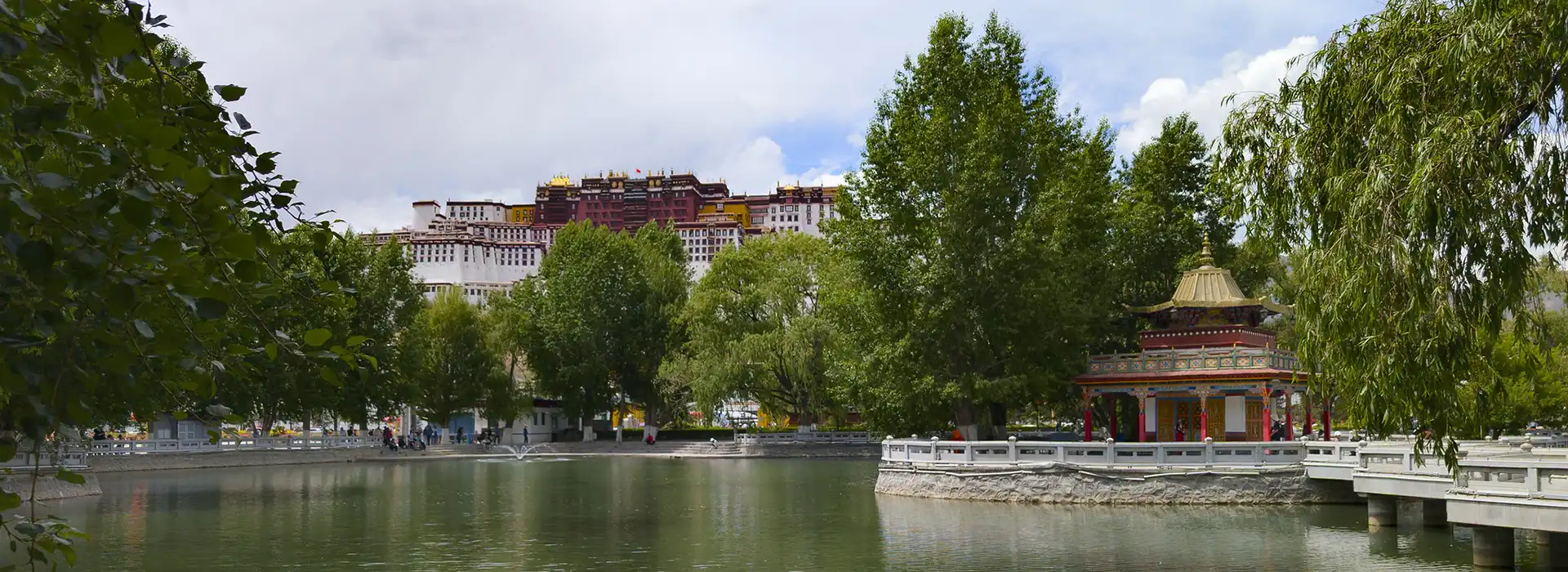
The Lhasa to Everest Base Camp and Namtso Lake Tour offers a comprehensive Tibet experience over 10 days. Start and end in Lhasa, the spiritual capital of Tibet. Visit Everest Base Camp at 5,200 meters on the north face. Explore Namtso Lake, one of the Three Holy Lakes of Tibet. See the Potala Palace, Jokhang Temple, and ancient monasteries. Drive through the southern and northern landscapes of Tibet. Experience Tibetan culture, high-altitude adventure, and sacred natural wonders. The Tibet Tour with Everest Base Camp and Namtso Lake combines three distinct experiences in one overland route.
Most Tibet tours visit either Everest Base Camp or Namtso Lake. Few combine both destinations. The Lhasa EBC Namtso Lake Tour gives you three distinct Tibet experiences. First, explore Lhasa culture and ancient monasteries. Second, drive to Everest Base Camp at the foot of the world’s highest peak. Third, visit Namtso Lake in the northern Tibetan grasslands. You get southern Tibet mountain scenery and northern Tibet prairie landscapes in one trip.
This Trip Suits
This Trip May Not Suit
The 10-Day Lhasa to Everest Base Camp and Namtso Lake Tour operates year-round with guaranteed departures. Join our small-group tours with fixed departure dates every week during peak season, from April to October. Private tours depart any day you choose throughout the year. Groups form based on booking numbers.
Private tour options provide flexibility for families, couples, and custom groups. Choose your own departure date. Modify the itinerary to match your interests. Upgrade accommodation standards. Add extra days for deeper exploration. Private tours work perfectly for travelers seeking personalized experiences.
Contact us today to check availability and get a detailed quote. Our team responds to all inquiries within 24 hours. We answer questions about permits, itinerary, accommodation, and costs. Book at least one month in advance to secure permits and preferred departure dates. Start planning your Tibet adventure now. Experience Lhasa’s culture, the Everest Base Camp, and Namtso Lake in one comprehensive tour.

Included Meals

Transport
Private tourist vehicle with experienced driver

Accommodation
Hotels in Lhasa and Shigatse, guesthouses at EBC and Namtso

Trip Grade
The 10-Day Lhasa to Everest Base Camp and Namtso Lake Tour follows a circular route from Lhasa. First days focus on cultural sightseeing in Lhasa. Mid-tour drives south to Everest Base Camp. In the final days, head north to Namtso Lake before returning to Lhasa. The route covers approximately 2,000 kilometers of Tibet’s best landscapes and cultural sites.
Land at Lhasa Gonggar Airport or arrive by train at Lhasa Railway Station. Your guide meets you at the arrival point with a white ceremonial scarf called a khata. Transfer to your hotel in Lhasa takes about 90 minutes from the airport. Check into your hotel and rest for the remainder of the day.
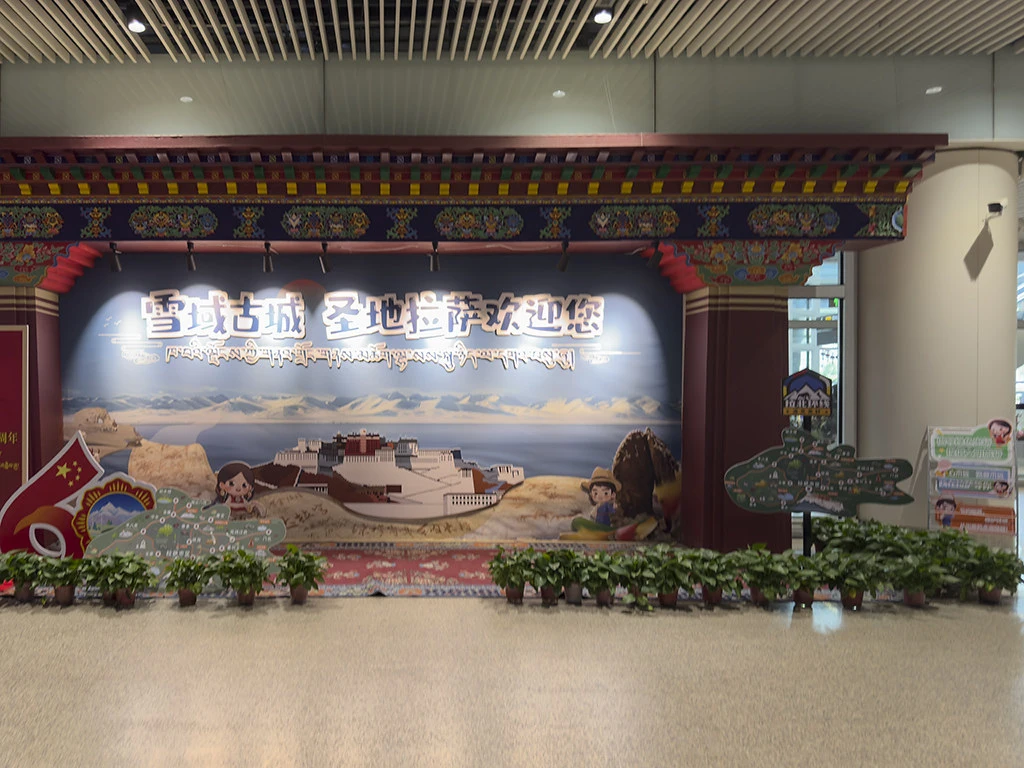
Lhasa sits at an altitude of 3,650 meters. Spend the first day acclimatizing to thin air. Drink plenty of water. Avoid alcohol and heavy meals. Walk slowly if you explore the hotel area. Your body needs time to adjust to high altitude. Get a full night of sleep.
Practical Travel Note: Altitude sickness symptoms include headache, nausea, and shortness of breath. Inform your guide immediately if you feel unwell. Rest helps your body adjust naturally. Avoid strenuous activity on arrival day.
Accommodation:
Hotel in Lhasa

Maximum Altitude 3,650m/11,975ft (Lhasa)
Difficulty
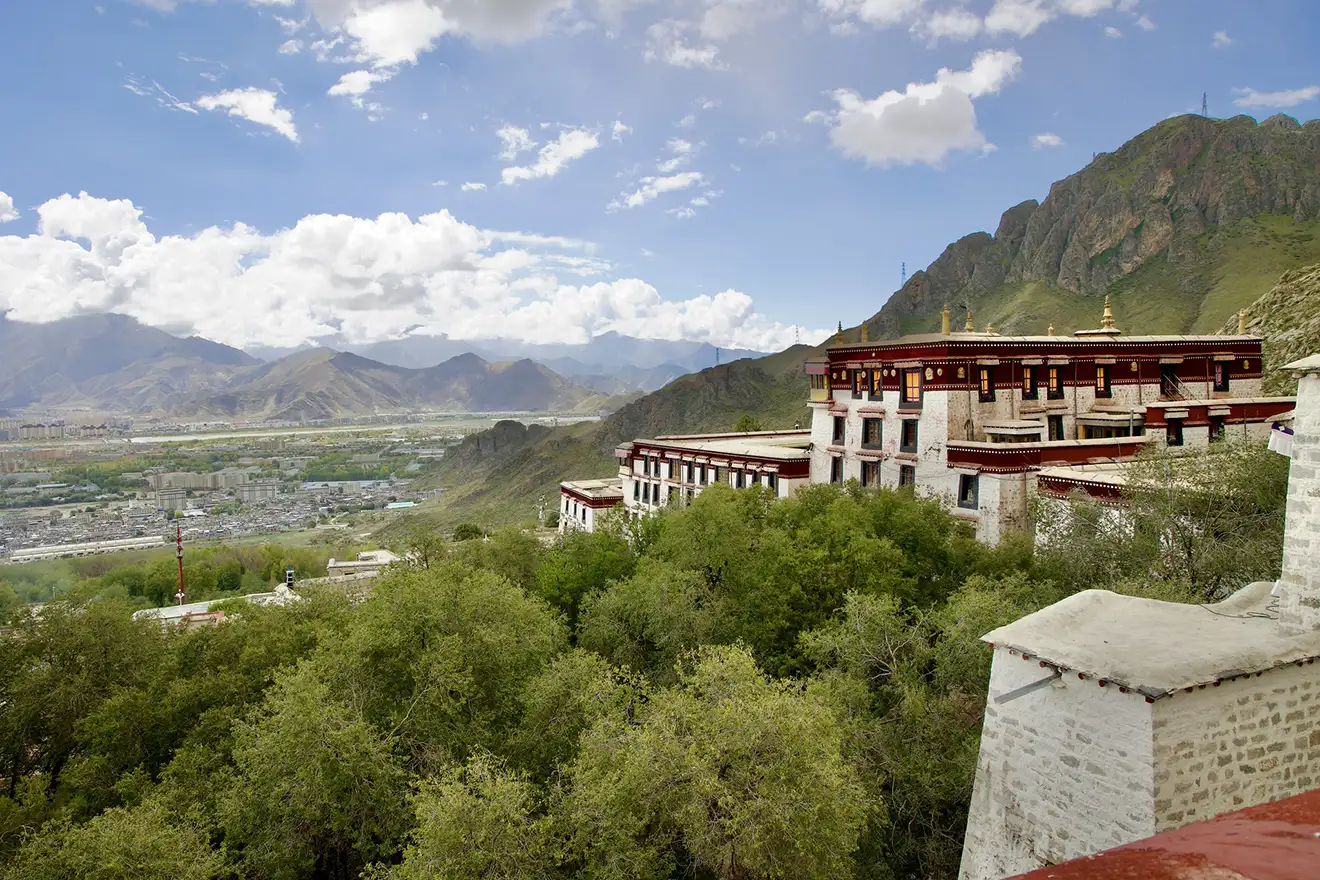
Begin your cultural exploration of Lhasa at Drepung Monastery. Founded in 1416, Drepung once housed over 10,000 monks. Climb the hillside complex and walk through assembly halls, kitchens, and monk quarters. White buildings cascade down the mountain slope. Prayer halls smell of butter lamps and incense. Monks chant morning prayers in deep courtyards.
Drive to Sera Monastery in the afternoon. Sera belongs to the Gelug school of Tibetan Buddhism. Arrive by 3 PM to watch the famous monk debates. Young monks gather in the courtyard and debate Buddhist philosophy. They clap hands, stamp feet, and use animated gestures. The debates are held in Tibetan. Your guide explains the debate topics and traditions.
Practical Travel Note: Monk debates at Sera start around 3 PM on weekdays. Arrive early for good viewing spots. Sit quietly and photograph without flash. Respect the monks during their philosophical discussions. The debates last about one to two hours.

Time & Distance 6 to 7 hours
Accommodation:
Hotel in Lhasa
Meals Breakfast
Maximum Altitude 3,650m/11,975ft (Lhasa)
Difficulty
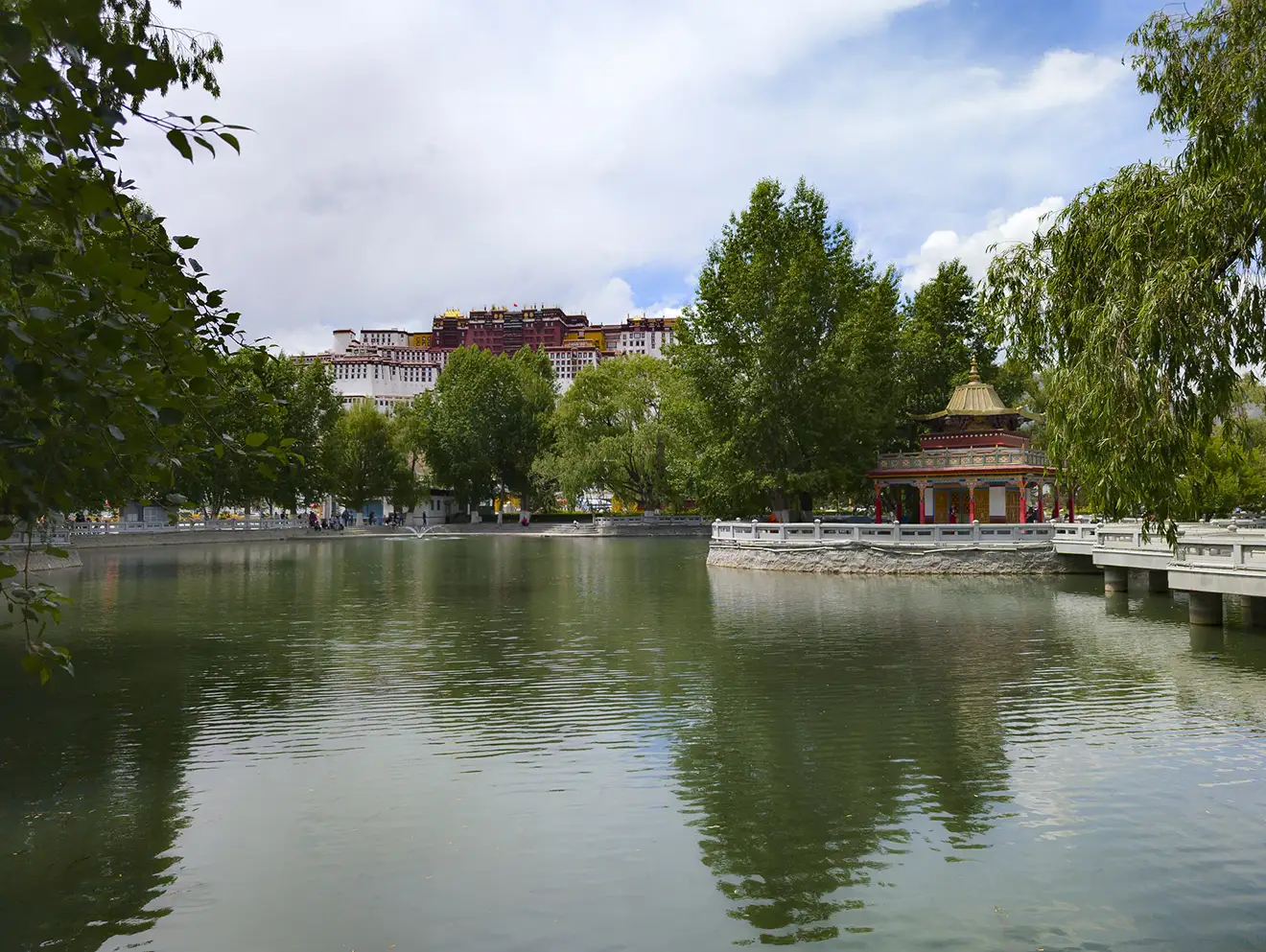
Visit the Potala Palace in the morning. The iconic palace stands 117 meters tall with 13 stories. Walk up steep wooden stairs through White Palace and Red Palace sections. See the throne rooms, chapels, and burial stupas of past Dalai Lamas. Gold roofs shine in sunlight. Views from upper levels overlook the entire Lhasa valley. The palace contains thousands of Buddhist statues, murals, and religious artifacts.
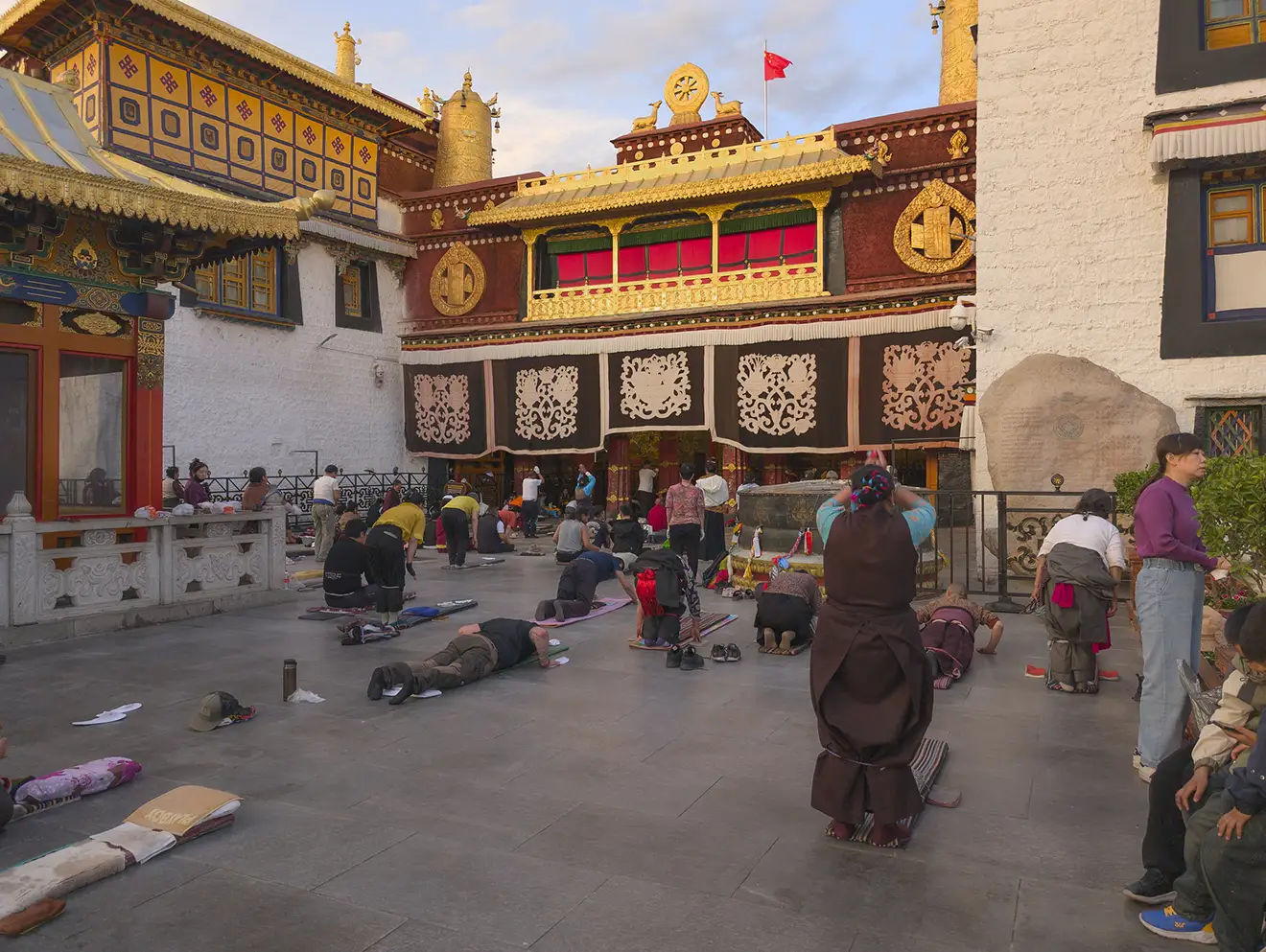
Head to Jokhang Temple after lunch. Pilgrims prostrate on the stone ground in front of the entrance. Inside, walk through dimly lit chapels filled with butter lamps. The temple houses the sacred Jowo Rinpoche statue brought to Tibet in the 7th century. Tibetan Buddhists consider Jokhang the most sacred temple in Tibet. The smell of juniper incense and yak butter fills the air.
Walk the Barkhor Street kora around Jokhang Temple. Pilgrims circle clockwise, spinning prayer wheels. Street vendors sell prayer flags, incense, butter lamps, and Tibetan handicrafts. End your day with a cup of sweet tea at a traditional Tibetan teahouse. Locals gather here to chat, play games, and enjoy buttered tea. Experience authentic Lhasa daily life.
Practical Travel Note: Potala Palace limits visitor numbers and tour duration. Your guide books tickets in advance. Bring your passport for ticket checking. Photography inside chapels is often prohibited. Follow your guide closely through the palace complex.
Time & Distance 7 to 8 hours
Accommodation:
Hotel in Lhasa
Meals Breakfast
Maximum Altitude 3,650m/11,975ft (Lhasa)
Difficulty
Leave Lhasa early morning and drive toward Shigatse. Cross Kamba La Pass at 4,794 meters. Stop for panoramic views of Yamdrok Lake below. Turquoise water reflects snow peaks in still morning light. Yamdrok ranks as one of Tibet’s Three Holy Lakes. Drive along the lakeshore through small Tibetan villages.
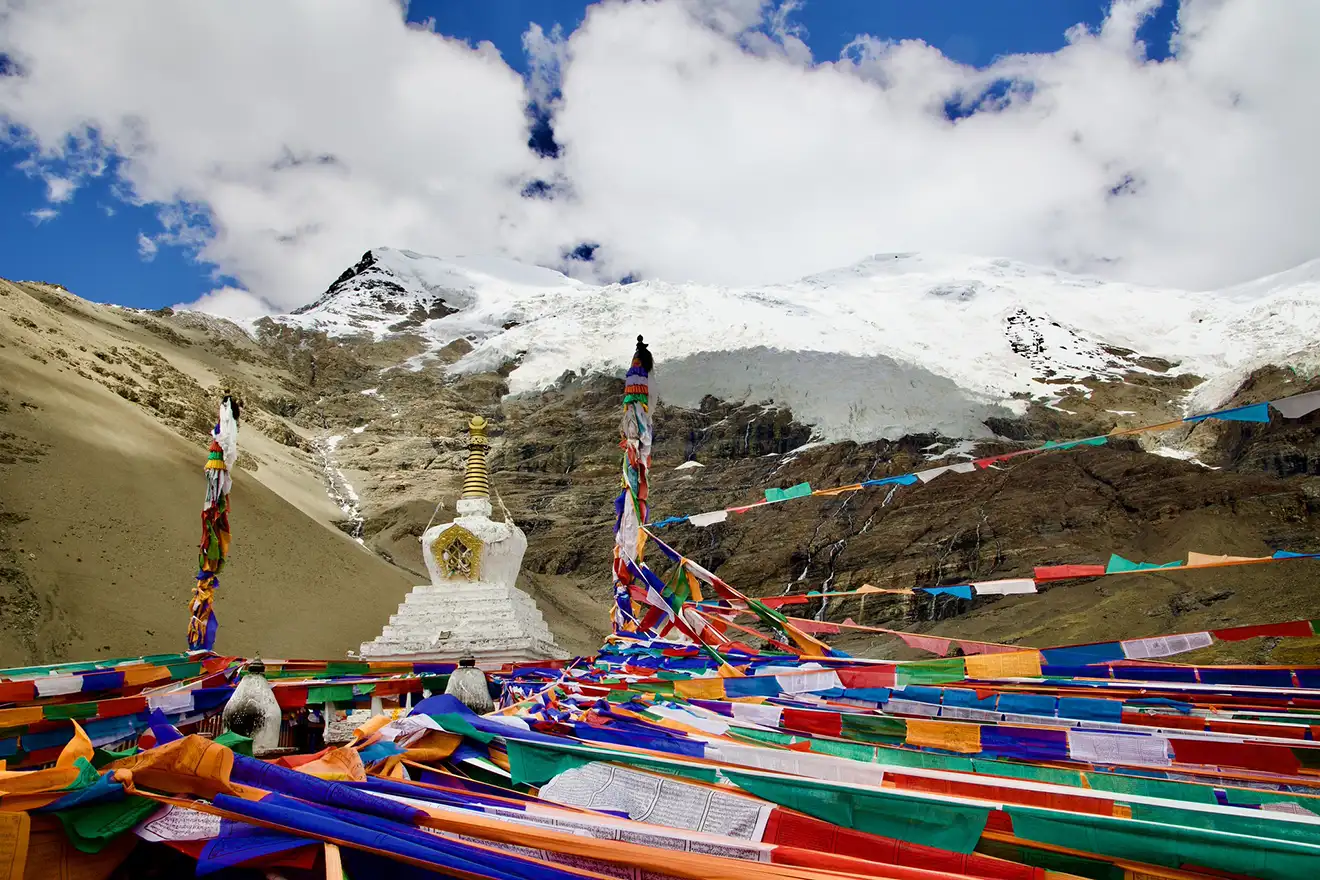
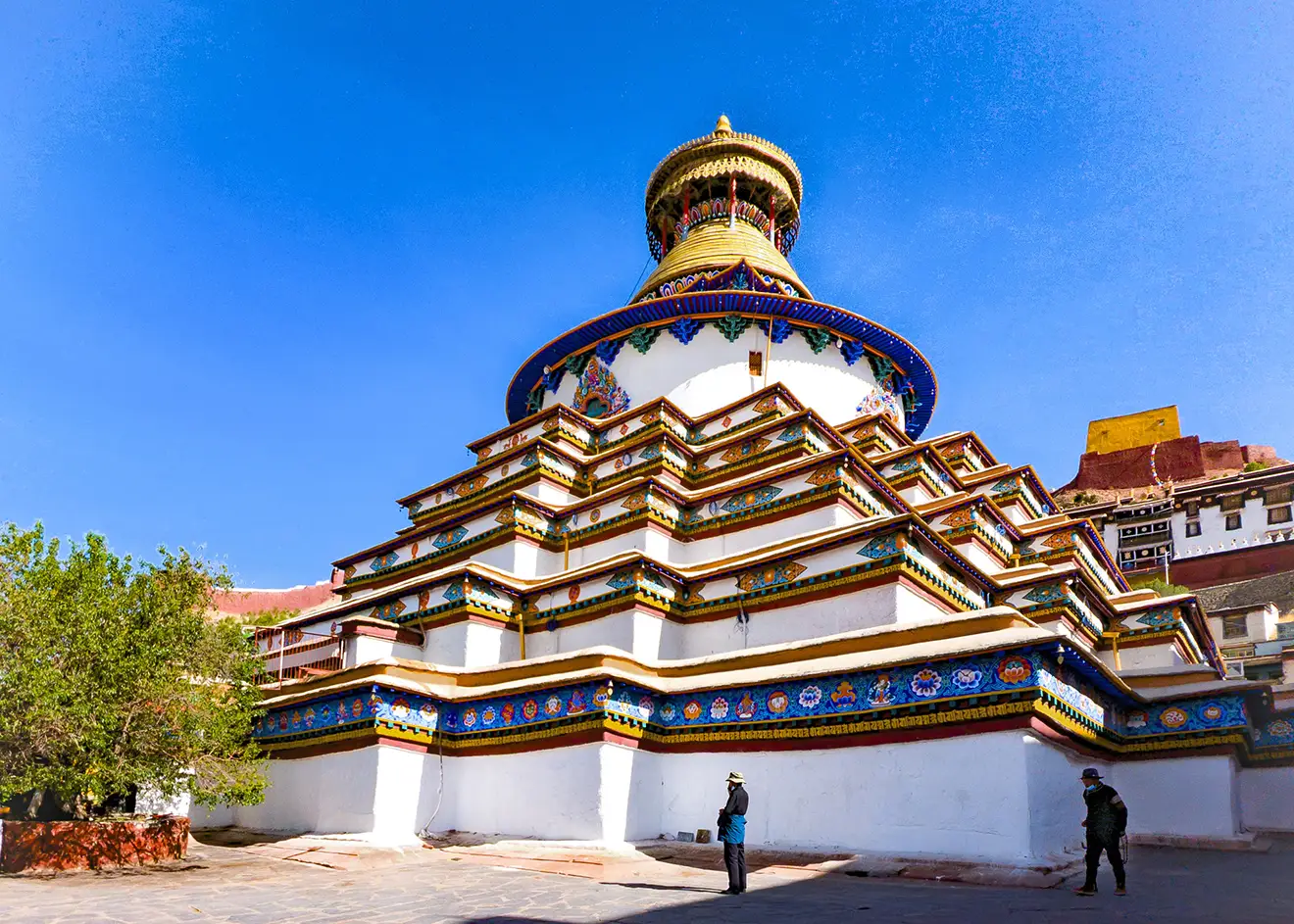
Continue over Karola Pass at 5,045 meters. See Karola Glacier descending from high peaks beside the highway. The glacier tongue reaches remarkably close to the road. Stop briefly for photos before descending to Gyantse. Visit Kumbum Stupa in Gyantse. Climb through nine levels of chapels decorated with ancient murals and statues. Each level represents a step toward enlightenment.
Arrive in Shigatse in the late afternoon. Check into your hotel. Shigatse is the second-largest city in Tibet and the traditional seat of the Panchen Lama. Walk around the city center if time allows. Rest and prepare for the drive to Everest Base Camp tomorrow.
Practical Travel Note: A long driving day covers a range of altitudes. Stops at Yamdrok Lake and Karola Pass are subject to weather. Bring warm layers as temperatures drop at high passes. The lunch stop is in Gyantse at a local restaurant.
Time & Distance 7 to 8 hours
Accommodation:
Hotel in Shigatse
Meals Breakfast, Lunch, Dinner
Maximum Altitude 3,900m/12,795ft (Shigatse)
Difficulty
Start early from Shigatse toward Everest Base Camp. Drive through the Tibetan plateau grasslands with yak herds grazing. Cross Gyatsola Pass at 5,248 meters, the highest point on the route. Prayer flags flutter in the strong wind at the pass. Descend into valleys leading to Qomolangma National Nature Reserve.
Stop at Rongbuk Monastery before reaching Base Camp. At an altitude of 5,000 meters, Rongbuk holds the title of the highest monastery in the world. Monks live here year-round, facing Mount Everest. The monastery offers perfect views of the north face. Drive the final 8 kilometers from Rongbuk to Everest Base Camp.
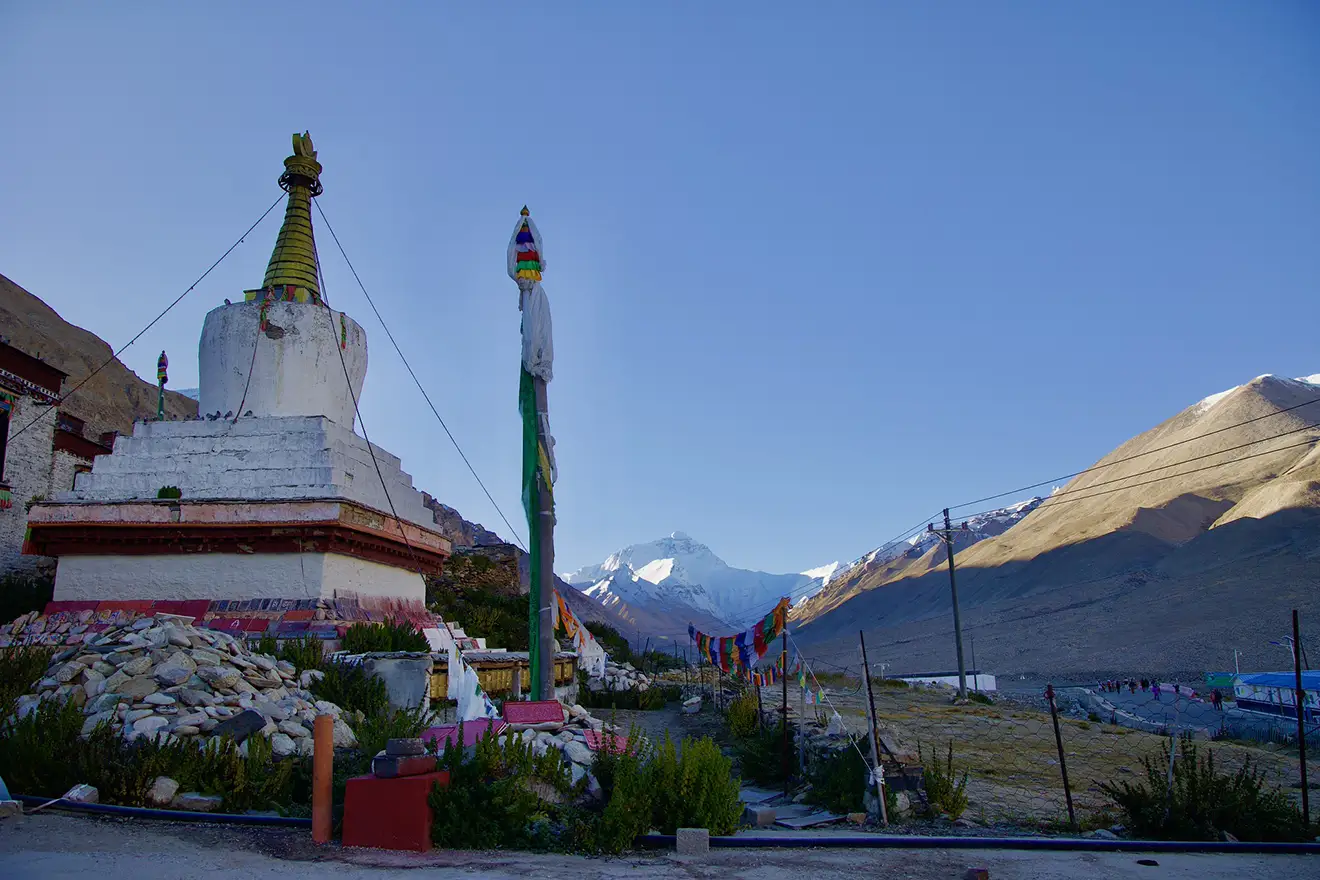
Arrive at Everest Base Camp in the late afternoon. Check into a tent hotel or basic guesthouse. Walk around the Base Camp area. Prayer flags cover the landscape. Mount Everest towers directly in front of you at 8,848 meters. Watch sunset paint the mountain golden and orange. Spend the night at Base Camp to experience the remote high-altitude environment.
Practical Travel Note: Altitude at EBC challenges most visitors. Walk slowly and breathe deeply. Accommodation at Base Camp provides basic beds with thick blankets. Bathrooms use squat toilets. No running water available. Bring wet wipes and hand sanitizer. Dress in warm layers as temperatures drop below freezing at night.
Time & Distance 7 to 8 hours
Accommodation:
Guesthouse or tent hotel at EBC
Meals Breakfast, Lunch, Dinner
Maximum Altitude 5,200m/17,060ft (Everest Base Camp)
Difficulty
Wake up before dawn to watch the sunrise over Mount Everest. The first light hits the summit and spreads down the north face. Colors shift from deep purple to orange to brilliant white. Cold morning air feels crisp. Take photos and soak in the moment at the roof of the world. Return to your guesthouse for a simple breakfast.
Begin the return drive toward Shigatse. Take the scenic route through Dinggye instead of retracing the same road. Pass through remote Tibetan villages. Stop at Sakya Monastery, one of Tibet’s most important religious centers. The monastery features distinctive gray, white, and red striped walls. Inside, see massive prayer halls and ancient Buddhist scriptures dating back centuries.
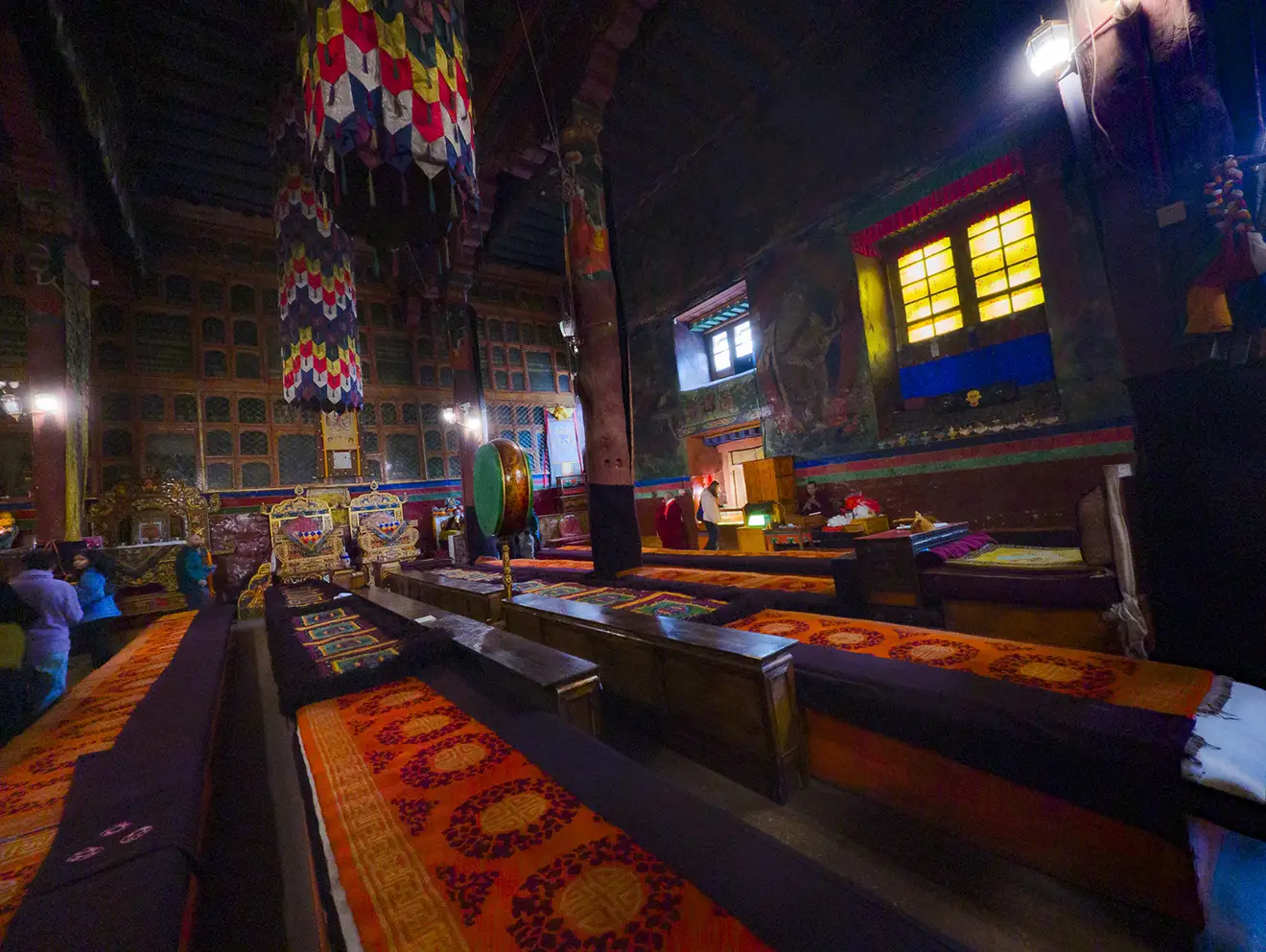
Arrive in Shigatse in the early evening. Check back into your hotel. Altitude drops to 3,900 meters, making breathing easier after two days above 5,000 meters. Rest well tonight. Tomorrow you return to Lhasa.
Practical Travel Note: Summer and winter routes from EBC may differ. Heavy rain or snow sometimes forces route changes. Your driver chooses the safest option. Trust local knowledge about road conditions. Bring snacks and water for the long driving day.
Time & Distance 8 to 9 hours
Accommodation:
Hotel in Shigatse
Meals Breakfast, Lunch, Dinner
Maximum Altitude 3,900m/12,795ft (Shigatse)
Difficulty
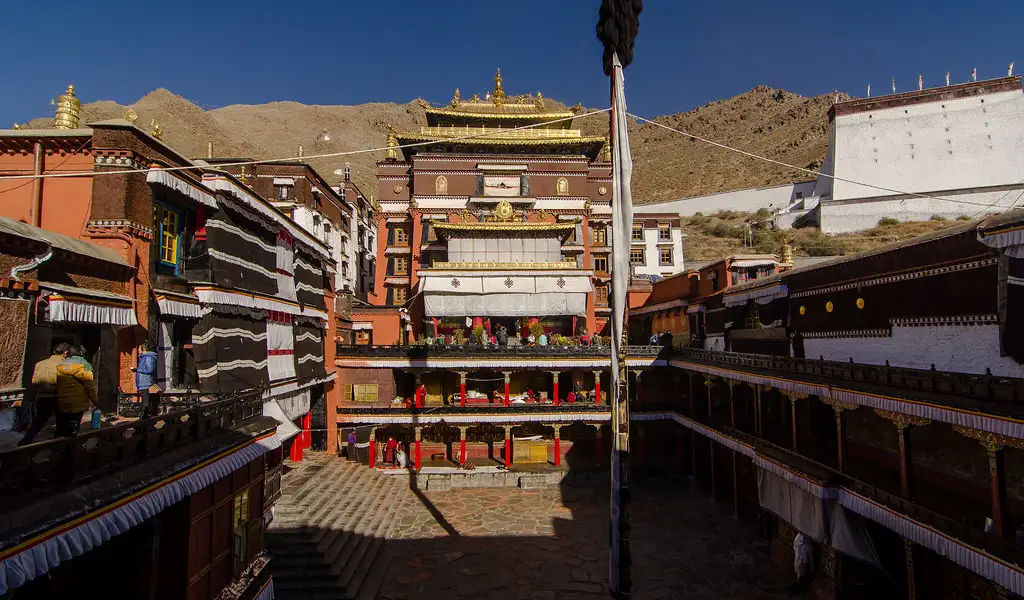
Visit Tashilhunpo Monastery in the morning before leaving Shigatse. Founded in 1447, Tashilhunpo serves as the traditional seat of the Panchen Lama. Walk through courtyard halls where monks chant prayers. See the giant statue of Maitreya Buddha standing 26 meters tall. The statue weighs 279 kilograms. Explore the burial stupas of past Panchen Lamas, adorned with gold and jewels.
Drive back to Lhasa along the Friendship Highway. The paved road follows the Yarlung Tsangpo River valley. Pass Tibetan villages, barley fields, and small monasteries. Arrive in Lhasa in the late afternoon. Check into your hotel. Spend the evening relaxing or walking around Barkhor Street. Tomorrow you head north to Namtso Lake.
Practical Travel Note: The return drive to Lhasa follows good paved roads. You pass through lower altitudes than Everest Base Camp. Your body continues adjusting to elevation changes. Drink water regularly throughout the day.
Time & Distance 5 to 6 hours
Accommodation:
Hotel in Lhasa
Meals Breakfast, Lunch
Maximum Altitude 3,650m/11,975ft (Lhasa)
Difficulty
Leave Lhasa in the morning and drive north toward Namtso Lake. The landscape changes from valleys to wide-open grasslands. Nomadic herders graze yaks on rolling hills. Cross Lagenla Pass at 5,190 meters. Prayer flags cover the pass summit. From the pass, see Namtso Lake spread below like a blue jewel. The Nyenchen Tanglha mountain range rises behind the lake.
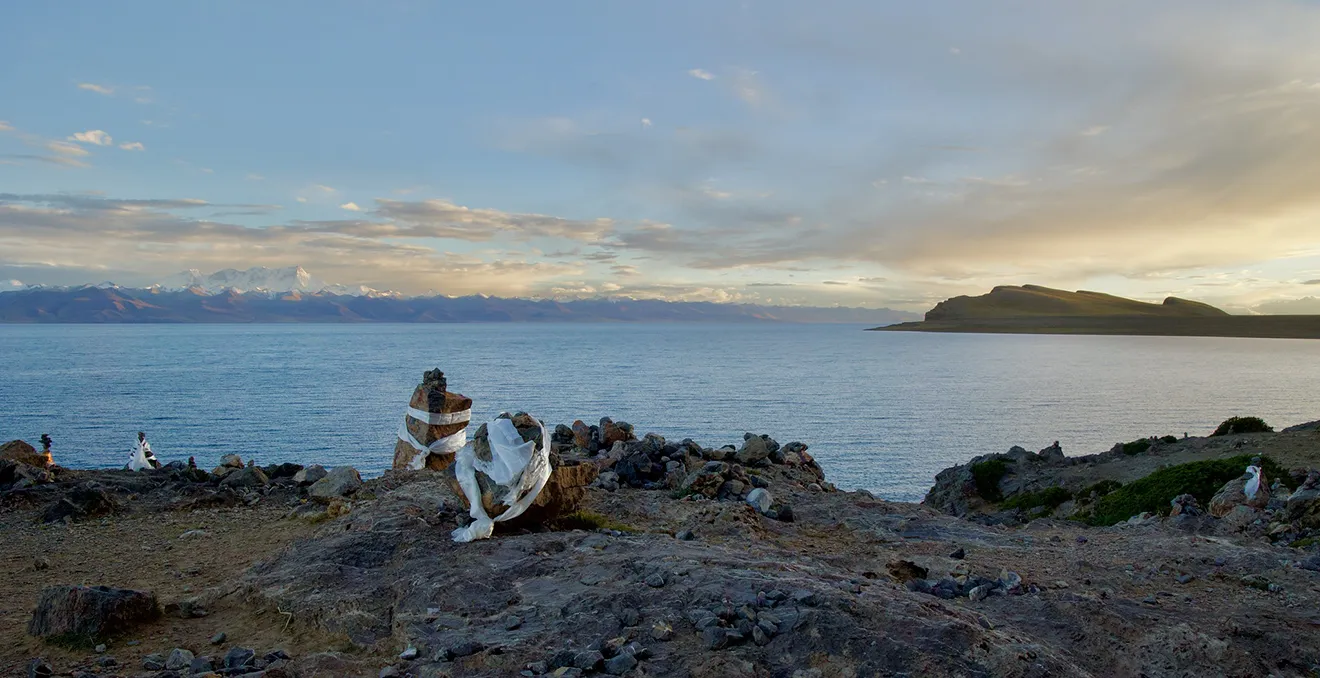
Descend to Namtso Lake at an altitude of 4,718 meters. Walk along the lakeshore to Tashi Dor Island, a rocky peninsula with meditation caves. Pilgrims circle the island clockwise as a holy kora. The lake water appears deep blue under clear skies. Namtso ranks as one of the Three Holy Lakes of Tibet. Tibetan Buddhists consider the lake sacred. Spend time photographing the mountain reflections in still water.
Drive to Damxung town for overnight accommodation. Damxung sits at 4,200 meters on the northern grasslands. Check into a basic guesthouse. The area feels remote and peaceful. Yak herds graze nearby. Stars fill the night sky, free of light pollution.
Practical Travel Note: Namtso Lake sits higher and colder than Lhasa. Bring warm jackets even in summer. Wind blows strongly across the grasslands. Accommodation in Damxung provides basic facilities. Expect shared bathrooms and simple rooms. Dress in multiple layers for cold night temperatures.
Time & Distance 6 to 7 hours
Accommodation:
Guesthouse in Damxung
Meals Breakfast, Lunch, Dinner
Maximum Altitude 4,718m/15,479ft (Damxung)
Difficulty
Leave Damxung in the morning and drive back toward Lhasa. Stop at Chimelong Nunnery near Damxung. The nunnery houses female Buddhist practitioners. Walk through the small complex and watch nuns practice their prayers. The remote location offers peaceful mountain views.
Continue to Tsurphu Monastery in the mountains west of Lhasa. Tsurphu serves as the traditional seat of the Karmapa, head of the Karma Kagyu school. The monastery pioneered the reincarnation system used by Tibetan Buddhism. Walk through assembly halls and see young monks studying Buddhist texts. Mountain streams flow beside the monastery buildings.
Return to Lhasa in the late afternoon. Check into your hotel. You complete the full circuit from Lhasa to Everest Base Camp to Namtso Lake and back. Spend your last evening enjoying Lhasa nightlife or relaxing at your hotel. Prepare for departure tomorrow.
Practical Travel Note: The drive back to Lhasa descends gradually. You return to a familiar lower altitude. Your body has now adjusted well to the elevation in Tibet. Pack your bags tonight for tomorrow’s departure.
Time & Distance 5 to 6 hours
Accommodation:
Hotel in Lhasa
Meals Breakfast, Lunch
Maximum Altitude 3,650m/11,975ft
Difficulty
Transfer to Lhasa Gonggar Airport or Lhasa Railway Station based on your departure schedule. Your guide and driver see you off. The 10 Days Lhasa to Everest Base Camp and Namtso Lake Tour concludes. You leave with memories of Tibetan culture, Everest mountain views, and sacred lake experiences.
Practical Travel Note: Airport transfer takes about 90 minutes from the Lhasa city center. Leave the hotel at least three hours before the flight departure. The railway station sits closer to the city center. Allow extra time for security checks at both the airport and the train station.
Meals Breakfast
Maximum Altitude 3,650m/11,975ft
Difficulty
Lhasa Hotels
Lhasa offers comfortable three-star and four-star hotels. Rooms include private bathrooms with hot showers. Hotels provide heating during cold months. Wifi works in hotel lobbies. Breakfast buffets serve Western and Chinese food. Hotels sit in the Tibetan quarter near Barkhor Street or in newer districts. You stay in Lhasa on Days 1, 2, 3, 7, and 9.
Shigatse Hotels
Shigatse hotels offer a level of comfort similar to that of Lhasa hotels. Three-star properties offer clean rooms with private bathrooms. Hot water runs in the morning and evening hours. Heating works during cold months. Hotels include breakfast. Wifi available in lobbies. You stay in Shigatse on Days 4 and 6.
Everest Base Camp Guesthouses
Accommodation at Everest Base Camp provides only basic facilities. Tent hotels operate from April to October. Tent hotels offer beds with thick blankets in shared tents. Squat toilets sit outside. No running water available. Bring wet wipes and hand sanitizer. Some tent hotels provide bottled water and simple meals. Winter months close tent hotels. Accommodation shifts to Rongbuk village guesthouses. Expect very basic conditions at this extreme altitude. You stay at EBC on Day 5.
Damxung Guesthouses
Damxung offers simple guesthouses in the northern grasslands. Rooms provide beds with basic blankets. Shared bathrooms use squat toilets. Hot water may not always work. No heating available. Bring sleeping bag liner for extra warmth. Guesthouses serve simple Tibetan and Chinese meals. Wifi usually unavailable. The remote location means limited facilities. You stay in Damxung on Day 8.
The north-side Everest Base Camp in Tibet differs completely from Nepal’s south-side Base Camp. You drive directly to the north Base Camp at 5,200 meters. No trekking required. Stand at the foot of Mount Everest with the north face towering above. Prayer flags flutter across the barren landscape. Mountaineering expeditions camp here during climbing season from April to May.
Rongbuk Monastery sits 8 kilometers from Base Camp at an altitude of 5,000 meters. Monks maintain the monastery year-round despite harsh conditions. The monastery offers the best views of Everest in Tibet. Walk through prayer halls lit by butter lamps. Spin prayer wheels in the courtyard while facing the mountain. Morning and evening light paint Everest in changing colors.
Sunrise and sunset at Everest Base Camp create magical moments. Wake before dawn to watch first light hit the summit. The peak glows orange while shadows still cover Base Camp. Evening sunset reverses the effect. Golden light spreads across the entire north face. Clear skies offer the best views. The weather changes quickly at high altitude. Clouds sometimes hide the summit.
Winter months from November to March bring extremely cold temperatures to Base Camp. Tent hotels close during this period. Accommodation shifts to the Rongbuk Monastery guesthouse or to nearby villages. The summer months from May to September offer the warmest conditions. However, monsoon clouds from the south sometimes obscure views of Everest. April, May, September, and October provide the best combination of clear weather and manageable temperatures.
Staying overnight at Everest Base Camp represents a highlight of the Everest Base Camp and Namtso Lake Tour in Tibet. Few tourists experience sleeping at the base of the world’s highest mountain. Accommodation provides basic beds with thick blankets. Bathrooms use squat toilets without running water. The extreme altitude makes sleep difficult. Many visitors experience headaches and shortness of breath. Despite challenges, the experience remains unforgettable.
Namtso Lake adds northern Tibet grassland scenery to the Lhasa Everest Base Camp Namtso Tour. Most Everest tours return directly to Lhasa without visiting northern Tibet. Namtso extends your tour into different landscapes. The lake sits at an altitude of 4,718 meters and stretches over 70 kilometers. Turquoise blue water contrasts with brown grasslands and white snow peaks.
Tibetan Buddhists rank Namtso among the Three Holy Lakes of Tibet. Pilgrims circle the entire lake over several weeks. Meditation caves dot the rocky shores. Tashi Dor Island forms a peninsula extending into the lake. Walk the island circuit and see rock formations carved by wind and water. Prayer flags cover the peninsula. Small shrines mark sacred meditation spots.
Lagenla Pass at 5,190 meters provides the first view of Namtso Lake. The pass sits covered in prayer flags. Wind blows constantly across the exposed summit. From the pass, look down at the lake spread across the valley floor. The Nyenchen Tanglha mountain range rises behind Namtso. Several peaks exceed 7,000 meters in altitude. Mountain reflections shimmer in the lake on calm days.
Northern Tibet grasslands surround Namtso Lake. Nomadic herders graze yaks and sheep across endless rolling hills. Black yak-hair tents dot the landscape. Herders move seasonally following grass growth. You see authentic nomadic life unchanged for centuries. The grassland air smells of wildflowers and earth. Sky appears deeper blue at high altitude.
Namtso experiences colder conditions than Lhasa, despite having a similar latitude. The high altitude and exposed location create harsh weather. Wind chills temperatures significantly. Even summer days feel cool. Nights drop below freezing year-round. Bring warm jackets, hats, and gloves regardless of the season. The lake sometimes freezes partially in deep winter.
Including Namtso Lake transforms a standard Lhasa-to-Everest Base Camp tour into a comprehensive Tibet experience. You see the southern Tibetan Mountains and the northern Tibetan grasslands. You visit cultural sites and natural wonders. You experience monastery life and nomadic traditions. The combination creates a complete picture of Tibet’s diversity.
The Lhasa to EBC and Namtso Lake Tour reaches high altitudes but requires no trekking. All sightseeing happens by vehicle. Short walks at sites last 30 minutes to two hours. The main challenge comes from altitude rather than physical exertion. Your body needs time to adjust to thin air.
| Location | Altitude |
|---|---|
| Lhasa | 3,650 meters |
| Shigatse | 3,900 meters |
| Gyatsola Pass | 5,248 meters |
| Everest Base Camp | 5,200 meters |
| Lagenla Pass | 5,190 meters |
| Namtso Lake | 4,718 meters |
| Damxung | 4,200 meters |
Overall Difficulty: Moderate. The tour demands no trekking or technical skills. Long driving days require patience. Altitude creates the primary challenge. Spend three days acclimatizing in Lhasa before heading to higher elevations. The gradual altitude gain helps your body adjust.
Who Should Be Careful: People with heart conditions, lung problems, or high blood pressure should consult doctors before booking. Pregnant women should avoid high-altitude travel. Children under 10 years old struggle more with altitude. Elderly travelers over 70 should carefully consider their fitness levels. Anyone who has had recent surgery should wait until fully recovered before attempting high-altitude tours.
Altitude Sickness Prevention: Drink three to four liters of water daily. Avoid alcohol and smoking. Walk slowly at all times. Rest when feeling tired. Eat light meals. Sleep well each night. Inform your guide immediately of symptoms such as severe headache, nausea, dizziness, or shortness of breath. Descending to a lower altitude is best for treating severe symptoms.
All foreign travelers need permits to visit Tibet. Your tour operator arranges all necessary permits. You cannot obtain permits independently. Send passport copies at least 20 days before departure. The operator handles the paperwork.
Tibet Travel Permit: Required for all Tibet tours. Also called the Tibet Entry Permit. You receive the physical permit document before entering Tibet. Show the permit at airport security and hotel check-ins. Keep the permit with you throughout the tour.
Alien Travel Permit: Required for areas outside Lhasa city. The Alien Travel Permit Covers Everest Base Camp, Namtso Lake, Shigatse, and Gyantse. Your guide carries the permit. You do not need to handle this permit yourself.
Military Permit: Required for the Everest Base Camp area. The permit covers border regions and military zones. Your guide arranges this permit in advance. Police checkpoints verify permits on the way to Everest.
Permit processing takes 10 to 15 working days. Book your tour at least one month before departure. Rush processing is sometimes possible for an additional fee. Certain nationalities face permit restrictions. Check with your operator about specific country limitations.
Spring (April to May)
Spring offers clear skies and moderate temperatures. Lhasa warms up after winter. Daytime temperatures reach 15 to 20 degrees Celsius. Nights remain cold, with temperatures between 0 and 5 degrees. Everest Base Camp tent hotels reopen in mid-April. Mountain views remain clear with minimal cloud cover. This season suits photography. Wildflowers begin blooming on grasslands. Tourist numbers increase but remain manageable. April and May rank among the best months to visit.
Summer (June to August)
Summer brings the warmest temperatures to Tibet. Lhasa’s daytime temperatures range from 20 to 25 degrees Celsius. Nights stay mild at 5 to 10 degrees. Monsoon moisture from the south sometimes creates afternoon clouds. Everest views may get obscured by clouds. Rain falls occasionally but rarely heavily. Grasslands turn green. Namtso Lake appears most beautiful. This season attracts peak tourist crowds. Book accommodations well in advance. June and early July offer better weather than late August.
Autumn (September to October)
Autumn offers the absolute best weather in Tibet. Skies are clear after the monsoon season ends. Everest views reach maximum clarity. Daytime temperatures in Lhasa range from 15 to 20 degrees Celsius. Nights are cool to 0 to 5 degrees. Grasslands turn golden brown. Tourist numbers remain high through October. This season offers ideal conditions for the complete tour. September and October represent peak season. Many travelers consider these months perfect for Tibet tours.
Winter (November to March)
Winter brings extreme cold to Tibet. Lhasa daytime temperatures drop to 5-10 degrees Celsius. Nights freeze at minus 5 to minus 15 degrees. Everest Base Camp tent hotels close completely. Accommodation shifts to the lower villages. Namtso Lake partially freezes. Strong winds blow across the grasslands. However, winter offers crystal-clear mountain views. Tourist numbers drop significantly. Hotels reduce prices. You experience authentic local life without crowds. Winter tours suit hardy travelers who handle extreme cold well.
The Lhasa to Everest Base Camp and Namtso Lake Tour uses private tourist vehicles. Vehicle size depends on group numbers. Solo travelers and couples ride in sedans or SUVs. Groups of three to six use minivans or land cruisers. Larger groups travel in tourist buses. All vehicles include heating, air conditioning, and comfortable seats. Experienced Tibetan drivers handle mountain roads safely.
Most major routes follow paved highways in good condition. The Friendship Highway from Lhasa to Shigatse runs completely paved. Roads from Shigatse to Everest Base Camp are regularly maintained. The highway to Namtso Lake has improved significantly in recent years. However, weather conditions affect road conditions. Rain creates mudslides occasionally. Snow blocks high passes in winter.
Long driving days characterize this tour. Expect six to eight hours in the vehicle on many days. Roads wind through mountain passes and valleys. Motion sickness affects some travelers. Bring motion sickness medication if you typically experience car sickness. The scenery makes long drives worthwhile. Stop frequently for photos and rest breaks.
Weather-related route changes happen occasionally. Heavy rain or snow sometimes forces route adjustments. The return from Everest Base Camp uses either the Sakya or Dinggye route, depending on conditions. Your driver chooses the safer option. Trust local knowledge about road safety. Flexibility helps when dealing with mountain weather. Alternative routes still reach all major destinations.
Breakfast is included in the tour cost at all accommodations. Hotels in Lhasa and Shigatse serve buffet breakfast with toast, eggs, porridge, and fruit. Guesthouses at Everest Base Camp and Damxung serve simple breakfasts, such as Tibetan bread and tea.
Lunch and dinner happen at local restaurants during driving days. Your guide recommends restaurants serving Tibetan, Chinese, and sometimes Western food. Dishes include fried rice, noodles, vegetable stir-fry, and meat dishes.
Vegetarians find suitable options everywhere. Lunch and dinner cost 50-100 RMB per person. Meal costs are not included in the tour package price.
Remote areas like Everest Base Camp offer limited food choices. Simple noodle soup and fried rice represent typical options. Food quality is lower than in Lhasa restaurants. Bring snacks like energy bars, nuts, and chocolate for long driving days. Bottled water is available everywhere. Drink only bottled or boiled water throughout the tour.
Documents
Warm Layers
Sun Protection
Medication and Health
Electronics
Snacks and Drinks
The tour follows a 10-day route starting and ending in Lhasa. First three days cover Lhasa sightseeing including Potala Palace, Jokhang Temple, Drepung, and Sera. Days 4 to 7 drive to Everest Base Camp via Shigatse and return. Days 8 to 9 visit Namtso Lake in northern Tibet. Day 10 departs from Lhasa. The complete itinerary covers southern and northern Tibet landscapes.
The tour difficulty rates as moderate. No trekking required. All sightseeing happens from the vehicle or during short walks. High altitude creates the main challenge. Everest Base Camp reaches 5,200 meters. Proper acclimatization in Lhasa helps your body adjust. Long driving days require patience. Most travelers complete the tour successfully with good preparation.
Yes, the tour includes overnight accommodation at Everest Base Camp. Tent hotels operate from April to October. Winter months from November to March close the tent hotels. Accommodation shifts to Rongbuk village guesthouses during winter. Expect basic facilities at Base Camp. Shared tents, squat toilets, no running water. Bring warm sleeping bags for extra comfort.
April to October offers the best conditions. September and October provide the absolute best weather with clear skies and comfortable temperatures. April, May, and June also work well. Summer months July and August bring warmer weather but occasional clouds. Winter from November to March brings extreme cold and closes Everest Base Camp tent hotels.
Yes, Namtso Lake feels colder than Lhasa. The lake sits at 4,718 meters altitude in exposed northern Tibet grasslands. Strong winds blow constantly. Even summer days feel cool. Nights drop below freezing year-round. Bring warm jackets, hats, and gloves regardless of season. The high altitude and wind create harsh conditions.
You need three permits: Tibet Travel Permit for entering Tibet, Alien Travel Permit for areas outside Lhasa, and Military Permit for Everest Base Camp border region. Your tour operator arranges all permits. Send passport copies at least 20 days before departure. You cannot obtain permits independently. Keep permits with you during the tour.
Yes, solo travelers join this tour regularly. Private tours work for solo travelers with private guide and vehicle. Small group tours combine solo travelers with others for cost sharing. Groups form based on departure dates. Solo travelers pay single room supplement for private accommodation. The tour suits independent travelers seeking cultural experiences.
Lhasa sits at 3,650 meters. Shigatse reaches 3,900 meters. Everest Base Camp stands at 5,200 meters. Namtso Lake sits at 4,718 meters. Highest point crosses Gyatsola Pass at 5,248 meters. The tour reaches very high altitudes. Proper acclimatization matters critically. Spend three days in Lhasa before heading higher.
Lhasa and Shigatse use comfortable three-star or four-star hotels with private bathrooms and hot water. Everest Base Camp provides basic tent hotels or guesthouses with shared facilities. Damxung offers simple guesthouses with basic amenities. Remote locations have limited facilities. The tour balances comfort with authentic local experiences.
The tour includes five nights in Lhasa total. First three nights happen at the tour start for acclimatization and sightseeing. One night happens mid-tour after returning from Everest Base Camp. One final night happens after visiting Namtso Lake. The multi-day Lhasa stay allows thorough cultural exploration and proper altitude adjustment.
Yes, travel insurance strongly recommended for all Tibet tours. High altitude creates health risks. Insurance should cover emergency evacuation, medical treatment, and trip cancellation. Check that your policy covers activities above 4,000 meters altitude. Many standard policies exclude high-altitude travel. Purchase specialized adventure travel insurance.
Your guide speaks English fluently. Most Tibet tour guides grow up speaking Tibetan as their first language and learn English through tourism training. Guides explain Tibetan Buddhism, history, and culture clearly. Communication works smoothly throughout the tour. Guides also handle all logistics including permits, accommodation, and restaurant recommendations.