

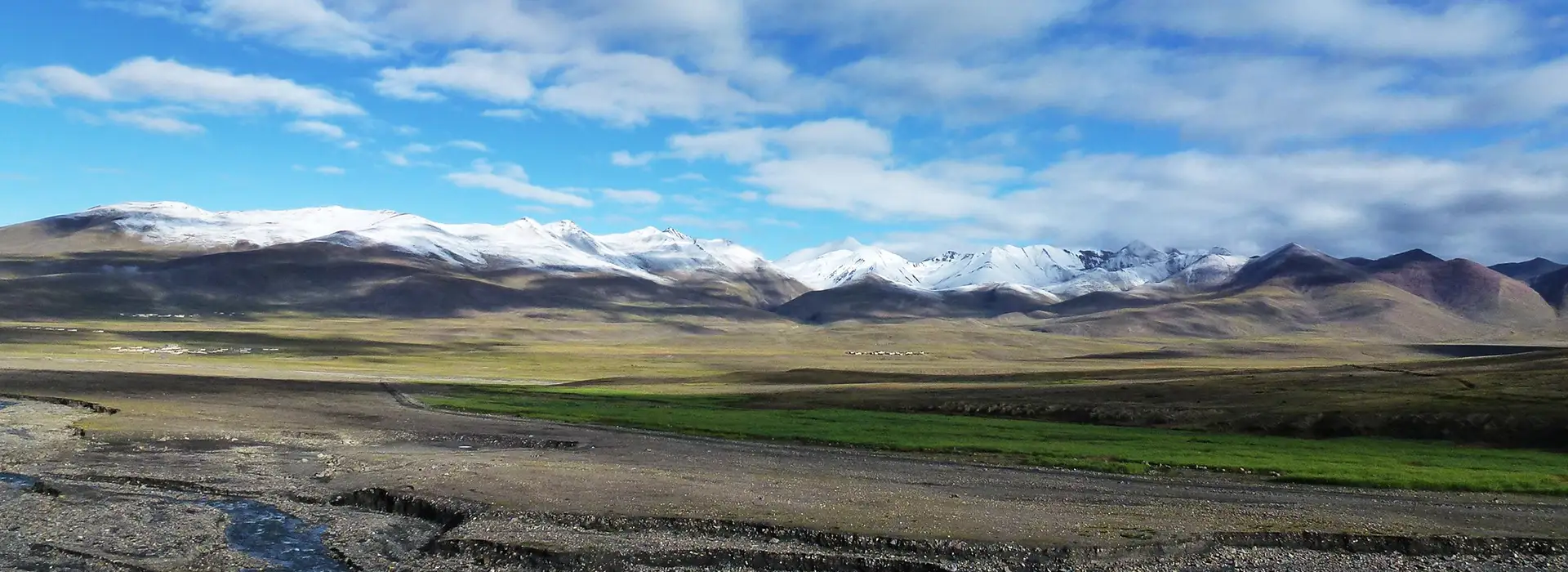

Many travelers ask about the best time to visit Tibet for a perfect vacation. The peak travel season runs from May to October. May, June, and September offer the best overall weather conditions. These specific months provide comfortable temperatures and clear skies. Travelers seeking the best views of Mount Everest should plan their trips for April, May, September, or October. The skies remain mostly clear during these periods.
Budget travelers often choose the winter months. November through February brings the lowest prices for flights and hotels. The weather turns cold, but the sun shines brightly almost every day. Determining the best time to visit Tibet depends entirely on individual travel goals. Spring brings beautiful peach blossoms. Summer introduces vibrant cultural festivals and warmer temperatures. Autumn offers crisp air and perfect trekking conditions. Winter provides a quiet, authentic cultural experience. A careful review of the seasons helps travelers plan the ultimate high-altitude adventure.
Tibet Weather Overview
Understanding the local climate requires a detailed guide to Tibet’s weather. The entire region features a highly unique weather system. The enormous altitude dominates the environment. The Tibetan plateau averages 4,380 meters above sea level. Lhasa, the capital city, sits at an elevation of 3,650 meters. The thin air at these extreme altitudes fails to retain heat. Visitors experience drastic temperature shifts between day and night. A warm afternoon often turns into a freezing night within hours.
The sun beats down with intense ultraviolet rays year-round. The thin atmosphere blocks very little solar radiation. Travelers must protect their skin even on cold winter days. The Himalayan mountain ranges block rain clouds from the Indian Ocean. A semi-arid monsoon climate develops across the plateau. Western Tibet receives much less rainfall than mainland China. The eastern regions see slightly more rain.
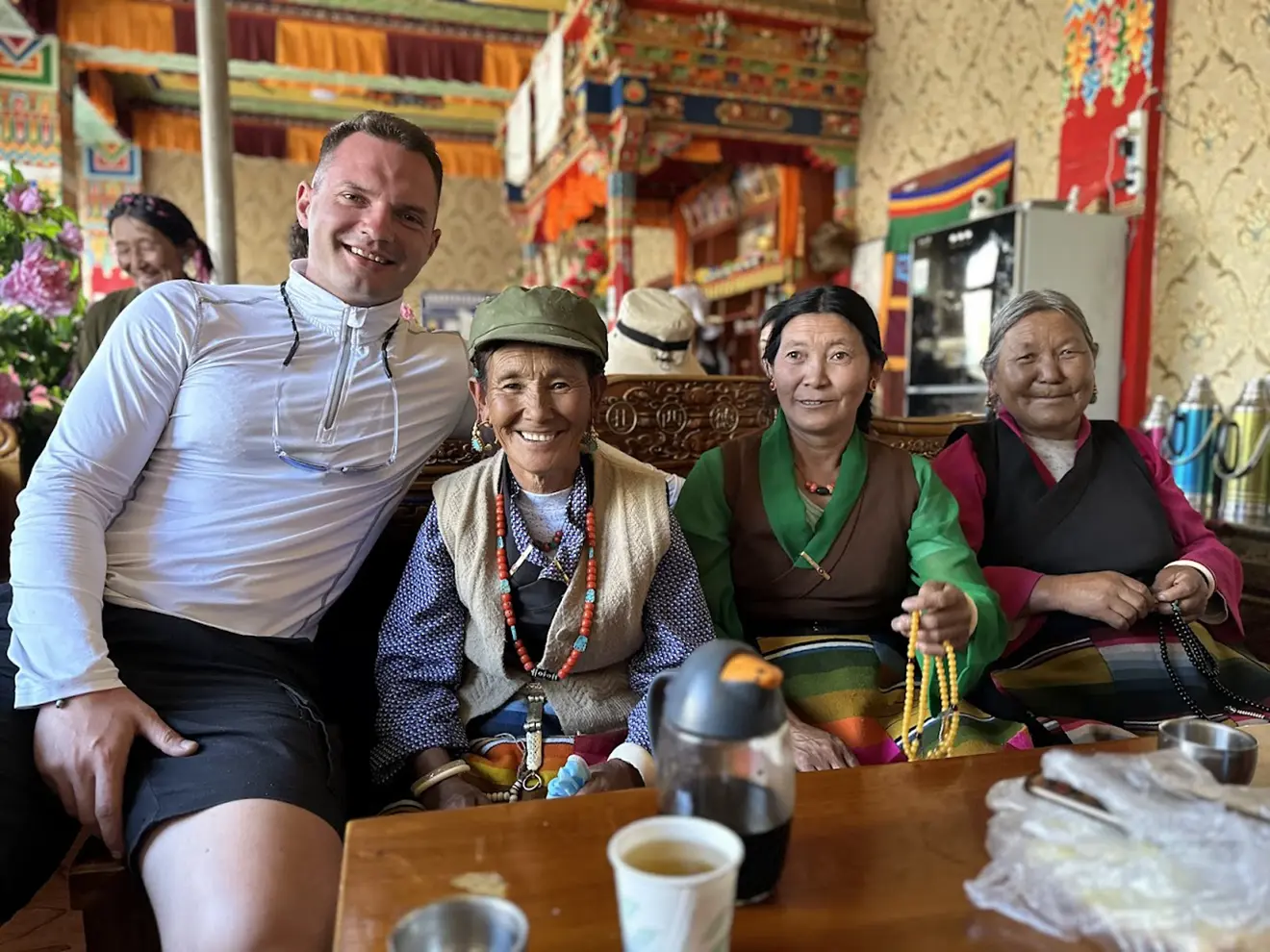
The summer monsoon brings precipitation primarily during the night. Daytime skies usually remain clear and sunny. Travelers often experience all four seasons in a single day. You might wear a heavy coat in the morning, a t-shirt at noon, and a rain jacket in the evening. The intense sunlight and dry air require constant hydration. Visitors drink plenty of water to prevent altitude sickness and dehydration. The unique weather patterns make planning crucial for anyone wondering when to visit Tibet.
Best Time to Visit Tibet by Season
Every season presents a different version of the high plateau. The best time to visit Tibet depends on what you want to see.
Spring (April–May)
Spring brings mild temperatures to the plateau. The harsh winter cold finally fades away. Ice melts from the high mountain passes and sacred lakes. The season sees fewer tourists compared to the busy summer. Clear skies dominate the daily weather pattern. The lack of clouds provides incredible visibility for mountain viewing.
Spring serves as an ideal time for Lhasa city tours. Travelers easily adjust to the altitude as the weather warms. The clear visibility makes spring perfect for Mount Everest Base Camp trips. The famous Nyingchi Peach Blossom Festival happens in April. Millions of wild peach trees bloom across the eastern valleys. The pink flowers contrast beautifully with the snow-capped peaks. Trekkers begin to arrive at Mount Kailash as the trails clear of snow.
Summer (June–August)
Summer delivers the warmest temperatures of the year. The summer months also represent the peak tourist season. Oxygen levels in the air rise, helping visitors breathe more easily. The monsoon season brings occasional rainfall to the region. Most rain falls during the night, leaving the days sunny and fresh.
The warm weather makes summer the best time for Mount Kailash tours. Pilgrims flock to the sacred mountain. High-altitude lakes, such as Namtso and Yamdrok, display brilliant turquoise colors. Nomads move their yak herds to the lush green grasslands. Major cultural events happen during these months. The Saga Dawa Festival and the Shoton Festival attract thousands of local Tibetans and international visitors. The rich green valleys make summer a highly popular travel season in Tibet.
Autumn (September–October)
Autumn provides the most stable weather of the entire year. The summer rains stop completely by mid-September. The skies turn deep blue and remain completely clear. Temperatures drop slightly but stay comfortable during the day.
Many travel experts consider autumn the absolute best time to visit Tibet. The clear atmosphere offers excellent visibility for Mount Everest. Photographers love the golden autumn colors in the eastern forest regions. The dry weather creates ideal conditions for the Tibet Trek. Travelers walk the trails around Mount Kailash without worrying about mud or heavy snow. Moderate temperatures allow for comfortable sightseeing across all major destinations.
Winter (November–March)
Winter brings cold temperatures to the high plateau. The sun shines brightly almost every single day. Strong sunlight makes the daytime feel surprisingly warm. Tourist crowds disappear entirely from the cities. Travel agencies and hotels significantly lower their prices.
Winter appeals strongly to budget travelers. Clear skies provide excellent views of the Himalayan mountain range. Flocks of migratory birds arrive at the Lhasa River to spend the winter. Thousands of Tibetan pilgrims travel from remote villages to Lhasa. They spend the winter praying at the Jokhang Temple. Some remote areas in western and northern Tibet are closed due to heavy snow. The main roads connecting Lhasa, Shigatse, and Everest Base Camp usually remain open.
Related Article
Tibet Road Trip from Lhasa to Shigatse
Tibet Weather by Month
Reviewing Tibet’s weather by month helps travelers make informed decisions. Every single month offers a completely different experience on the plateau.
January
January brings extreme cold to the region. Tourist numbers drop to their lowest point. Average daytime temperatures hover around freezing. Nighttime temperatures drop far below freezing. Snow rarely falls in Lhasa due to the dry air. Pilgrims fill Barkhor Street to perform daily prayers. Budget travelers find excellent hotel deals during this month.
February
February remains very cold and extremely dry. The Tibetan New Year, known as Losar, often falls in this month. Locals wear traditional clothes and celebrate with their families. The government typically pauses travel permits for international visitors during late February. Travelers must check permit availability before planning a February trip.
March
March brings gradual warming to the region. Ice on the sacred lakes begins to melt. Famous peach blossoms start blooming in the lower-altitude regions of Nyingchi. International travel permits are usually suspended throughout the month for annual political meetings. Domestic tourists visit Nyingchi for the flower festivals.
April
April marks the start of the official travel season. Temperatures rise to a comfortable level across the plateau. The average daytime temperature in Lhasa reaches 15 degrees Celsius. Skies stay very clear. Travelers easily view the peak of Mount Everest. The Nyingchi Peach Blossom Festival reaches its peak viewing period.
May
May is the best month to plan a Tibet tour. The weather feels warm and pleasant. High passes open for trekking groups. Mount Kailash welcomes the first trekkers of the year. The Saga Dawa festival often occurs in May. Crowds remain smaller than in the peak summer months.
June
June introduces the start of the summer season. Valleys turn lush and bright green. Oxygen levels increase in the air. The weather stays warm during the day. Light rain showers begin to appear in the late evenings. Travelers enjoy comfortable road trips across the vast region.
July
July serves as the peak travel month. Domestic tourists fill the popular attractions. Temperatures reach their highest point of the year. The summer monsoon brings regular evening rain. Rain makes the grasslands vibrant and healthy. Nomads set up tents in the beautiful northern pastures.
August
August continues the warm and wet summer pattern. The Shoton Festival usually happens in August. Monks unveil a massive Buddha painting on the hillside of Drepung Monastery. Locals eat fresh yogurt and watch traditional Tibetan opera. Cloud cover sometimes obscures the mountain peaks in the morning.
September
September brings the end of the rainy season. Skies clear up beautifully. Temperatures stay very comfortable for outdoor activities. The combination of clear skies and mild weather makes September the best time to visit Tibet. Photographers capture stunning images of the landscapes.
October
October features crisp air and deep blue skies. Temperatures start to drop, especially at night. Autumn foliage turns yellow and red in the eastern valleys. The Mount Kailash trekking season comes to a close late in the month. Everest Base Camp visitors enjoy perfect visibility.
November
November marks the beginning of the quiet travel season. Cold weather returns to the plateau. Migratory birds, including the rare Black-necked Crane, arrive in the wetlands around Lhasa. Travelers enjoy peaceful visits to the major monasteries without large crowds.
December
December delivers freezing nights and sunny days. The budget travel season reaches its peak. Hotels and tour operators offer significant winter discounts. The Lhasa city tour remains perfectly manageable. Remote regions like Mount Kailash become inaccessible due to heavy snow and ice.
Tibet Average Temperature by Month
| Month | Average Temp (°C) | Average Temp (°F) | Weather Condition |
|---|---|---|---|
| January | -2°C to 7°C | 28°F to 45°F | Cold, Dry, Sunny |
| February | -1°C to 9°C | 30°F to 48°F | Cold, Dry, Windy |
| March | 2°C to 12°C | 36°F to 54°F | Warming, Dry |
| April | 5°C to 16°C | 41°F to 61°F | Mild, Clear |
| May | 9°C to 20°C | 48°F to 68°F | Warm, Pleasant |
| June | 13°C to 24°C | 55°F to 75°F | Warm, Occasional Rain |
| July | 15°C to 26°C | 59°F to 79°F | Warmest, Evening Rain |
| August | 14°C to 25°C | 57°F to 77°F | Warm, Evening Rain |
| September | 12°C to 23°C | 54°F to 73°F | Mild, Clear Skies |
| October | 6°C to 17°C | 43°F to 63°F | Crisp, Sunny |
| November | -1°C to 12°C | 30°F to 54°F | Cold, Dry, Clear |
| December | -3°C to 8°C | 27°F to 46°F | Freezing Nights, Sunny Days |
Best Time to Visit Tibet for Different Travel Goals
Travelers visit the high plateau for many different reasons. The ideal timing depends entirely on the trip’s specific goals. Deciding when to visit Tibet requires matching the season to your planned activities.
For Everest Base Camp
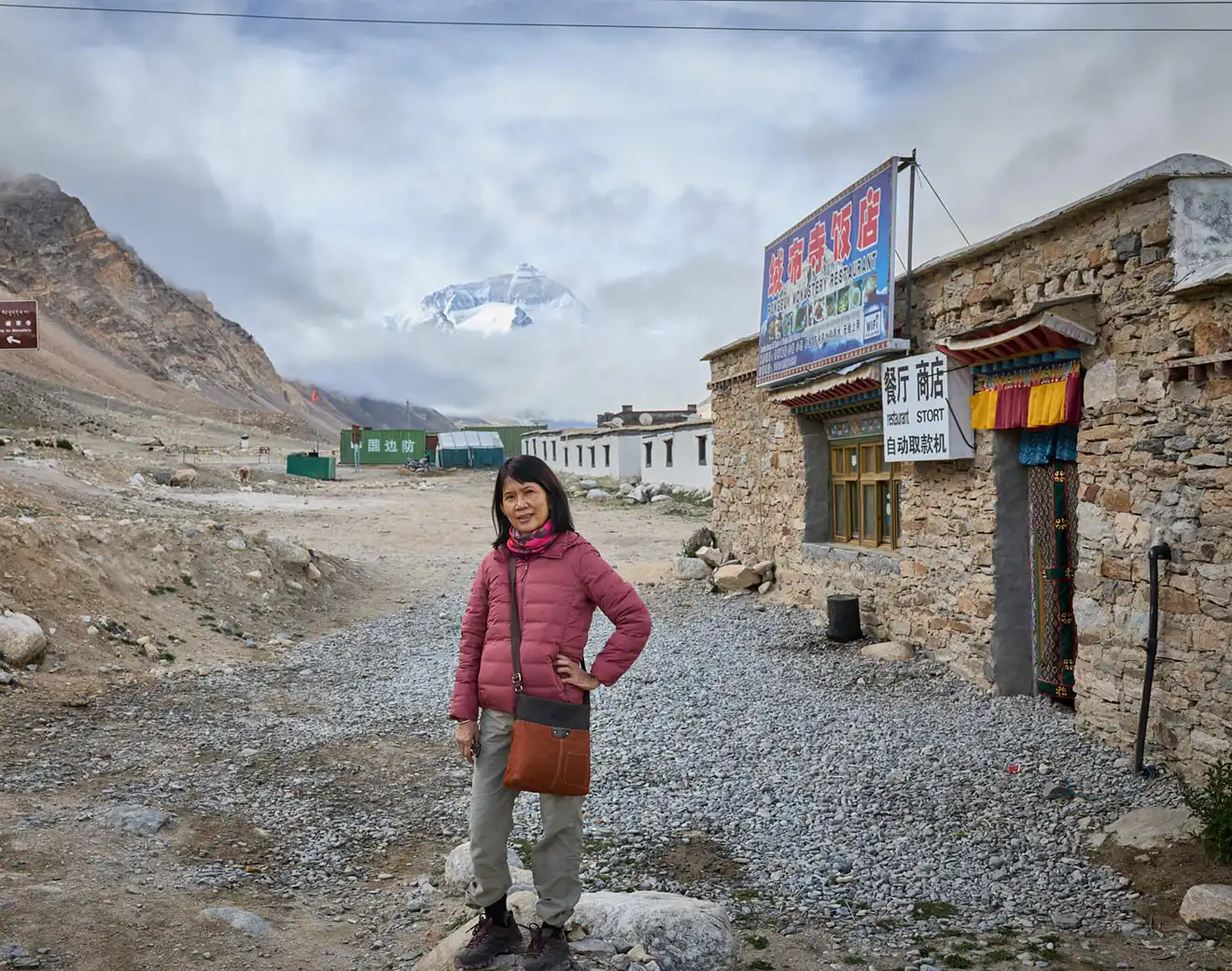
Mount Everest attracts thousands of visitors every year. The mountain requires clear skies for good visibility. April through June provides excellent conditions. Spring weather clears away the winter clouds. September through October delivers equally stunning views. Autumn air removes all the summer moisture. Travelers photograph the sun rising and setting over the world’s highest peak. Visitors must prepare for year-round high winds and freezing night temperatures at the base camp.
The typical tour runs for eight days. Travelers start in Lhasa. The group drives across the Kamba La Pass. The vehicle stops at the beautiful Yamdrok Lake. The route continues past the Karola Glacier. Visitors explore the Gyantse Kumbum stupa. The tour reaches Shigatse for a night of rest. The final drive crosses the Gawu La Pass. The top of the pass reveals four mountain peaks above 8,000 meters. The group finally reaches Rongbuk Monastery. The base camp sits just a short distance away. Choosing the best time to visit Tibet guarantees clear views of these massive peaks.
For Mount Kailash Tour
Mount Kailash stands in the remote western region of Ngari. The area features extremely harsh weather. The trekking season runs strictly from May to October. May and June offer clear skies and fresh air. July and August bring slightly warmer temperatures but occasional rain. September provides the perfect balance of clear views and manageable trails. Heavy snow blocks the Dolma La Pass from November to April. Trekkers cannot complete the three-day walk around the mountain during the winter.
The holy trek, known as the Kora, requires deep physical endurance. Day one covers 20 kilometers from Darchen to Dirapuk Monastery. Trekkers walk through a wide river valley. The north face of the mountain appears clearly at the end of the day. Day two presents the hardest challenge. The trail climbs to the Dolma La Pass at 5,630 meters. Oxygen levels drop significantly. Trekkers descend to Dzultripuk Monastery for the second night. Day three involves an easy 14-kilometer walk back to Darchen. Planners consider May and September the best months for Tibet tour itineraries involving Kailash.
For Lhasa Cultural Tours
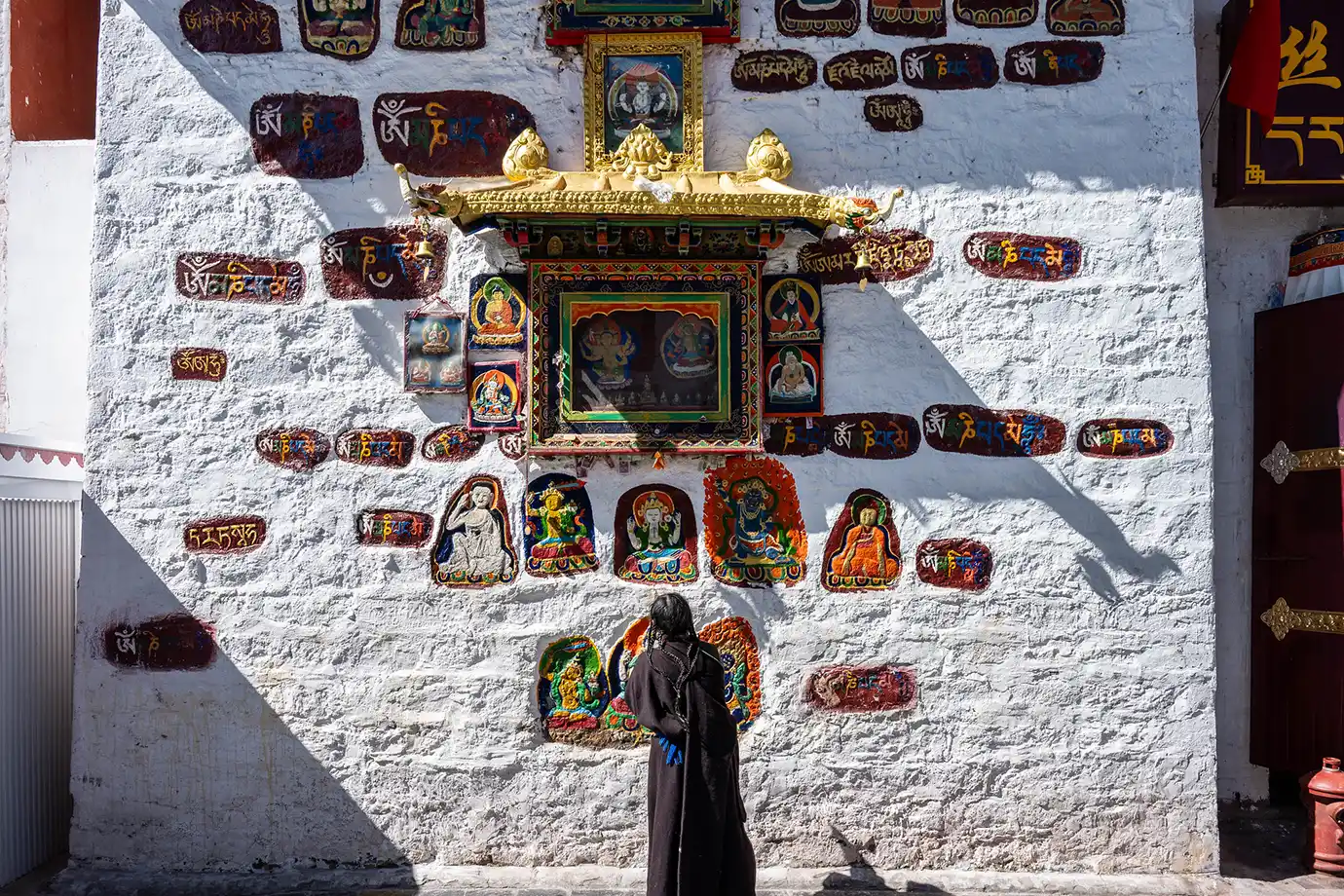
Lhasa enjoys a much milder climate than the rest of the plateau. The city sits in a protected river valley. Travelers can easily visit Lhasa from April to October, when the weather is most comfortable. However, Lhasa remains open and accessible year-round. Winter visits offer a more authentic cultural tour. Thousands of rural Tibetans travel to the capital during the winter months. They perform prostrations around the Jokhang Temple. Visitors witness deep religious devotion without the distraction of large tourist crowds.
A standard city tour includes the majestic Potala Palace. Visitors climb hundreds of stone steps to reach the white and red buildings. The tour includes the Jokhang Temple, the spiritual center of the region. Travelers walk the Barkhor Street circuit alongside local pilgrims. The Tibet Tour itinerary covers Sera Monastery, where monks debate Buddhist philosophy in the courtyard. The city offers a rich history regardless of the Tibet tour season.
For Budget Travel
Traveling to the plateau requires a significant budget. The mandatory guide, driver, and private vehicle add to the costs. Budget-conscious travelers choose the winter months. From November to February, airlines offer cheap flight tickets. Luxury hotels cut their room rates by half. Tour operators provide massive winter discounts. Entrance tickets to many famous attractions become free or heavily discounted. Lower prices make the trip much more affordable. Winter definitely ranks as the best time for the Tibet Budget Tour.
For Festivals
Tibetan festivals follow the traditional lunar calendar. Exact dates change every solar year. Attending a festival provides incredible cultural memories.
- Saga Dawa Festival: This event honors the birth, enlightenment, and death of Buddha. It usually happens in May or June. Pilgrims walk the outer paths of Lhasa and Mount Kailash. They donate money to people experiencing poverty and avoid eating meat.
- Shoton Festival: The famous yogurt festival occurs in August. Monks display giant thangka paintings on the mountain slopes. Locals gather in the Norbulingka palace gardens. They eat fresh yak yogurt and watch traditional opera performances.
- Losar: The Tibetan New Year falls in January or February. Families gather, clean their houses, and eat special noodle soups. They pray for good fortune in the coming year.
- Nyingchi Peach Blossom Festival: This natural event happens in late March and early April. Eastern valleys turn completely pink. Photographers capture the blossoms against the snow peaks.
For Traditional Food
The extreme environment shapes the local diet. At high altitudes, most green vegetables cannot be grown. Locals rely heavily on high-energy foods. Trying traditional dishes remains a highlight of any trip.
Tsampa serves as the primary daily food. Locals roast highland barley and grind it into flour. They mix the flour with butter tea to form a thick dough. They eat this dough with their hands. Tsampa provides massive amounts of carbohydrates and calories.
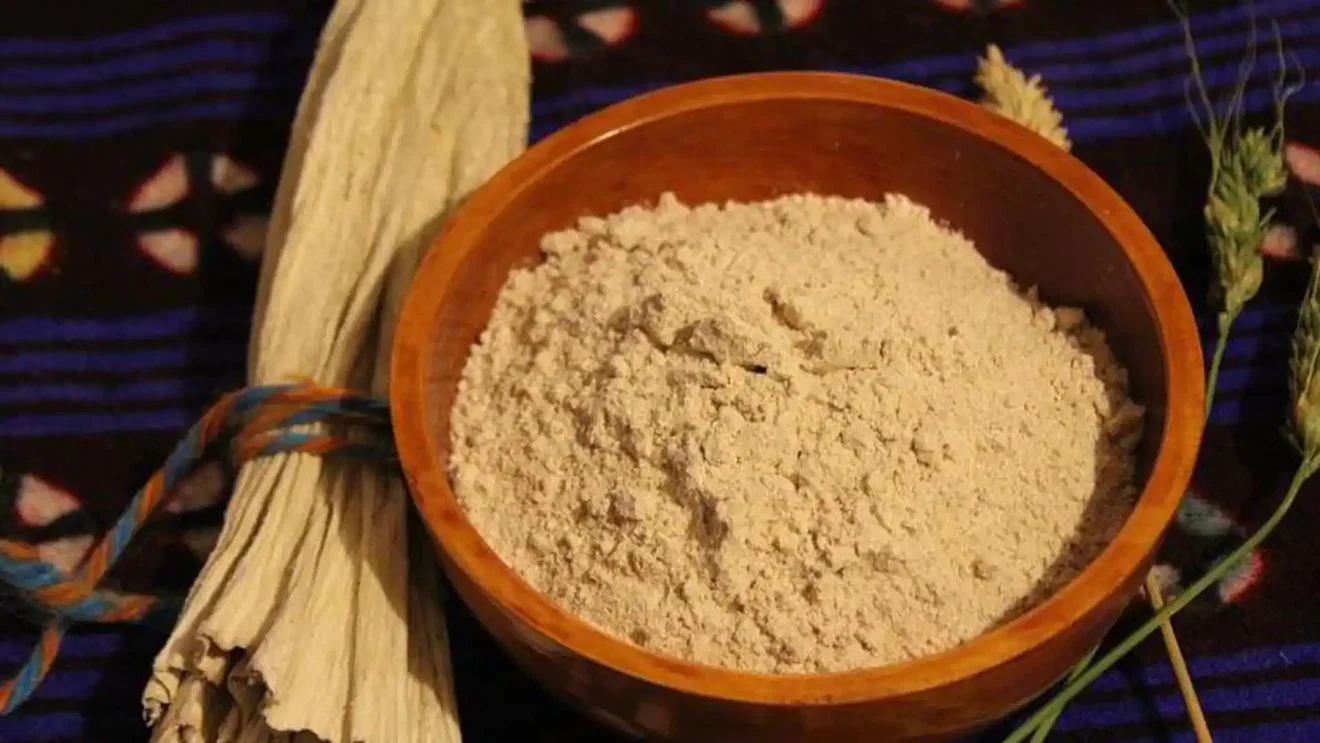
Butter tea warms the body effectively. Locals boil black tea leaves. They mix the tea with yak butter and salt. The salty, oily drink prevents dehydration. Visitors drink butter tea in every monastery and local home. During the winter, Tibetans consume large amounts of yak meat. Cooks boil the meat and serve it with spicy dips. Heavy meat diets keep the body warm during the freezing months. Noodle soups, known as Thukpa, provide comfort during rainy summer evenings. Families stuff dumplings, known as momos, with yak meat or potatoes.
For Wildlife Photography
The high plateau hosts incredible wildlife. Animals adapt perfectly to the harsh environment. Timing the trip correctly allows travelers to spot these rare creatures. The birdlife changes dramatically with the seasons. The Black-necked Crane holds a sacred status in the local culture. These tall birds migrate from northern breeding grounds to the Lhasa River valley. They arrive in November and stay until March.
The Lalu Wetland, within Lhasa city limits, provides a perfect viewing spot. Bar-headed Geese also spend the winter in the southern valleys. Summer brings Brown-headed Gulls to the holy lakes. Thousands of gulls fly above the blue waters of Yamdrok Lake during July and August.
The northern Changtang Plateau is a massive wildlife reserve. The Tibetan Antelope lives in this extremely remote area. Males grow long, straight black horns. Himalayan marmots are frequently seen during the warmer months. These large rodents dig deep burrows in the grasslands. Travelers spot them easily along the roads to Mount Everest. Wild Yaks roam the high mountain passes. They have thick, shaggy black hair to help them survive the cold. Wildlife lovers consider summer the best time to visit Tibet.
When to Avoid Visiting Tibet
Certain times of the year present major challenges for travelers. Knowing when to avoid the region helps prevent ruined vacations. Heavy snow blocks the roads to remote areas during the deep winter. Travelers must avoid the Mount Kailash region from November through April. Extreme cold and icy passes make the trek incredibly dangerous. Namtso Lake often freezes completely. Ice on the steep mountain passes prevents vehicles from reaching the lake safely during winter. The cold weather limits access to many natural wonders.
The month of March brings administrative closures. The local tourism bureau usually stops issuing travel permits to international tourists in late February. The closure lasts through the entire month of March. The government implements these restrictions for annual political meetings. Independent international travelers cannot enter the region during this specific period. Travel agencies resume permit applications in early April.
The Chinese National Day holiday creates massive crowds. This holiday runs from October 1st to October 7th. Millions of domestic tourists travel during this single week. Train tickets sell out instantly. Hotel prices skyrocket. Lines at the Potala Palace grow incredibly long. International travelers find the experience stressful and overly crowded during this specific week. Avoid the first week of October if you dislike large crowds.
Peak Season vs Shoulder Season Comparison
Understanding the differences between seasons helps travelers plan their budgets and expectations. The table below outlines the key variations throughout the year.
| Season | Months | Weather | Crowd Level | Price Level | Best For |
|---|---|---|---|---|---|
| Peak Season | July, August | Warm, Occasional Rain | Very High | Most Expensive | Festivals, Kailash Trekking, Green Scenery |
| Shoulder Season | May, June, Sept, Oct | Mild, Clear Skies | Moderate | Moderate | Everest Views, Photography, Comfortable Trekking |
| Off-Season | Nov, Dec, Jan, Feb | Cold, Sunny, Dry | Very Low | Least Expensive | Budget Travel, Authentic Culture, Migratory Birds |
| Closed Season | March | Warming, Dry | Zero (Closed) | N/A | Peach Blossoms (for domestic tourists only) |
Tibet Travel Permit and Seasonal Restrictions
Every international traveler needs a Tibet Travel Permit. The Chinese Visa alone does not grant access to the plateau. Navigating the permit process represents a major part of the Tibet climate guide and planning phase.
Permit Processing Details
Only registered local travel agencies apply for the permit. Independent travelers cannot apply directly to the government. The agency requires a clear scanned copy of the traveler’s passport. The agency also needs a copy of the Chinese visa. The tourism bureau processes the application. Processing requires at least 8 to 9 working days. Travelers must book their tours at least 20 days in advance. During the peak summer season, the bureau processes thousands of applications. Booking early guarantees a smooth process.
Travelers visiting places outside Lhasa need an Alien Travel Permit. The tour guide applies for this document upon the group’s arrival in Lhasa. Visiting military-sensitive areas, such as Mount Kailash, requires a Military Permit. The travel agency handles all these extra documents. Recent updates in 2026 removed the Alien Travel Permit requirement for some eastern prefectures, but standard tours still require strict documentation.
Entering from Mainland China
Travelers entering from cities like Beijing or Chengdu need the physical permit paper. The travel agency mails the original permit to the traveler’s hotel in mainland China. Airport staff check the original document before allowing passengers onto the flight. Train station guards also inspect the permit before boarding the Qinghai-Tibet railway.
Entering from Nepal
Entering the region from Kathmandu requires a completely different process. Travelers do not use a standard Chinese Visa. Instead, they need a specific China Group Visa. The local travel agency in Kathmandu applies for this document at the Chinese Embassy. The embassy requires the traveler’s original passport. The process takes three to four working days. Travelers must arrive in Kathmandu several days before their flight or overland trip to the border.
The Tibetan guide holds the actual Tibet Travel Permit and meets the group at the Lhasa airport or the land border.
In 2026, China introduced visa-free policies for many European and Asian countries. Citizens of these specific countries do not need a Chinese visa. They only need the Tibet Travel Permit. Travelers must check their country’s visa status before booking.
What to Pack Based on Season
Proper packing ensures a safe and comfortable trip. The high altitude and rapid temperature changes demand careful preparation. Packing correctly makes any time the best time to visit Tibet.
Spring and Autumn Packing List
- Clothing: Layered clothing works best. Bring a warm fleece jacket. A windproof outer shell keeps biting mountain winds at bay. Pack long-sleeve shirts to prevent sunburn. Thermal underwear helps during chilly nights.
- Footwear: Comfortable walking shoes are suitable for city tours. Sturdy trekking boots handle the rocky paths around the monasteries and base camps.
- Accessories: Sunglasses with high UV protection save the eyes. Sunscreen and lip balm prevent painful skin cracking. A wide-brimmed hat shields the face from direct sunlight.
Summer Packing List
- Clothing: Pack breathable cotton shirts for the warm days. Bring a reliable rain jacket or waterproof shell. Evening showers occur frequently. A light sweater handles the cooler night air.
- Footwear: Waterproof hiking shoes keep feet dry during the rainy season.
- Accessories: An umbrella helps during sudden downpours. Mosquito repellent protects against insects in the lower, wetter valleys around Nyingchi.
Winter Packing List
- Clothing: Heavy insulation keeps travelers safe. Pack a high-quality down jacket. Bring heavy thermal layers for the top and bottom. Wool sweaters provide excellent warmth. Thick woolen socks prevent frozen toes.
- Footwear: Insulated snow boots or heavy winter boots work best.
- Accessories: A warm woolen hat must cover the ears. Heavy gloves keep fingers warm. A thick scarf protects the neck and face from the freezing wind.
Essential Items for All Seasons
- Medicine: Altitude sickness medicine helps the body adjust to higher altitudes. Pain relievers handle minor headaches. Stomach medicine treats unexpected food issues.
- Electronics: Cold weather drains batteries quickly. Bring multiple power banks. Pack extra camera batteries. Keep electronics in warm inner pockets.
- Documents: Keep the passport and permits in a waterproof bag. Carry small amounts of local cash for the remote areas.
Final Recommendation: Which Month Is Truly Best?
Choosing the absolute best time to visit Tibet depends entirely on the specific goals of the trip. However, if a traveler must pick a single month, September wins the top spot.
September provides the perfect balance. Summer rains end, clearing the skies. Temperatures remain highly comfortable before the winter freeze begins. Roads dry out, making travel safe and smooth. Skies open up, revealing Mount Everest in all its glory.
Trekking routes around Mount Kailash stay completely free of snow. The green of summer still lingers in the valleys. May closely follows September as the second-best option. May offers similar clear skies and warming temperatures. Spring brings fresh energy to the region. Travelers seeking deep cultural immersion and major financial savings find the winter months highly rewarding. Quiet monasteries and the deep devotion of the winter pilgrims leave a lasting impression. Plan your Tibet travel season carefully to match your personal interests.
FAQs
Q: What is the best month to visit Tibet?
A: September offers the best overall conditions. The rainy season ends, the skies turn clear, and temperatures remain highly comfortable. May also provides excellent weather with blooming spring flowers.
Q: Is Tibet safe in winter?
A: Yes, the main cities remain perfectly safe. Lhasa and Shigatse operate normally. The sun shines brightly during the day. Travelers need heavy winter clothing. However, remote areas like Mount Kailash become dangerous due to heavy snow.
Q: Does it rain in Tibet?
A: Yes, rain falls primarily during the summer monsoon season. Eastern and central regions receive the most precipitation. Western regions remain mostly dry.
Q: When is the rainy season in Tibet?
A: The rainy season runs from July through August. Rain usually falls during the night or late evening. Daytime generally remains sunny and clear.
Q: Can I visit Everest Base Camp year-round?
A: The road to the base camp generally remains open year-round. However, heavy winter snow occasionally blocks the high mountain passes. Spring and autumn provide the absolute best views of the mountain peak.
Q: Is Tibet crowded in summer?
A: Yes, July and August represent the peak tourist season. Domestic tourists travel heavily during the school holidays. Popular attractions, such as the Potala Palace, become very crowded.
Q: Is March a good time to visit Tibet?
A: No, March is not an option for international travelers. The government typically stops issuing travel permits during this month for political reasons. Travel agencies do not accept bookings for March.
Q: What is Tibet like in October?
A: October provides beautiful autumn weather. Skies remain clear and blue. Temperatures begin to drop, especially at night. Autumn tree colors peak in the eastern valleys. October serves as an excellent month for photography and trekking.
Q: How long does the permit process take?
A: Travel agencies require at least 20 days to arrange the entire trip. Official permit processing at the government bureau takes 8 to 9 working days. Travelers must finalize their plans well in advance.
Q: Do I need a special visa from Nepal?
A: Yes, travelers entering from Kathmandu need a China Group Visa. The standard Chinese Visa does not work. The local travel agency in Nepal handles the application at the embassy in Kathmandu.